
Need Help?
Please leave your contact information to get our latest catalog
Get In Touch Now >


Author:SOP Work Pods Manufacturer TIME:2026-10-26
Suppose a training narration has been approved, then one instruction changes. The narrator returns to replace a sentence, but the new line sounds detached from the words around it. It may be clear on its own and still be the wrong fit. For a buyer considering a soundproof recording booth, that small editorial problem raises a specific question: can the intended team restore a previous session well enough to make a usable pickup?
A pickup is replacement speech recorded for insertion into existing material. The proposed exercise below tests that return workflow, not professional studio performance or an enclosure's isolation rating. It preserves a reference, resets ordinary user equipment, and judges the later line within the original passage.
Select a short, nonconfidential passage representative of the intended narration. Choose a middle sentence as the replacement window and retain the sentences on either side. Use the same narrator throughout the first exercise. Agree with the editor whether the task permits replacing only that sentence or a longer passage if necessary. This is a project choice, not a prescribed recording length.
Keep two script versions: the original wording and the proposed correction. Repeating the unchanged words first makes the return comparison less ambiguous; introducing new wording immediately mixes restoration with a different performance task. Let the editor name the qualities that would make the join distracting, such as a changed vocal character, a jump in emphasis, or an interruption to sentence flow. Do not define success as an identical waveform. The intended output is an acceptable edit, judged against this production's needs.
Record the passage in the proposed working arrangement, then record an unchanged repeat before packing away. Name these Original and Same-session repeat. Neither is a laboratory control: the narrator can vary between takes. Together they let the editor hear how much variation was already present without a reset, instead of attributing every later difference to the booth.
Retain the earliest available capture and the editor's working version separately. State whether processing was already applied during capture. A file exported from a processed project should not silently become the unprocessed reference. Note the selected input, microphone identity, interface or recorder, project settings, and any active automatic processing visible to the operator.
Keep ventilation in its normal approved occupied condition throughout. Leave openings clear and use ordinary door operation. This exercise never pauses ventilation to improve a sample, changes internal treatment, or alters service controls.
Microphone position and working distance can affect captured sound, so record the chosen geometry rather than adopting a universal distance. Describe the mouth's position relative to the microphone, its orientation, support position, seated or standing posture, and the script's location. An equipment-only photograph and a sketch can supplement written measurements. Use removable references only where the owner permits them; do not mark finishes or modify furniture. Record what the operator actually selected, not what they believe the device usually does. The editable fields below belong beside the reference files. Replace each prompt with an observation, and leave unknown settings explicitly unknown. A useful note must allow the later operator to distinguish something restored from something merely assumed.
Decide what a genuine return means for this team. A shared booth may lose the narrator's microphone, laptop, and script holder between bookings; a dedicated arrangement may retain them. Reset only the buyer-owned equipment normally removed or adjusted, using its supported handling procedure. Do not dismantle the enclosure, disturb fixed fittings, change seals, or interfere with ventilation. Note which items stayed in place.
For room state, record the furniture arrangement, normal door position, occupancy, and noticeable surrounding activity at both visits. Keep this separate from microphone geometry and application settings. For example, another person using the surrounding office is an observed difference, not permission to blame that person for an audible change. If the room state cannot be reproduced, the return remains a comparison under changed conditions rather than a controlled assessment of equipment restoration alone.
Choose the return interval to represent the question being asked. A same-visit rebuild tests whether the notes support reassembly; it does not establish consistency across different days. If later-day pickups matter, arrange that additional visit before treating the trial as complete. Record ordinary intervening use or known furniture changes. There is no need to stage unusual noise or deliberately degrade the booth. The relevant challenge is recovering from the disruption the planned workflow actually creates.
On return, use the note to rebuild the arrangement before asking for a performance match. Confirm the selected input in the recording application, restore documented operator settings where supported, and compare the equipment position with the sketch. Keep a brief change log. If a setting cannot be recovered, describe the replacement state instead of quietly calling the setup identical.
Record the unchanged passage as Return repeat. Preserve this attempt before adjusting the delivery to please a listener. Then let the narrator hear the original in context and record the revised sentence, including surrounding words the editor requests. Label that file Revised pickup. Separating these attempts helps distinguish an initial return mismatch from a later editorial correction.
Keep posture comfortable and delivery ordinary. Do not ask the narrator to maintain an impractical position simply because it resembles the photograph. If the arrangement cannot be resumed naturally, that is a useful finding about the proposed workflow.
Have the editor audition copies of the files through the same listening equipment and playback route. Begin with matching processing states. Comparing a finished original against an untreated return would introduce another difference. Preserve the source files while using working copies to audition the replacement between the retained sentences. Record the edit points so another reviewer can hear the same transition.
Listen for changed vocal character, emphasis, pace, and background continuity as separate observations. A quieter isolated clip is not necessarily a better join. If the editor makes an ordinary level adjustment or other permitted edit, identify it and keep an earlier version for comparison. Do not conceal extensive corrective work inside a verdict that the setup was easily restored. The listening pairs below answer different questions; they are a proposed comparison map, not completed test results.
Check the revised meaning as well as the sound. Play from before the first join until after the second, following the approved script. A convincing tone match still fails the task if the edit duplicates a word, drops part of the correction, or leaves a pause that changes how the instruction is understood.
| Listening pair | Question to answer | Limit on the inference |
|---|---|---|
| Original and Same-session repeat | How different were two readings before packing away? | Shows existing take variation, not a booth tolerance. |
| Original and Return repeat | Can unchanged words rejoin after the documented reset? | An audible difference does not identify its cause. |
| Return repeat and Revised pickup | What changes when the corrected wording is introduced? | Different words also change the performance task. |
| Original passage and edited replacement passage | Does the intended listener accept both transitions? | Approval belongs to this edit and its disclosed adjustments. |
When Return repeat differs, inspect the recorded discrepancies first. A moved support, changed script position, different input, or unrecovered setting gives the operator a concrete restoration question. Make one supported correction at a time and record another unchanged passage. If several variables must change together, label it a rebuilt arrangement rather than claiming to have identified a single cause.
Treat performance separately. A narrator may choose a different emphasis, pause, or speaking energy despite an apparently restored setup. Let the editor give a specific delivery note only after preserving the initial attempt. If the unchanged words fit but the revised line does not, consider recording a longer surrounding passage rather than repeatedly adjusting equipment. Where the cause remains uncertain, retain that uncertainty. This buyer exercise does not diagnose acoustics, prescribe processing, or prove that a vocal difference came from the enclosure.
Review the accepted edit beside the effort needed to obtain it. Could the intended operator restore the arrangement from the note, or did success depend on someone recalling an undocumented detail? Did the editor accept the replacement window, need a longer rerecording, or leave the join unresolved? Keep those outcomes distinct. A usable longer passage can solve the production problem while showing that isolated sentence pickups remain unproven. Before ordering, ask whether the proposed booth layout accommodates the equipment and restoration routine actually demonstrated. Keep buyer-supplied microphones and software outside any implied enclosure specification. If the trial occurred in a different configuration or location, leave that difference visible in the purchasing decision. Acceptance should cover the demonstrated return conditions and editorial task, not every future narrator, microphone, or recording project.
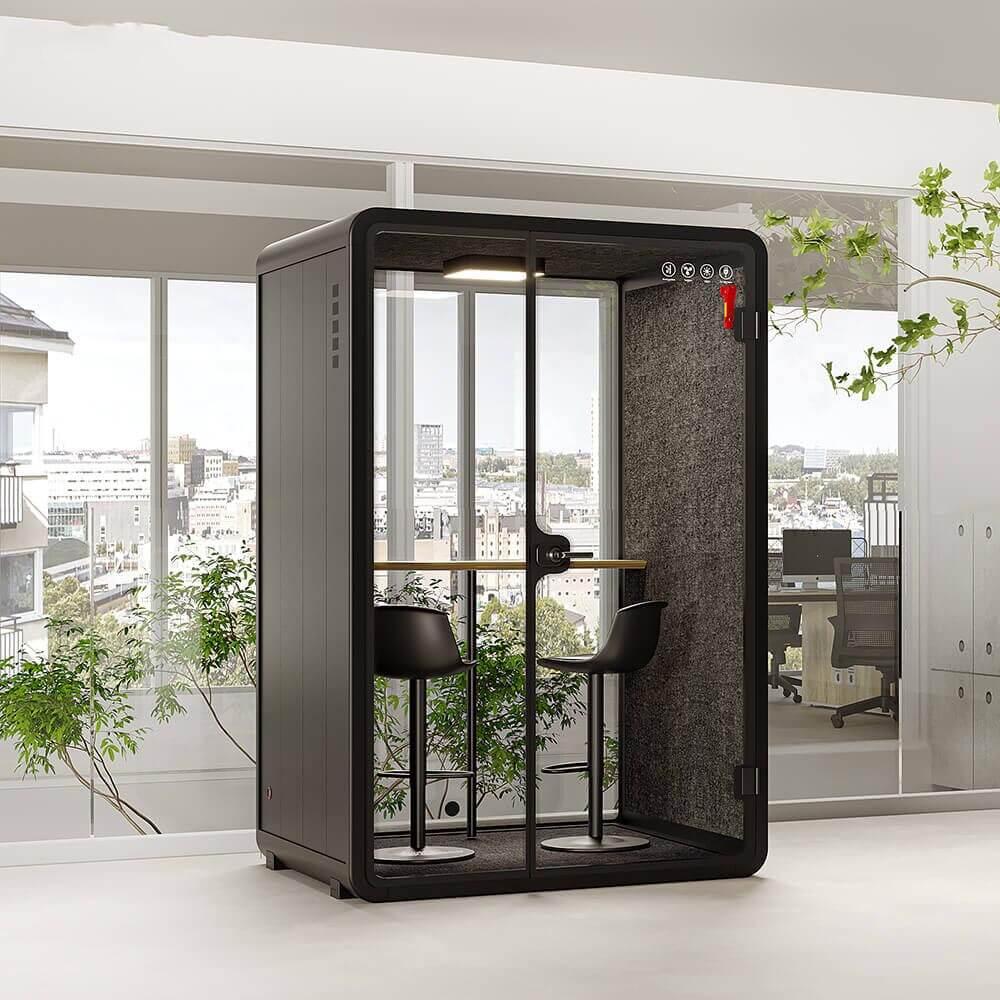
For a quotation from the SOP Recording Booth range, identify the proposed configuration separately from the recording equipment your team will bring to the return-session demonstration.
What if only the finished original is available?
Use it as the editorial target, but state that its earlier capture and processing history are unavailable. The editor can judge a proposed join; the trial cannot reliably attribute a mismatch to changes in the physical setup alone.
Can a different narrator demonstrate the same return?
Not for this first comparison. Changing narrators changes the task from restoring one person's session to matching a replacement performance. If that is a real requirement, assess it separately and allow the editor to choose a larger rerecording window.
Does an acceptable same-day return settle next month's pickups?
No. It demonstrates the observed interval and reset. Retain the session note for later use, then assess the longer return when it occurs. Equipment availability, undocumented changes, and the narrator's delivery remain conditions to check, not assumptions already approved.
Should processing be used to rescue an awkward join?
The editor may assess permitted production work on copies, but disclose what it required. Keep a separate judgment about restoration before that work. An acceptable finished edit and an easily repeatable capture are related purchasing considerations, not the same result.
For the purchase review, return with an auditionable edit and a session note someone can actually use. State whether the sentence fitted, a larger passage had to be replaced, or the return remains unresolved. If success required preserving equipment in place, include that space-use commitment in the decision. If the arrangement must be packed away, require evidence from that reset. The booth choice should support the team's demonstrated way of returning to a recording, without turning one usable pickup into a promise of studio performance.

 Tel: +8613538031763
 Email: info@sopworkpod.com
 MP/WhatsApp: +8613538031763
 Manufacturer Address:Liucheng Lujiang District,Meixi Road,Nanan City,Fujian,China