Author:SOP Work Pods Manufacturer TIME:2026-08-28
An Ireland-based facilities team does not need an acoustic label; it needs a defined workplace change. Calls may be intelligible at a nearby desk, open-office speech may enter a focus space, or small conversations may consume rooms intended for larger groups. Each condition has a different source, path, receiver, and acceptable outcome.
Begin with several representative workdays and record the event before selecting a product. Mark who produces the sound, who is affected, where both people are located, what surrounding activity is present, and whether the concern is speech privacy, distraction, or both.
That evidence becomes the supplier brief and the commissioning script. It also keeps local building review, product documentation, installation quality, airflow, and user behavior in their proper roles without inventing a customer result or a universal acoustic claim.
Begin with a sound-event log rather than a product shortlist. For several representative workdays, record where disruptive sound starts, what activity creates it, when it occurs, how long it lasts, and who is affected. A sales call beside a focus desk, a hybrid meeting near reception, and an informal discussion beside a corridor create different requirements. Do not record confidential conversation content; the useful data is activity, location, duration, occupancy, and impact on work.
Separate sound leaving an activity from sound entering it. A caller may need nearby colleagues to avoid understanding words. A person writing a report may need relief from surrounding speech. A small group may need both. These objectives can point to different pod types, locations, operating rules, and verification methods. Combining them into “we need something soundproof” makes supplier answers difficult to compare.
Use the log to estimate demand. Count overlapping calls, the number of people seeking quiet rooms, the duration of use, and the pressure on existing meeting spaces. A pod can address a defined shortage, but it cannot correct every behaviour or room-planning issue. The demand record helps decide quantity and placement while preventing an acoustic product from becoming a substitute for basic workplace management.
Terms such as quiet, private, soundproof, insulated, and acoustic may describe different scopes. Ask the buyer to write the desired outcome in ordinary language. One example is that a normal call should not be understandable at a named nearby desk under a defined office condition. Another is that a user inside should be able to follow a video meeting while ordinary activity continues outside. The wording should name the speaker, listener, activity, and position.
State what would be unacceptable. Complete words heard at a finance workstation may be unacceptable for a sensitive call. A low general sound may be acceptable if speech cannot be understood. For focus work, repeated door impacts or a noticeable fan tone may matter more than speech leaving the enclosure. Clear rejection conditions let the project team design relevant observations instead of arguing about an adjective after installation.
Keep project observations separate from laboratory documents. A site observation can show how one configuration behaves at one location under recorded conditions. A formal report may describe a controlled method, specimen, and result. Neither should be rewritten into a broader claim. Preserve the name, model, test arrangement, units, limitations, and revision of every supplied document.
A practical review follows three parts: source, path, and receiver. The source may be a person speaking, a meeting loudspeaker, a closing door, or surrounding office activity. The path may include the pod door, frame, glazing edge, panel junction, floor contact, ceiling, ventilation opening, or the room around the pod. The receiver is the person or position where the outcome matters. If one part is undefined, a comparison can hide the real risk.
Walk around a proposed location and mark receiver positions. Include the nearest desk, a passing corridor, an adjacent collaboration point, and the intended user position inside. Note other sound sources that could confuse the observation. A listener hearing speech near the pod may be hearing a colleague outside it. A person inside may be distracted by a printer or building service that does not pass through the enclosure.
Review flanking conditions without pretending to diagnose them from a photograph. The pod meets the existing floor and sits inside a room with its own surfaces and services. Installation quality, leveling, door alignment, and component fit can affect the user experience. The procurement record should therefore connect product evidence with installation inspection and a site-specific acceptance method.
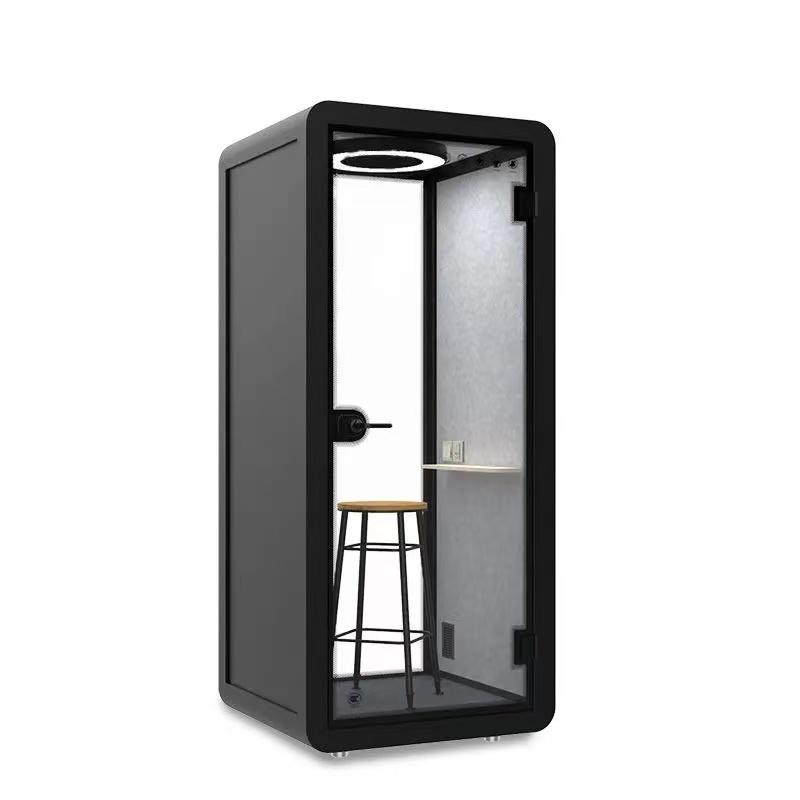
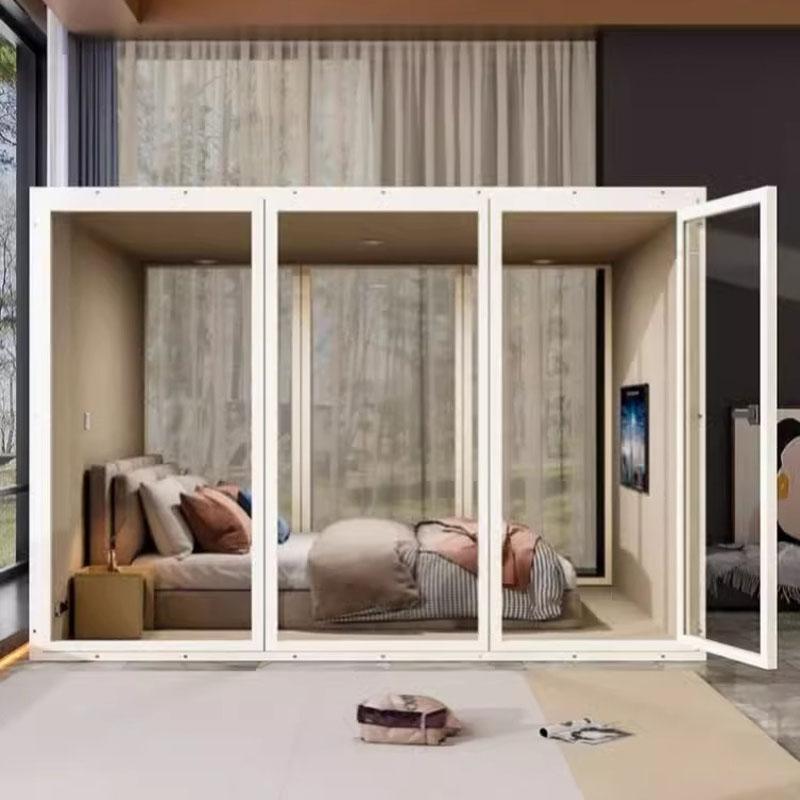
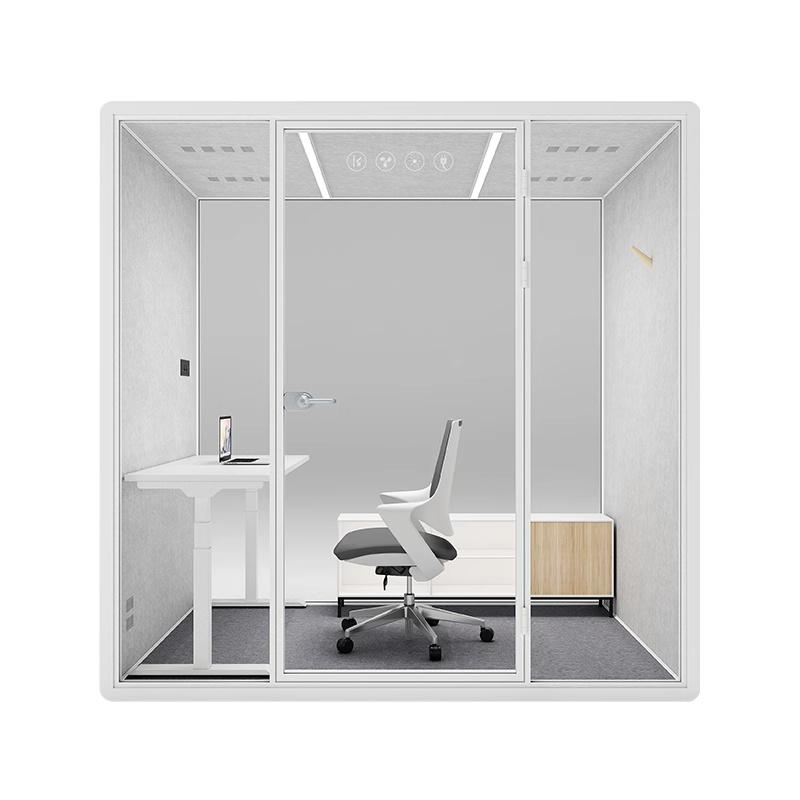
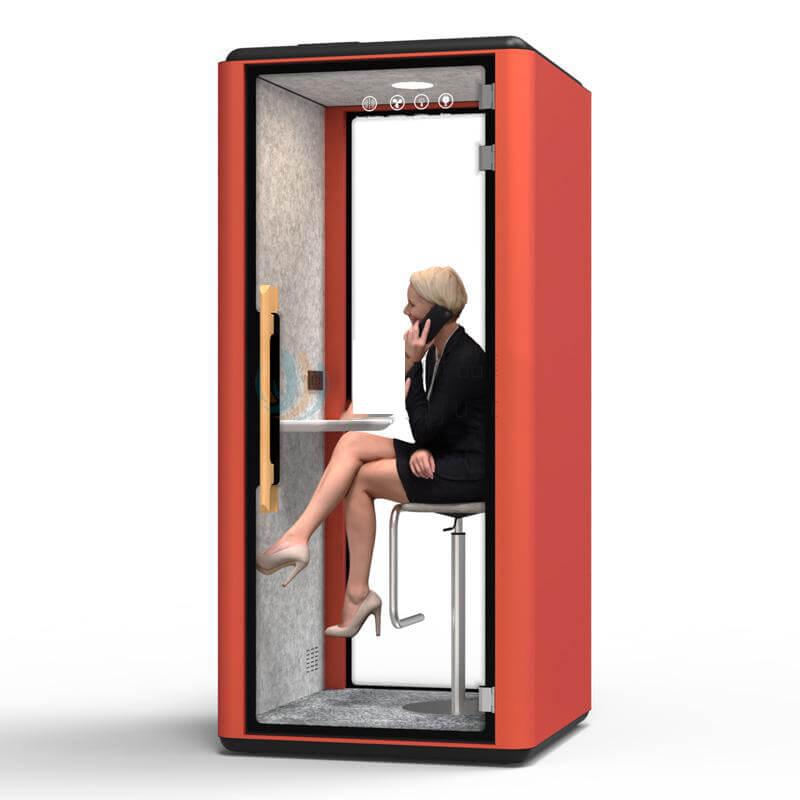
Compare the offered pod as a system. Ask for the model, external and internal dimensions, panel build-up, glazing, door and frame, seals, floor and ceiling arrangement, ventilation path, furniture, lighting, power, controls, assembly method, and service access. A strong component does not automatically determine the result of the assembled enclosure. The quotation and drawing should describe the same revision.
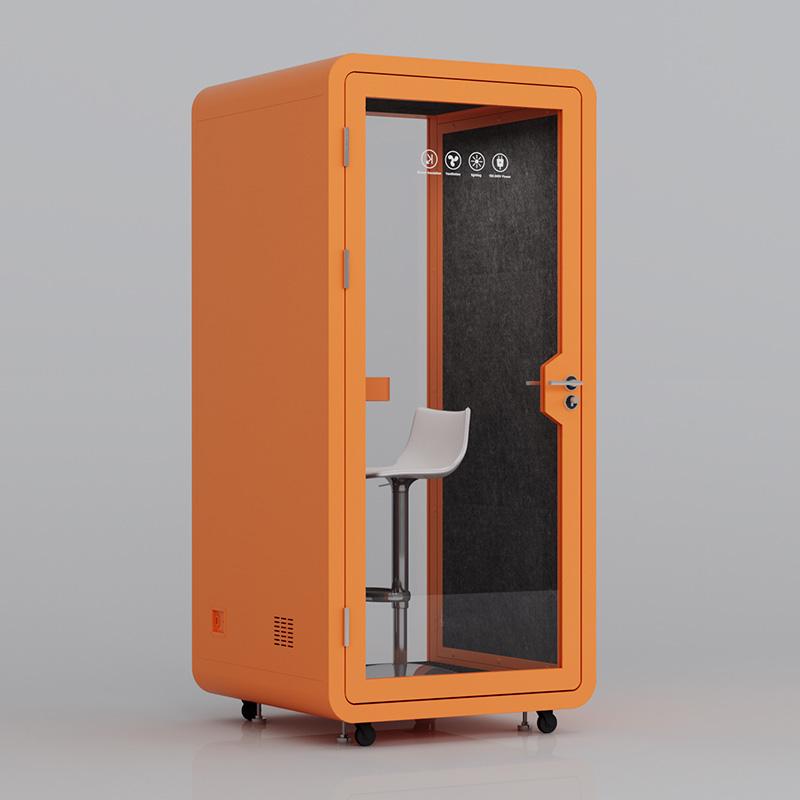
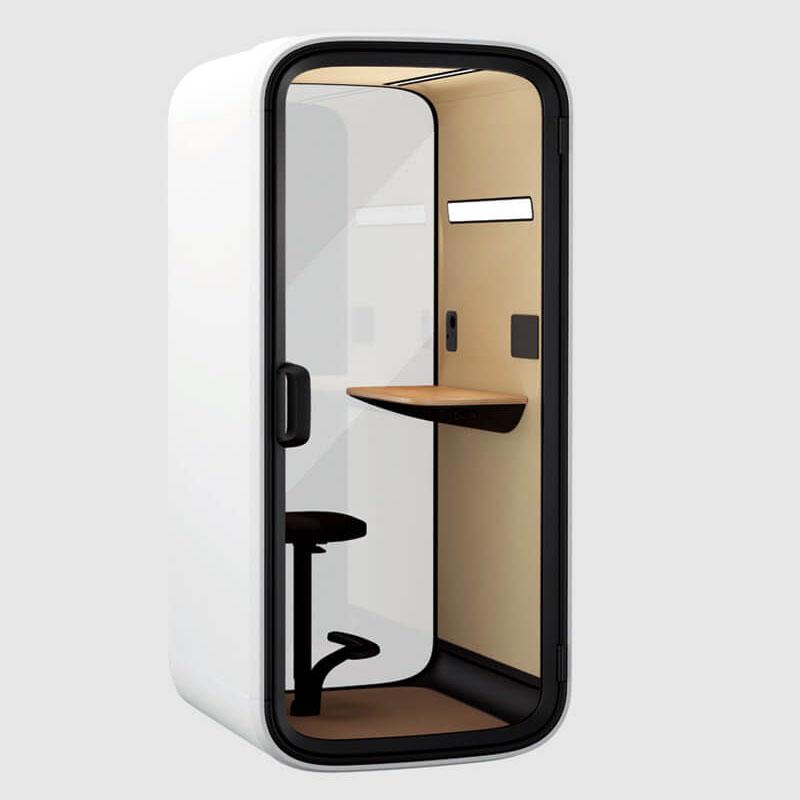
The office pod range can narrow the configuration discussion once the sound event, listener position, occupancy, and service conditions are known. Request documents for the exact model and options rather than transferring evidence from a similar photograph. product reference
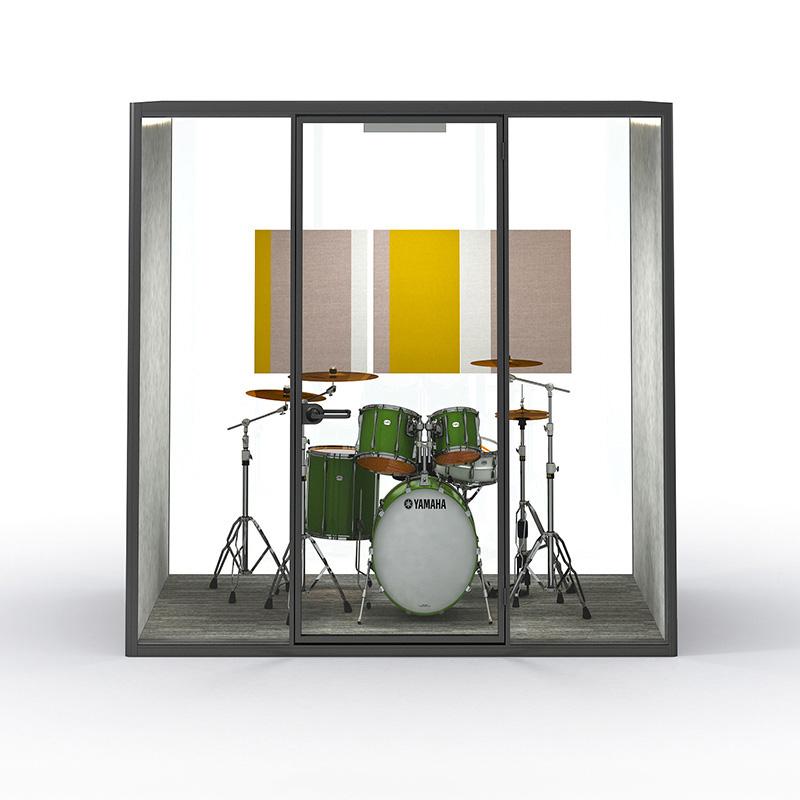
When reviewing the acoustic office pod category , use product pages to identify configurations worth discussing, then request the controlled information for the exact offer. Do not assume a photo includes every option shown. Identify what is standard, optional, excluded, or supplied by the buyer. Keep finish choices separate from performance evidence so visual preference does not dominate a technical decision.
Ask how the product is assembled and checked. Panel joints, glazing interfaces, door alignment, seals, service penetrations, and floor contact should be accessible to the installation inspection. If a supplier provides tolerances or procedures, attach them to the handover checklist. If no value is supplied, record the question rather than inventing one from a similar product.
Ventilation is both a comfort system and a possible sound path. Ask where air enters and leaves, what components move air, how controls work, and how maintenance access is reached. Request model-specific airflow and sound information where available, including its operating condition. A value without fan setting, measurement position, or configuration may be difficult to use in an acceptance decision.
Test the longest ordinary occupancy with the intended devices and number of people. Observe temperature, air movement, fan character, speech effort, concentration, and recovery between users. Do not switch the system off simply to improve a listening observation if users will need it during normal work. Acceptance should represent the intended operating state.
Define maintenance ownership before purchase. Filters, fans, grilles, controls, and accessible openings may require inspection or cleaning. The facilities team should know the service route, safe isolation method, replacement-part assumptions, and reporting channel. A pod that performs well at handover can become uncomfortable or noisy if no one owns routine care.
Create a zone map showing quiet work, calls, collaboration, circulation, reception, printing, storage, windows, entrances, exits, and building services. Place candidate pods on this map before selecting a final position. The best location is not necessarily the quietest corner. It must balance user access, listener risk, delivery, power, data, cleaning, service clearance, and the surrounding work pattern.
A pod intended for sensitive calls should not advertise every arrival to a reception queue. A focus pod should not open directly into a lively social zone. A frequently used call pod should not require a long walk that encourages people to keep calling at their desks. Test these relationships during peak occupancy rather than relying on an empty-office survey.
Include physical clearances. Mark door swing, approach, accessible circulation, nearby seating, cable routes, ventilation openings, service panels, and the delivery path. Country-specific requirements need local confirmation, so the drawing should identify questions for the responsible Irish professionals rather than claim compliance from a generic layout.
An evidence ladder ranks information by how closely it matches the purchase. Marketing language can help discovery, but it should not close a technical question. Product drawings and specifications identify configuration. Formal reports may support a defined property under stated conditions. Installation records show what was assembled. Site observations show what happened in the real location. Each level answers a different question.
Use the ladder as a release tool. Before deposit, confirm the use problem and proposed configuration. Before production, close drawings and options. Before dispatch, confirm route and readiness. At installation, inspect identity and assembly. At handover, run relevant activities. Open items should name an owner, due point, and closure record rather than disappear inside a general approval.
| Evidence level | Useful purpose | Reason to keep the item open |
|---|---|---|
| Product description | Identify intended use and product family | Language is not tied to an exact configuration or method |
| Controlled drawing and specification | Define enclosure, options, interfaces, and dimensions | Revision does not match the quotation |
| Formal technical document | Support a stated property under recorded conditions | Specimen, method, units, or limits are unclear |
| Installation and site record | Confirm assembly and observe the actual workplace condition | Configuration, listener, or operating state was not recorded |
Commissioning starts with product identity and physical condition. Compare the delivered pod with the approved documents, then inspect panels, glazing, door, frame, seals, floor contact, furniture, lighting, outlets, controls, ventilation, cable route, and service access. Photograph defects and assign corrections. Do not begin the acoustic observation until the pod is in its intended operating condition.
Run activities drawn from the original sound-event log. Use representative speakers, listeners, devices, door positions, ventilation settings, surrounding activity, and locations. Record whether words were understood, sound was detected without understanding, or outside activity affected the user. This language is more precise than declaring success or failure without conditions.
After occupancy, review booking pressure, user complaints, recurring faults, door behaviour, ventilation condition, cleaning, and location conflicts. Avoid collecting confidential conversation content. The aim is to determine whether the pods are solving the mapped problem and whether operation is sustaining the accepted configuration. If demand shifts, adjust quantity, policy, or placement using the same evidence chain.
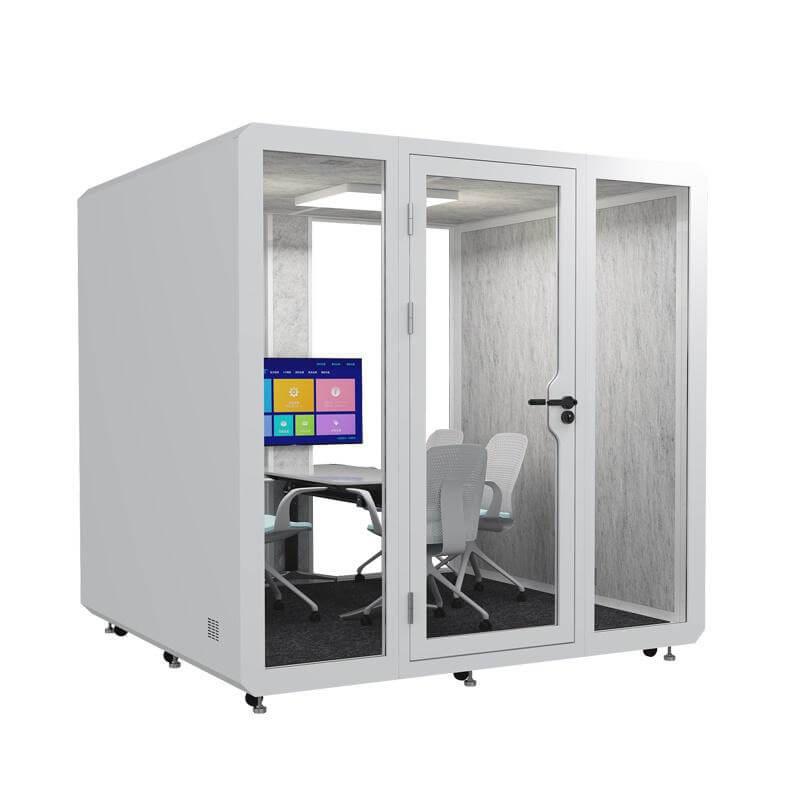
No. The buyer needs a defined privacy outcome, an exact configuration, relevant supporting documents, and a site observation with recorded speaker and listener conditions.
Use the normal operating state. If the pod requires ventilation during occupied use, an observation with it switched off may not represent the workplace experience.
The approved quotation, model-specific drawing, option list, responsibility schedule, and agreed acceptance record should work together. A general brochure should not replace them.
Yes. Surrounding activity, listener position, nearby services, floor conditions, and circulation can change what users and neighbours perceive even when the pod is unchanged.
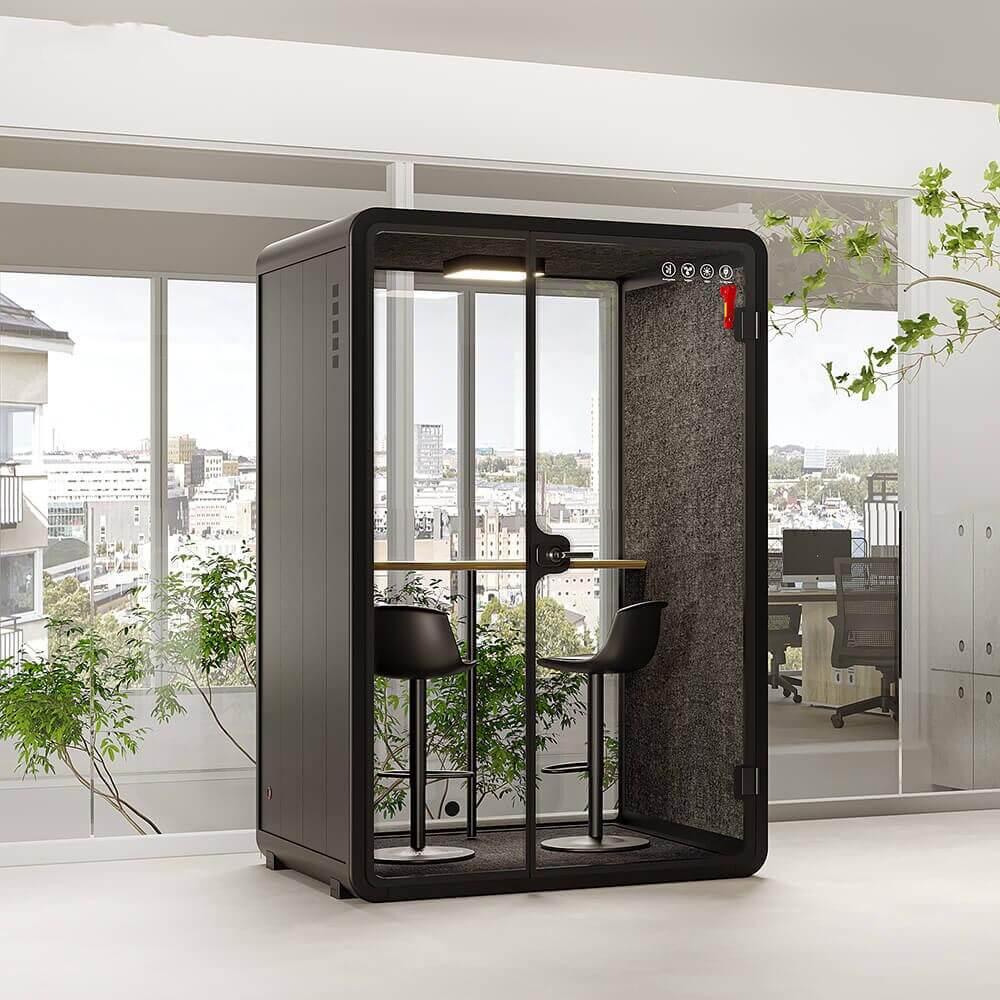
Acoustic office pods should be approved through a traceable chain from sound event to occupied use. The chain identifies the source, path, receiver, exact enclosure, ventilation state, location, installation condition, and operating rule that together produce the observed result.
Return to the original event log during commissioning. If the selected configuration addresses those events under recorded conditions and remains serviceable in normal operation, the decision has evidence; if not, the record shows whether placement, assembly, controls, demand, or the product brief must change.
How many acoustic pods should an office buy: Estimate demand from overlapping activities, session length, existing room pressure, and peak-day observations. Quantity should respond to measured workplace need rather than a fixed ratio.

 Tel: +8613538031763
 Email: info@sopworkpod.com
 MP/WhatsApp: +8613538031763
 Manufacturer Address:Liucheng Lujiang District,Meixi Road,Nanan City,Fujian,China