Need Help?
Please leave your contact information to get our latest catalog
Get In Touch Now >

Author:SOP Work Pods Manufacturer TIME:2025-04-07
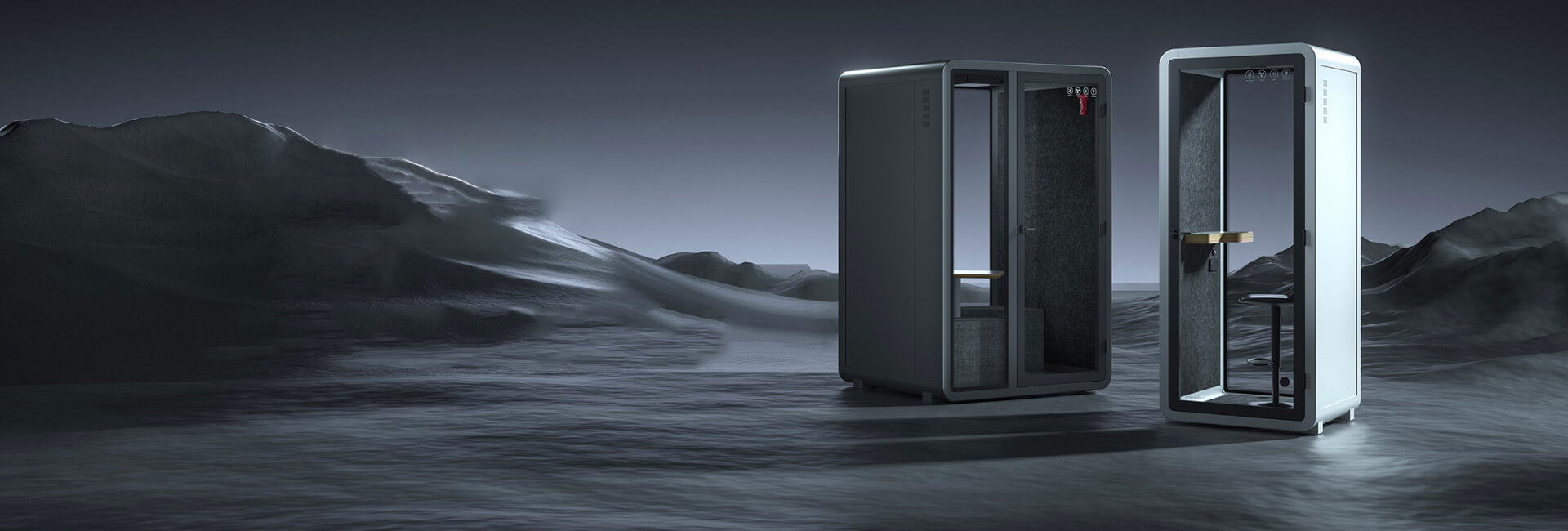
There is no single universal best privacy booth for office use. The right choice depends entirely on how you will use it. A booth that excels for a quick phone call may feel cramped during a two-hour focus session. A compact single-seater may be perfect for one person but useless for a small team meeting. The most effective approach is to define your privacy exposure first, then match a booth category to that exposure. This guide rejects the idea of a one-size-fits-all winner and instead provides a structured way to evaluate booths based on conversation sensitivity, occupancy, duration, location, and operating controls. The first useful output is therefore a use-case brief, not a brand ranking.
After privacy exposure and occupancy have been defined, compare the office phone booth categories against the same use-case matrix. A product name alone does not establish suitability for a sensitive conversation.
Open-plan offices create constant acoustic challenges. Conversations carry across desks, phone calls interrupt concentration, and confidential discussions become difficult to hold. The first step in selecting a privacy booth is understanding the level of exposure your conversations face. A brief, low-sensitivity chat about lunch plans requires far less acoustic protection than a performance review or a client negotiation. Consider the following factors when assessing exposure:
By answering these questions, you can narrow down the booth category that fits your actual needs rather than relying on generic recommendations.
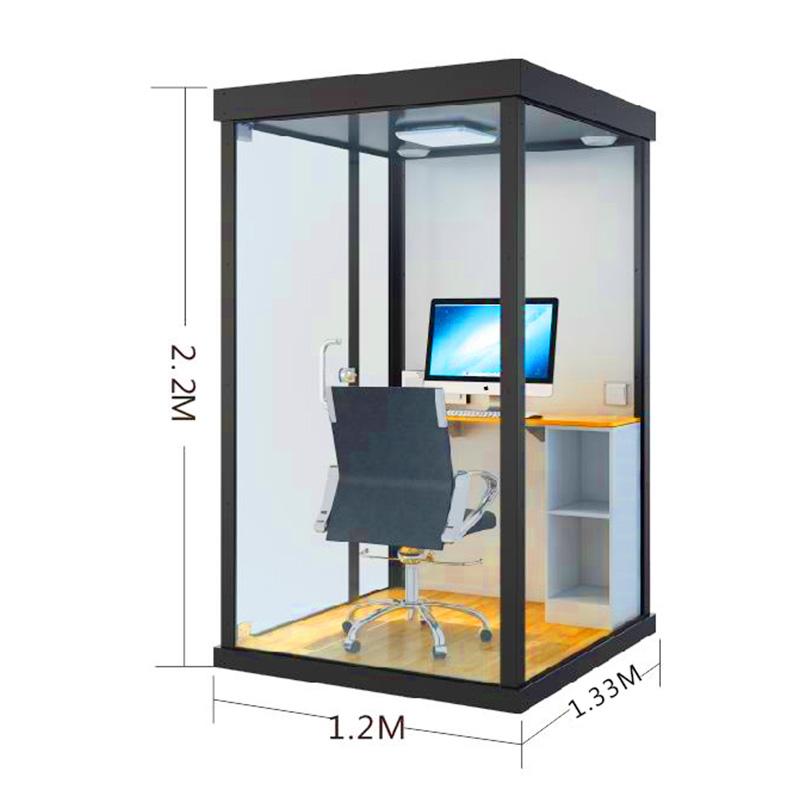
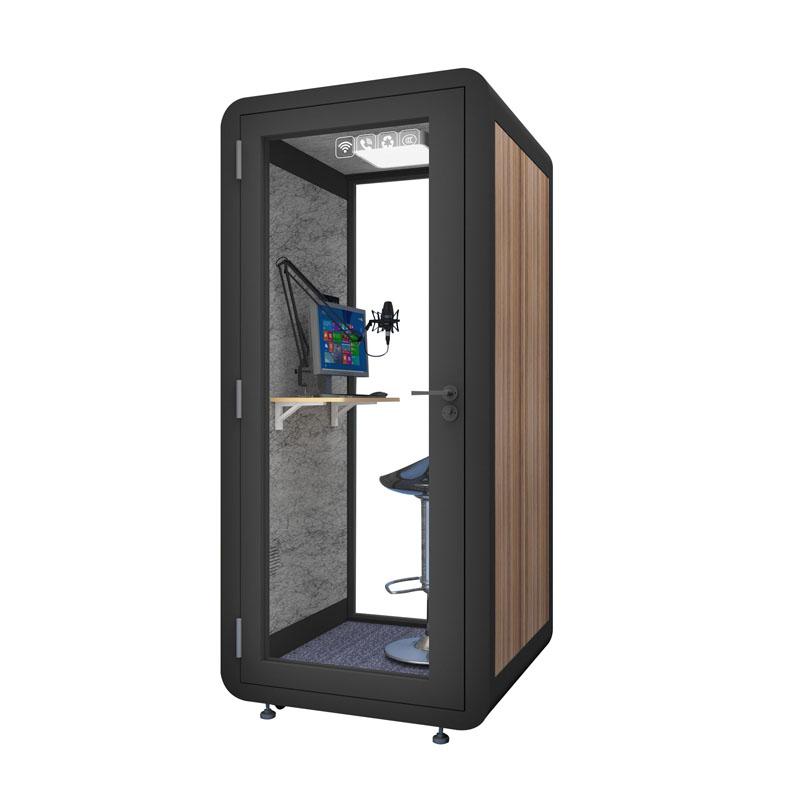
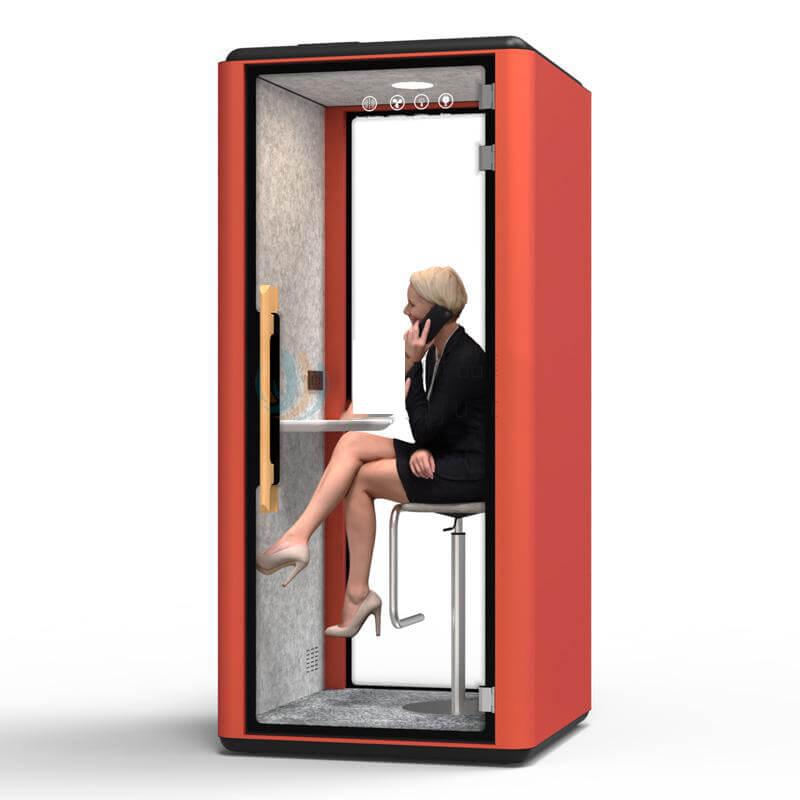
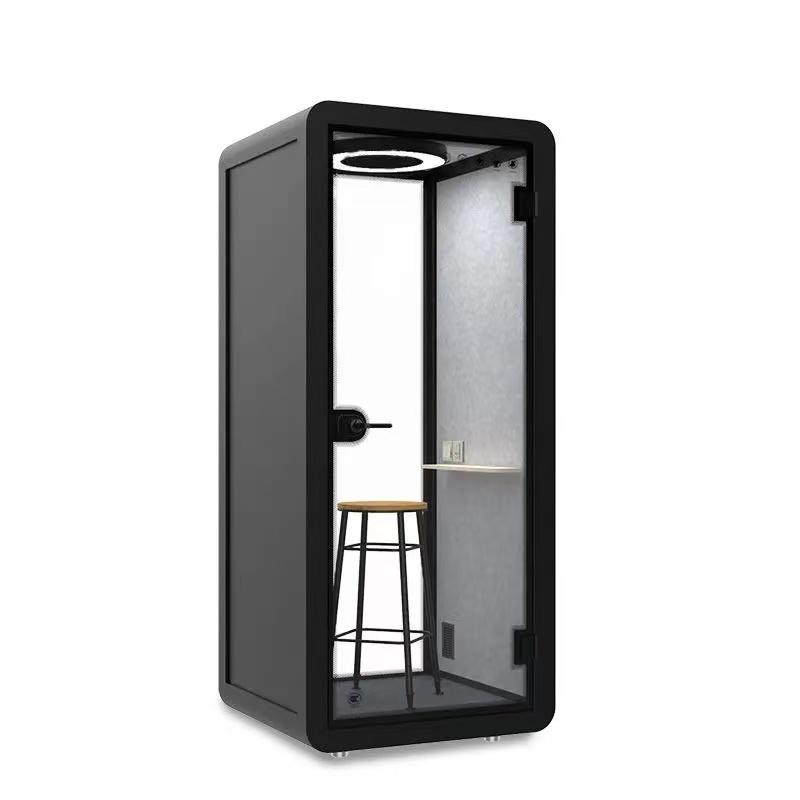
For individual phone calls, video conferences, or brief private conversations, a single-person call booth is one category worth testing. Its smaller footprint can make frequent calls easier to move away from nearby desks, but the offered lighting, ventilation, work surface, controls, and acoustic evidence vary by model. Test the longest intended call with the normal laptop and speaking level. If the booth becomes warm, forces an awkward posture, or leaves words intelligible at adjacent positions, either the configuration, location, or intended session pattern needs to change.
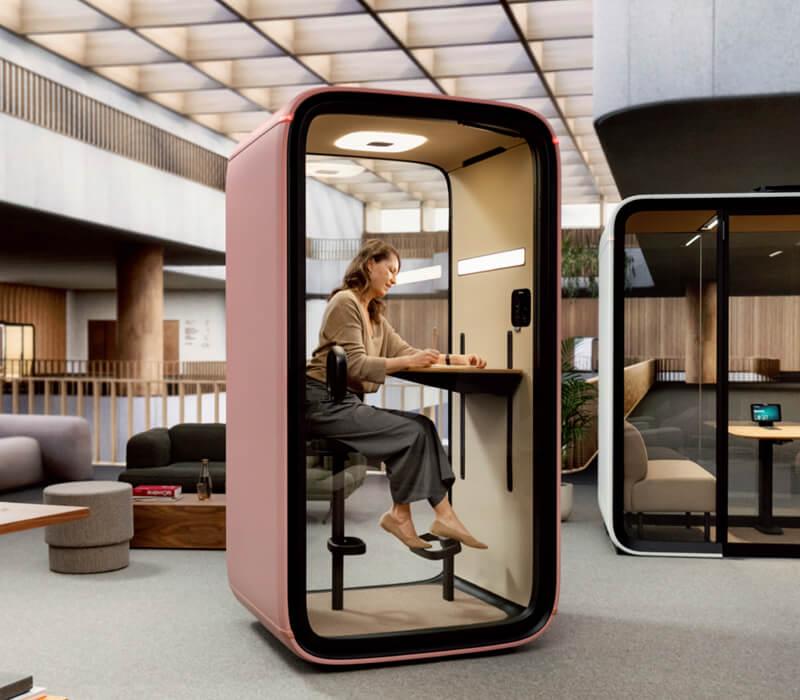
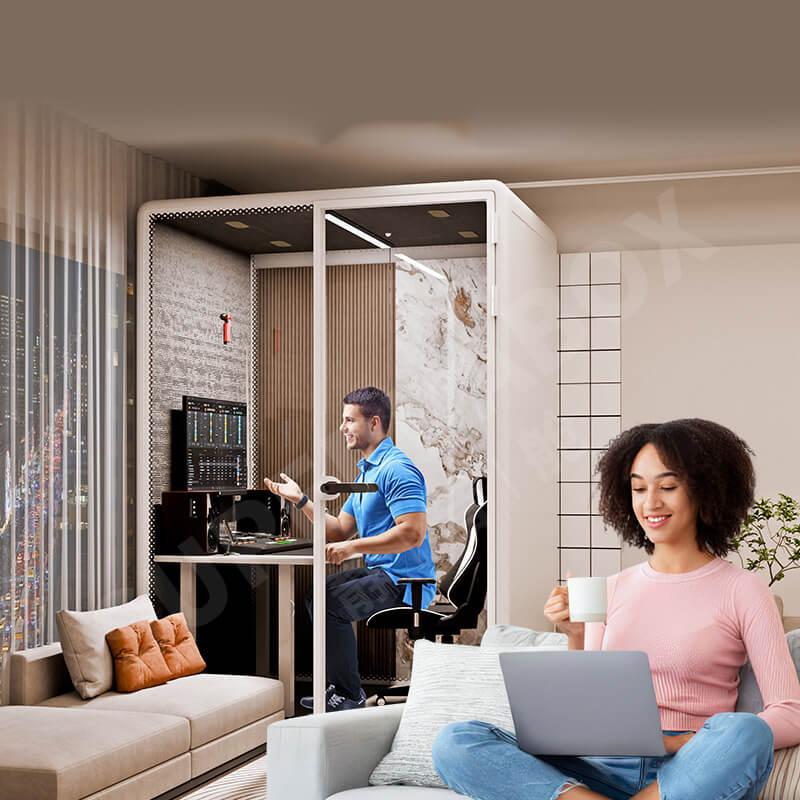
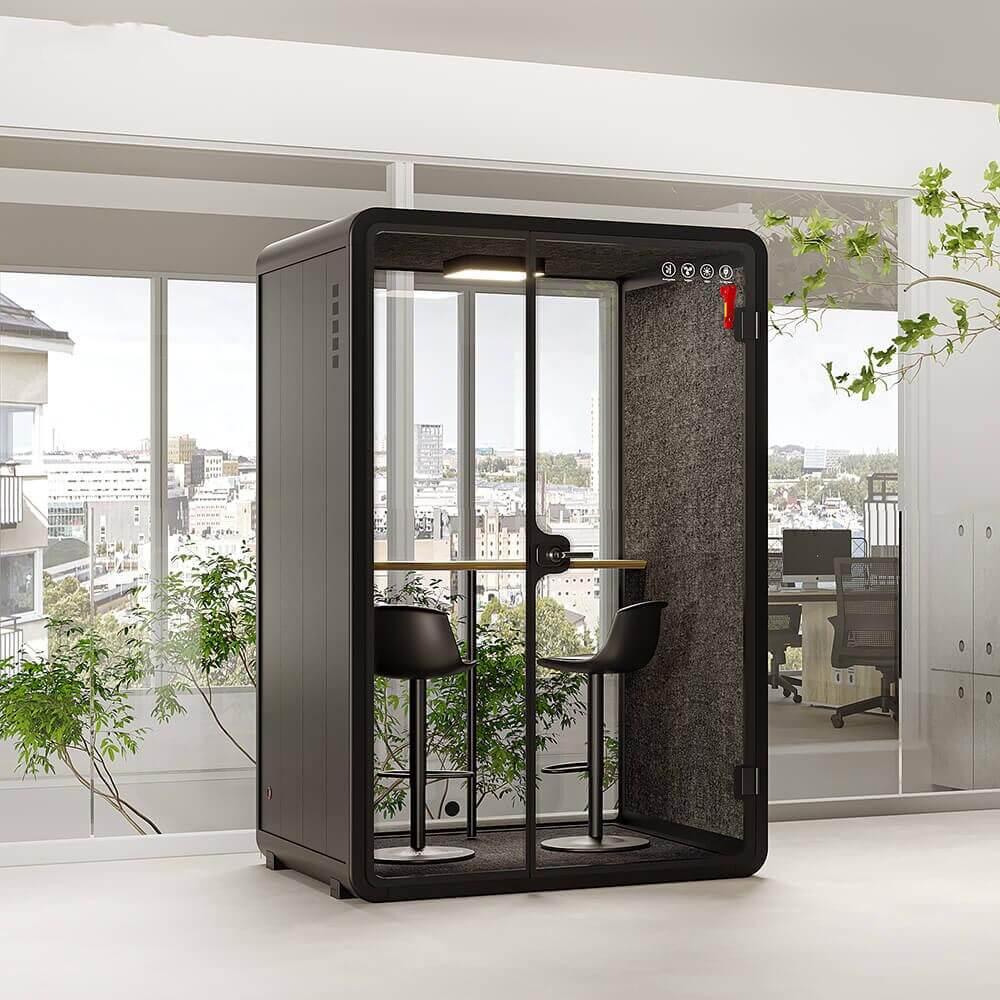
Deep work requires sustained concentration over extended periods. A standard call booth may not provide the comfort needed for a two-hour writing session or a half-day of analytical work. A focus pod generally needs more usable work area and greater occupied comfort than a brief-call booth. Buyers should review both incoming distraction and outgoing speech, while also considering people who benefit from lower-stimulation or more predictable work settings. When selecting a focus pod, consider the following:
Focus pods are an investment in employee well-being and productivity, and they should be evaluated on comfort and usability rather than just acoustic ratings.
Human resources conversations, job interviews, and performance reviews demand a higher level of privacy. These discussions often involve personal or legally sensitive information, and the participants need assurance that their words will not be overheard. For these use cases, a booth with superior sound insulation and a door seal that minimizes sound leakage is essential. The booth should also be large enough to accommodate two people comfortably, with a small table for documents or a laptop. In addition to acoustic performance, consider the visual privacy of the booth. Opaque walls and a door that closes securely provide both acoustic and visual confidentiality. For HR teams that conduct interviews regularly, a dedicated booth with reliable ventilation and lighting is a worthwhile investment, as it signals respect for employee privacy and creates a consistent, professional environment for sensitive conversations.
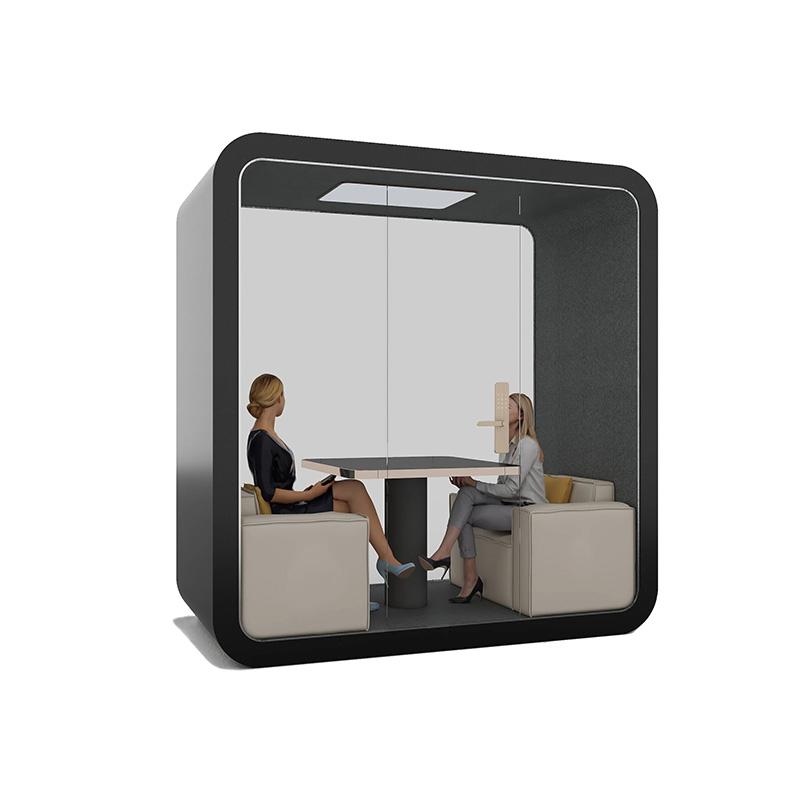
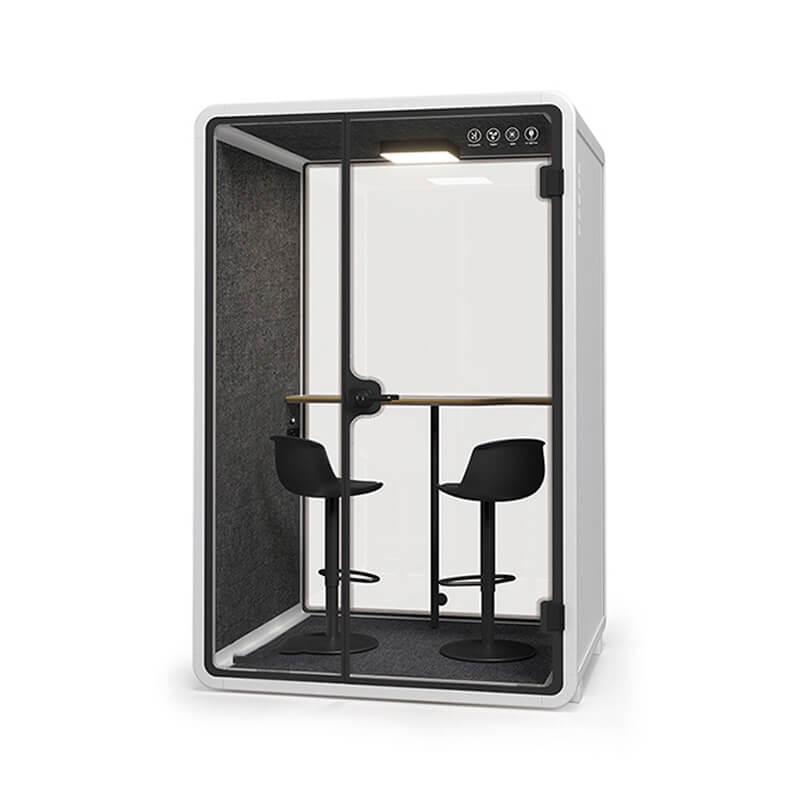
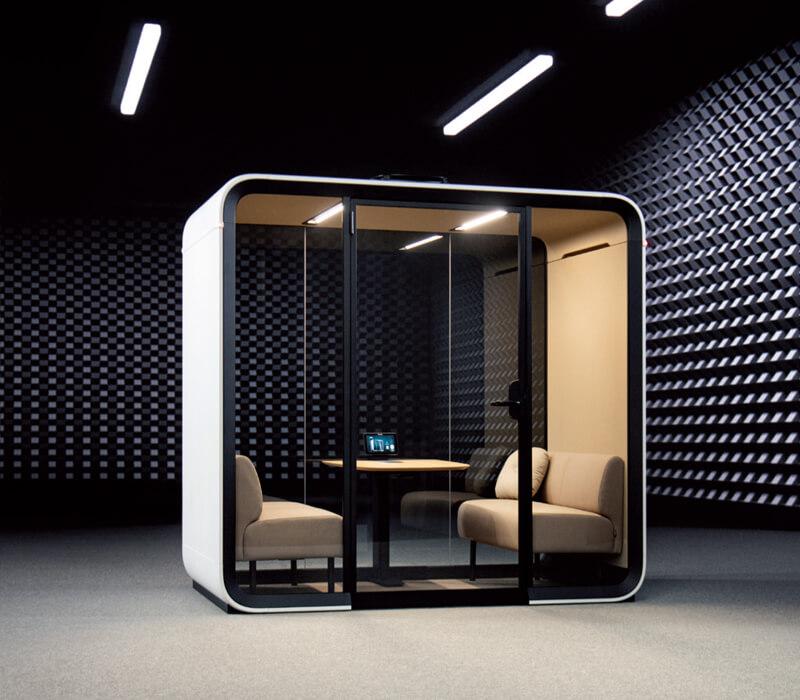
Not all meetings require a full conference room. A two-to-four-person meeting pod offers a middle ground between a private office and an open-plan breakout area. These pods can support team huddles, client calls, or collaborative sessions that should be separated from nearby desks. The offered table, seating, screen support, power, data, and controls vary and should be checked against the meeting brief. When evaluating meeting pods, consider the following:
Meeting pods are a flexible solution for hybrid work environments, where teams need spaces for both in-person collaboration and virtual participation.
The performance of a privacy booth depends not only on its construction but also on where it is placed and how it is used. A booth placed next to a busy kitchen or a main circulation route will face higher noise levels than one tucked into a quiet corner. Consider the following placement guidelines:
Behavior also matters. Clear signage and booking systems help users understand how long they can occupy a booth and when they should vacate it. Establishing simple etiquette and booking rules based on measured demand prevents one use pattern from crowding out others. Any session limit should come from local demand and occupied-comfort testing.
The table below provides a practical framework for matching booth categories to your specific privacy needs. Use it as a starting point for discussions with your team and with workspace consultants.
| Use Case | Occupancy | Typical Duration | Recommended Booth Category | Key Features to Prioritize |
|---|---|---|---|---|
| Quick phone call | 1 person | Brief, frequent session | Compact call booth | Occupancy indicator, basic ventilation |
| Video conference | 1 person | Brief to moderate session | Call booth with desk | Integrated lighting, power outlet |
| Deep work / focus session | 1 person | Extended focus session | Focus pod | Ergonomic seating, adjustable lighting, enhanced insulation |
| HR interview / performance review | 2 people | Sustained two-person discussion | Interview booth | Superior sound insulation, visual privacy, small table |
| Team huddle / client call | 2–4 people | Small-group meeting | Meeting pod | Screen connectivity, larger table, acoustic separation |
Rather than ranking specific brands, this guide presents booth categories for several recurring office privacy needs. Each category is defined by its intended use, not by a brand name, allowing you to evaluate products based on fit rather than marketing claims.
When comparing products within these categories, request acoustic performance data, visit showrooms to test comfort, and ask about customization options. A booth that looks good in a brochure may not meet your ergonomic or acoustic requirements in practice.
How do I know which privacy booth size I need?
Start by defining the maximum number of occupants and the typical duration of use. A single person making short calls needs a compact booth, while a team of four holding regular meetings requires a larger pod. Measure your available floor space and compare it with the booth’s external dimensions, including clearance for the door to open fully.
What is the difference between a call booth and a focus pod?
Call booths are generally selected for shorter, frequent sessions and prioritize quick access and a small footprint. Focus pods are larger, more comfortable, and intended for extended periods of deep work, with better seating, lighting, and ventilation.
Can privacy booths be relocated after installation?
Many modular booths are designed to be demountable and reconfigurable. If you anticipate frequent layout changes, choose a system that does not require permanent attachment to the floor or ceiling. Check the manufacturer’s specifications for relocation ease.
Do privacy booths require special electrical work?
Electrical requirements vary by configuration and destination. Request the connection method, voltage, plug or hard-wiring boundary, load information, component documentation, and outlet positions, then have the site interface reviewed by a qualified person for the project location.
Selecting the right privacy booth for your office is not about finding a single “best” product. It is about matching the booth category to your specific privacy exposure, occupancy, duration, and location requirements. By assessing your needs honestly and using the privacy-exposure fit matrix provided in this guide, you can make an informed decision that improves focus, supports confidential conversations, and enhances the overall functionality of your workspace. Record the selected category, its evidence gaps, the planned occupied trial, and the site conditions that must be confirmed before order release.

 Tel: +8613538031763
 Email: info@sopworkpod.com
 MP/WhatsApp: +8613538031763
 Manufacturer Address:Liucheng Lujiang District,Meixi Road,Nanan City,Fujian,China