Author:SOP Work Pods Manufacturer TIME:2026-09-24
Meeting pods for universities and libraries must support more than a quiet enclosure. Students may use them for paired study, online tutorials, interviews, group work, language practice, or short calls, while staff need clear routes, cleaning access, supervision, and a predictable way to resolve conflicts. The right choice comes from separating these uses before selecting a size or quantity.
A library or campus building also has shared expectations about quiet zones, visibility, accessibility, furniture movement, and opening hours. A pod that works in a private office may create a queue, blind corner, or cleaning burden in a public study environment. Treat the purchase as a service and space-planning decision.
This guide follows a quiet-zone planning method: map study and collaboration patterns, classify acoustic and supervision needs, test placement, define booking and behaviour rules, and set a review after occupancy. Building, fire, accessibility, electrical, safeguarding, landlord, and institutional requirements must be confirmed by the responsible local teams.
Start with the activities students and staff actually need to perform. Individual study may require visual concentration; paired work may require speech; an online tutorial may require a camera, power, and a stable background; a staff interview may require controlled access. Write the purpose, expected duration, number of users, equipment, and consequence of interruption for each activity.
Do not merge public study and private conversation into one demand category. They can share a building while needing different locations, booking rules, and user guidance. If the library already has rooms or quiet areas, show where the pod adds capacity and where it would simply move a conflict from one space to another.
A library study-pod plan should begin with the learning behaviours the space already supports. Quiet individual study, paired tutoring, online classes, group discussion, and exam preparation can create different needs for visibility, speech, power, supervision, and booking. Ask staff and users where each activity currently happens, what causes disruption, and which spaces are unavailable at peak times. The result should describe use without assuming that every library needs the same pod mix.
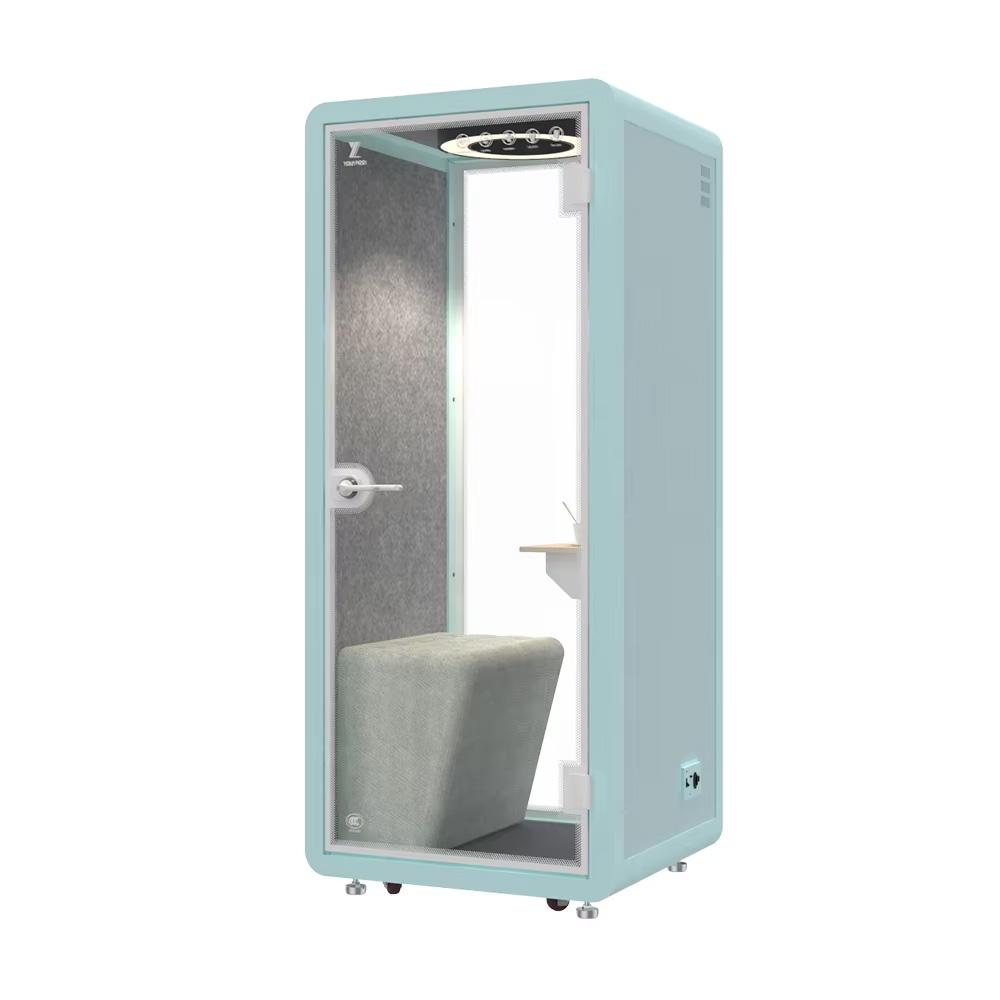
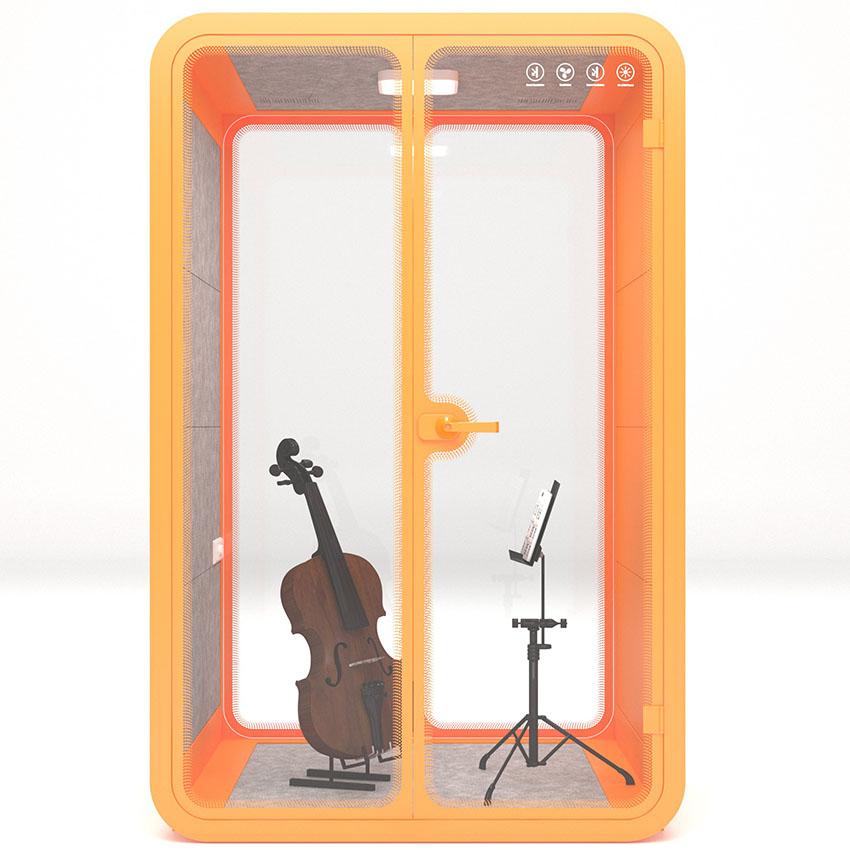
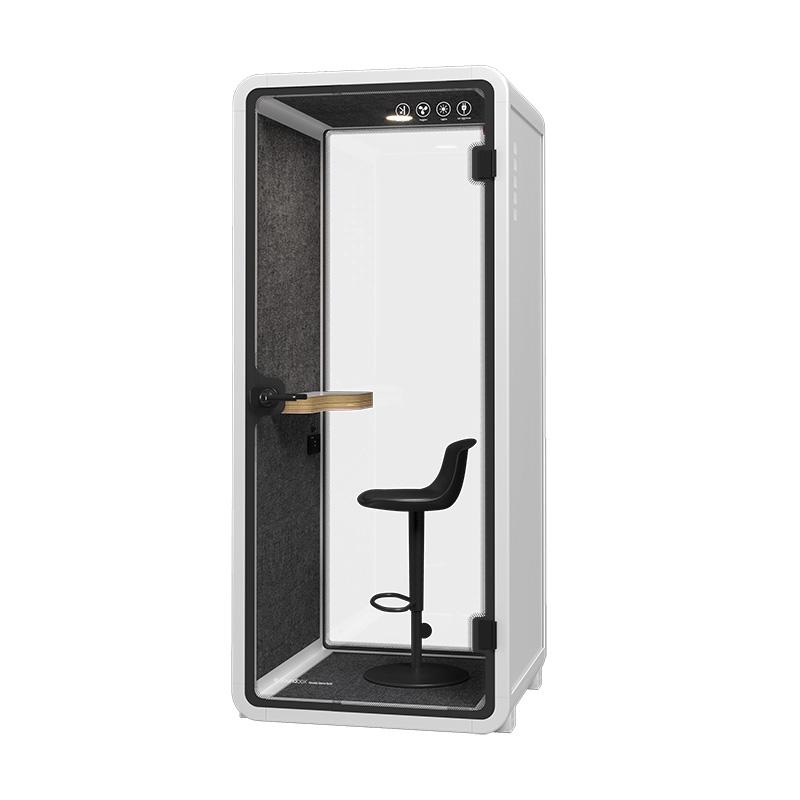
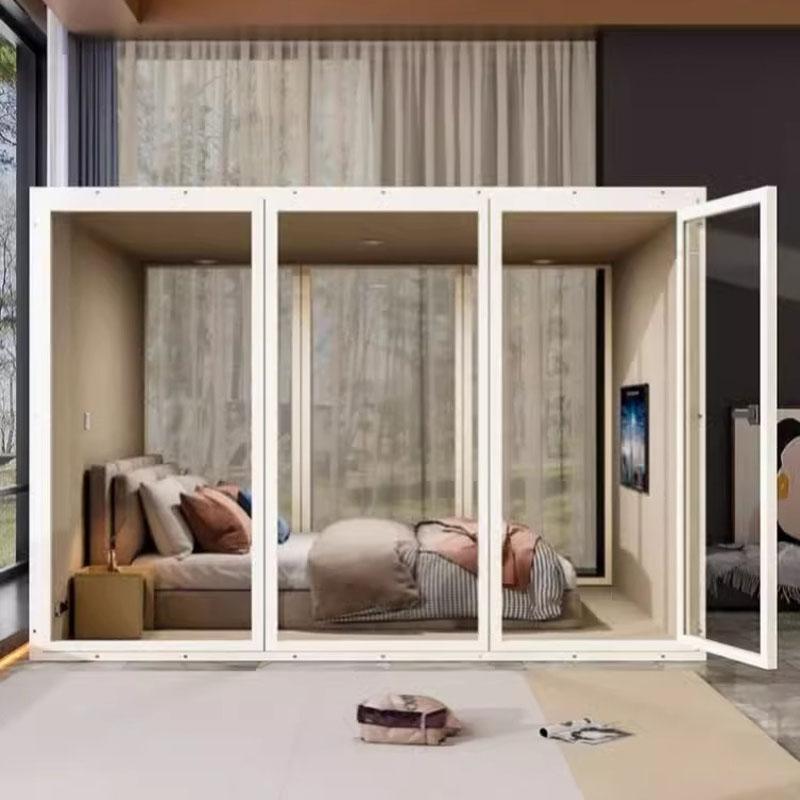
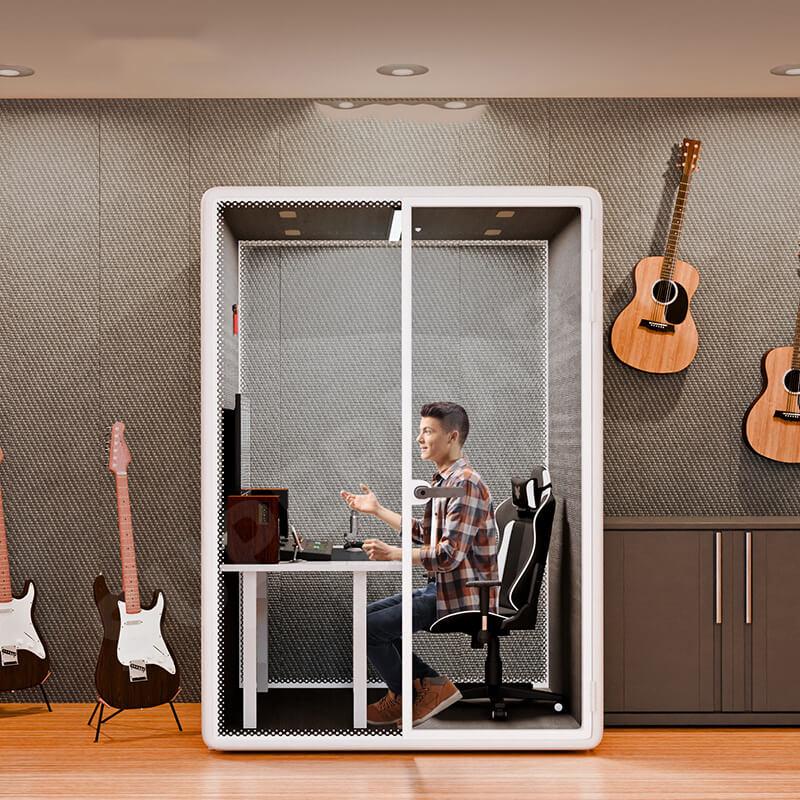
A pod should be placed according to the behaviour it is intended to support. A visible study pod may encourage short individual use, while a more enclosed meeting format may suit paired discussion or an online class. The more a space contains speech, the more important it becomes to consider nearby study seats, doors, listeners, and the building's quiet-zone logic.
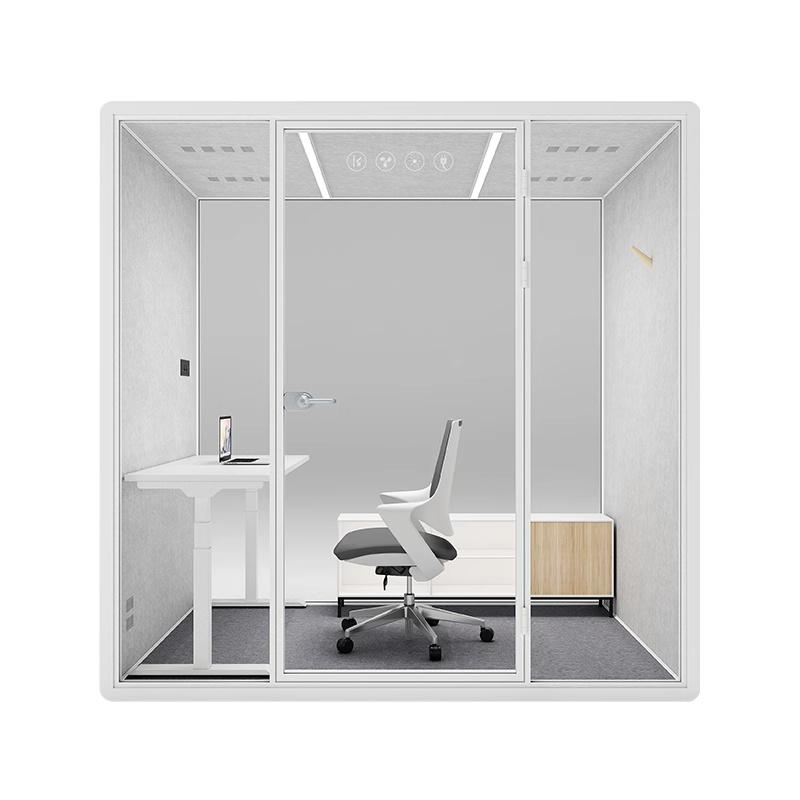
Use a setting matrix rather than calling one option universally best. Note visibility, access, speech, equipment, cleaning, supervision, and likely duration. The matrix should identify what the pod can support and what still belongs in a bookable room or staff-controlled area.
| Campus use | Space question | Record to confirm |
|---|---|---|
| Individual study | Will enclosure support focus without creating access friction? | Visibility, duration, lighting, comfort, cleaning |
| Paired study | Can users speak without disturbing adjacent quiet seats? | Speech context, door position, booking rule, nearby listeners |
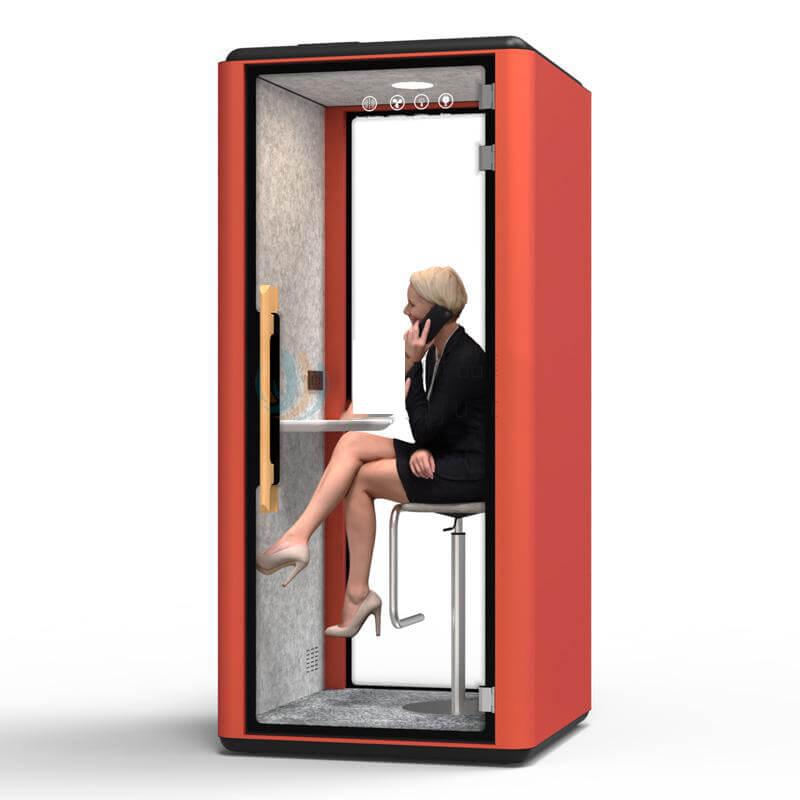
| Online tutorial | Can the user connect, speak, see, and power the device? | Camera scene, power, connectivity responsibility, service route |
| Staff or student interview | Can access and privacy be controlled appropriately? | Room policy, booking owner, local review, handover record |
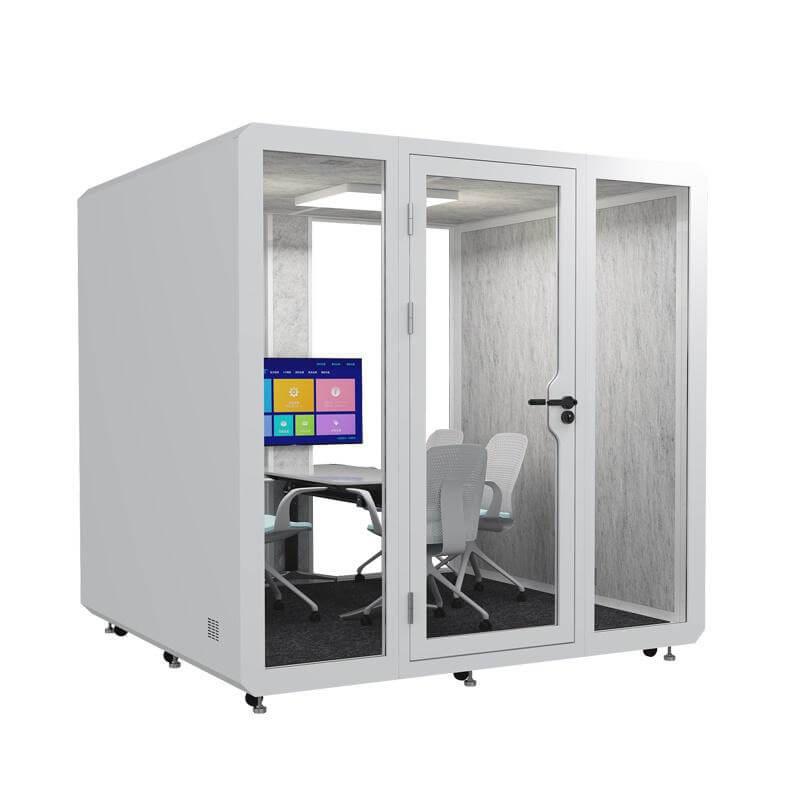
Location affects both concentration and supervision. A pod beside a busy entrance may be easy to find but poor for quiet work. A hidden corner may be calm but difficult for staff to observe, clean, or support. Review sightlines, circulation, accessible approach, emergency movement, nearby shelving, glare, and the way a waiting student may affect the aisle. Test positions while the library is operating, because an empty reading room can conceal the real sound and movement pattern.
Walk the proposed position during a realistic opening period. Check entry routes, queues, shelves, lifts, service desks, emergency movement, cleaning paths, nearby readers, and the way a person approaches the door. A remote corner may be quiet but difficult to supervise or service. A central position may be easy to find but disruptive to silent study.
Record the line of sight needed by staff without treating visibility as surveillance of private conversations. The goal is to manage access, safety, cleaning, and equipment, not to hear or record content. Confirm clearances, service zones, floor conditions, power, and local building interfaces with the project team responsible for the site.
Libraries often need rules that protect fairness rather than maximize booking length. Decide whether a pod is for short study blocks, scheduled tutoring, or longer sessions, and explain what happens when a user does not arrive. Consider noise expectations, food and drink, equipment storage, cleaning, and help requests. The rule should be understandable at the point of booking and workable for staff who must resolve conflicts without inventing exceptions.
Public learning spaces need rules that students can understand quickly. Define whether the pod is walk-in or bookable, how long a session may last, what happens after a no-show, whether food is permitted, how users report a fault, and how staff handle a conflict. Keep the rule connected to turnover and cleaning time rather than copying a generic office booking policy.
Separate a user guide from an enforcement rule. A clear sign can explain ventilation controls, door use, noise expectations, and reset behaviour, while staff procedures handle damage, repeated overrun, or equipment problems. Review actual disputes and abandoned bookings; they often reveal confusing design or placement rather than poor user intent.
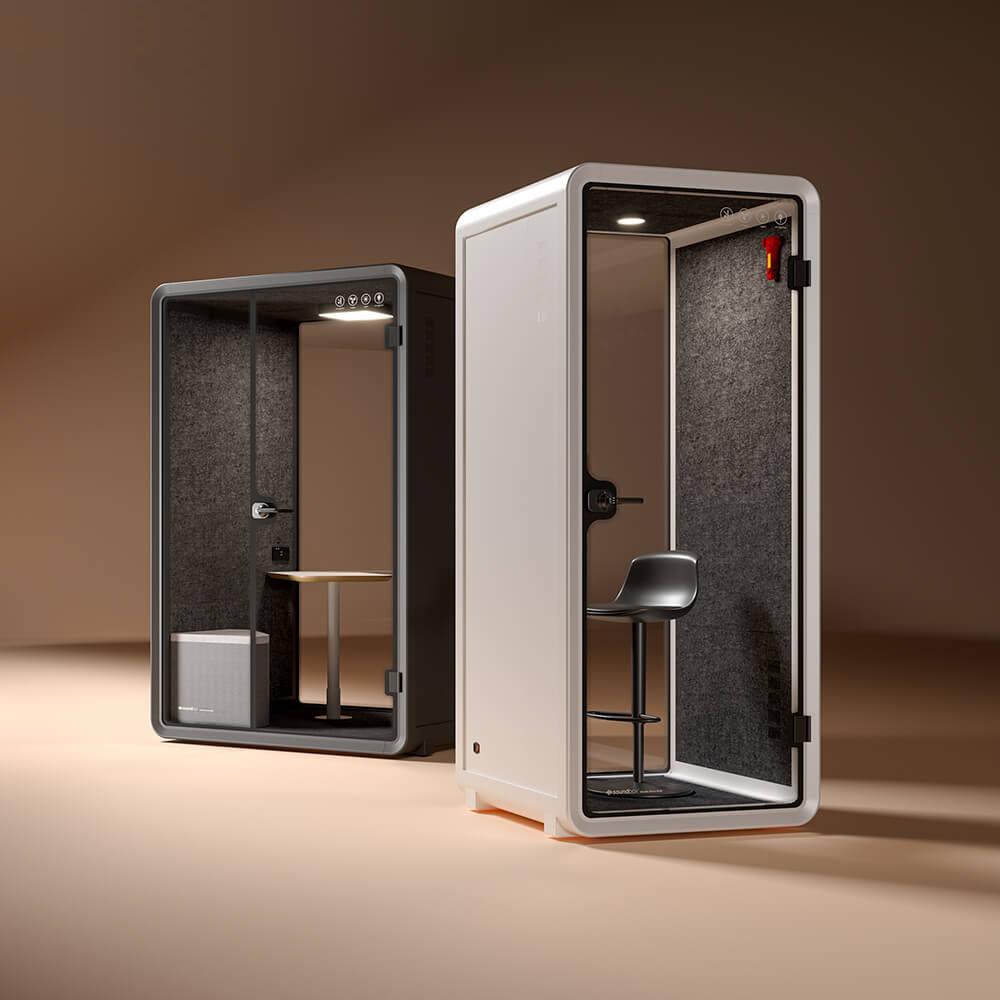
A review should include educational value and service effort. Record whether the selected pods support the intended study tasks, whether students can use power and furniture comfortably, whether staff can reset the space, and whether the arrangement creates new noise or queue problems. Compare observations at different times and with different user groups. A measured review gives the library a reason to adjust the layout or rules before ordering more units.
Review approach, threshold, door operation, internal movement, seating, control reach, lighting, and shared equipment for the intended users. Do not state that a product is universally accessible from a catalogue image. Record the dimensions and configuration supplied, then ask the institution's responsible accessibility and facilities parties to confirm the actual installation.
Inclusive planning also covers booking and information. A student who cannot use one pod format should not be left without an equivalent route to the same learning activity. Provide an alternative room or process when the pod's configuration does not fit the task. Keep that boundary visible in the booking system and staff guidance.
Procurement should also record how the library will handle changes in use. Exam periods, new online courses, tutoring programmes, and accessibility requests can alter demand without changing the room itself. Keep the original assumptions, approval notes, and review observations so staff can explain why a pod was selected and what evidence would justify a later change. That history is more useful than a generic promise that the same solution fits every campus.
A university or library pod may experience frequent turnover and varied user handling. Define touch points, surfaces, approved cleaning method, equipment reset, cable management, and the route for reporting a door, light, power, ventilation, or furniture issue. The supplier should identify care limits; the institution should assign who performs routine checks and who escalates a fault.
Online learning adds technology dependencies. Confirm whether the user supplies the device, whether the pod supplies power or a display, how connectivity is handled, and what staff do when the planned setup fails. A pod should not be described as a complete learning system unless the institution has confirmed every required interface.
For a configuration reference, compare meeting pod options, with the campus room plan, student use pattern, library service model, and local review requirements.
A useful library specification includes a quiet-user perspective and a staff perspective. The student needs a predictable study environment, while staff need a location that can be monitored, cleaned, supported, and reopened without complex intervention. Include both perspectives in the selection record. This reduces the chance that a visually attractive pod solves one learning need while creating an operational burden elsewhere in the reading room.
Set a review point that covers a representative study period. Compare planned use with bookings, walk-in demand, occupancy duration, queue locations, cleaning effort, service calls, noise concerns, and feedback from students, staff, and library operators. Use aggregate records and privacy-safe observations; do not collect conversation content merely to prove use.
The review should produce a decision, not just a score. The institution may change the booking unit, move a pod, adjust behaviour guidance, add a different format, or decide that an existing room is the better solution. Preserve the original site plan, configuration, rules, and review notes so the next term's decision can be explained.
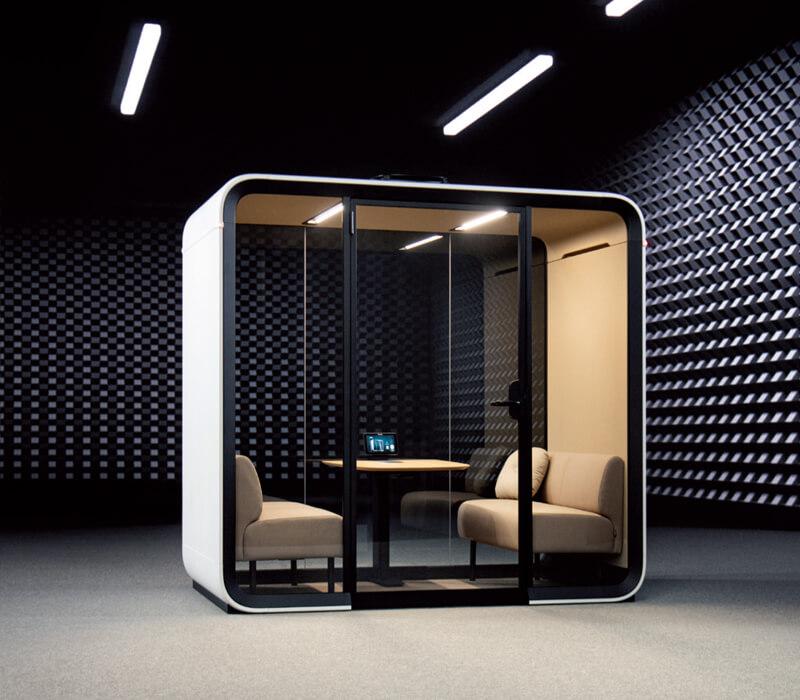
If the library serves several buildings or campuses, compare the local context rather than copying one installation without review. Noise, supervision, power, access, staffing, and furniture patterns can differ. A shared decision framework is useful, but the evidence and final placement should remain specific to the branch, room, user group, and operating schedule being considered.
Are meeting pods suitable for libraries?
They can be, when the use, speech level, placement, access, supervision, cleaning, and booking rule fit the library's quiet-zone and service model.
Should university pods be bookable or walk-in?
Choose from actual demand and turnover. Many sites need a clear rule for both short walk-in use and longer planned sessions.
How can a library protect quiet study near a pod?
Separate speech-based use from silent seats, review doors and routes, set behaviour rules, observe peak periods, and adjust placement when evidence shows disruption.
What accessibility checks are needed?
Review approach, threshold, door, internal movement, controls, lighting, furniture, booking, and an equivalent alternative with the responsible local team.
What should be reviewed after installation?
Review occupancy, queues, cleaning, service, complaints, booking conflicts, study impact, and whether the selected format still matches the term's demand.
Meeting pods for universities and libraries should be planned as part of a learning and service environment. Classify activities, protect quiet zones, test routes and supervision, define access rules, and review real use after occupancy.
The next step is a campus-specific matrix that links each activity to a pod format, location, rule, service owner, and acceptance check. That keeps the purchase useful without treating an enclosure as a substitute for every kind of study room.

 Tel: +8613538031763
 Email: info@sopworkpod.com
 MP/WhatsApp: +8613538031763
 Manufacturer Address:Liucheng Lujiang District,Meixi Road,Nanan City,Fujian,China