Need Help?
Please leave your contact information to get our latest catalog
Get In Touch Now >


Author:SOP Work Pods Manufacturer TIME:2026-11-26
A dictated paragraph is not finished when the speaker stops talking. The writer still has to notice a misplaced word, select the right passage and make the correction without losing the thought that comes next. For someone considering soundproof booths for offices, that unfinished paragraph is a more useful starting point than a general promise of quiet working.
Follow the text all the way to a version the writer is willing to use. Keep what they meant to write beside what their usual software first produced, then describe how they repaired it. The following guide proposes a buyer exercise, not a completed trial. It contains no observed recognition results. Its outcome is a user-reviewed writing arrangement, not an audio recording, a noise benchmark or evidence that an enclosure improves speech recognition.
Let the intended writer select a harmless document task. A note that must become readable prose is more revealing than reciting unrelated words. Agree whether the task is reproducing fixed wording or composing an idea: a deliberate change of mind during composition is not a recognition mistake. The writer decides what the finished passage should mean.
Here is an explicitly hypothetical practice passage, not a customer document or a reported result: "Please keep the draft agenda beside the reference notes. The revised heading is Workshop preparation. Leave the closing paragraph open for my next idea." The writer can replace it with nonsensitive wording that resembles their work. Its punctuation and heading are intended document choices, not spoken commands prescribed for any application.
Before speaking, identify an editing task that matters, such as replacing a phrase in the middle rather than starting again. If recognition happens to reproduce the passage as intended, an agreed deliberate revision can still explore correction. Label that revision honestly; do not manufacture a recognition error to justify the exercise.
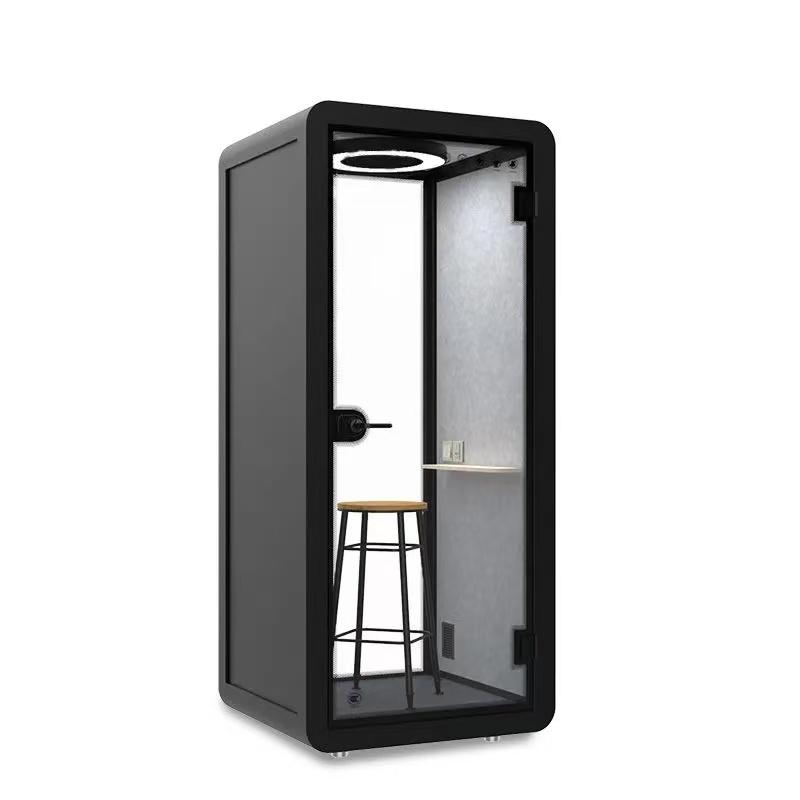
Use the writer's usual authorized device, recognition software, document application and input equipment. Record the selected language and any relevant settings the user or software owner can actually identify. A different account, unfamiliar device or alternative application introduces another question. Do not silently substitute it and describe the result as the writer's normal workflow.
Arrange the screen and editing controls where the writer would normally use them. The question is concrete: can they inspect the paragraph and use their chosen correction method from that position? A voice-led method still needs its actual supported controls; a keyboard-led method needs the keyboard in its working position. Neither route should be inferred from a product photograph.
Leave ventilation running in its normal authorized occupied condition throughout. Use the enclosure as instructed, without altering equipment or blocking openings. Speak in the ordinary manner used for the task. If the proposed arrangement requires an unfamiliar adjustment, record it before proceeding instead of coaching the writer into a special demonstration routine.
Have the writer review the displayed passage before anyone cleans it up. Retain an untouched copy of the recognition output using a method the organization permits. Here, raw recognition output means the text visible at that chosen point before user edits; it does not mean an audio file or access to the recognition engine's internal processing.
Keep the intended wording separately identifiable. Ask the writer to point out where the displayed text changes their meaning, omits something important or needs a document-formatting adjustment. Do not combine all of these into a single verdict. A punctuation preference, an intended rewrite and an unwanted substitution leave different work for the writer.
If the application changes the text while recognition is still underway, describe when the retained version was taken. Where an untouched copy cannot be preserved, state the evidence gap. A polished final paragraph alone cannot show what editing was needed, and an observer's memory should not be presented as the missing original.
Let the writer correct the passage using their established method. They might select and type, use supported speech controls or combine methods. The observer should describe the route actually used without supplying command phrases or assuming a particular function exists. Correcting a middle phrase is a different interaction from deleting the whole paragraph and dictating it again.
Follow the selection as well as the replacement. Could the writer identify the target words, see what was selected and leave the surrounding sentence intact? Did reaching a control require moving the device out of its normal position? Keep these observations about the particular arrangement; do not turn a reach or selection difficulty into a claim about recognition quality.
Read the resulting sentence with the writer. Ask whether the replacement says what they intended and whether they would willingly use that correction route during ordinary work. If another person intervenes, note exactly what they did. A helper silently taking the keyboard can conceal the very dependency the buyer needs to understand.
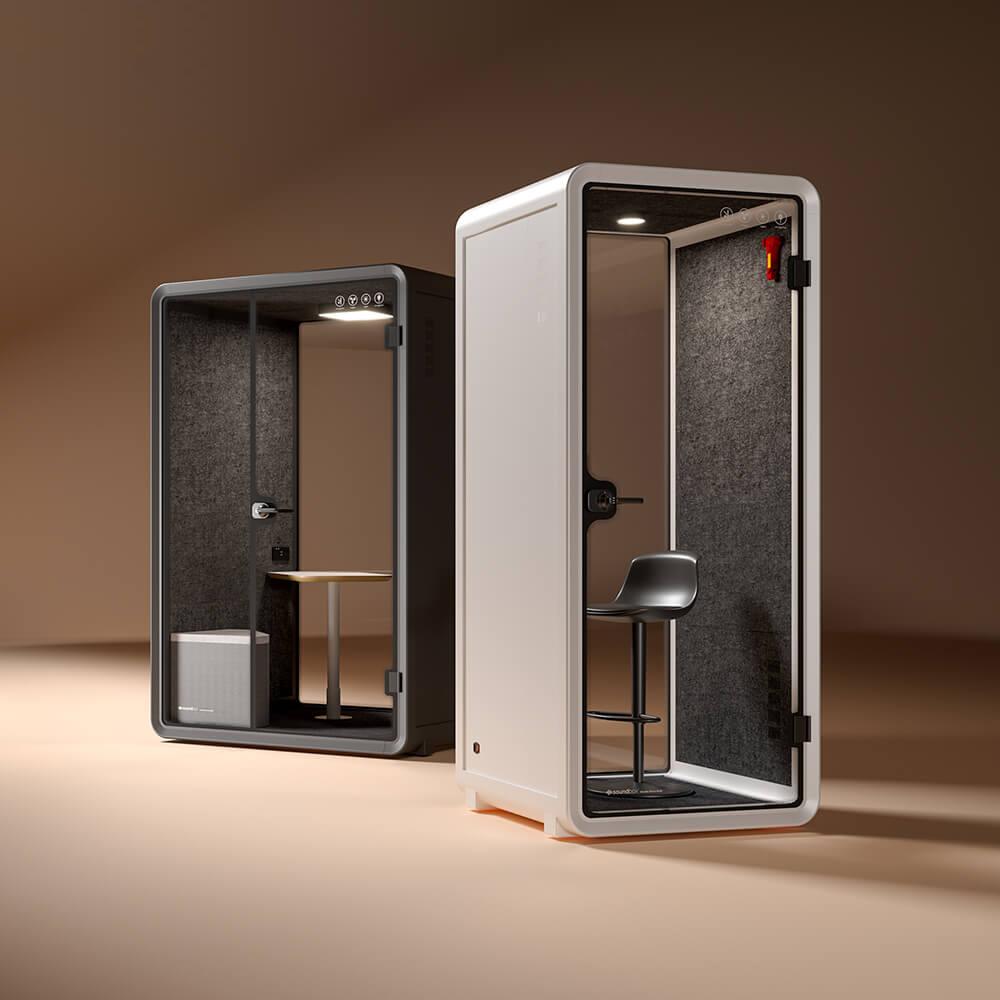
The blank worksheet below follows the passage rather than grading the booth. Its underlined spaces are empty observation fields, not favorable results. Label each completed copy with its setting and device/software arrangement so observations from the current workspace and proposed booth are not mixed together. Leave unperformed actions unassessed.
In the intended-text column, retain the relevant wording or describe the planned action. Put the untouched output beside it before adding the correction route. The last column is for what remains necessary: perhaps a different control position, clarification from the software owner or another attempt the writer wants. After editing, attach the writer-reviewed final passage separately so the worksheet does not replace the document itself.
| Passage or action | Intended text or action | Untouched recognition output | User's correction route | Unresolved dependency or purchase condition |
|---|---|---|---|---|
| Initial paragraph | ________________ | ________________ | ________________ | ________________ |
| Middle-phrase correction or deliberate revision | ________________ | ________________ | ________________ | ________________ |
| Fresh closing thought | ________________ | ________________ | ________________ | ________________ |
| Return after a task-relevant pause | ________________ | ________________ | ________________ | ________________ |
A repaired sentence is only part of composing. Invite the writer to add a fresh closing thought after correcting the earlier wording. They should choose where it belongs and continue using their ordinary method. This reveals whether the editing interaction leaves them ready to write, rather than merely able to produce a tidy excerpt under close guidance.
Pay attention to where the new text appears and whether the writer recognizes that location. A sentence inserted into the wrong paragraph is a document problem worth describing even if every word is recognizable. Ask what the writer expected, then let them decide how to put it right. Avoid explaining the cause until the relevant application behavior is understood.
Include a natural pause only if it belongs to the chosen task. On resuming, the writer can explain what they need to find again: the insertion point, the unfinished thought or the passage being revised. This is not a memory test. If a reminder or assistance becomes necessary, describe its role without inferring a personal limitation or promising an automatic software feature.
Use the same intended passage and editing actions in the existing supported workspace and the proposed enclosure, with the same usual device and software. Keep a separate raw copy and corrected version for each setting. Familiarity with the passage may change how the writer approaches it; acknowledge that rather than claiming a controlled experiment.
Record differences that could affect the account: screen placement, input selection, application state, connection availability, interruptions or assistance. If something important changes, describe the comparison as involving different arrangements. Do not attribute a preferred paragraph to the enclosure merely because it was written there. Unexplained differences remain unexplained.
Discuss the two documents with their author. Which corrections were acceptable, which interaction disrupted writing and which setting would they choose for that task? Their explanation is the useful purchasing evidence. There is no need to invent an accuracy percentage or turn their preference into a universal ranking. A decision to retain the existing workspace is a legitimate outcome.
Finish with a condition the writer recognizes: the intended document can be composed and corrected with the named arrangement, a specific change needs review, or selection remains open. Connect that judgment to the retained text and the writer's account of editing it. Avoid a vague statement that dictation works when the actual correction route is still undecided.
Separate an enclosure question from a tool question. Ask the supplier about the proposed interior and supported equipment arrangement; ask the organization's software owner about an unavailable editing function or uncertain application behavior. Neither party's answer should be assumed on behalf of the other. If a revised setup is proposed, the writer still needs to review its effect on the document task.
Keep the intended passage, untouched recognition text, corrected version and correction notes together with the stated differences between settings. That small record gives the buyer something specific to discuss. It does not establish acoustic performance, a supplied software package or suitability beyond the writer and task considered.
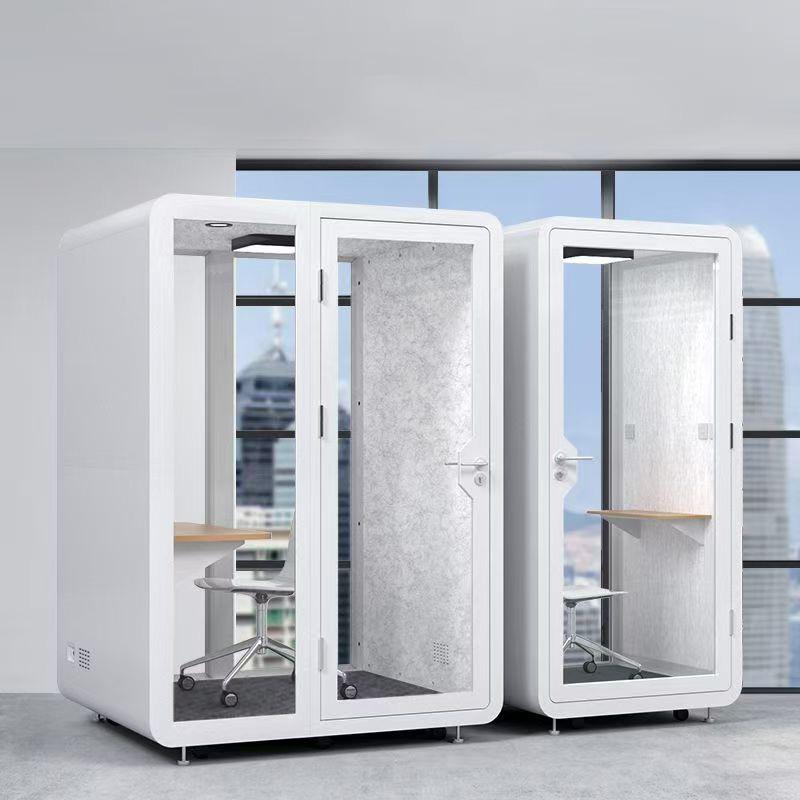
When discussing SOP office pod configurations, explain how you compose and correct documents with your own equipment. The current category invites discussion of individual work, interior, power and ventilation; it does not establish a supplied dictation system or recognition benefit.
What if the writer changes the sentence while speaking?
Use the writer's intended revision as the reference. Mark the change of mind separately from unwanted recognition text. For a fixed-passage comparison, keep the original wording too so another reviewer can see why the versions differ.
How can the correction route be explored when nothing needs fixing?
Invite a deliberate revision the writer would genuinely make, such as replacing a phrase. Call it an editing action, not a recognition failure. It can reveal how selection and replacement work without inventing an error.
Does this exercise require keeping a voice recording?
The specified evidence is text: the intended passage, untouched recognized version, corrected document and correction notes. An audio asset is not required. Any separate recording would need its own purpose and permission; it is not a substitute for those text versions.
Whose view matters if an observer likes the result but the writer does not?
Keep the writer's objection in the decision. Ask which part of composing or correction they would not accept and describe it precisely. A reader may find the paragraph satisfactory while its author finds the route to producing it impractical.
What if the same usual software cannot be used in the proposed booth?
That leaves the intended comparison incomplete. Identify the missing dependency with the organization's device or software owner. A supplier's alternative demonstration may start another enquiry, but it cannot stand in for an unobserved arrangement or establish compatibility.
Put the unfinished paragraph back in the writer's hands. The deciding question is whether they can take it from intended meaning through recognized text to a document they choose to use, with corrections they are willing to repeat. Retain their final version beside the untouched output and the explanation of how it changed. Where that path depends on an unresolved tool or layout choice, leave the purchase conditional. A well-presented enclosure cannot answer the document question on the writer's behalf.

 Tel: +8613538031763
 Email: info@sopworkpod.com
 MP/WhatsApp: +8613538031763
 Manufacturer Address:Liucheng Lujiang District,Meixi Road,Nanan City,Fujian,China