

Need Help?
Please leave your contact information to get our latest catalog
Get In Touch Now >


Author:SOP Work Pods Manufacturer TIME:2026-11-20
A centrally approved pod is not automatically ready for every office that wants one. Product selection, local readiness and permission to release an order are different decisions. Plan meeting pods for offices across several locations through a common product core, a separate annex for each site and explicit rollout waves. This proposed buyer framework helps procurement advance cleared locations while deferring others, without treating the first site's experience as universal permission or pretending that supplier qualification alone settles the programme.
Write the shared configuration in orderable terms: the offered enclosure identity, furnished arrangement, intended meeting use and the applicable drawing and option references. Include the boundary between pod supply and buyer-provided equipment. A common core should let a later site understand what it is requesting without interpreting a photograph or inheriting an informal conversation from the first location.
Separate this configuration from programme ambitions. Consistent purchasing does not mean every site needs an identical quantity, location or support arrangement. State which elements must remain common and which may vary through an identified local decision. If an apparently local preference changes the furnished meeting relationship, it may require a different core rather than a casual note. Resolve that boundary before the first release, while the distinction is still easy to explain.
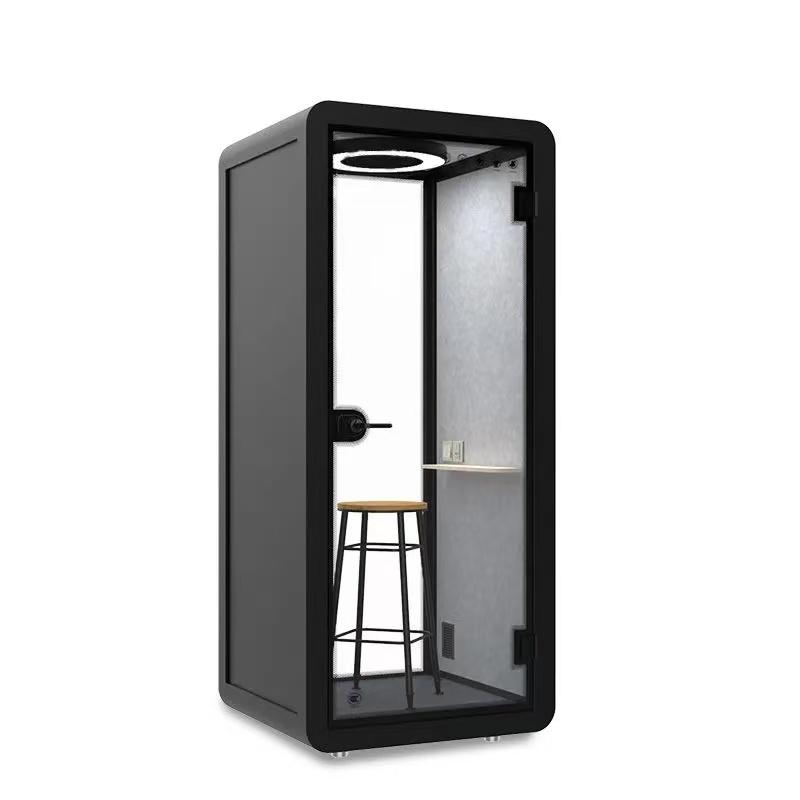
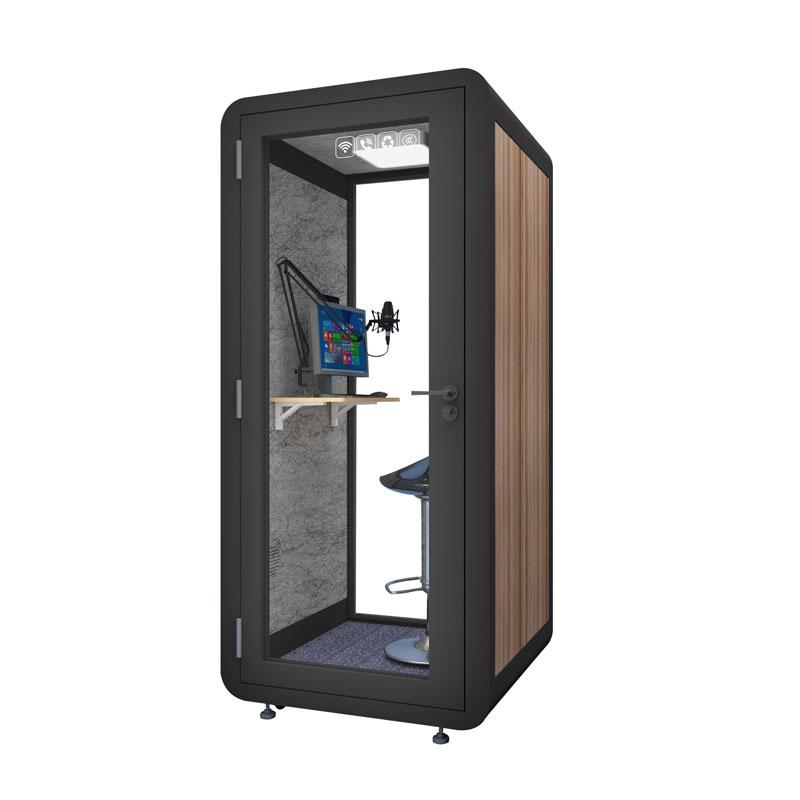
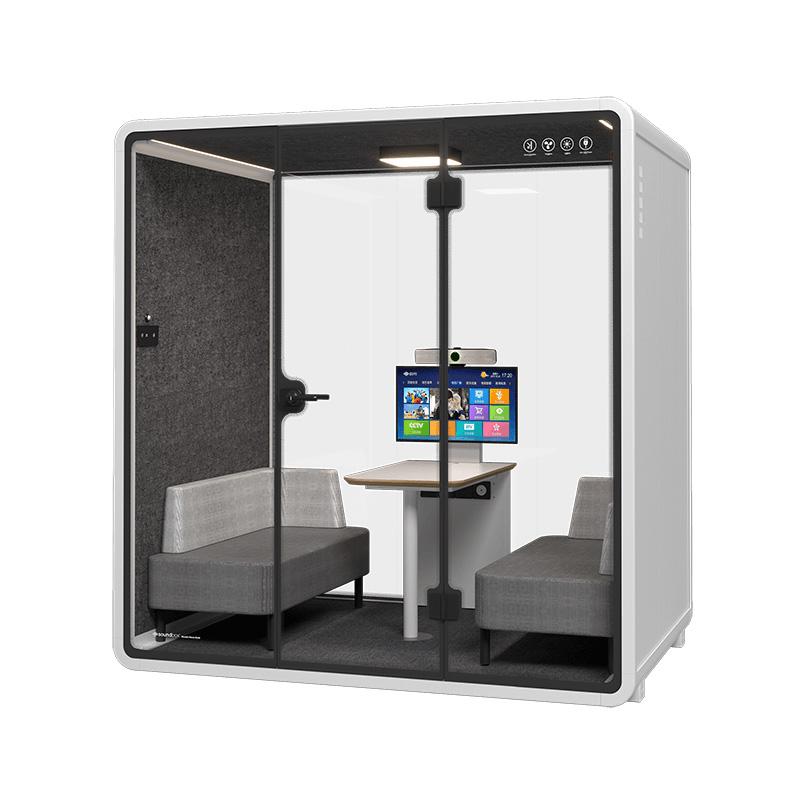
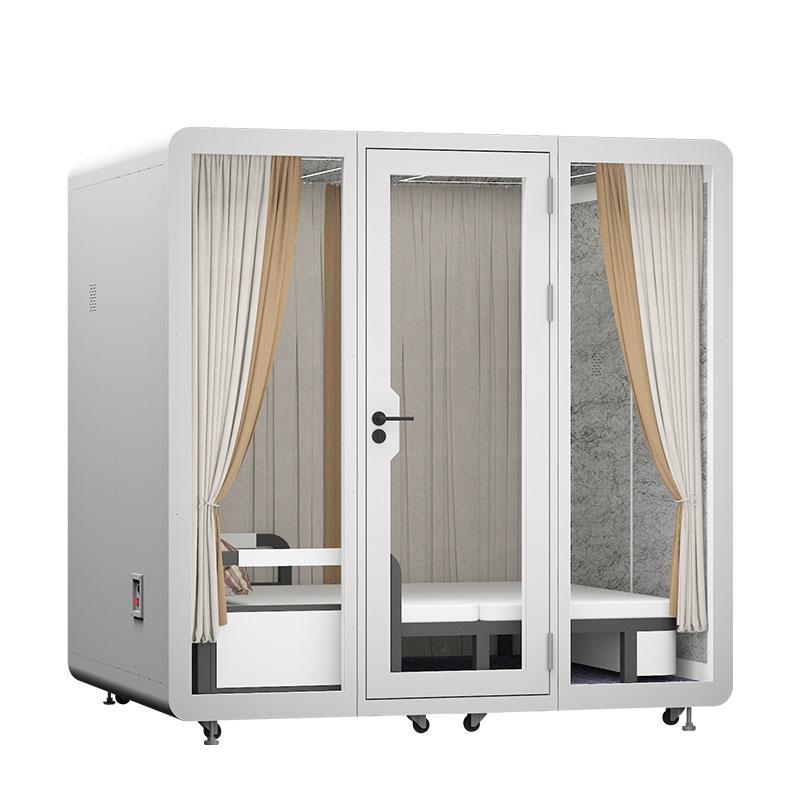
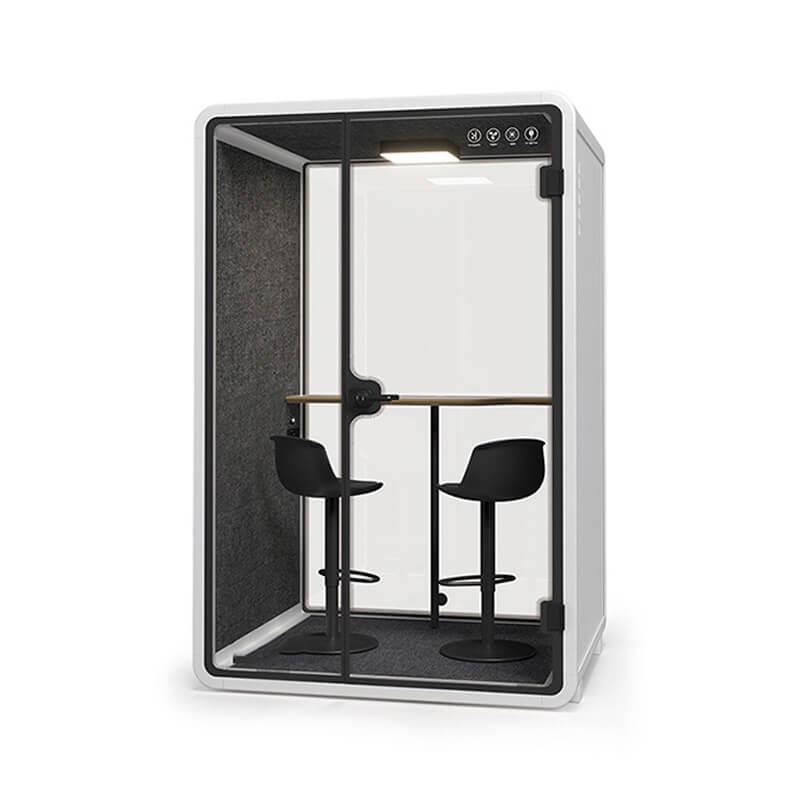
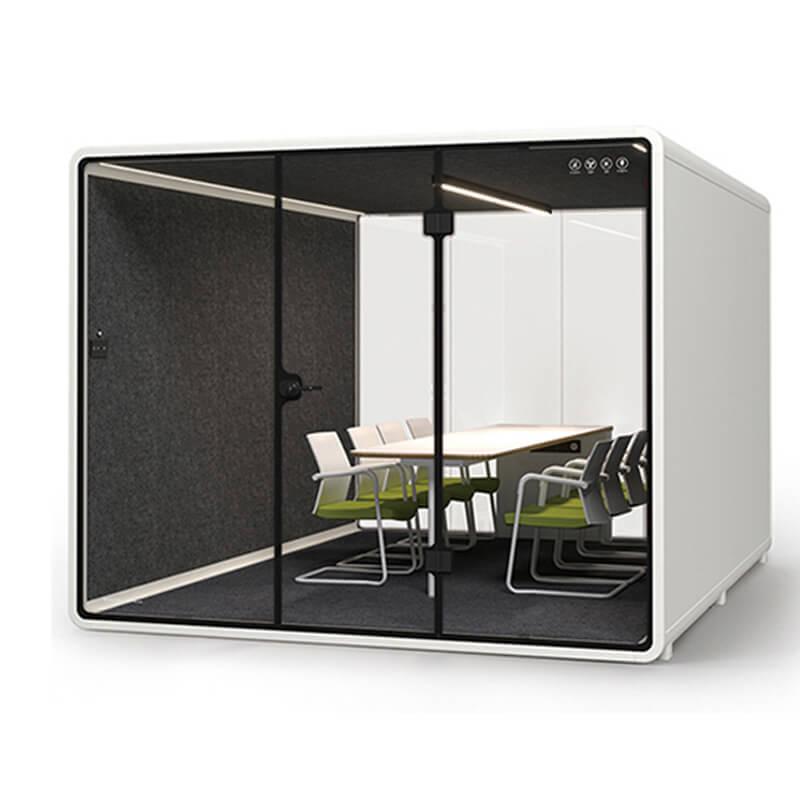
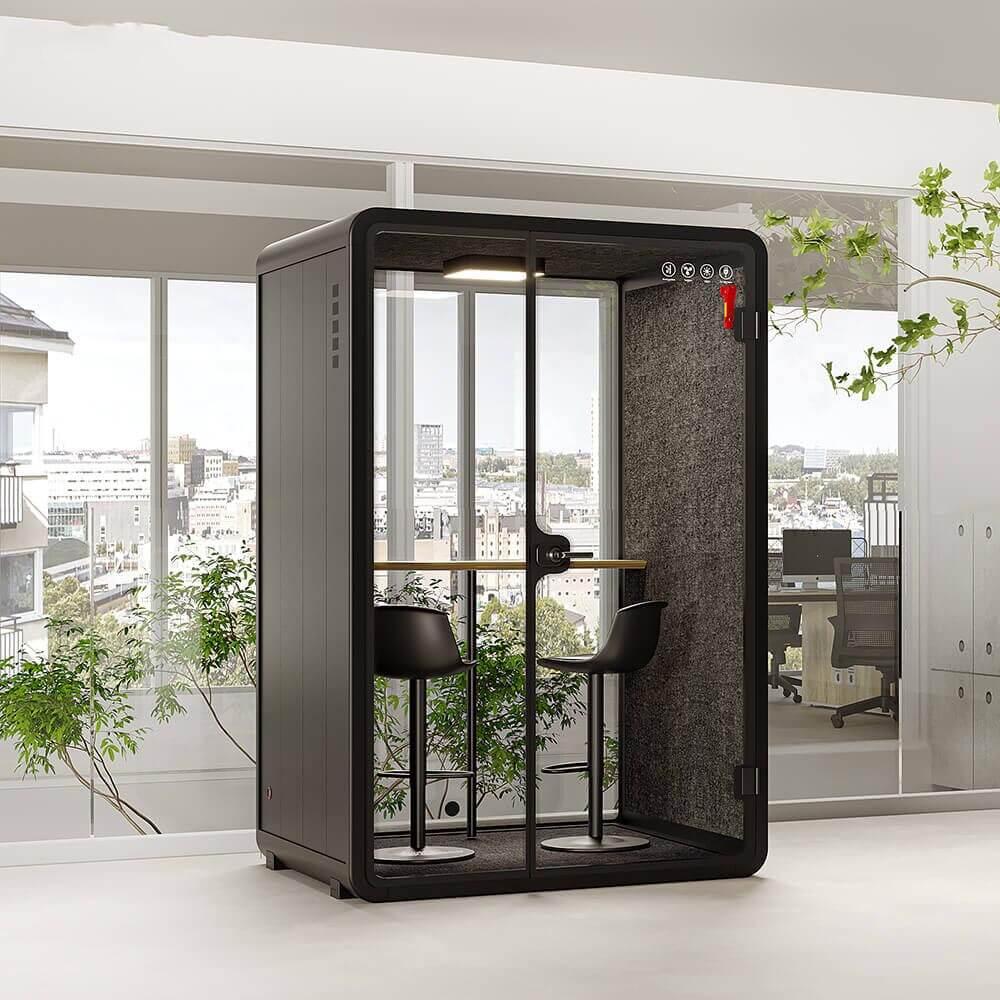
When defining the common core from SOP meeting pods, identify the exact offered furniture arrangement and revision before asking separate sites to approve their local conditions.
The site annex explains whether a location can accept and operate its proposed configuration. Assign a local owner to gather the applicable building decisions, reviewed furnished position, access information, services and support responsibilities. Let the appropriate parties determine the technical and local approval requirements. Central procurement should request their conclusions, not manufacture a universal building clearance.
Tie each conclusion to the actual location and configuration. Approval of one position does not silently cover a different floor, and a review of one furniture arrangement does not necessarily cover another. Record which decision would need reopening if the local plan changes. This makes the annex useful to purchasing without turning it into an installation instruction.
Keep missing answers specific. Services pending is less useful than identifying the responsible team and the unresolved supply boundary. A local owner should be able to explain what prevents release, what answer will resolve it and who can accept that answer. A central budget approval cannot close those fields on the site's behalf.

Do not choose the first office solely because it is prominent or eager. Look for a site whose annex can be cleared and whose intended meeting arrangement is relevant to later requests. Define the question it will help answer: perhaps whether the agreed equipment boundary supports the planned handover, or whether the operating information is understandable to the local owner. These are proposed learning objectives, not reported pilot findings.
An unusual first location may still be the right choice, but identify what cannot transfer. A uniquely generous floor area or a dedicated local support team could hide a difficulty elsewhere. Give each learning objective a receiving owner and a decision it could affect in the next wave. If the first site cannot answer an important later-site question, arrange another review rather than attaching an unsupported lesson to its successful handover.
Record an objective as unanswered when the relevant activity has not occurred. Receiving the product or completing an administrative handover does not necessarily answer a question about ordinary meeting use. The next release owner needs that distinction before deciding whether the planned learning dependency has actually been satisfied.
Agree who may approve the shared configuration, who accepts the local annex and who communicates a commercial release. These responsibilities may belong to different people. The site owner supplies local readiness evidence; the programme owner confirms that the requested product remains within the agreed core; purchasing acts within the actual commercial arrangement. None should assume another signature exists because a target date appears on a shared calendar.
Define the commitment being authorized. A forecast, purchase order, production instruction and dispatch permission may have different consequences under the agreement. Ask the contracting parties to identify the applicable boundaries and record them in ordinary language. Do not assume that staged orders or dispatch holds are offered, or that calling something a wave creates a right to postpone an existing obligation.
Give deferral an owner as well. When a location is not ready, record its current disposition, the unanswered condition and the point at which its position in the programme will be reconsidered. Defer should preserve a clear route back to a decision, not leave an office indefinitely attached to a wave it cannot join.
After the first site's agreed review, sort each observation by its scope. A clarification about the supplied furniture description may improve the common core. An issue caused by that building's proposed position belongs in its annex. A local support arrangement may be useful elsewhere only after the other office confirms that the same route exists. Keep the observation and its interpretation distinct.
Ask a later-site owner to state which conditions match before accepting a lesson. A first-site handover cannot establish privacy, comfort, local approval or equipment usability at another address. Where a lesson changes the product configuration, revise the core and reopen affected annex decisions before releasing more orders. Where it changes only the wording of operating information, identify who must receive the clarified version. The purpose is selective reuse, not a claim that one installation validates a fleet.
Use the illustrative board below to practise the release logic. Its site positions are hypothetical, not customer records or a proposed delivery schedule. Replace them with the buyer's locations and the agreed commercial commitment point. A site enters a wave only when its core reference and required annex decisions support that particular release.
Start with independent dispositions, then group the locations that can responsibly advance together. Do not assign every office a wave first and interpret missing evidence as paperwork that must catch up. A shared target can coordinate people, but it cannot answer a building question or resolve a changed furnished arrangement.
Check shared constraints before combining cleared sites. The buyer may rely on the same review team, equipment owner or support resource across several offices. Confirm that those commitments can coexist rather than assuming each local readiness answer describes unlimited central capacity. Supplier capacity and commercial timing also need current agreement; the board does not establish either.
Leave deferred sites outside the released group. When a missing answer arrives, evaluate that site against the then-current core and its own annex. It may join a later wave without reopening unrelated cleared locations, unless the answer reveals a shared product issue. This distinction lets the programme move while preserving the conditions that made each decision reasonable.
| Illustrative site position | Common core | Annex dependency | Wave decision |
|---|---|---|---|
| First learning location | Named approved revision | Required local decisions closed | Consider first release with a bounded learning question |
| Later matching location | Same approved revision | Own annex cleared; required learning accepted | Consider a following wave under agreed terms |
| Office awaiting a building answer | Product choice unchanged | Named local decision still open | Defer this site; keep cleared sites independently reviewable |
| Office requesting different furniture | Relationship to core unresolved | Affected local reviews need reconsideration | Resolve variant and annex before wave assignment |
A site may ask for a different seat arrangement, equipment interface or product variant. Describe the requested difference and the buyer task it changes. Decide whether it belongs within the allowed local choices, requires a separately identified core, or cannot proceed yet. Do not accept familiar branding or a similar exterior as evidence that the original approval still applies.
For a core revision, list the affected sites by commitment state. Some may only be planning; others may already have obligations under their orders. Ask the responsible parties to determine the implications before assuming a change can be applied everywhere. Preserve the earlier core for orders that still refer to it, while making the current choice unmistakable for new releases. This is buyer-side programme control, not a substitute for supplier manufacturing verification.
A wave is not complete merely because its order was sent. Carry each site's unresolved operating or handover questions to its named owner and retain the agreed route for resolution. Procurement should know which observations could change later purchases and which remain local. Do not turn ordinary issue reporting into an unsupported claim that the programme has delivered a measured improvement.
Confirm that the next local owner has accepted the operating responsibilities recorded in that annex. A contact copied on a central message is not necessarily a person who has agreed to support the site. Resolve that ownership gap before relying on it for another release.
Before another wave, review the pending sites, the applicable core revisions and any learning that changes a release condition. Record which locations can advance, which remain deferred and what changed since the previous decision. Keep the next action narrow enough to assign. The useful handoff is a set of justified site decisions, not a single overall status that hides an unresolved office behind progress elsewhere.

If central funding is approved, why can a site still be deferred?
Funding answers the spending question, not the location's readiness question. A missing building decision, service boundary or responsible support route can remain unresolved. Keep the site deferred until the relevant owner supplies and accepts the required answer.
Must every site wait for the least ready office?
Not necessarily. Assess cleared locations independently under the actual commercial and programme constraints. A local unresolved item need not hold unrelated sites, but a shared core issue may affect several releases. Establish the scope before deciding which group must wait.
Can an urgent site skip the first-site learning review?
Only the responsible buyer can reconsider an agreed release dependency. Identify what would remain unknown and which decision it could affect. Urgency alone does not provide the missing information or authorize purchasing to ignore the programme's existing conditions.
What if one office needs a different furnished layout?
Treat it as an explicit exception request. Determine whether the change remains within allowed local choices or needs another core, then reopen affected annex decisions. Do not describe an individual booth or another meeting arrangement as interchangeable because it comes from the same category.
Does a release board replace supplier qualification?
No. Supplier identity, order control and the applicable product evidence remain upstream requirements. This board answers a different question: which buyer location can advance at the agreed commitment point, with which configuration, local readiness and release authority.
Take the next proposed site, name its common-core revision and ask its owner to explain the annex decision that permits release. Then confirm who can authorize the actual commercial commitment. That short conversation should expose whether the location can advance or needs a specific deferral.
Group only independently justified sites into the next wave. Carry transferable learning into the relevant core or annex without exporting local approval. The rollout then progresses through buyer-owned release decisions rather than through an assumption that selecting the same product makes every office equally ready.

 Tel: +8613538031763
 Email: info@sopworkpod.com
 MP/WhatsApp: +8613538031763
 Manufacturer Address:Liucheng Lujiang District,Meixi Road,Nanan City,Fujian,China