Need Help?
Please leave your contact information to get our latest catalog
Get In Touch Now >


Author:SOP Work Pods Manufacturer TIME:2026-10-28
A landlord's response about working from home may say nothing about the enclosure a tenant intends to buy. An office booth for home introduces a second, more specific conversation: this proposed equipment, in this room, with this installation and an eventual removal plan. Resolve that conversation while the order can still remain a proposal.
This article helps a tenant assemble a permission packet for indoor freestanding equipment in an existing room. It is procurement planning, not legal advice or a permission form valid everywhere. Lease interpretation, property rules and any local requirements belong with the relevant responsible parties and qualified advisers. No deposit outcome or automatic right to install is assumed.
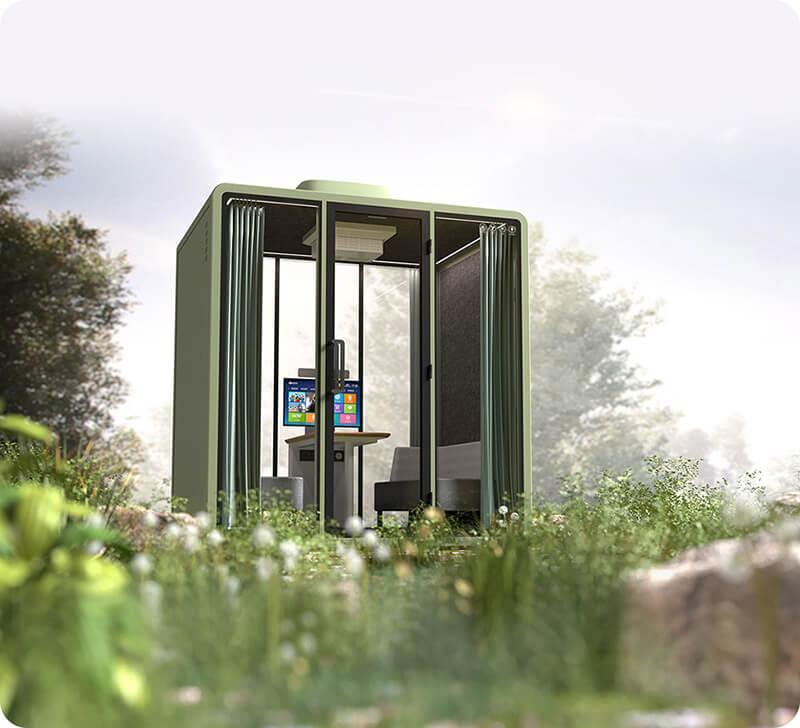
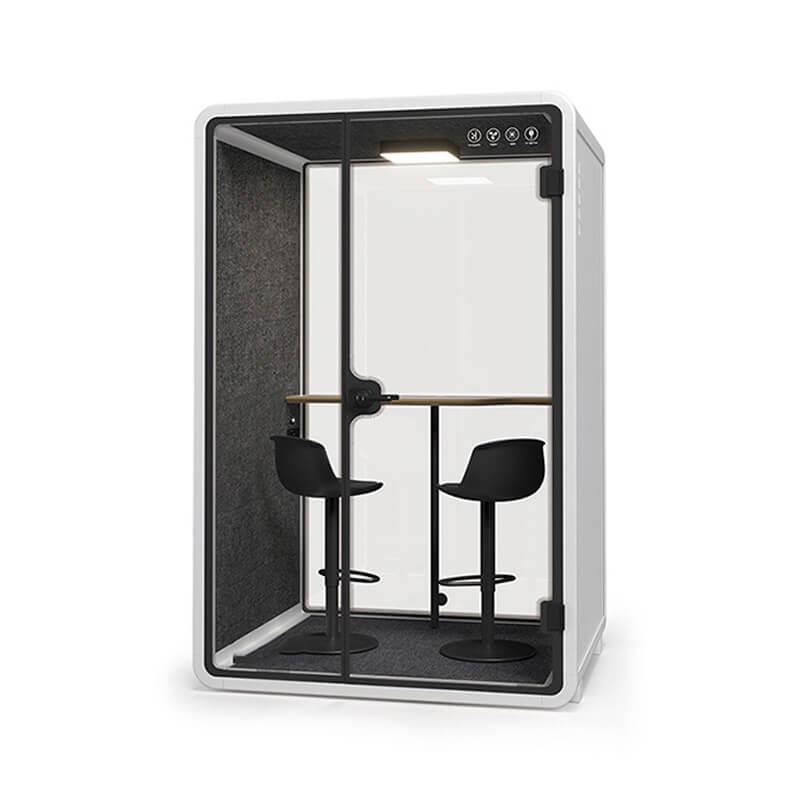
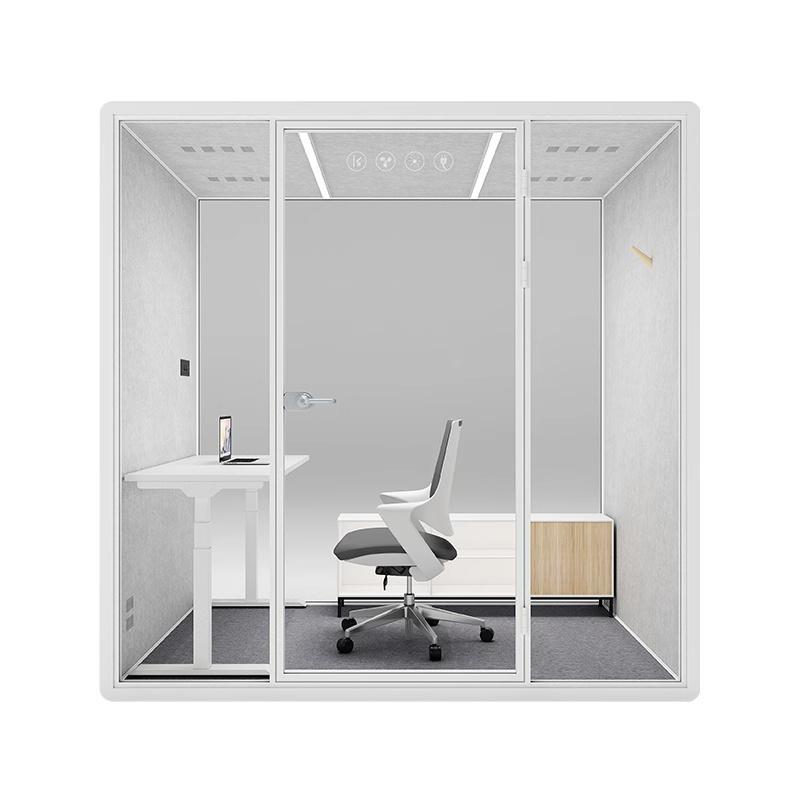
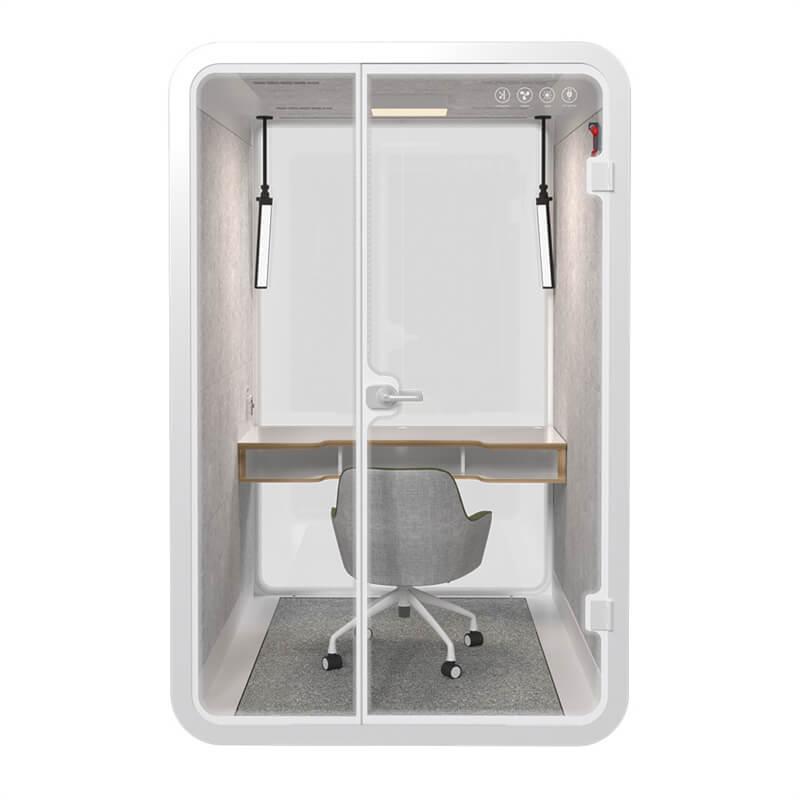
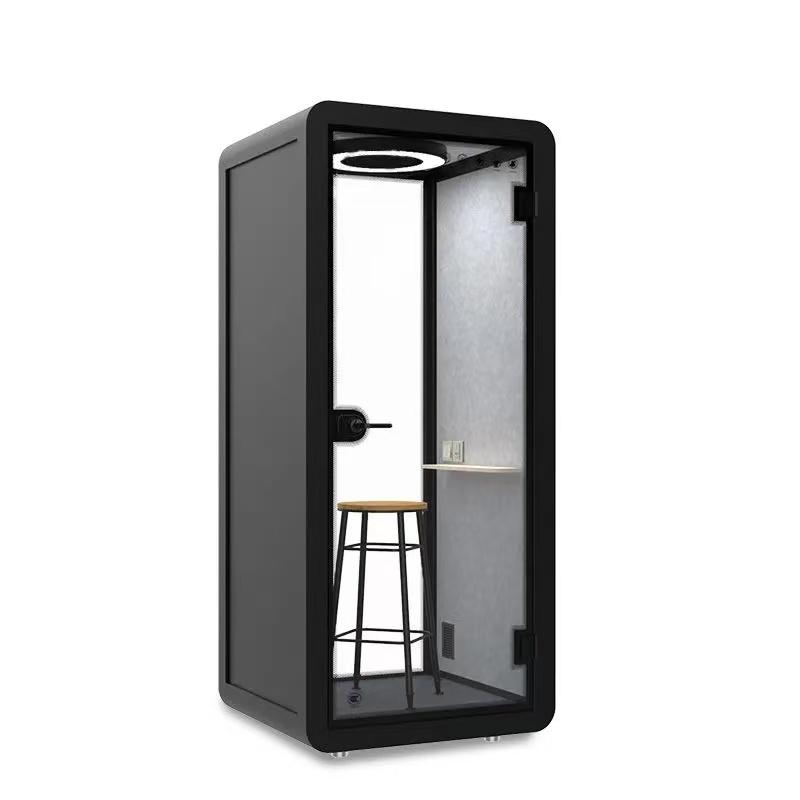
Begin with a short description that someone unfamiliar with office pods can understand. Identify the room, proposed enclosure configuration, intended use and whether any changes to the property are proposed. Distinguish a tenant's own desk work from an arrangement involving visitors or a different activity; do not let a general home-office label conceal the actual proposal. State what is known and what still awaits supplier information. Freestanding describes an intended physical arrangement, not the landlord's decision. If the product's installation requirements turn out to involve an attachment or property alteration, return that information to the discussion rather than relying on the earlier label. Keep garden buildings, garage conversions and room construction outside this packet unless they become a separately reviewed project.
Gather the tenancy documents and the property information already supplied to you. Look for matters that need clarification about equipment, alterations, business use or access, without trying to settle an unfamiliar provision from a product brochure. Send the relevant question to the landlord or managing representative and ask who can respond for this proposal. A person arranging a viewing or taking a maintenance message may not be the person responsible for the permission decision.
Ask whether the property enquiry also needs input from building management or another identified authority. A shared delivery route, for example, may be managed separately from the room you rent. This does not mean every project has the same approval chain. It means the people responsible for this property should identify which questions they own and which need another response.
If the use raises an insurance or local-authority question, take it to the relevant provider or adviser with the same description. Do not ask the enclosure salesperson to interpret the tenancy or promise an exemption. Equally, do not present an insurer's answer as landlord consent. Each response has a purpose, and the packet should make those purposes easy to distinguish without accumulating unrelated personal or financial records.
Attach the model or configuration reference, the relevant supplier drawing and a simple location sketch. Request supplier information about the proposed support, connections, installation approach and removal requirements rather than inventing those details yourself. If floor suitability needs a competent assessment, identify that as an unanswered technical question. Neither a tenant's rough sketch nor a landlord's general willingness supplies a structural assessment.
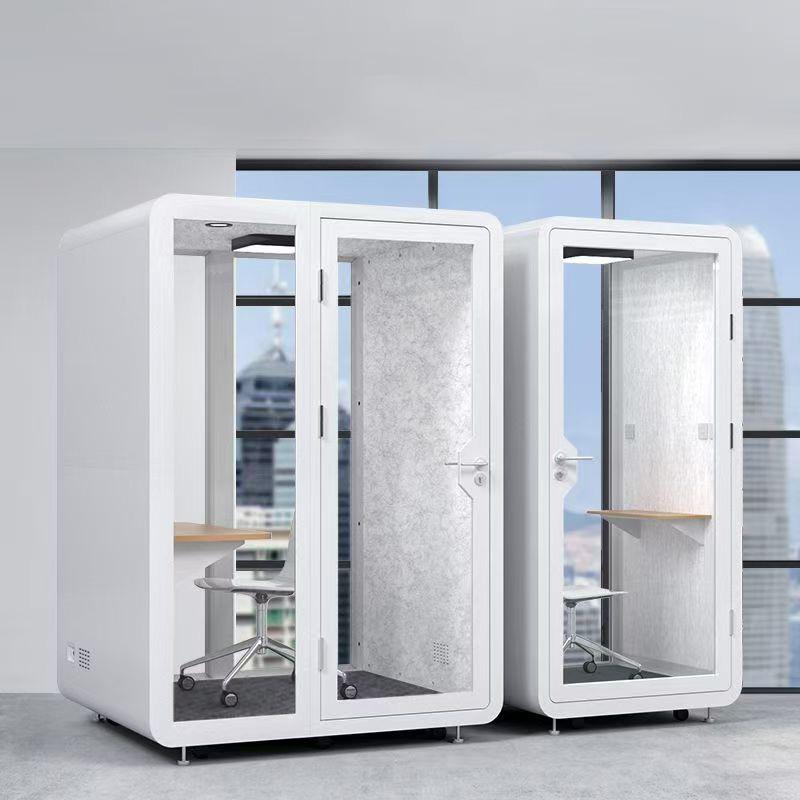
Name the supplier documents by date or revision so later correspondence can refer to the same proposal. Include the intended delivery and installation scope where available, and mark any promised information still missing. A photograph is useful for explaining what an enclosure looks like, but it should not stand in for the dimensions or installation conditions being discussed. Share only room and route details needed for the enquiry, excluding unrelated belongings, personal papers and access credentials.
For a candidate among SOP office pod configurations, request the configuration-specific documents needed for the property enquiry; a product listing is not permission to install it in a rented home.
Before agreeing how the equipment arrives, ask what the parties expect after it leaves. Break the conversation into the surfaces and features the proposed work could affect: the floor beneath it, nearby finishes and any separately proposed connection work. Do not assume an alteration will be needed, but do not omit one that appears in the supplier's installation scope. Ask what condition record would help distinguish the room's starting state from a later observation.
Use the table as discussion prompts for restoration wording, not as ready-made legal clauses. The agreement needs to identify the area concerned, the expected outcome and who would arrange the relevant work or review. Avoid a broad assurance to leave everything perfect, which gives neither party a concrete reference. Where costs or responsibility remain disputed, leave them visibly unresolved and seek appropriate advice before accepting a commitment. A photograph can record a condition; it cannot decide liability or promise the return of a deposit.
Clarify the extent of any proposed finish repair. If one party means the area directly affected and another expects a larger surface to be renewed, the same short phrase can hide different commitments. Ask them to describe the intended scope and who would assess whether the result meets it. Existing marks should remain separately identifiable in the starting record, not disappear beneath a general description of the room as being in good condition.
| Restoration subject | Point to discuss before ordering | Reference to keep |
|---|---|---|
| Floor beneath the enclosure | Expected condition after removal and how any concern will be reviewed | Agreed starting observations and supplier support information |
| Nearby wall or other finish | Whether the proposal affects it and what agreed work would follow | Identified location and approved scope, if any |
| Separately proposed connection work | Who arranges removal or retention of that work | Responsible provider's scope and property response |
| Removal access | How the appointment and affected shared areas will be coordinated | Relevant management contact and current access arrangement |
Lay out the proposed order, delivery, installation and eventual removal dates next to the tenancy dates you actually know. Label anticipated extensions as uncertain rather than planning on them as facts. Ask the supplier when the order becomes a commitment and what its current written terms say if permission remains unresolved; do not assume a reservation can be cancelled or a payment recovered. Ask the property representative whether any response has timing conditions and how changes should be raised. The aim is not to predict a move date precisely. It is to avoid placing an order whose delivery depends on an unanswered property question or leaving removal to a day when nobody can arrange access. Choose another workspace arrangement when those dependencies cannot reasonably be resolved.
When a response arrives, compare its subject with the packet. Does it identify the equipment and location, or answer only the broader work-from-home question? Does it refer to the current drawing, or an earlier option that required different work? Ask the responsible sender to clarify ambiguity before treating the response as a basis for the purchase. Silence and informal reassurance should not be turned into a permission document.
Separate permission to use the proposed room from any conditions on installation, access or restoration. A qualified yes may leave practical work to arrange. For instance, a response might require an installation description before a date can be agreed. That is a hypothetical correspondence situation, not a standard rule. Request the missing description and return it through the identified route rather than letting an installer discover the condition on arrival.
Where the landlord's response conflicts with a supplier requirement, name the exact conflict. The supplier may be able to propose a different supported configuration, or the property decision may rule out the preferred one. Do not solve the disagreement by removing a required component, disguising an attachment or substituting a different installation method. A revised proposal needs to be reviewed as revised, not tucked behind the acceptance of the earlier version.
Retain the proposal actually considered, its supporting supplier information, the relevant responses and the agreed starting-condition record together. Add the specific restoration discussion and the contact route for raising a later change. Store personal tenancy material appropriately; the installer generally needs its agreed work scope, not a copy of every household document. Make sure a replacement property contact can understand what was discussed without relying on someone's memory of a telephone call.
Before ordering, list any remaining condition that prevents proceeding and who is expected to answer it. Once the project has an acceptable basis to proceed, carry the same scope into the supplier order. Later changes to the configuration, location, installation proposal or intended use should return to the relevant parties. At move-out, the packet can guide a conversation about the recorded room condition and agreed work, but it does not predetermine a disputed outcome. Keep the purchase decision tied to what was actually agreed.
Does freestanding mean landlord permission is unnecessary?
It does not answer that question. Describe the real product and intended use to the responsible property contact and seek advice on requirements that apply to your circumstances. Do not infer a permission exemption from the absence of an intended wall attachment.
What if I already have permission to work from home?
Check what that response covers. It may not have considered this equipment or the proposed installation. Send the identifiable proposal and ask whether further clarification is needed, rather than presenting the earlier response as a decision about a product nobody had reviewed.
Can the supplier prepare the whole permission request?
The supplier can provide applicable product and work-scope information. You still need the relevant property response and any separate professional advice. A sales description cannot interpret the tenancy, determine a landlord's authority or resolve an insurance question on another party's behalf.
Should restoration wording guarantee that no deposit will be deducted?
This article provides no such guarantee or prediction. Discuss the condition to be restored, relevant evidence and responsibilities, and obtain qualified advice about unclear terms. Keep a record of agreed scope without treating it as a predetermined financial outcome.
What if the landlord asks for a different location after quoting?
Return the new location to the supplier and other relevant reviewers. The earlier drawing and installation proposal may no longer describe the offer. Resolve the changed scope before committing to it, rather than using the original reply for a materially different arrangement.
An office booth for home should reach the order stage with a recognisable proposal and a property response that addresses it. Put the intended installation and the room's eventual restoration into the same conversation before committing to equipment. Keep the supplier's technical answers separate from the landlord's decision, and seek qualified help for unresolved tenancy questions. Where a necessary condition remains open, retain the packet and defer the purchase instead of expecting a freestanding label to settle it.

 Tel: +8613538031763
 Email: info@sopworkpod.com
 MP/WhatsApp: +8613538031763
 Manufacturer Address:Liucheng Lujiang District,Meixi Road,Nanan City,Fujian,China