Author:SOP Work Pods Manufacturer TIME:2026-10-07
A purchase request can describe student study pods as future online examination spaces before anyone has established who may approve that use. The drawing may be detailed and the budget available, yet the exam-related justification still rests on an unanswered question. Would the owner of the particular examination program accept this proposed setting for the intended delivery route?
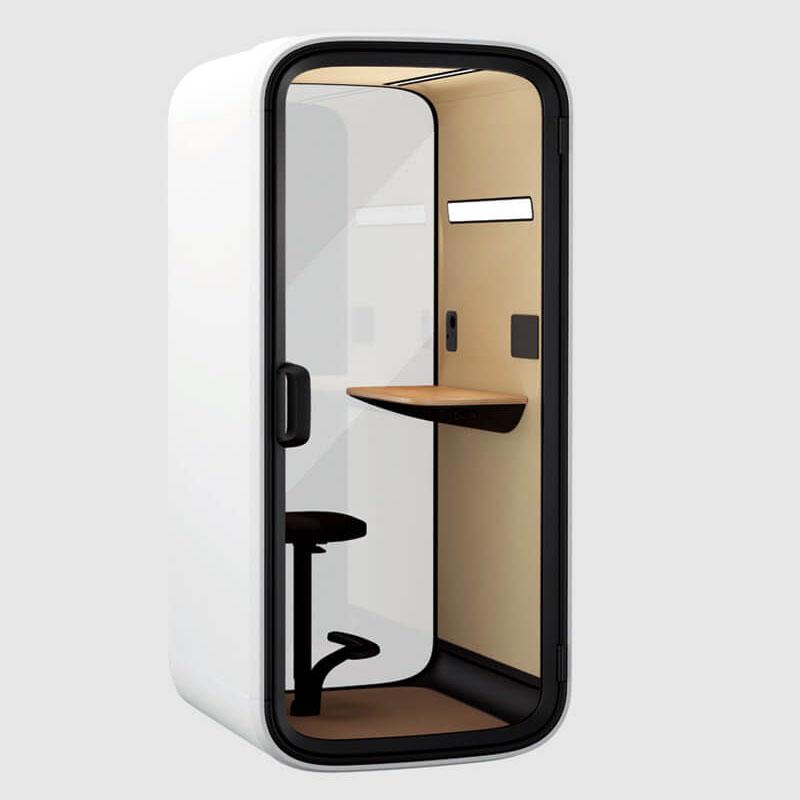
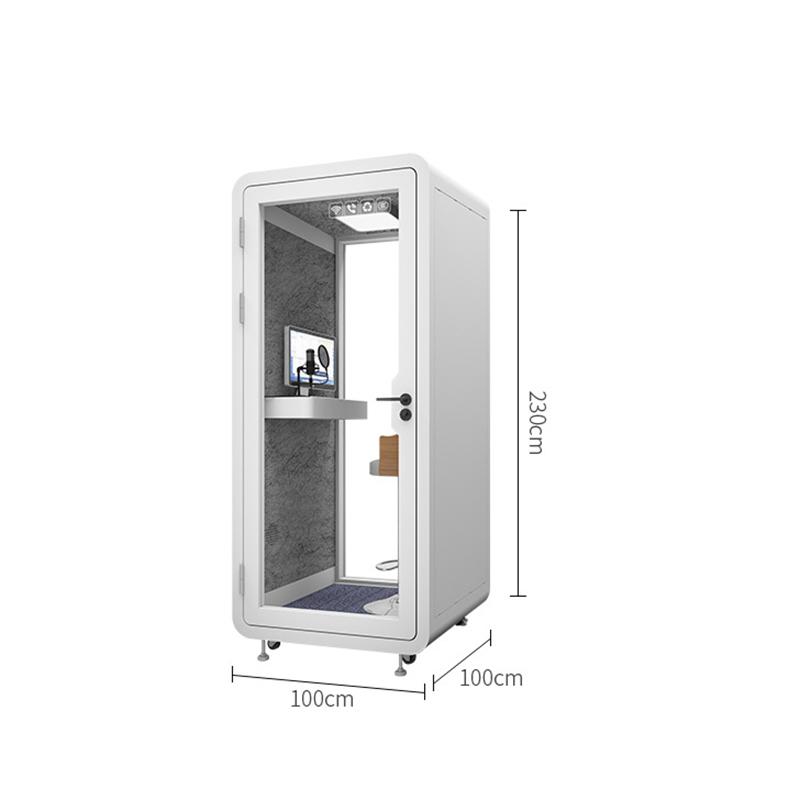
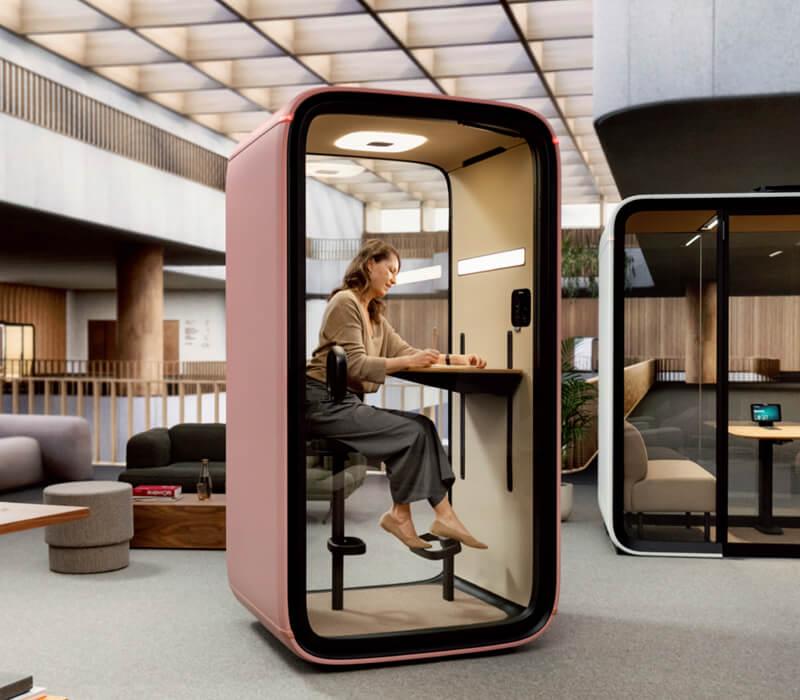
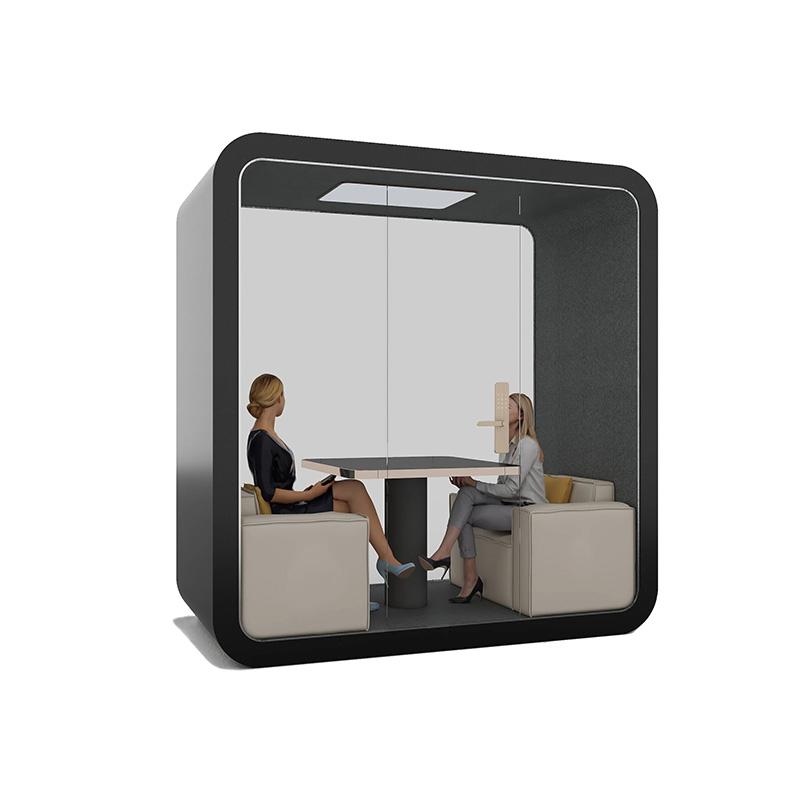
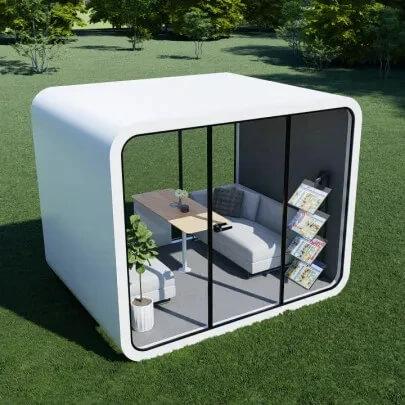
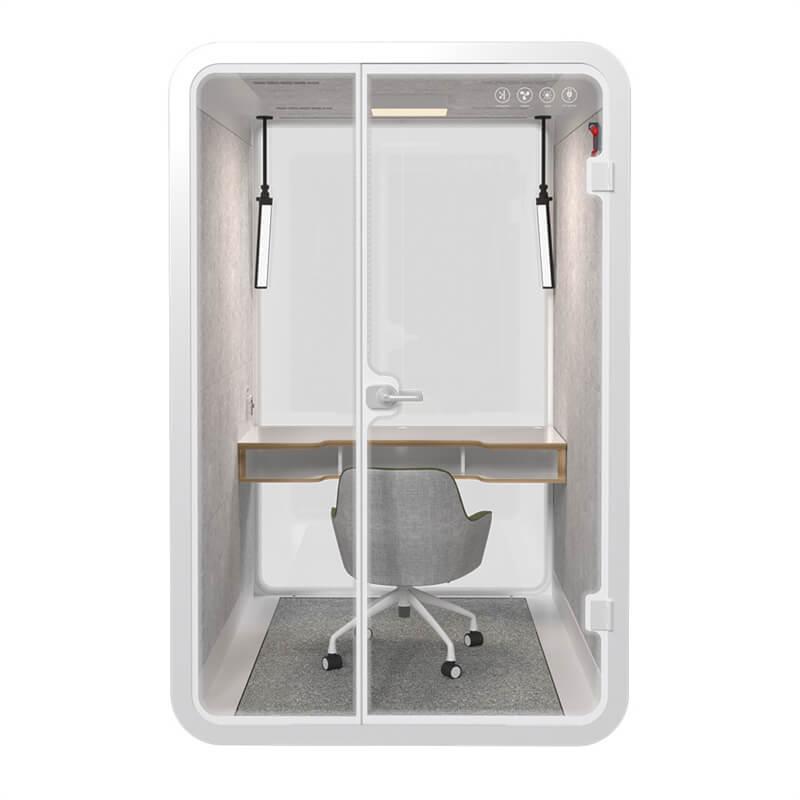
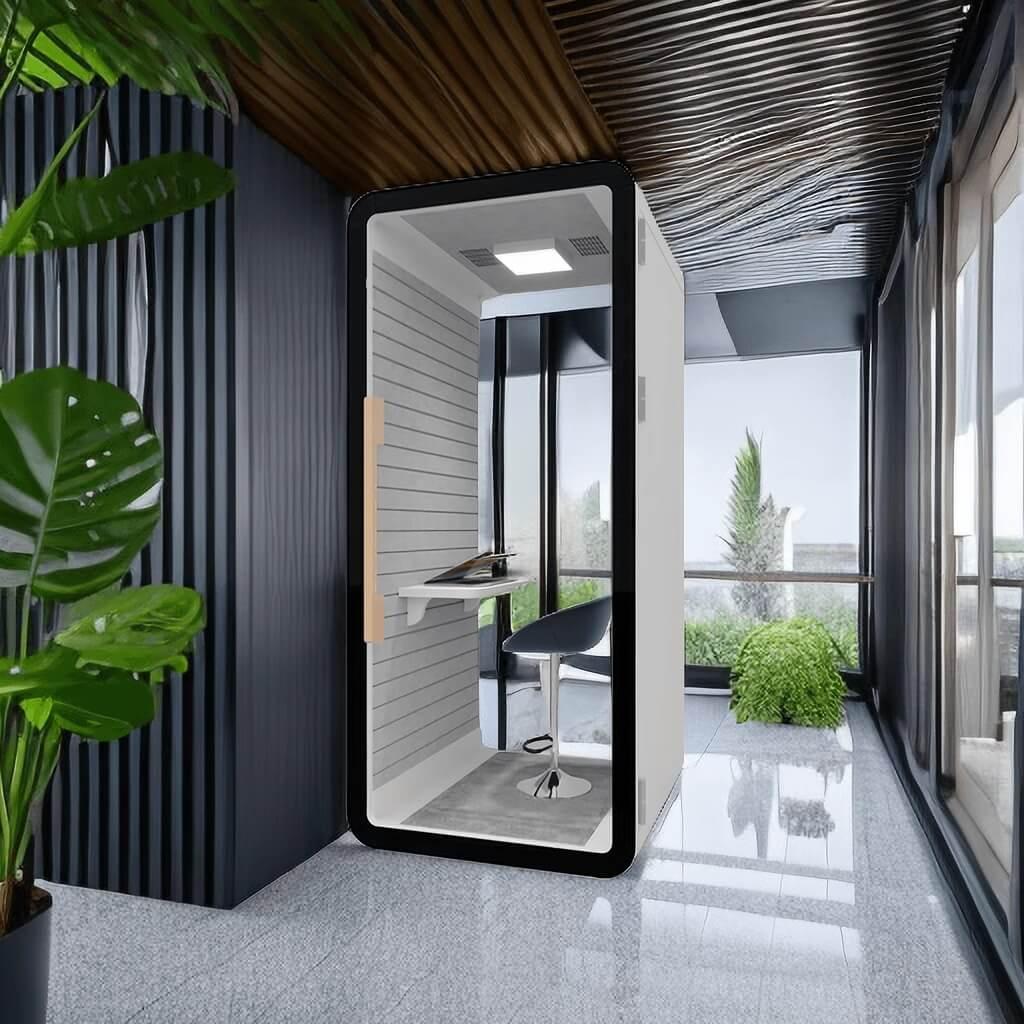
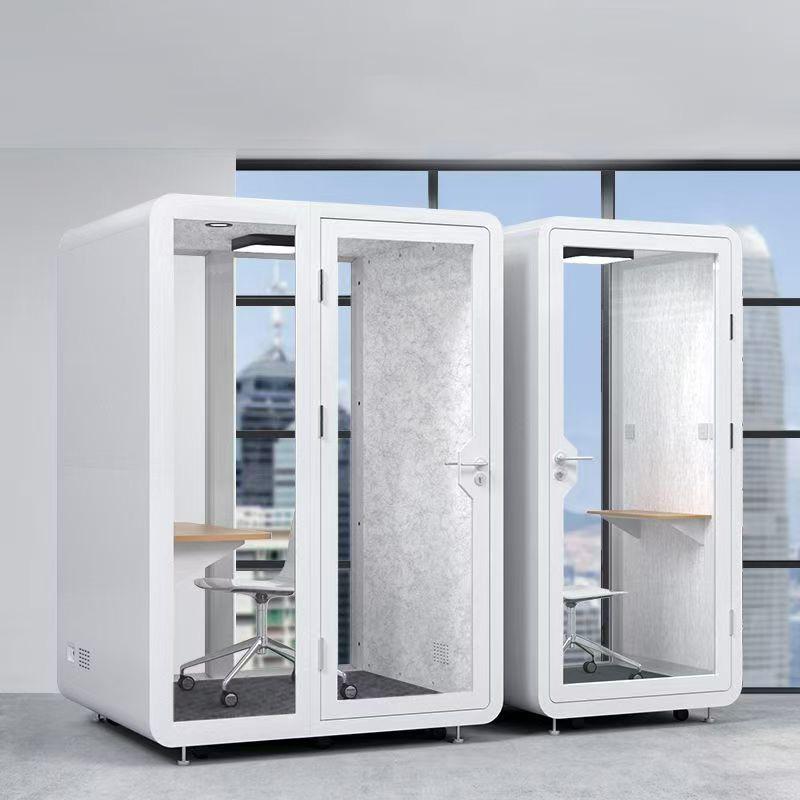
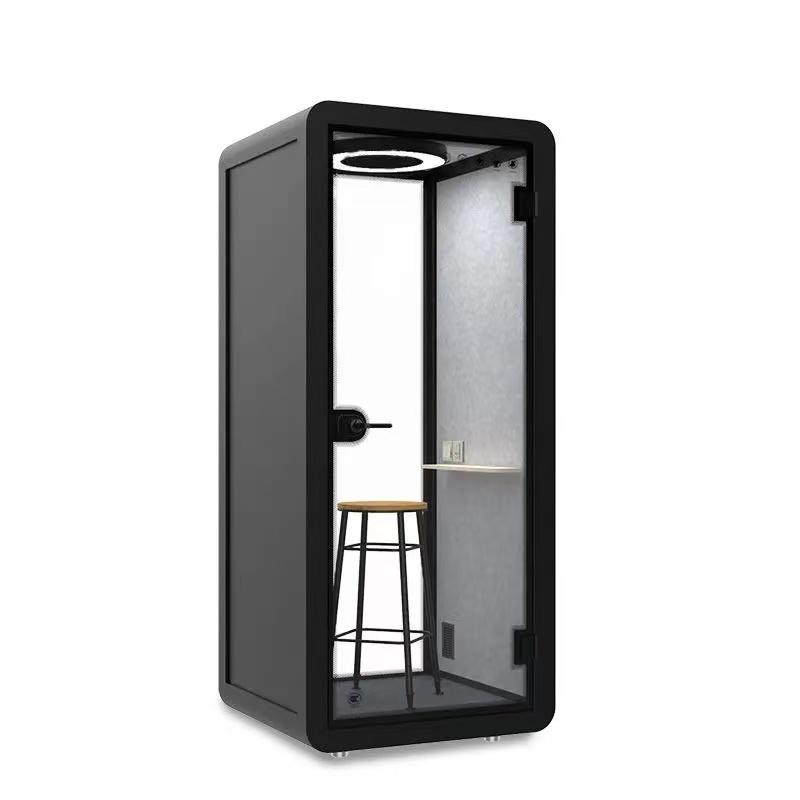
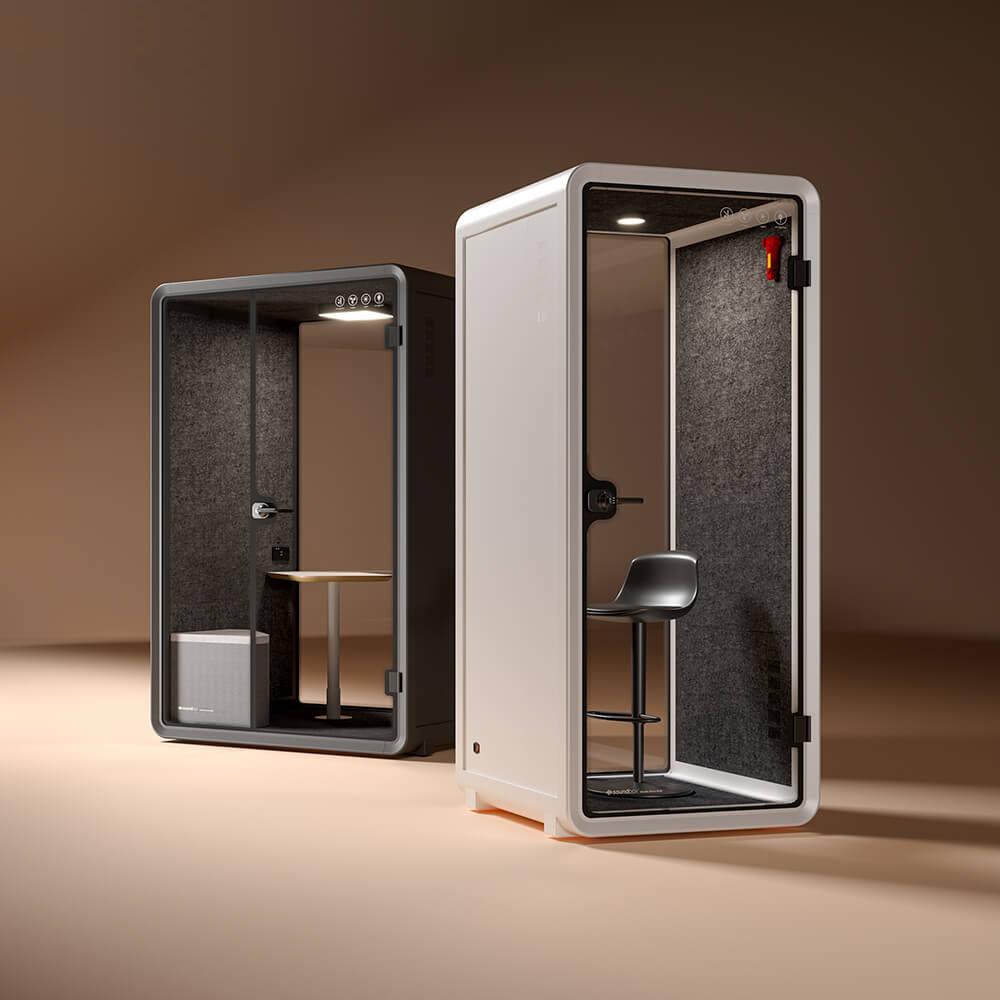
Resolve that question before committing to a purchase justified by exam capacity. Separate the supplier's description of the enclosure, the institution's purchasing decision, and the program owner's eligibility decision. They answer different questions. The useful outcome is a written response tied to a defined proposal, not a general assurance that a quiet enclosed space should be suitable. The images illustrate enclosure forms only; they do not establish examination eligibility.
Start the brief with the examination program, intended delivery route, institution and proposed location. Distinguish an institution's own assessment from an externally controlled examination without assuming that either follows the other's process. List only the programs actually included in the purchase case. If several are anticipated, give each a separate decision line so permission for one cannot silently become permission for all.
Testing-space eligibility and accommodation arrangements are program-specific; one provider's guidance is not a universal exam policy. Ask the program owner which current requirements govern this proposal and whether the proposed enclosure can be considered at all. Resolve an excluded setting before refining furniture options. Where no program has yet been identified, describe the purchase as a study-space proposal, with examination use unconfirmed rather than included in the capacity forecast.
Have the institutional examinations lead identify the authoritative program owner and the route for obtaining its written eligibility decision. If a delivery provider responds on the owner's behalf, ask for confirmation that this is the designated decision channel. A familiar help desk or a supplier contact may supply useful information without having authority to approve the proposed setting.
Frame the request as a decision, not a request for encouragement. Identify the proposal and ask whether it is acceptable for the named program, unacceptable, or awaiting specified evidence. Ask the respondent to state the scope of its authority, the conditions attached to the answer, and anything that remains subject to later review.
Keep responsibilities distinct inside the institution as well. Procurement may authorize expenditure, facilities may describe a location, and technology staff may assess equipment. None of those internal signatures should be presented as the external program owner's permission. Record who is responsible for obtaining that permission and who will prevent an unresolved answer from disappearing during budget approval.
Give the enclosure proposal a version and attach the supplier's identified configuration, proposed furniture arrangement and location drawing. Distinguish confirmed details from options still under discussion. Describe the surrounding room, visible glazing, entry arrangement and intended equipment as matters for review. Ask which additional views or information the program owner needs instead of assuming that a brochure photograph answers its questions.
Label an illustration as an illustration and a proposed arrangement as a proposal. Do not suggest that an existing photograph depicts the future examination space. Ask the supplier to confirm only product details within its knowledge; direct examination-policy questions to the program authority. This makes it possible to correct a missing enclosure detail without mistaking the supplier's correction for approval of the examination setting.
For the physical enclosure proposal, review the SOP office pod as an office-type enclosure being considered for study use, not an exam-certified product. The product reference cannot establish permission for any examination.
Send the decision request through the designated channel with the same proposal version available to procurement. Ask for the answer to distinguish acceptance, rejection and unresolved review. Where an authority will not provide advance approval, record that limitation explicitly and do not represent future exam access as secured. The table below is a buyer's routing aid, not a statement of any examination provider's rules. Its purpose is to prevent a conditional answer, an unanswered message or a successful demonstration from being recorded as unconditional eligibility.
| Response received | Question still to close | Procurement consequence |
|---|---|---|
| Written acceptance tied to the proposal | Are every stated condition and program boundary reflected in the order? | Consider only the accepted scope in the exam purchase case. |
| Acceptance depends on missing evidence | Who supplies the named evidence and confirms closure? | Keep the exam-dependent commitment pending. |
| The proposed setting is rejected | Is there a different setting the authority would consider? | Remove this exam use from the enclosure proposal. |
| General advice or technology-only reply | Has the authorized owner decided the setting question? | Do not count the reply as eligibility. |
| No advance decision is available | Can the project proceed without assuming exam permission? | Separate a study-only case or retain the purchase hold. |
Let the program owner identify which characteristics of the setting affect its decision. Glazing, surrounding activity, furniture, equipment and assistance arrangements can be included as questions, but this article does not declare any of them permitted or prohibited. Ask whether the answer depends on a particular location or configuration and whether a later assessment remains necessary. Preserve the reply's wording alongside the proposal it addresses.
A supplier demonstration can help the buyer understand the physical arrangement. It cannot award examination permission. Similarly, successful software setup or a practice connection answers only the question actually checked. Do not use either result to close an eligibility question that belongs to the program owner. Request clarification when a response discusses technology while leaving the setting itself unanswered.
If an individual needs an accommodation, involve the institution's appropriate support contact and the program's designated process. Keep personal documentation outside the general procurement pack. Ask which arrangement can be described for space review without including unnecessary personal details. An individual decision should not be generalized to every candidate or converted into a claim that the enclosure offers universally approved access.
Consider a hypothetical reply that says the software can run on the proposed computer but says nothing about the enclosure or shared surrounding room. File it as a technology response and send the remaining setting question back to the designated authority. Do not relabel the reply as an approval merely because it is positive. The missing decision remains visible until an authorized answer addresses it.
Now consider a hypothetical acceptance that names one program and one location. Compare those boundaries with the purchase justification. If the budget assumes several programs or locations, mark the others unresolved. If the accepted proposal differs from the latest quotation, identify the changed detail and ask the authority whether its decision still applies. These comparisons test the scope of the answer; they do not reproduce a real approval or predict its outcome.
An institution may still have a reason to buy an enclosure for ordinary study when examination eligibility remains unresolved. Make that a separate business case. Identify the study purpose and evaluate it on its own evidence rather than treating possible exam use as a benefit already secured. The purchasing sponsor should be able to see whether the proposal remains worthwhile without the examination assumption.
For an exam-dependent purchase, retain the hold until the named authority provides the required decision and the institution has addressed its conditions. If the authority cannot decide before installation, acknowledge that uncertainty before expenditure and consider an alternative setting already accepted for the intended program. Do not promise that a future inspection will succeed. Ask procurement to agree how unresolved eligibility affects the order rather than hiding the issue in a generic risk paragraph.
The final record should let a reviewer connect the program owner's response to the exact proposal under consideration. Keep the program name, decision channel, dated reply, proposal revision and unresolved conditions together. State whether the institution is authorizing study use only, relying on a specified examination approval, or declining the exam-dependent purchase. Avoid a single approved label that conceals which of these decisions was actually made.
Ask the program owner what changes would require another eligibility review, and preserve its answer. A later alteration to the location, furniture or delivery route should not inherit permission simply because the enclosure carries the same product name. Transfer this dependency to whoever controls procurement revisions.
If purchasing is delayed, ask whether the earlier response still addresses the current proposal and intended examination route. Do not invent an expiry period or assume that an undated screenshot remains current. Retain the relevant correspondence so a new purchasing officer can distinguish the original request, any clarification and the final answer. That officer should be able to explain which written decision supports the examination benefit stated in the budget.
Can a supplier confirm that a pod is exam-approved?
A supplier can describe its offered configuration. Seek the eligibility decision from the authoritative exam-program owner through its designated channel. A supplier's general assurance is not a substitute for that decision.
Does acceptance for one program cover another program?
Do not assume it does. Identify each program included in the purchase case and obtain a response covering that use. Keep any program outside the written decision unresolved rather than extending the original approval yourself.
What if the authority requires review after installation?
Record that dependency before ordering and avoid counting examination availability as confirmed. Decide whether an independently justified study purchase remains worthwhile or whether the exam-dependent project should wait or use another accepted setting.
Should a student's accommodation paperwork accompany the quotation?
Keep sensitive individual documentation in the appropriate institutional and program channels. Procurement needs the relevant configuration dependency, not an unrestricted copy of personal records. Ask the responsible contacts how to communicate that dependency appropriately.
Is a successful practice session enough to release the purchase?
It answers only the questions the session actually checked. Retain the program owner's setting decision and any remaining conditions separately. A working connection or usable desk does not establish permission to take the intended examination there.
Before buying student study pods on the strength of online examination use, obtain a written eligibility decision from the authoritative owner of the named program. Connect that decision to the proposed enclosure, location and delivery route, and keep conditions visible to the purchasing sponsor.
Send the unresolved setting question with the current proposal version now. If an authoritative decision cannot be obtained before purchase, retain the exam-dependent hold or evaluate a clearly separate study-only case. Do not convert an office enclosure, supplier illustration or successful demonstration into an examination approval.

 Tel: +8613538031763
 Email: info@sopworkpod.com
 MP/WhatsApp: +8613538031763
 Manufacturer Address:Liucheng Lujiang District,Meixi Road,Nanan City,Fujian,China