Author:SOP Work Pods Manufacturer TIME:2026-09-21
Mobile meeting pods in Romania should be assessed through the moves an organisation expects to make. The word mobile can describe castors for a short reposition, a modular enclosure that trained installers dismantle, or a product that can be transported between buildings. Those scenarios carry different people, tools, packaging, service, floor, and acceptance requirements.
This planning reference does not document a Romanian customer installation or promise that a specific pod can be moved in every way described. It shows how a buyer can create a relocation ledger before purchase. Product instructions and qualified local review remain necessary for each actual building, route, electrical interface, fire strategy, accessibility condition, and working method.
Treat the first installation as the baseline for future moves. Record the pod identity, configuration, location, assembly method, service connections, photographs, documents, and accepted condition. Without that baseline, mobility becomes an assumption and every later relocation begins with an avoidable investigation.
List likely events over the planned ownership period: a small shift within one team zone, a move to another floor, relocation between buildings, temporary storage, or transfer to another city. Estimate frequency, notice, downtime tolerance, and who initiates each event. Do not specify mobility as a general benefit without connecting it to one of these real decisions.
Record why the move occurs. A team reorganisation, lease change, floor refurbishment, event, or seasonal capacity need may require a different response. Sometimes a booking or layout change solves the problem with less disruption. The ledger should show the trigger and approval route before facilities commits resources or risks warranty conditions.
Use a move request form before anyone changes the location. It should identify the pod, origin, destination, business reason, desired date, current service issue if any, requester, budget owner, and affected teams. Facilities can screen the request against the approved movement types and decide whether a survey or supplier visit is needed. This small gate prevents an informal furniture move from becoming unplanned technical work.
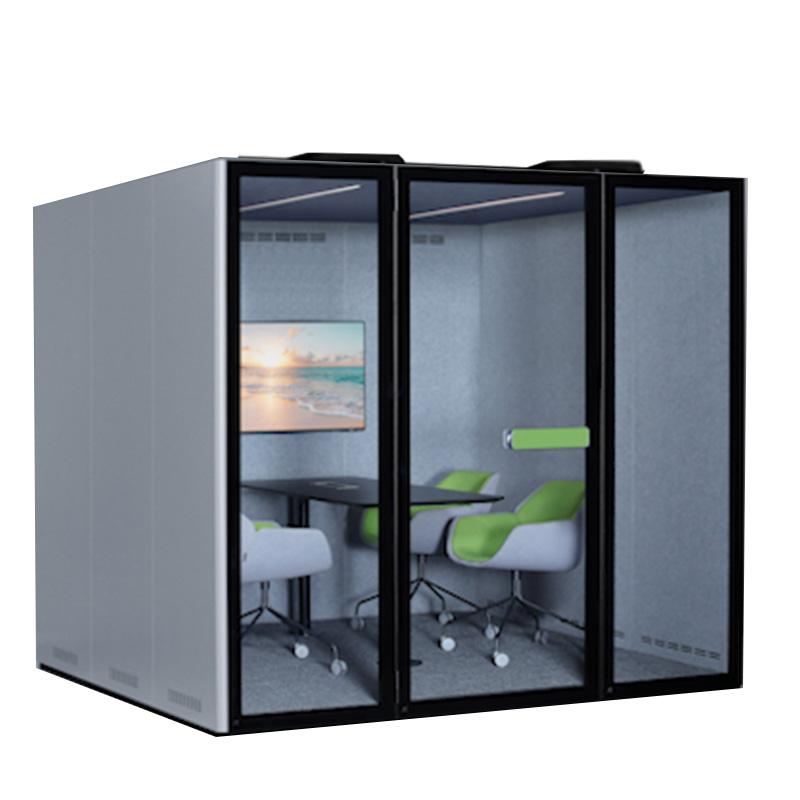
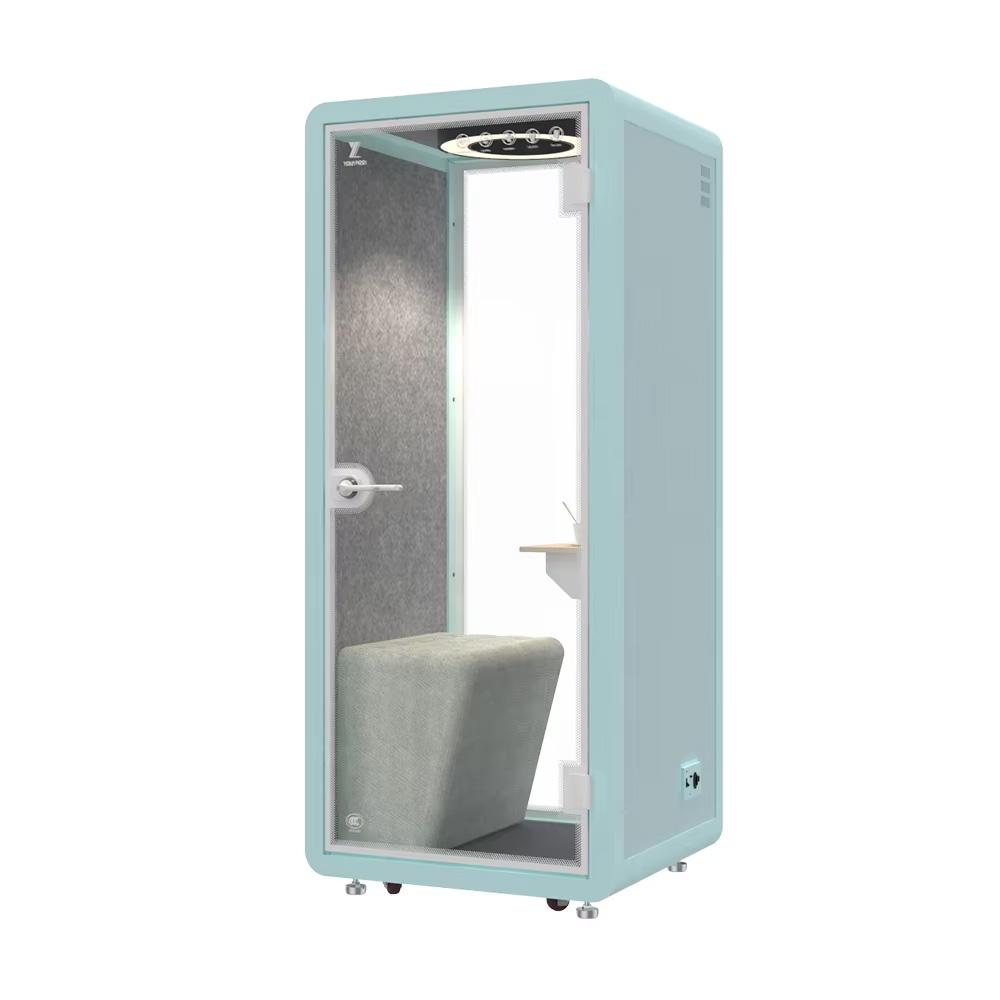
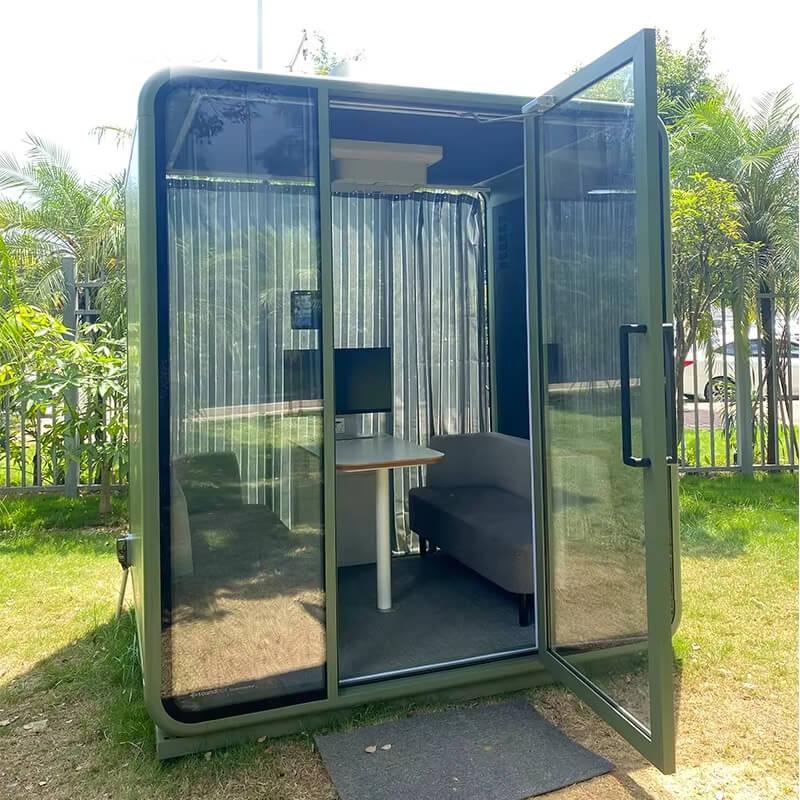
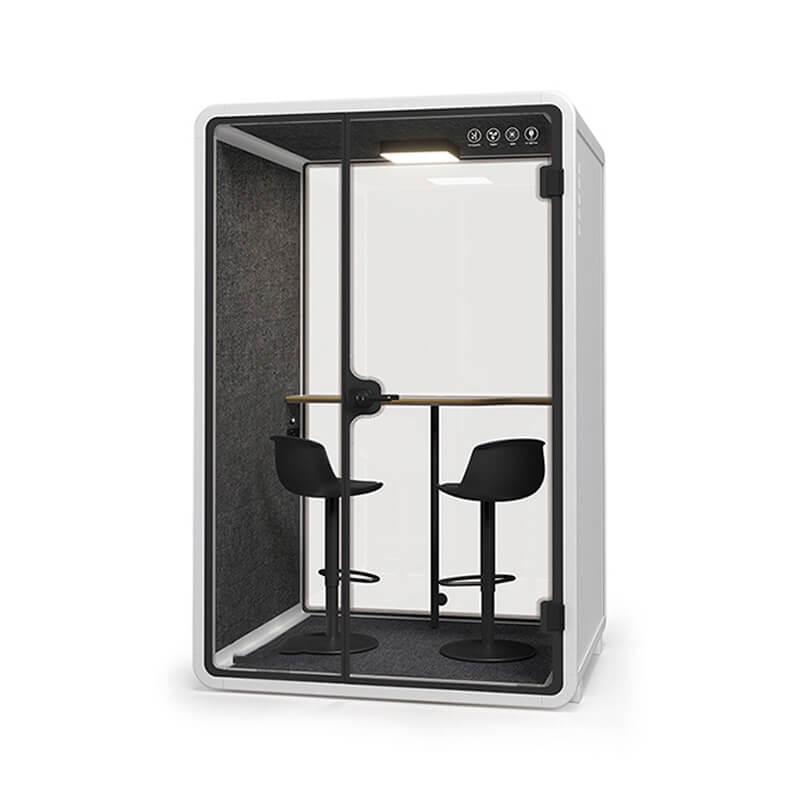
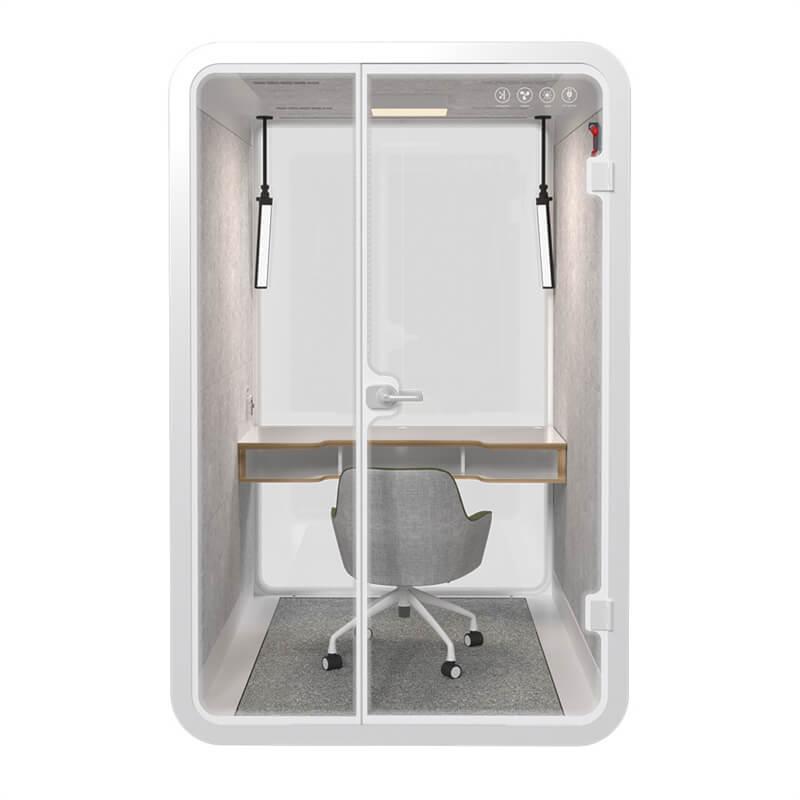
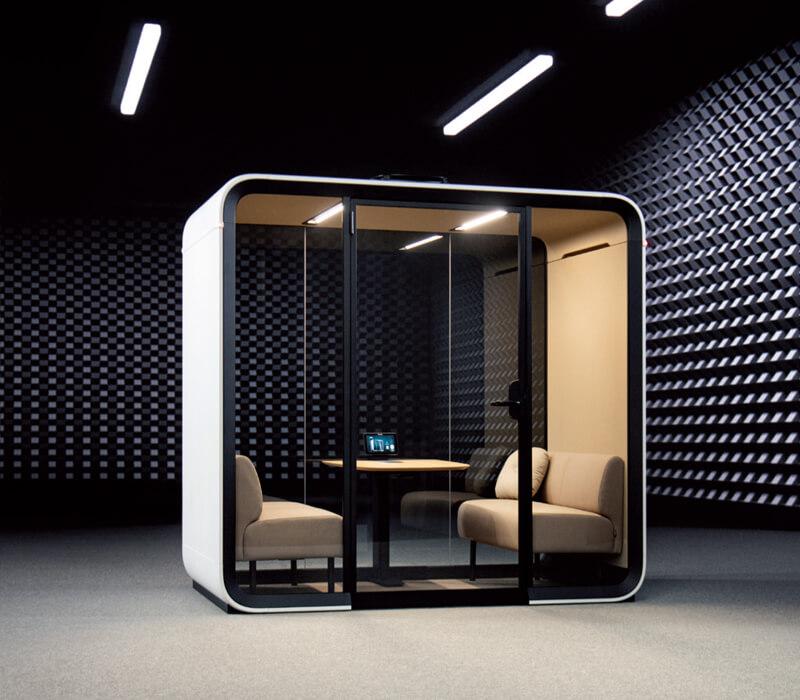
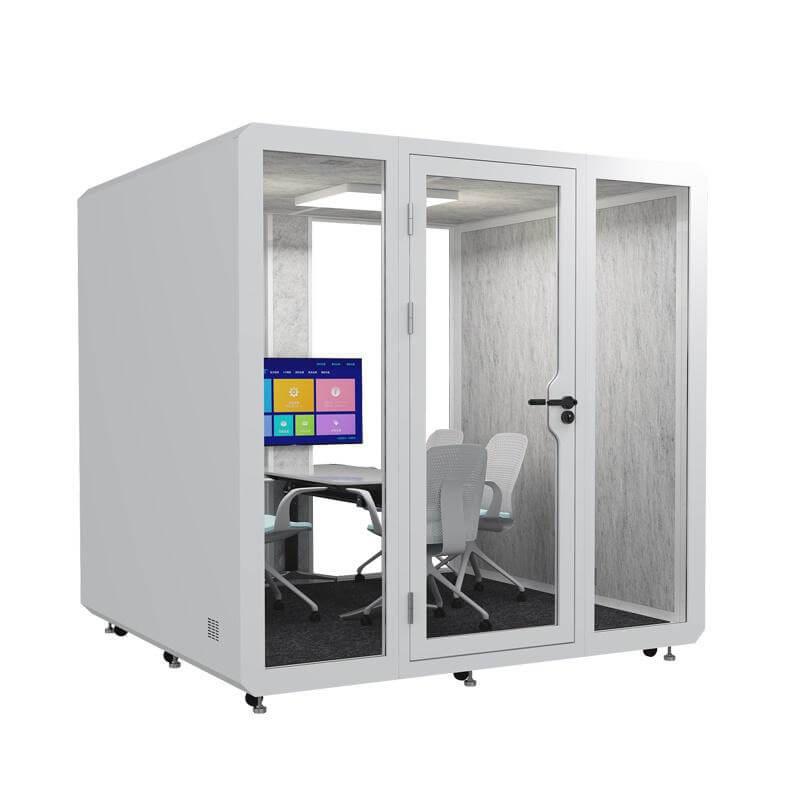
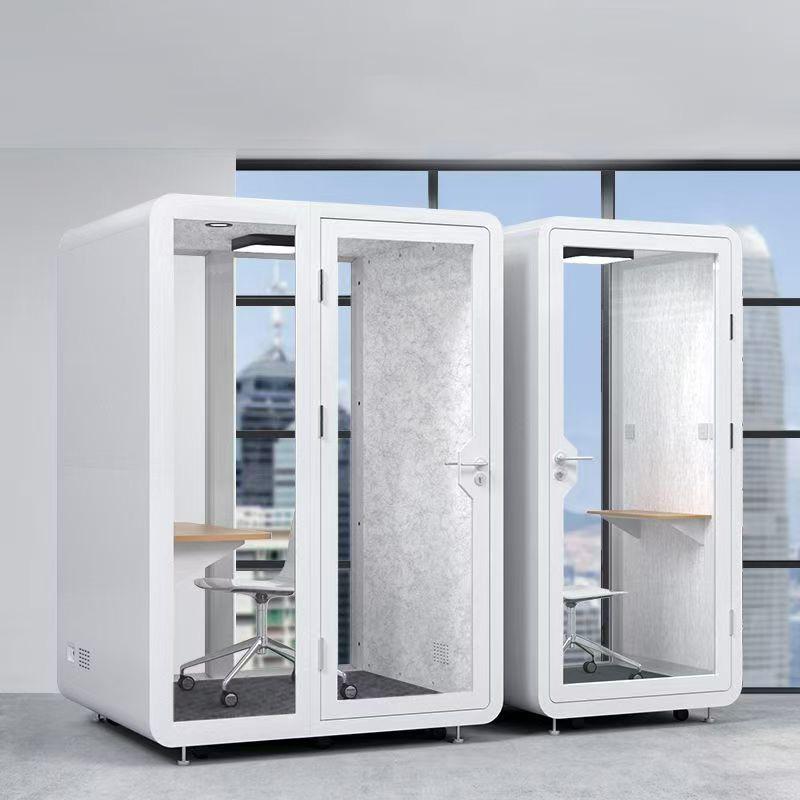
For configuration context, review meeting pod formats before defining a relocation method, then return to the site-specific evidence and responsibility checks in this guide.
Ask the supplier to define every permitted movement method for the exact model. If a pod can roll, record preparation, floor requirements, direction, people, equipment, clearances, maximum route conditions, and how it is levelled afterward. If it must be dismantled, identify modules, sequence, trained roles, tools, consumables, and parts that cannot be reused.
Inter-building transport adds protection, loading, vehicle, lifting, weather, security, and storage questions. Keep those requirements separate from an internal move. Marketing language such as portable or mobile should point to a documented method, not replace it. The method becomes a controlled appendix to the relocation ledger.
Ask for a movement demonstration or documented rehearsal when mobility materially affects the purchase. Record preparation time, people, tools, turning space, floor condition, component protection, levelling, reconnection, and functional checks. Conduct it on an appropriate surface and within agreed safety controls. A demonstration should reflect the offered configuration; an empty shell or smaller model may understate the effort created by furniture, glazing, equipment, or finish protection.
Measure the origin work zone, every door and turn, lifts, ramps, thresholds, floor transitions, overhead obstructions, loading area, and destination. Include temporary space for people, tools, modules, packaging, and barriers. Record public access, occupied work, security, and permitted hours. A route that accepts the complete pod may still lack a safe work zone for movement.
At the destination, verify floor condition, level, loading information available to the project, door approach, circulation, service clearances, air paths, power, data, lighting context, and nearby work. Responsible Romanian site parties should confirm building and working-method requirements. Reuse of a previous route approval is valid only when the route, pod, and movement method remain unchanged.
Coordinate the move with neighbouring work and building operations. Identify noise, temporary route closures, lift bookings, security escorts, dust or packaging, and the point at which users lose access. Tell affected teams what will happen and who controls the work area. For a move between occupied buildings, the logistics plan should cover both sites at the same time so one team is not ready while the other is still waiting for access.
Create a shutdown checklist from the actual configuration. It may cover power, optional data equipment, screens, sensors, lights, fans, accessories, and user belongings. State who may isolate, disconnect, remove, label, pack, and reconnect each item. Photograph cable routes and settings before work begins when they support reliable restoration.
Protect glazing, doors, seals, panels, controls, furniture, fasteners, and finish edges according to the supplier method. Label removed parts against the pod identity and move event. Do not place structural, electrical, or acoustic components into unrecorded general storage. The ledger should show custody from removal through reinstallation.
Grade condition at dispatch with neutral categories: unchanged, existing mark, removable component packed, service item due, damage requiring review, or missing evidence. Use consistent photographs and location references. Avoid vague words such as good or bad when a visible description is possible. At destination, compare the same categories and keep both records. This protects the asset owner and installation team from disagreements based on memory.
Build the move estimate from survey, approvals, preparation, isolation, dismantling or rolling, protection, handling, transport, storage, destination work, reassembly, connection, cleaning, testing, documentation, and business downtime. Include out-of-hours work, lift protection, access equipment, waste, replacement consumables, and correction of route or floor issues where relevant.
Compare the forecast with the value of mobility for each event. A pod may still be worth moving when specialist labour is required, but the organisation should know the threshold. Record assumptions and rates separately so later moves can use actual time and cost rather than restarting the estimate from a sales claim.
Plan operational downtime on a simple hour-by-hour sequence. Include user notice, booking closure, shutdown, protected work area, movement, destination setup, testing, cleaning, reopening, and contingency. Identify the point after which the old location cannot be restored quickly. Teams can then schedule sensitive meetings elsewhere and avoid placing urgent demand on the pod while its status is uncertain.
| Move event | Minimum evidence before approval | Release condition | Ledger result |
|---|---|---|---|
| Within the same zone | Permitted rolling method, floor and route check, service state | Pod levelled and functions rechecked | Time, people, adjustments, and exceptions |
| To another floor | Lift, thresholds, working zone, protection, destination services | Route restored and destination acceptance signed | Access effort, downtime, condition, and cost |
| Between buildings | Module and packing method, loading, transport, storage, local site review | Identity, components, reassembly, and full functional record | Loss, damage, replacements, transport, and site work |
| Temporary storage | Shutdown, component custody, packaging, environment, duration | Condition inspection before reassembly | Storage dates, location, inspections, and deterioration |
Follow the current approved instructions and configuration record. Check level, panel alignment, joints, door movement, seals, glazing, furniture, controls, lighting, ventilation, power, optional technology, and visible finish. Compare identity and components with the dispatch list. Record every missing, damaged, replaced, or adjusted item.
Classify exceptions by effect. A functional or safety concern may keep the pod unavailable, while a minor finish item may proceed with a dated correction. Assign each issue an owner, evidence, target, and closure method. A familiar pod should receive the same disciplined acceptance as a new installation because movement can alter interfaces and condition.
After reassembly, hold one realistic meeting before reopening the calendar. Use the normal seats, screen or devices, power, light, ventilation, door, and controls for the expected duration. Note any rattle, movement, obstruction, setting, or service issue with conditions and location. This functional sequence does not replace a specified formal test, but it confirms that the moved pod is usable for its intended task and that open exceptions have an owner.
After handover, record actual notice, labour, downtime, tools, packaging, route issues, damaged or replaced parts, supplier attendance, cost, and user disruption. Note deviations from the planned method and whether they should change future limits. This converts mobility from a vague attribute into an operating history.
Keep the ledger with the asset owner, service record, and current location. Review it before the next move and when evaluating additional pods. Repeated seal replacement, long downtime, or route difficulty may favour a different configuration or fewer moves. A clean record also helps distinguish normal service needs from damage linked to a specific event.
Review warranty, insurance, and service consequences after every non-routine event. Record who performed the move, whether the approved method was followed, which parts changed, and which supplier notifications were required. Do not assume that all relocation damage is covered or excluded. The contract and product instructions should answer that question, while the ledger supplies the event evidence needed for a fair assessment.
A Romanian relocation plan should also record the asset condition before the move, not only the intended destination. Photograph the door, seals, glazing, joints, furniture, controls, and service connections, then compare the same points after reassembly. Note the route, lifting method, floor protection, installer, downtime, and unresolved defects. A before-and-after record supports a fair service decision and prevents a later fault from being attributed to the wrong move.
Does mobile mean a meeting pod can be moved by office staff?
No. The permitted method depends on the exact product, route, floor, services, and supplier instructions. Some movements may require trained installers, specialist equipment, or dismantling.
What belongs in a relocation baseline?
Record identity, configuration, drawings, location, assembly method, service connections, photographs, accepted condition, open items, and the approved movement instructions.
Should a relocated pod be accepted again?
Yes. Recheck configuration, joints, door, seals, glazing, furniture, controls, ventilation, lighting, power, condition, and documents appropriate to the move.
Can one route survey cover every future move?
Only when the pod, route, destination, movement method, and working conditions remain valid. Review the survey when any of those inputs change.
Does this guide approve a move in Romania?
No. It defines the records to prepare. Qualified local parties and the product supplier must review the actual Romanian site, method, responsibilities, and requirements.
Mobile meeting pods in Romania need a documented movement method and an asset history. Define the expected event, survey both ends and the route, control services and parts, price the complete effort, and accept the pod again after reassembly.
The relocation ledger makes each later decision faster and more accurate without exaggerating what mobile means. It also keeps Romanian site review, supplier instructions, commercial responsibility, and operational evidence connected throughout the pod's working life.

 Tel: +8613538031763
 Email: info@sopworkpod.com
 MP/WhatsApp: +8613538031763
 Manufacturer Address:Liucheng Lujiang District,Meixi Road,Nanan City,Fujian,China