Author:SOP Work Pods Manufacturer TIME:2026-09-13
A meeting pod for sale should arrive with more than an invoice and a visually complete enclosure. The buyer needs a handover record that connects the approved offer to the installed unit, captures open items, and shows who accepted each function. Without that record, small omissions can surface later as disagreements about scope, damage, accessories, or responsibility.
Acceptance is not a claim that every future condition has been proven. It is a dated record of what was ordered, what was observed, which documents were delivered, and which exceptions remain open. The method below builds that record from identification through closeout.
Begin with identity. Record the purchase order, project reference, model or configuration name, serial or asset number where available, quantity, final location, and responsible supplier contact. Attach the approved configuration schedule instead of retyping it from memory. If several pods share the same finish, give each a location or asset reference so later defects can be assigned to the correct unit.
Compare the received item with the order before installation hides labels or packaging evidence. Note visible transit damage, missing packages, substitutions, and any components delivered separately. Photographs should show the unit and context, not only close-ups. A clear identity chain prevents an accessory for one pod from being mistaken as a shortage on another.
Keep commercial acceptance separate from physical receipt. A delivery note can confirm packages arrived, while the handover record confirms the assembled configuration and agreed functions. Make the signature labels explicit so a security guard or loading-dock receiver is not treated as the final technical approver.
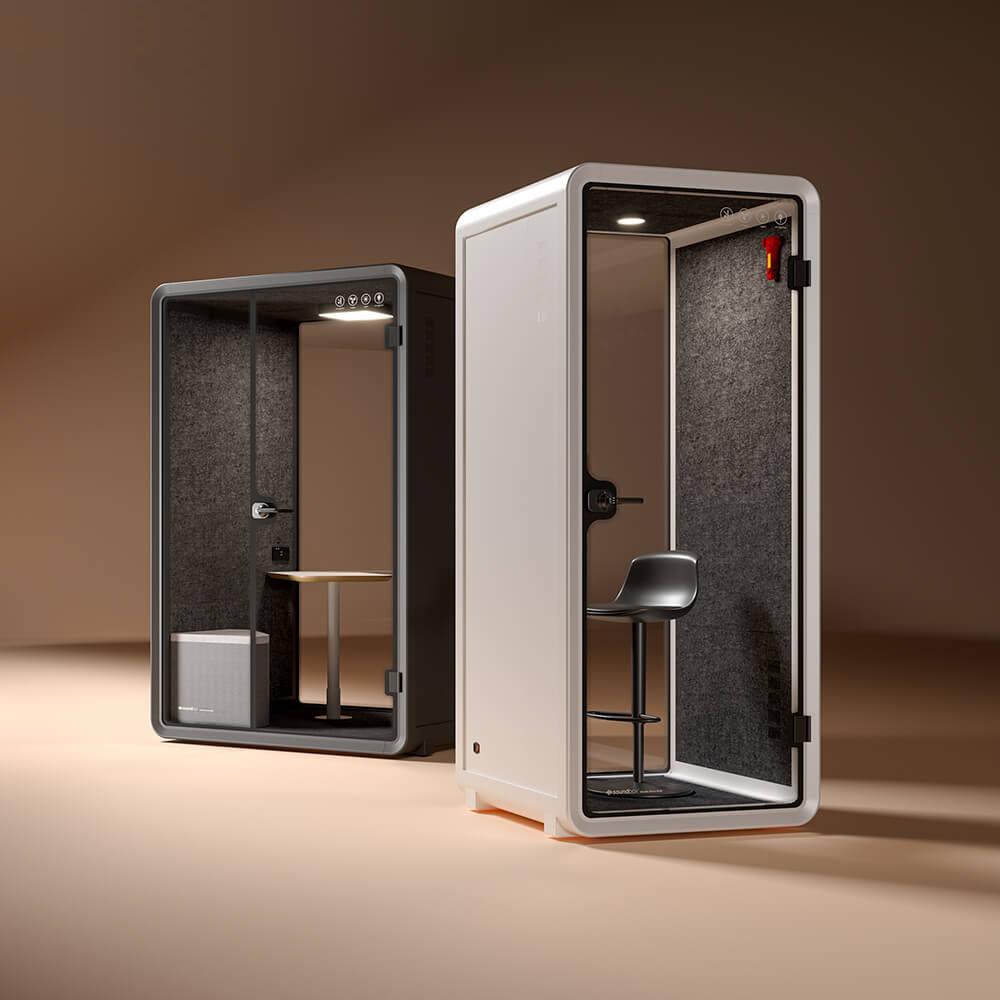
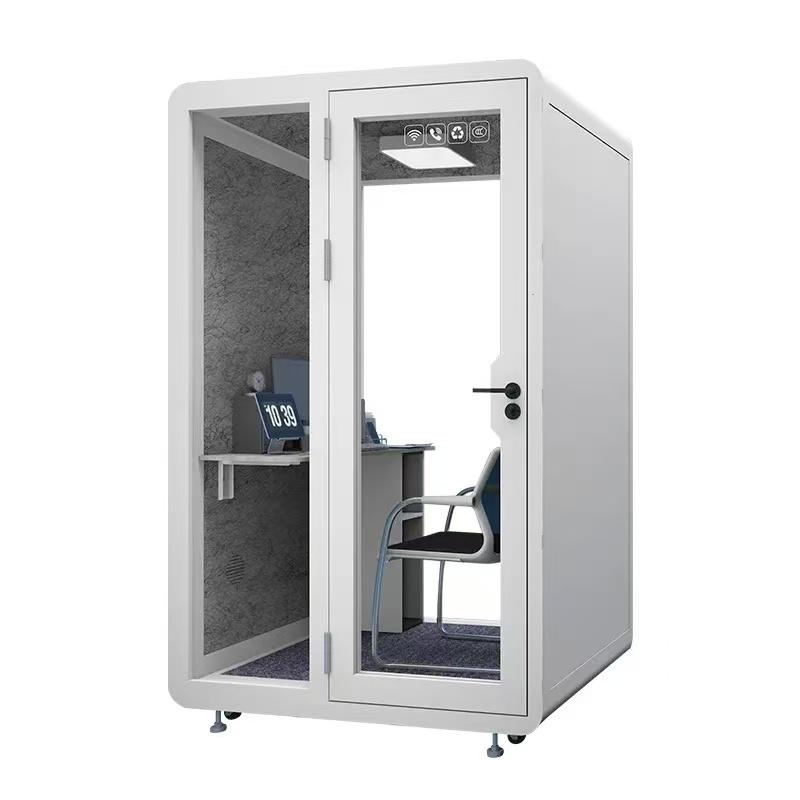
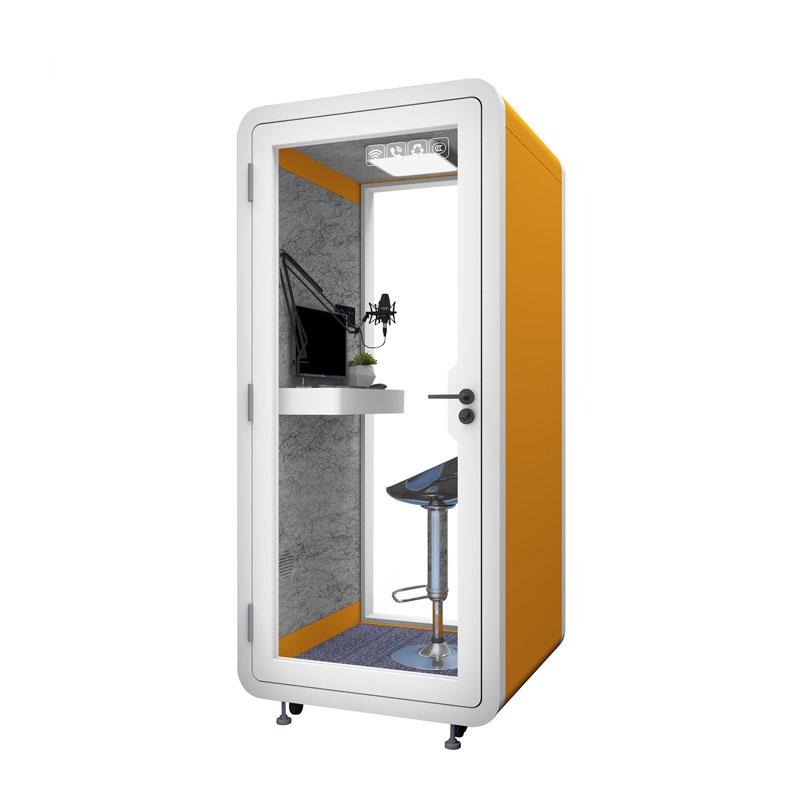
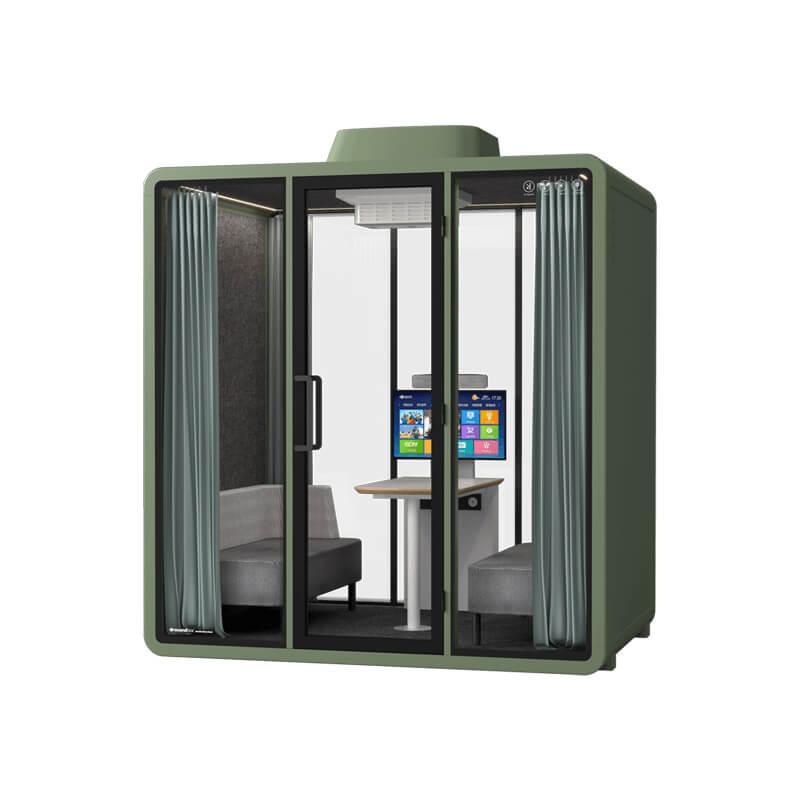
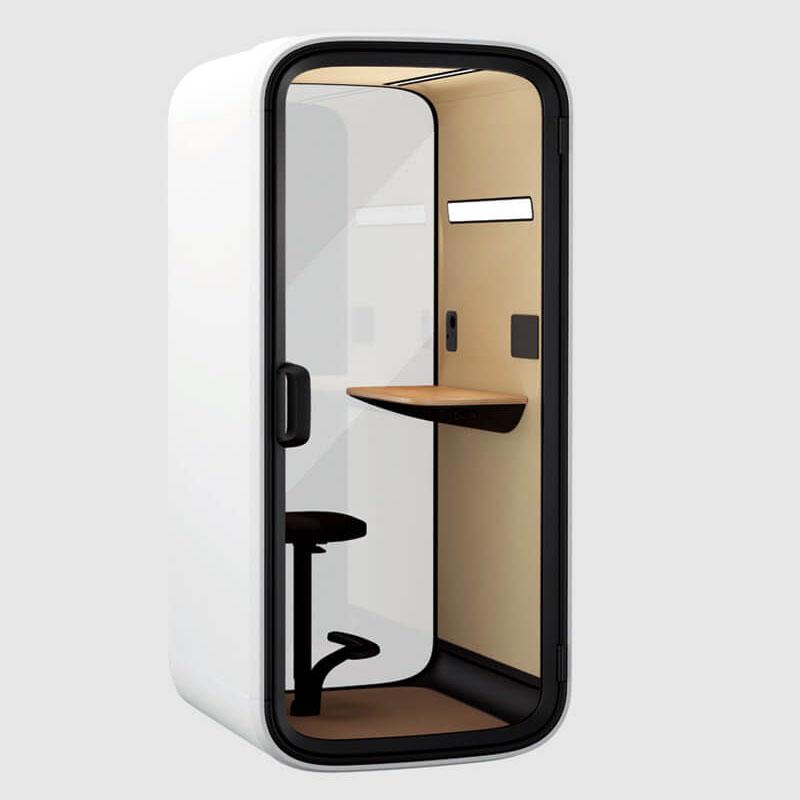
Lay the approved drawing, finish schedule, and accessory list beside the installed pod. Check exterior panels, glazing, door handing, interior surfaces, seating, table, power points, lighting, controls, ventilation components, and specified technology supports. Record deviations as specific observations. Phrases such as "not as expected" are difficult to close because they do not identify the governing document.
Review interfaces as well as components. A correctly supplied table can still conflict with knee space, a screen bracket can obstruct sight lines, or a power outlet can be inaccessible after furniture is placed. The acceptance walk should use the intended meeting arrangement, not an empty pod. Bring representative laptops, cables, documents, and personal items when those are central to the use case.
Finish inspection should distinguish damage, installation marks, natural material variation, and approved tolerances in the supplier documentation. Avoid inventing a cosmetic standard at handover. Where appearance matters, agree the viewing conditions and record photographs from normal approach positions as well as detailed exceptions.
The route record protects both the pod and the building. Note the vehicle access, loading area, lift or stair use, door protection, floor protection, work zone, and any temporary removals. Photograph pre-existing damage where the delivery team passes. After assembly, repeat the route walk and record restoration items such as removed doors, protective coverings, packaging, or waste.
Check the final position against the approved plan and live building conditions. Confirm circulation, door swing, nearby workstations, access to service panels, ventilation clearance, power routing, and cleaning access. A pod can match the drawing yet create an operational conflict if furniture or routes changed between survey and delivery.
Log landlord or facilities approvals that apply to the installation. The handover record does not replace responsible building review, but it should show that required permissions and site controls were completed. If an interface remains temporary, label it clearly with an owner and close date rather than accepting it as an undocumented final condition.
Inspect the enclosure methodically from base to roof. Look for stable placement, aligned panels, consistent joints, complete trims, clean glazing, smooth door movement, secure interior fittings, and unobstructed ventilation openings. Do not dismantle or adjust supplier assemblies during acceptance; record concerns and have the responsible installer address them.
Open and close the door through several normal cycles. Observe handle operation, latch engagement, clearances, seals, and any contact with adjacent surfaces. The purpose is to find obvious installation or adjustment issues, not to certify performance outside the buyer's competence. Apply the same approach to tables, seats, shelves, control panels, and removable service covers.
Photograph completed details before occupancy. Later scuffs or loose items are easier to assess when the initial condition is visible. Include one wide interior view and one exterior context view for every pod, then add close-ups only for exceptions. Consistent evidence is more useful than a large unsorted photo folder.
Test the pod as a user would approach, enter, settle, connect a device, hold a short meeting, adjust available controls, leave, and reset the space. Check lighting, ventilation response, power availability, furniture stability, door operation, and any occupancy or booking interface included in the order. Record the actual configuration and conditions for each observation.
Use representative participants for the intended capacity without turning one trial into a universal comfort conclusion. Observe entry movement, personal space, table reach, shared viewing, cable routing, and exit. If accessibility requirements apply, involve the responsible project or workplace specialists and document the agreed route; do not substitute a casual walk-through for qualified review.
Acoustic privacy requires appropriate supplier evidence and realistic placement assessment. A handover conversation can reveal obvious rattles, gaps, or interference, but it does not create a laboratory result. Record available documentation, observed issues, surrounding conditions, and any follow-up test that the contract actually requires.
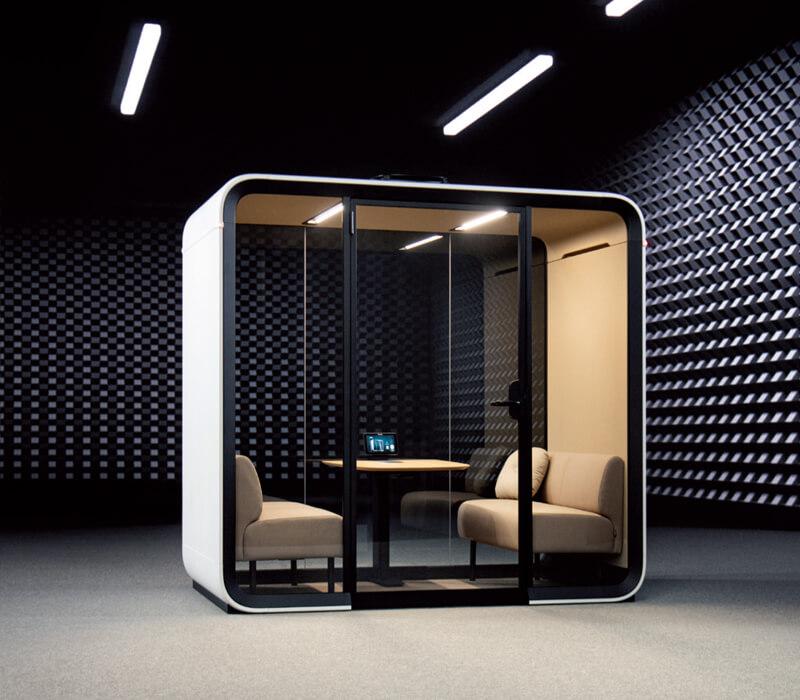
Every open item should have a location, description, evidence, impact, owner, target date, and closure method. Grouping many observations under "snagging" makes it hard to decide whether the pod can be used. Separate items that prevent use, items that limit a function, and minor finish items that can be corrected while the pod operates.
Agree interim controls for any pod released with an open item. A missing accessory may only require a dated delivery commitment, while a door or electrical concern may require the unit to remain unavailable until corrected by the responsible party. The acceptance record should state the decision and who authorized it.
Close defects with evidence that matches the issue: a replaced component, corrected drawing, functional recheck, cleaned surface, or signed observation. Do not erase the original entry. Mark it closed with a date and reference so the final record preserves what happened and supports warranty or service discussions later.
| Acceptance state | Meaning | Required evidence | Next action |
|---|---|---|---|
| Not ready | A critical function or controlled interface prevents use | Observation, location, impact, owner | Keep unavailable until corrected and rechecked |
| Conditional | Use is possible with a documented limitation | Interim control and dated closure commitment | Monitor condition and close the exception |
| Accepted with minor items | Core scope works; finish or document items remain | Signed list with owner and target date | Complete evidence-based closeout |
| Final accepted | Configuration, functions, documents, and agreed closures are complete | Signed record and indexed attachments | Transfer to normal operation and service |
Create a document index rather than accepting a loose email trail. Include the approved configuration, installed-location plan, user instructions, cleaning guidance, service contacts, warranty terms, parts or consumables information, electrical or technology documentation supplied for the project, and the final defect list. Record revision dates so an early drawing is not mistaken for the installed record.
Check that instructions match the actual pod. Generic product-family material may omit the chosen controls or accessories. Facilities teams need to know routine cleaning boundaries, safe user actions, fault-reporting information, service access points, and any conditions for moving the pod. Users need a shorter operating guide that does not expose technical panels or encourage unauthorized adjustment.
Store the index where the asset owner and service desk can find it. Link each pod's location or asset reference to the documents. A complete handover that disappears into one project manager's mailbox does not support operation, and it increases the chance that future moves or repairs will proceed without the supplier's method.
For configuration context, compare meeting pod configurations, then return to the site-specific evidence and responsibility checks in this guide.
Training should be role based. Users need entry, controls, booking or occupancy behaviour, care, and fault reporting. Cleaning teams need approved products, surfaces, access, and escalation boundaries. Facilities teams need service contacts, isolation or access procedures supplied for the project, warranty conditions, and the change process for relocation or accessories.
Record who attended, what configuration was demonstrated, and which questions remain. A short practical session at the installed pod is more useful than a generic slide deck. Avoid asking attendees to sign that they understand technical matters that were not covered; the record should reflect the actual scope.
Final acceptance should reference the pod identities, documents, closed and open items, agreed interim controls, commercial milestone, and responsible signatories. If payment retention depends on specific closure items, identify them. The final record then becomes the baseline for service, warranty, moves, and later condition comparisons.
Is a delivery note the same as final acceptance?
No. A delivery note confirms receipt. Final acceptance should address the installed configuration, functions, documents, defects, and agreed commercial milestone.
Can a pod be used while minor defects remain?
It may be possible when the items do not compromise the agreed use and each exception has an owner, target date, and interim control.
Should buyers perform their own acoustic test?
Use the evidence and test method required by the contract. A casual conversation can identify obvious issues but should not be presented as a qualified performance result.
What photographs belong in the record?
Include identity, exterior context, interior overview, route or building condition where relevant, and close-ups of specific exceptions with clear location references.
Who should sign the handover?
Use named representatives with authority for the relevant scope, such as supplier completion, facilities acceptance, and commercial approval, rather than relying on a receipt signature.
A meeting pod handover is an evidence trail, not a ceremonial signature. It should connect the order to the exact installed unit, show how the pod was observed in use, preserve defects and closures, and transfer the right documents to the people who operate it.
Build the record during delivery and installation rather than reconstructing it later. Clear identity, explicit acceptance states, and evidence-based closeout reduce ambiguity without claiming performance that the handover did not actually verify.

 Tel: +8613538031763
 Email: info@sopworkpod.com
 MP/WhatsApp: +8613538031763
 Manufacturer Address:Liucheng Lujiang District,Meixi Road,Nanan City,Fujian,China