Need Help?
Please leave your contact information to get our latest catalog
Get In Touch Now >


Author:SOP Work Pods Manufacturer TIME:2026-09-08
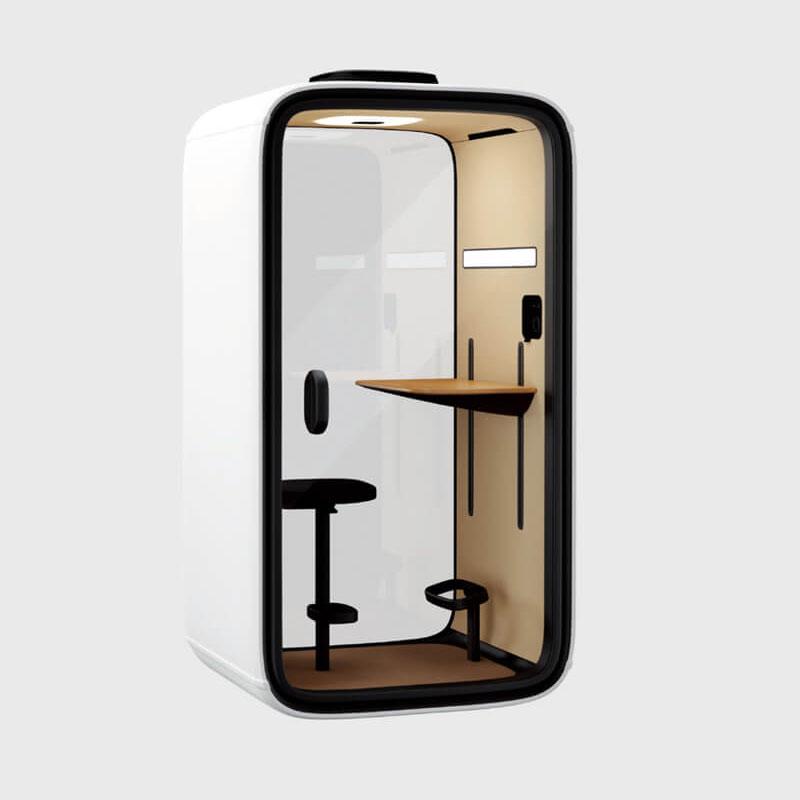
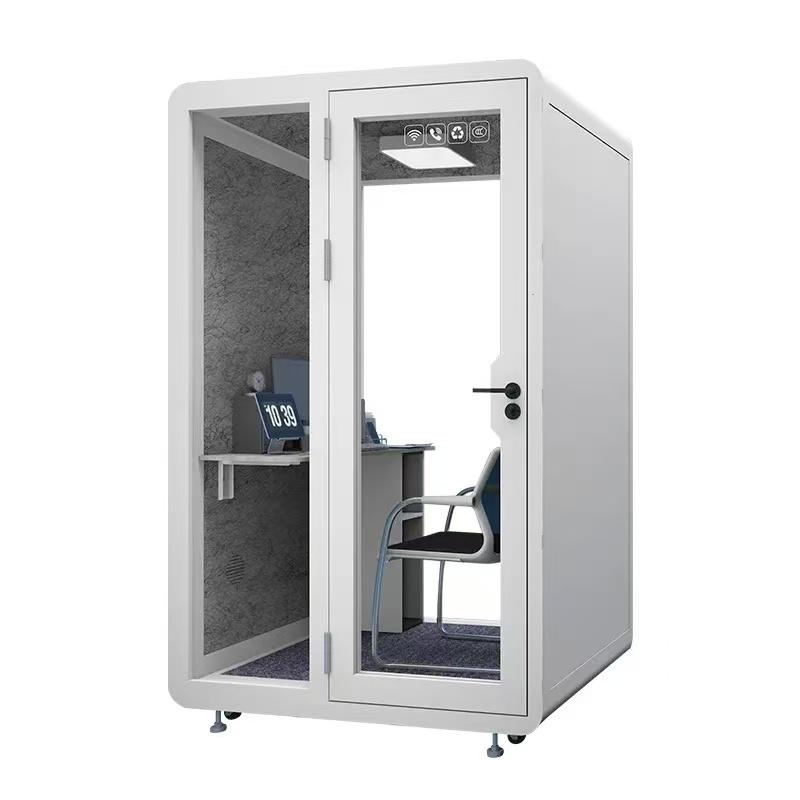
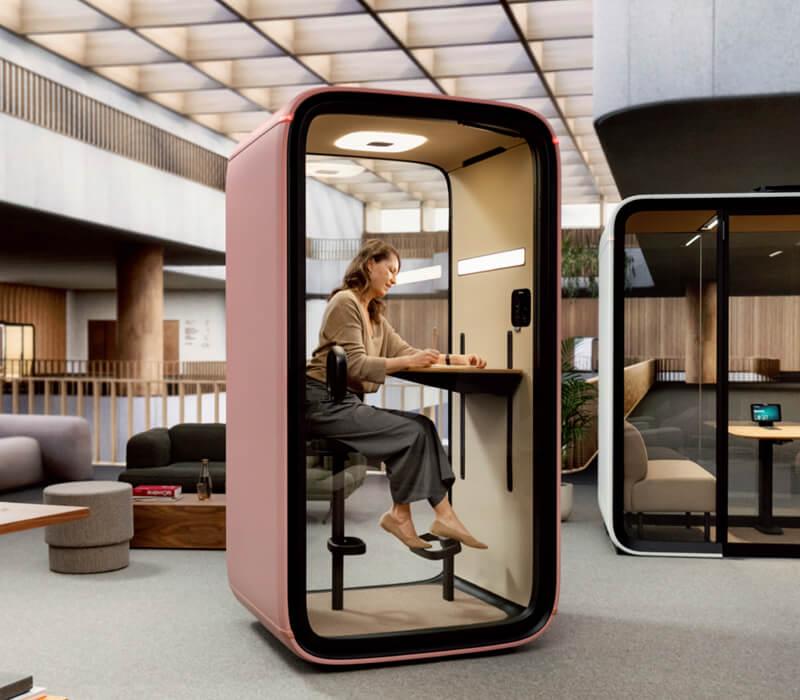
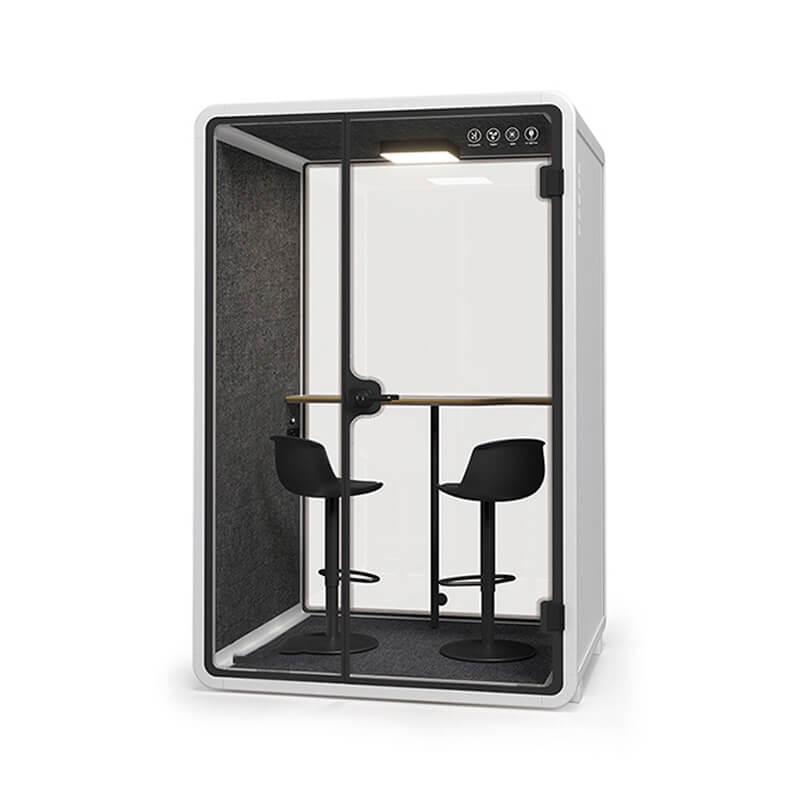
A privacy phone booth for sensitive workplace calls should be selected through a conversation-risk model, not through the assumption that an enclosure automatically creates confidentiality. The call topic, likely listeners, screen content, devices, user behaviour, location, booking, and escalation route all matter.
The booth remains one control within a wider process. Buyers should define the practical privacy objective, qualify acoustic statements, review sight lines and technology, and establish operating guidance for calls that need a different room or organizational procedure.
Place classify Sensitive Call Scenarios in a layered privacy-control map; HR discussions, employee support, finance, legal, medical administration, customer issues, and routine private calls may carry different consequences; The map helps a workplace or HR team supporting sensitive calls without overstating confidentiality decide which booth setup and operating practice fit the conversation risk and surrounding workplace; A booth alone cannot control participant behaviour, screen visibility, door use, booking, surrounding listeners, device audio, records, or organizational privacy procedures when reviewing classify Sensitive Call Scenarios.
Map the conversation, participant devices, booth enclosure, sightlines, surrounding listeners, booking practice, and organizational rules; Compare those layers with a scenario list created with the responsible business functions, then assign each scenario to a suitable space and escalation route; State clearly which layer the product can influence and which layer remains an operational or user responsibility.
Run a misuse review for classify Sensitive Call Scenarios by considering an open door, speakerphone use, visible screen, crowded location, unattended notes, or an unsuitable booking pattern; The review does not claim a universal privacy result; it reveals the controls and behaviors needed for the intended sensitive call workflow.
Place define the Practical Privacy Objective in a layered privacy-control map; The team should state who should not readily hear or see information, from where, during which behaviour, and with what limitations; The map helps a workplace or HR team supporting sensitive calls without overstating confidentiality decide which booth setup and operating practice fit the conversation risk and surrounding workplace; A booth alone cannot control participant behaviour, screen visibility, door use, booking, surrounding listeners, device audio, records, or organizational privacy procedures when reviewing define the Practical Privacy Objective.
Map the conversation, participant devices, booth enclosure, sightlines, surrounding listeners, booking practice, and organizational rules; Compare those layers with plain-language objectives tied to the surrounding workplace, then avoid converting the objective into an unsupported guarantee; State clearly which layer the product can influence and which layer remains an operational or user responsibility.
Run a misuse review for define the Practical Privacy Objective by considering an open door, speakerphone use, visible screen, crowded location, unattended notes, or an unsuitable booking pattern; The review does not claim a universal privacy result; it reveals the controls and behaviors needed for the intended sensitive call workflow.
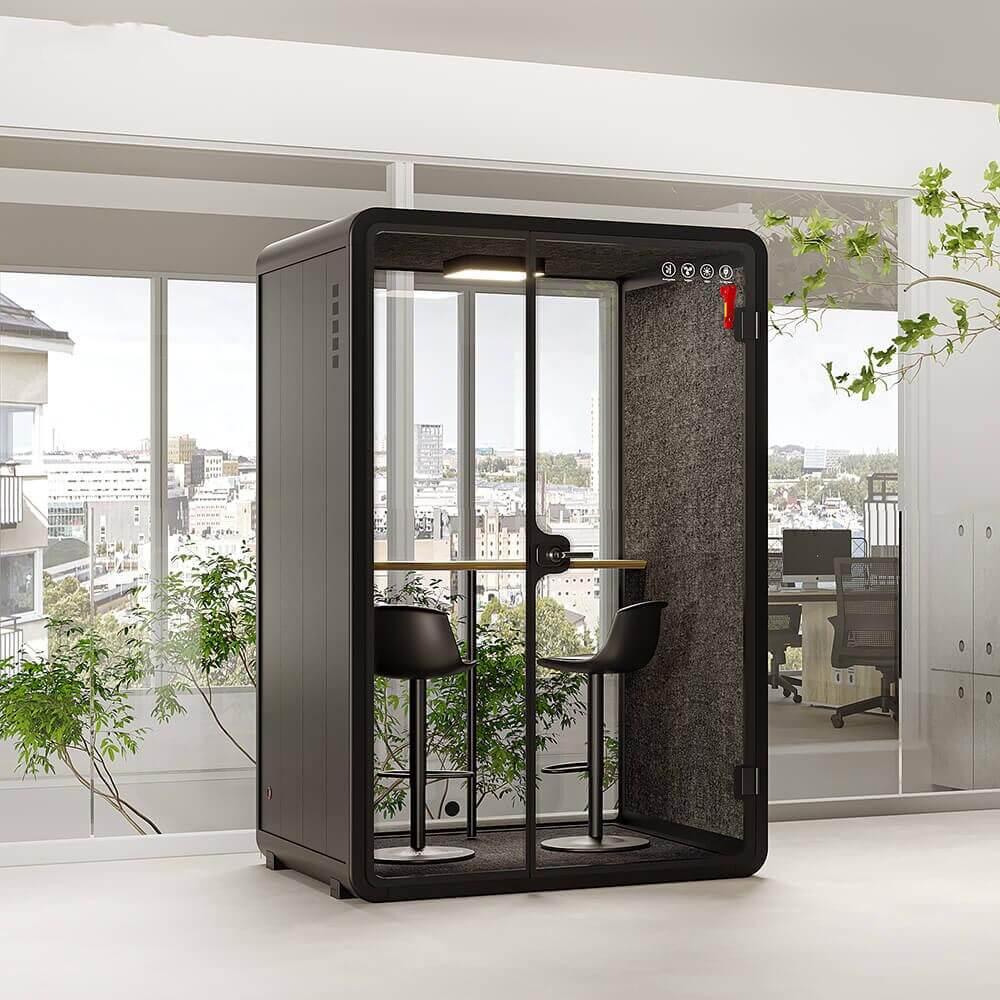
Place qualify Acoustic and Speech Privacy Evidence in a layered privacy-control map; Supplier evidence needs a clear meaning, configuration, test context, and relevance to the intended location; The map helps a workplace or HR team supporting sensitive calls without overstating confidentiality decide which booth setup and operating practice fit the conversation risk and surrounding workplace; A booth alone cannot control participant behaviour, screen visibility, door use, booking, surrounding listeners, device audio, records, or organizational privacy procedures when reviewing qualify Acoustic and Speech Privacy Evidence.
Map the conversation, participant devices, booth enclosure, sightlines, surrounding listeners, booking practice, and organizational rules; Compare those layers with product documents and clarification tied to the offered booth, then record claim conditions beside the selection decision; State clearly which layer the product can influence and which layer remains an operational or user responsibility.
Run a misuse review for qualify Acoustic and Speech Privacy Evidence by considering an open door, speakerphone use, visible screen, crowded location, unattended notes, or an unsuitable booking pattern; The review does not claim a universal privacy result; it reveals the controls and behaviors needed for the intended sensitive call workflow.
Place review Location Sight Lines and Door Use in a layered privacy-control map; Screens, notes, facial expressions, door opening, glazing, queues, waiting areas, and nearby desks can create visual or conversational exposure; The map helps a workplace or HR team supporting sensitive calls without overstating confidentiality decide which booth setup and operating practice fit the conversation risk and surrounding workplace; A booth alone cannot control participant behaviour, screen visibility, door use, booking, surrounding listeners, device audio, records, or organizational privacy procedures when reviewing review Location Sight Lines and Door Use.
Map the conversation, participant devices, booth enclosure, sightlines, surrounding listeners, booking practice, and organizational rules; Compare those layers with a placement review from likely approach and seated viewpoints, then adjust orientation and operating rules where the booth cannot control the full risk; State clearly which layer the product can influence and which layer remains an operational or user responsibility.
Run a misuse review for review Location Sight Lines and Door Use by considering an open door, speakerphone use, visible screen, crowded location, unattended notes, or an unsuitable booking pattern; The review does not claim a universal privacy result; it reveals the controls and behaviors needed for the intended sensitive call workflow.
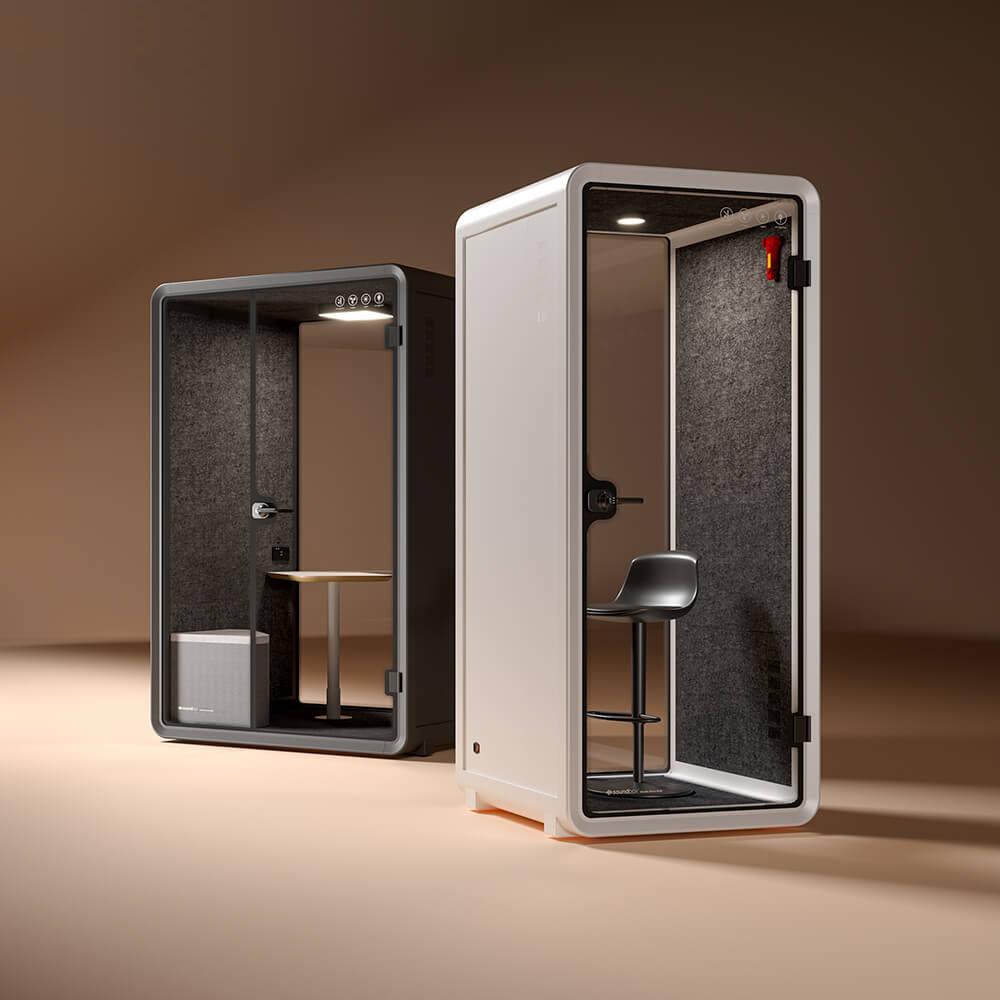
Place use a Call Privacy Control Map in a layered privacy-control map; A control map separates what the booth, device, user, workplace policy, booking process, and escalation room each contribute; The map helps a workplace or HR team supporting sensitive calls without overstating confidentiality decide which booth setup and operating practice fit the conversation risk and surrounding workplace; A booth alone cannot control participant behaviour, screen visibility, door use, booking, surrounding listeners, device audio, records, or organizational privacy procedures when reviewing use a Call Privacy Control Map.
Map the conversation, participant devices, booth enclosure, sightlines, surrounding listeners, booking practice, and organizational rules; Compare those layers with named owners and practical behaviours for every control, then keep critical gaps visible instead of assigning them to the enclosure; State clearly which layer the product can influence and which layer remains an operational or user responsibility.
Run a misuse review for use a Call Privacy Control Map by considering an open door, speakerphone use, visible screen, crowded location, unattended notes, or an unsuitable booking pattern; The review does not claim a universal privacy result; it reveals the controls and behaviors needed for the intended sensitive call workflow.
| Control owner | Control example | Boundary to record |
|---|---|---|
| Booth | Enclosure, door, glazing, layout | Claim conditions and physical limits |
| User and device | Voice level, headset, screen, notes | Required behaviour and training |
| Workplace | Placement, booking, queues, nearby activity | Operating and escalation rules |
| Organization | Call classification and alternative rooms | Topics unsuitable for the booth |
Place coordinate Devices Audio and Screen Handling in a layered privacy-control map; Speaker settings, headsets, microphones, notifications, shared screens, charging, cables, and record handling affect the call environment; The map helps a workplace or HR team supporting sensitive calls without overstating confidentiality decide which booth setup and operating practice fit the conversation risk and surrounding workplace; A booth alone cannot control participant behaviour, screen visibility, door use, booking, surrounding listeners, device audio, records, or organizational privacy procedures when reviewing coordinate Devices Audio and Screen Handling.
Map the conversation, participant devices, booth enclosure, sightlines, surrounding listeners, booking practice, and organizational rules; Compare those layers with an approved user setup and technology responsibility list, then include device behaviour in user guidance and acceptance observations; State clearly which layer the product can influence and which layer remains an operational or user responsibility.
Run a misuse review for coordinate Devices Audio and Screen Handling by considering an open door, speakerphone use, visible screen, crowded location, unattended notes, or an unsuitable booking pattern; The review does not claim a universal privacy result; it reveals the controls and behaviors needed for the intended sensitive call workflow.
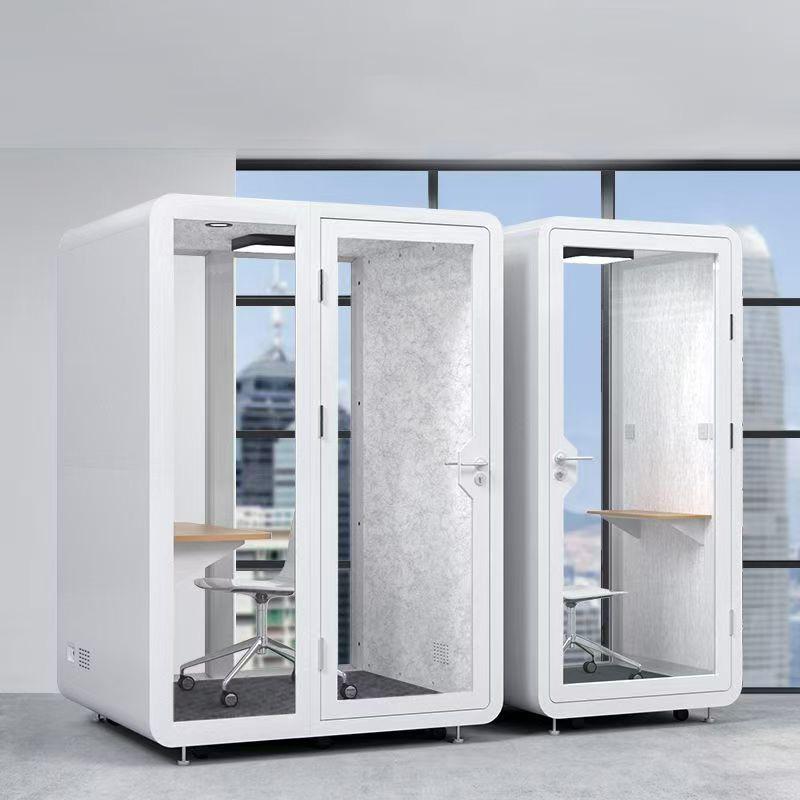
Place plan Booking Cleaning and Incident Response in a layered privacy-control map; Sensitive-call availability, turnover, cleaning, abandoned notes, faults, and unexpected privacy concerns require an operating process; The map helps a workplace or HR team supporting sensitive calls without overstating confidentiality decide which booth setup and operating practice fit the conversation risk and surrounding workplace; A booth alone cannot control participant behaviour, screen visibility, door use, booking, surrounding listeners, device audio, records, or organizational privacy procedures when reviewing plan Booking Cleaning and Incident Response.
Map the conversation, participant devices, booth enclosure, sightlines, surrounding listeners, booking practice, and organizational rules; Compare those layers with booking rules, inspection route, and issue-reporting contact, then move high-risk conversations when the booth or process is unavailable; State clearly which layer the product can influence and which layer remains an operational or user responsibility.
Run a misuse review for plan Booking Cleaning and Incident Response by considering an open door, speakerphone use, visible screen, crowded location, unattended notes, or an unsuitable booking pattern; The review does not claim a universal privacy result; it reveals the controls and behaviors needed for the intended sensitive call workflow.
For product context, buyers can check the available product context and then return to the project-specific evidence and responsibility checks in this guide.
Place review Adoption Without Collecting Sensitive Content in a layered privacy-control map; Teams can learn from availability, comfort, faults, and general suitability without recording the substance of confidential calls; The map helps a workplace or HR team supporting sensitive calls without overstating confidentiality decide which booth setup and operating practice fit the conversation risk and surrounding workplace; A booth alone cannot control participant behaviour, screen visibility, door use, booking, surrounding listeners, device audio, records, or organizational privacy procedures when reviewing review Adoption Without Collecting Sensitive Content.
Map the conversation, participant devices, booth enclosure, sightlines, surrounding listeners, booking practice, and organizational rules; Compare those layers with privacy-conscious feedback categories and maintenance logs, then improve placement and operation while minimizing unnecessary data collection; State clearly which layer the product can influence and which layer remains an operational or user responsibility.
Run a misuse review for review Adoption Without Collecting Sensitive Content by considering an open door, speakerphone use, visible screen, crowded location, unattended notes, or an unsuitable booking pattern; The review does not claim a universal privacy result; it reveals the controls and behaviors needed for the intended sensitive call workflow.
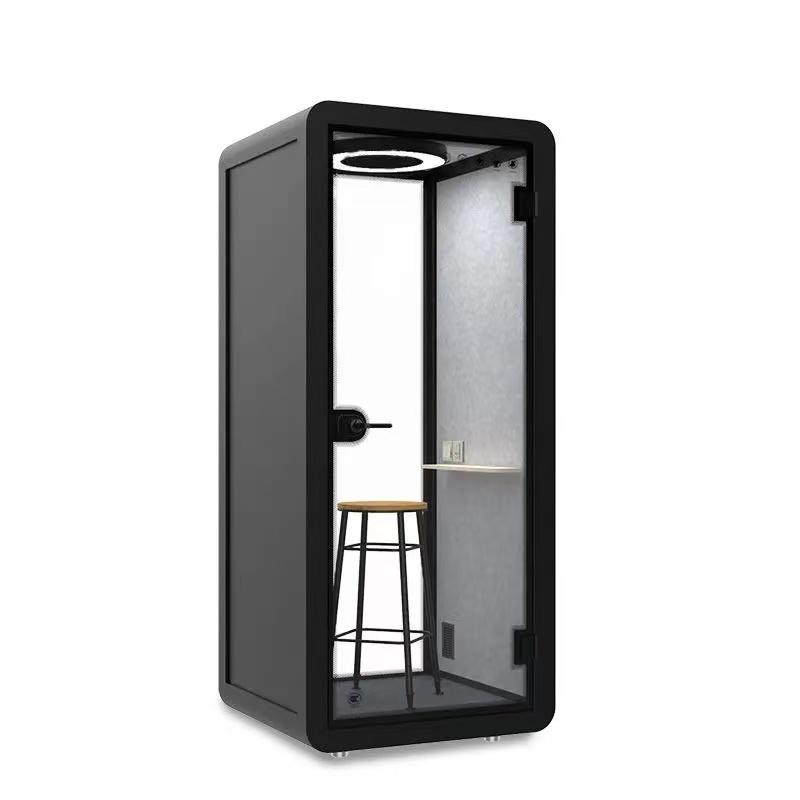
Does a privacy phone booth guarantee confidentiality?
No. Privacy also depends on the booth evidence and condition, location, user voice, devices, screen visibility, door use, booking, and organizational procedures.
Which calls should use another room?
The responsible business function should classify calls. Topics whose consequence or process requires stronger controls should follow the organization's alternative-room route.
How should glazing be evaluated?
Review sight lines to screens, notes, faces, and door activity from realistic approach and waiting positions, together with the need for visibility and user safety.
What should user guidance cover?
Cover voice behaviour, headset and speaker use, screens, notes, door closure, booking, fault reporting, cleaning, and escalation when privacy is uncertain.
Can adoption be reviewed without capturing call content?
Yes. Track availability, comfort, general suitability, faults, cleaning, and placement issues without collecting the sensitive substance of conversations.
A privacy phone booth setup fits sensitive workplace calls when the organization has classified the conversations, defined a practical privacy objective, qualified evidence, controlled sight lines and devices, and established operating and escalation rules.
Treat the booth as one layer rather than a complete confidentiality process. Review adoption and faults with minimal data, and route higher-risk calls to the space and procedure approved for them.

 Tel: +8613538031763
 Email: info@sopworkpod.com
 MP/WhatsApp: +8613538031763
 Manufacturer Address:Liucheng Lujiang District,Meixi Road,Nanan City,Fujian,China