Author:SOP Work Pods Manufacturer TIME:2026-08-28
There is no responsible universal certificate list for soundproof office pods. Applicable evidence can change with jurisdiction, building, use, electrical content, materials, procurement policy, accessibility review, fire and life-safety responsibilities, and the authority or professional making the decision.
A controlled document index avoids two common errors: accepting a logo or title without the complete record, and applying a valid document to the wrong model or project question. The process below starts with requirements, identifies each document, checks scope and status, assigns gaps, separates product evidence from site approvals, and keeps the approved set current through handover.
Treat reports, certificates, declarations, listings, supplier statements, drawings, manuals, and installation records as different document classes. Each class has a different purpose and cannot automatically replace another. Store the complete file, identify the page or annex used, and record who supplied the copy. If a translation or summary is used for review, retain the source document and state which version controls when wording differs.
Configuration change control is part of certification review. A revised door, glazing option, ventilation unit, electrical component, finish, accessory, manufacturing route, or installation detail may affect applicability. The buyer should ask the responsible reviewer whether the approved evidence still covers the change rather than carrying the earlier decision forward by default.
Let Project Requirements Create the Document List opens with the task evidence that the buyer can actually observe. Identify applicable legal, building, procurement, client, landlord, insurer, electrical, material, fire and life-safety, accessibility, acoustic, environmental, quality, and other authorized project requirements without presuming they apply universally. Keep the finding attached to the named task, users, and observed condition.
Use a controlled evidence review to challenge the assumption. Ask responsible reviewers to state each requirement, decision owner, evidence expected, timing, and whether it concerns product, installation, site, or operation. Preserve context and contrary observations because a copied checklist creating unsupported or missing obligations would change the approval route.
The output is a documented decision about how to approve a project-specific requirement register. The requirement register evidence note should identify the observed condition, limitation, accountable owner, correction or confirmation due, and effect on the project evidence disposition.
Organize the next evidence around Record Every Document as a Controlled Item. Record issuing body, scheme or method, certificate or report number, title, date, revision, validity where stated, holder, manufacturer, facility where relevant, language, referenced annexes, and source of the received copy. Compare alternatives under the same location, user, and operating-period assumptions.
Use a controlled evidence review to challenge the assumption. Obtain the complete document from a traceable supplier or issuer route where possible and retain it under controlled filename and revision. Preserve context and contrary observations because a logo summary or cropped page being accepted as complete evidence would change the approval route.
Use the gathered record to decide how to release a controlled document identity record. The document identity evidence note should identify the observed condition, limitation, accountable owner, correction or confirmation due, and effect on the project evidence disposition.
Match Scope to the Quoted Pod and Options narrows a broad product claim to a defined operating condition. Compare product family, exact model, size, construction, materials, finishes, door, glazing, ventilation, electrical items, accessories, manufacturing location where relevant, test specimen, exclusions, and quoted configuration. State the boundary that prevents this observation from becoming a general product claim.
Use a controlled evidence review to challenge the assumption. Reconcile the offer, drawings, schedules, document scope, and supplier clarification, assigning every mismatch an applicability decision. Preserve context and contrary observations because evidence for another model or component being applied to the delivered pod would change the approval route.
Resolve this part by deciding how to state the applicable configuration and differences. The model scope evidence note should identify the observed condition, limitation, accountable owner, correction or confirmation due, and effect on the project evidence disposition.
Use Check Current Status at the Decision Date to connect the documents with occupied behavior. Review expiry or surveillance information where stated, superseded revisions, suspended or withdrawn status where available, changed products, renamed schemes, updated offers, and whether current verification is required at order or delivery. Retain the device, occupancy, and session condition used for the trial.
Use a controlled evidence review to challenge the assumption. Ask the responsible supplier and reviewer to confirm status at the procurement decision and again if delivery or configuration changes materially. Preserve context and contrary observations because historical evidence becoming a permanent claim would change the approval route.
The occupied trial should end with a decision about how to record a status date and refresh trigger. The validity status evidence note should identify the observed condition, limitation, accountable owner, correction or confirmation due, and effect on the project evidence disposition.
| Requirement owner | Document identity | Model and option scope | Status or gap | Release action |
|---|---|---|---|---|
| Authorized project reviewer | Issuer, reference, revision, complete file | Quoted model and relevant configuration | Current, unclear, missing, or not applicable | Accept, request clarification, or hold |
| Supplier | Product data, report, declaration, manual | Specimen and delivered scope reconciled | Difference documented | Confirm effect and provide updated evidence |
| Site or installation team | Approval, inspection, installation record | Actual location and completed work | Open action assigned | Close before the relevant handover point |

Turn Evidence Gaps Into Assigned Actions tests whether the proposed configuration survives its site context. Classify each gap as missing, incomplete, illegible, expired, wrong model, wrong option, unclear scope, conflicting reference, translation need, unverifiable source, or awaiting authorized interpretation. Record any site change that would require this decision to be revisited.
Use a controlled evidence review to challenge the assumption. Issue a focused request that states the exact requirement and discrepancy, then assign response owner, due point, reviewer, and effect on submittal or purchase release. Preserve context and contrary observations because pressure to order turning an evidence gap into assumed compliance would change the approval route.
Before moving forward, decide how to keep release conditional until the gap is dispositioned. The evidence gaps evidence note should identify the observed condition, limitation, accountable owner, correction or confirmation due, and effect on the project evidence disposition.
Operational ownership becomes visible under Separate Product Documents From Building Approvals. Map delivery, assembly, anchoring or support where applicable, power and data, ventilation interaction, detectors and sprinklers, circulation, accessibility, floor condition, local permits or approvals, installer competence, inspections, testing, and operating procedures to responsible parties. Name the service owner and fallback before treating the route as available.
Use a controlled evidence review to challenge the assumption. Create a responsibility matrix reviewed by product supplier, installer, designer, site, building, and authorized local reviewers as applicable. Preserve context and contrary observations because product certification being mistaken for complete site acceptance would change the approval route.
Assign the responsible owner, then decide how to release a product-site responsibility boundary. The site duties evidence note should identify the observed condition, limitation, accountable owner, correction or confirmation due, and effect on the project evidence disposition.
Hand Over a Live Compliance File turns the preceding evidence into a controlled release question. Retain approved submittals, final model and option identity, current documents, installation records, inspections, test results, accepted deviations, training, warranties, manuals, maintenance, change control, expiry reminders, and future contact ownership. Carry the limitation and review trigger into the final release record.
Use a controlled evidence review to challenge the assumption. Audit the handover pack against the requirement register and ask the receiving owner to retrieve key evidence and explain refresh responsibilities. Preserve context and contrary observations because documents being approved during purchase but lost to operation would change the approval route.
The release entry must state how to decide how to accept a complete and retrievable evidence file. The handover control evidence note should identify the observed condition, limitation, accountable owner, correction or confirmation due, and effect on the project evidence disposition.
Final operating note. Issue a focused request that states the exact requirement and discrepancy, then assign response owner, due point, reviewer, and effect on submittal or purchase release. Classify each gap as missing, incomplete, illegible, expired, wrong model, wrong option, unclear scope, conflicting reference, translation need, unverifiable source, or awaiting authorized interpretation. Release remains conditional if pressure to order turning an evidence gap into assumed compliance remains possible.
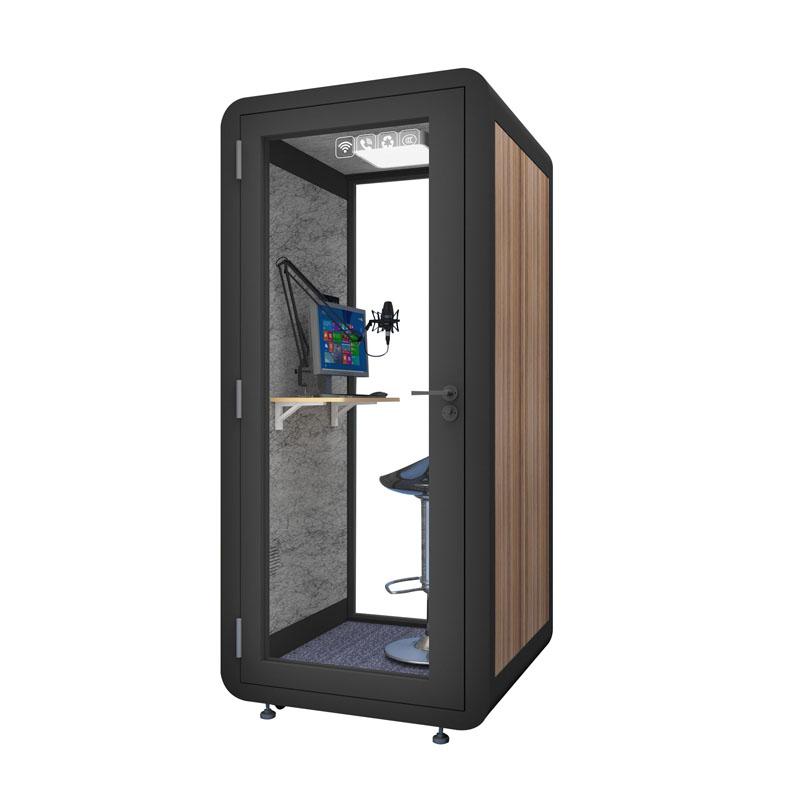
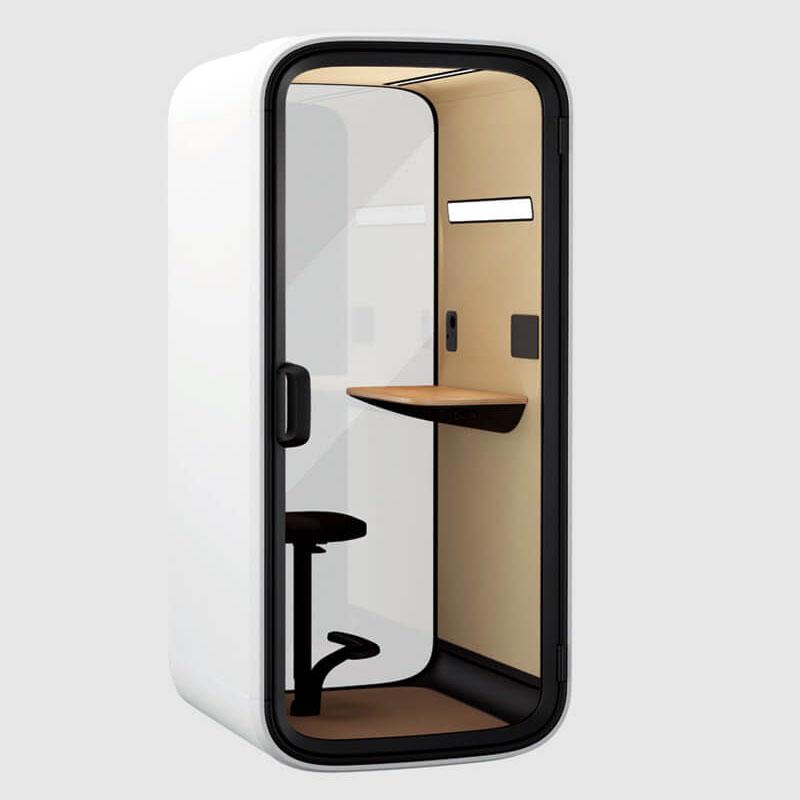
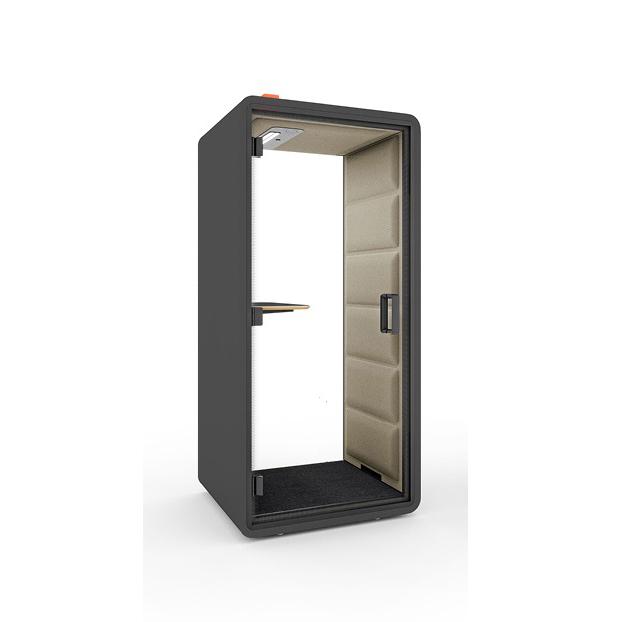
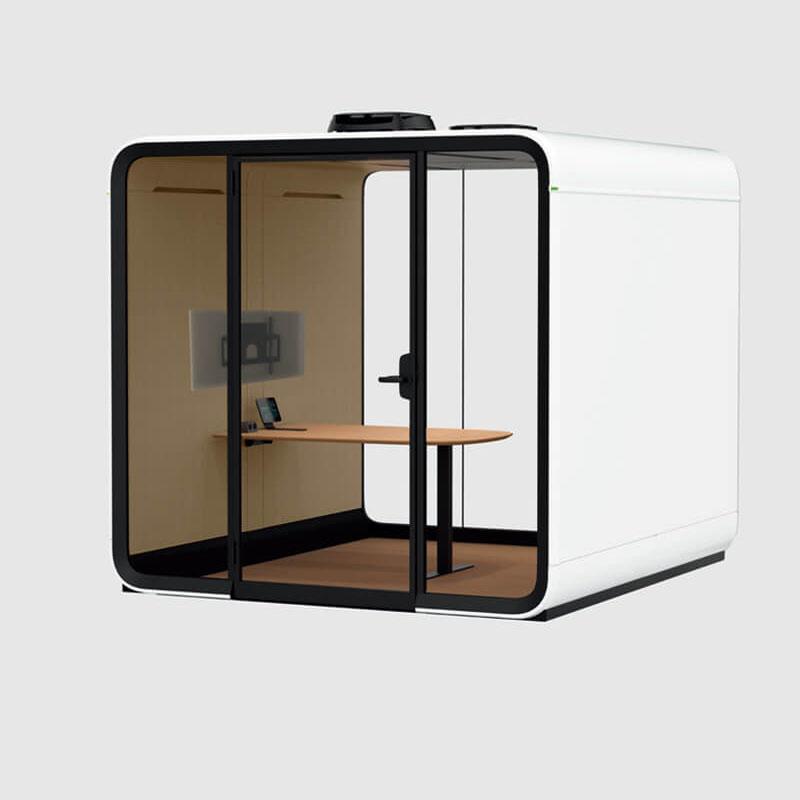
The office-pod page may identify the product family, while the controlled offer and applicable documents define the review item: review the relevant product configuration.
Ask responsible reviewers to state each requirement, decision owner, evidence expected, timing, and whether it concerns product, installation, site, or operation. Identify applicable legal, building, procurement, client, landlord, insurer, electrical, material, fire and life-safety, accessibility, acoustic, environmental, quality, and other authorized project requirements without presuming they apply universally. Release remains conditional if a copied checklist creating unsupported or missing obligations remains possible.

Obtain the complete document from a traceable supplier or issuer route where possible and retain it under controlled filename and revision. Record issuing body, scheme or method, certificate or report number, title, date, revision, validity where stated, holder, manufacturer, facility where relevant, language, referenced annexes, and source of the received copy. Release remains conditional if a logo summary or cropped page being accepted as complete evidence remains possible.
Reconcile the offer, drawings, schedules, document scope, and supplier clarification, assigning every mismatch an applicability decision. Compare product family, exact model, size, construction, materials, finishes, door, glazing, ventilation, electrical items, accessories, manufacturing location where relevant, test specimen, exclusions, and quoted configuration. Release remains conditional if evidence for another model or component being applied to the delivered pod remains possible.
Ask the responsible supplier and reviewer to confirm status at the procurement decision and again if delivery or configuration changes materially. Review expiry or surveillance information where stated, superseded revisions, suspended or withdrawn status where available, changed products, renamed schemes, updated offers, and whether current verification is required at order or delivery. Release remains conditional if historical evidence becoming a permanent claim remains possible.
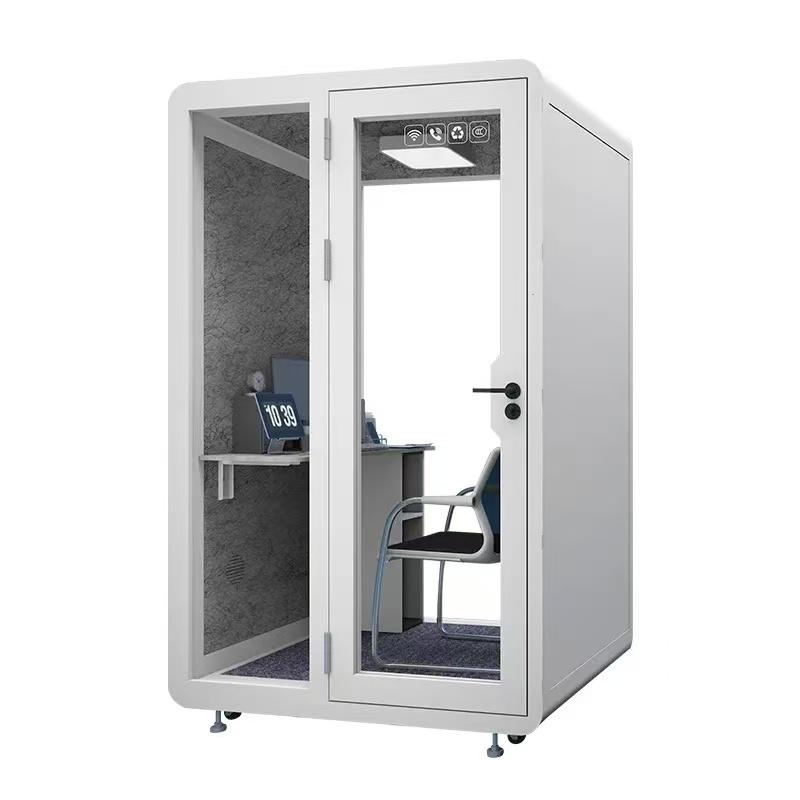
The certifications a soundproof office pod should have are the current, traceable documents that authorized reviewers require for the actual project and that apply to the exact offered configuration. A generic checklist can both demand irrelevant evidence and miss a decisive site obligation.
Approve the evidence register, not a collection of badges. Keep requirement owner, issuer, reference, revision, validity where stated, model scope, limitations, gaps, site duties, final disposition, and change triggers in the handover file so later decisions do not depend on obsolete copies.

 Tel: +8613538031763
 Email: info@sopworkpod.com
 MP/WhatsApp: +8613538031763
 Manufacturer Address:Liucheng Lujiang District,Meixi Road,Nanan City,Fujian,China