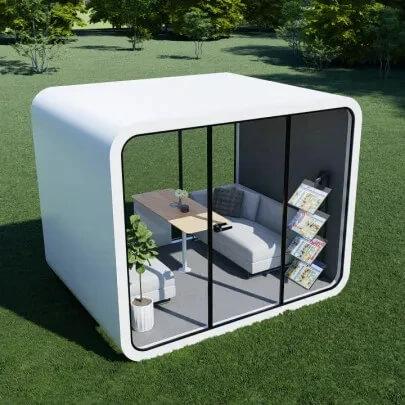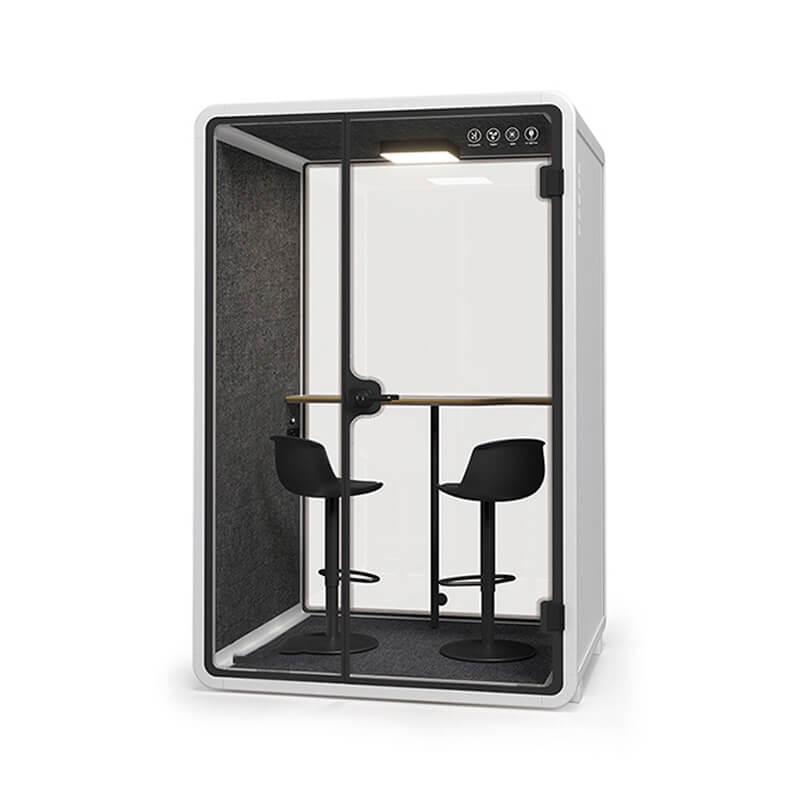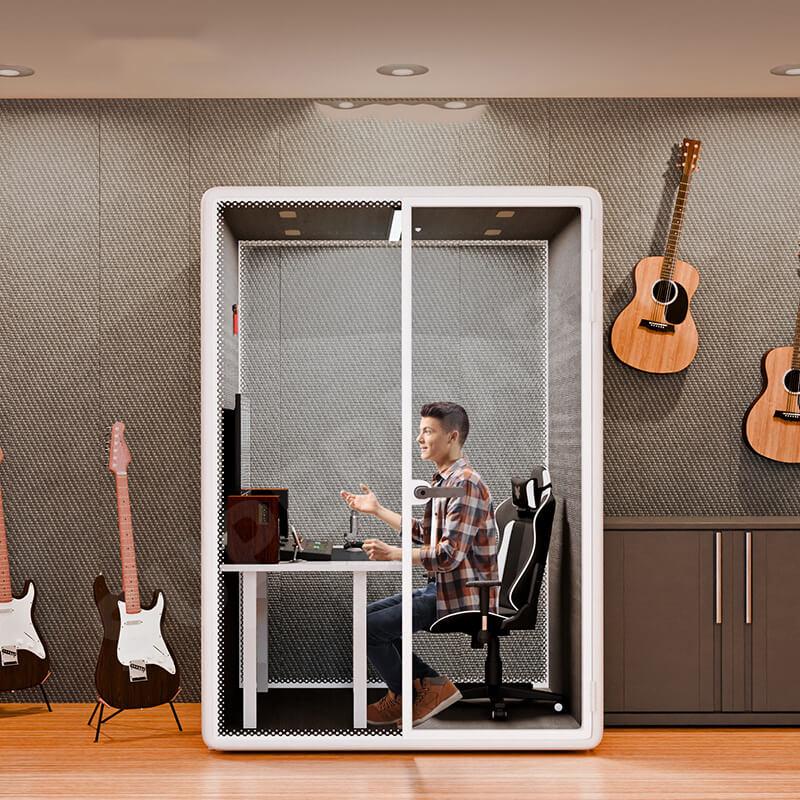
Author:SOP Work Pods Manufacturer TIME:2026-08-28
A meeting pod company comparison becomes unreliable when buyers line up feature names without fixing the model, options, evidence source, delivery scope, or task each feature must support. Similar labels can describe different configurations, boundaries, and responsibilities.
This procurement evidence file starts with the buyer's meetings and builds a crosswalk from requirement to quoted item, source document, occupied trial, site dependency, and final disposition. It does not rank unverified suppliers or turn marketing language into product fact. Unresolved differences remain visible instead of being averaged into a generic score.
Build the comparison at line-item level. Mark each requirement as mandatory, preferred, optional, excluded, provisional, or awaiting clarification. Then give every supplier the same task description and response format. A long feature list is less useful than a short set of controlled requirements that can be traced through quotation, drawing, evidence, trial, installation boundary, and service route.
Commercial normalization belongs beside technical review. Freight, unloading, assembly, external electrical or data work, building coordination, user equipment, documents, training, maintenance, parts, warranty handling, and removal may sit in different places in different offers. Record who supplies each item, its price status, its dependency, and its acceptance evidence so a lower headline price does not conceal an incomplete scope.
When a supplier answer changes, preserve the earlier version and the reason for revision. The controlled trail shows whether a feature was clarified, added, removed, substituted, or moved into buyer scope before the order is released.
Date every disposition and name its approver.
For shortlisted offers, run the same occupied task with the same participant roles, device set, agenda, and observation sheet. Differences in room setup or test method should be written beside the result rather than hidden in an overall score. When a feature fails only under one condition, record that boundary and ask whether the buyer can control it in daily use. This produces a usable specification instead of a decorative comparison table.
Record which quoted elements may change after order and what approval is required for substitution. A revised component, finish, furniture item, control, or service route should return to the affected requirement and evidence lines before acceptance.
Use Start With a Task Schedule Not a Feature List to connect the documents with occupied behavior. Define meeting segments, occupancy, duration, interaction, speech and visual privacy, devices, hybrid participants, comfort, location, access, booking, turnover, cleaning, maintenance, future change, and mandatory acceptance evidence before reviewing supplier labels. Retain the device, occupancy, and session condition used for the trial.
Use a normalized evidence comparison before approval. Observe local meetings and record failed alternatives and exclusions so every feature has a buyer purpose. Preserve limits and contrary observations because feature abundance replacing a requirements brief would alter the recommendation.
The occupied trial should end with a decision about how to approve a task-to-feature schedule. Record the occupied condition and any change that could invalidate the trial.
Freeze the Exact Offer Before Comparing Suppliers tests whether the proposed configuration survives its site context. Record supplier, exact model, size, layout, door orientation, finishes, furniture, ventilation and controls, lighting, power, data, technology, accessories, freight, delivery, installation, site work, documents, warranty, service, exclusions, provisional items, and quotation date and validity. Record any site change that would require this decision to be revisited.
Use a normalized evidence comparison before approval. Reconcile quotation, drawings, schedules, current documents, and clarifications before comparison. Preserve limits and contrary observations because features from another model or package entering the decision would alter the recommendation.
Before moving forward, decide how to release controlled offer records. Attach the relevant site interface and responsible project party to the finding.
Operational ownership becomes visible under Cross Reference Each Claim to Its Source. Classify product data, drawings, test reports, certificates, declarations, manuals, maintenance and parts information, demonstration, supplier clarification, and marketing summary by issuer, date, model, specimen, method, units where used, boundary, conditions, validity where stated, and limitations. Name the service owner and fallback before treating the route as available.
Use a normalized evidence comparison before approval. Map each feature statement to its complete relevant source and record missing or inconsistent evidence. Preserve limits and contrary observations because similar words hiding different test or delivery boundaries would alter the recommendation.
Assign the responsible owner, then decide how to create a comparable evidence register. Link each operating fault to an escalation route, correction, and fallback.
| Feature claim | Source identity | Offered-model match | Buyer trial | Disposition |
|---|---|---|---|---|
| Meeting capacity | Current drawing and quotation | Layout, furniture, and options match | Representative agenda at intended occupancy | Accept, clarify, or reject |
| Privacy or acoustic statement | Complete applicable document | Specimen and configuration reconciled | Defined speaker-listener field check | State boundary and limitation |
| Service support | Written scope and escalation route | Region, model, parts, and exclusions identified | Fault scenario and owner review | Include in operating plan or price separately |
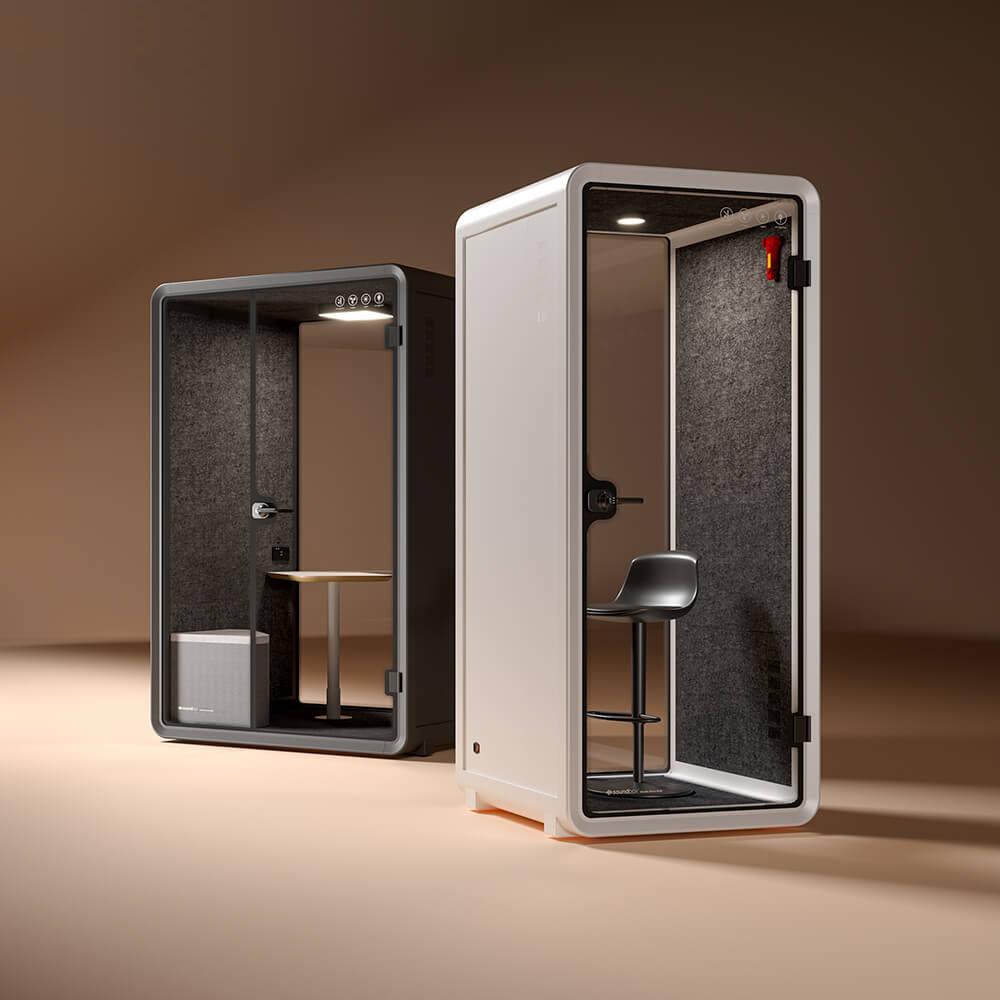
Trial Features as One Occupied System turns the preceding evidence into a controlled release question. Check full occupancy, seating, table, movement, documents, speaker and listener positions, sightlines, door and fan state, camera, microphone, loudspeaker, display, content sharing, data, lighting, glare, airflow, controls, duration, entry, exit, and turnover. Carry the limitation and review trigger into the final release record.
Use a normalized evidence comparison before approval. Run a representative meeting in each finalist configuration using matched users, devices, agenda, location, and evidence format. Preserve limits and contrary observations because individual features passing while the complete meeting fails would alter the recommendation.
The release entry must state how to decide how to record configuration-level trial results. State the final disposition, remaining exception, and trigger for another review.
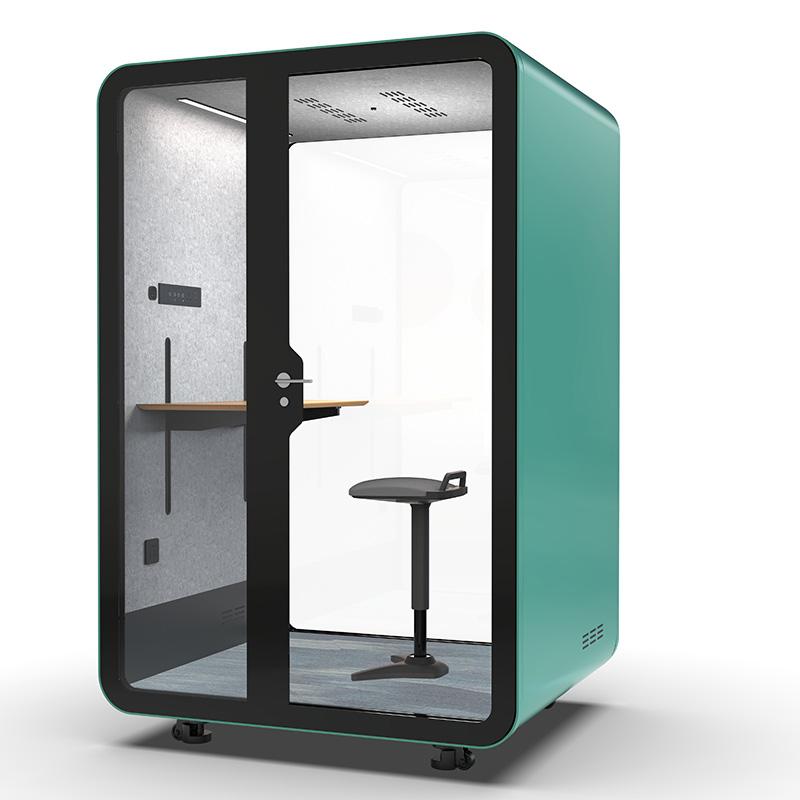
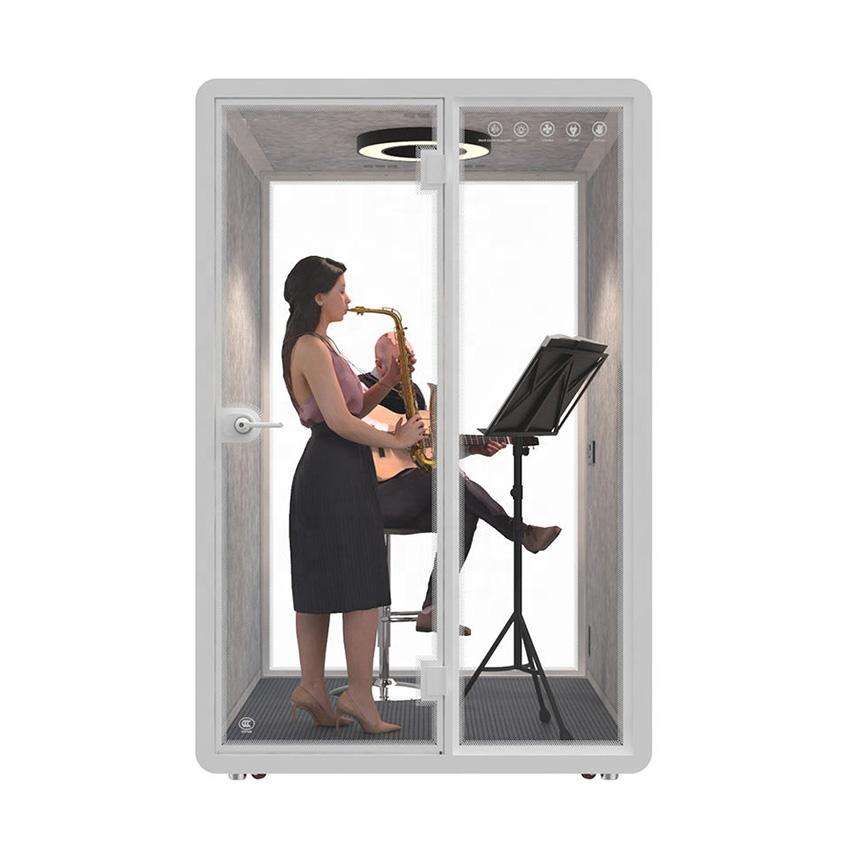
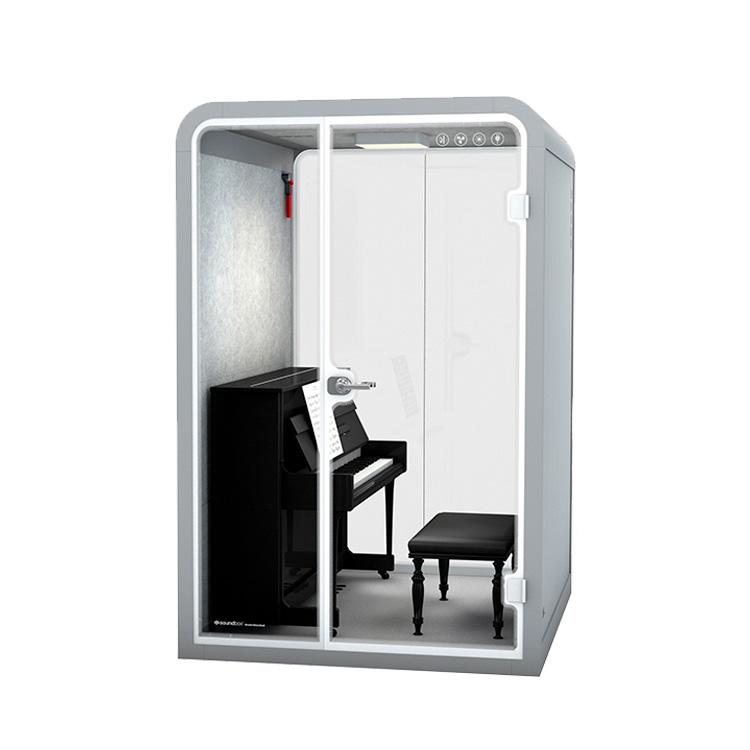
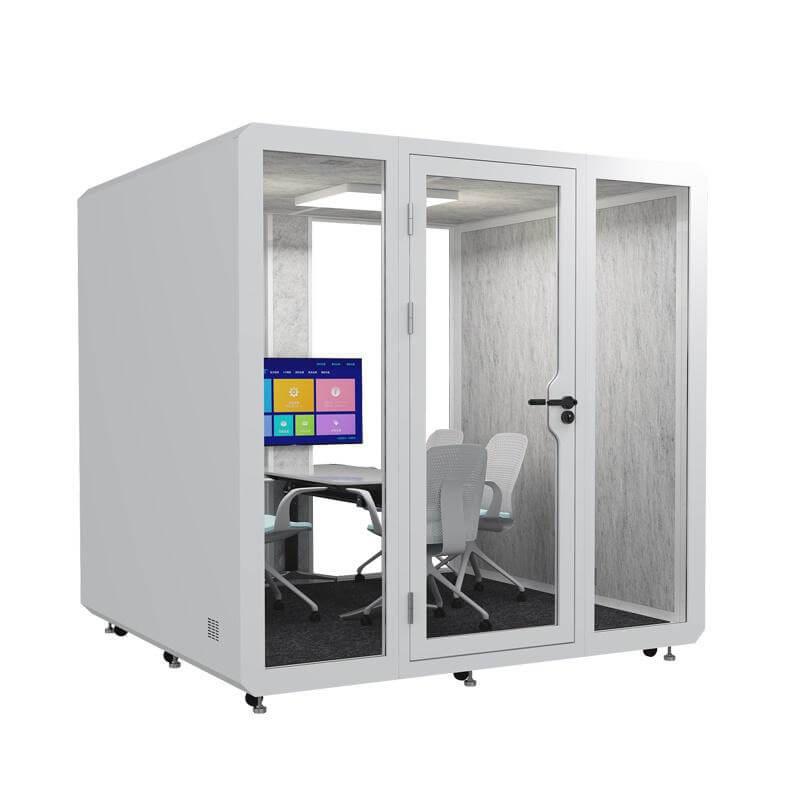
A meeting-pod product page is a reference point for the crosswalk, not proof that every listed item is included in a quote: review the relevant product configuration.
Put Site Interfaces Beside Product Features opens with the task evidence that the buyer can actually observe. Review packaged and assembled dimensions, loading, route, lifts, protection, storage, assembly clearance, floor, power, data, ventilation interaction, detectors and sprinklers, circulation, accessibility review, glare, return air, cleaning, maintenance, relocation, removal, authorized site review, and supplier versus buyer duties. Keep the finding attached to the named task, users, and observed condition.
Use a normalized evidence comparison before approval. Walk each finalist route and footprint and issue discrepancies for unpriced or unsupported work. Preserve limits and contrary observations because a product feature losing value through site conflict would alter the recommendation.
The output is a documented decision about how to release site-fit and responsibility differences. Preserve the source, observed condition, unresolved limit, and decision owner together.
Organize the next evidence around Make Serviceability Part of the Comparison. Define user guidance, booking integration or setup, IT support, cleaning, filters, door and seals, fan, lighting, controls, power, furniture, faults, isolation, service response, parts availability evidence, warranty handling, downtime, return-to-service, relocation support, document ownership, and lifecycle changes. Compare alternatives under the same location, user, and operating-period assumptions.
Use a normalized evidence comparison before approval. Ask operating teams to retrieve service information and rehearse a representative fault for finalists. Preserve limits and contrary observations because purchase features transferring hidden burden to operators would alter the recommendation.
Use the gathered record to decide how to normalize serviceability and ownership. Name the correction owner and the point at which another check is required.
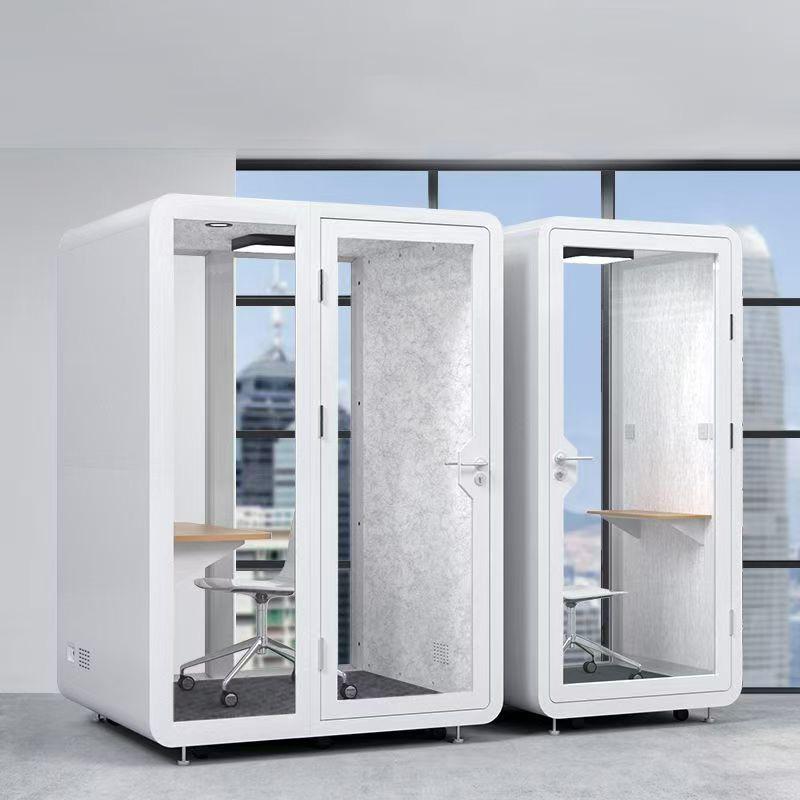
Resolve Conflicts Before Commercial Release narrows a broad product claim to a defined operating condition. For every discrepancy record requirement, supplier, model, statement, evidence, conflict type, question, response, date, reviewer, price or schedule effect, site effect, accepted limitation, correction, retest, status, and purchase consequence. State the boundary that prevents this observation from becoming a general product claim.
Use a normalized evidence comparison before approval. Hold a cross-functional review and prevent open mandatory conflicts from being averaged into a score. Preserve limits and contrary observations because an attractive overall offer bypassing an unresolved mandatory item would alter the recommendation.
Resolve this part by deciding how to release only offers with closed mandatory conflicts. Keep model identity, evidence scope, and accepted exception beside the disposition.
Final operating note. Walk each finalist route and footprint and issue discrepancies for unpriced or unsupported work. Review packaged and assembled dimensions, loading, route, lifts, protection, storage, assembly clearance, floor, power, data, ventilation interaction, detectors and sprinklers, circulation, accessibility review, glare, return air, cleaning, maintenance, relocation, removal, authorized site review, and supplier versus buyer duties. Do not close the decision while a product feature losing value through site conflict remains possible.
Observe local meetings and record failed alternatives and exclusions so every feature has a buyer purpose. Define meeting segments, occupancy, duration, interaction, speech and visual privacy, devices, hybrid participants, comfort, location, access, booking, turnover, cleaning, maintenance, future change, and mandatory acceptance evidence before reviewing supplier labels. Do not close the decision while feature abundance replacing a requirements brief remains possible.
Reconcile quotation, drawings, schedules, current documents, and clarifications before comparison. Record supplier, exact model, size, layout, door orientation, finishes, furniture, ventilation and controls, lighting, power, data, technology, accessories, freight, delivery, installation, site work, documents, warranty, service, exclusions, provisional items, and quotation date and validity. Do not close the decision while features from another model or package entering the decision remains possible.
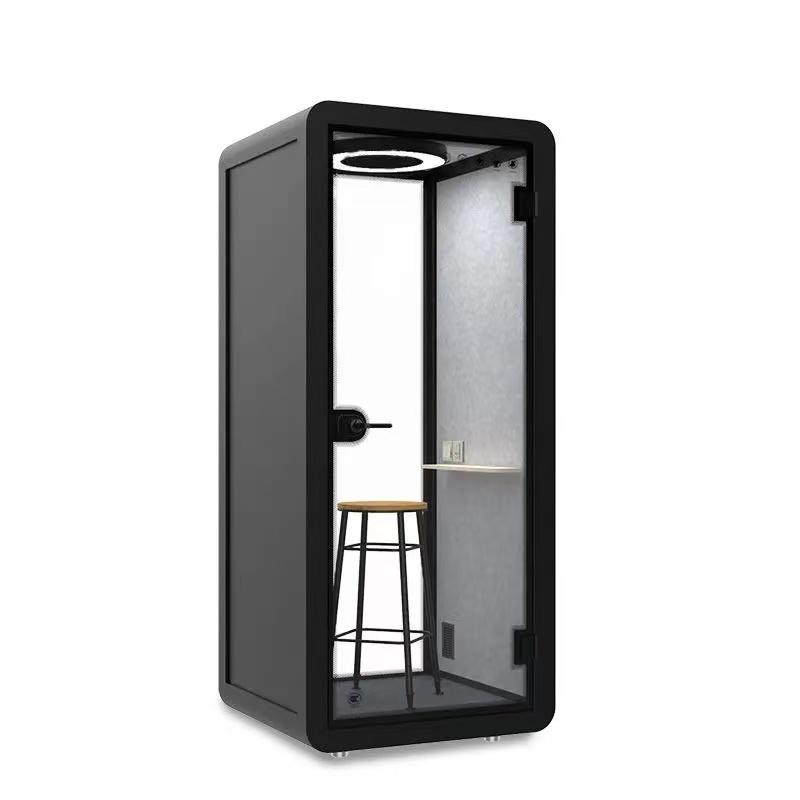
Map each feature statement to its complete relevant source and record missing or inconsistent evidence. Classify product data, drawings, test reports, certificates, declarations, manuals, maintenance and parts information, demonstration, supplier clarification, and marketing summary by issuer, date, model, specimen, method, units where used, boundary, conditions, validity where stated, and limitations. Do not close the decision while similar words hiding different test or delivery boundaries remains possible.
Run a representative meeting in each finalist configuration using matched users, devices, agenda, location, and evidence format. Check full occupancy, seating, table, movement, documents, speaker and listener positions, sightlines, door and fan state, camera, microphone, loudspeaker, display, content sharing, data, lighting, glare, airflow, controls, duration, entry, exit, and turnover. Do not close the decision while individual features passing while the complete meeting fails remains possible.
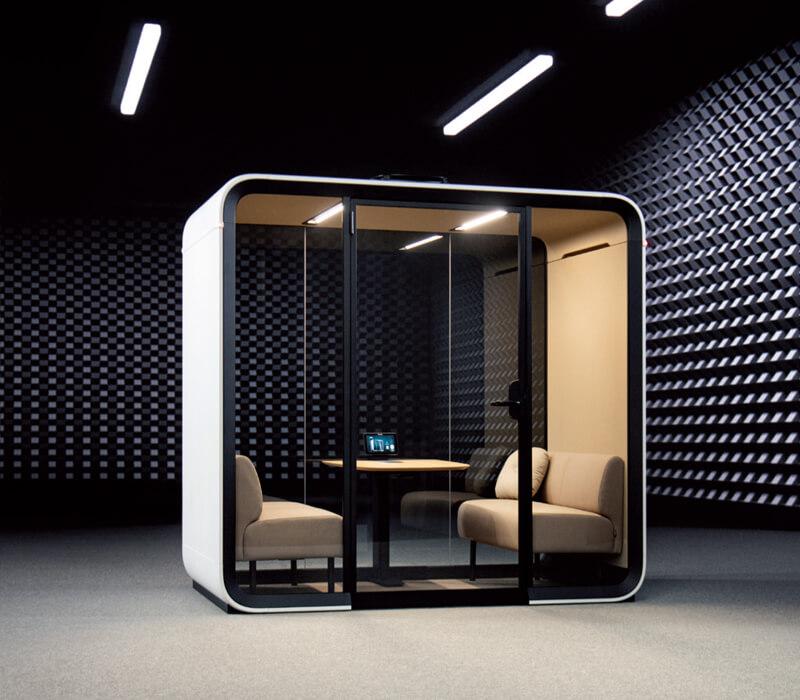
The key features of meeting pod company products are not the longest list on a brochure. They are the features that belong to the exact offer, have traceable scope, support a stated buyer task, survive an occupied trial, fit the site, and remain serviceable after handover.
Release the purchase only when the crosswalk is closed. Retain source documents, option identities, clarifications, trial notes, site duties, price effects, exclusions, and rejected claims. That file makes later substitutions and change requests easier to judge without recreating the entire comparison.

 Tel: +8613538031763
 Email: info@sopworkpod.com
 MP/WhatsApp: +8613538031763
 Manufacturer Address:Liucheng Lujiang District,Meixi Road,Nanan City,Fujian,China