Author:SOP Work Pods Manufacturer TIME:2026-08-28
Acoustic meeting booths do not create privacy or productivity as isolated product features. Those outcomes appear, or fail, across a sequence: finding the space, entering with people and materials, holding the discussion, including remote participants, leaving on time, and returning the room ready for the next group.
The useful unit of review is therefore a meeting route. This sequence board assigns eligible meeting types, observes interaction at intended occupancy, checks exposure before and after the door closes, and keeps comfort, booking, support, and turnover in the same decision. Meetings that need a larger room or different equipment remain explicit exclusions.
Choose one representative agenda for each approved meeting class before the trial begins. State who attends, which material is visible, which devices are used, how long the meeting normally lasts, what privacy failure matters, and what room would be used if the booth were unavailable. This prevents a short informal demonstration from standing in for interviews, hybrid reviews, confidential consultations, and collaborative work with different requirements.
Productivity evidence should remain operational. Record whether participants found the booth, started without avoidable setup, completed the agenda, included remote colleagues, finished and reset the room, and left it ready for the next booking. Also retain abandoned attempts, open-door coping, unsuitable meetings, device failures, and queues. These observations explain the workflow without claiming an unsupported percentage gain.
If two meeting classes need different privacy, equipment, occupancy, or duration, keep separate acceptance lines for them. A booth may be released for one route and rejected for another. That distinction is more useful than a single pass or fail label because it tells workplace teams which sessions can migrate safely and which should continue to use another room.
Retain the reason for every exclusion so future room or technology changes can trigger a deliberate review rather than silent scope drift.
Review exclusions alongside booking guidance so users do not discover them during a sensitive meeting.
At the post-launch review, separate meeting-route failures from product faults. A queue, unsuitable agenda, missing cable, poor remote audio, open-door coping, slow reset, or unavailable booth leads to a different correction and owner. Keeping those causes distinct makes the productivity discussion specific to the acoustic meeting booth service instead of reducing it to a favorable or unfavorable usage count.
Define the Meetings the Booth Should Carry opens with the task evidence that the buyer can actually observe. Separate confidential consultations, interviews, small team meetings, hybrid reviews, project check-ins, client calls, focused collaboration, overflow, and sessions needing larger rooms by occupancy, duration, privacy, devices, and urgency. Keep the record attached to this exact buyer question and the meeting role condition.
Use a complete session rehearsal before approval. Review current meeting evidence and observe failed room searches, fallbacks, delays, and sessions that should remain elsewhere. Preserve contradictory observations and limitations because a general room shortage assigning incompatible meetings to one booth would change the conclusion.
The output is a documented decision about how to approve eligible meeting classes and exclusions. For 'Assign the booth a defined meeting role', record the evidence context, observed result, responsible owner, correction or confirmation, retest need, and effect on the meeting workflow decision.
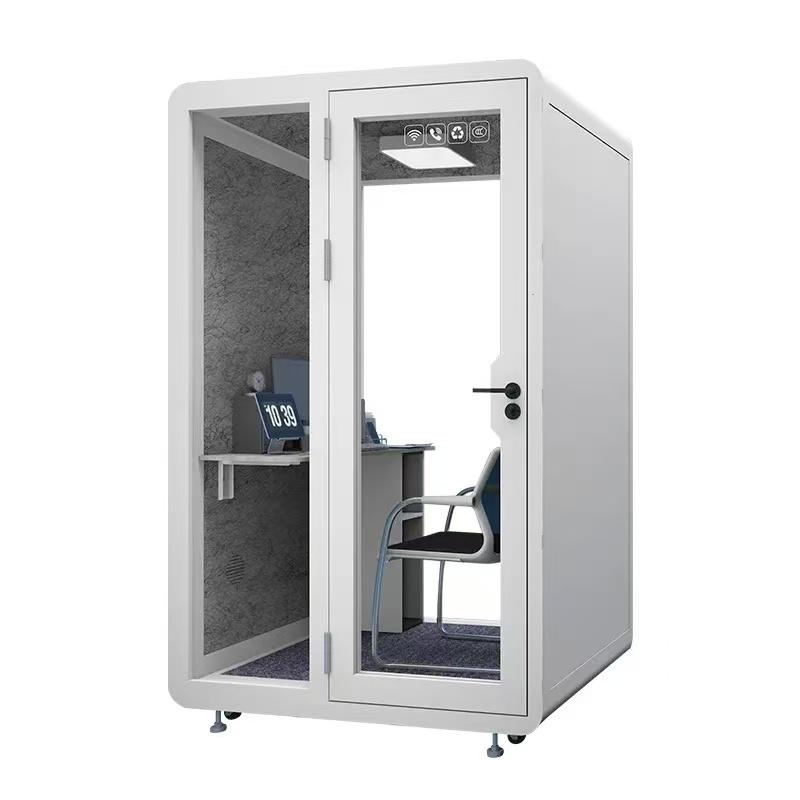
Organize the next evidence around Observe Interaction at Real Occupancy. Check seating, table reach, face-to-face distance, personal space, documents, shared screens, camera view, turn-taking, movement, entry order, mobility, and the ability to include materials or a remote participant. Keep the record attached to this exact buyer question and the interaction condition.
Use a complete session rehearsal before approval. Run a representative agenda with intended users and equipment inside the offered layout. Preserve contradictory observations and limitations because nominal capacity concealing an unworkable meeting behavior would change the conclusion.
Use the gathered record to decide how to release an occupied interaction configuration. For 'Rehearse the complete occupied interaction', record the evidence context, observed result, responsible owner, correction or confirmation, retest need, and effect on the meeting workflow decision.
Trace Privacy Through Arrival Discussion and Exit narrows a broad product claim to a defined operating condition. Identify nearby desks, corridors, queues, approaches, glazing views, screens, whiteboards, documents, door and fan state, ventilation paths, speaker positions, conversations before entry, and content visible during exit. Keep the record attached to this exact buyer question and the privacy condition.
Use a complete session rehearsal before approval. Conduct listening and sightline checks throughout arrival, meeting, and departure under ordinary office activity. Preserve contradictory observations and limitations because privacy inside the enclosure hiding exposure around the route would change the conclusion.
Resolve this part by deciding how to state an end-to-end privacy boundary. For 'Map speech listeners sightlines and transition exposure', record the evidence context, observed result, responsible owner, correction or confirmation, retest need, and effect on the meeting workflow decision.
| Meeting moment | What to witness | Privacy or productivity risk | Record to keep |
|---|---|---|---|
| Arrival | Discovery, approach, waiting, entry order | Sensitive context exposed before entry | Route and waiting observation |
| Discussion | Speech, sightlines, materials, devices, turn-taking | Participants compensate or remote users lose context | Occupied-session notes |
| Departure | Exit, belongings, reset, cleaning, next booking | Overrun or poor reset removes usable capacity | Turnover timestamp and issue owner |
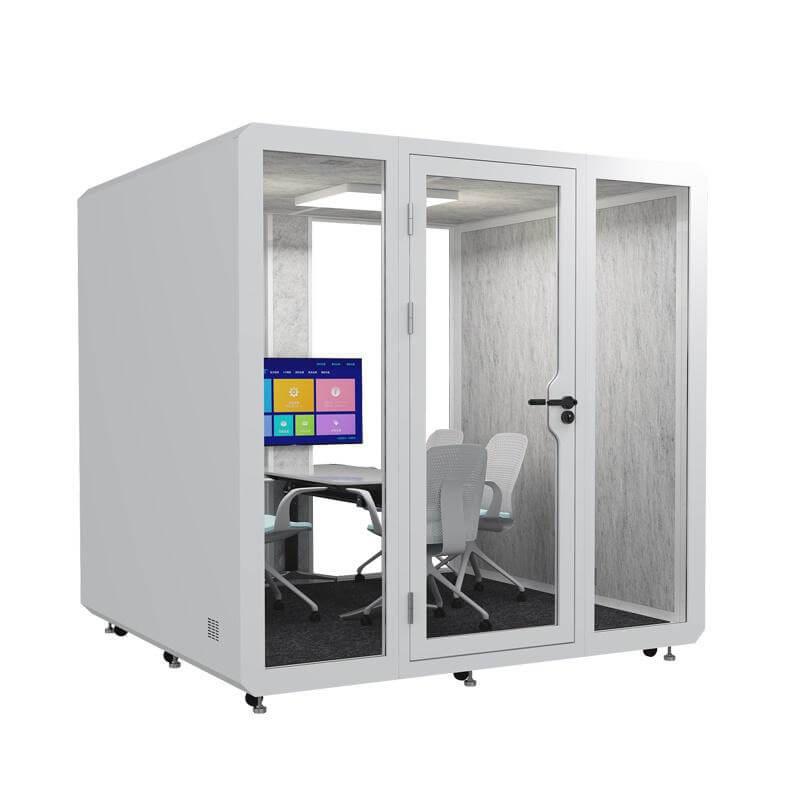
Use Let Remote Participants Judge the Hybrid Chain to connect the documents with occupied behavior. Review camera framing, microphone pickup, loudspeaker, echo, display, content sharing, power, data, cable routes, platform and device compatibility, controls, support, and remote turn-taking. Keep the record attached to this exact buyer question and the hybrid condition.
Use a complete session rehearsal before approval. Run a mixed-presence session with normal devices and collect observations from onsite and remote participants. Preserve contradictory observations and limitations because local participants approving a poor remote experience would change the conclusion.
The occupied trial should end with a decision about how to release a supported hybrid meeting setup. For 'Commission hybrid devices for both sides of the meeting', record the evidence context, observed result, responsible owner, correction or confirmation, retest need, and effect on the meeting workflow decision.
Use the Longest Normal Agenda as the Comfort Test tests whether the proposed configuration survives its site context. Assess posture, seat and table access, lighting, glare, airflow, temperature perception, fan sound, controls, movement, device heat, session duration, door behavior, breaks, and exit. Keep the record attached to this exact buyer question and the comfort condition.
Use a complete session rehearsal before approval. Complete the longest normal agenda and record control changes, discomfort, open doors, interruptions, and early termination. Preserve contradictory observations and limitations because a short display visit masking occupied limits would change the conclusion.
Before moving forward, decide how to approve duration and comfort controls. For 'Hold the longest assigned meeting at intended occupancy', record the evidence context, observed result, responsible owner, correction or confirmation, retest need, and effect on the meeting workflow decision.
Operational ownership becomes visible under Join Booking and Turnover Into the Meeting Service. Set discovery, occupancy cues, reservation length, walk-up use, overruns, no-shows, queues, setup, reset, cleaning, belongings, faults, alternative rooms, and readiness for the next group. Keep the record attached to this exact buyer question and the booking turnover condition.
Use a complete session rehearsal before approval. Simulate consecutive meetings including an overrun and a faulty booth to expose operating friction. Preserve contradictory observations and limitations because nominal availability overstating usable meeting capacity would change the conclusion.
Assign the responsible owner, then decide how to release booking and turnover rules. For 'Design booking arrival and turnover as one service', record the evidence context, observed result, responsible owner, correction or confirmation, retest need, and effect on the meeting workflow decision.
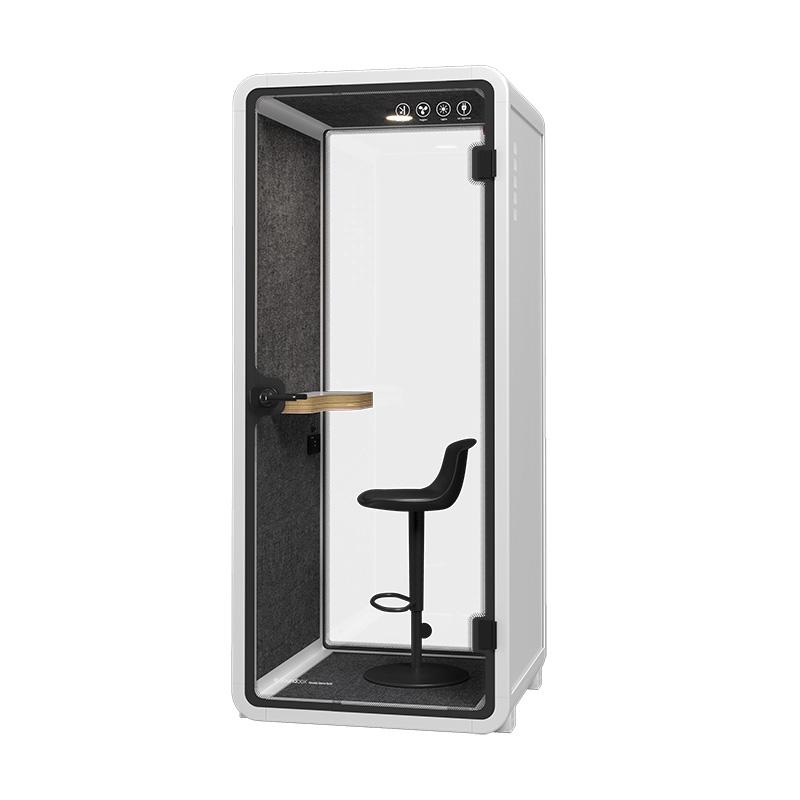
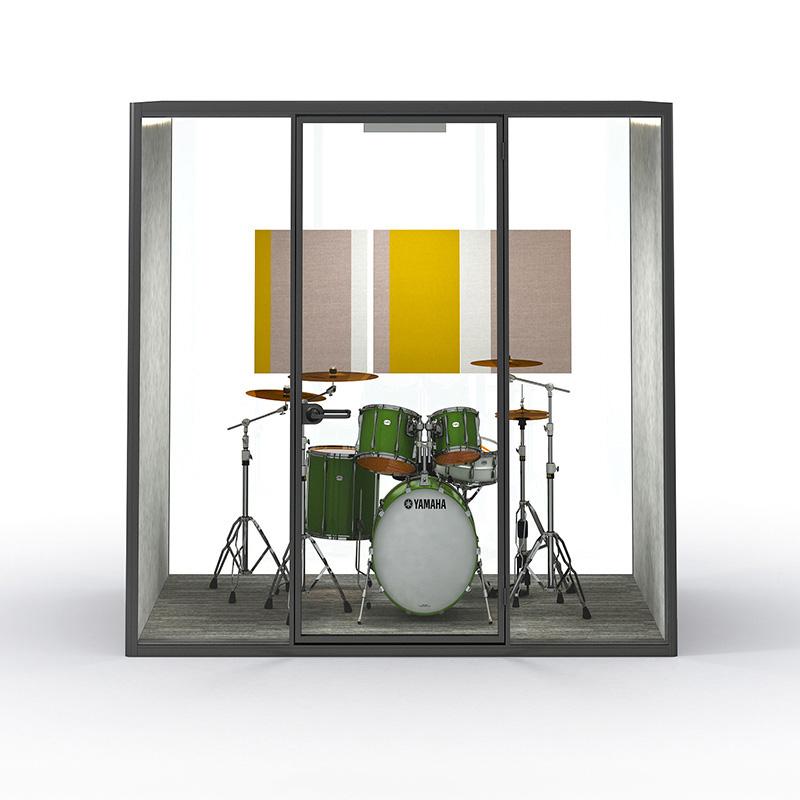
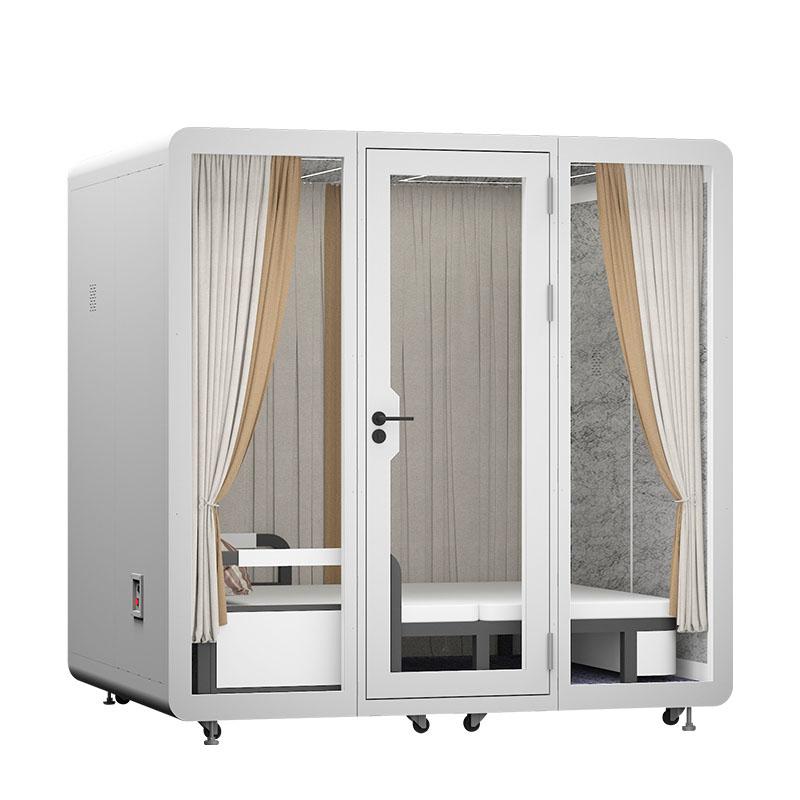
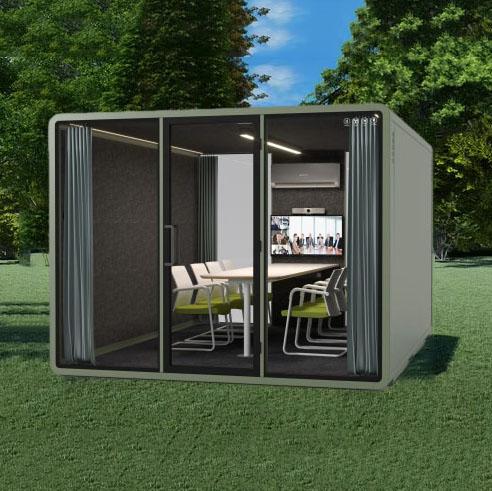
The office-pod reference can support configuration review, but the meeting route remains the acceptance basis: review the relevant product configuration.
Review Productivity After the Novelty Period turns the preceding evidence into a controlled release question. Observe eligible session migration, failed attempts, privacy concerns, device issues, comfort, overruns, queues, misuse, support, faults, surrounding office effects, and changes in attendance or room supply. Keep the record attached to this exact buyer question and the workflow review condition.
Use a complete session rehearsal before approval. Compare post-launch observations with the original meeting role while preserving context and alternative explanations. Preserve contradictory observations and limitations because novelty becoming a productivity conclusion would change the conclusion.
The release entry must state how to decide how to retain correct relocate reassign or scale from workflow evidence. For 'Review the meeting workflow after familiarization', record the evidence context, observed result, responsible owner, correction or confirmation, retest need, and effect on the meeting workflow decision.
Final operating note. Complete the longest normal agenda and record control changes, discomfort, open doors, interruptions, and early termination. Assess posture, seat and table access, lighting, glare, airflow, temperature perception, fan sound, controls, movement, device heat, session duration, door behavior, breaks, and exit. Do not close the decision while a short display visit masking occupied limits remains possible.
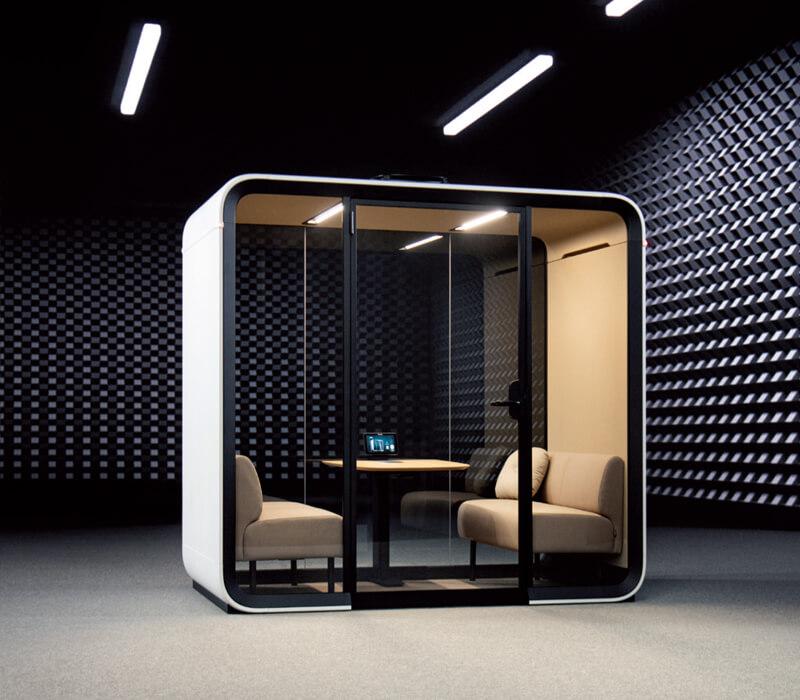
Review current meeting evidence and observe failed room searches, fallbacks, delays, and sessions that should remain elsewhere. Separate confidential consultations, interviews, small team meetings, hybrid reviews, project check-ins, client calls, focused collaboration, overflow, and sessions needing larger rooms by occupancy, duration, privacy, devices, and urgency. Do not close the decision while a general room shortage assigning incompatible meetings to one booth remains possible.
Run a representative agenda with intended users and equipment inside the offered layout. Check seating, table reach, face-to-face distance, personal space, documents, shared screens, camera view, turn-taking, movement, entry order, mobility, and the ability to include materials or a remote participant. Do not close the decision while nominal capacity concealing an unworkable meeting behavior remains possible.
Conduct listening and sightline checks throughout arrival, meeting, and departure under ordinary office activity. Identify nearby desks, corridors, queues, approaches, glazing views, screens, whiteboards, documents, door and fan state, ventilation paths, speaker positions, conversations before entry, and content visible during exit. Do not close the decision while privacy inside the enclosure hiding exposure around the route remains possible.
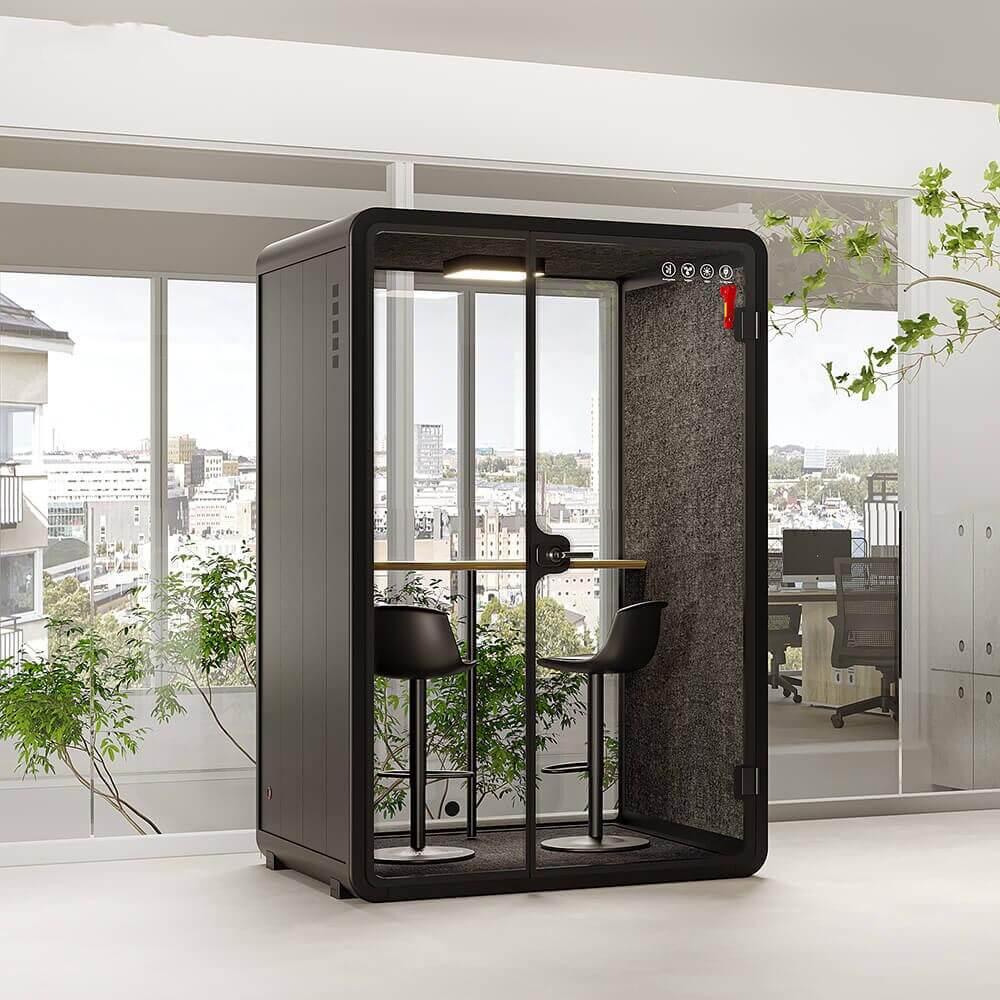
Run a mixed-presence session with normal devices and collect observations from onsite and remote participants. Review camera framing, microphone pickup, loudspeaker, echo, display, content sharing, power, data, cable routes, platform and device compatibility, controls, support, and remote turn-taking. Do not close the decision while local participants approving a poor remote experience remains possible.
Acoustic meeting booths support productive private work only when the complete meeting route is coherent. Interaction, speech and visual boundaries, hybrid technology, comfort, booking, and turnover must all suit the assigned sessions; strength in one stage does not erase failure in another.
Approve specific meeting classes rather than a broad claim. Keep the sequence observations, exclusions, installed configuration, service owners, defects, corrections, and review date together so the booth can be reassigned or adjusted when team behavior and room demand change. Buyers can review the linked acoustic pod configuration, then send the meeting types, occupancy, room plan, and quantity through the existing inquiry form or WhatsApp path for a project-specific check.

 Tel: +8613538031763
 Email: info@sopworkpod.com
 MP/WhatsApp: +8613538031763
 Manufacturer Address:Liucheng Lujiang District,Meixi Road,Nanan City,Fujian,China