Author:SOP Work Pods Manufacturer TIME:2026-08-28
Soundproofing for Small Garden Office Pods has two directions. Road or garden equipment may disturb a call inside, while speech or music from the pod may reach a neighbor, house, or shared boundary. The source, path, listener, time, background sound, pod condition, and acceptable outcome differ for each direction, so one broad statement cannot answer both.
The enclosure also interacts with the site. Door and glazing interfaces, roof and wall joints, ventilation, cable penetrations, the base, structural connections, nearby reflecting surfaces, orientation, weather, equipment, and occupant behavior may change what a listener notices. A material description alone cannot establish the installed boundary.
This guide evaluates a small garden office pod by walking source-path-receiver routes and witnessing named sound events. It does not invent transmission values or promise silence. The output is a site record that explains what was heard, where, under which operating and weather condition, what remained uncertain, and when the conclusion must be reopened.
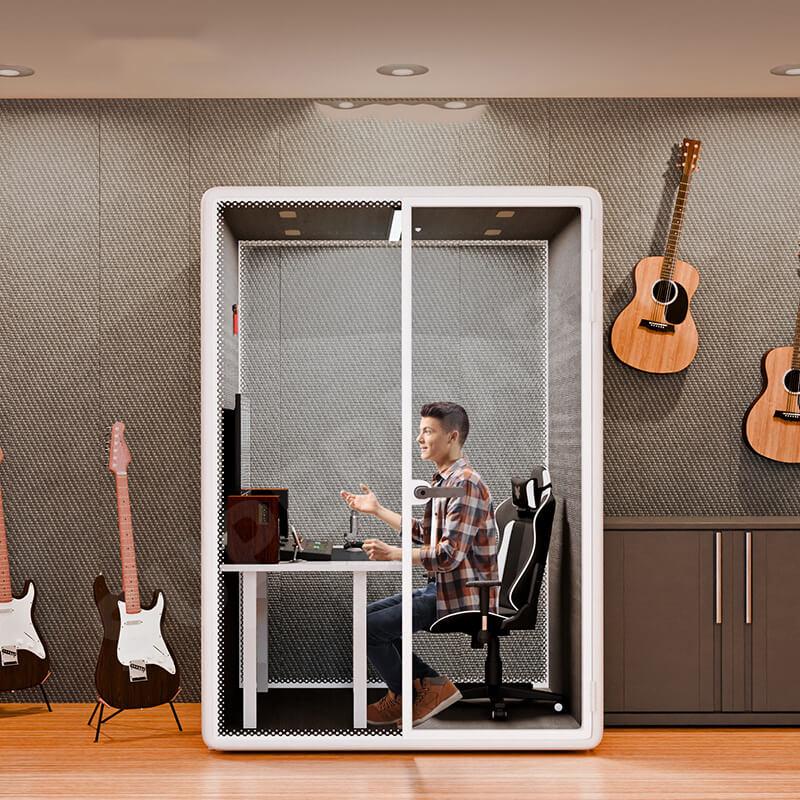
Investigate the checkpoint titled 'Map indoor and outdoor sound sources with listener positions' within the actual garden site. Identify speech, calls, music, household movement, roads, equipment, neighbors, rain, wind, and the working hours that matter. The source listener map boundary keeps small garden office pod soundproofing effectiveness effectiveness tied to sources, listeners, weather, and use.
Follow the sound and environmental path through the delivered construction. Walk the site at representative times and mark users and unintended listeners inside and outside the proposed footprint. This stops one generic noise goal being applied to changing outdoor sources and distances from being generalized across changing outdoor conditions.
Finish by deciding how to define the speech and distraction boundary for the site. The 'Map indoor and outdoor sound sources with listener positions' record preserves site condition, observation, responsible party, limitation, and seasonal follow-up.
Use distinct symbols for recurring, occasional and sensitive sound events. A delivery vehicle at one time of day should not be weighted like continuous road exposure, and a confidential call needs a different outward-listening question from routine speech.
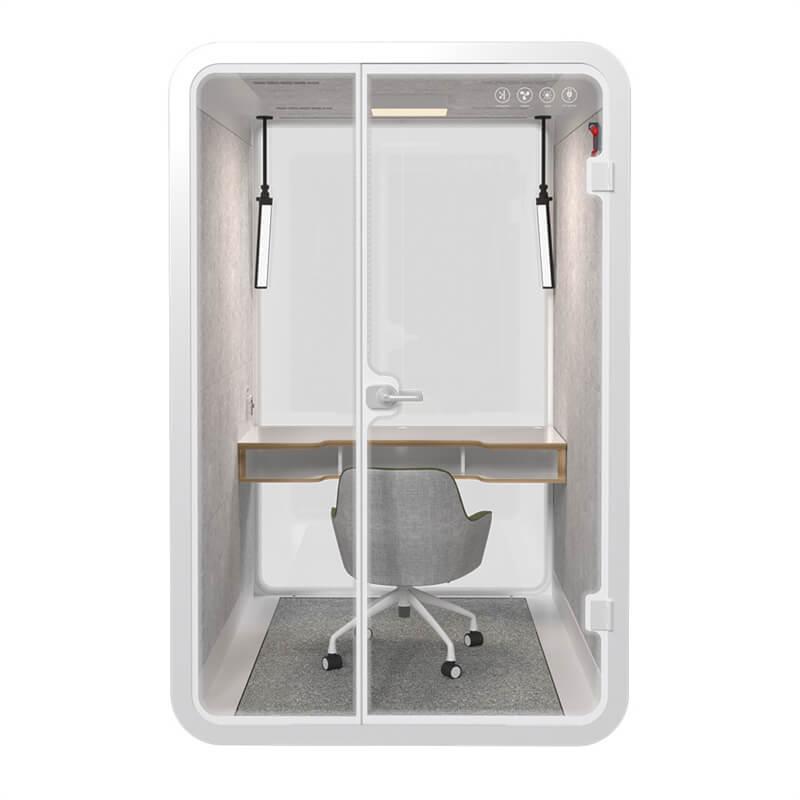
Investigate the checkpoint titled 'Inspect the complete external envelope for acoustic weak points' within the actual garden site. Review roof, walls, glazing, door, seals, joints, penetrations, ventilation, construction layers, weather protection, and assembly interfaces. The external envelope boundary keeps small garden office pod soundproofing effectiveness effectiveness tied to sources, listeners, weather, and use.
Follow the sound and environmental path through the delivered construction. Request configuration details and inspect continuity rather than extrapolating from one material description. This stops component performance being mistaken for the finished garden enclosure from being generalized across changing outdoor conditions.
Finish by deciding how to tie acoustic evidence to the complete offered build. The 'Inspect the complete external envelope for acoustic weak points' record preserves site condition, observation, responsible party, limitation, and seasonal follow-up.
Inspect continuity from both sides where access permits. A neat interior joint can conceal a different exterior transition, while seal compression and latch alignment may vary around the door. Photograph location and condition without claiming an acoustic cause from appearance alone.
Investigate the checkpoint titled 'Trace vibration and flanking paths through the base' within the actual garden site. Consider foundation, level, floor build-up, ground contact, settlement, structural connections, drainage, nearby structures, and service penetrations. The ground structure boundary keeps small garden office pod soundproofing effectiveness effectiveness tied to sources, listeners, weather, and use.
Follow the sound and environmental path through the delivered construction. Coordinate a site and base review before manufacture, then inspect alignment after installation. This stops movement or rigid connections creating gaps, rattles, or an unexpected sound path from being generalized across changing outdoor conditions.
Finish by deciding how to release the base design before delivery. The 'Trace vibration and flanking paths through the base' record preserves site condition, observation, responsible party, limitation, and seasonal follow-up.
Base review should include what changed between design and installation. Level adjustments, supports, anchors, service routes or later site work may create paths that were absent from the product detail. Route structural questions to the competent project parties.
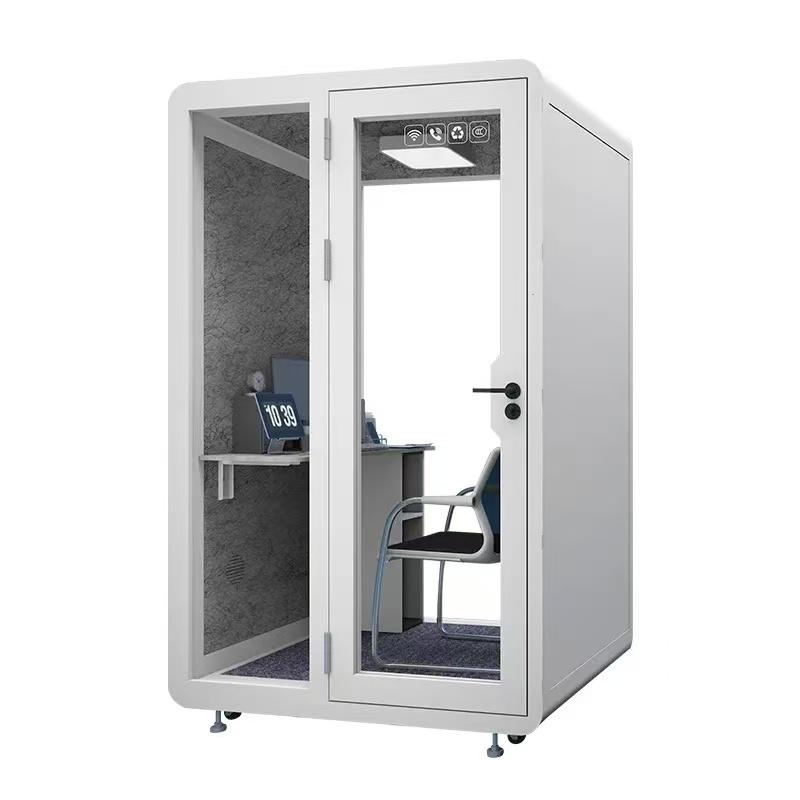
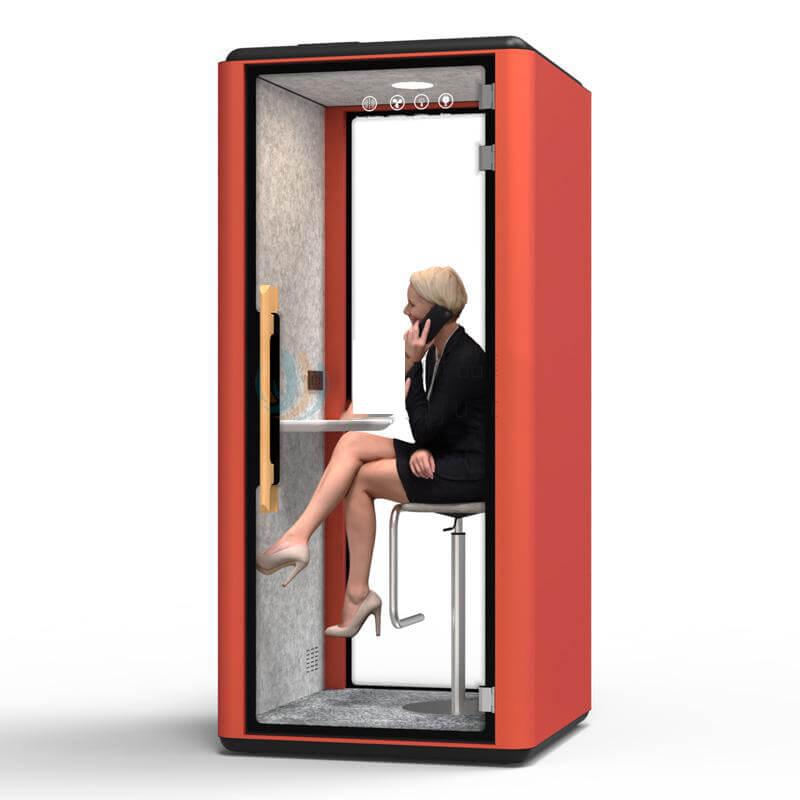
Investigate the checkpoint titled 'Balance doors, glazing, ventilation, and services' within the actual garden site. Check latching, gasket compression, thresholds, opening size, air inlets and outlets, fan noise, silencers, cable routes, power, and maintenance access. The openings services boundary keeps small garden office pod soundproofing effectiveness effectiveness tied to sources, listeners, weather, and use.
Follow the sound and environmental path through the delivered construction. Run closed-door speech and comfort checks with the normal fan setting and powered equipment. This stops improved airflow or convenient services weakening privacy and weather performance from being generalized across changing outdoor conditions.
Finish by deciding how to approve openings and comfort as one coordinated condition. The 'Balance doors, glazing, ventilation, and services' record preserves site condition, observation, responsible party, limitation, and seasonal follow-up.
Repeat the listening sequence after users set ventilation and devices as they normally would. If acceptable sound control requires a condition occupants cannot tolerate or maintain, the result does not support the intended work pattern.
| Sound event | Source and listener | Path or condition to inspect | Acceptance record |
|---|---|---|---|
| Normal work speech | Occupant to house or boundary listener | Door, glazing, joints, vents and orientation | Record intelligibility observation and operating state |
| Outdoor equipment | Garden source to seated worker | Envelope, openings, base and reflecting surfaces | Record task interruption and source position |
| Rain or wind | Weather impact to interior listener | Roof, glazing, seals and exposed faces | Limit conclusion to witnessed conditions |
| Pod equipment | Fan, device or service to occupant and exterior | Mounting, vibration, airflow and settings | Separate equipment sound from enclosure performance |
| Changed season or layout | New source, listener or background | Foliage, windows, furniture and site use | Trigger a focused follow-up observation |
Investigate the checkpoint titled 'Observe weather and occupied comfort together' within the actual garden site. Review solar gain, insulation, condensation, drafts, rain impact, wind exposure, heating, cooling, airflow, controls, and session duration. The weather comfort boundary keeps small garden office pod soundproofing effectiveness effectiveness tied to sources, listeners, weather, and use.
Follow the sound and environmental path through the delivered construction. Use available seasonal design information and retain onsite observations across different practical conditions. This stops an acoustically promising enclosure becoming unusable or operated with the door open from being generalized across changing outdoor conditions.
Finish by deciding how to state operating limits and the controls available to the user. The 'Observe weather and occupied comfort together' record preserves site condition, observation, responsible party, limitation, and seasonal follow-up.
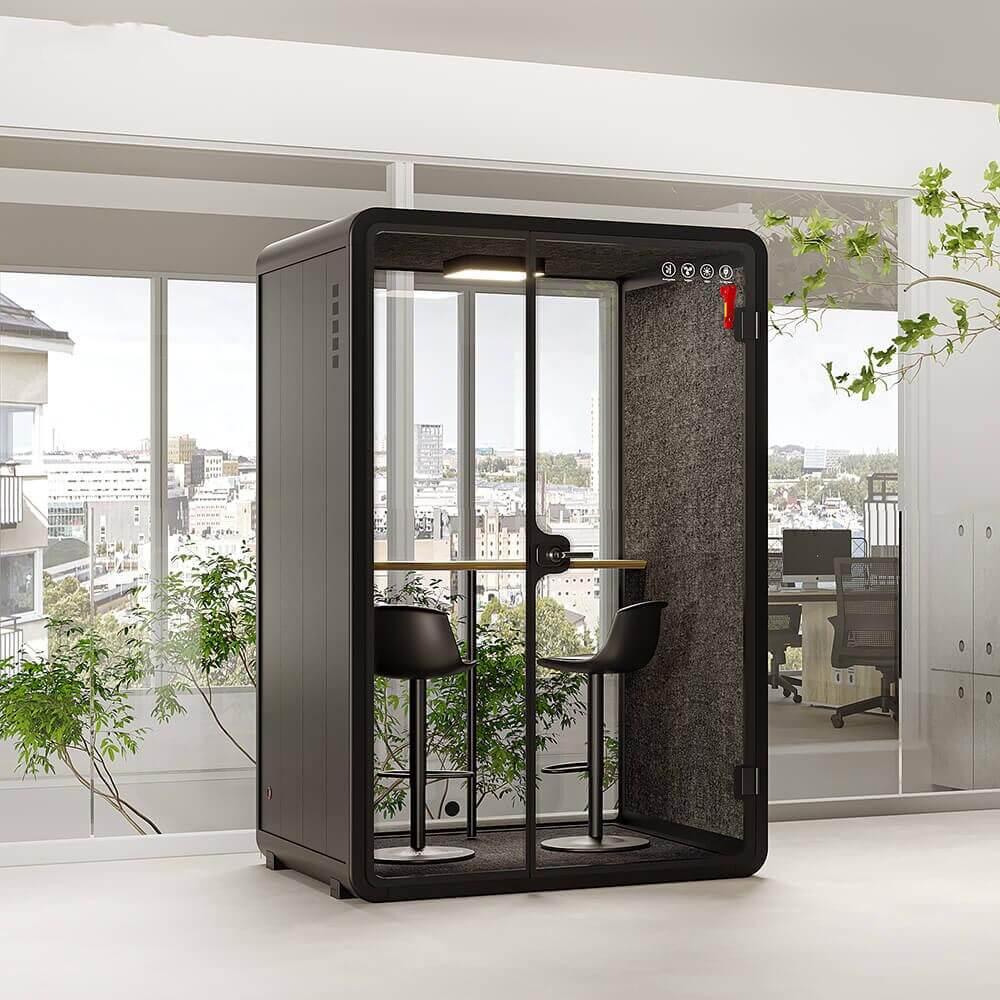
Investigate the checkpoint titled 'Use orientation and distance to manage outdoor exposure' within the actual garden site. Compare facade direction, fences, neighboring windows, paths, gates, vegetation, roads, household rooms, drainage, daylight, access, and service routes. The site orientation boundary keeps small garden office pod soundproofing effectiveness effectiveness tied to sources, listeners, weather, and use.
Follow the sound and environmental path through the delivered construction. Mark alternative orientations and listen from the most sensitive positions before fixing the base. This stops placing openings toward the dominant source or nearest unintended listener from being generalized across changing outdoor conditions.
Finish by deciding how to select orientation from the site sound map. The 'Use orientation and distance to manage outdoor exposure' record preserves site condition, observation, responsible party, limitation, and seasonal follow-up.
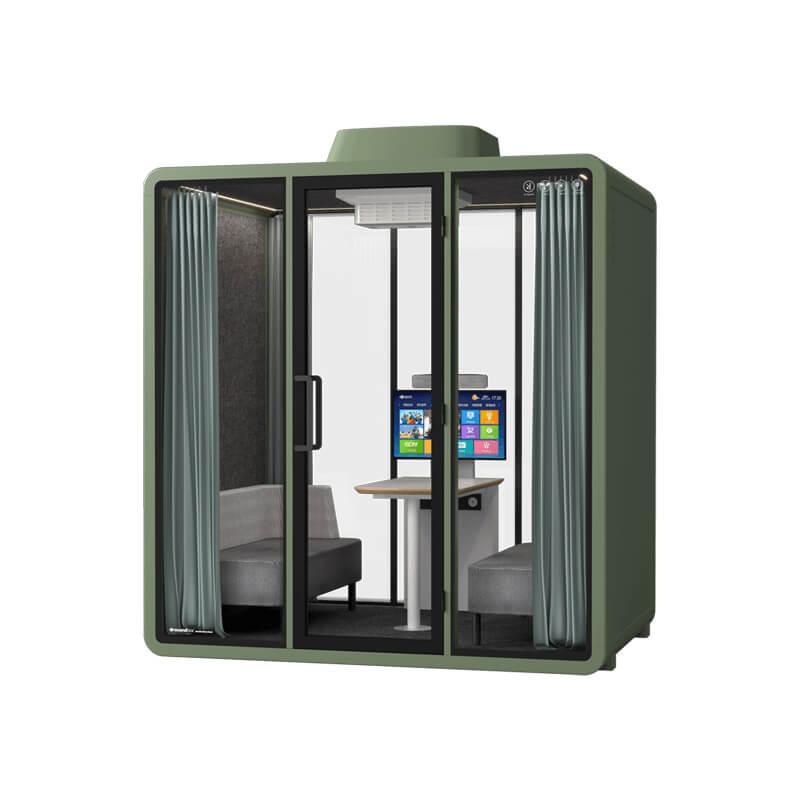
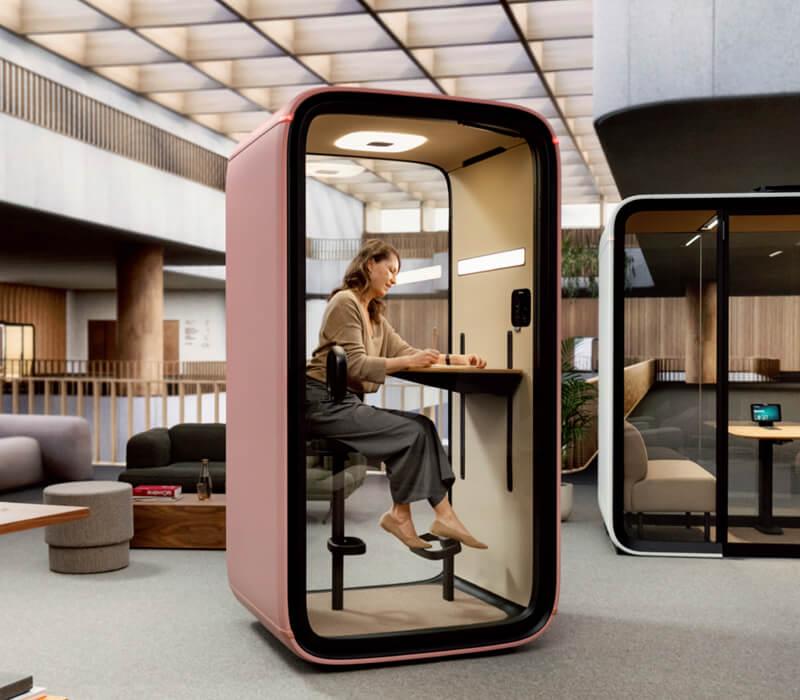
After the buyer completes the 'Use orientation and distance to manage outdoor exposure' checkpoint, the small garden office pod configuration page may be reviewed as a product reference for this outdoor acoustic boundary investigation; it does not replace site evidence or assigned responsibility.
Weather belongs in the observation note even when no problem is heard. Wind direction, rain, open house windows, foliage and background activity can alter exposure. The record should say what was not represented and whether another season matters to the decision.
Investigate the checkpoint titled 'Accept soundproofing under defined garden conditions' within the actual garden site. Witness indoor speech, outside listening, incoming noise, fan sound, door operation, comfort, weather interfaces, drainage, controls, and maintenance access. The garden acceptance boundary keeps small garden office pod soundproofing effectiveness effectiveness tied to sources, listeners, weather, and use.
Follow the sound and environmental path through the delivered construction. Record time, weather, source, listener position, occupancy, configuration, result, limitation, owner, and follow-up observation. This stops a single quiet-day check becoming a universal statement of effectiveness from being generalized across changing outdoor conditions.
Finish by deciding how to release the use case and preserve seasonal limits. The 'Accept soundproofing under defined garden conditions' record preserves site condition, observation, responsible party, limitation, and seasonal follow-up.
Define who may reopen acceptance and what event triggers it. A complaint should identify the source, listener, time and pod condition so the team can investigate a path instead of responding with an unsupported whole-product conclusion.
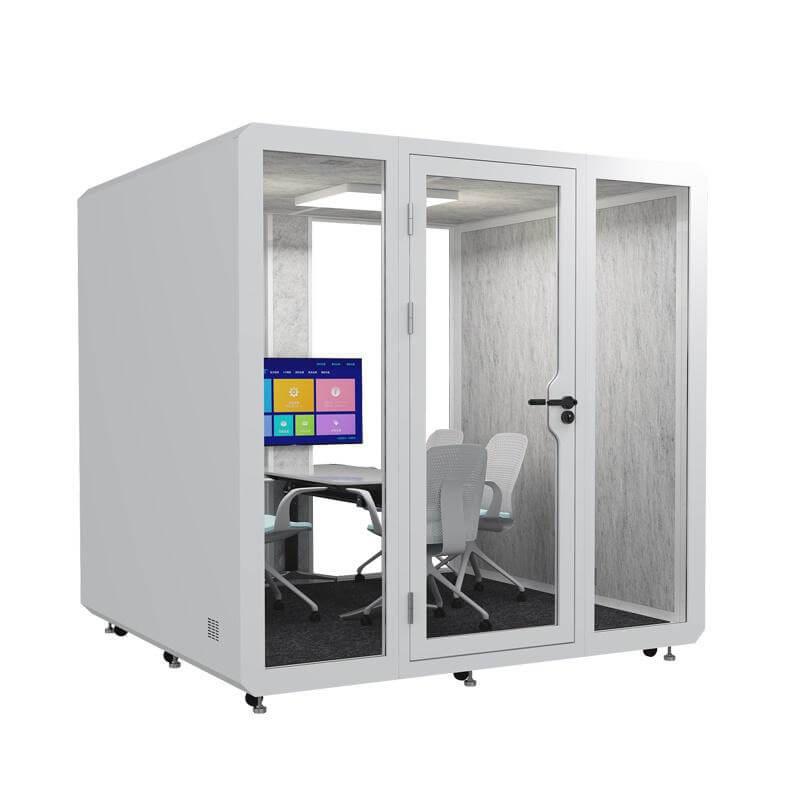
Wall construction is only one part of the installed path. Doors, seals, glazing, roof, floor, joints, ventilation, penetrations, structural links, workmanship, and site reflections can govern what reaches a listener. Request applicable product evidence, then inspect continuity and observe the complete pod in its intended condition.
Use the state people will actually occupy. Record door position, latch and seal condition, ventilation setting, windows or openings where provided, equipment, speaker location, listener positions, background activity, and weather. A closed and unventilated demonstration may not represent acceptable daily use.
Avoid an absolute promise. Neighbor exposure depends on speech, time, distance, orientation, boundaries, windows, background sound, weather, and local expectations. Define the relevant listener points and conversation type, observe representative conditions, and move higher-risk work to another approved setting when the boundary is uncertain.
Recheck after settlement, seal or door changes, service work, new penetrations, equipment changes, relocation, nearby construction, a different use pattern, or complaints tied to a new sound event. Seasonal follow-up may also be appropriate when the original observation did not cover a condition important to the site.
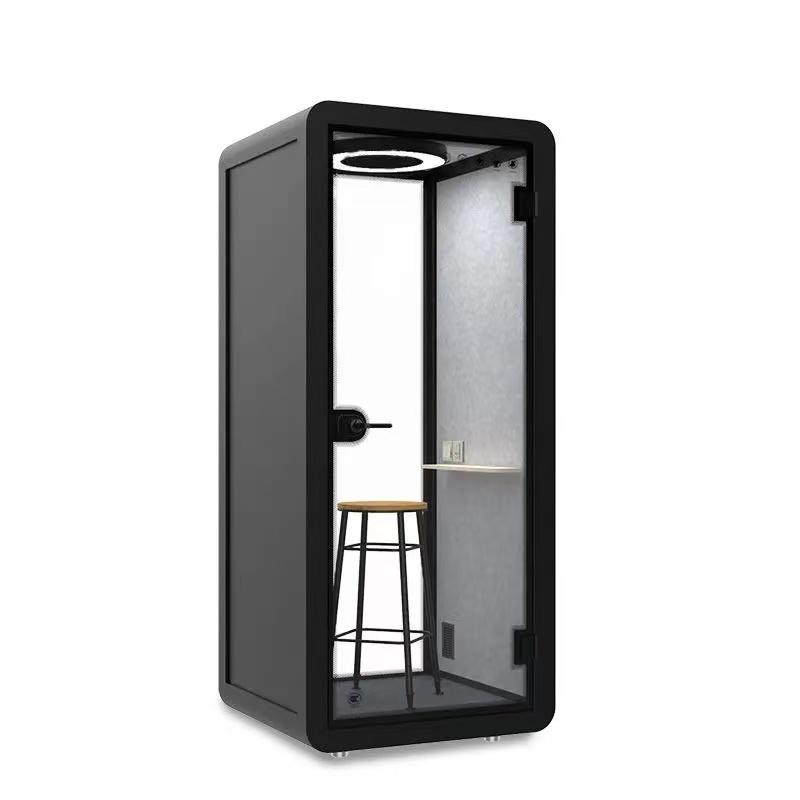
A small garden office pod is effective for soundproofing only relative to named sources, listeners, paths, operating states, weather, tasks, and acceptance boundaries. The complete installed condition matters more than one material or generic acoustic label.
Map both sound directions, inspect envelope and base continuity, keep ventilation and comfort realistic, and witness the events that matter at the actual site. Preserve conditions and follow-up triggers beside the acceptance decision.
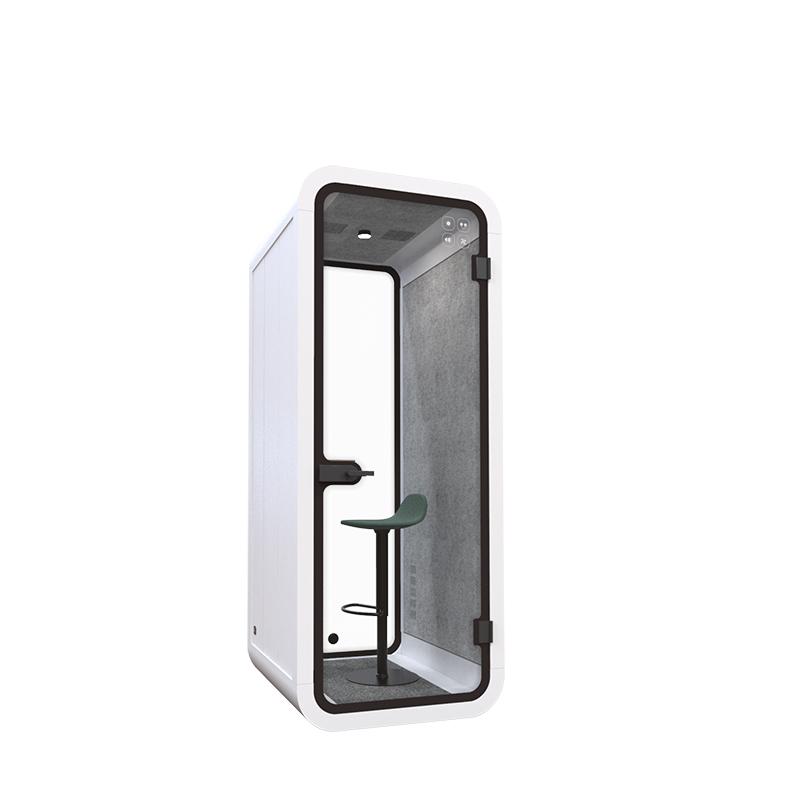
For a small garden office pod inquiry, submit the site exposure, intended work, listener boundary, services, and access route through the inquiry form or WhatsApp.

 Tel: +8613538031763
 Email: info@sopworkpod.com
 MP/WhatsApp: +8613538031763
 Manufacturer Address:Liucheng Lujiang District,Meixi Road,Nanan City,Fujian,China