
Need Help?
Please leave your contact information to get our latest catalog
Get In Touch Now >


Author:SOP Work Pods Manufacturer TIME:2026-11-23
A purchase quotation names an asset. A lease proposal describes a period of use. A subscription proposal may combine use with specified services. Placing their headline figures beside one another does not yet explain which decision the buyer is making. The useful office pod price question is what each actual offer commits the organization to over the same period of useful occupancy, and what choices remain afterward.
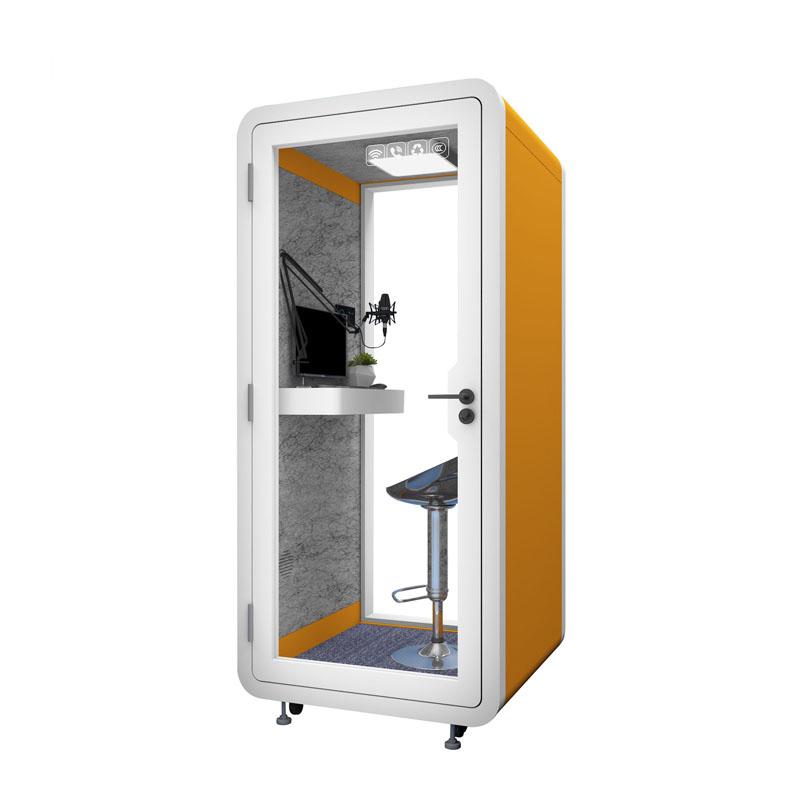
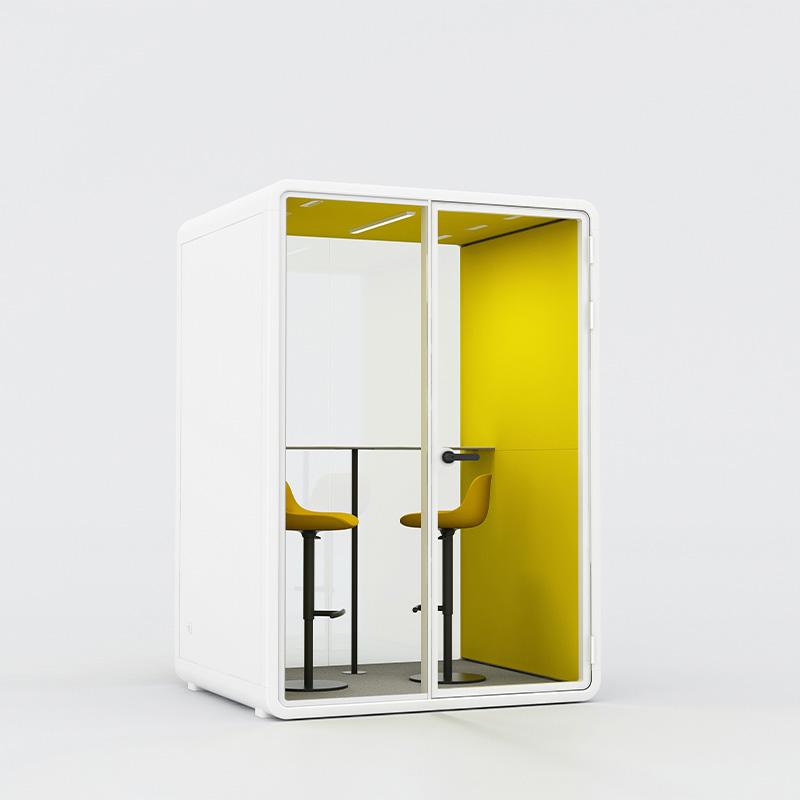
Begin with the workplace requirement, not a preferred payment label. This comparison produces a shortlist for further quotation, not a universal cheapest route. A route without an offer remains unconfirmed, and the product photograph says nothing about how its seller accepts payment.
Choose the date when the workplace needs the pod available and the date when the present requirement ends or is reviewed. Use the same interval for every route. Tie the interval to a real planning boundary, such as the team's approved accommodation plan, rather than selecting a duration because one proposal looks attractive within it. If the requirement might continue, record that as a separate extension case.
Attach one required furniture configuration to that interval. The comparison concerns the same indoor office pod doing the same work, not a larger purchased meeting enclosure beside a smaller subscribed booth. Keep the physical brief concise: intended occupants, work arrangement and indispensable equipment provision. Detailed product suitability belongs in the configuration review; it should not disappear when the payment route changes.
Name the existing room arrangement as the reference if no offered route can cover the interval. An incomplete acquisition menu does not require an immediate order.
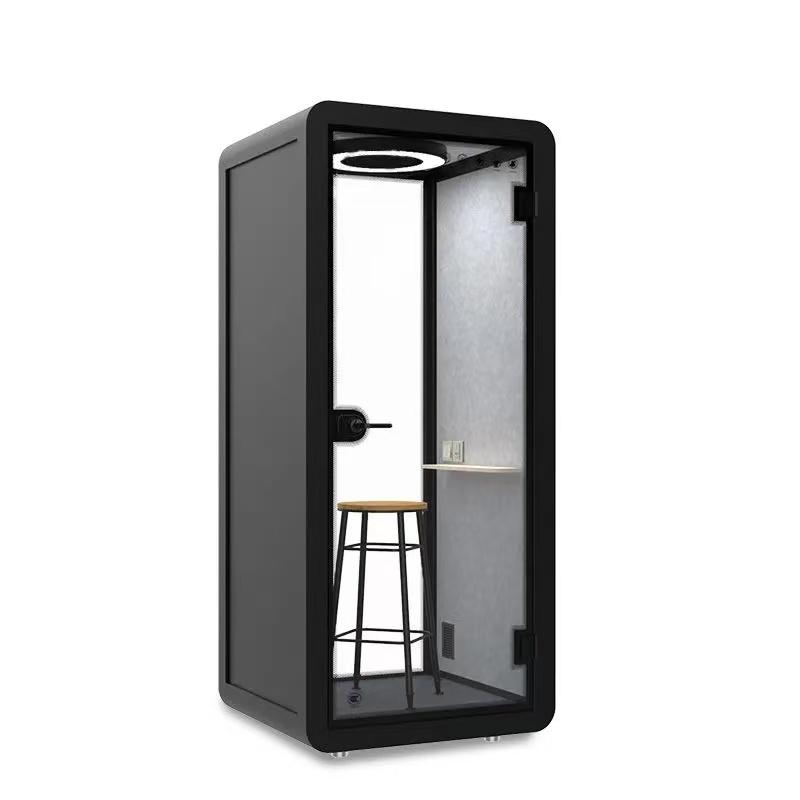
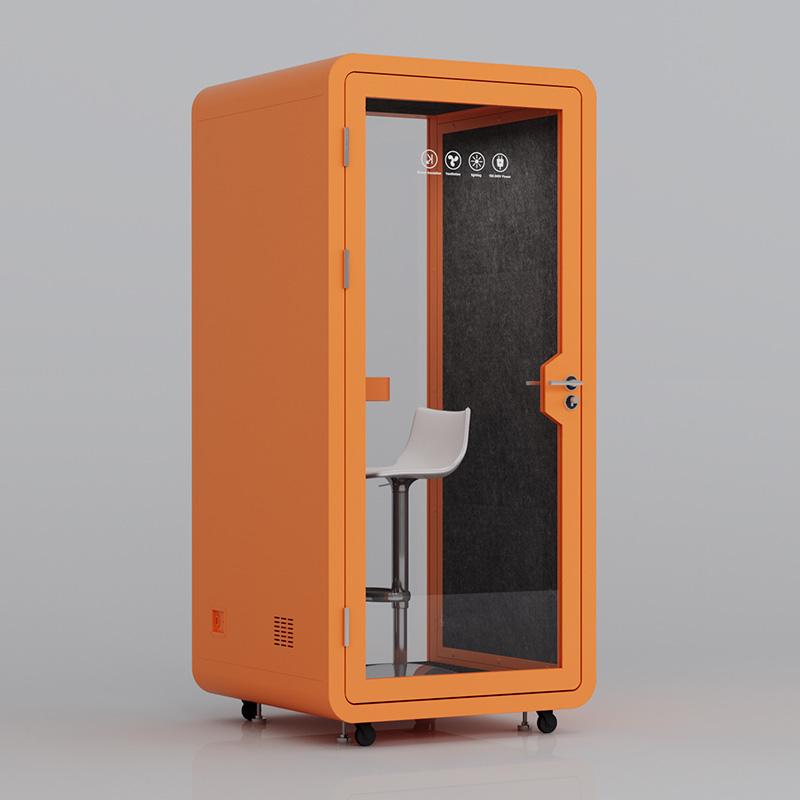
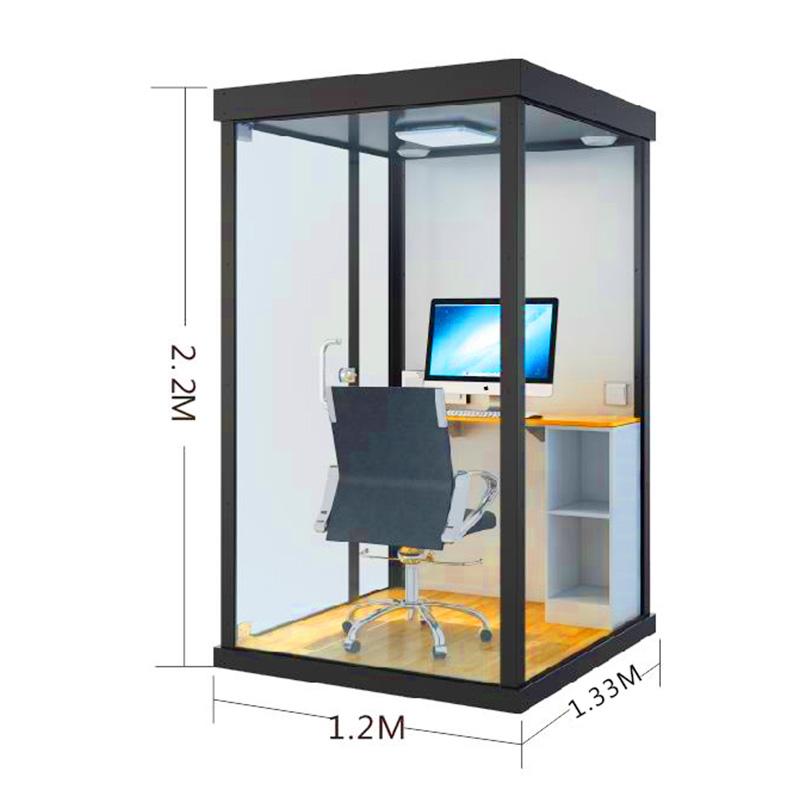
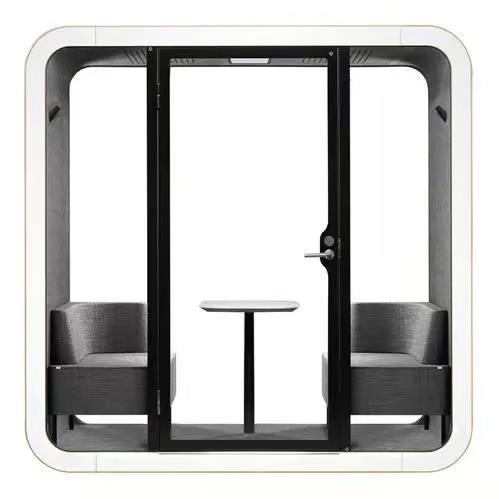
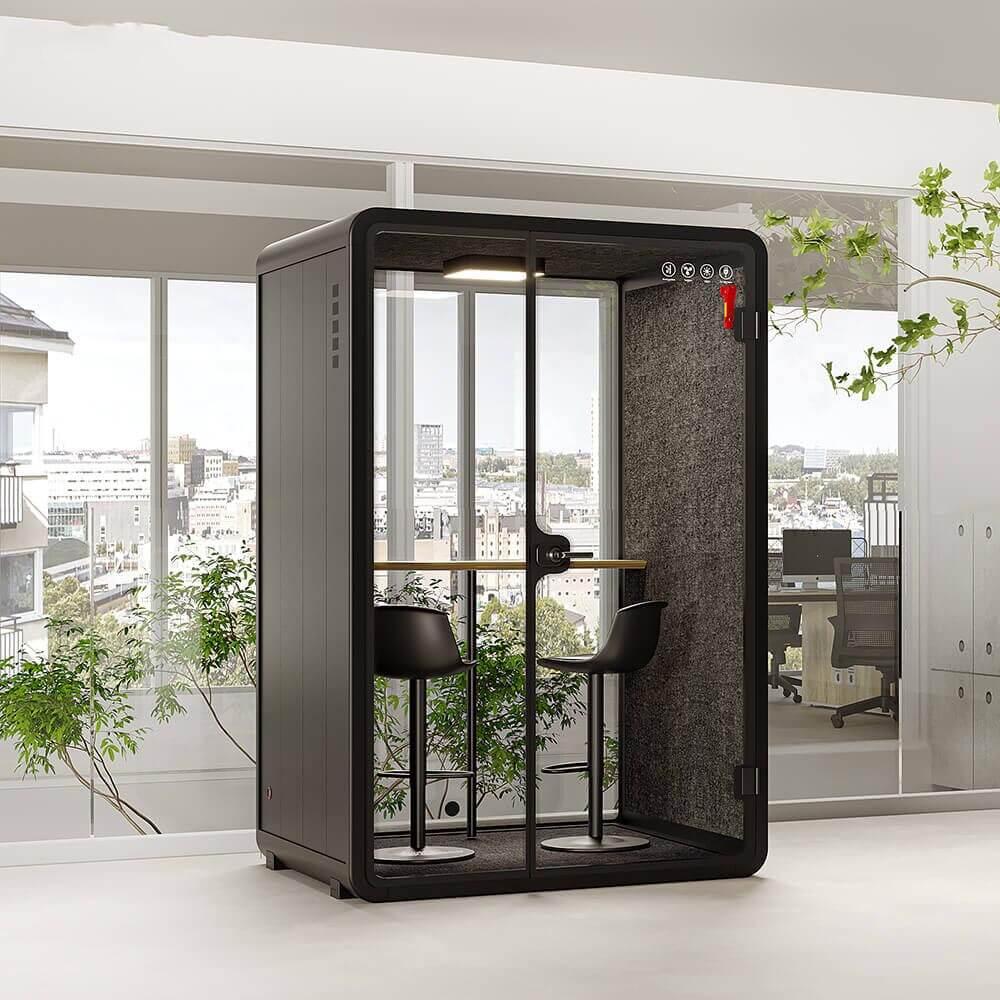
To define the physical item for this comparison, review SOP office pod configurations and request the relevant configuration; discuss acquisition routes only where the seller supplies an actual offer.
Ask the relevant seller which acquisition routes it can actually quote for the configuration, destination and required period. Keep its written response with the comparison. A lease discussed elsewhere, an overseas subscription advertisement or a product category page cannot establish a local offer. This article does not establish that SOP supplies leases or subscriptions; those columns enter the decision only when the buyer obtains a relevant proposal.
Read what the proposal provides before adopting its label. One offer might provide use alone; another might add a defined service package. The name subscription does not establish cancellation, replacement, upgrade or ownership rights. Likewise, a lease label does not say whether any purchase option exists. An unanswered route is not an expensive option or a free option: it is outside the supported comparison until the missing offer arrives.
Draw each offer as a line beneath the common occupancy interval. Mark when the first payment becomes due, when recurring obligations begin, the shortest stated commitment and when the buyer must make the next decision. These dates may not coincide. A pod needed for a short project can still come with a longer offered commitment; keeping the same use interval makes that mismatch visible.
Place an obligation that continues after the requirement ends beyond the shared end marker rather than cropping it away. Conversely, where a proposal ends before the workplace requirement, show the uncovered interval. Do not assume that renewal will be available on unchanged terms merely because it would complete the line neatly.
This is a timing comparison. It makes no adjustment for financing assumptions and supplies no invented amounts. Use only the events and commitments in the actual proposal.
Beside each event, carry the offered payment and its stated scope into the buyer's working record. Distinguish amounts already committed by accepting the proposal from amounts triggered only by a later choice. For instance, an optional extension does not belong in the planned-end branch as an unavoidable payment. Conversely, a remaining minimum commitment does not vanish because the team expects to finish using the pod. This separation makes a discussion of price useful without turning an uncertain future choice into a fabricated total.
Ask who would organize service while the pod is in use. Buying the enclosure and buying a service arrangement are separate choices, even if one seller presents them together. A recurring payment can include some named support without including every task. Equally, a purchase proposal may offer separately defined support. Compare what each proposal assigns, not what the payment pattern seems to imply.
Use one ordinary problem to expose the difference: the light stops working and the workplace needs the space again. Who receives the report, who arranges the appropriate intervention and what, if anything, does the offer say about continued access to workspace? Record the answer without inventing a response time or a replacement entitlement. Where two routes leave the buyer with different coordination duties, show that operational difference beside their payment timelines.
Check the provider boundary as well. The party supplying the enclosure may not be the party offering the payment arrangement or managing service. Ask which contact owns each response before combining documents into one route. Otherwise the comparison can accidentally attach a seller's support statement to a different party's proposal. Keep the distinction simple enough that the workplace contact knows where to take an ordinary problem.

Use this table as a reading guide for actual proposals. Its entries are questions, not standard inclusions. Populate the corresponding timeline with the seller's answer and the relevant document reference. The purpose is to reveal what changes when the acquisition route changes while the workplace requirement stays fixed.
Keep committed payments, conditional payments and undecided future choices visually separate. A refundable amount is not automatically a permanent cost, but it may still require cash to be set aside during the use period. A possible future purchase is not already ownership. Where the offer does not resolve a condition, leave the condition open instead of building a precise-looking comparison around a guess.
| Point on the shared timeline | Purchase offer | Lease offer, if obtained | Subscription offer, if obtained |
|---|---|---|---|
| Start of use | What payment events and possession terms are stated? | When does the commitment start? | When do use and named services start? |
| During the common interval | Which support remains the buyer's task? | Which recurring obligations and services are stated? | Which services are included or separately supplied? |
| Requirement ends early | Who decides the asset's next use? | What commitment remains under this offer? | What change or exit choice is actually offered? |
| Common interval ends | What asset remains, without assumed resale value? | Is return, extension or purchase expressly offered? | Does continued use require a new proposal? |
Ask what should remain when the common interval ends. Does the team still need the same enclosure, want the option to continue using it, or expect to give up the space? These are different requirements. Ownership can preserve an asset for later decisions, but that alone does not establish a future buyer, a usable second location or a recovery value.
For a lease or subscription proposal, identify the end choices actually offered: return, extension, replacement or purchase, if stated. Do not populate missing choices from another provider's brochure. If continued use requires a new offer, describe it as a future decision rather than a right already secured.
Keep removal relevant to the route choice without turning the review into a return inspection. The question here is whether the end arrangement fits the workplace plan and has an identified owner, not how individual marks will be assessed.
An attractive future choice also needs a decision date. Ask when the buyer must communicate its preference and whether the option is already stated or awaits another proposal. Put that point before the end marker so the organization can act while the choice still exists.
Test the same actual offers against a small set of workplace outcomes. Start with use ending as planned. Then consider a credible early end and a credible extension. For each branch, ask which obligations persist, which choices require a new proposal and who must decide before the next commitment. No likelihood or future saving needs to be invented to reveal a route that cannot support a plausible change.
A branch is especially useful when stakeholders use flexibility to mean different things. Facilities may mean that the enclosure can move, while procurement means that payments can stop. Neither follows automatically from the other. If relocation matters, request its separate supported scope; do not turn a movable furniture description into a cancellation right. Use the following prompts to keep the branches about acquisition choices rather than detailed move logistics.
Summarize the requirement, common interval, actual offers and the choices each leaves open. State which route merits a detailed quotation discussion and the specific reason: fit with the occupancy period, manageable service coordination or an available end choice. Where several remain plausible, retain them rather than forcing a winner. Attach the unanswered question most likely to change that shortlist. Keep this output separate from internal financial approval and the eventual agreement review; it is an acquisition planning brief, not advice about their outcome.
Give the brief an owner and a revisit event. A revised accommodation plan, changed configuration or expired offer can alter the route comparison without changing the pod's appearance. Ask the owner to refresh only the affected timeline and branch, retaining the basis of the earlier shortlist so colleagues can understand what changed.
What if only a purchase quotation is available?
Compare that supported route with the existing workplace arrangement while recording the unanswered alternatives. There is no need to create imaginary lease or subscription entries to complete the table. Request those offers only from parties that confirm they can supply the relevant configuration and destination.
Does a smaller recurring payment prove a better route?
It does not describe the whole commitment. Read its duration, included services, conditions and choices beside the same use interval as the purchase offer. A payment pattern cannot answer whether the workplace can obtain the required space for the period it needs.
Should the comparison assume the purchased pod can be sold afterward?
No assumed sale belongs in this brief. Record that the asset remains for the buyer's next decision, and keep any unsupported recovery value out. If the organization later obtains a concrete disposal proposal, its responsible reviewers can consider that separately.
Is a subscription necessarily easier to change?
Only the actual proposal can establish the available changes. Ask whether the desired action means a different configuration, another location, a longer period or an earlier end. Those are separate choices, and a convenient service label does not grant all of them.
Can a changed project end date reverse the shortlist?
Yes. Redraw the common occupancy interval and review each affected commitment. Preserve an obligation that extends past the new end, and expose any newly uncovered period. Then revisit the route-selection reason rather than carrying forward a preference based on the old timeline.
Finish with a route worth discussing, not a claim that buying, leasing or subscribing always wins. The useful comparison holds the work and use period constant, admits only obtainable offers and shows payment commitments separately from support and ownership choices.
Send the supported configuration and common interval with the next inquiry. Ask for the missing choice that could change the shortlist, and leave any route without an answer unresolved. That is a more useful purchasing outcome than ranking payment labels that describe different commitments.

 Tel: +8613538031763
 Email: info@sopworkpod.com
 MP/WhatsApp: +8613538031763
 Manufacturer Address:Liucheng Lujiang District,Meixi Road,Nanan City,Fujian,China