
Need Help?
Please leave your contact information to get our latest catalog
Get In Touch Now >


Author:SOP Work Pods Manufacturer TIME:2026-11-05
A quotation may describe a door, an access control and internal lighting on separate lines. The buyer still needs one connected answer: what would someone use to leave this particular enclosure if its normal electrical supply were unavailable? When comparing individual meeting pods, start with the offered hardware and the intended room rather than treating an attractive door photograph as an operating description.
This is a proposed buyer review, not a reported SOP power-loss trial. Its result is a clear set of questions for the supplier and responsible facilities specialist. It does not require a buyer to interrupt power, handle wiring or create an occupied failure exercise.
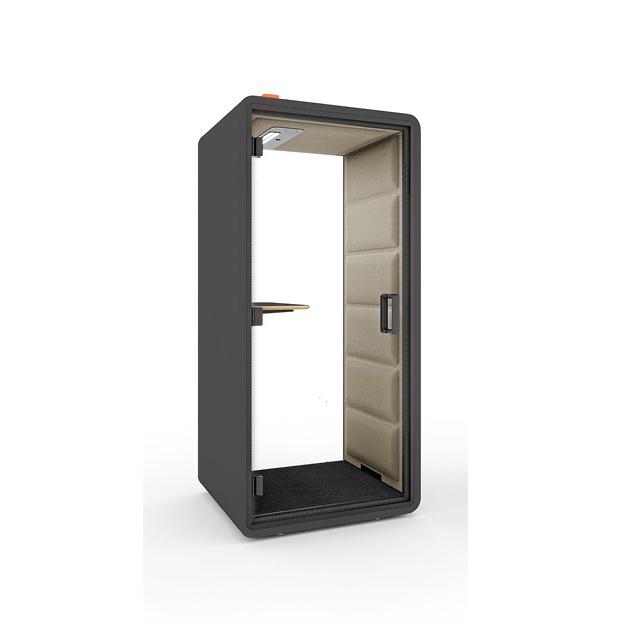
Ask the supplier to identify the door assembly, inside operating hardware, any locking or access-control option, and the controls included in the quotation. Obtain the instructions that apply to that combination. An optional electronic feature shown elsewhere in a brochure should not enter the discussion as though it were included. Equally, a description of a purely mechanical sample does not answer for a quotation that adds electrically controlled hardware. Put the option names beside the model so the supplier can respond to a definite proposal.
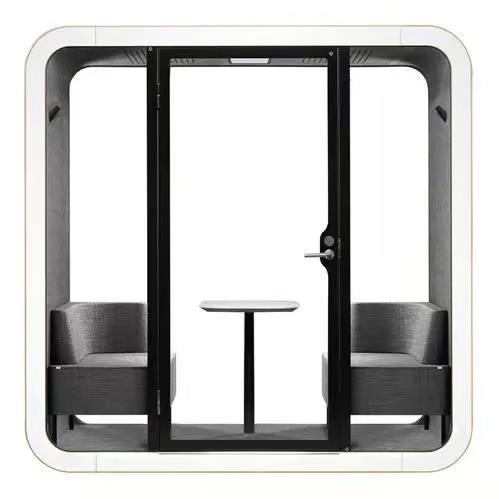
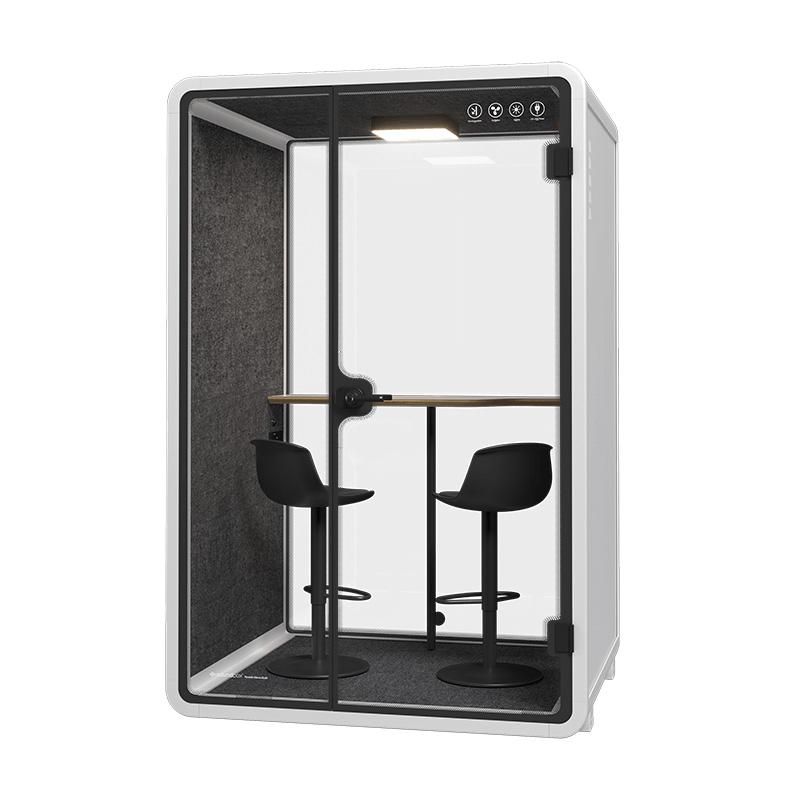
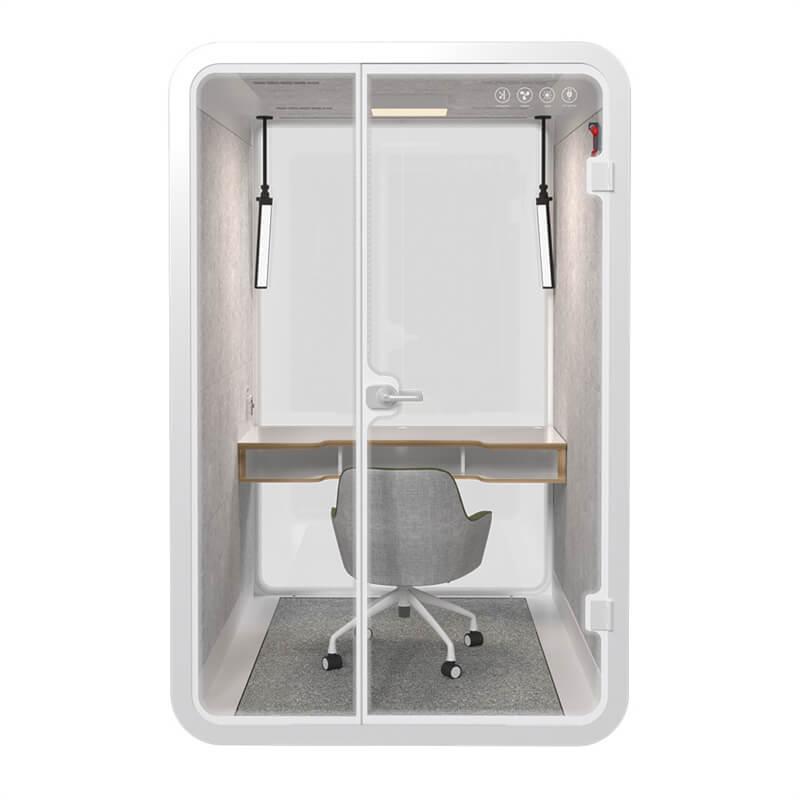
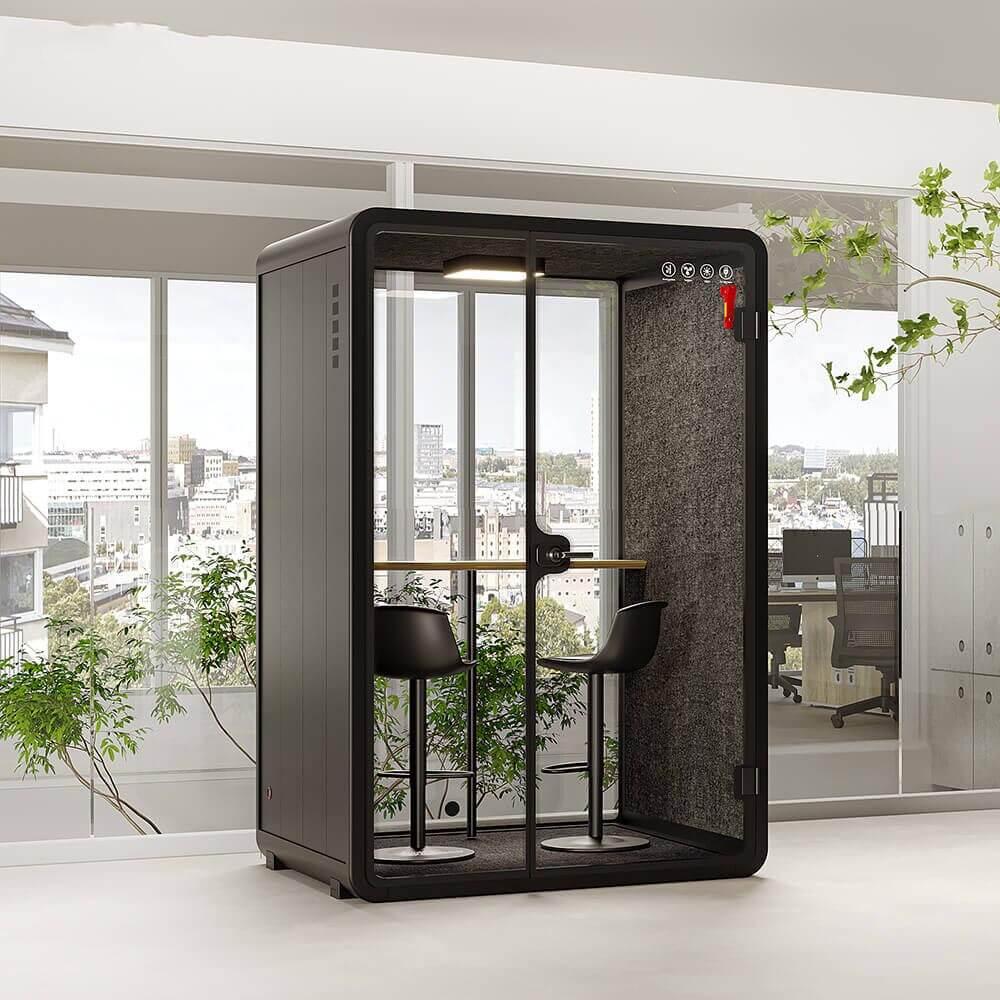
Describe the intended use and actual user count. The word individual is not evidence that every configuration admits only one occupant. Confirm the selected configuration's intended capacity and discuss the people who will use it, including a colleague or assistant where that is part of the plan. Show the selected seats, table, equipment and door orientation on the supplier's interior drawing. A reviewer needs to understand where those people would be relative to the inside handle, not merely the enclosure's external dimensions. Avoid substituting a roomier furniture option in the review unless it also replaces the option in the order.
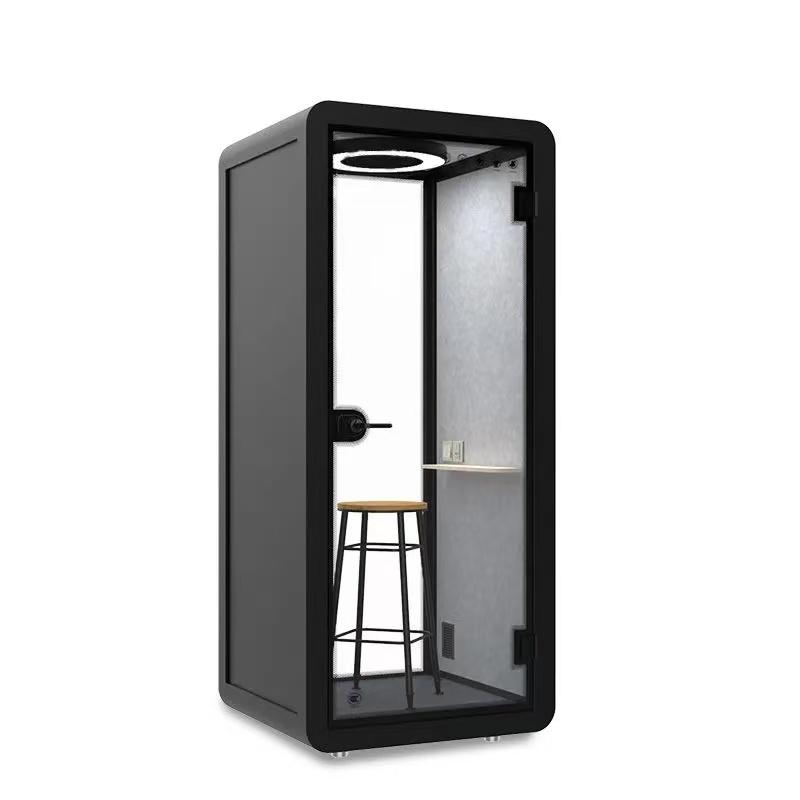
Request the exact door, furniture and control options when comparing SOP meeting pod configurations; the responsible facilities specialist needs that offered configuration, not an unidentified showroom example.
Ask what the supplier means when describing behavior during power loss. Does the explanation concern the enclosure's normal supply, an electrically controlled door option, a separate controller, or a building-side service? These are questions for the providers, not instructions to disconnect anything. Have the supplier identify which components depend on which services in plain language and where that dependency is documented.
A statement about an access reader going dark may say nothing about inside door operation. An explanation of an internal lamp stopping may say nothing about lighting in the surrounding room. A phone retaining charge says nothing about whether the connection it needs would remain available. Separate those answers before deciding that the phrase works without power covers the whole departure.
Bring the dependency description to the responsible facilities specialist. That person can identify the relevant installation questions and who should answer them. The buyer's role is to explain the intended arrangement and request an appropriate approved verification method. Do not turn an uncertain explanation into a shopping list of backup equipment: first establish what the offered configuration contains and which question each component would actually address.
The mechanical question concerns the user's inside operation of the identified door assembly. Ask the supplier to explain the required action and its documented behavior when normal electrical supply is unavailable, including any selected control option. Give that explanation to the qualified reviewer rather than diagnosing the mechanism from a handle photograph. Ask what changes, if anything, between entering from outside and leaving from inside; the two directions need not be described by the same access procedure.
The lighting question concerns identifying the operating point and seeing the departure path. Internal decorative or task lighting is not automatically the answer to that question. The communication question concerns contacting the responsible person when assistance is needed, using the actual proposed system and its dependencies. Neither a working lamp nor a charged handset establishes mechanical exit ability. The table allocates these questions without making one favorable answer stand in for the others. Discuss any user-specific assistance needs with the facilities specialist while the model and furniture are still selectable.
| Question | Ask for | Responsible reply |
|---|---|---|
| Inside departure | Exact door operation and supply dependencies | Door supplier and qualified reviewer |
| Seeing the route | Relevant internal and surrounding lighting provision | Facilities and lighting owner |
| Requesting assistance | Actual contact method and service dependencies | Communication service owner |
| Installed arrangement | Selected furniture, user count and doorway position | Supplier and facilities specialist |
| Remaining uncertainty | Appropriate approved verification method | Responsible facilities specialist |
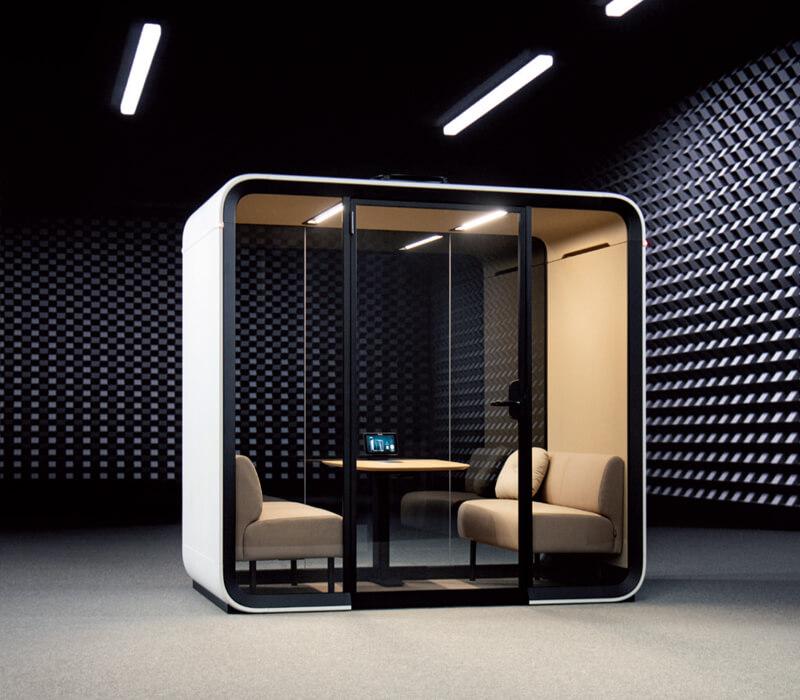
Send the supplier's instructions and dependency answers to the responsible facilities specialist with this request: what verification is appropriate for the proposed door, controls and location, and who is qualified to carry it out? The answer may require better documentation, clarification from a component provider, or a professionally managed check. Leave the method to the authorized parties instead of prescribing an interruption yourself.
Never switch power off with an occupant inside. Do not isolate circuits, unplug the enclosure for a failure drill, operate unknown controls, or disable building safety services. If the specialist decides that a physical power-loss check is appropriate, ask them to define an approved unoccupied method with the necessary safeguards and responsible personnel. It is not a buyer-operated electrical test.
Before an authorized check, ask which question it would settle and which hardware it represents. A demonstration using another door option cannot close the proposed option's question. Afterward, request a concise explanation of the configuration examined, the relevant finding and any action still required. A missing check should lead to a named next step, not an improvised substitute.
Show the facilities specialist the proposed location with the door's movement and the surrounding furniture. Identify the point where a departing user would enter the room, rather than ending the drawing at the enclosure wall. A handle explanation is incomplete as a placement decision if a nearby cabinet or another door conflicts with the user's normal departure. Include bags, chairs and equipment that will actually be present; a cleared presentation photograph is not the everyday arrangement.
Discuss inside reach and outside clearance against the intended user count and selected furniture. This is not an invitation to crowd people into an unsuitable configuration. The responsible specialist should decide how the intended use is reviewed and whether a different arrangement is needed. Ask which site lighting and assistance arrangements matter to that departure. Do not classify every pod door as a regulated exit-route door or apply one country's workplace rules universally. Suitability and any applicable requirements belong to the qualified, location-specific review, not the commercial product label.
Sort the replies by the purchasing decision they affect. If the inside operation remains unexplained, ask for the exact hardware instructions or a different documented option. If the proposed furniture hides an operating point, ask the supplier and specialist to review another offered layout. If a communication proposal depends on a service that has not been addressed, send that question to its owner rather than asking the pod salesperson to promise the building's behavior. Each reply should move a concrete configuration choice forward.
Separate confirmed supply from proposed additions. Who provides an accepted door option, lighting provision or communication component, and where does it appear in the quotation? A showroom accessory is not necessarily an order inclusion. Ask the supplier to return a revised model-and-option description when the solution changes. A general reassurance about safety leaves the buyer unable to distinguish the reviewed combination from a cheaper or visually similar substitution. Where the specialist cannot resolve a relevant exit question, do not treat that option as ready for the intended use. Compare an alternative that can be reviewed rather than relying on an occupied trial later.
Once the responsible parties have completed the appropriate review, ask for a short handover explanation matched to the delivered door and selected controls. It should explain ordinary departure, the agreed response to a supply problem, how a user requests assistance, and whom staff contact if operation changes. Keep the instructions understandable to the actual users; a component manual alone may not explain how the chosen combination is used at this location.
Give facilities the identified model, option list and supplier contact together with the relevant review outcome. They need to distinguish an accepted configuration from one awaiting action. There is no need to reproduce every purchasing email in user instructions. Retain the technical documents where the responsible staff can find them, while making the everyday explanation concise. At handover, ask the supplier to point out the inside operating hardware and describe ordinary departure with services in their normal state. Users should not have to identify an unfamiliar control from a component code. Match the explanation to the instructions approved for this installation. This familiarization is separate from any professional power-loss verification; it is not a reason to interrupt a supply or reenact a fault. If delivered hardware differs from the reviewed option, return that difference to the responsible parties before treating the explanation as applicable.
A later replacement of door hardware, a new control option or a move to another room can reopen a specific question. Ask the supplier and facilities specialist which changes require their attention. That is more practical than telling everyone to repeat an undefined test whenever anything changes.
Who should explain whether the inside handle depends on electricity?
The supplier should identify the exact hardware and provide its applicable operating information. The responsible qualified reviewer evaluates that explanation for the proposed installation. A receptionist, buyer or photograph should not be asked to fill a technical gap by guessing from the handle's appearance.
Is an outside access credential also the inside departure method?
Do not assume that. Ask for separate explanations of entry and inside departure for the selected option. The review concerns how the intended user leaves, not merely whether authorized people can enter. Avoid requesting credentials or attempting a bypass to investigate the difference.
Can a supplier's backup-lighting description settle the exit question?
It answers only the lighting provision it identifies. Ask separately about door operation and any communication arrangement. The responsible specialist must also consider the surrounding room; an internal light description does not establish what the person would see after crossing the doorway.
What should the buyer do when the power-loss answer is vague?
Return the question with the quoted door and control options attached. Request the applicable explanation and ask the facilities specialist which approved verification is appropriate. Resolve the configuration before treating it as ready for use, rather than arranging a buyer-led interruption with someone inside.
Take three separate questions to the supplier and facilities specialist: how the user opens the offered door, what lets them see the departure path, and how they request assistance. Attach the exact configuration and actual intended user count. Ask the specialist to select the appropriate approved verification, then make the order reflect the reviewed options. The useful buying outcome is an understandable departure explanation for this installation, with a responsible next step for anything unresolved, not a dramatic outage demonstration or a universal compliance claim.

 Tel: +8613538031763
 Email: info@sopworkpod.com
 MP/WhatsApp: +8613538031763
 Manufacturer Address:Liucheng Lujiang District,Meixi Road,Nanan City,Fujian,China