Author:SOP Work Pods Manufacturer TIME:2026-10-08
Returning to the right sentence after making a note can matter more than displaying a whole page at once. A buyer comparing individual study pods for assistive reading equipment should begin with that reader's sequence: find the passage, follow it, keep the place, annotate, and return. A device resting neatly on a table does not establish that these transitions work.
The reader leads this review with the particular equipment and materials they choose. A magnifier or document-camera arrangement must follow its own instructions; no functions, adjustments, or storage behavior are assumed here. SOP enclosure images do not establish that reading aids are supplied, that a study configuration is certified, or that any arrangement suits every reader.
Ask the reader to select harmless material resembling their usual study task. It might involve following a paragraph, finding an earlier reference, or returning from a note to a page. Let them describe where they normally begin and what they expect to do next. Do not replace their method with a demonstration chosen because it looks simple to an observer.
Agree what the observer may record and whether any assistance is wanted. The purpose is to understand the reading process, not assess the person's ability. A pause may mean thinking, checking meaning, or choosing another route; ask before interpreting it as a problem with equipment or the enclosure.
Write the intended outcome in the reader's terms. Reaching a remembered passage, keeping a reference available while writing, or restarting without losing an annotation are distinct outcomes. A preference for another setting is also a valid result. Keep that option open rather than treating completion inside the proposed pod as the only acceptable answer.
Record the actual equipment identity and the parts the reader uses together. Consult the applicable instructions with the person responsible for the device. Different equipment can arrange the document, display, controls, and viewing components differently; a familiar product category is not enough to infer how this particular setup should be operated or supported.
Distinguish a personal aid brought to each session from equipment owned by the institution and left in place. This affects who sets it up, who may change it, and what the reader expects to find on arrival. State any requested assistance explicitly. Do not assume the enclosure supplier configures a reader's device or that a building contact can alter personal settings.
Ask the device owner to confirm permitted handling and setup. Ask the enclosure supplier separately about the proposed furniture and supported equipment arrangement.
Keep unanswered questions visible before a trial. A device that has not been identified or a configuration awaiting provider guidance should not become a generic assistive-equipment package in the purchase brief.
With an appropriate setup available, let the reader begin at their chosen point and proceed in their ordinary way. Observe only what they consent to share: where the material starts, how the next passage is found, and what indicates the current place. Do not assume navigation means moving paper, operating a camera, or using a particular control; those actions depend on the actual equipment and method.
Ask about a transition after it occurs, without interrupting every line. If the reader chooses to revisit a passage, notice what stays available and what must be found again. The useful distinction is between an intentional reread and a lost reference. Let the reader name the difference rather than inferring it from the length of a pause.
Follow the point where reading becomes annotation. The reader might mark the source, use a separate notebook, or record a note through their own supported method. Ask which passage the note refers to and how that connection is retained. Do not introduce a new annotation system merely to simplify the furniture comparison.
Notice whether the source remains identifiable while attention moves to the note. If a document must be set aside, ask how the reader expects to return to the same point. If an input device or notebook is used, observe whether its ordinary position interrupts the established reading setup. Any proposed change should be discussed with the reader and remain within the equipment's instructions.
The table follows lost or preserved references through these transitions. Use the reader's account to distinguish a material-handling interruption from an equipment issue, then identify the responsible person for any configuration question. The enclosure should be evaluated against this sequence, not against how many screens its table appears to hold.
Use the note as a return check only with the reader's agreement. Invite them to explain what it refers to, locate the related passage using their own method, and continue from their chosen point. Ask what they wanted to keep available during that transition. This checks continuity of the arrangement, not reading accuracy or speed; an observer should not turn the exercise into a test of comprehension.
| Reading transition | Reference to preserve | Reader-led question | Configuration question owner |
|---|---|---|---|
| Read to navigate | Current passage | How do you find the next part and return? | Reader identifies the method |
| Read to annotate | Source of the note | What tells you which passage this note belongs to? | Reader and device owner clarify the chosen method |
| Annotate to continue | Last reading position | What has to stay available while you write? | Equipment owner reviews supported setup |
| Pause to resume | Place, note, and supported settings | What do you expect to find unchanged? | Device owner confirms behavior; space owner confirms arrangements |
Agree a natural pause with the reader and ask what they would normally leave ready for return. The relevant state may include a source reference, a note, the physical arrangement of material, and settings that the actual device supports. Do not assume a device saves a view, remembers a position, or restores preferences after it is closed or switched off.
Follow the real instructions for any equipment action. If the reader wishes to leave the setup untouched for a brief pause, distinguish that from ending the session and packing equipment away.
On return, ask the reader to resume their chosen task. Record what they identify first, whether the annotation still points to the intended passage, and whether any help is requested. There is no speed target: the outcome is whether the restart matches the reader's expectations under the proposed arrangement.
If resuming depends on a setting or saved reference whose behavior is unknown, send that question to the device owner. Do not attribute an equipment limitation to the pod or promise that a different enclosure will restore information the device does not retain.
Create a small ownership record around the sequence just observed. Identify who owns the reading aid, who can authorize configuration changes, who supplies the current instructions, and whom the reader contacts if the setup differs from the agreed state. The person maintaining the enclosure need not be the person supporting the reading equipment.
Keep personal preferences under the reader's control wherever the arrangement allows. For shared equipment, ask the responsible owner how another user's settings are handled and how the agreed starting state is established. Do not claim automatic profiles or resets exist. If assistance is part of the chosen method, describe what help is wanted and when, without converting it into unrequested supervision.
Decide how source material and annotations leave the space. The reader should know which personal items remain with them and who handles institution-owned equipment under its instructions. A setup that relies on someone else remembering an undocumented preference is still unresolved, even when the first session appears to work.
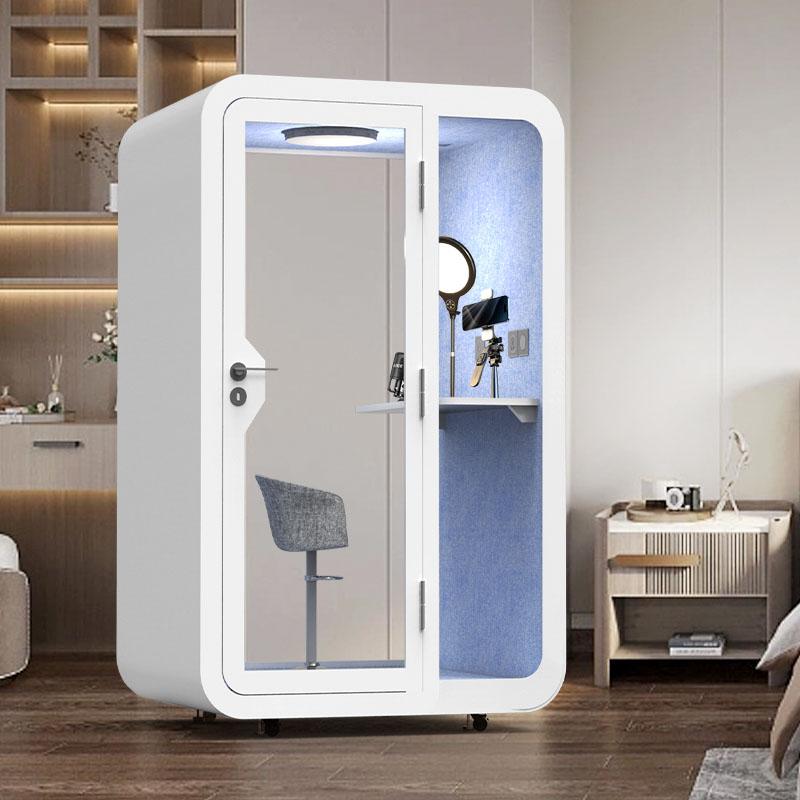
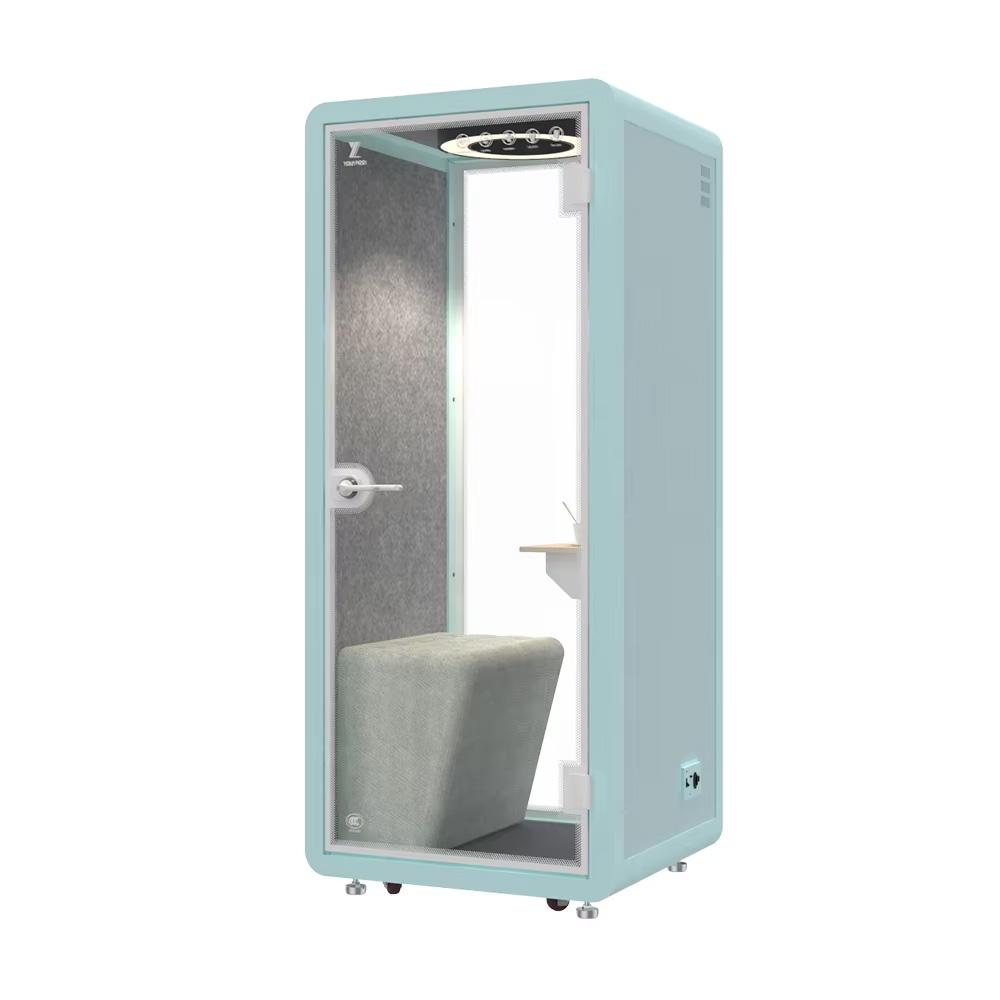
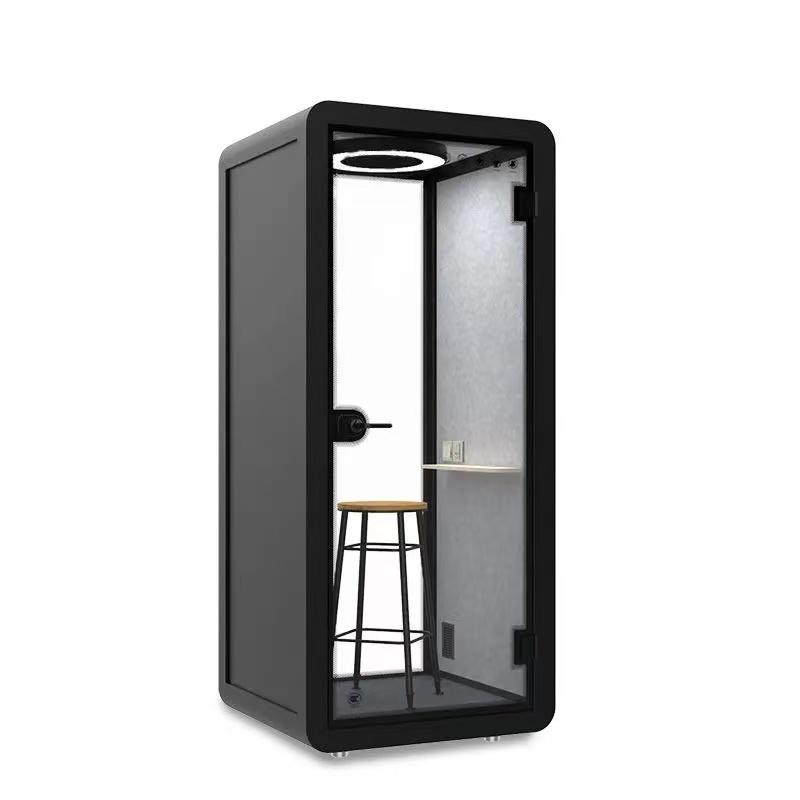
Use this reading sequence to discuss SOP office pods considered for study use; the linked category is office pods, not evidence of study certification or compatibility with a reading aid.
Review the observations with the reader before turning them into a purchasing requirement. Ask which interruption mattered, which part of the process should remain unchanged, and whether they want another arrangement considered. Avoid grouping every hesitation into a need for more equipment. The reason for revision might be a document position, an unclear support role, or a reading method the observer misunderstood.
Write a bounded brief naming the reader-selected task, equipment identity, intended setup, agreed assistance, place-keeping method, annotation handoff, and restart expectations. Mark untested steps and unresolved provider questions. This is a proposal for a particular sequence, not evidence of universal accessibility, medical benefit, or suitability for every kind of study.
Must the review use a particular kind of magnifier?
No. Use the reader's actual or specifically proposed equipment and its applicable instructions. Do not replace that device with a generic example and assume the same controls, document handling, or restart behavior will apply.
What if the reader deliberately returns to earlier text?
Ask what they intended before recording a problem. Rereading may be part of the chosen task. The useful observation is whether the reader can follow their intended route, not whether an observer considers the route direct.
Should an observer help when the place is lost?
Follow the assistance agreement made with the reader. Ask whether help is wanted instead of immediately taking over the material or controls. Record a requested support step so the proposed arrangement does not rely on invisible assistance.
Can another person reset a personal reading aid?
Do not assume permission. Ask the reader and equipment owner who may change settings and which instructions apply. Shared space ownership does not automatically confer control over personal equipment or its preferred configuration.
Does a successful reading session certify the pod for study?
No. It informs a limited decision about the participant, task, equipment, and arrangement observed. It does not establish study certification, universal access, or compatibility with other reading aids. Keep those limits attached to any purchasing recommendation.
For individual study pods, follow the reference rather than count the devices. The useful outcome is a reader-approved account of how text is located, a place is kept, a note is linked to its source, and work is resumed with the actual equipment under its instructions.
Return that account to the reader before sending a proposal onward. Carry their chosen method and equipment ownership into the brief, alongside the transition still needing attention. Where the arrangement interrupts that method, revise the proposal or retain another setting instead of asking the reader to adapt to an unsupported promise.

 Tel: +8613538031763
 Email: info@sopworkpod.com
 MP/WhatsApp: +8613538031763
 Manufacturer Address:Liucheng Lujiang District,Meixi Road,Nanan City,Fujian,China