Author:SOP Work Pods Manufacturer TIME:2026-09-29
A screen can be easy to read from a meeting seat and equally easy to read from an unintended position outside the enclosure. That tension is a useful starting point when planning glass meeting pods in Iceland. Instead of treating transparency as an automatic benefit or defect, separate three questions: what participants need to see, what others may see, and what reflected light makes difficult to see. The answers can point toward different arrangements within the same proposed room.
This article is a planning guide, not a claim of a completed local installation. Iceland identifies the intended planning context; the discussion makes no assumptions about national daylight, climate, or regulations. Ask SOP which furniture, glazing and lighting choices are available for the proposed model. Once confirmed, these options support a conversation about layout, but they do not establish a particular privacy effect, optical property, or performance outcome for a proposed configuration.
Begin with the places from which someone could encounter the proposed pod during ordinary activity. Mark the approach, nearby work positions, and any place where people naturally pause. Do not limit the sketch to a single view directly in front of the glass. A screen that faces away from one route may still be visible along another. Label each viewpoint by its relationship to the screen rather than assuming a person would have to make a deliberate effort to look inside.
Distinguish noticing occupancy from recognizing content. Seeing people inside is not the same as identifying a chart title or reading a line of text. Use harmless sample material with recognizable shapes as well as text; a presentation can reveal its subject without every word being readable. Draw the relevant lines of sight, marking undecided screen or furniture positions as unresolved. A plan identifies questions rather than proving concealment. An observer can later describe what they notice without photographing participants or displaying actual sensitive work.
After mapping outside views, establish the intended reading positions inside. Decide whether one person presents while others listen, or whether everyone must inspect the same detail together. Those activities place different demands on the screen arrangement. A presenter may follow a familiar slide while a colleague needs to read a small annotation. A screen location should therefore be considered from every intended seat, not only from the position nearest the device or the person leading the discussion.
Explore screen orientation before assuming that more screening material is the answer. Turning a display away from an outside route may alter its relationship to the readers, so note both effects. An orientation that conceals the content but requires one participant to keep twisting is not a resolved planning choice. Equally, do not infer that a screen can rotate or move within any proposed furniture arrangement; distinguish a layout concept from a feature confirmed for that configuration.
Keep the information itself in the discussion. A shared overview might remain understandable without displaying a detailed working file, while another session genuinely needs close reading. Consider what must appear on the screen for the particular task, without suggesting that smaller text or a dimmer display constitutes privacy protection. The intention is to establish a workable view for participants while reducing unnecessary exposure, then identify which outside sightlines remain a concern.
Glare and visibility are related but separate problems. A bright reflection may make a screen difficult for its intended reader even when nobody outside can see the content. Conversely, a clear view through glazing can expose content without any noticeable reflection. Keep separate notes for difficulty reading, a visible reflected image, and an outside view of the screen. Combining them under a vague complaint about glass can lead to changes that address the wrong issue.
When a representative arrangement is available for observation, ask the reader to describe what obstructs the task: a bright patch over the text, a reflected fixture, or a competing image in the glazing. Note the seat, screen orientation, displayed sample, and lighting state.
A photograph may illustrate the situation but should not be treated as a complete record of the reader's experience. Camera exposure and viewing position can differ from what someone notices while trying to follow a passage. Keep the reader's description beside the image, particularly when the camera makes the screen look clearer than the reader reports.
Change one available element at a time and describe the difference without claiming a measured improvement. A proposed screen angle or lighting choice might be worth comparing, but neither should be presented as a universal remedy. Simply increasing display brightness may not answer the original sightline or reflection question. Where no representative arrangement is available, retain the concern as an open planning item instead of describing an imagined observation as a successful check.
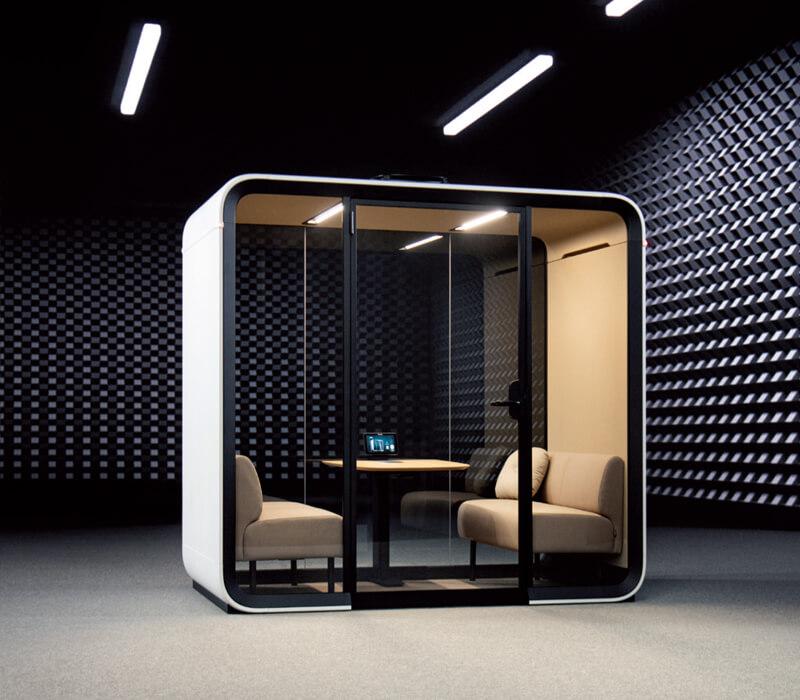
Specify the useful information that transparency is intended to communicate. Perhaps colleagues should be able to see that the enclosure is occupied, or participants prefer a visual connection with the surrounding room. These are planning preferences, not guaranteed outcomes of glass. Name the preference precisely enough that it can be weighed against unwanted content visibility. Otherwise, a broad request for openness may conceal different expectations among the people choosing and using the pod.
Then ask what should remain less visible. A clear occupancy cue may be welcome while a detailed screen is not; a view helpful to someone finding a space may distract a participant facing a busy route. Choose which activity takes priority at this position and name the view that will remain. Do not promise openness alongside an incompatible expectation of complete separation. These are visible-information choices only: visual screening establishes nothing about whether conversation can be heard, which requires separate evidence.
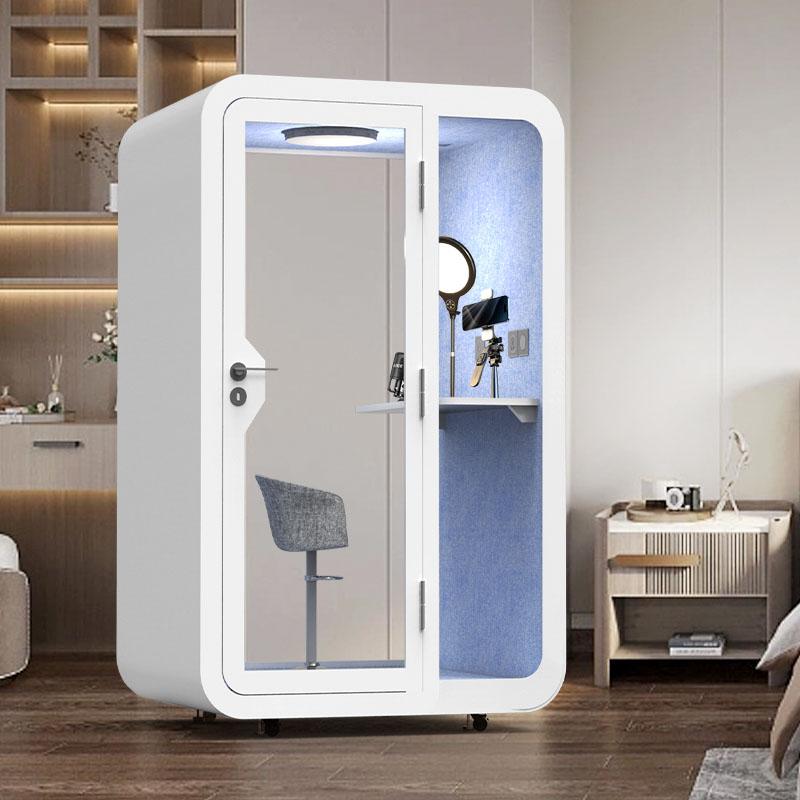
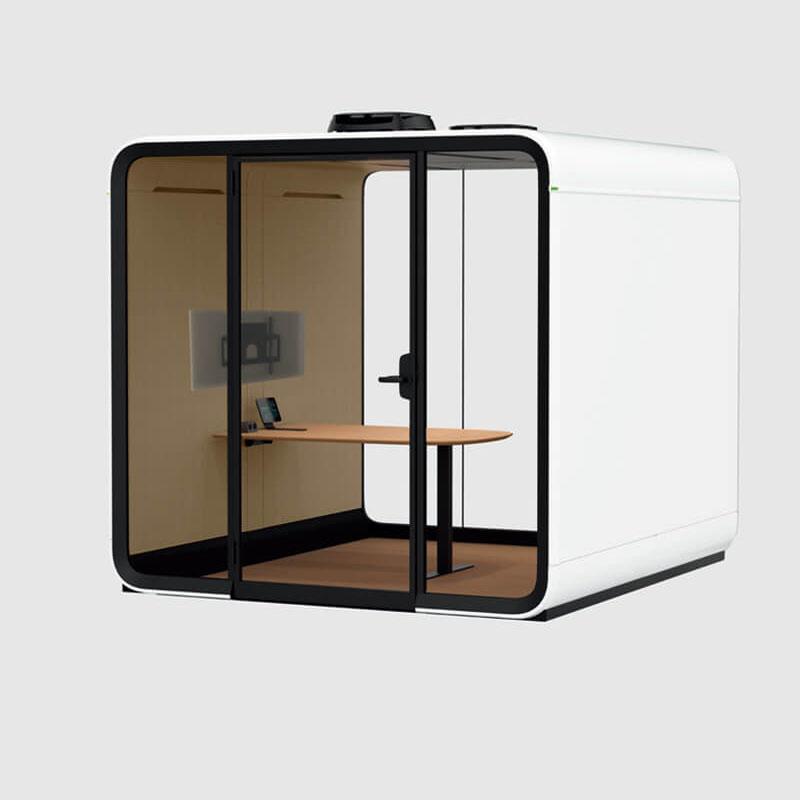
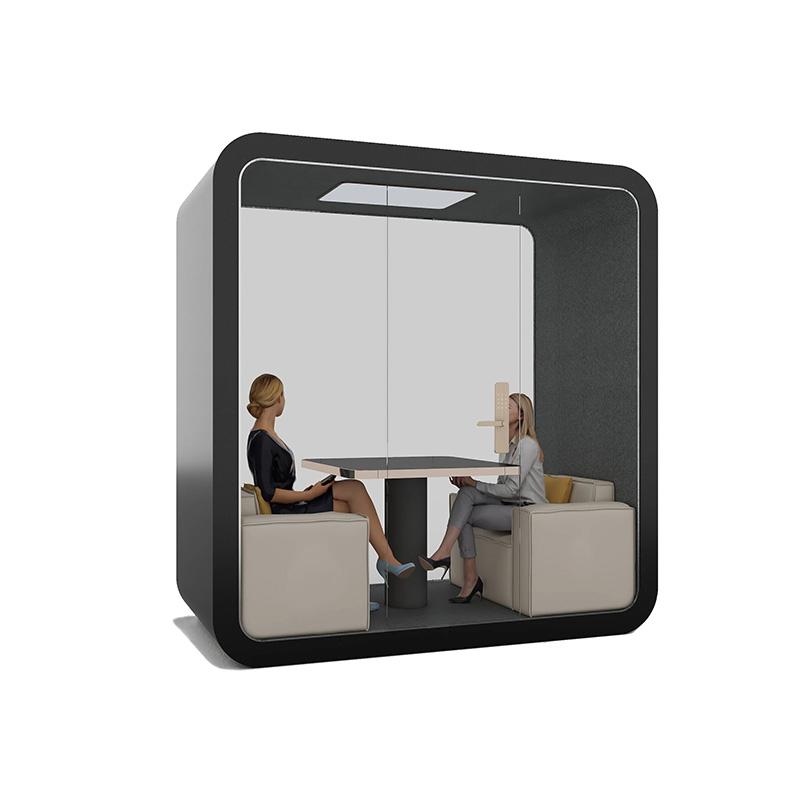
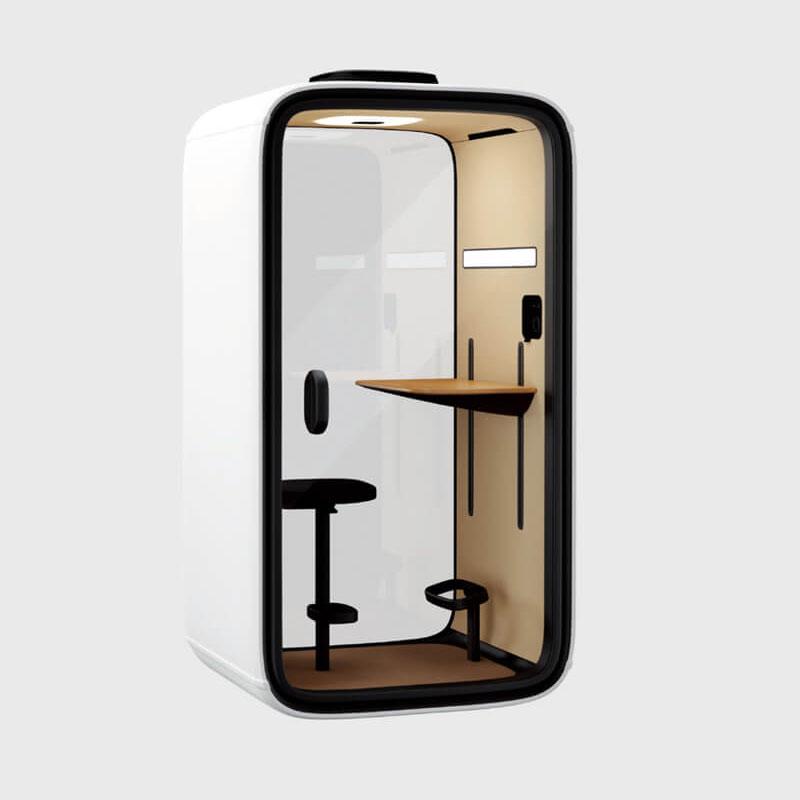
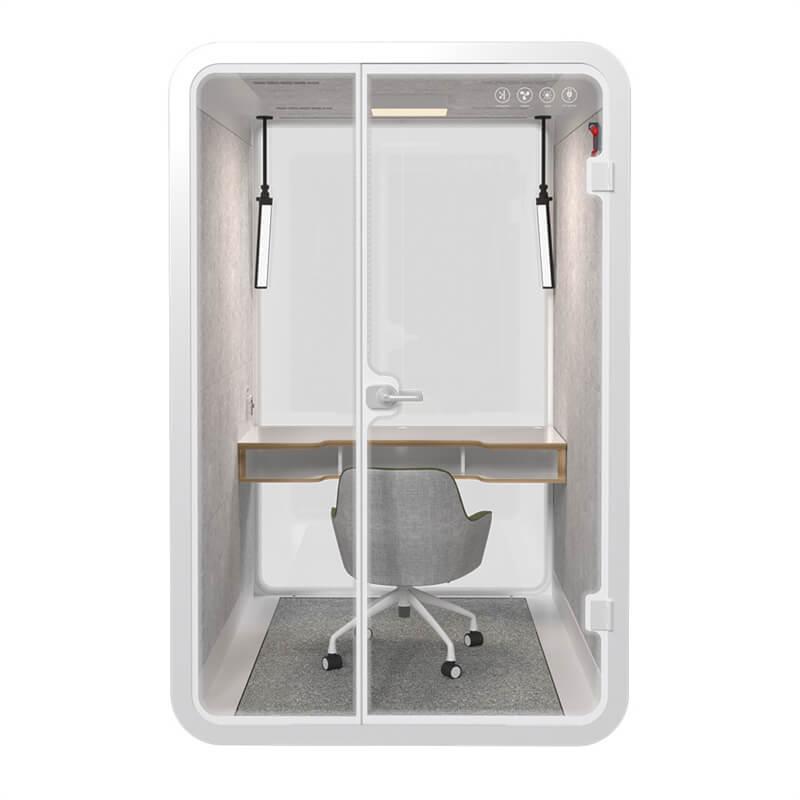
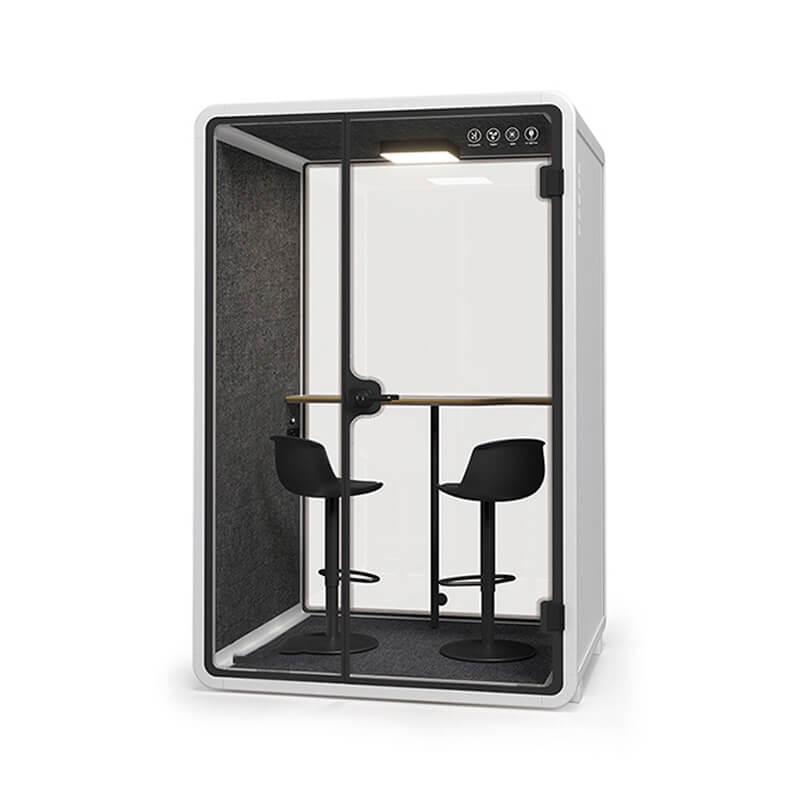
Discuss glazing as part of the whole arrangement, not as a label that settles privacy. Ask SOP which choices are actually available for the proposed pod, then consider those choices against the viewpoints already mapped. Do not assume a particular finish, treatment, or visibility effect exists because it appears in an unrelated reference. A generic product image can support a conversation about appearance but cannot establish what a reader sees through the selected glazing in another room.
If a confirmed glazing choice changes visibility, ask what it changes and what it leaves visible. Content might remain exposed from a different angle, through another part of the enclosure, or while the entrance is open. Equally, a choice that reduces an outside view may reduce the visual connection participants wanted. The comparison should make both sides explicit. Avoid calling an option private without naming the content, observer position, and conditions to which that description would refer.
The table compares planning moves by the view each attempts to preserve and the compromise it introduces. It is not a catalogue of supplied features or a ranking of product performance. Use it after the inside and outside viewpoints are understood, then replace assumptions with configuration-specific information where available. Several moves may be considered together, but their combined effect still needs examination; individually plausible changes do not automatically resolve the complete viewing situation.
| Planning move | View to preserve | Tradeoff | Unresolved check |
|---|---|---|---|
| Reorient the screen | Participant reading | Some seats may worsen | Other outside angles |
| Reconsider the pod position | Connection to the room | Different approach views | Nearby seated observers |
| Review confirmed glazing options | Useful occupancy cues | Less visual connection | Visibility that remains |
| Limit displayed detail | Shared discussion context | Less information together | Suitability for the task |
Use SOP meeting pod references for the proposed viewing arrangement to discuss the glazing and screen positions available for the proposed enclosure, before deciding where visual boundaries belong.
A viewing arrangement should not be considered only in its neatest state. Explore what changes when the screen displays a different page, the presenter changes seats, or someone approaches from a different direction. These are suggested checks, not events reported from an installation. Start with changes the intended activity is likely to involve. An elaborate scenario adds little if it distracts from the simple fact that a normal participant uses a different seat halfway through a discussion.
Keep the sample content stable when comparing these states, and note which variable changed. A larger heading may become recognizable where a dense page was not; this is a difference in displayed material, not proof that the glazing changed. Likewise, a change in reflection after a lighting adjustment describes that observed state only. Record the remaining uncertainty whenever the future screen, furniture, or available lighting choices are not yet confirmed.
Bring the observations back to the activities the room is meant to support. An arrangement may be considered for discussions using shareable diagrams while remaining unresolved for detailed material that should not be visible outside. State that boundary directly rather than applying a general privacy label to the pod. This is a planning decision about intended use, not a finding that any configuration has met a technical standard or protected information under every possible condition.
Make the evidence readable to someone who did not join the discussion. Separate proposed conditions, observed conditions, and unverified expectations. A useful record might name the screen direction, the seats considered, an outside viewpoint that still raises concern, and the task being evaluated. Avoid replacing these details with a rating such as good visibility. A rating without its subject can mean either easy reading for participants or unwanted exposure to people outside.
Before treating the layout as settled, identify what would invalidate the reasoning. Moving the pod relative to a route, changing the screen position, or choosing different furniture can alter the relevant views. The team should revisit the affected question when such a change is proposed. This keeps the decision tied to an arrangement and activity, while leaving product performance claims to evidence that actually addresses them.
Can visible occupancy coexist with less visible screen content?
That can be a planning objective, but the result depends on the arrangement. Map the screen separately from the occupants and keep any unresolved outside viewpoints explicit.
Is glare the same issue as visual privacy?
No. Glare concerns difficulty seeing the intended material; visual privacy concerns what other people can see. One can remain a problem even when the other has been addressed.
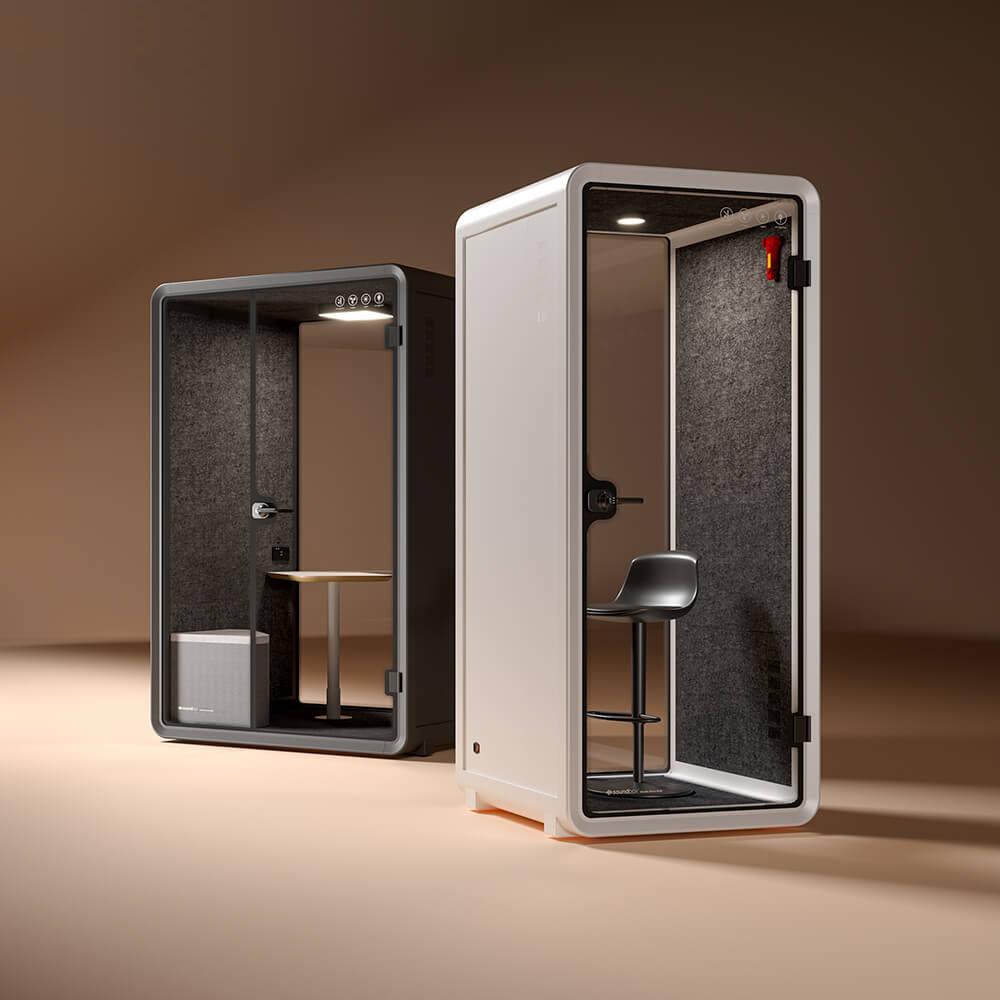
Does a product photograph establish what the glazing conceals?
No. It records one view under particular conditions. Confirm the available choice and examine its relevance to the proposed content, observer positions, and room arrangement.
What if no screen position serves both readers and the outside boundary?
Keep that activity out of the proposed arrangement until the conflict is resolved. A different room, different displayed material, or a supplier-confirmed configuration may deserve comparison. Making text harder for everyone to read is not evidence of a suitable visual boundary.
When should a viewing decision be reopened?
Revisit it when a change affects the screen, seating, pod position, surrounding routes, or displayed material. Retain earlier observations, but do not assume they describe the changed arrangement.
The central choice for glass meeting pods is not simply transparent versus concealed. It is which views serve the activity and which views create an unresolved exposure or reading problem. Starting outside, then working toward the participants and the displayed material, makes those competing needs easier to describe without promising an unsupported result.
For the Iceland brief, identify the seats and outside viewpoints that govern the choice, then name the activity still excluded by an unresolved sightline. Bring that conflict to SOP with the proposed screen direction and room layout. Retain an alternative setting for material that should not be exposed rather than calling the enclosure private on the strength of one favourable view.

 Tel: +8613538031763
 Email: info@sopworkpod.com
 MP/WhatsApp: +8613538031763
 Manufacturer Address:Liucheng Lujiang District,Meixi Road,Nanan City,Fujian,China