Author:SOP Work Pods Manufacturer TIME:2026-09-28
One reader points to a sentence while the other is still looking at the previous page. That small mismatch is a useful starting point for choosing a 2 person meeting pod in Cyprus. Two seats do not tell you how a pair will share a document, challenge a proposed edit, or pass control of the working copy. Begin with one review task, such as comparing draft layouts or checking an internal process note, and follow the document through the exchange.
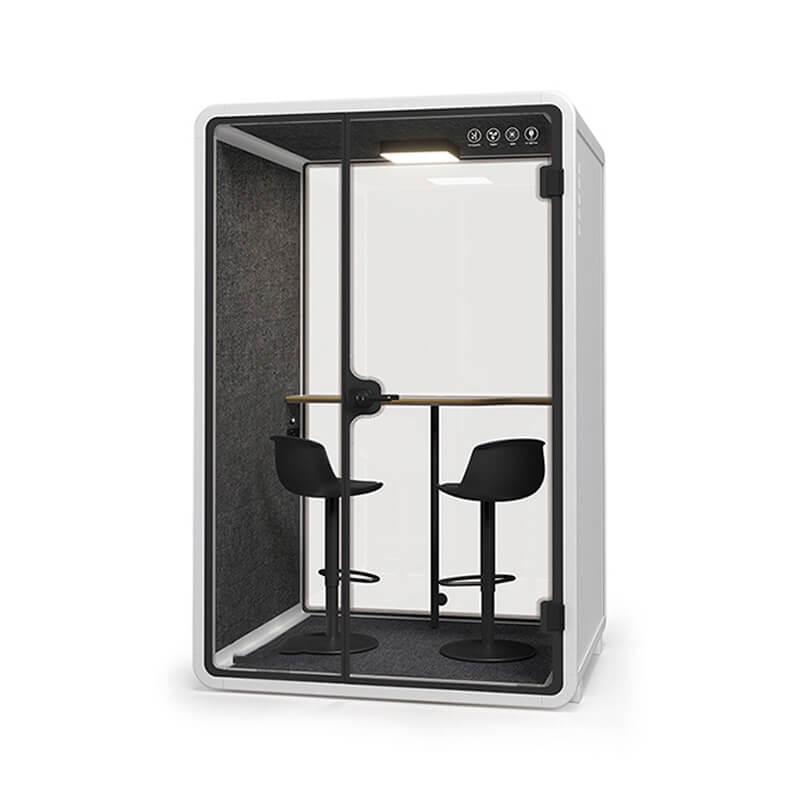
Ask SOP to identify the proposed seat and table arrangement, including which furniture is fixed and which alternatives are available. Use that information to discuss the actual document position rather than assume every two-seat configuration works alike. The useful question is how both readers will follow the passage without one person repeatedly moving the reference, surrendering control of it, or reading from an awkward angle.
This is a planning guide for Cyprus; no completed local installation is claimed.
Choose a harmless sample that resembles the material the pair actually reviews. A page of dense text raises different questions from a drawing, a spreadsheet printout, or a sequence of presentation slides. Include a passage requiring discussion and another requiring a change. Keep the sample consistent while comparing arrangements so a simpler document does not make one seating choice appear more successful than another. Avoid using real confidential material during exploratory planning.
Agree what counts as the working reference before anyone starts reading. It might be one printed copy that receives annotations, or one open file controlled by the current editor. A second copy can help a reader follow along, but it needs the same version and page references. Otherwise, a conversation about wording can quietly become a conversation about different drafts. Put a visible version label on the sample rather than relying on the filename remembered by one participant.
Now describe the intended exchange in ordinary language: one person identifies a point, the other locates it, both discuss it, and someone records the decision. Notice where the process depends on pointing, turning a page, or seeing a cursor. These are layout questions because the furniture arrangement must accommodate the chosen exchange. They are also working habits, so do not attribute every interruption to the enclosure itself.
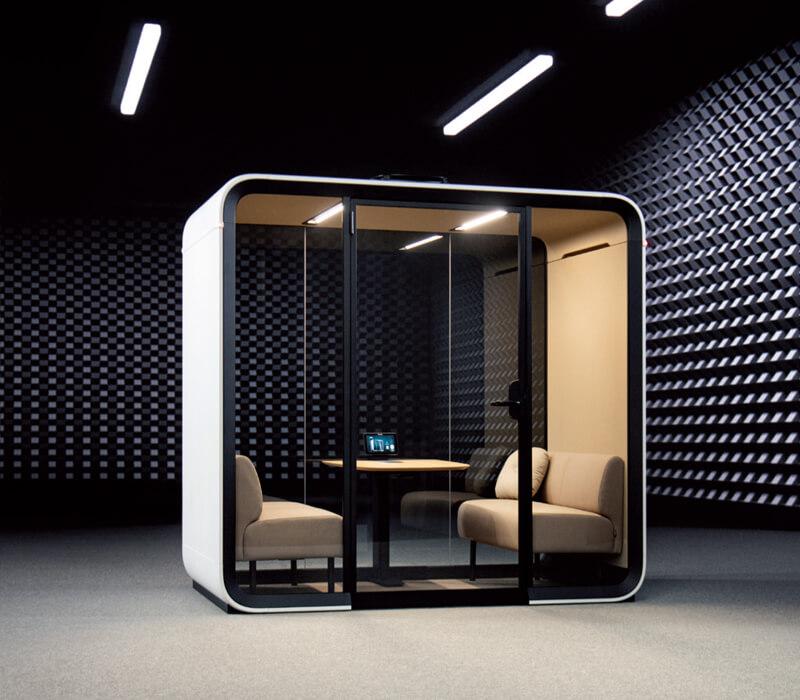
Facing each other can suit a discussion in which each reader has a copy and looks up frequently. It becomes less straightforward when both need to read one sheet in the same orientation. Instead of declaring opposite seats unsuitable, identify the specific compromise: will the paper rotate, will one reader temporarily move, or will both use matching copies? Judge the arrangement against that chosen method, not an assumption that conversation and shared reading always need identical positions.
An adjacent or angled pairing is worth exploring when the central task is following one page or screen together. Draw the two seated viewpoints and the reference between them. Ask whether the second reader can see the passage without leaning across the first person's hands. Also consider whether either reader must turn away from the other to ask a question.
A sketch can reveal a likely conflict, but it cannot establish comfort or confirm that particular furniture will fit. Ask for the proposed seat and table positions together, including which parts are fixed. A drawing of two people beside a screen is only a concept until the supplied arrangement is identified.
Change roles during the comparison. A position that seems convenient while explaining may feel different while listening and taking notes. Keep both participants involved in choosing the orientation, and distinguish a personal preference from a repeated obstruction. Do not invent a preferred distance or chair angle. The proposed furniture and the actual readers determine what needs closer examination before an arrangement is selected.

Treat the work surface as a place for a sequence of actions rather than a collection of devices. Identify the area used for the shared reference, the place where changes are entered, and somewhere for temporary notes. These roles need not become permanent marked zones. Their purpose is to stop a spare laptop, loose pages, or a notebook from displacing the item both people are trying to read at the same moment.
If the review uses paper beside a laptop, assign each a clear job. The printed page might carry the passage under discussion while the laptop holds the proposed revision. Read the revision back against the paper before moving on. If both people work on screens, establish how they will identify the same paragraph and notice an edit. Separate screens do not automatically create a shared view, particularly when scrolling or different display settings change the visible portion of the document.
Use a simple movement rehearsal to identify contention: point to a line, add a note, return to the previous page, and offer the reference to the other reader. Watch for objects that must be repeatedly lifted or pushed aside. Remove an unnecessary item before assuming a different pod is required. Conversely, do not treat a cleared tabletop as proof that the planned furniture supports every document format the pair may bring.
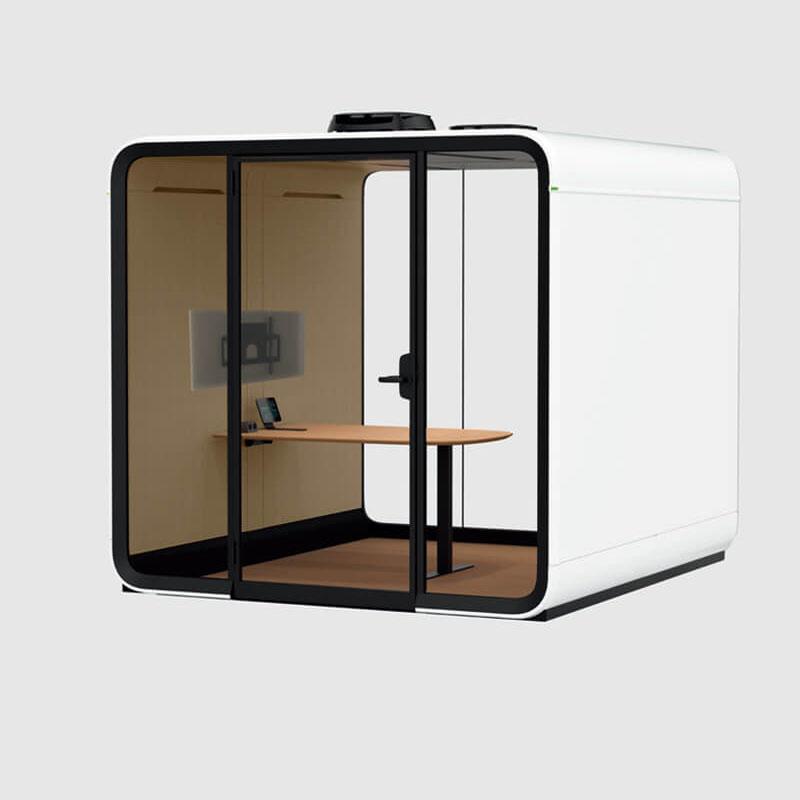
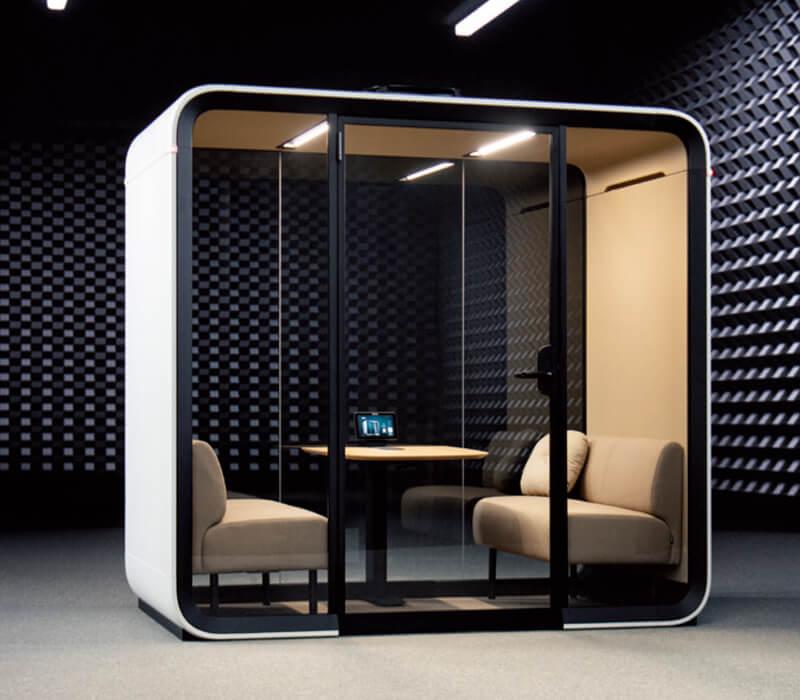
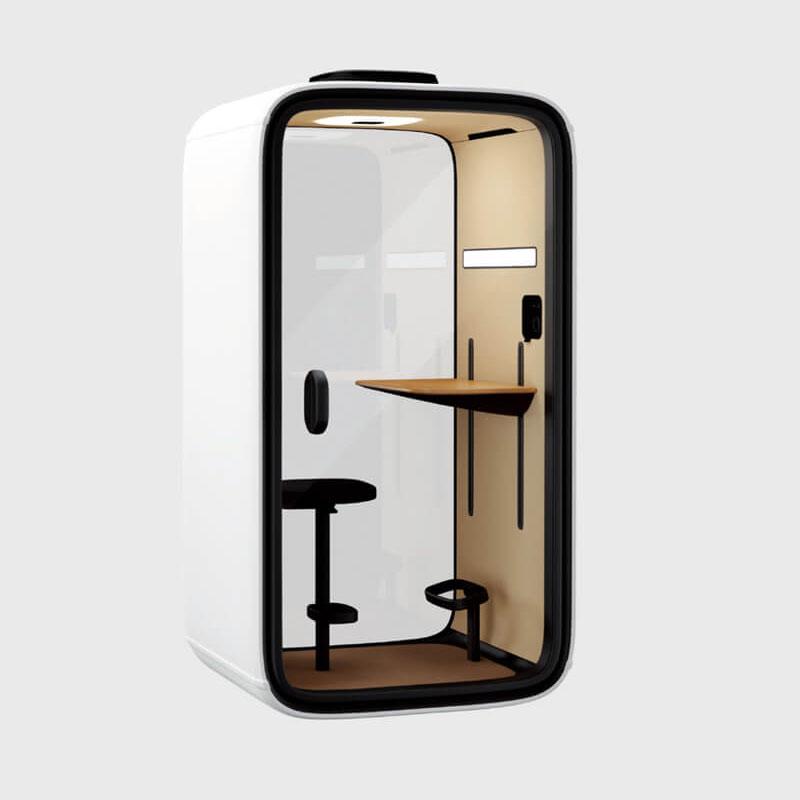
Compare the seated viewpoints against SOP meeting pod options for paired document review; ask which arrangement keeps the shared reference visible to both readers.
Turn-taking is easier to plan when the roles are explicit but temporary. One reader can guide the passage while the other challenges its meaning or checks the proposed change. Neither role should become permanent simply because one person sits nearest the keyboard. Agree a natural handover point, such as the end of a paragraph or the resolution of one comment, and make the change of role visible by passing the reference or yielding the editing control.
A disagreement does not need to freeze the entire review. Record the competing interpretations beside a precise page or section reference and identify what information is missing. Then decide together whether to continue or pause. Rehearse the sequence below to notice uncomfortable reaches or lost references, not to claim a productivity improvement. The table then assigns access to the document during each transition; neither module prescribes a measured time allowance.
| Review transition | Current reader | Partner's turn | Shared reference |
|---|---|---|---|
| Locate a concern | Identify the passage | Confirm the same passage | Version and page |
| Propose a revision | Explain the intended change | Restate before editing | Working copy |
| Exchange roles | Yield editing control | Take the next passage | Open comment |
| Leave a question open | Name the uncertainty | Confirm missing information | Unresolved note |
Plan a rehearsal around interruptions as well as fluent reading. Ask one participant to return to a previous page while the other still has a question about the current passage. Introduce a note that refers to an earlier version. Ask the quieter reader to take over the working copy. These prompts are hypothetical checks, not reported trials. Their value is in exposing dependencies that a tidy photograph or a discussion of seat count cannot show.
Pay attention to the small recovery steps. When someone loses the place, can the partner identify it without taking over the entire document? When a sheet is passed across, does it cover the notes still being discussed? When a laptop changes hands, does the next editor know which comment remains open? Keep an observation tied to the exact interruption. A broad label such as awkward tells the planner little about which part of the arrangement needs revision.
Repeat only the affected exchange after making one change, perhaps moving the reference or swapping the note-taking role. Changing seats, devices, and the sample at once makes the comparison difficult to interpret. Ask each reader separately what still interrupts their attention. Agreement is useful, but disagreement is also evidence about different working preferences. Preserve both accounts rather than presenting the more confident participant's view as a result that applies to everyone.
A planning note should say what was observed, under which arrangement, and what remains uncertain. For example, a hypothetical note might report that a reader needed to rotate the sample page before commenting. That would support reconsidering the position of the shared reference for that exchange. It would not prove that a seating style is unsuitable for all paired work, or that a different pod would remove every interruption. Keep the inference no broader than the observation.
Before choosing a direction, identify which concern is a layout issue and which is a review habit. Repeatedly losing a page reference may call for clearer version labels rather than different furniture. Having no workable place for the shared sample may justify revisiting the arrangement. A sketch, product image, or informal rehearsal cannot establish technical performance, speech privacy, or comfortable reading for everyone. Discuss configuration questions with SOP without turning an available option into a promise about its effect. The outcome sought here is a reasoned choice for paired work, not a certified result.
The end of a review should leave the document understandable to someone who was not present. Separate agreed edits from unresolved questions and record which version contains the changes. Read the remaining questions together before closing the file.
A note that merely says discuss later is difficult to resume. Name the passage, competing interpretations, and missing information instead. The next pair then has a starting point without reconstructing the conversation or treating a provisional edit as an agreed decision.
Reset the physical arrangement as deliberately as the document. Gather sample pages, remove temporary notes, and return any movable items to the agreed starting positions. Do not assume another pair will prefer the same orientation, but leave the shared reference area available rather than occupied by abandoned material. Where the proposed furniture is fixed, describe its actual starting arrangement instead of implying that every component can be moved or reconfigured by users.
Capture a short account of the preferred review method alongside the proposed layout: how the working copy is identified, where the second reader follows, and when control changes hands. Include the unresolved point most likely to affect the choice. This makes a future conversation about the pod specific to paired document work. It also gives the team a reason to revisit the arrangement when its material or review style changes.
Must both readers face the same direction?
No. Start with how they share the reference. Matching copies may support opposite seats, while one shared page may suggest an adjacent or angled arrangement. Explore the exchange before selecting an orientation.
Does one laptop make a review simpler?
Only if both readers can follow the reference and exchange control. One laptop can become a bottleneck when its owner also controls scrolling, editing, and the pace of discussion.
What should happen when the pair disagrees?
Record the exact passage and the information needed to resolve it. Decide whether to continue with another passage instead of allowing an unrecorded disagreement to disappear into later edits.
Should a second paper copy replace a shared screen?
Use a second copy when it helps both readers follow the same passage, but decide which copy receives changes. If the task depends on seeing live edits, matching printed pages alone will not show what the editor has just changed.
Can a layout rehearsal prove the pod is suitable?
It can inform a limited planning choice for the participants and task observed. It does not establish technical performance, universal comfort, or suitability for every document and working style.
Plan the 2 person meeting pod around the path a document takes between two readers. The reference should remain identifiable as attention shifts from reading to discussion, editing, and unresolved questions. Seating matters because it supports those exchanges, not because one orientation is universally best.
For the Cyprus brief, send the proposed furniture layout with a harmless sample page and one unresolved exchange: perhaps the second reader cannot follow an edit without moving. Ask which confirmed arrangement addresses that exchange. Choose on the basis of both readers' access to the working copy, and keep a different method available where the pairing still does not work.

 Tel: +8613538031763
 Email: info@sopworkpod.com
 MP/WhatsApp: +8613538031763
 Manufacturer Address:Liucheng Lujiang District,Meixi Road,Nanan City,Fujian,China