Author:SOP Work Pods Manufacturer TIME:2026-09-17
A sound proof phone booth for office use in Finland should be evaluated as a speech-privacy system placed inside a working building. The useful evidence connects a defined conversation, the complete booth, its position, the surrounding activity, and the way the space is operated. A single acoustic number or an informal demonstration cannot answer all of those questions.
This planning reference does not describe a completed Finnish customer installation. It gives a facilities team a disciplined route from need definition to handover. Local fire, electrical, accessibility, occupational, landlord, and building requirements still need confirmation by the project parties responsible for the actual Finnish site.
Begin with the conversations that create risk. HR interviews, medical discussions, legal calls, sales negotiations, and ordinary video meetings do not all carry the same privacy consequence. When the use case is written first, buyers can ask for relevant evidence and observe the installed booth without promising absolute silence or repeating a marketing claim as a site result.
Keep a short conversation map for one representative week. Record who uses private calls, when demand peaks, typical duration, whether the speaker handles personal or commercial information, and where unintended listeners may sit or pass. Do not record the content of calls. The aim is to understand the path a voice could take and the consequence if words remain intelligible outside.
Mark the proposed booth position on an occupied floor plan. Include nearby desks, waiting areas, copy points, circulation routes, quiet rooms, and hard reflective surfaces. A booth beside a silent concentration zone faces a different privacy challenge from one beside a moderately active collaboration area. This map gives acoustic documents and later observations a clear context.
Add a simple privacy consequence scale to the map. A routine internal call may need separation from nearby concentration work, while an employee-relations or health conversation may require a stricter location, access rule, and follow-up route. The scale should guide the booth brief without storing sensitive content. It also shows when a booth is only one control and when the organisation should provide a separately managed room or another process for the most sensitive discussion.
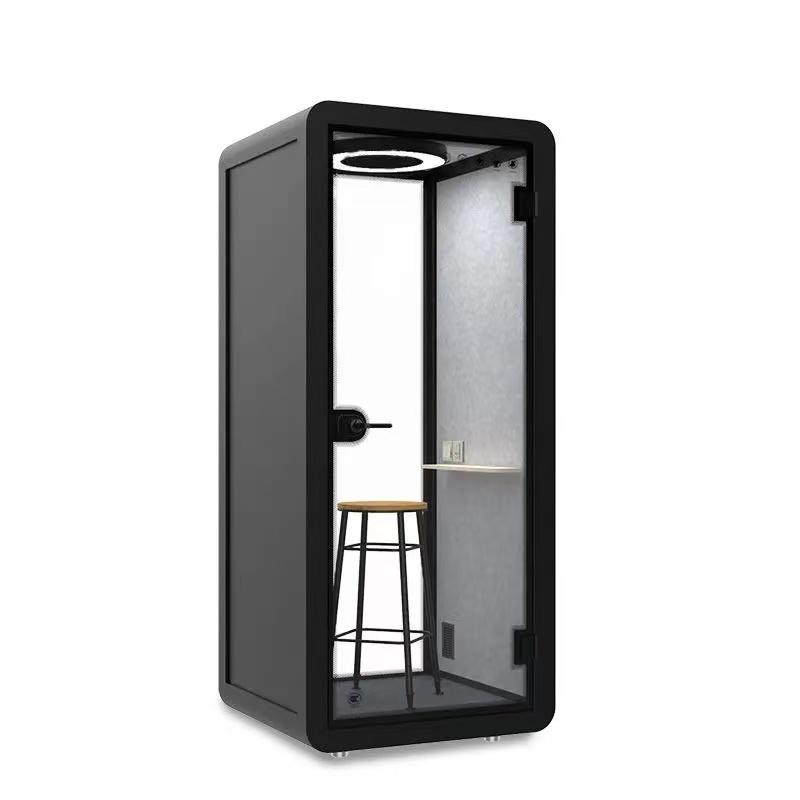
Ask which method, configuration, and report support every acoustic statement. A complete-enclosure speech-reduction method can help compare products when the same procedure is used, while a component rating may describe only glass, a panel, or a door. Record the tested model, dimensions, seals, ventilation state, furnishings, and any differences from the booth being quoted.
Laboratory information does not predict every occupied office. Background sound, room absorption, distance, speaker effort, installation quality, door closure, and service openings all affect what a listener notices. Keep the report as one evidence layer. Add a site observation plan that states the speaker position, listener positions, operating controls, surrounding conditions, and pass-or-follow-up decision.
Build a claim-to-evidence index before scoring suppliers. Copy each claimed benefit into one row, then add the document title, issuer, date, tested object, result, limitations, and offered-model match. Mark absent or family-level evidence clearly. This prevents an impressive number on one page from outweighing a better documented complete configuration. It also gives the future asset owner a concise file to consult when a seal, fan, panel, or door is serviced.
| Evidence item | Question it can answer | What it cannot prove alone | Project follow-up |
|---|---|---|---|
| Complete-booth acoustic report | How the tested enclosure performed under the stated method | Speech privacy at every office position | Match model and configuration, then define site observations |
| Component rating | Performance of the named panel, glass, door, or material | Performance of the assembled booth | Request enclosure-level evidence and inspect interfaces |
| Occupied-floor observation | What selected users and listeners notice under recorded conditions | A universal laboratory rating | Keep positions, settings, time, and outcome in the record |
| Handover photographs | Visible configuration, location, gaps, condition, and exceptions | Sound reduction, airflow, or regulatory compliance | Link photographs to written checks and responsible sign-off |
Inspect the assembled enclosure as a connected boundary. Follow the door perimeter, threshold, panel joints, glazing edges, ventilation openings, cable routes, service panels, and any site-made penetration. Look for visible gaps, incomplete seals, loose trim, interference, or a door that does not settle consistently. Record the observation and location rather than diagnosing a cause without evidence.
Repeat the walk with ventilation and lighting in the normal operating state. A test performed with systems switched off may not represent an ordinary call, and blocking an air path to improve a brief demonstration can create a comfort problem. Where the contract requires correction or a formal test, state who performs it, which configuration applies, and how the result will be attached to the handover record.
Ask the installation team to record every adjusted seal, panel joint, and door setting before acceptance. That baseline helps later service teams recognise whether an interface changed after cleaning, a move, or normal use. Keep the record factual and visual; it does not establish an acoustic result by itself.
Use the floor plan to protect both privacy and daily movement. Keep the door away from congested turns, allow the manufacturer-stated service and air clearances, and avoid directing the booth opening toward a desk where a listener remains close. Check sightlines too: a private call feels exposed when users face a queue or when a screen is visible through glazing.
Observe the location during the busiest realistic period. Note nearby speech, mechanical sound, cleaning activity, and the behaviour of people approaching the booth. A calm after-hours inspection cannot reveal every operational conflict. If the location performs poorly, compare a position change, surrounding room treatment, booking rule, or different booth configuration before attributing the issue to one component.
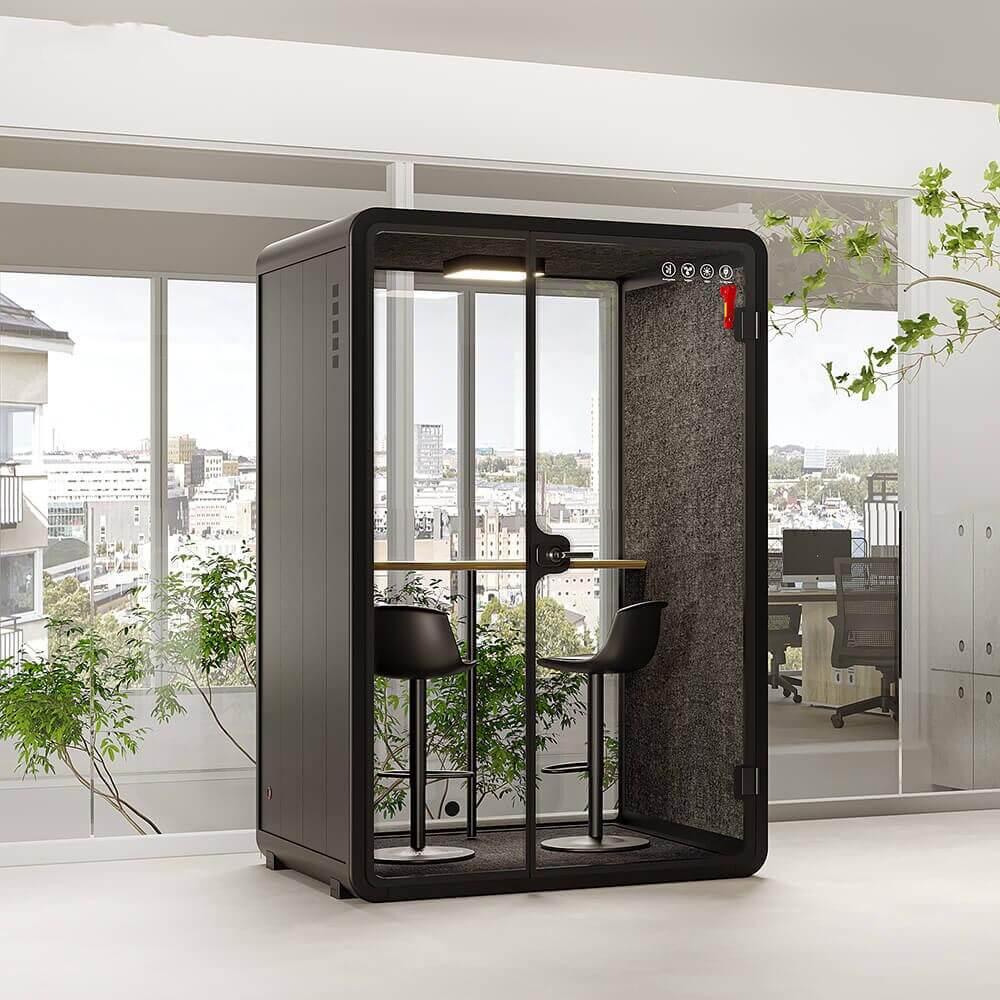
Run a representative call cycle from entry to exit. The user should settle, connect a device, use the light, keep ventilation in its normal mode, speak for the expected duration, and leave the space ready for the next person. Record perceived air movement, heat build-up, glare, screen reflections, reach to power, seat stability, and whether controls are understandable.
Comfort observations need conditions and time. Note occupancy, duration, room temperature if available, device load, and control settings. One person saying the booth feels fine is useful feedback, but it is not a universal performance result. Repeated observations across intended users can reveal whether the problem concerns configuration, duration, maintenance, or an unclear operating instruction.
Invite a small range of intended users into the observation, including people with different heights, call styles, mobility needs, and sensitivity to heat or glare where participation is appropriate. Record individual observations without turning them into diagnoses. If results differ, investigate the exact chair, worktop, control, duration, and environmental condition. A configurable feature has value only when users can reach it, understand it, and return it to a sensible state for the next occupant.
For configuration context, review the available office phone booth range, then return to the site-specific evidence and responsibility checks in this guide.
Create a Finland-specific responsibility sheet without guessing Finnish legal conclusions. List the local reviewers for electrical connection, fire strategy, escape and circulation, accessibility, floor suitability, property permission, delivery access, waste, and working hours. Beside each item, identify the document or approval needed and the date by which it affects the order.
The supplier should describe the offered product and installation method; the buyer and its appointed local parties should confirm building interfaces. Translate critical instructions where the operating team needs them. Record the supply voltage and plug arrangement actually ordered rather than assuming that a broad input range resolves the complete site connection.
The handover file should contain the approved configuration, acoustic documents supplied for that configuration, location plan, route record, installation observations, functional checks, open defects, user guidance, service contacts, and signed acceptance state. Photographs should show the booth and visible details; they should not be labelled as proof of an acoustic value or a Finnish customer result.
Set a short review after occupancy. Facilities can compare call demand, door closure, reported privacy concerns, ventilation use, faults, and booking behaviour against the original need. If an issue appears, repeat the same observation protocol. A consistent record distinguishes a placement or operating problem from a product, installation, maintenance, or capacity question.
Define an incident route for privacy concerns before launch. The user should know how to report a location, time, and observed issue without repeating confidential call content. Facilities can then inspect door closure, seals, operating settings, nearby activity, and recent service work. Escalate recurring or high-consequence concerns to the organisation's responsible privacy, workplace, or acoustic specialists. The same route avoids casual promises and creates evidence for a measured correction.
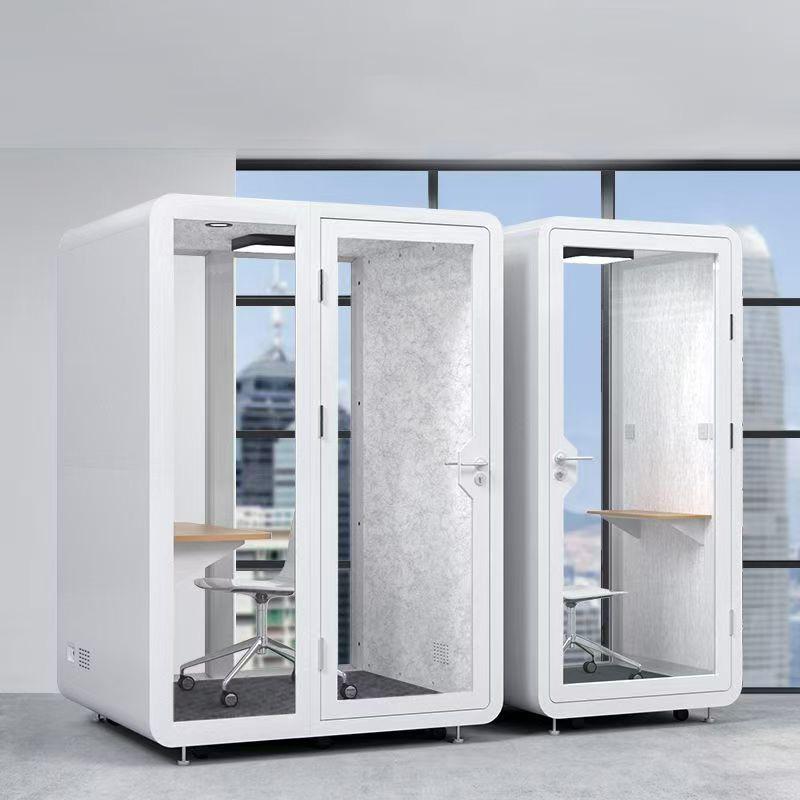
On a Finland project, the privacy record should also state the observation window, normal occupancy, nearby listener positions, ventilation setting, and the action taken when a concern is raised. That record is more useful than a generic promise because it connects the booth to a real room and a defined operating condition. Keep it with the handover file so facilities staff can repeat the review after relocation, maintenance, or a change in work patterns.
Does a phone booth make every conversation completely inaudible?
No. Privacy depends on the complete enclosure, installation, surrounding room, speaker, listener position, and operating condition. Use relevant evidence and a recorded site observation instead of an absolute promise.
Which acoustic document is most useful for comparing booths?
Ask for evidence that applies to the complete offered enclosure and states the method, model, configuration, and test conditions. Keep component ratings separate from complete-product evidence.
Should ventilation be switched off during a privacy check?
Use the normal operating condition unless a specified test method says otherwise. A demonstration with systems disabled may not represent comfort or sound during an ordinary call.
Can a generic product image prove a Finland customer project?
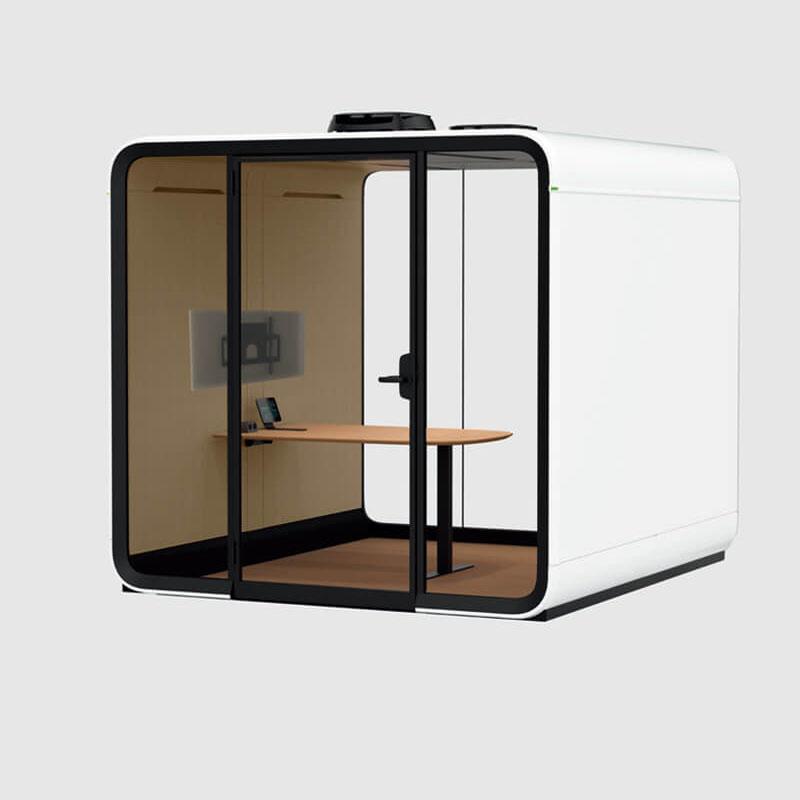
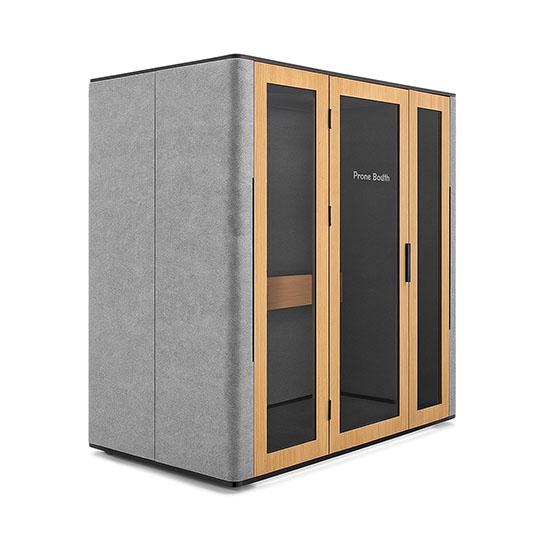
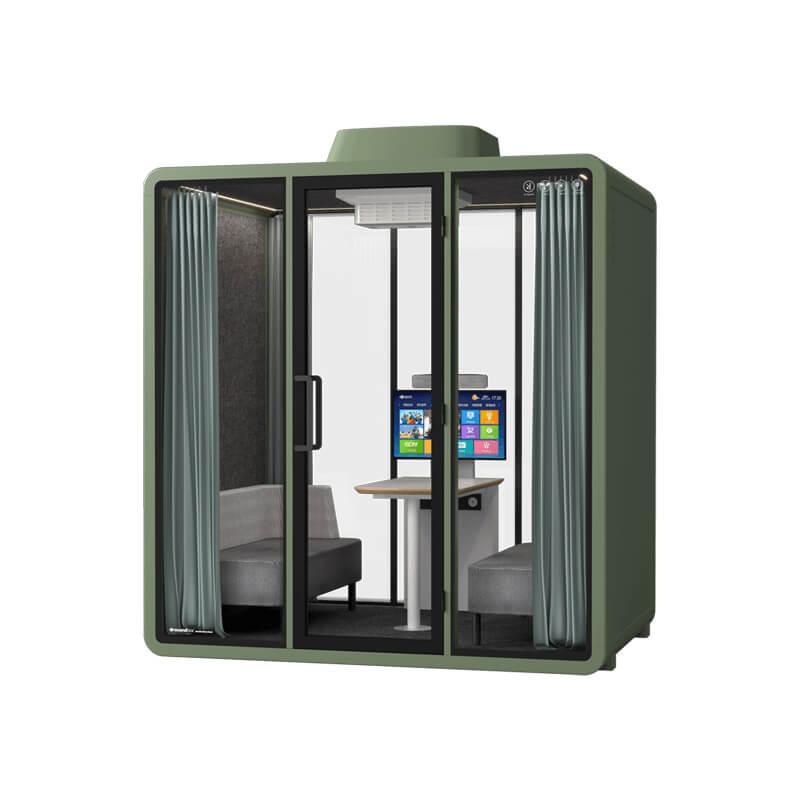
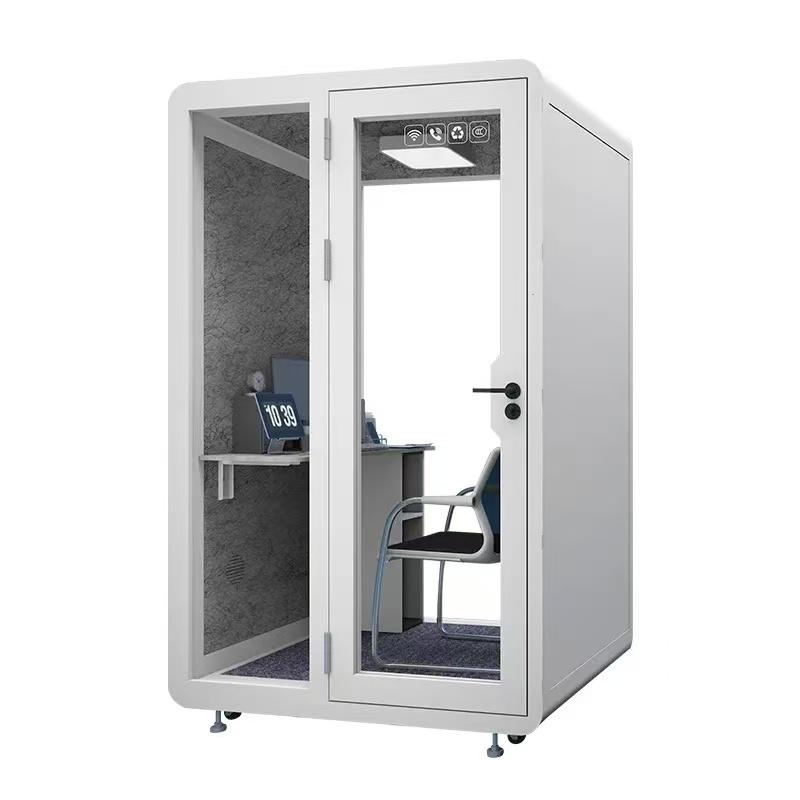
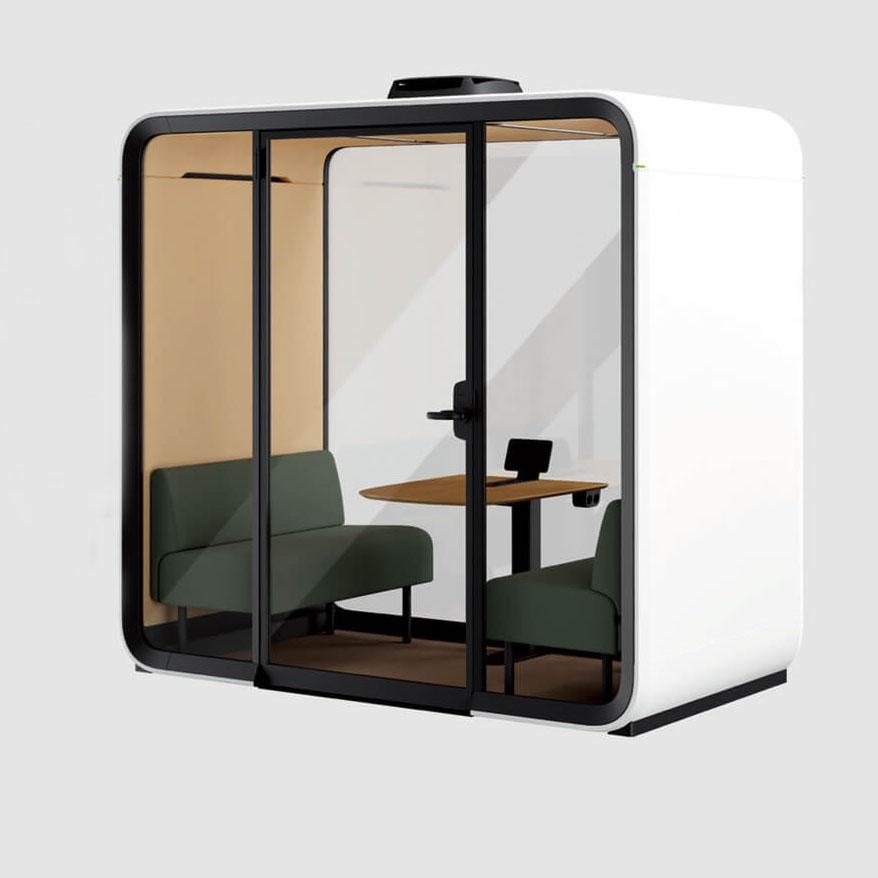
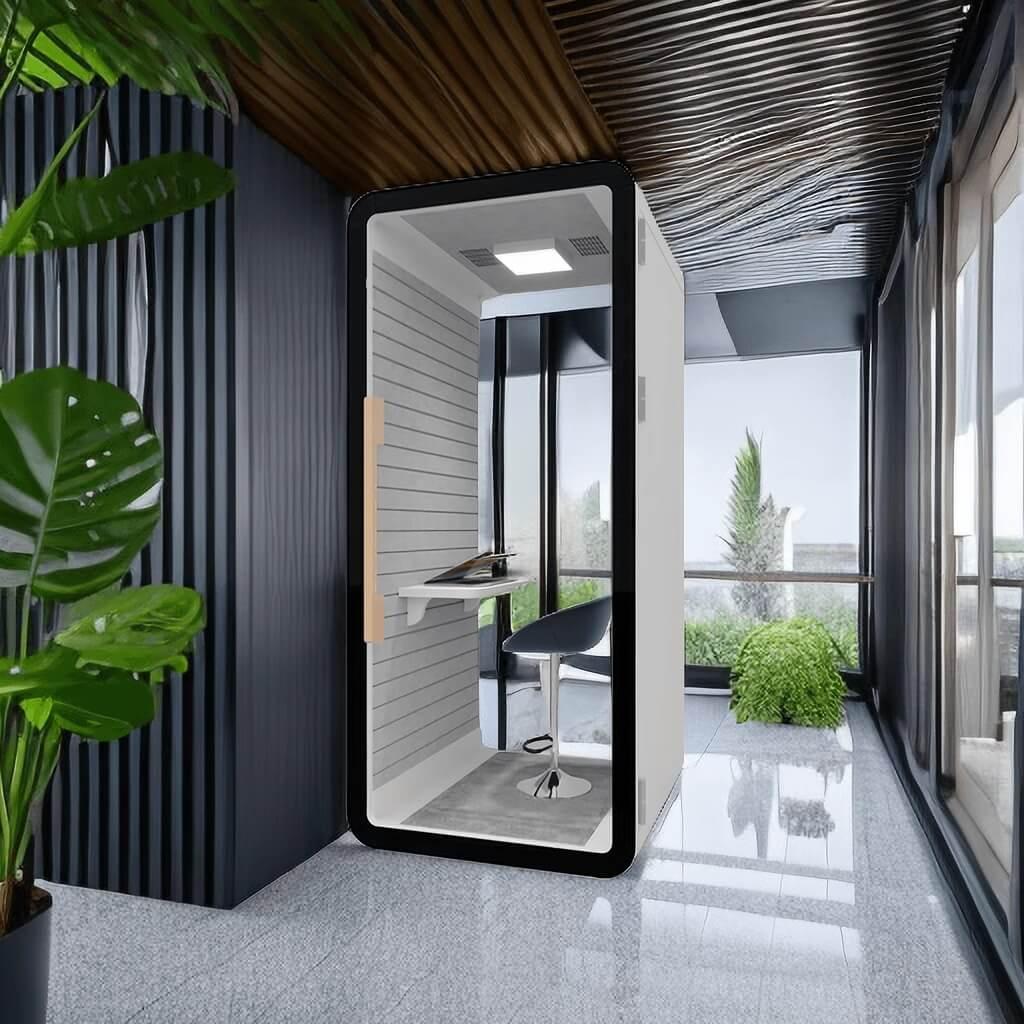
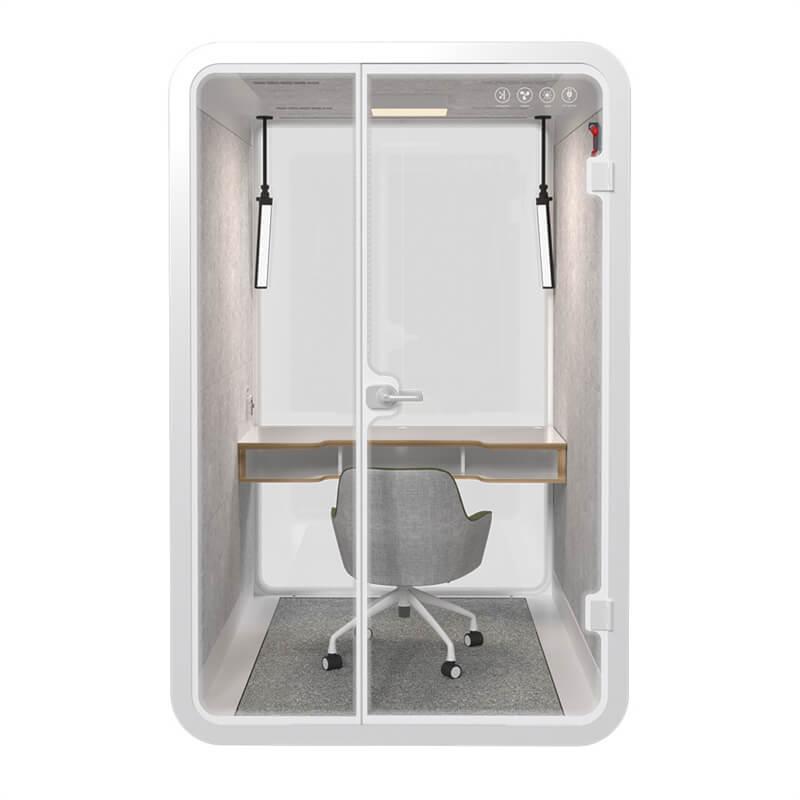
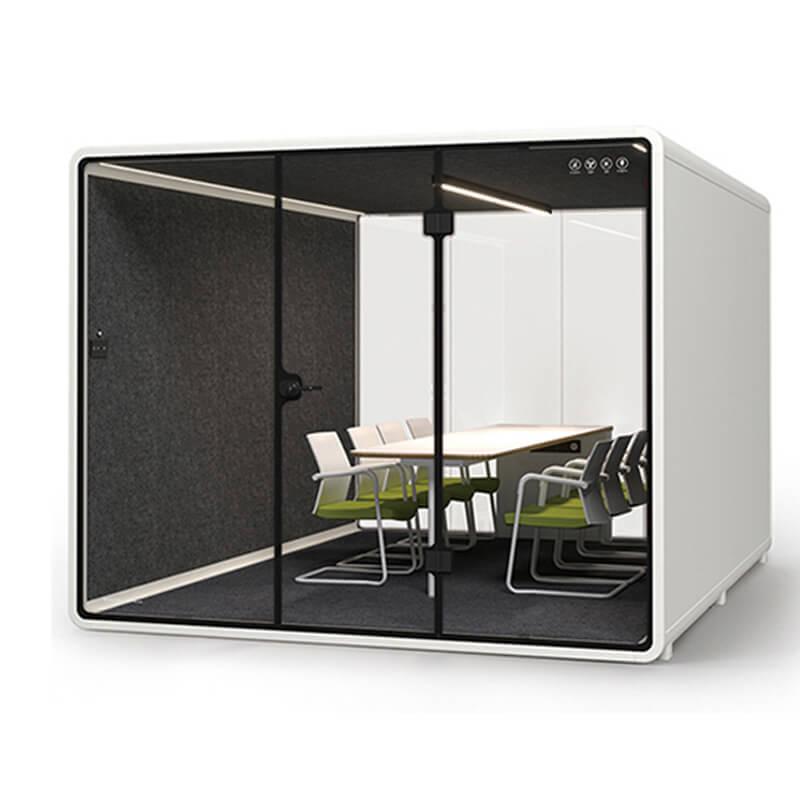
No. A product image can illustrate visible features. It cannot establish customer identity, delivery country, acoustic performance, or project outcome without matching records.
Who confirms local requirements for a Finnish site?
The buyer should assign qualified local project parties for building, fire, electrical, accessibility, property, and workplace matters. The supplier provides product and installation information for their review.
A sound proof phone booth for office use earns confidence through an evidence chain. Define the conversations, compare the right documents, inspect the complete boundary, observe the occupied location, and preserve the result with clear responsibilities.
For a Finland project, keep local review visible and avoid turning assumptions into compliance claims. The resulting record supports a practical purchase decision and gives the operating team a repeatable way to investigate privacy or comfort concerns after handover.

 Tel: +8613538031763
 Email: info@sopworkpod.com
 MP/WhatsApp: +8613538031763
 Manufacturer Address:Liucheng Lujiang District,Meixi Road,Nanan City,Fujian,China