Author:SOP Work Pods Manufacturer TIME:2026-08-28
Two office phone booth quotations can display a similar unit price while transferring very different work to the buyer. One may include packing, furniture, internal wiring, assembly, and defect support; another may stop at a factory package that still needs freight, unloading, site labor, electrical connection, and local coordination.
Affordability therefore has to be reconstructed. The buyer first fixes the intended work and mandatory configuration, then moves every offer to the same delivery, installation, and acceptance boundary. Exclusions remain visible instead of disappearing into a low headline total.
The resulting comparison does not force suppliers into identical commercial terms. It gives procurement a defensible explanation for each price difference and shows which uncertainties still need an owner before deposit, production, dispatch, or handover.
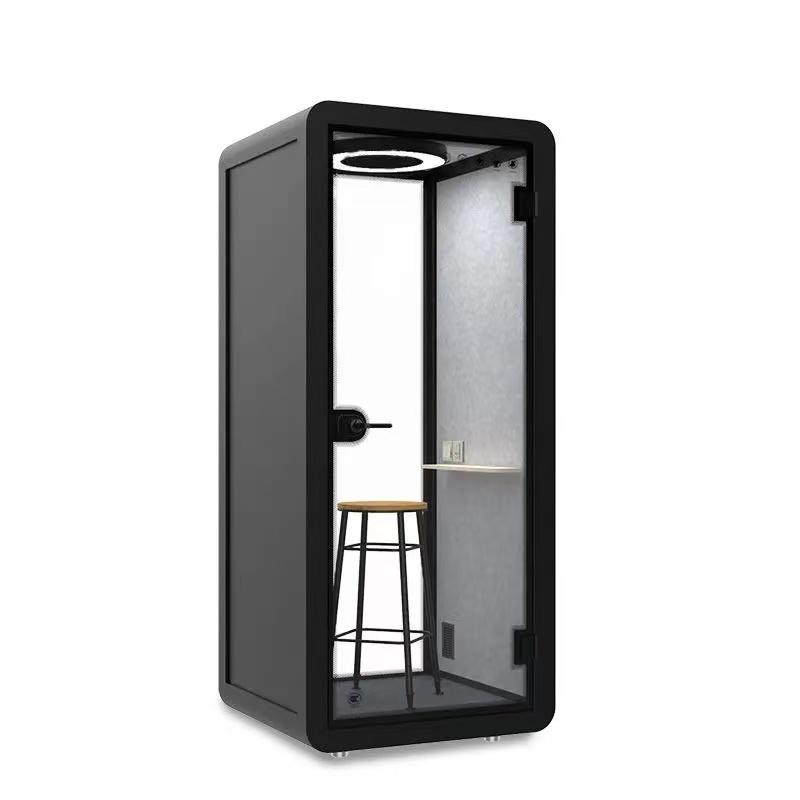
Start with a short use brief rather than a list of attractive features. State whether the booth is intended for private calls, video meetings, focused laptop work, or a mixture of those activities. Add the expected session length, normal speaking level, number of users, equipment, screen position, and the surrounding work area. A supplier can then recommend a configuration against an actual task instead of interpreting the word affordable in its own way.
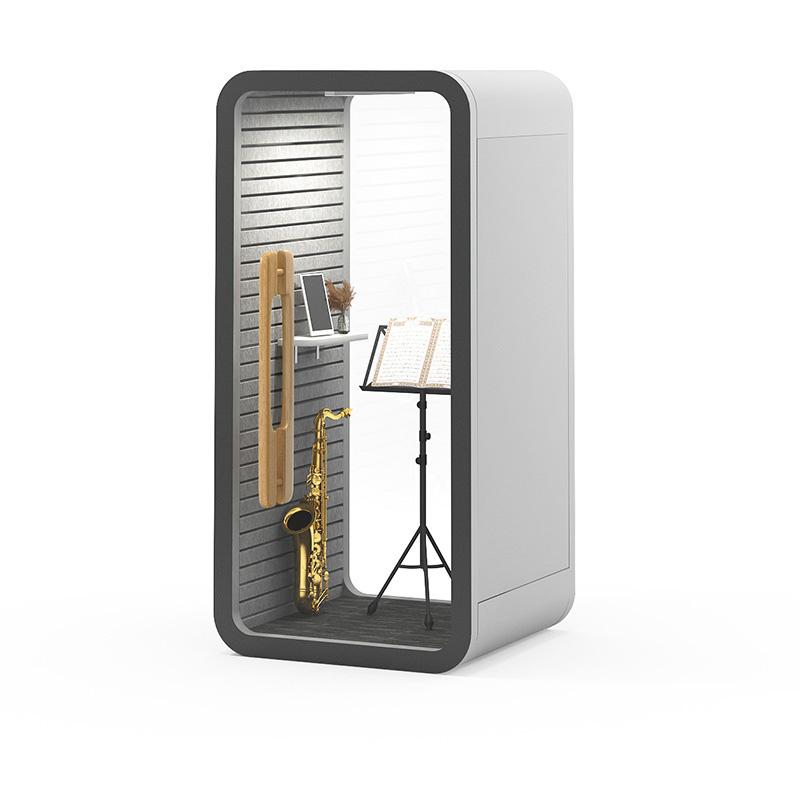
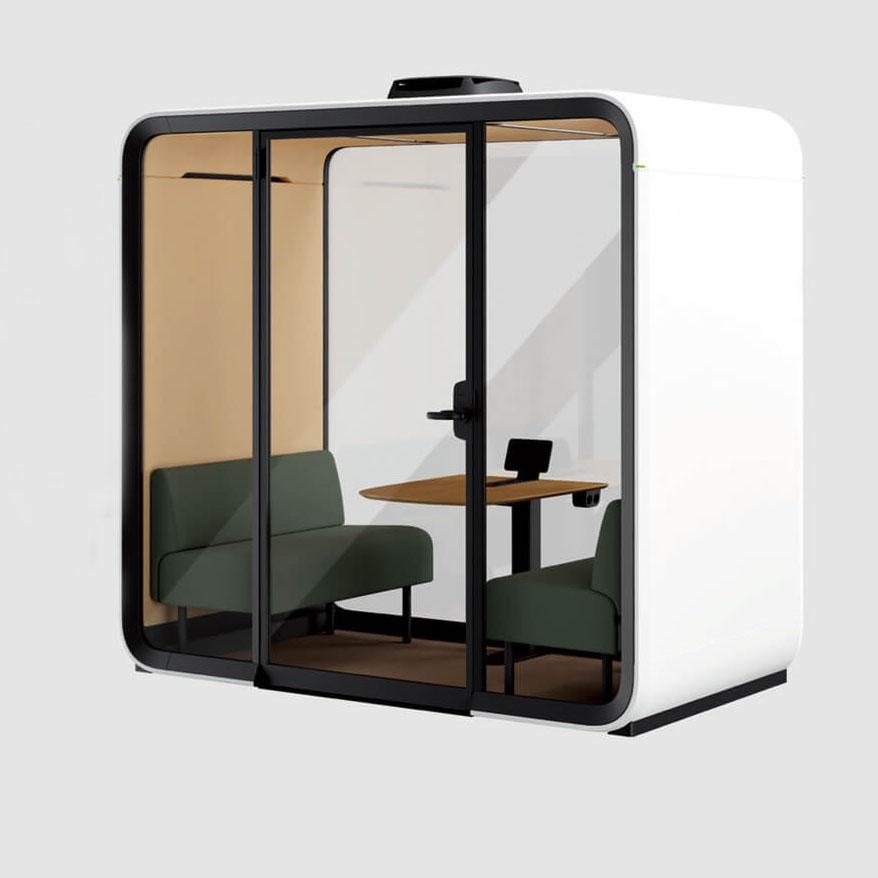
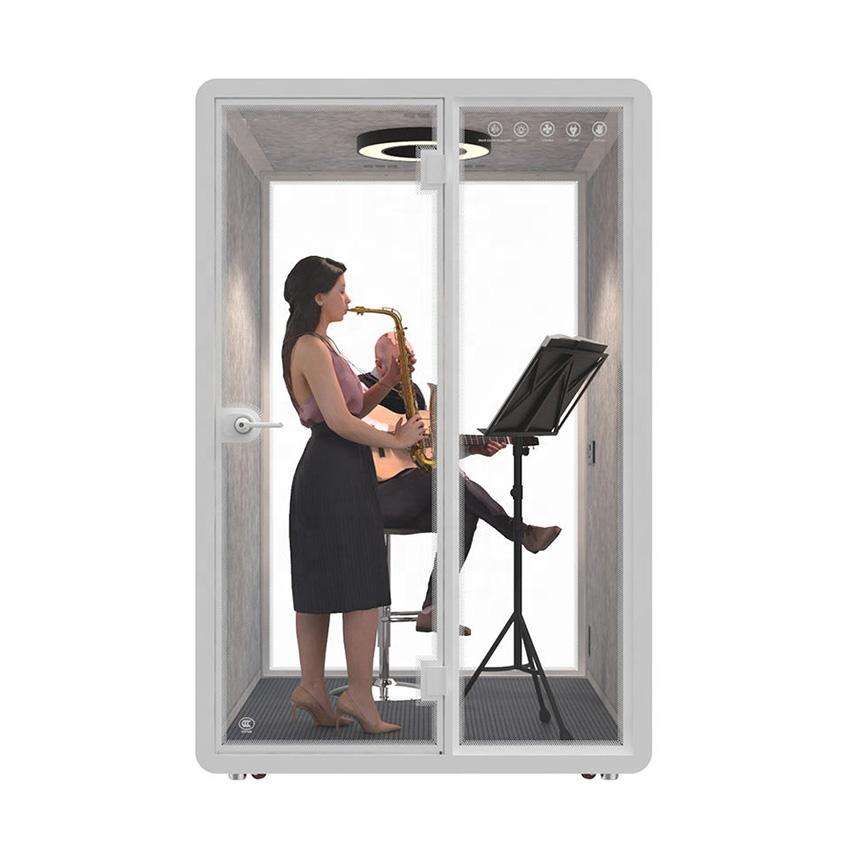
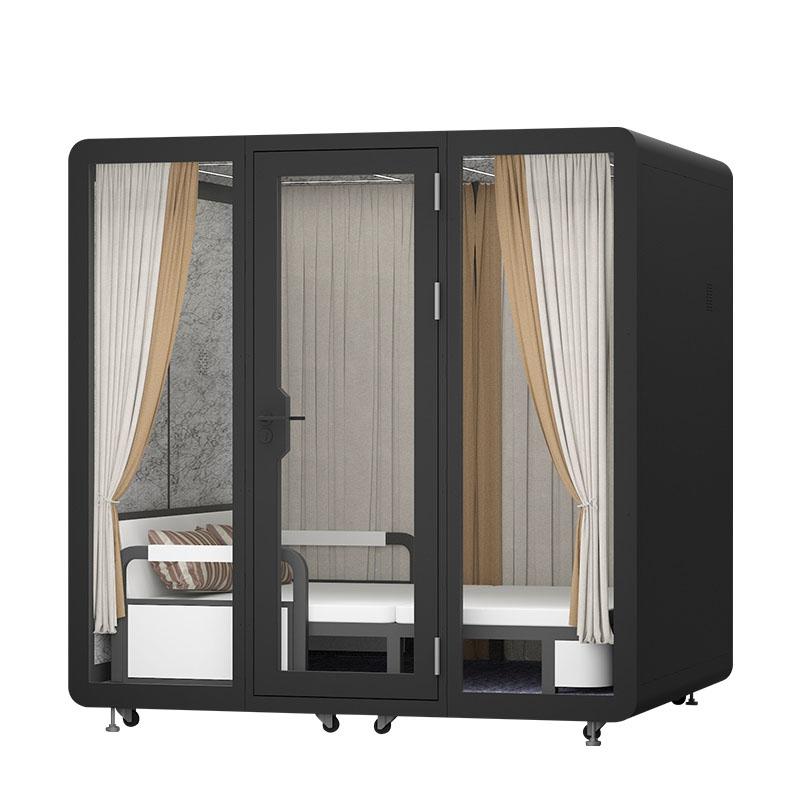
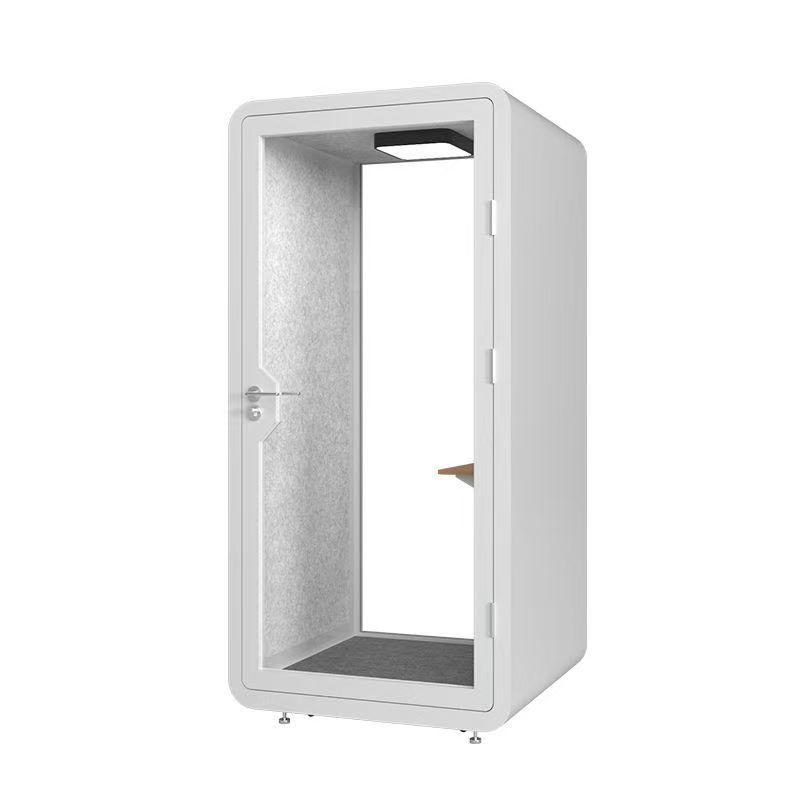
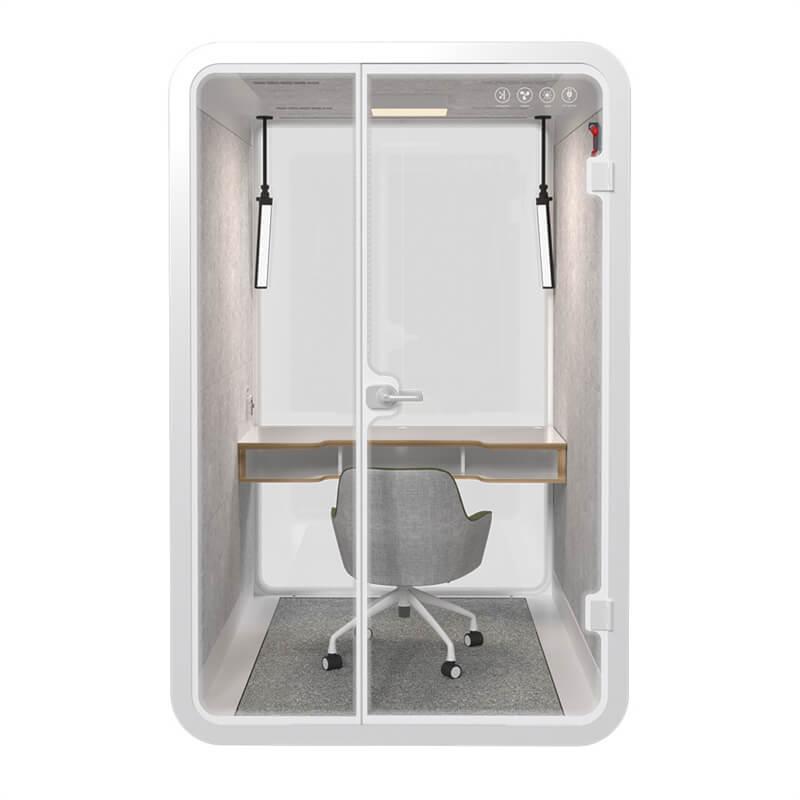
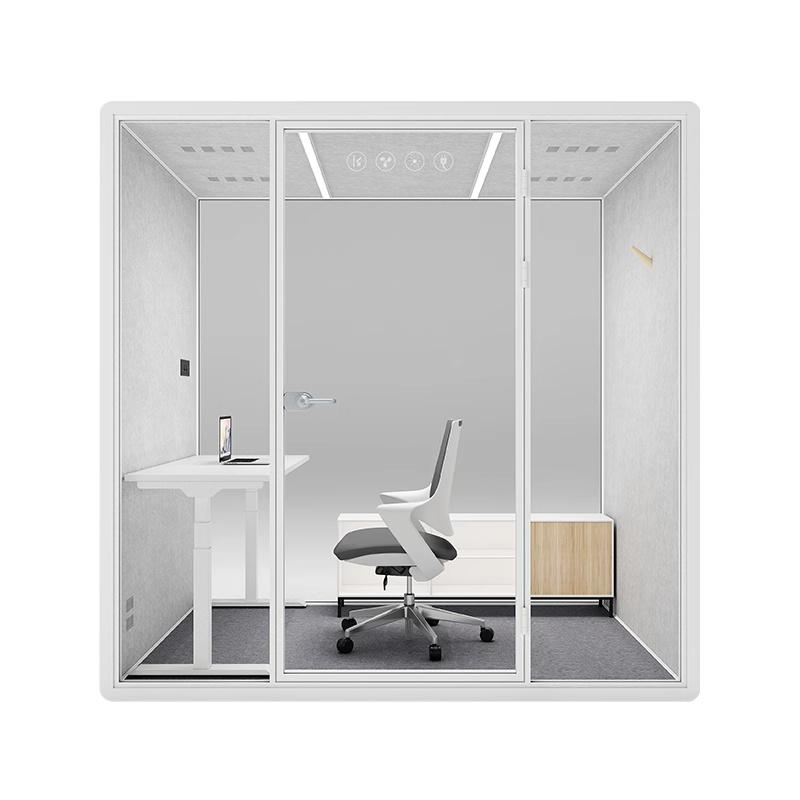
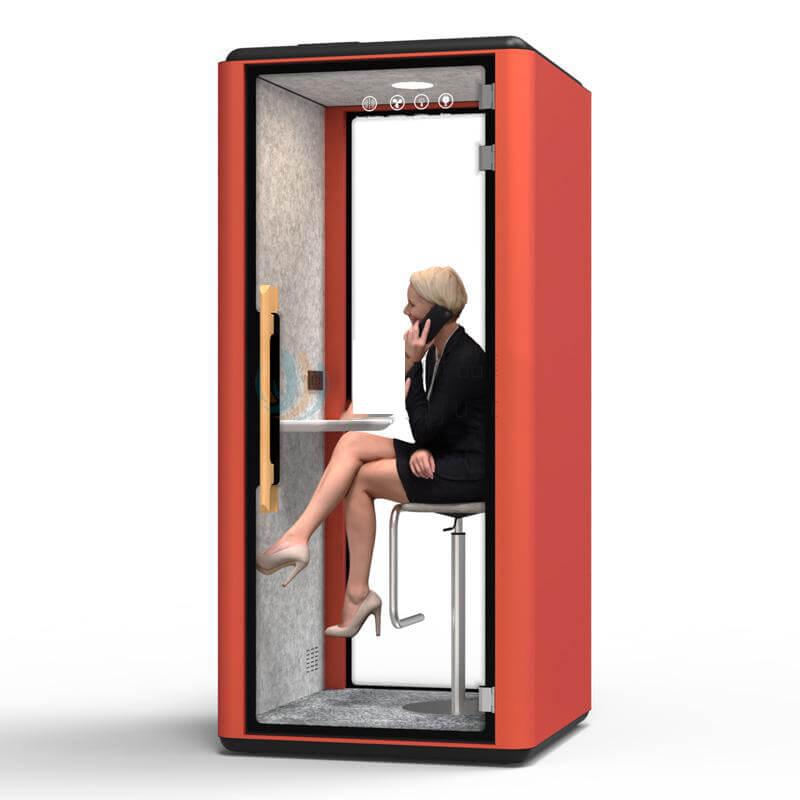
Use the office phone booth product reference range to identify a controlled configuration after the mandatory work, internal dimensions, door orientation, and site limits are fixed. Do not let a category image substitute for the drawing and option list attached to the quotation.
Fix the comparison dimensions before prices are placed side by side. Record external size, clear internal size, door orientation, glass arrangement, desk or shelf dimensions, seat provision, fan controls, lighting, outlets, plug type, finish, and any accessibility requirement. If one quotation is for a bare booth and another includes furniture and electrical fittings, their totals do not answer the same question.
Mark mandatory items separately from preferences. Speech privacy for customer calls may be mandatory, while a particular upholstery color may be negotiable. Delivery through a narrow doorway may be a release condition, while an extra shelf may remain optional. This distinction prevents a supplier from appearing cheaper by removing the very item that created the buying need.
Affordability also has a time dimension. A booth that is difficult to clean, uses inaccessible service parts, or cannot be moved without damage may create costs long after the invoice is paid. Ask how the door hardware, fan components, lighting, upholstery, control parts, and replaceable surfaces are serviced. Record the expected route for spare parts and technical support. The purpose is not to predict an exact lifetime cost; it is to expose maintenance assumptions that otherwise disappear from a unit-price comparison.
After the use brief and mandatory boundaries are agreed, buyers can review office phone booth models as a configuration reference. The product page can help the team discuss capacity, layout, and options, but the controlled quotation remains the document that defines what will actually be supplied.
A factory price is only one line in the budget. Add packing, export documents, inland transport, international freight, insurance, destination charges, customs work, unloading, internal movement, assembly, site electrical work, data connection, testing, and waste removal where they apply. Use the same currency date and quantity assumption for each supplier. Keep taxes and duties separate when the buyer must confirm them locally.
Ask every bidder to label each line as included, optional, excluded, or buyer supplied. Blank cells should be treated as unanswered, not as zero cost. The quotation should also state the delivery term, shipment method, package count, package dimensions, gross weight, installation crew assumption, and the point at which risk or responsibility changes hands.
The completed comparison should produce two totals: the confirmed installed cost and the value of unresolved exposure. The second figure may not be a precise amount. It can be a visible list of open freight, site labor, or support assumptions. That list is useful because it shows why a lower price is not yet ready for approval.
| Comparison line | Evidence to request | Reason to hold the quote |
|---|---|---|
| Offered configuration | Dimensioned drawing and option list | Drawing and price describe different versions |
| Packing and freight | Package schedule, delivery term, and destination | Route or destination charges remain undefined |
| Assembly and site work | Responsibility list and installation method | No owner for unloading, power, or final testing |
| Warranty support | Coverage, exclusions, parts route, and response process | Support depends on terms that are not in writing |
Terms such as soundproof, acoustic, quiet, and privacy booth are not interchangeable specifications. Ask what has actually been offered: panel construction, glass type, door and frame, gasket arrangement, floor connection, ceiling junctions, and ventilation path. Request evidence for the complete offered enclosure rather than a component that may behave differently after assembly.
Define the practical result in the intended office. For private calls, the question may be whether people at the nearest desk can understand words. For focused work, the concern may be distraction inside the booth. A normal-volume listening check with the fan operating and the door fully latched provides useful project evidence. It should be recorded with the listener position, surrounding activity, configuration, and limits of the observation.
Supplier videos are helpful for screening door movement, fan sound, internal reflections, lighting, and assembly quality. They are not a substitute for applicable product documentation or an occupied check at the delivered location. Keep the video link with the exact quotation revision so evidence from one model is not accidentally used to approve another.
A booth can meet its external dimensions and still be awkward to use. Place the intended laptop, screen, notebook, headset, and charger on a full-size desk template. Check seated elbow room, camera angle, lighting, outlet reach, cable movement, door clearance, and the ability to leave without moving equipment. Count usable functions rather than sockets or accessories.
Ventilation should be reviewed during the longest ordinary session, not during a brief inspection of an empty booth. Note air movement, heat from equipment, fan sound, glare, and recovery before the next user. Ask how grilles or filters are accessed and cleaned. A maintenance task that requires moving the booth or dismantling furniture belongs in the cost and responsibility comparison.
Clarify the electrical boundary. The manufacturer may supply internal wiring, lighting, fans, outlets, and an external connection point, while a local electrician supplies the final circuit, protection, connection, and testing. The accepted arrangement must follow the applicable local requirements and any landlord rules. Neither party should discover this division only after the booth arrives.
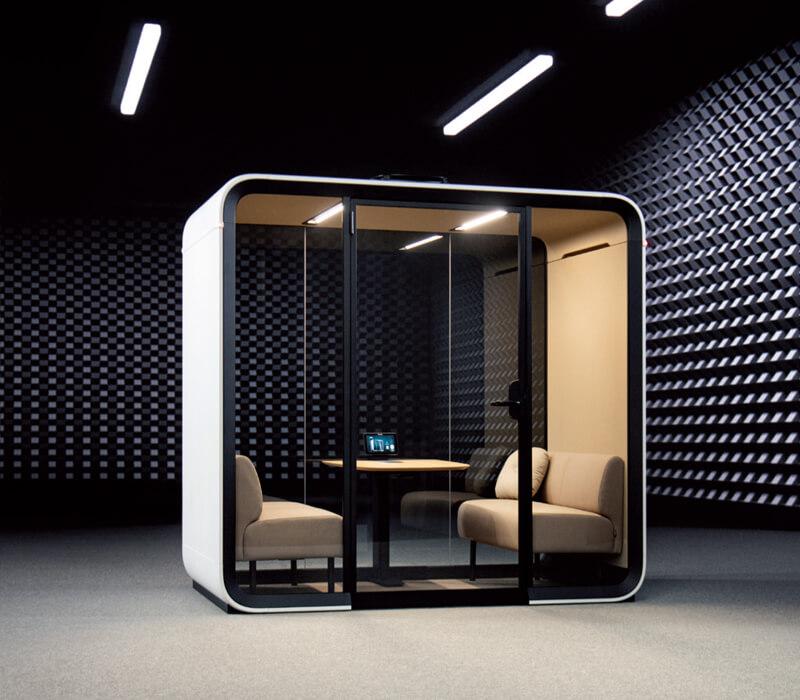
Draw the route from unloading point to final position using packed dimensions rather than assembled booth dimensions. Include vehicle access, lift size, stairs, turning space, thresholds, floor protection, temporary storage, working hours, and permission to block shared areas. A modular booth may pass through a route that will not accept a preassembled unit, but that difference affects labor and installation planning.
The order should name who unloads, moves packages indoors, assembles the booth, removes packing, levels the base, connects services, tests controls, corrects damage, and signs acceptance. If remote installation guidance is included, state what local skills, tools, and personnel are still required. If on-site labor is included, record travel, accommodation, access, and waiting assumptions.
Handover should use the approved drawing and option list. Inspect finish, glass, seals, door alignment, floor contact, furniture, lighting, outlets, fans, controls, service access, and cleaning reach. Then run the work activity for a realistic period. Record each finding as accepted, corrective action, or unresolved decision, with an owner and a closing record.
A clean comparison does not require every answer on the first quotation. It does require unanswered items to remain visible. Create hold points before deposit, drawing approval, production release, dispatch, installation sign-off, and final payment. Attach the document or observation needed to release each point. This turns a loose email exchange into a controlled procurement record.
Apply mandatory gates before scoring design details. The offered booth must fit the route and location, support the stated work, provide a clear acoustic and ventilation basis, and assign delivery and site responsibilities. Only passing offers move to installed cost, lead time, finish, maintenance, warranty, spare parts, and future relocation.
Finally, write one paragraph explaining why the selected offer costs more or less than the alternatives. Name the included scope, evidence, exclusions, and accepted limitations. A recommendation that can explain the price difference is more defensible than a colored scorecard whose underlying assumptions are hidden.
Supplier capability should be reviewed against the promised delivery model. A factory providing remote assembly guidance needs clear manuals, labeled packages, reachable support, and a workable parts process. A supplier sending installers needs a defined site method, supervision boundary, correction process, and completion record. Neither model is automatically better. The stronger offer is the one whose responsibilities match the buyer's local resources and whose evidence can be checked before the final commercial commitment.
Record quotation revisions in one comparison register and withdraw superseded versions from the active review. This small control prevents an updated freight figure from being paired with an older drawing, option list, or warranty promise when the award record is prepared.
Include the use case, quantity, internal and external dimensions, door orientation, acoustic and ventilation expectations, furniture, power, finish, destination, delivery route, installation boundary, evidence list, and acceptance method. Ask the supplier to mark each item as included, optional, excluded, or buyer supplied.
Convert each offer to the same destination and responsibility point. Record packing, inland transport, main freight, insurance, destination handling, customs work, unloading, and internal movement separately. Obtain local advice for duties or taxes instead of treating them as a supplier assumption.
Yes. A simpler configuration can be the better purchase when it meets every mandatory use, site, delivery, and acceptance condition. The risk appears when a low price depends on missing scope, weaker evidence, or responsibilities the buyer has not priced.
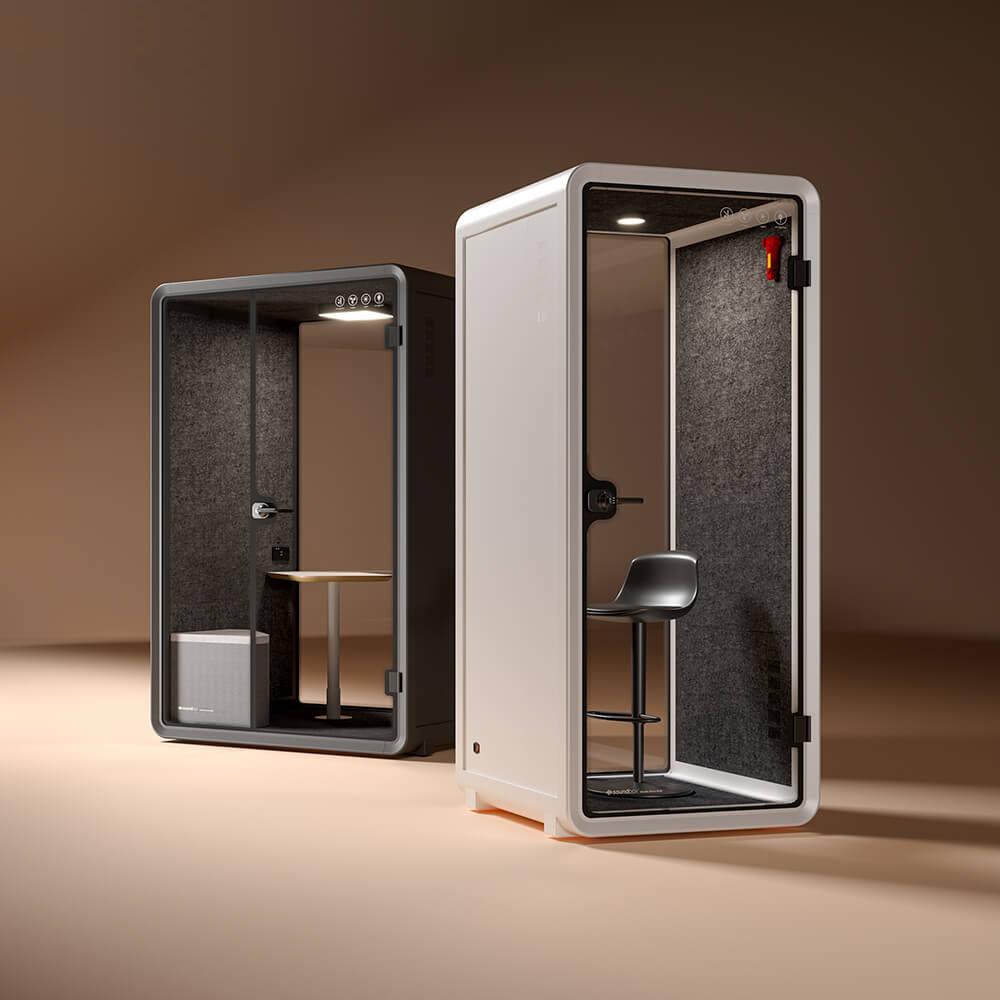
Keep the approved quotation, dimensioned drawing, option list, finish confirmation, package schedule, delivery instructions, responsibility matrix, installation photographs, correction log, warranty terms, and final acceptance record. Together they provide a reliable basis for service, relocation, or a later order.
An affordable office phone booth is the offer that reaches an accepted working condition without hidden responsibilities overturning the apparent saving. Configuration, evidence, freight, site work, services, handover, maintenance, and support must all sit inside the same commercial view.
Award the quotation only when the installed boundary can be explained in plain language and inspected later. Preserve the approved revision and exclusion register so a lower number never becomes permission to deliver a different scope.

 Tel: +8613538031763
 Email: info@sopworkpod.com
 MP/WhatsApp: +8613538031763
 Manufacturer Address:Liucheng Lujiang District,Meixi Road,Nanan City,Fujian,China