Author:SOP Work Pods Manufacturer TIME:2026-08-04
Board advisors rarely use office space in the same way as a permanent project team. They may arrive for a short briefing, review information that should not travel across the open office, join a hybrid discussion, and leave before the next booking begins. The suitable acoustic pod is therefore not simply the largest model available. It is the pod whose usable capacity, speech privacy, screen layout, access route, and operating controls match a defined governance conversation.
The relevant question is whether the installed setting supports careful listening and traceable decisions without creating a new confidentiality or accessibility problem. The related video shown above comes from the site's existing quiet-pod library and provides a visual reference for an enclosed private workspace. Buyers should still test the proposed configuration with their own meeting tools and normal speaking levels.
An advisor meeting often has a changing participant pattern. A chair and advisor may speak privately first, a finance or legal specialist may join for one agenda item, and a remote director may connect for the decision. Count these phases separately. A pod that seats two comfortably may be ideal for the private briefing but unsuitable when a third local participant must view the same material. Conversely, a six-person room can feel wasteful and harder to book for a recurring two-person review.
Information handling also changes the brief. Participants may discuss forecasts, leadership matters, transactions, disputes, or unannounced strategy. The pod does not create confidentiality on its own. Privacy depends on where it is placed, how well normal speech is reduced at nearby positions, whether the door stays closed, what appears on the display, and how papers or digital files are cleared after use. Document those conditions before comparing models.
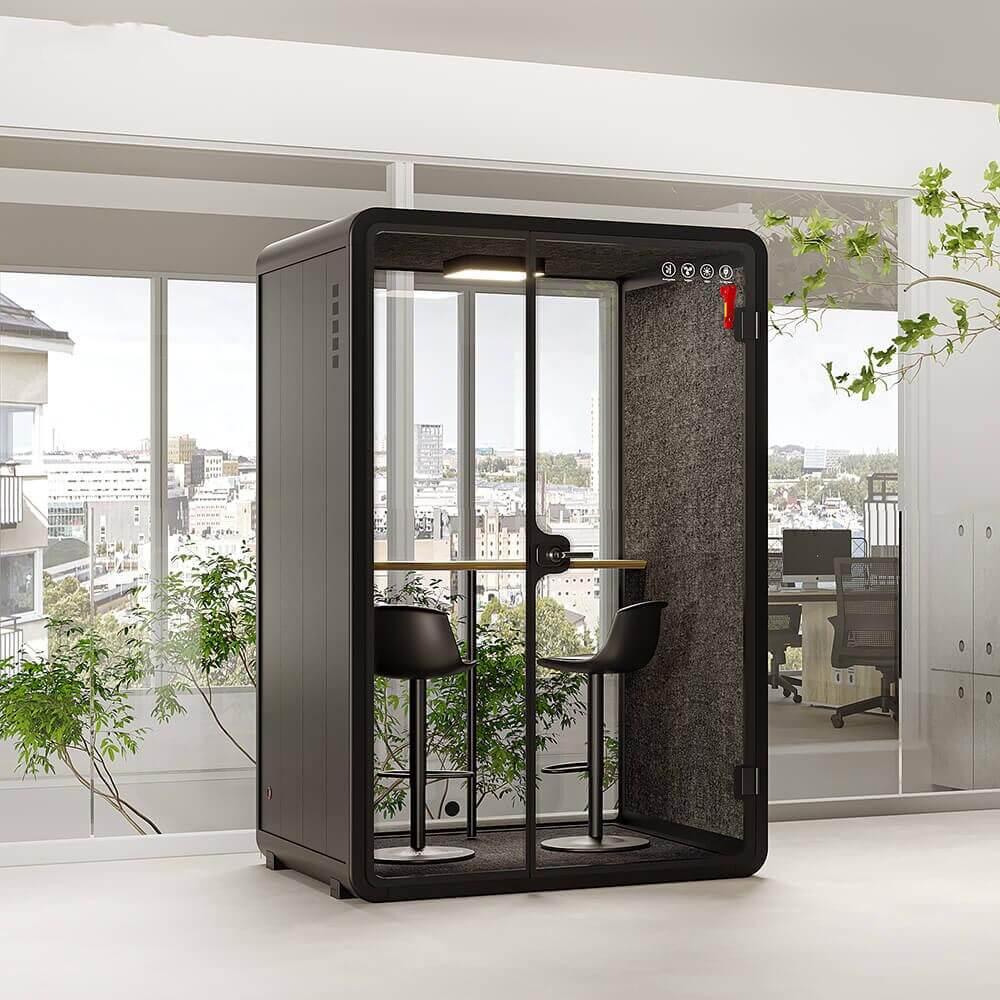
Use usable decision capacity rather than nominal seating. List the maximum number of local participants, remote participants, open laptops, reference papers, and shared displays required during the most demanding agenda item. Then sit in the proposed layout. Every participant should be able to see the shared content, hear remote speech, take notes, and leave without moving equipment or asking another person to stand.
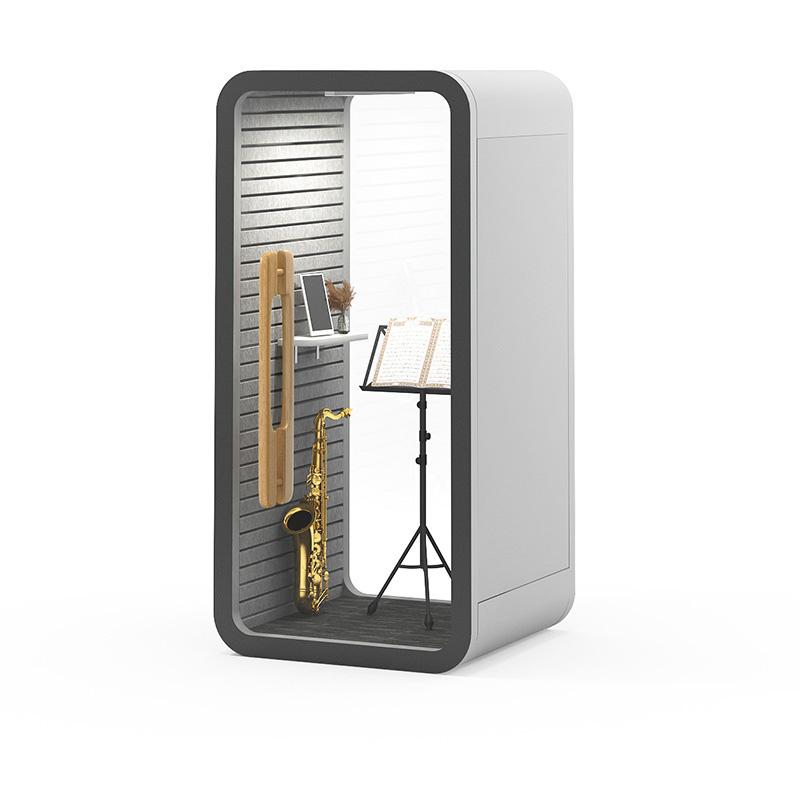
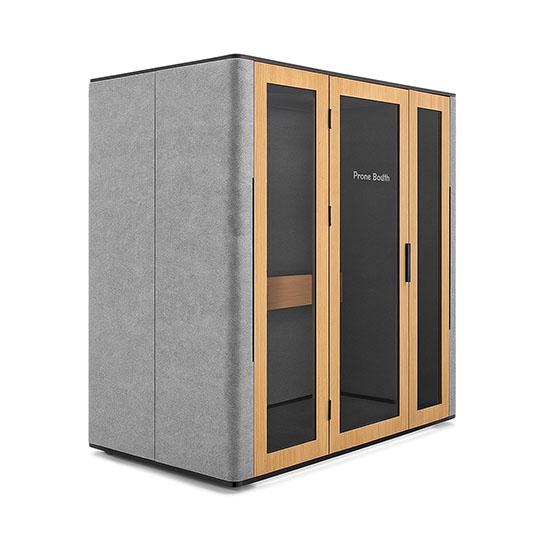
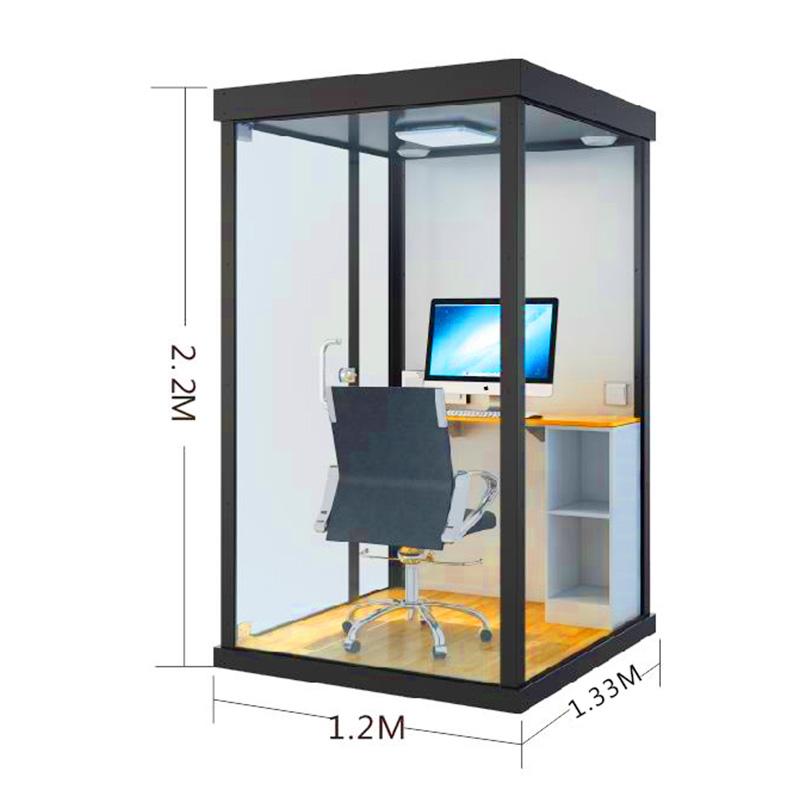
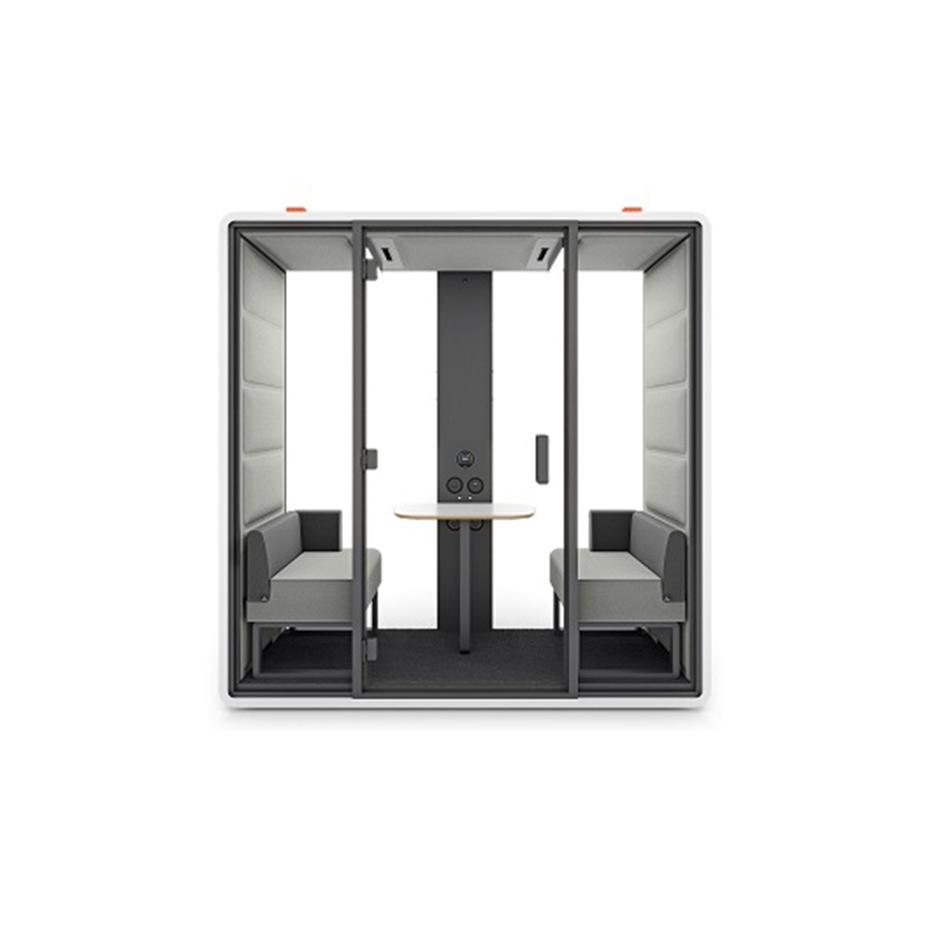
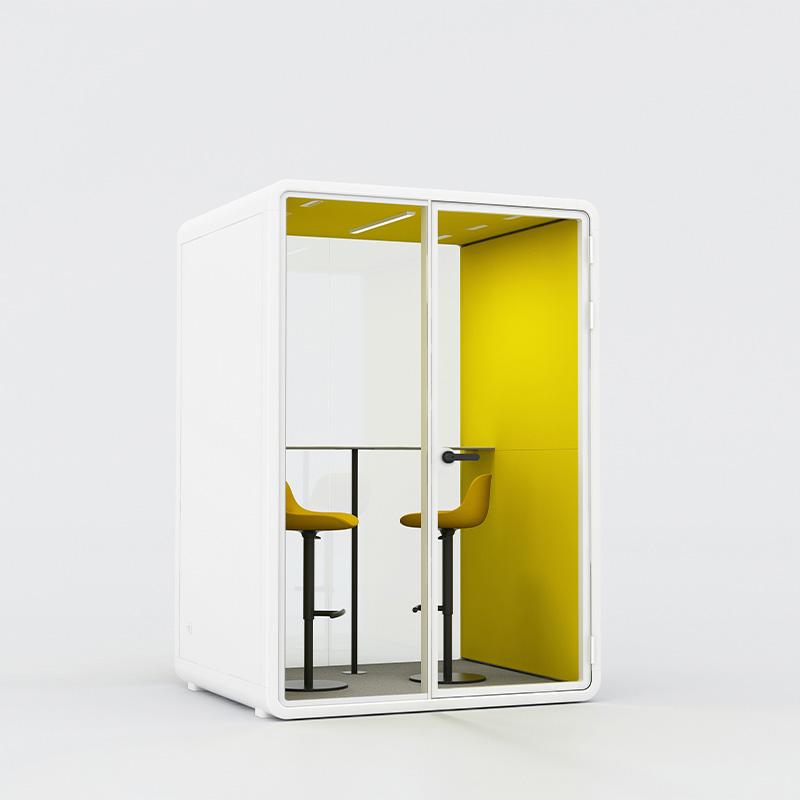
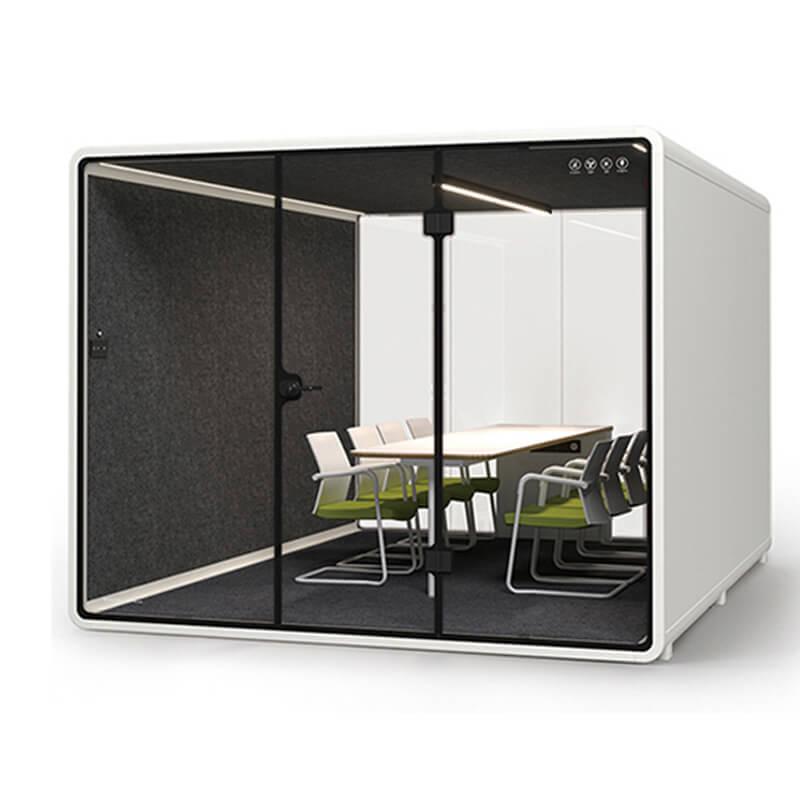
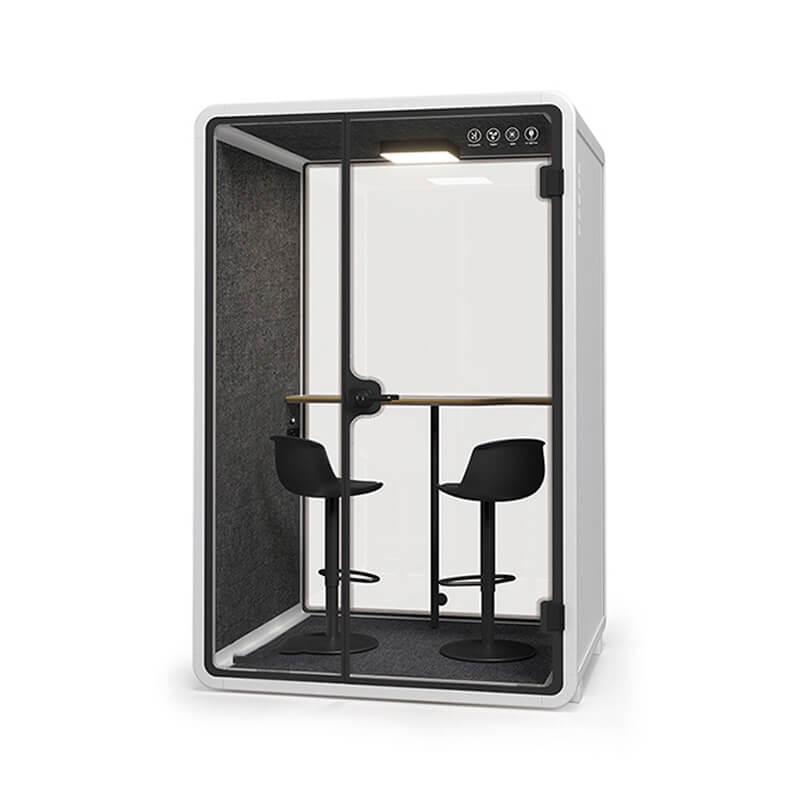
A two-person acoustic pod may fit one advisor and one executive when the work is conversational and a laptop is the only shared tool. A four-person meeting pod is more credible when an advisor, chair, subject specialist, and remote participant must work from the same evidence. Larger capacity is justified only by observed attendance and artifact needs. Buyers can compare the meeting pod configurations against these decision phases without changing the existing page title or product keyword.
Draw three zones on the floor plan: inside the pod, the immediate circulation area, and the nearest routinely occupied desks or rooms. Hold a normal conversation inside with the door closed while listeners stand in the other zones. Record whether they hear a voice, recognize words, or understand a complete statement. Word intelligibility is more useful than a general impression that the pod is quiet.
Repeat the test when the surrounding office is quiet and when normal activity is present. Check door seals, ventilation openings, cable paths, glazing edges, and any adjacent reflective surfaces. If a highly sensitive discussion is planned, the organization should apply its own security and room-selection policy; a general acoustic demonstration is not a guarantee for every information classification.
Hybrid advisor meetings need more than a power socket. Test the exact video platform, camera, microphone, speaker, network route, and display planned for use. Ask a remote participant to judge face visibility, speech clarity, echo, fan noise, and the ease of following a paper or presentation. Local participants should be able to hear the remote voice without increasing volume enough to reduce speech privacy outside.
Request a simple technology diagram showing connection points and equipment ownership. Clarify whether the pod supplier, IT team, or facilities team mounts and maintains each component. Provide a wired or documented fallback when wireless sharing fails. A board advisor should not spend the opening minutes installing software, searching for an adapter, or moving chairs to fit the camera frame.
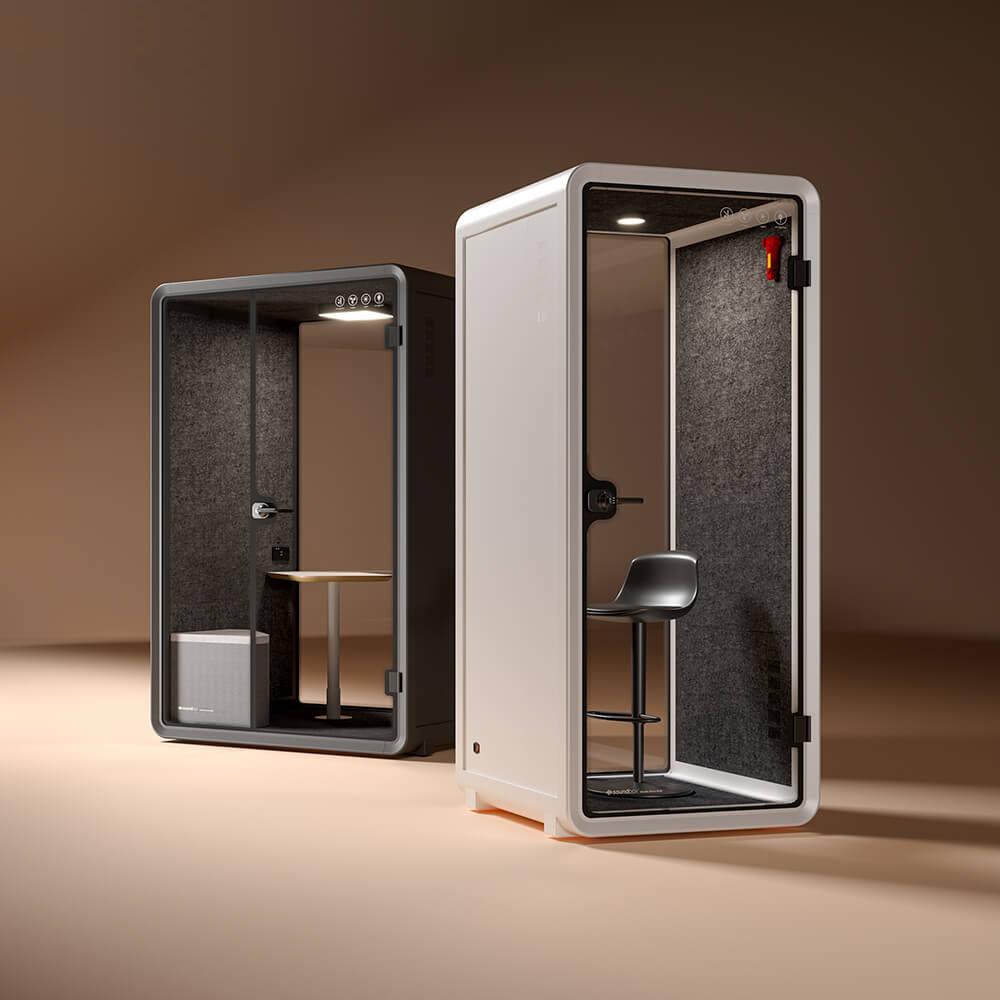
Place the shared display where participants can read normal presentation text without twisting toward the door or glazing. A screen centered behind one participant can make that person difficult to see on camera and encourages others to look past the speaker. Side-mounted displays may improve face-to-face conversation, but the final position should be tested with the actual table depth and seat spacing.
Keep confidential material out of views through glass and outside the camera frame. Blinds or visual screens can help, provided they do not interfere with ventilation, door operation, or emergency visibility requirements. Provide a defined surface for papers and a secure disposal route outside the pod. A clean tabletop is an operating control, not merely a visual preference.
Advisors may have varied mobility, hearing, vision, or stamina needs, and those needs may not be known when the room is booked. Review the full route from reception to the pod, door operation, threshold, turning and transfer space, control height, seating options, lighting, display visibility, and emergency arrangements. Do not call a configuration accessible because one dimension appears generous; use applicable local guidance and consultation.
Comfort should be tested over the longest expected session with the intended occupancy. Observe ventilation response, temperature, fan sound, seat support, table edge, glare, and the recovery period before the next group. Provide a way for the host to adjust understandable controls without interrupting the discussion. Record maintenance needs because blocked air paths or failing door hardware can change performance over time.
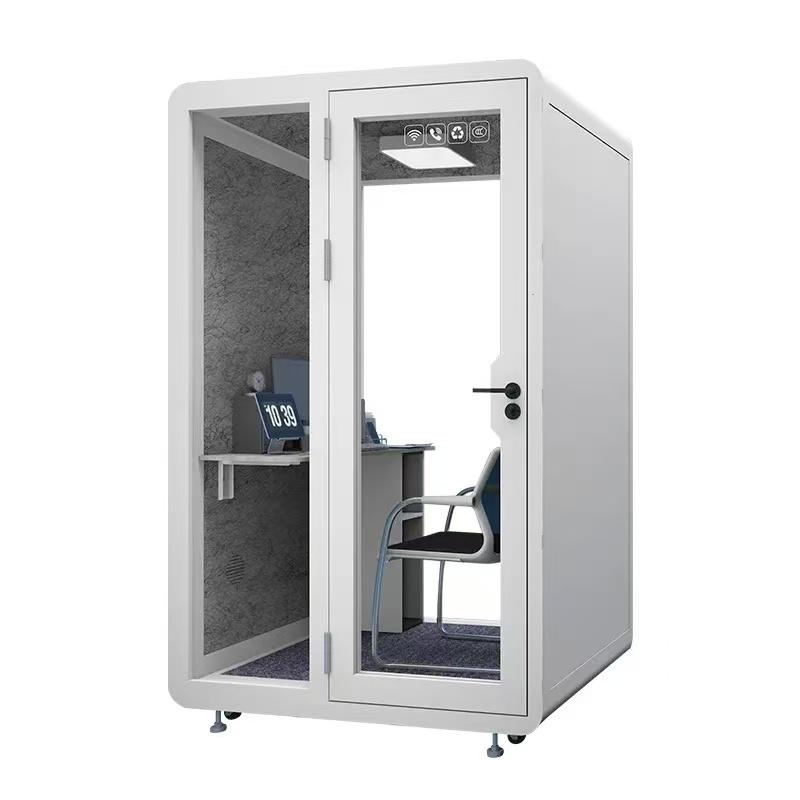
Create a booking category for board and advisor use rather than relying on an informal calendar note. The category can trigger setup time, restricted booking visibility where appropriate, a host responsibility, and a reset interval. Avoid publishing sensitive agenda text in a widely visible room calendar. The organization should align naming and access with its existing records and security policies.
At the end of the meeting, the host should disconnect guest devices, remove papers, clear whiteboards, confirm that no file remains on a shared computer, return blinds and chairs to their agreed position, and report faults. Cleaning staff should have instructions that protect confidential material and identify when a left item must be escalated rather than discarded casually.
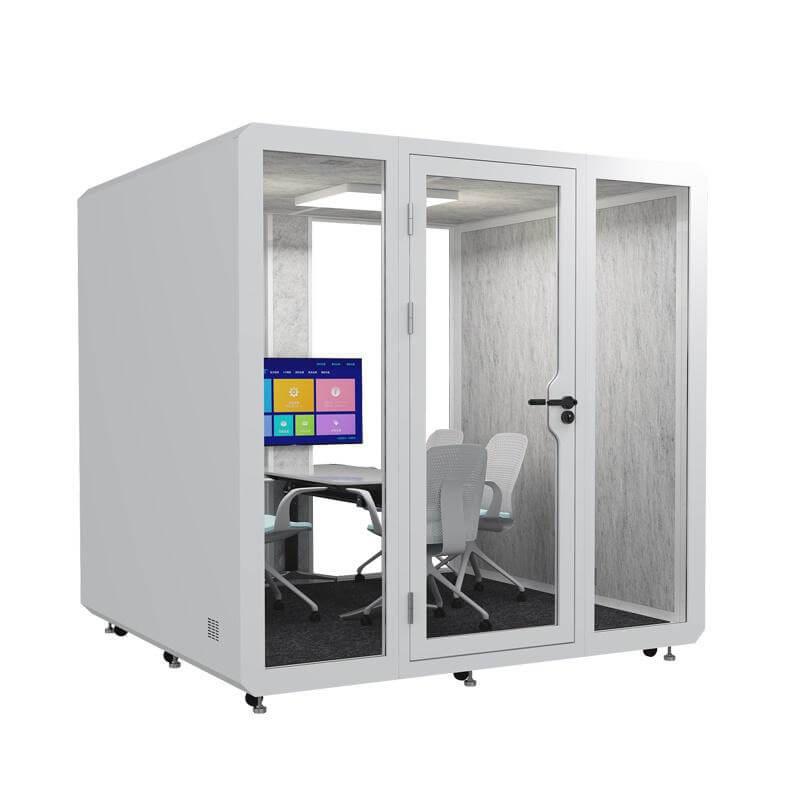
A scorecard converts broad claims into observable evidence. Run it before final acceptance and after relocation, major maintenance, or technology replacement. The table uses pass conditions that a buyer can adapt to local policy rather than unsupported universal thresholds.
| Review item | Board-advisor test | Evidence retained | Recheck trigger |
|---|---|---|---|
| Usable capacity | Seat the maximum planned group with displays and papers | Approved layout photograph and participant count | Agenda or furniture change |
| Speech privacy | Listen for intelligible words at nearby occupied points | Dated zone-test record | Pod move or seal repair |
| Hybrid clarity | Complete a call with an external participant | IT test checklist and equipment list | Platform or hardware change |
| Visual privacy | View screens and documents from circulation paths | Approved blind and screen position | Desk or display relocation |
| Comfort | Run a full-duration occupied session | User notes and control settings | Seasonal complaint or HVAC work |
| Reset control | Perform document and device clearance | Host checklist and escalation route | Policy or booking change |
Is a two-person acoustic pod sufficient for board advisors?
It can be sufficient for a one-to-one briefing. If a specialist, interpreter, assistant, or local technology operator joins, test a larger configuration. Base the decision on the largest real agenda phase, not the average meeting.
Does acoustic performance make the pod suitable for every confidential matter?
No. The organization must match the space to its information classification and security policy. Site placement, speech level, visual exposure, devices, booking controls, and document handling all affect suitability.
Should a shared computer be installed?
Only when IT can manage accounts, updates, secure sign-out, and file clearance consistently. A managed guest connection with a tested adapter set may be safer and easier in some organizations.
How much time is needed between advisor bookings?
Determine the interval from occupied comfort, air recovery, technology reset, cleaning, and document clearance. Pilot the room under realistic use and adjust the calendar rule from evidence.
What should happen after the pod is relocated?
Repeat placement, privacy, network, camera, ventilation, access, safety, and booking checks. Preserve the old record for comparison, but do not treat it as approval for the new location.
The acoustic pod that fits board-advisor conversations is the one proven against a governance brief: real participant phases, intelligible-speech risk, hybrid tools, visual privacy, inclusive access, occupied comfort, and a controlled reset. Preserve the existing title and product keyword, but make the purchasing evidence more specific than a seat count or generic soundproof claim. A full-layout trial, zone-based privacy check, technology rehearsal, and written acceptance scorecard give facilities and governance teams a defensible basis for selecting and operating the space.

 Tel: +8613538031763
 Email: info@sopworkpod.com
 MP/WhatsApp: +8613538031763
 Manufacturer Address:Liucheng Lujiang District,Meixi Road,Nanan City,Fujian,China