
Need Help?
Please leave your contact information to get our latest catalog
Get In Touch Now >


Author:SOP Work Pods Manufacturer TIME:2026-08-13
Table of Contents
1. Forecast demand by study behavior
2. Assign pods to an exam-season zoning plan
3. Create booking rules students can trust
4. Protect accessible and assisted study capacity
5. Run a fast but credible turnover service
6. Respond consistently to noise and misuse
7. Keep power, network, and support dependable
8. Operate from a daily evidence dashboard
9. Close the season with a learning review
Library study pods face their hardest operating test during exam season. Demand rises, sessions become longer, users arrive under stress, and small failures in booking, ventilation, power, cleaning, or conduct can affect many students. Adding pods helps only when the library manages them as a service with defined capacity, fair access, visible rules, rapid recovery, and evidence-based daily decisions.
An exam-season playbook should be prepared before demand peaks. It connects predicted study behavior to zoning, reservations, accessibility, cleaning, technical support, incident response, and post-season learning. The purpose is not to maximize booked minutes at any cost. It is to provide reliable study conditions to the greatest reasonable number of students without excluding users who need more time or a different configuration.
Start with previous booking, occupancy, gate-count, help-desk, complaint, and academic-calendar data. Break demand into useful categories: individual concentration, online examination preparation, paired tutoring, group revision, presentation practice, and short calls. One combined occupancy percentage can hide the fact that single-person booths are overbooked while larger pods are being used by one student.
Map demand by hour and day, including opening, lunch, evening, weekend, and the period immediately before major examinations. Record rejected bookings, visible queues, no-shows, early departures, and students who leave because the required pod type is unavailable. These signals are stronger than reservation totals alone.
Use a conservative peak plan. It should identify expected capacity, surge hours, staffing, cleaning coverage, accessible alternatives, and what services will be reduced if demand exceeds the forecast. Keep some operational flexibility rather than assigning every minute in advance. A fully booked calendar with no recovery time can create more failures than useful study hours.
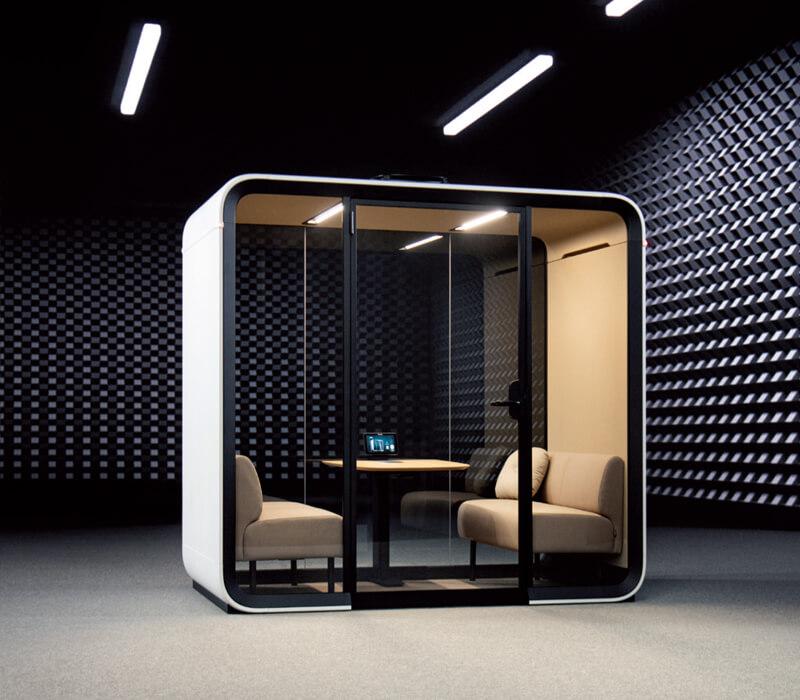
Define the activity expected in each zone. Silent individual pods should not sit inside an active group-revision area if door openings and nearby speech undermine their purpose. Pods used for video tutoring need a location where normal conversation is acceptable. Place quick-call booths near circulation only when queues and door noise will not disturb adjacent study seats.
Review speech audibility, sightlines, lighting, ventilation clearance, emergency routes, staff oversight, and cleaning access. A pod's acoustic test evidence does not account for every library floor. Conduct an on-site listening test with normal speech and representative occupancy around it. Record where words become intelligible and where opening the door changes nearby conditions.
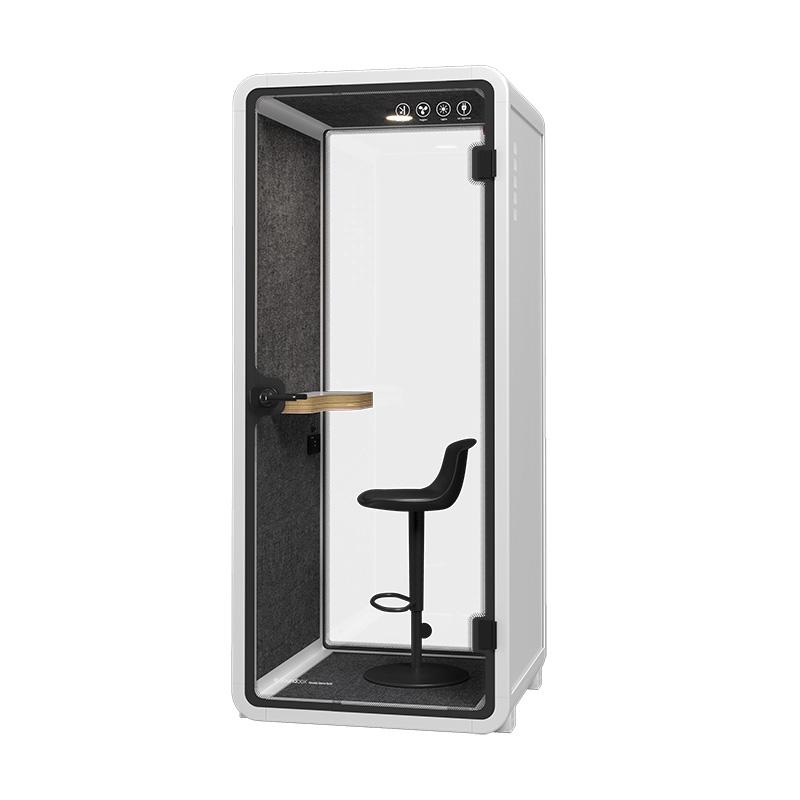
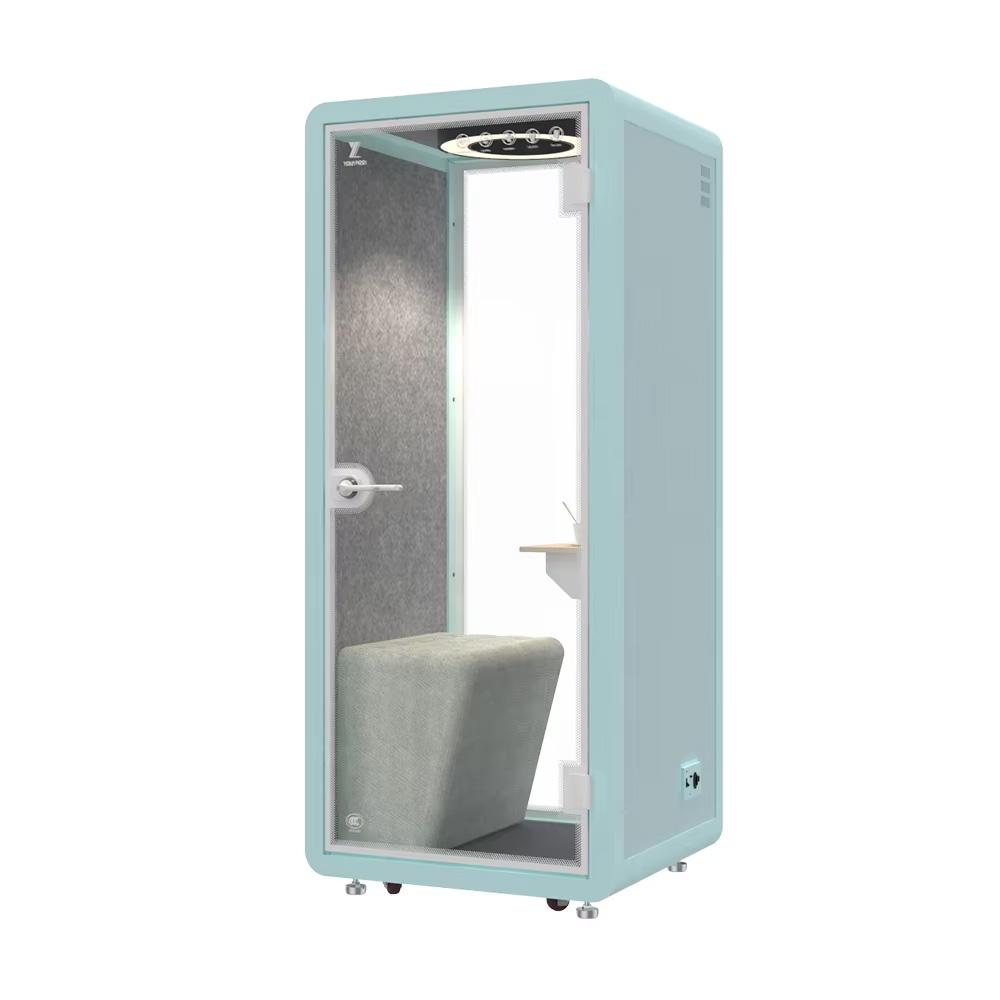
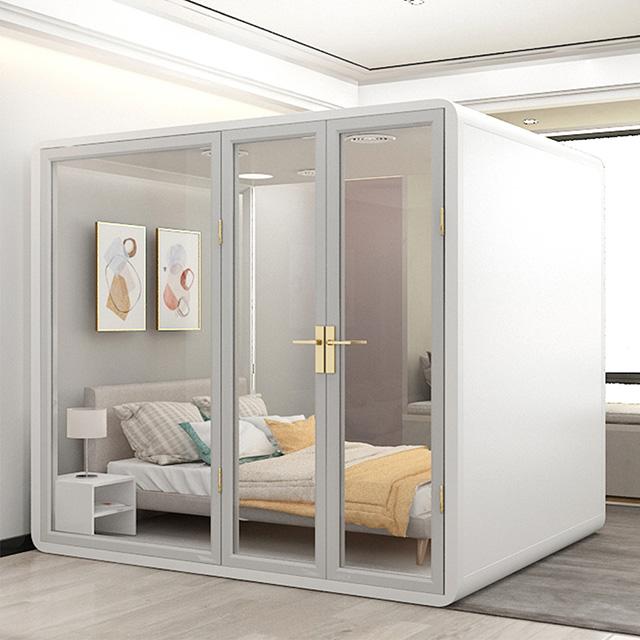
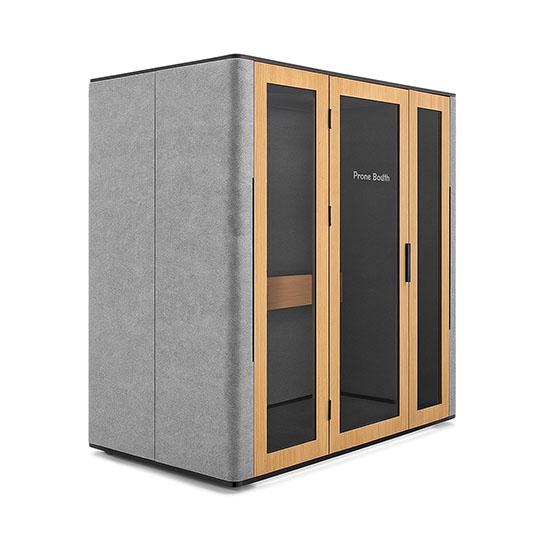
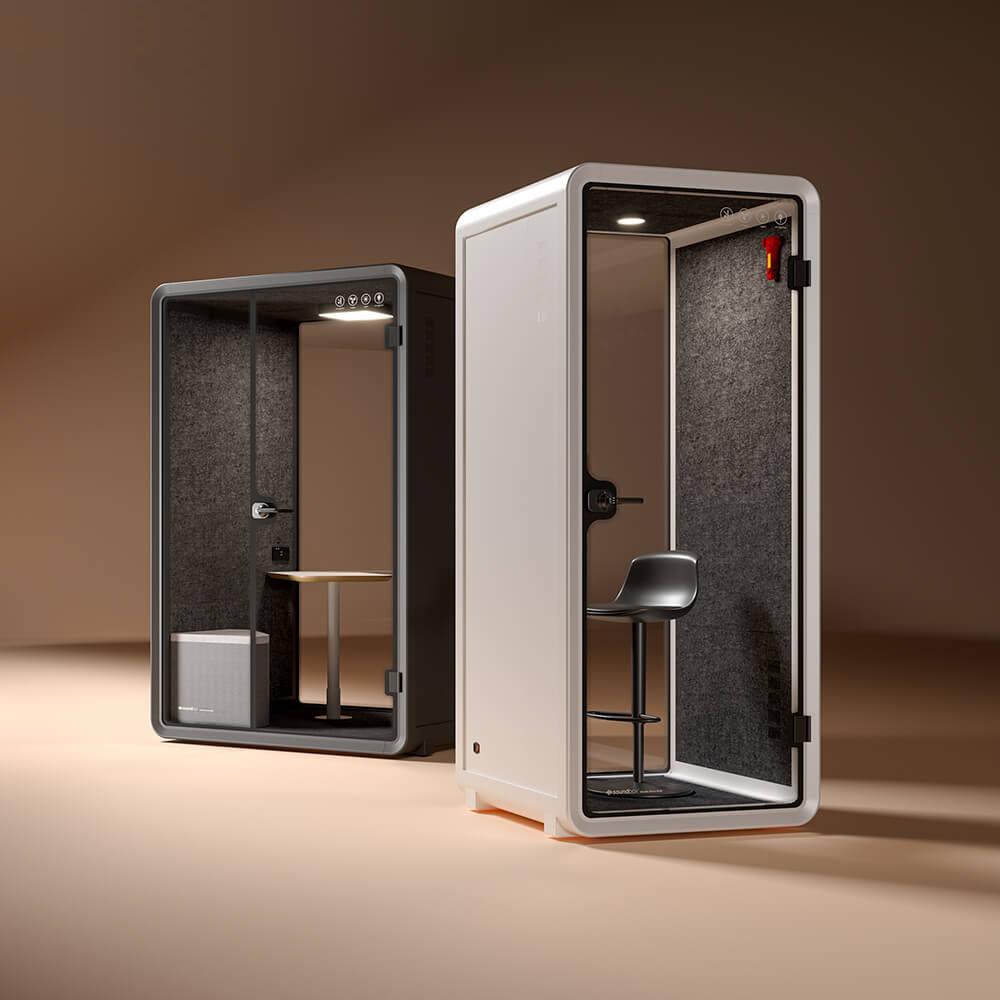
Make zoning visible through consistent naming, signs, booking categories, and floor maps. Avoid long instruction panels. Students should know whether a pod supports silent individual work, paired tutoring, a normal online call, or group revision before they reserve it. Buyers planning the right mix can review study and meeting pod configurations while keeping campus demand and local access requirements as the controlling evidence.
Fairness begins with rules that are understandable and consistently applied. Set reservation length from observed study patterns and pod supply. Define advance-booking windows, same-day release, recurring reservation limits, check-in grace period, cancellation, no-show handling, and whether extensions are allowed when no one is waiting.
Prevent one student from holding several options for the same time. At the same time, do not make the system so restrictive that students with unpredictable schedules cannot use it. A balanced model may combine a portion of reservable pods with walk-up capacity and a visible digital queue. Publish changes before exam season and avoid altering rules repeatedly during the peak.
Use privacy-conscious booking labels. The calendar needs pod, time, and reservation status, not a student's revision subject, support need, or reason for using a private space. Set an appropriate retention period for booking and incident data under institutional policy. Staff access should match operational responsibility.
Accessibility cannot be suspended because demand is high. Identify which pods and equivalent rooms support wheelchair approach, turning, transfer, reachable controls, hearing needs, visual contrast, assistance, and extra equipment. Confirm that the booking interface exposes comparable information and does not force a student to disclose unnecessary personal details.
Some students need longer setup or study periods, a support person, assistive technology, lower sensory stimulation, or an alternative to a standard reservation process. Build these needs into the peak plan with the institution's accessibility service. Do not release all accessible capacity to general use without a clear rule for restoring it when required.
Audit the complete journey during busy conditions. Temporary queue barriers, extra furniture, bags, charging cables, and cleaning carts can narrow an otherwise compliant route. Train staff to protect approach and exit space. Provide an equivalent response when the preferred pod is out of service.
Back-to-back use increases heat, odors, waste, and forgotten property. Establish a realistic reset interval based on occupied air recovery, cleaning needs, and observed user flow. A visible reservation may end at one time while the next safe and comfortable session begins several minutes later. Measure the interval rather than deleting it to improve a dashboard.
Define quick checks and deeper work. Quick checks can cover belongings, spills, waste, surface condition, blocked vents, cable damage, door operation, fan sound, and device sign-out. Scheduled service can include approved cleaning of glazing and upholstery, floor edges, grilles, filters, loose fittings, and detailed technology checks.
Use material-approved products with low residual odor. A strongly scented cleaner can make a small pod unusable even when it looks clean. Create a procedure for notes, ID cards, storage devices, and confidential papers left behind. Cleaning staff should know what to secure, what to report, and what not to read or discard.
Prepare a graduated response for common issues: overstay, excessive occupancy, loud speech, food, sleeping, property damage, door propping, equipment tampering, abandoned items, and conflict over reservations. The first response should be calm and based on a visible rule. Staff need a clear threshold for security, welfare, or emergency escalation.
Distinguish a conduct issue from a design or service failure. A student who opens the door may be too warm rather than careless. Repeated loud voices may indicate that the pod is being booked for the wrong activity. Frequent disputes can reveal confusing calendar labels. Record cause and context before assuming misuse.
Support student welfare without turning pods into unmonitored isolation rooms. Define maximum sessions, closing checks, assistance methods, and what staff do when an occupant appears unwell or does not respond. The process should align with campus safety and student-support procedures while respecting dignity.
Exam preparation often depends on laptops, learning platforms, remote tutors, licensed software, and cloud files. Test wireless coverage and power under peak load. Check outlet access, cable condition, lighting, display or camera where provided, and whether a reset can be completed without exposing administrator credentials.
Create a fault code visible to staff and students. A pod can be available for silent reading while its display is unavailable, but it may need closure for a damaged socket, failed ventilation, unsafe door, or broken glazing. The booking system should describe limited service accurately and stop new reservations when the core use cannot be supported.
Hold approved small spares and adapters only where staff can manage them safely. Identify the support owner and expected response for power, network, furniture, door, fan, and booking faults. Repeated issues by unit should trigger a root-cause review rather than a series of temporary resets.
A concise dashboard supports daily adjustments without encouraging staff to chase utilization alone. Review it at a fixed time with authority to change signage, release rules, staffing, cleaning buffers, or the mix of activities assigned to each pod.
| Daily measure | What it can reveal | Possible action | Misreading to avoid |
|---|---|---|---|
| Rejected demand by pod type and hour | Where capacity is genuinely scarce | Reallocate inventory or extend appropriate hours | Using one daily average |
| No-show and early-release rate | Reserved time that could serve others | Improve reminders and release logic | Punishing occasional unavoidable absence |
| Comfort complaints | Heat, fan, seating, glare, or odor pattern | Inspect named unit and recovery interval | Treating every complaint as behavior |
| Accessible option availability | Whether equivalent access is preserved | Protect capacity or open an equivalent room | Counting an unsuitable pod as available |
| Fault closure duration | Operational resilience and parts delays | Escalate repeated fault or improve spares | Closing a ticket before full restoration |
| Incident type and location | Rule, layout, or staffing pressure points | Adjust zoning, communication, or response | Publishing personal details |
Within two weeks of the peak, bring together library operations, accessibility, cleaning, IT, facilities, security, student support, and representative users. Compare forecast with actual demand, including students who could not obtain the space they needed. Separate temporary exam pressure from year-round design issues.
Identify changes by timescale. Immediate repairs and calendar corrections can be completed now. Furniture, signage, and technology changes may fit the next term. Additional pods or floor alterations need a documented business case based on rejected demand and task type. Preserve evidence that explains why capacity is being changed.
Archive the accepted exam-season playbook with revisions, not just a list of complaints. Record what worked, which thresholds triggered action, and which data was misleading. The next season should start from a tested operating baseline rather than rebuilding rules during the busiest week.
How long should an exam-season booking be?
Use local demand and observed study patterns. The rule should balance meaningful work time, turnover, accessibility needs, and the number of students waiting rather than copying a universal duration.
Should every pod be reservable?
Not necessarily. A mix of reservations, walk-up access, and an accessible alternative can serve different schedules. Test the model and communicate it clearly.
Can students take video calls in silent pods?
Assign activities through zoning. Video calls should use pods and locations tested for normal speech so surrounding silent study is not compromised.
How can libraries reduce no-shows?
Use reminders, simple cancellation, a reasonable check-in period, and automatic release. Monitor unintended barriers before introducing penalties.
What is the most important post-season metric?
No single metric is enough. Rejected demand by activity, equitable access, comfort, incidents, downtime, and user outcomes provide a more credible picture together.
Library study pods should be managed during exam season as a coordinated academic service. Demand forecasting, activity zoning, fair booking, protected accessible capacity, credible turnover, consistent conduct response, and dependable technology all influence whether a pod produces useful study time.
A daily evidence dashboard allows the library to correct problems while the season is still underway, and a post-exam review turns temporary pressure into long-term learning. The best result is not a calendar showing 100 percent occupancy; it is reliable, understandable, and equitable access to the right study environment.

 Tel: +8613538031763
 Email: info@sopworkpod.com
 MP/WhatsApp: +8613538031763
 Manufacturer Address:Liucheng Lujiang District,Meixi Road,Nanan City,Fujian,China