Author:SOP Work Pods Manufacturer TIME:2026-08-28
Whether office call booths need fire sprinklers cannot be answered safely from the product name alone. The decision can depend on jurisdiction, adopted code, building occupancy, existing suppression design, booth dimensions and ceiling, openness, materials, quantity, spacing, location, detection, alarm audibility, and the interpretation of the responsible authority. A rule accepted for one office may not apply to another building or country.
The buyer should treat fire protection as an early design interface, not a question raised after delivery. The booth supplier provides configuration and material information; qualified local fire-protection and building professionals evaluate the site; the authority having jurisdiction or other responsible official determines what is acceptable. This article is a coordination framework, not a code ruling or legal advice.
Codes and standards use defined terms, occupancies, dimensions, hazards, and system assumptions. The everyday word "booth" may describe an open furniture element, a covered enclosure, a modular room, a kiosk, or another product type. Requirements can also change when several units are grouped together or when a booth creates a covered area under an existing ceiling sprinkler layout.
Existing systems were designed for a particular hazard, water supply, spacing, and obstruction condition. Adding a ceilinged enclosure can change how water spray reaches the floor or how a fire develops inside the enclosure. A product being freestanding, movable, or plugged into a socket does not by itself prove that no fire-system review is required.
Start by asking who has authority to approve the project and which code edition and local amendments apply. Include the building owner, facilities team, insurer where relevant, fire-protection engineer or designer, and local official early enough to change the layout without delaying installation.
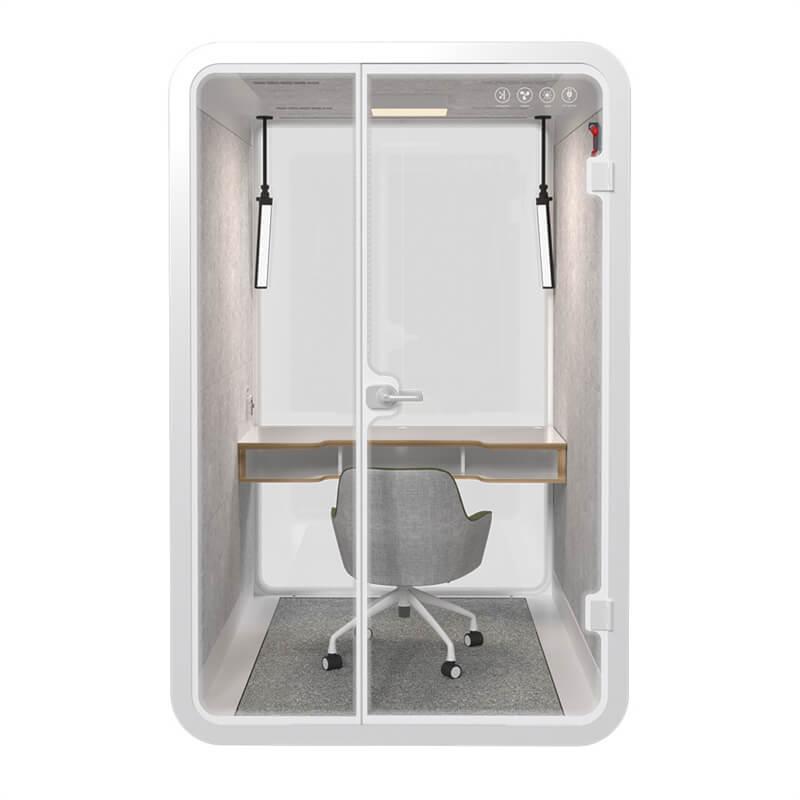
Prepare a configuration sheet with external and internal dimensions, height, roof or ceiling construction, floor, wall and glazing materials, door, openings, ventilation path, electrical equipment, lighting, furniture, upholstery, intended occupancy, maximum session, and installation method. Include product listings, certifications, fire-test documents, and limitations that are relevant to the project.
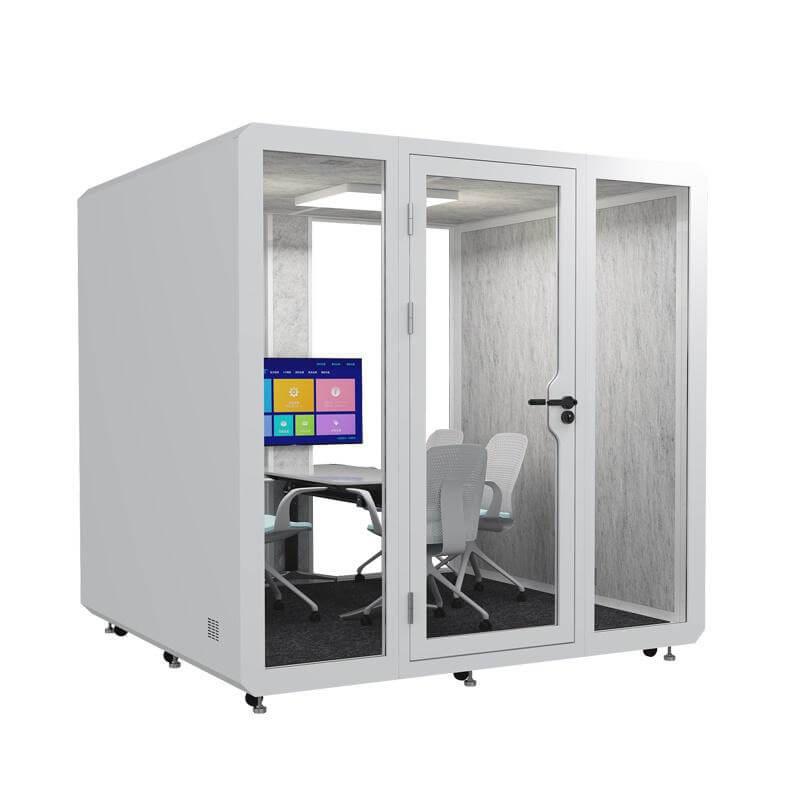
Show quantity, grouping, separation, orientation, floor level, and relation to nearby walls, ceilings, exits, corridors, sprinklers, detectors, alarm devices, smoke control, and air systems. A single booth in an open office may be reviewed differently from a row of connected enclosures. Do not submit a generic brochure when the decision concerns a named model with selected options.
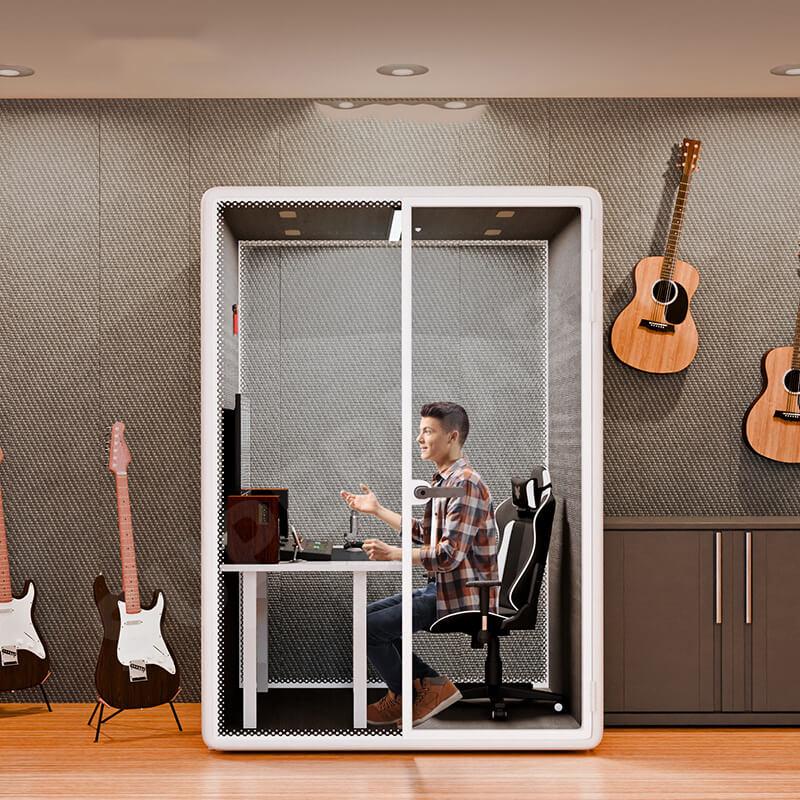
State intended use and exclusions. A normal call booth should not be treated as a storage closet, sleeping pod, charging room, kitchen, workshop, or medical treatment room. Changes in use or added equipment can change the hazard and should trigger reassessment.
Prepare a location-specific question rather than asking whether all booths need the same treatment. Include the enclosure size, roof or open-top condition, wall and glazing arrangement, distance to nearby construction and storage, proposed use, occupancy, power and ventilation details, and the current sprinkler, detection, alarm, and egress drawings. The reviewing professionals can then identify which rules and system interactions apply to that actual installation.
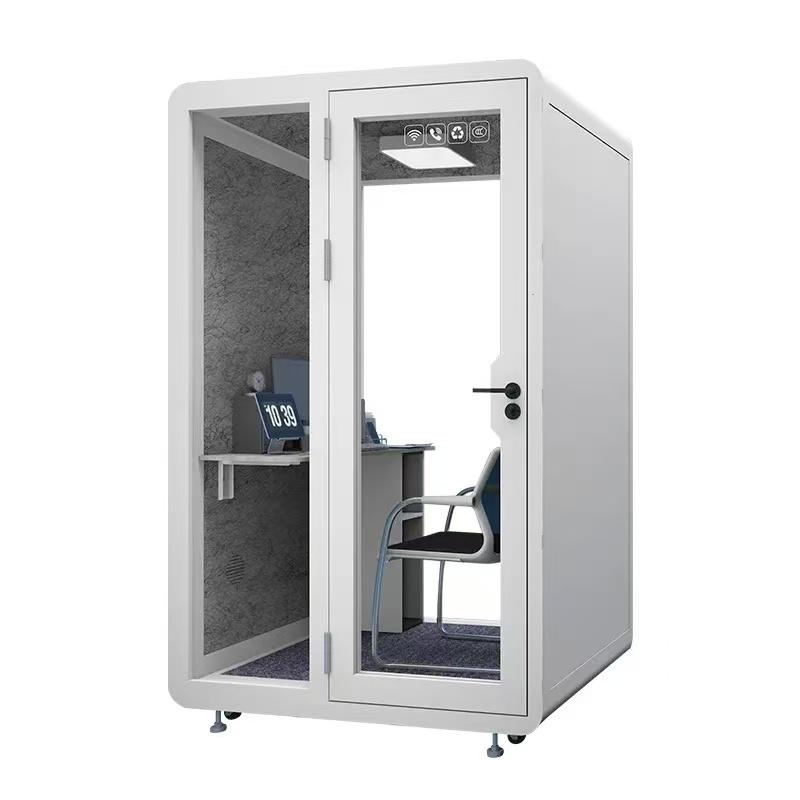
Automatic sprinklers depend on an engineered discharge pattern and adequate water reaching the protected area. Walls, ceilings, ducts, lights, overhead doors, storage, and other objects can obstruct spray. A booth roof may create an area shielded from sprinklers above or alter coverage around adjacent heads.
Provide a reflected ceiling or fire-protection plan showing sprinkler type, elevation, deflector position, spacing, booth height, roof footprint, and clearances. The fire-protection designer should evaluate both the area inside or below the booth roof and the surrounding floor. Moving a booth after approval can invalidate that relationship.
Do not rely on a generic clearance number taken from storage guidance. Obstruction rules vary by sprinkler type, object geometry, and system design. The responsible designer should use the applicable code and standard for the actual configuration and document the conclusion.
The project team should ask whether the enclosure requires a sprinkler, another approved protection approach, a design change, or no additional device. The answer belongs in a written project-specific review. Relevant factors can include roof area, enclosure continuity, openings, materials, fuel load, occupancy, grouping, base-building protection, and local amendments.
If protection is required inside, coordinate water supply, pipe route, flexible or fixed connections, head location, temperature rating, mechanical protection, drainage, inspection, testing, and movement restrictions. The booth manufacturer should confirm how penetrations and added devices affect structure, seals, acoustic performance, warranty, and listings.
If the accepted solution depends on an open roof, ventilation opening, spacing, or limited quantity, record that condition as a permanent installation control. Facilities staff should not later cover openings, add storage above, group more booths, or move the unit without review.
Sprinklers are only one part of fire safety. Review whether smoke or heat detection is required or affected, whether alarm signals are audible and visible inside with normal fan and headset use, and whether emergency voice messages can be understood. Enclosing a user behind acoustic panels and a door can change notification conditions.
Test the actual alarm and communication method under the approved building procedure. Do not create an unauthorized live alarm event. The test should account for a user wearing common call equipment and for accessibility needs. Record accepted sound, visual, or other notification provisions.
Coordinate ventilation shutdown, smoke control, access control, power isolation, and building management interfaces where applicable. A booth fan may be a simple local device, but the project should know what happens during an alarm or power loss and whether the door can be opened without special knowledge.
Collect material information for panels, acoustic lining, upholstery, flooring, work surface, seals, coatings, glazing, and cables. The fire professional should determine which classifications and documents are relevant. A single certificate for one fabric does not describe the complete booth or every selected finish.
Document electrical equipment, internal wiring, power entry, sockets, chargers, lighting, fans, screens, and user devices. Confirm final electrical work, protection, earthing, load, isolation, and testing under local requirements. Avoid unapproved extension leads, heaters, cooking devices, and overloaded adapters inside the enclosure.
Control housekeeping. Paper storage, packaging, spare batteries, cleaning chemicals, and personal belongings can increase fuel load or block air and exit paths. Provide only the furniture and equipment required for the approved call use. Maintenance should inspect damaged cables, hot components, blocked grilles, and unauthorized additions.
| Release gate | Required evidence | Responsible review | Stop condition |
|---|---|---|---|
| Concept location | Site plan, quantity, basic booth geometry | Facilities and fire professional | Route, coverage, or classification concern unresolved |
| Product selection | Exact model, roof, materials, services, listings | Project design team | Generic evidence does not match configuration |
| Authority decision | Written response and conditions | Responsible official or process | No documented project-specific acceptance route |
| Manufacturing release | Closed comments and coordinated devices | Buyer and supplier | Required penetrations or protection remain undefined |
| Installation readiness | Ceiling, route, services, protection and access check | Contractor and facilities | Site differs from approved drawing |
| Operational handover | Inspection, tests, records, emergency instruction | Qualified project parties | Safety defect or mandatory action remains open |
Place the booth so it does not narrow required routes, conceal exit signs, block fire equipment, interfere with doors, or create a dead-end conflict. Show door swing, approach, queue, cleaning position, and nearby furniture on the plan. Preserve access for fire protection inspection and maintenance.
Inside, the user should be able to identify and operate the exit quickly. Review door hardware, power-loss behavior, threshold, lighting, emergency assistance, and authorized external access. The procedure should serve users with varied mobility, hearing, vision, or cognitive needs.
Do not assume the booth is a refuge or protected room. It should be included in the workplace emergency plan, drills where appropriate, and staff training. Buyers reviewing office call booth configurations should obtain dimensions and interface information before selecting a final position.
Submit a concise package rather than a chain of informal emails. Include site and floor plan, reflected ceiling or fire-system plan, exact booth configuration, quantity, grouping, dimensions, materials, product documents, electrical schedule, ventilation, occupancy, intended use, clearances, egress, detection, alarm, suppression question, and proposed acceptance tests.
Record comments and decisions with date, reviewer, drawing revision, conditions, and open actions. Verbal advice should be converted into the documentation required by the project process. If approval is conditional, place the condition on installation and facility records.
Manage change. A different model, roof, finish, furniture, electrical option, location, quantity, or grouping may affect the decision. Define which substitutions require resubmission. Do not release manufacturing or delivery until mandatory fire-review actions are closed.
Keep the decision trace with the booth after installation. Store the submitted model and revision, marked location, review comments, approved conditions, inspection result, and any restriction on relocation or surrounding storage. A later move or layout change can alter obstruction, coverage, notification, access, and escape conditions. The earlier approval should therefore be treated as evidence for one configuration, not permission for every future position.
The following gates keep ordering pressure from bypassing unresolved safety interfaces. Project requirements can add more gates.
The final gate should name the drawing revision, booth model, exact position, required modifications, inspection witness, and conditions that trigger a fresh review. Attach unresolved comments to a hold action rather than carrying them into installation as assumptions. When the booth is accepted, facilities should know which nearby storage, ceiling, service, access, or relocation changes could invalidate the recorded decision and who must be contacted before those changes proceed.
There is no safe universal answer. The responsible local review must consider the applicable rules, existing system, exact booth, location, quantity, and approved conditions.
Not automatically. Freestanding or movable products can still affect fire protection, egress, alarms, electrical safety, accessibility, and building operation.
Its services, location, use, enclosure, and effect on building systems still need competent review.
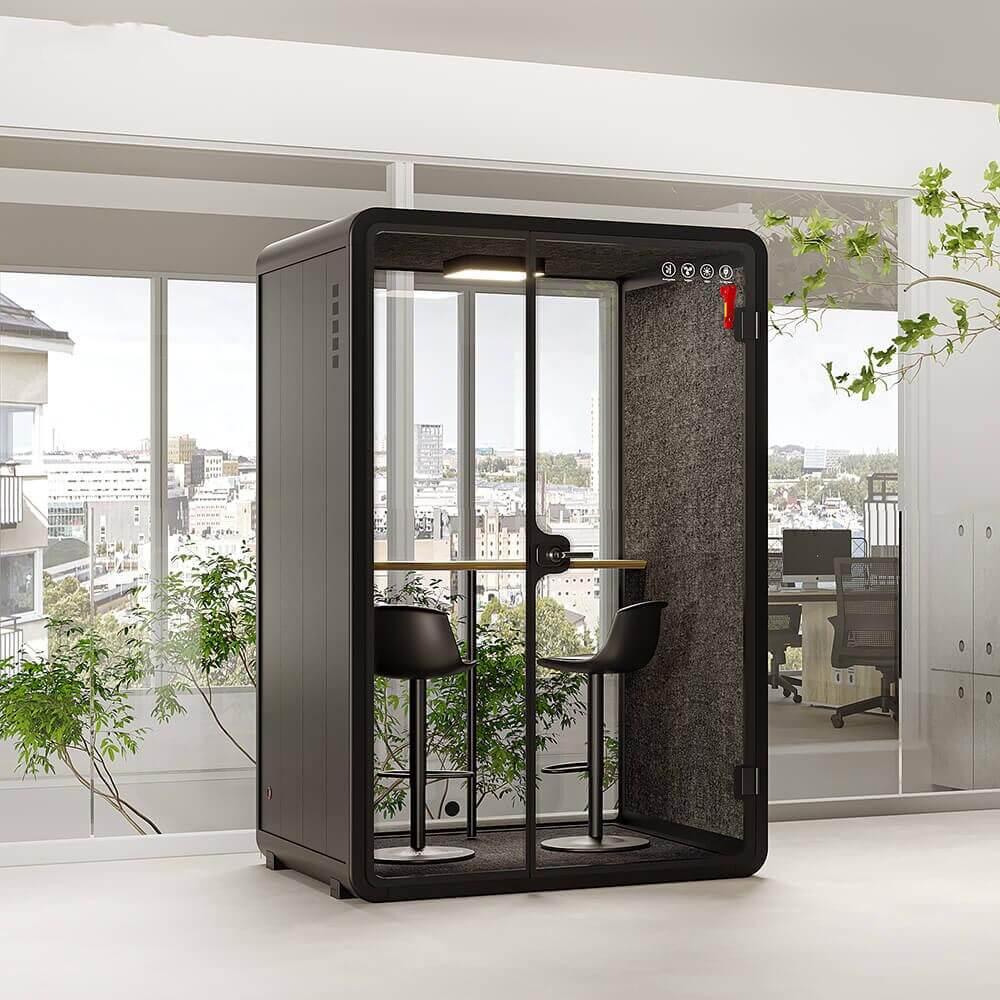
Only after the responsible fire-protection review considers obstruction, coverage, clearances, booth geometry, and the system design for that location.
The reviewer must assess the actual geometry, obstruction, spacing, and approved system design.
Qualified local design professionals and the authority or responsible approval process for the project should determine acceptance. The supplier supports them with exact product information.
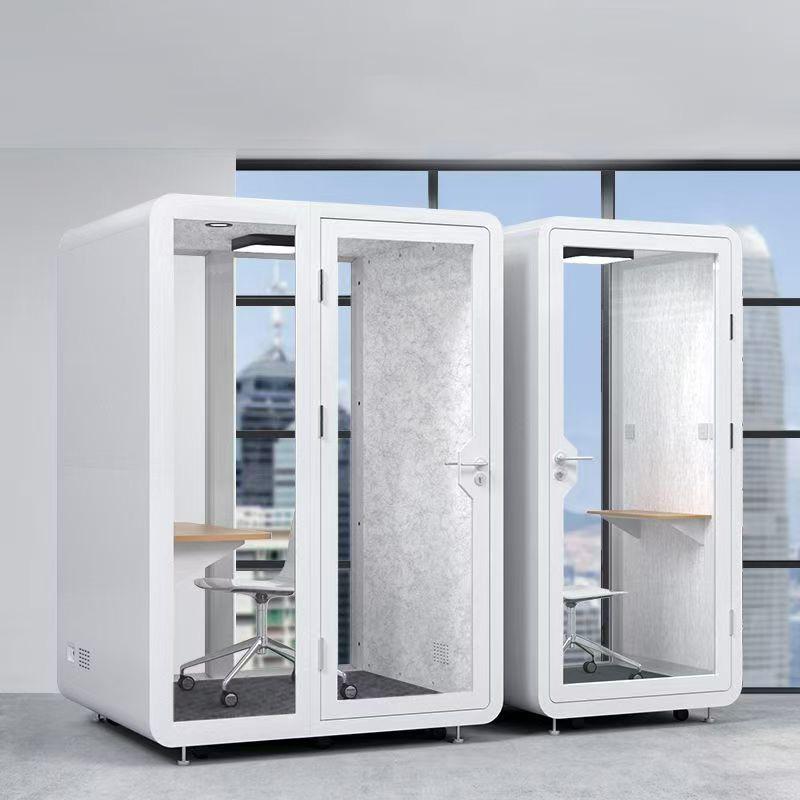
Office call booths may or may not require sprinklers or other fire-protection changes, depending on the applicable rules and complete installed condition. Buyers should avoid generic answers and instead provide an exact model, location, quantity, geometry, material, service, and occupancy package for qualified review.
A written authority decision, coordinated design, release gates, acceptance tests, and change control protect both safety and schedule. Fire review is successful when the approved conditions remain visible throughout ordering, installation, operation, and any future move.
Must fire review be repeated after moving a booth? Yes, when the decision depends on location, surrounding sprinklers, detection, alarms, egress, services, grouping, or other site conditions. Treat relocation as a controlled change.

 Tel: +8613538031763
 Email: info@sopworkpod.com
 MP/WhatsApp: +8613538031763
 Manufacturer Address:Liucheng Lujiang District,Meixi Road,Nanan City,Fujian,China