Author:SOP Work Pods Manufacturer TIME:2026-06-16
Table of Contents
1. Prove relocation feasibility before committing
2. Survey the destination as a new installation
3. Isolate services and record the working condition
4. Control every component during disassembly
5. Engineer packing and internal transport
6. Reassemble without inheriting hidden defects
7. Repeat acoustic and comfort acceptance
8. Allocate relocation responsibility and warranty
10. Frequently asked questions
11. Conclusion: Treat Every Move as a New Commissioning Event
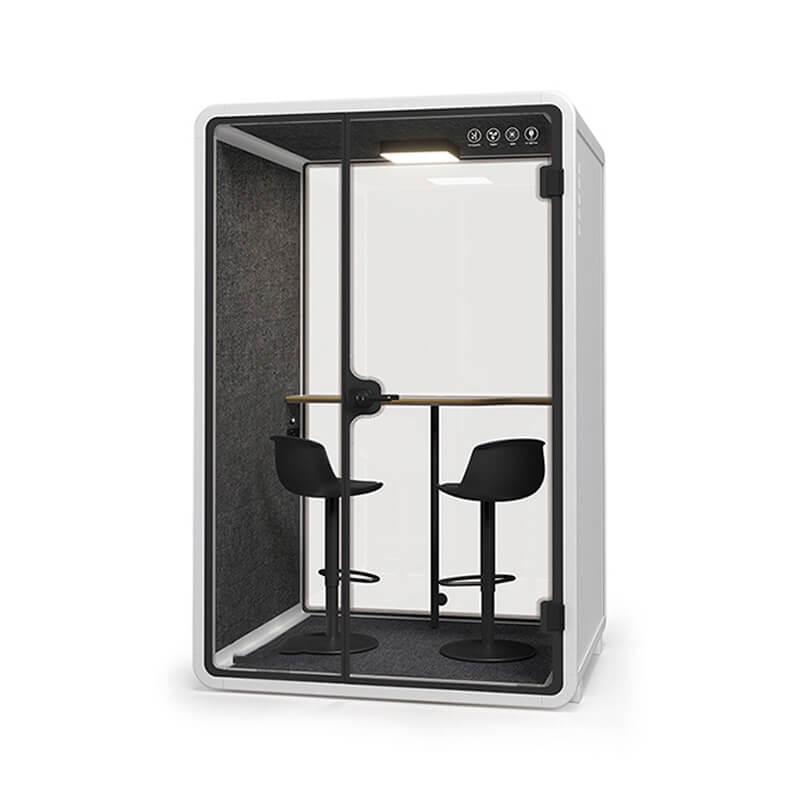
Many acoustic office pods can be moved after installation, but "movable" does not mean that any crew can drag an assembled unit to any location. The answer depends on product design, module size, fasteners, seals, glazing, wiring, weight, lifting points, route, manufacturer instructions, component condition, fire and accessibility interfaces, and the destination environment.
A controlled relocation should be managed as a method statement with release gates. The team verifies permission and feasibility, records the working baseline, isolates services, labels and protects components, transports them safely, reassembles to the approved sequence, and recommissions the complete pod. This protects people, product value, and the acoustic result.
Obtain the exact model, serial number, configuration, drawings, assembly manual, installed weight, component schedule, required tools, lifting limits, move restrictions, and installer qualifications. Ask whether the warranty allows relocation and whether seals, fasteners, floor interfaces, or electrical parts must be replaced after disassembly.
Inspect the current pod for damage, modification, missing labels, loose hardware, seal compression, glazing defects, fan noise, furniture changes, and unauthorized cable penetrations. A move can expose problems that were already present. Photograph and record them so the relocation contractor is not blamed for an earlier defect or encouraged to conceal it.
Define the business case and downtime. Compare professional relocation with leaving the pod, buying another unit, or moving only at lease end. Include labor, packing, transport, parts, site work, storage, testing, business interruption, and disposal of unusable components. Do not assume resale or repeated moves without supporting evidence.
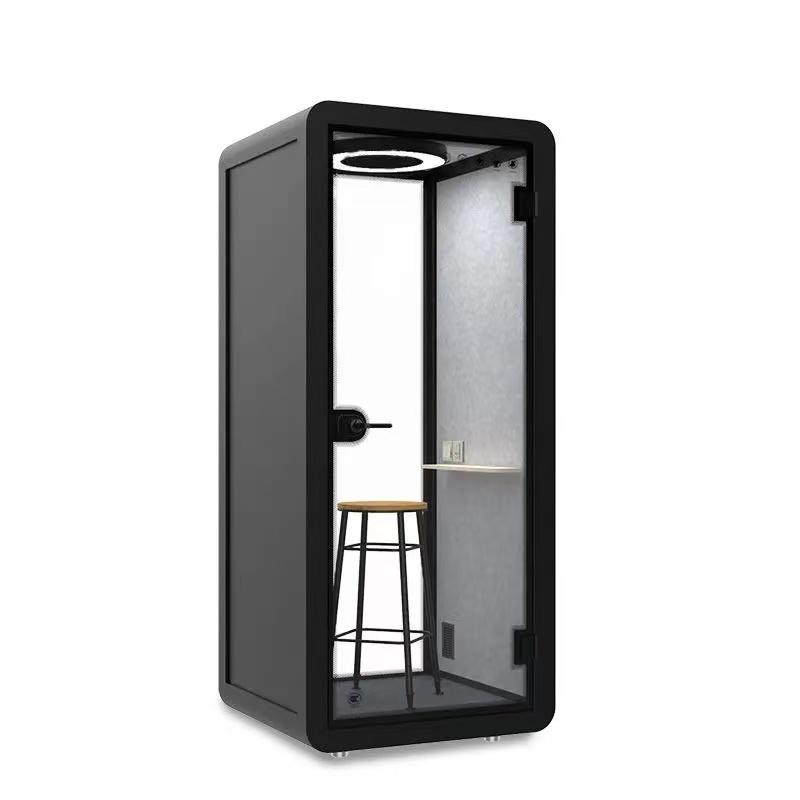
Measure the final position and the complete route. Include loading, doors, lifts, stairs, corners, ceiling height, overhead devices, floor level and capacity, raised floor, power, data, ventilation clearance, circulation, furniture, emergency routes, sprinkler and alarm relationships, and service access.
Compare packaged component dimensions with every route constraint. The assembled pod fitting the new room does not prove that the largest panel can turn through the corridor or enter the lift. Record lift car, door, load limit, booking, protective lining, and building rules.
Review the new location with facilities, accessibility, electrical, IT, fire, building, and other responsible teams. Prior approval belonged to the old configuration and site. The destination can create different speech paths, glare, heat, network coverage, egress, and fire-system conditions.
Before shutdown, run a baseline check: lighting, fans, controls, sockets, network, door, seals, furniture, speech behavior, and visible finishes. Record settings and faults. Back up managed technology configurations and sign out user accounts. Remove customer or employee data from shared devices.
Use qualified people to isolate and disconnect electrical, network, fire-protection, alarm, or building-service interfaces as applicable. Label each cable and connection at both ends. Lock out or protect supplies under the site's procedure. Do not pull cables through seals or cut wiring to save time.
Remove loose equipment, furniture where required, personal items, waste, and unapproved additions. Establish a controlled work zone with floor protection, component racks, tools, packaging, and safe access. The pod should be unavailable in booking systems before work begins.
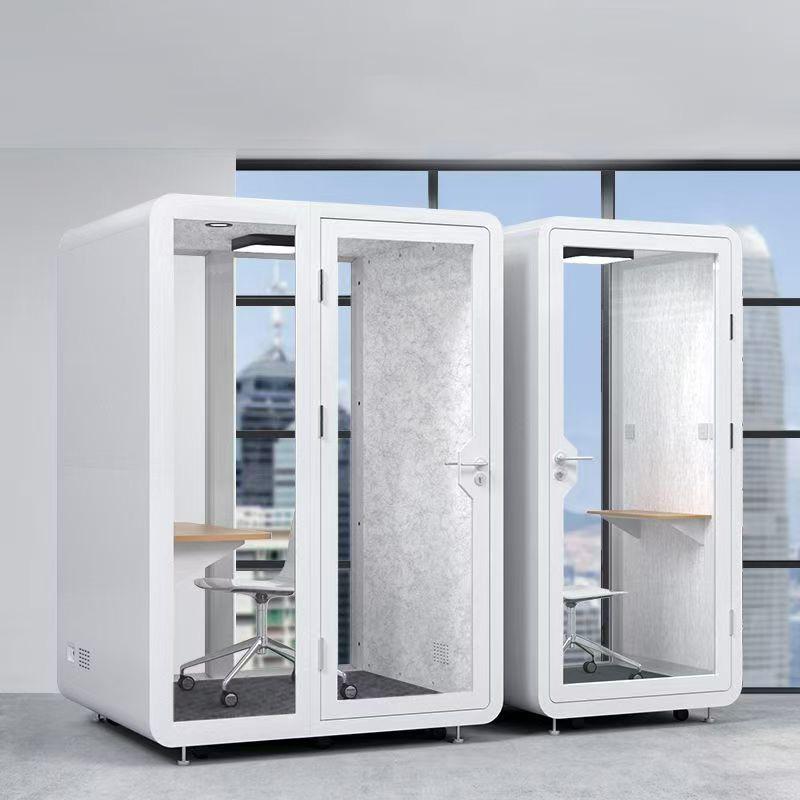
Follow the manufacturer sequence. Doors and glazing may require temporary bracing or specialist handling before surrounding panels are released. Fans, lights, controls, floor elements, seals, and trim can have model-specific connections. An improvised sequence can distort frames or create unstable panels.
Create a component register with unique label, original position, condition, fastener set, photograph, packaging method, and destination location. Keep left and right parts distinct. Bag and label approved reusable fasteners; separate replacement items. Do not mix hardware from several pods.
Inspect concealed interfaces as they appear. Record compression damage, torn seals, enlarged holes, corrosion, cable wear, cracked connectors, distorted brackets, and contaminated acoustic material. Assign reuse, repair, replace, or supplier-review status before packing. The move is an opportunity for evidence, not a reason to accept degraded parts.
Clean components only with approved methods before they are enclosed in packaging. Dust trapped on gaskets can interfere with sealing, while aggressive chemicals can damage acoustic textiles, coatings, plastics, or labels needed for reassembly. Photograph cleaned mating faces and keep rejected components physically separated from reusable stock. The installer should confirm replacement availability before the transport date so the destination is not left with an incomplete enclosure and an uncertain reopening schedule.
Protect panel faces, corners, glass, controls, cables, seals, and acoustic surfaces with compatible clean materials. Packaging should prevent impact, moisture, abrasion, pressure marks, and uncontrolled movement. Never place heavy components on glazing or compress seals under a stack.
Plan handling equipment, crew, lift bookings, route closures, security access, weather protection, vehicle restraint, and temporary storage. Confirm the heaviest component and approved lifting orientation. Use trained personnel and suitable equipment rather than estimating by appearance.
Track every package from origin to destination. A signed manifest should identify missing or damaged items before reassembly begins. If storage is required, control moisture, temperature, access, and stacking. Keep the assembly manual, drawings, replacement parts, and tools accessible rather than loading them behind the panels.
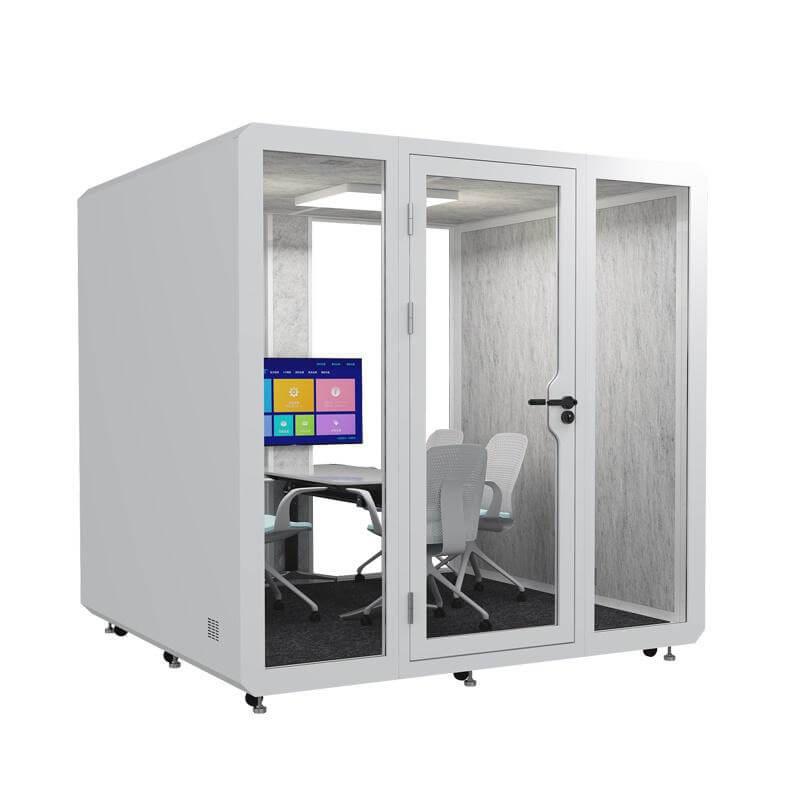
Verify floor level, support, services, orientation, clearances, and approved drawings before opening packages. Inspect components again after transport. Replace items identified in the register and resolve any new damage. Do not begin around an unresolved base or overhead conflict.
Follow sequence, torque or fastening guidance, alignment checks, seal details, glazing procedure, cable routes, and furniture installation. Protect finished surfaces and keep dust away from seals and electrical parts. Check door operation and frame geometry progressively rather than waiting until the enclosure is complete.
Reconnect services through qualified parties and the new-site process. Update asset location, serial records, drawings, electrical or network records, fire-review conditions, cleaning schedule, booking ID, and maintenance ownership. Buyers can use acoustic office pod configurations as a reference when confirming model-specific relocation requirements.
Run the original baseline where it remains meaningful: door and seal inspection, normal-speech test, fan sound, lighting, controls, power, network, and occupied-duration comfort. Use named positions inside and outside. The new office background and nearby surfaces can change the perceived result even when assembly quality is equal.
Test speech entering and leaving, internal echo, microphone behavior, vibration, temperature, airflow, glare, camera background, route accessibility, alarm notification, and emergency exit. Record configuration, participants, conditions, settings, defects, owner, and retest date.
Do not reopen the pod because it looks complete. Close critical safety, service, door, glazing, electrical, ventilation, and approval issues before use. Minor finish items can follow the project's controlled defect process only when they do not compromise operation.
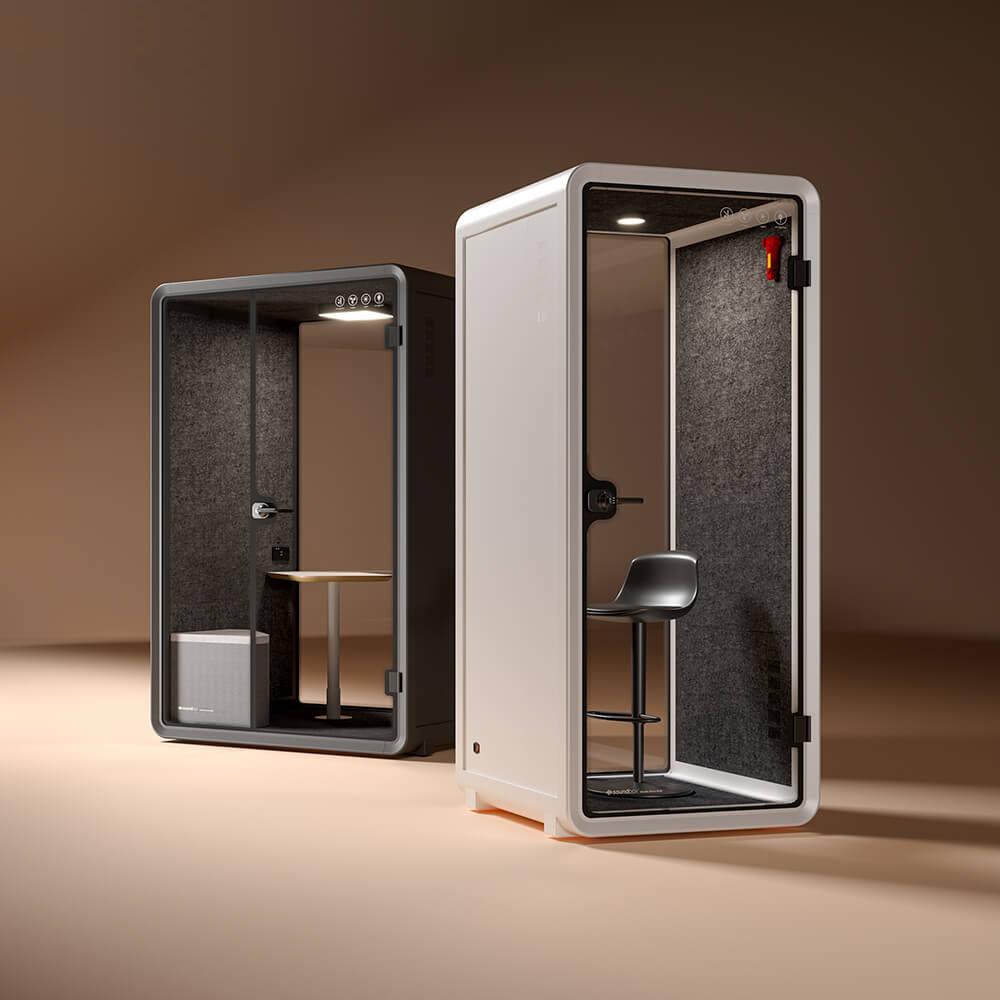
Create a responsibility matrix for survey, approvals, shutdown, disconnection, disassembly, packing, handling, transport, storage, parts, reassembly, connections, cleaning, tests, records, defects, and reopening. Name an organization and deliverable; "by others" is not enough.
Clarify warranty before the move. Ask whether authorized installers are required, what existing coverage remains, which replacement parts carry new coverage, and who owns transport damage. Record the condition accepted by each party at handover between stages.
Plan failure. Define what happens if a panel does not fit the route, glazing is damaged, a seal is unavailable, the destination is not ready, or an approval is delayed. A controlled stop with secure storage is better than forcing assembly into an unsuitable site.
Release gates keep schedule pressure from moving risk into the next stage.
| Stage | Release evidence | Key owner | Do not proceed when |
|---|---|---|---|
| Feasibility | Model data, condition, cost, permission, programme | Asset owner | Product or business case is unresolved |
| Destination readiness | Measured route, floor, services, approvals, layout | Facilities | Largest component or interface cannot be accepted |
| Disassembly | Baseline, isolation, work zone, packaging ready | Move contractor | Services remain live or component control is absent |
| Transport | Manifest, protected packages, vehicle and route | Logistics lead | Damage, weather, access, or restraint risk is uncontrolled |
| Reassembly | Site check and component inspection | Installer | Support, parts, or approved drawing is incomplete |
| Reopening | Connections, tests, defects, records, training | Facilities owner | Critical acceptance item remains open |
Can an assembled pod be rolled across the office?
Only when the manufacturer provides an approved method and the floor, route, services, weight, stability, and clearances support it. Do not improvise movement.
Must seals be replaced after disassembly?
That depends on the model, condition, and manufacturer instruction. Inspect and record every seal; replace items that cannot achieve the approved assembly condition.
Will acoustic performance remain the same?
It may, but reassembly and the new surrounding environment can change results. Repeat installed speech, fan, vibration, and internal acoustic checks.
Can any office installer move the pod?
Use the qualifications and authorization required by the manufacturer, warranty, services, building, and project risk. Glazing and electrical work may need specialists.
What records should remain after the move?
Keep surveys, approvals, baseline, component register, photographs, manifest, replacement parts, as-installed location, connections, tests, defects, warranty, and maintenance updates.
Acoustic office pods can often be moved after installation when their design, condition, route, services, approvals, and destination support a controlled relocation. The work should follow manufacturer information and a project-specific method rather than assuming modular panels are ordinary furniture.
Record the baseline, control every component, protect transport, reassemble to the approved sequence, and recommission in the new location. Treating each move as a new installation acceptance event preserves acoustic performance, safety, warranty clarity, and asset value.

 Tel: +8613538031763
 Email: info@sopworkpod.com
 MP/WhatsApp: +8613538031763
 Manufacturer Address:Liucheng Lujiang District,Meixi Road,Nanan City,Fujian,China