Author:SOP Work Pods Manufacturer TIME:2026-08-28
An office with hundreds of employees may need fewer phone booths than a smaller floor where customer calls overlap during one narrow hour. Annual headcount, desk count, and average attendance describe population, but they do not show concurrent enclosed-call demand. The queue is created by timing, task eligibility, location, duration, and the alternatives people can actually use.
Quantity planning also fails when every missed call is treated as a booth shortage. A booking interface may hide an available unit, a poor location may create a local queue, users may occupy booths for tasks suited to open desks, or faults and reset time may reduce supply. Buying another unit before separating those causes can reproduce the same problem at a larger scale.
This method builds an evidence ladder from call events to an initial quantity and a later expansion rule. It does not offer a universal ratio. The office records overlap, denied demand, distribution, duration, downtime, substitution, and placement, then chooses the smallest workable deployment that can be revised through observed triggers.
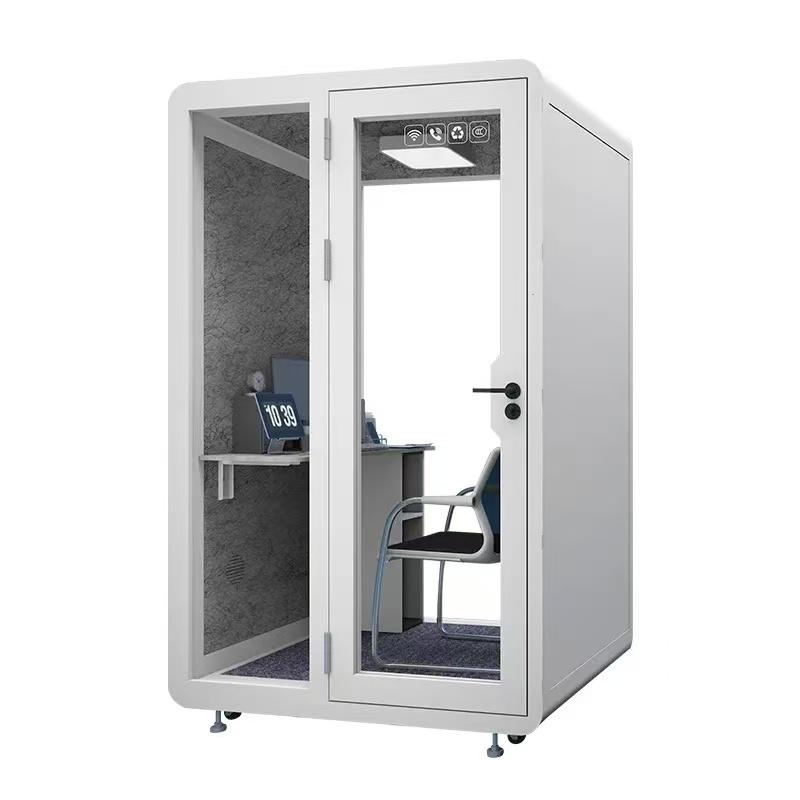
Define which work belongs in an office phone booth. Typical candidates may include a short private call, a customer conversation that would disturb nearby workers, an interview segment, or a remote meeting where one speaker needs enclosure. Exclude tasks that require multiple occupants, specialist equipment, a conventional confidential room, or a long focused workstation if the proposed booth is not intended for them.
Record events by start band, duration, location of origin, task type, privacy need, device, and acceptable alternative. The object is not to monitor individuals or conversation content. It is to see how many eligible tasks overlap and where. Use existing calendar, booking, observation, or voluntary team records only within approved data and workplace processes.
Define an overlap consistently. Two calls compete when they need suitable enclosure at the same time and cannot use dependable alternatives. A call that can move by a few minutes may be different from an urgent support escalation; a confidential HR discussion may have a narrower set of alternatives than a routine vendor check-in. Keep urgency and substitution separate from simple volume.
Sampling should cover the days and business cycles that influence the decision. A single busy morning may be exceptional, while an average week may miss a recurring month-end or campaign event. State which patterns were observed and which remain unknown. Quantity can be provisional until the important time bands have appeared.
A queue is more than people waiting beside a booth. Demand may disappear when users take calls at desks, move to corridors, occupy larger meeting rooms, postpone work, join from outside, or abandon the conversation. Record the chosen fallback and whether it was suitable. Hidden displacement can make utilization look healthy while the workplace problem remains.
Distinguish a failed search from a capacity failure. The user may not know the booth exists, may see stale booking status, may refuse a long walk, or may find the unit closed for cleaning or a fault. Each event points to awareness, system, placement, operation, or quantity. Buying is justified only after the cause is classified.
Note the effect on other resources. An individual call that occupies a large meeting room can block team work even though the caller found enclosure. A desk call may expose speech or interrupt neighbors. A postponed call may create customer or workflow impact. Describe the task consequence without inventing financial or productivity numbers.
Use a simple denied-demand record that protects personal details. Capture time band, origin zone, eligible task category, sought duration, available booth status, fallback, and whether the task was completed acceptably. This evidence is specific enough for planning and limited enough to avoid collecting conversation content.
Totals across a building can conceal unusable distribution. Map demand around practical walking catchments, considering floor changes, secure zones, accessibility, client routes, and whether a sensitive call can cross a busy area. A spare booth on another floor may not be a dependable substitute for an urgent conversation.
Teams have different rhythms. Sales, recruitment, HR, project delivery, customer support, and executives may create distinct call patterns, but job title alone is not evidence. Observe the work schedule and eligible events. Avoid assigning permanent capacity to a group before checking whether demand is recurring and whether shared supply can cover non-overlapping peaks.
Time bands should be fine enough to reveal overlap and broad enough to protect individuals. The office can compare morning and afternoon clusters, planned versus ad hoc work, or business-cycle periods without creating a surveillance record. Local privacy and employee processes govern the collection method and access.
Placement should follow both origin and external impact. Locate a candidate where users can reach it, waiting does not obstruct circulation, listener and sightline paths are manageable, and door activity does not disturb concentrated desks. Test alternative orientations or nearby zones before concluding that a local queue needs another unit.
A calendar hour is not a full hour of supply. Sessions vary, users enter early or leave late, the booth may need cleaning or reset, equipment may fail, and a fault can remove it from service. Measure the events that apply to the local operating model instead of adopting an invented utilization allowance.
Duration mix matters. Many short calls create frequent turnover and status changes; fewer long calls can block urgent demand even when the daily event count is low. Define maximum or guidance periods only after reviewing task needs and alternatives. A policy that pushes legitimate work out of the booth is not a capacity solution.
Record availability by cause. Booking hold, no-show, overrun, cleaning, maintenance, technology support, physical defect, and building closure should not be merged. Correct policy and service loss before purchasing around it. A repaired status integration may release apparent capacity without changing the number of units.
Recovery between users may depend on ventilation, furniture reset, device removal, and cleaning. Observe the actual route and owner. Do not shorten recovery on paper to make a target ratio work, and do not reserve a generic gap when the exact configuration and service have not been tested.
Select an initial quantity that can test the dominant catchments and time bands without pretending to be the final fleet. Place units where the evidence predicts eligible demand, then mark at least one credible relocation if the assumption is wrong. Confirm delivery, access, floor, power, data, ventilation interaction, circulation, maintenance, and local reviews before the pilot.
Observe substitution among units and alternatives. A user may pass a free booth because it lacks the right device setup, feels unsuitable for the intended duration, or sits outside the privacy route. Two units are not interchangeable merely because both are called phone booths. Keep configuration and accepted role beside every availability event.
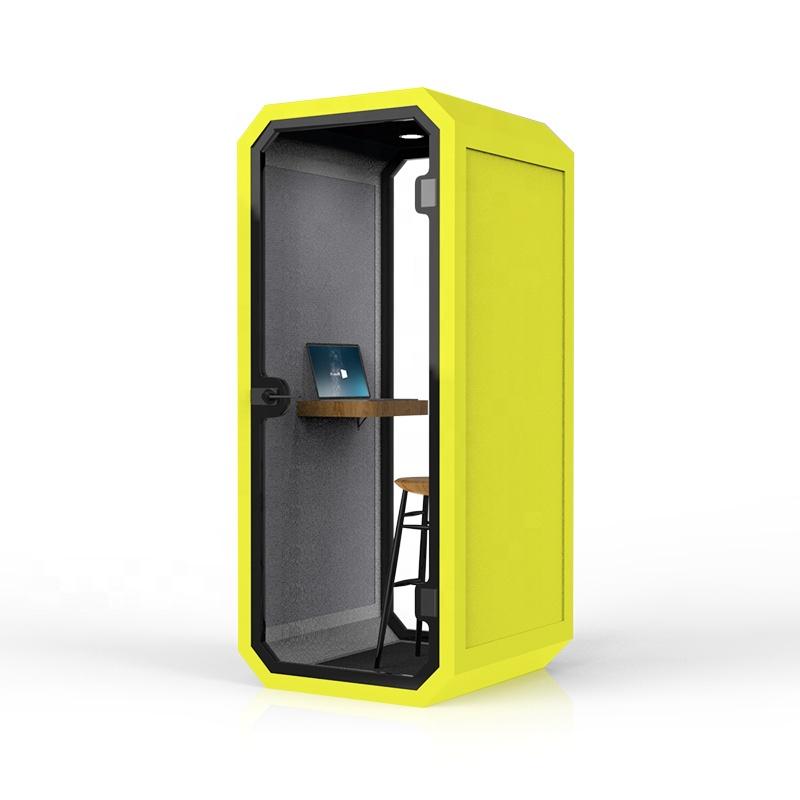
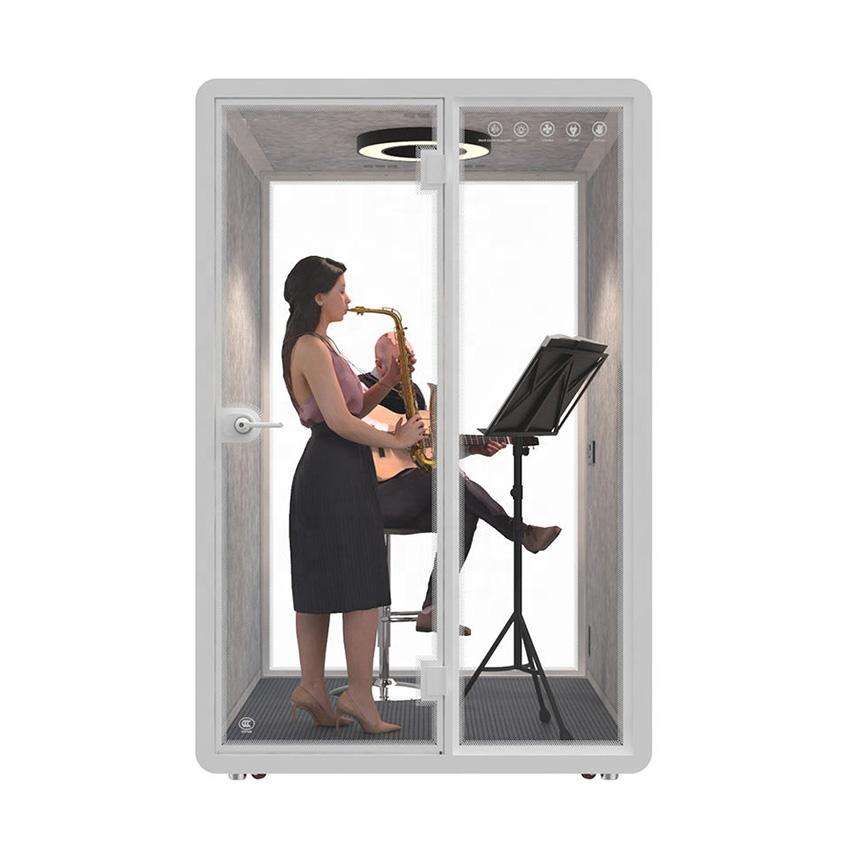
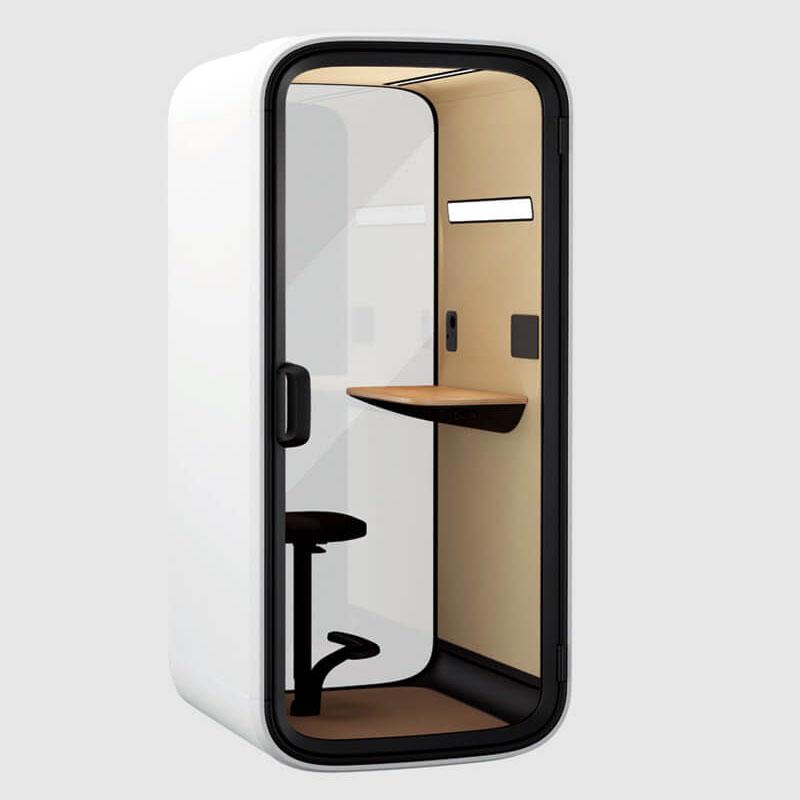
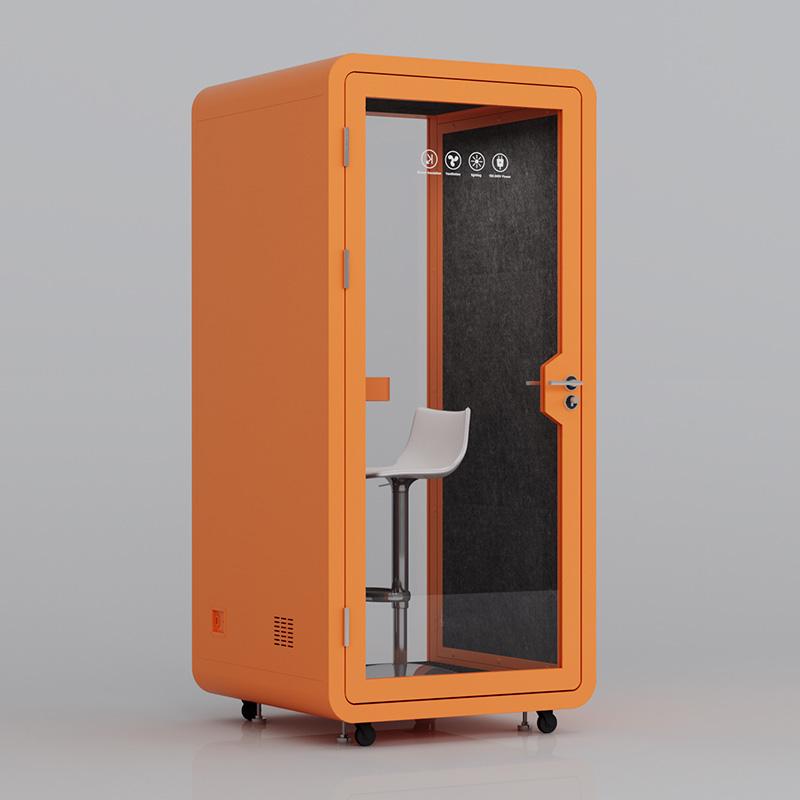
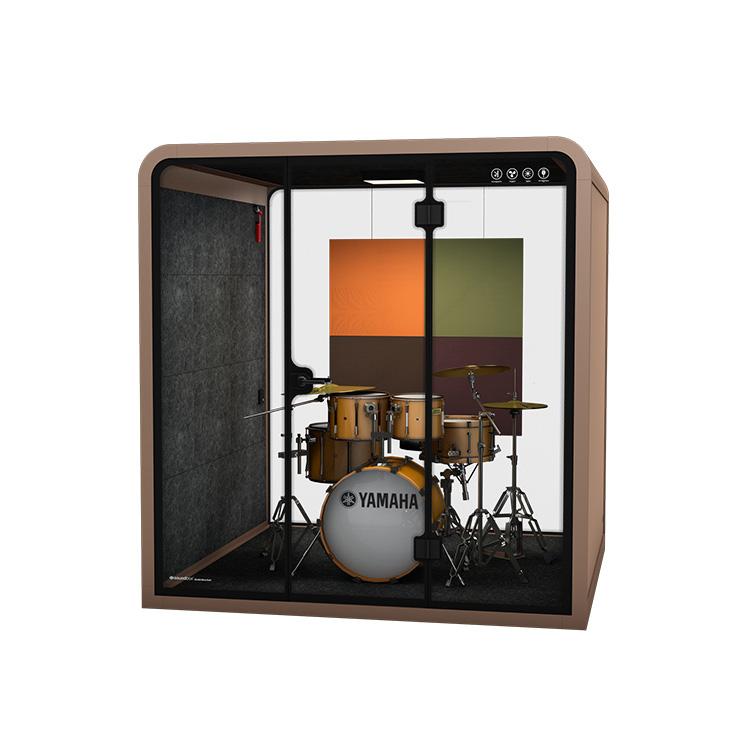
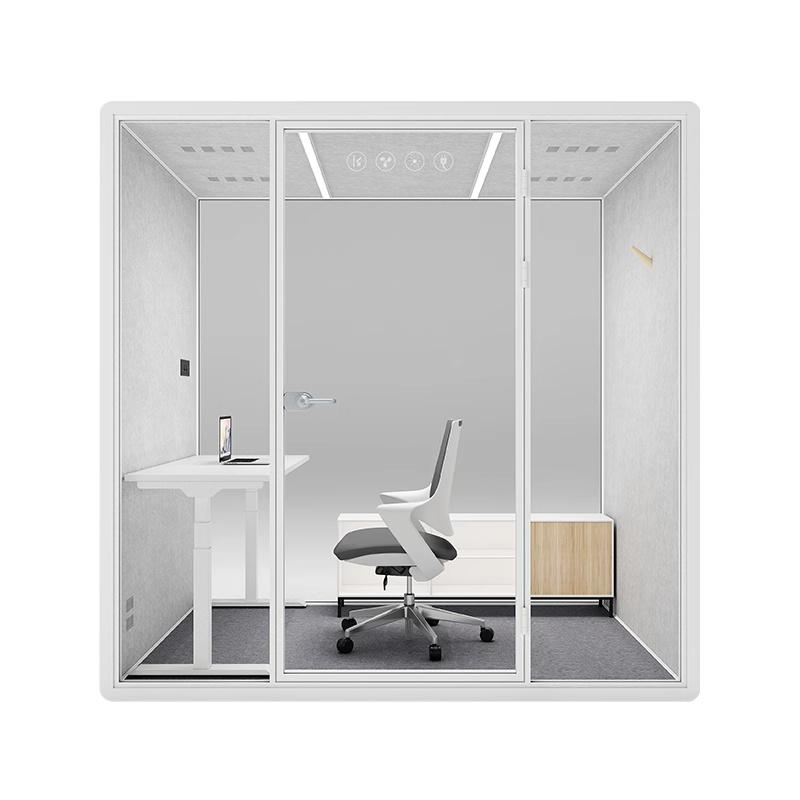
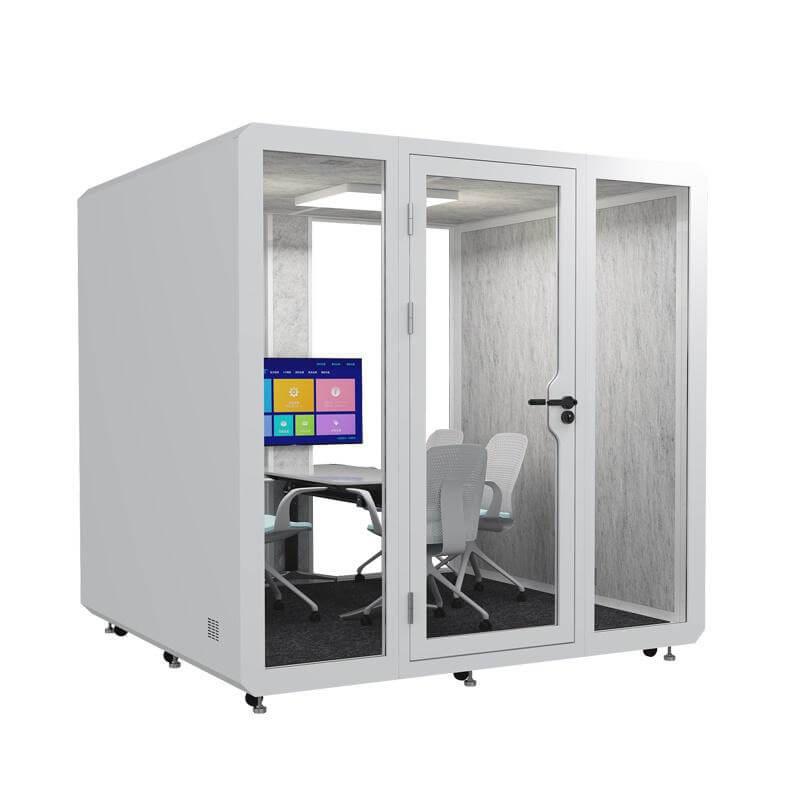
The office phone booth product reference can identify the exact unit being tested after occupancy, task, site, and service requirements are written. Preserve model, options, furniture, connections, and support boundaries. Quantity evidence from one configuration should not silently approve a substitute with different occupied conditions.
Start with the smallest deployment that can reveal repeated pressure across the important patterns while retaining suitable alternatives. Too small a pilot can manufacture failure; too large a purchase can conceal bad placement. The decision record should explain which catchments and task roles the initial units cover and which remain outside the test.
| Evidence event | What to record | Cause check before buying | Decision use |
|---|---|---|---|
| Concurrent eligible calls | Time band, catchment, task category, duration, alternatives | Confirm overlap and role eligibility | Estimate local pressure |
| Denied or abandoned demand | Available status, fallback, task consequence | Check discovery, booking, placement, fault and policy | Identify unmet need |
| Displaced work | Desk, corridor or large room used instead | Assess whether the substitute was suitable | Expose hidden capacity cost |
| Unavailable booth time | No-show, overrun, cleaning, reset, support or defect | Recover service loss before expansion | Calculate usable supply |
| Repeated trigger event | Same role, catchment and time pressure after corrections | Verify alternatives and location again | Add, move, exchange or hold |
For each catchment and important time band, identify the observed concurrent eligible events, subtract tasks served by dependable alternatives, then compare the remainder with usable booth supply after known unavailability. Keep each input as a range or observed record where uncertainty exists. Do not compress the entire office into one unexplained ratio.
Review service level through consequences, not a promise of zero waiting. Decide which task types require immediate access, which can shift, which must move to an approved room, and what repeated denial is unacceptable. A quantity that works for routine calls may still require a protected route for sensitive or urgent events.
Check whether a mixed configuration is needed. Short-call booths, longer-session units, and compact meeting pods may serve different demand. Adding the wrong type can increase nominal capacity while the critical queue remains. Allocate each unit to a role and test the exchange rules when another role is full.
Record the decision as provisional when the sample lacks a key period, location, or team pattern. State the initial number, distribution, roles, known alternatives, operating assumptions, and unresolved demand. That transparency makes later expansion a continuation of evidence rather than a correction hidden behind a new purchase.
Define an expansion trigger before users request more units. It should require repeated eligible denied demand in a known catchment and time band after booking, awareness, placement, role, fault, and policy corrections have been checked. The event record should also show that suitable alternatives were unavailable or caused a documented displacement.
Define a relocation trigger separately. Consistent queues in one zone and unused supply in another, long travel, external disturbance, or poor visibility may justify moving a unit before adding one. Reopen route, services, circulation, listener paths, and local approvals for the receiving location. Portability should never be assumed from the product label alone.
Reduction or reassignment is also a valid outcome. A unit may remain underused after awareness, role, and location corrections, or a team pattern may change. The office can move it, change its approved role, or remove it while preserving alternatives. A fleet does not need to grow forever to prove that the original decision was sound.
Schedule reviews around meaningful change such as attendance policy, team relocation, call workflow, technology, room inventory, or recurring complaints. Preserve the baseline and use the same demand categories where possible. This keeps quantity planning responsive without turning every short fluctuation into a procurement event.
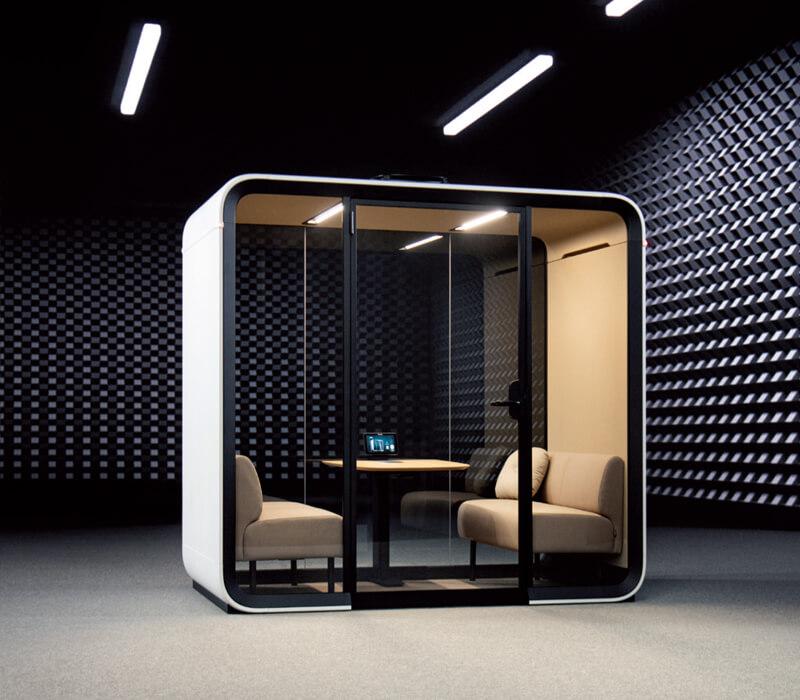
No ratio can capture every call pattern, privacy need, duration, location, alternative, and operating interruption. A ratio can be a rough sense check only after local concurrency evidence exists. Use observed eligible overlap and dependable supply for the actual decision.
Dedicated supply is justified only when access, security, urgency, or recurring non-overlapping constraints make shared capacity unsuitable. Map catchments and time bands first. Shared units may serve several teams when their peaks differ and the route remains practical.
Use role schedules, expected call tasks, room inventory, team distribution, and comparable internal patterns to create a provisional deployment with explicit assumptions. Preserve move options and an early review trigger. Do not present the forecast as measured demand.
Users need a task-based fallback: wait or reschedule where acceptable, use another suitable booth, move to an approved room, or follow the organization's route for urgent confidential work. The event should enter the demand log without recording conversation content when it represents eligible denied use.
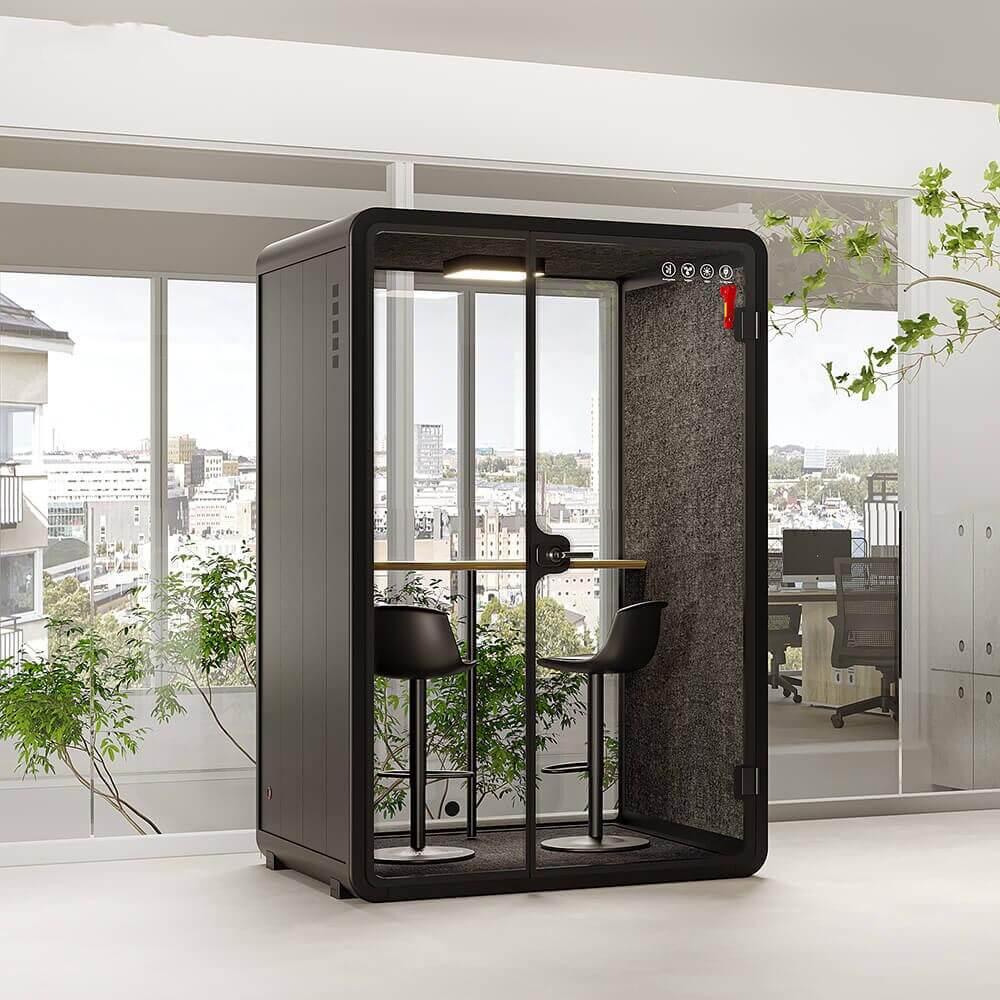
The number of office phone booths should follow concurrent eligible calls, local catchments, dependable alternatives, and usable operating supply. Headcount and average attendance can frame the question, but they cannot reveal hidden displacement, duration pressure, downtime, or the location where a queue forms.
Begin with the smallest deployment that can test the important roles and zones. Add units only after repeated denied demand crosses the recorded trigger and remains after discovery, booking, placement, policy, faults, and substitution have been corrected. Keep relocation, role exchange, and reduction available when the evidence points elsewhere.

 Tel: +8613538031763
 Email: info@sopworkpod.com
 MP/WhatsApp: +8613538031763
 Manufacturer Address:Liucheng Lujiang District,Meixi Road,Nanan City,Fujian,China