Author:SOP Work Pods Manufacturer TIME:2026-06-02
Buying a soundproof office pod is best treated as a small workplace project, not a furniture order. The useful question is not whether a booth looks quiet in a showroom. It is whether a particular configuration can support the calls, concentration periods, privacy level, room conditions, and service responsibilities that exist at the buyer's site.
A disciplined review moves from use case to evidence. It defines the problem, tests speech privacy and occupied comfort, checks the real interior dimensions, maps power and data, verifies the delivery route, and records what the supplier must prove before production. This sequence prevents a polished product photograph or a single acoustic number from carrying more weight than it deserves.
Write a one-page use brief before requesting a quotation. Name the users, tasks, typical session length, peak demand, speaking volume, confidential subjects, equipment, and nearby noise. A booth used for ten-minute sales calls has a different comfort and availability requirement from one used for hour-long legal interviews or deep technical work. The brief should also state whether the pod is a shared amenity, an assigned room, or part of a larger quiet-zone plan.
Define the failure that would make the purchase unsuccessful. Examples include audible conversations at adjacent desks, users leaving the door open because the booth becomes warm, queues during call peaks, poor camera lighting, inaccessible controls, or an installation that blocks circulation. These failure statements turn broad expectations into matters that can be inspected. They also reveal when the actual solution may require several one-person booths, a meeting pod, better booking rules, or changes outside the pod.
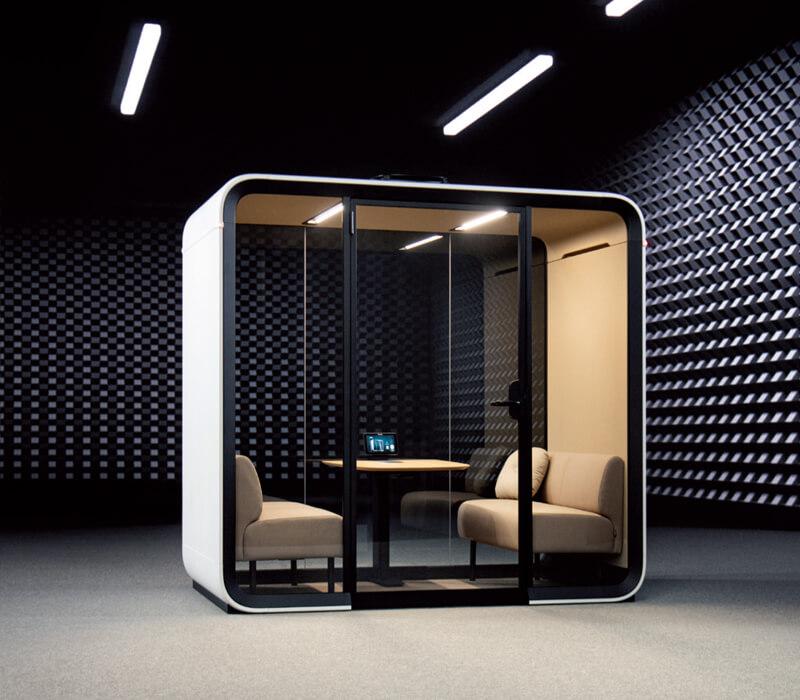
Soundproof is a commercial description, not a complete acceptance method. Buyers should distinguish speech level reduction, sound absorption inside the booth, background noise created by the fan, and privacy in the actual office. Laboratory data can help compare complete enclosures when the methods and configurations are comparable. It does not automatically predict what a listener will understand beside a door, ventilation opening, floor junction, or glass panel after installation.
Ask for the test method, complete product configuration, result format, and date rather than accepting an unexplained decibel claim. Then add a practical speech test. Place a speaker inside at normal call volume and listeners at the nearest occupied positions outside. Repeat with the fan on, the door fully latched, and ordinary office background noise present. Record whether words are intelligible, not merely whether a voice can be detected. Highly sensitive discussions may still require policy controls, distance, or masking outside the booth.
Inspect the likely weak paths: gasket compression around the door, seals around glass, cable penetrations, panel joints, ventilation routes, and contact with an uneven floor. A sample video showing closure and fan operation can reveal rattles or obvious gaps, but it is screening evidence. Final acceptance belongs to the delivered unit in its intended position.
Ventilation should be judged during a realistic occupied session. A fan rating without the test arrangement, resistance, control setting, and measurement location says little about comfort. Heat comes from the occupant, laptop, display, lighting, and the surrounding room. A small booth can feel acceptable during a quick demonstration and become tiring after repeated thirty-minute calls.
Ask where air enters and exits, how short-circuiting is prevented, how many speed settings exist, what sound the fan creates at each setting, and how the grilles or filters are cleaned. Check whether air blows directly onto the user's face or microphone. Where the project needs formal ventilation or indoor-air-quality review, the pod must be coordinated with the building engineer and local requirements rather than treated as an independent substitute for the room's ventilation system.
Occupied trial: Use the intended laptop and lighting, close the door for the longest normal session, record comfort at ten-minute intervals, and note recovery time before the next user enters. Test fan sound during an actual call, because a quiet room and an active microphone expose different problems.
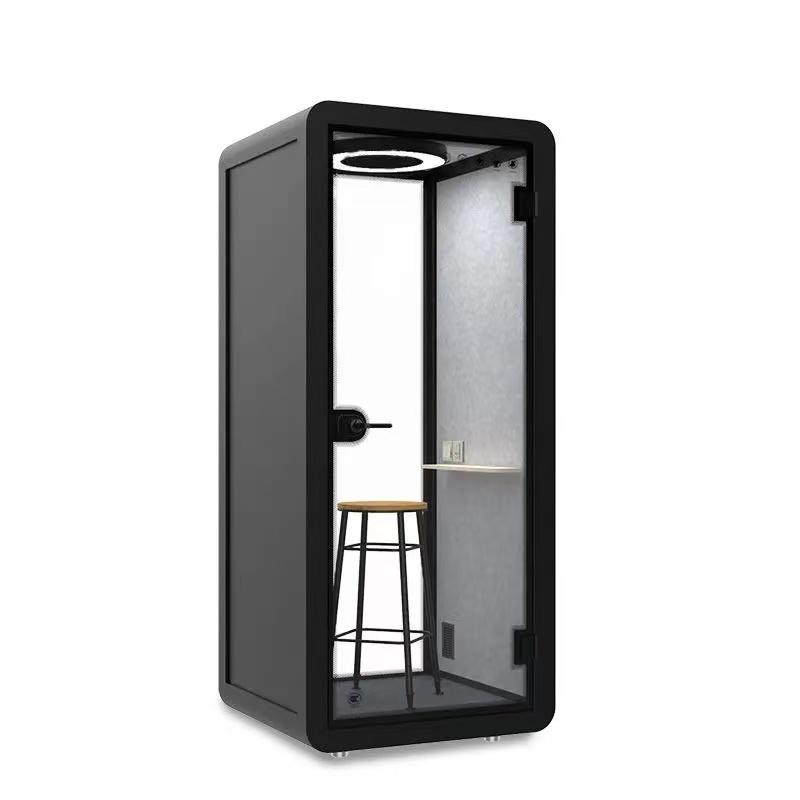
Catalog dimensions can refer to external size, shipping size, internal clear space, or a nominal product family. Request dimensioned drawings that show wall thickness, door opening, threshold, desk depth, seat movement, ceiling height, ventilation projections, and service clearances. Check the user's knee space and screen distance with the real furniture option. A one-person label does not guarantee comfort for every body size, wheelchair approach, or equipment setup.
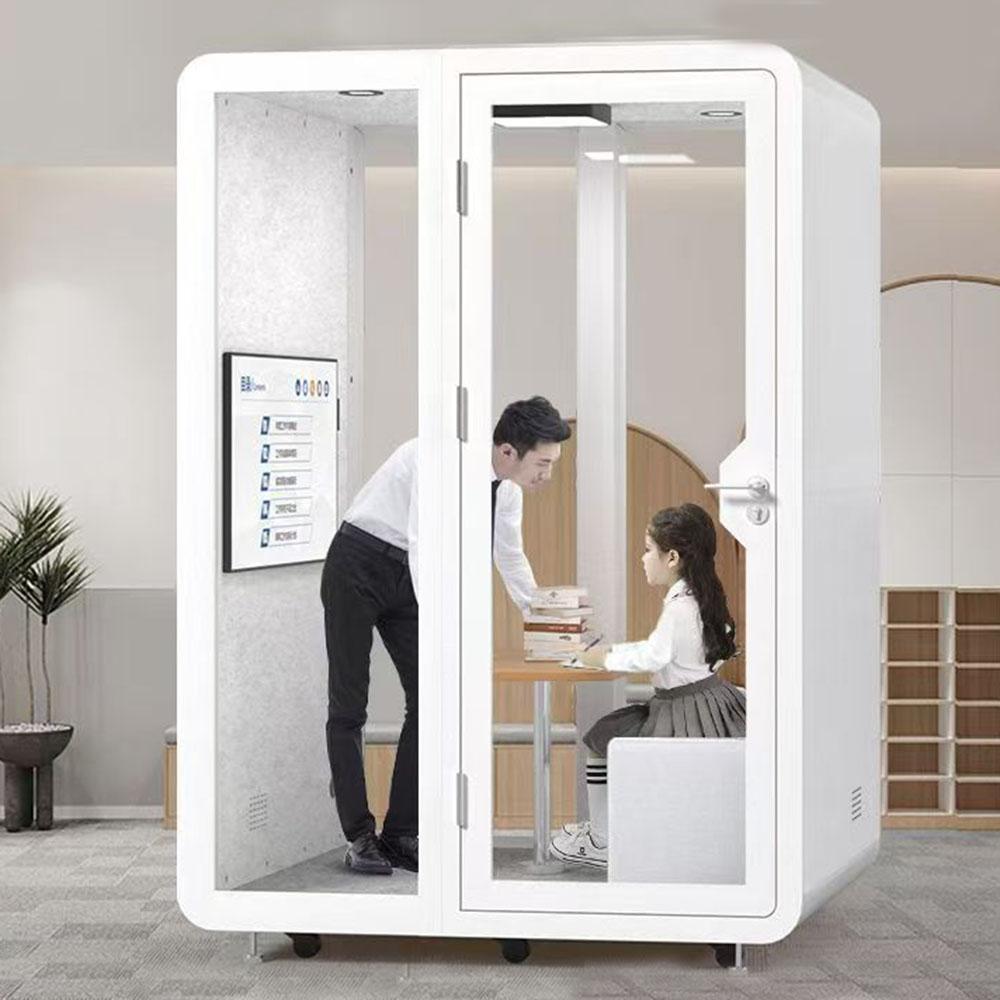
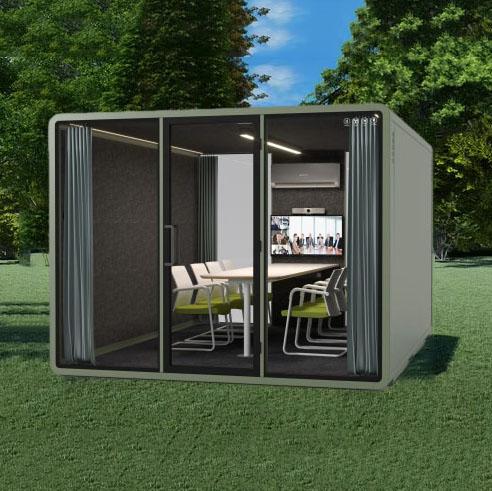
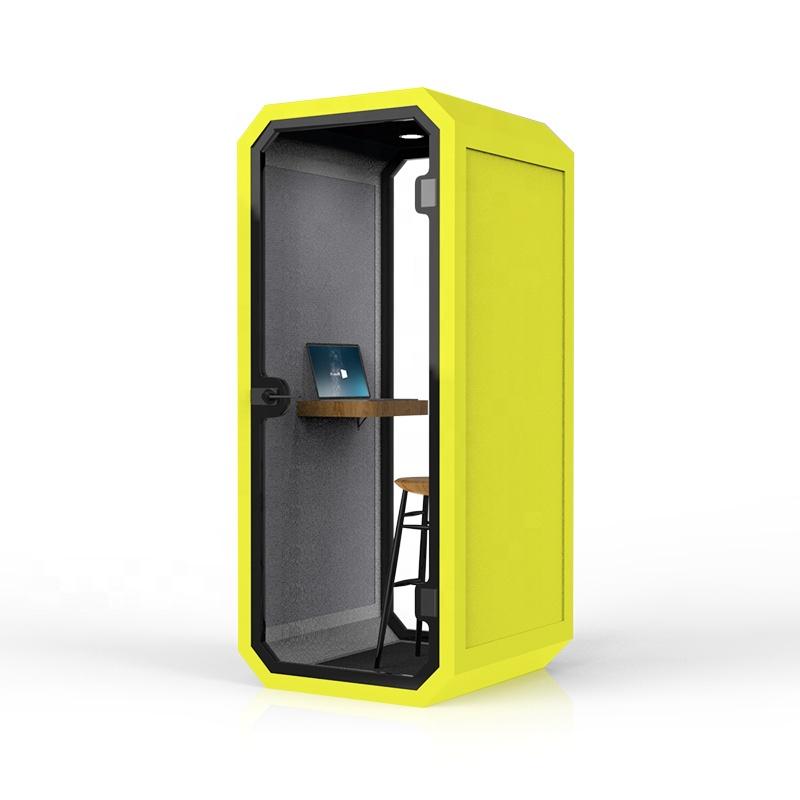
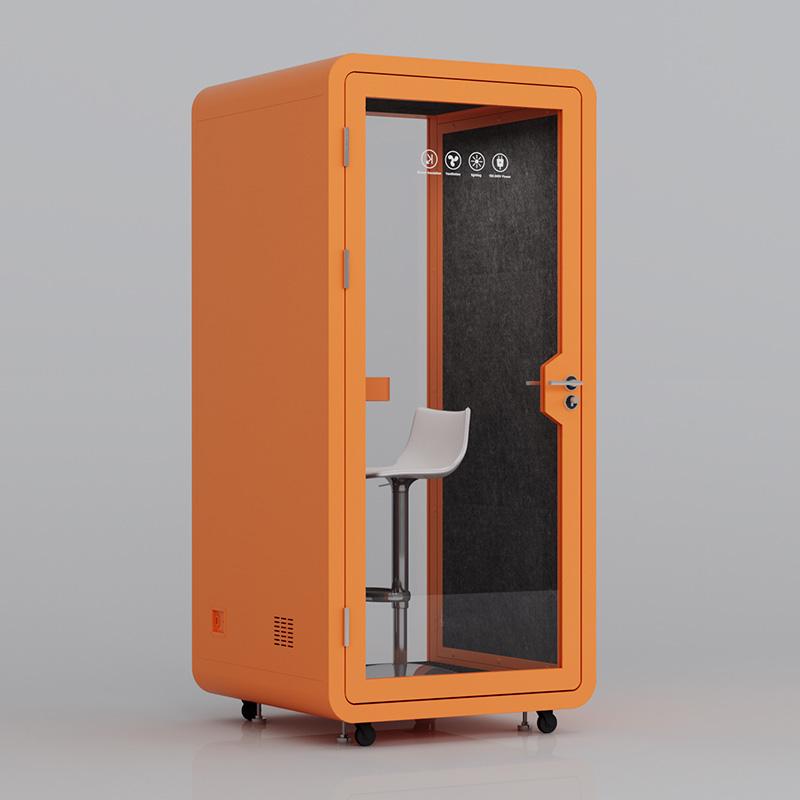
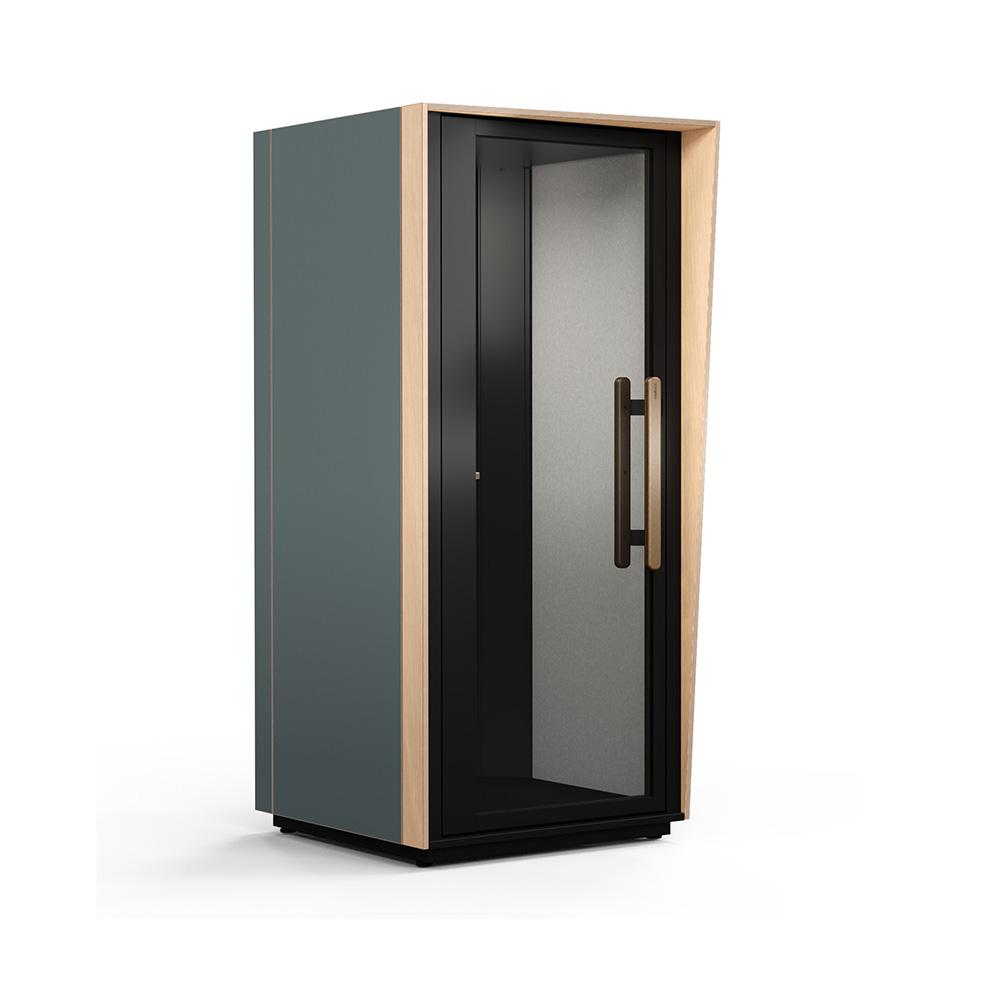
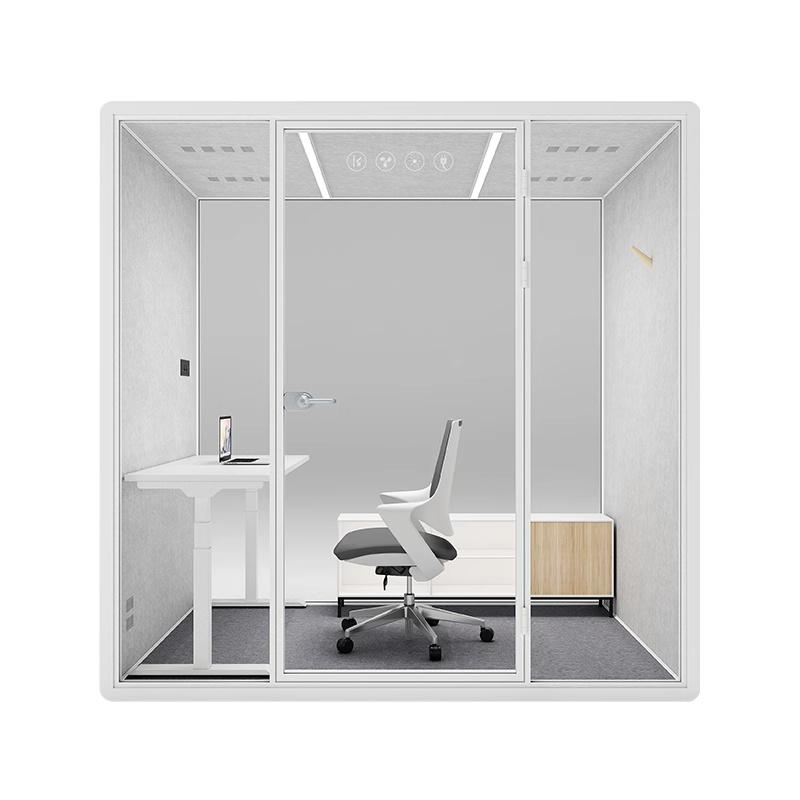
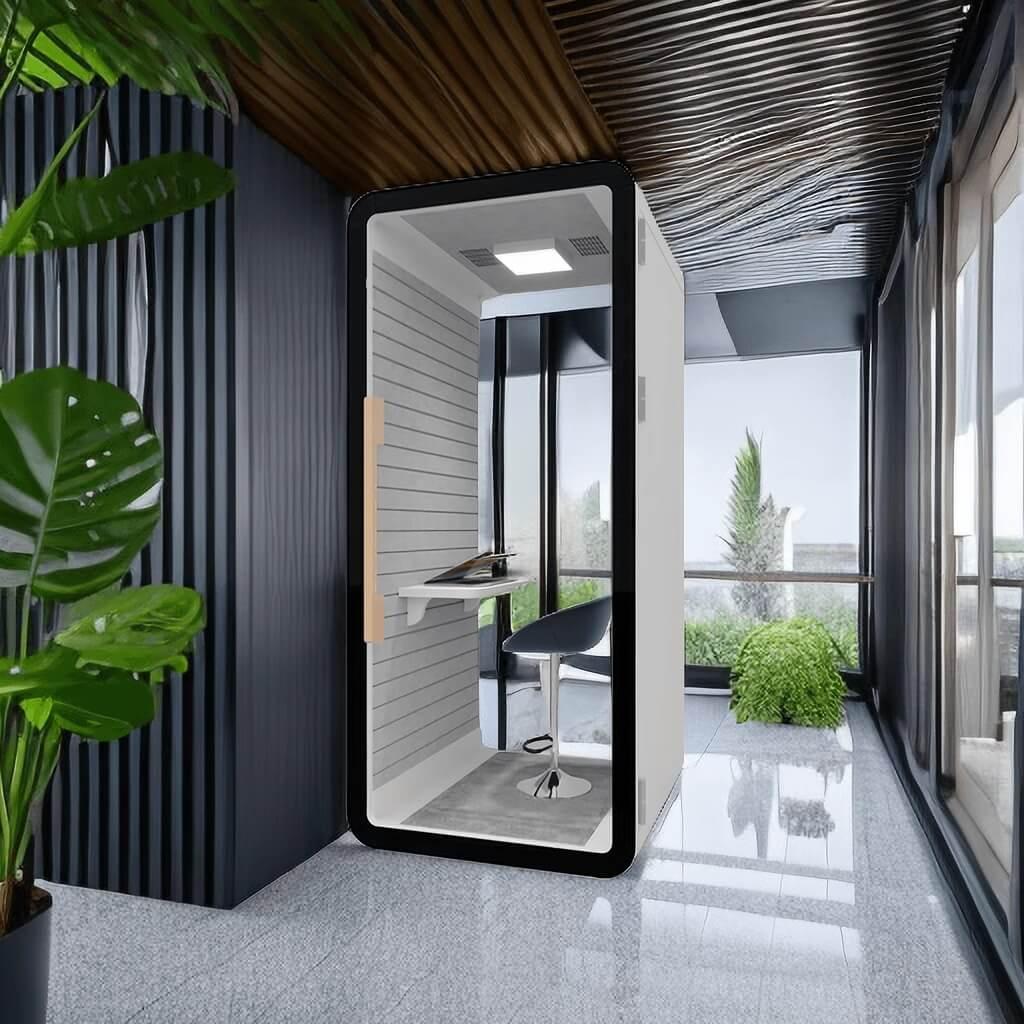
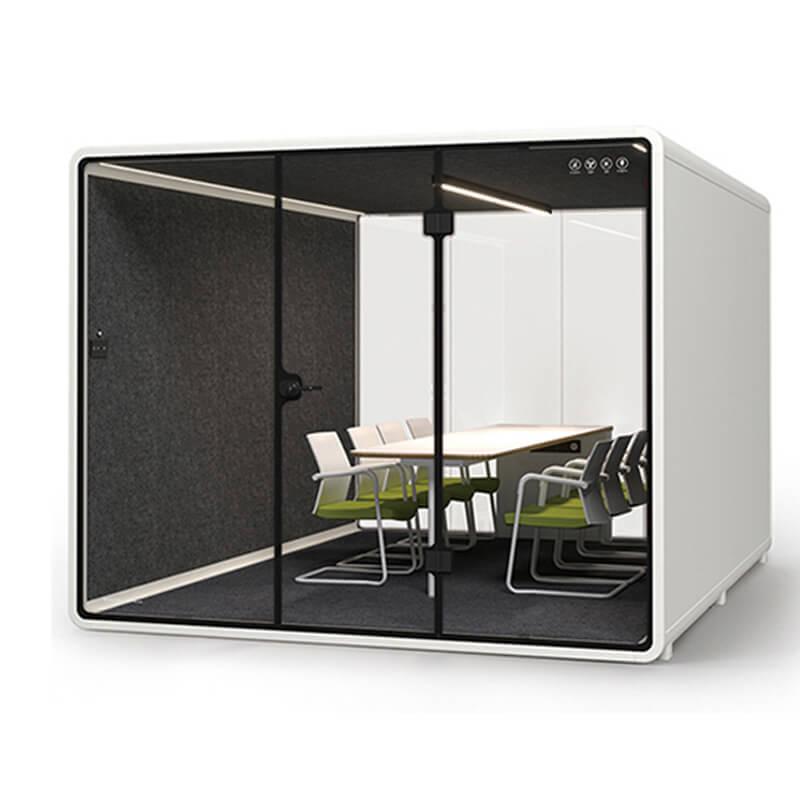
Place the drawing on the office plan and include door swing, circulation, emergency routes, cleaning access, sprinkler and detector coordination, ceiling services, and sightlines from nearby desks. Buyers comparing configurations can review office pod product options as a starting point, but the chosen size should be released only after its internal clearances and site interfaces have been marked on the project drawing.
Accessibility should be reviewed as a project condition. A flush threshold, appropriate clear opening, reachable controls, turning space, and suitable furniture may require a different model or location. Do not assume that a movable product is exempt from the building, workplace, fire, or accessibility decisions that apply at the site.
Count functions, not sockets. List laptop power, monitor, phone charger, wired data, USB charging, video equipment, occupancy controls, fan, and lighting. Mark the side on which each connection is needed and identify what is supplied inside the pod versus what the site electrician must provide. Imported configurations may differ in voltage, plug type, protection, cable certification, or connection method, so the electrical schedule belongs in the signed specification.
Lighting should support faces and documents without glare on glass or screens. Check color quality, switching, sensor behavior, and whether automatic controls interrupt a quiet user. Furniture affects both ergonomics and acoustics: a shallow desk may force the laptop too close, while a reflective tabletop can make speech sound harsh. Test camera framing from the actual seated position instead of relying on interior photographs.
Trace the route from truck to final position. Record crate dimensions and weight, unloading method, loading dock restrictions, door and elevator clearances, turning points, floor protection, working hours, waste removal, and storage if installation is delayed. Determine whether the pod arrives assembled, as panels, or in modules, and whether qualified or manufacturer-authorized labor is required. A low unit price can lose its advantage when the route requires lifting equipment, after-hours access, or repeated handling.
Ask what relocation means for this exact design. Some pods can be dismantled and recommissioned; others may need new seals, fasteners, wiring checks, or factory support. Obtain an assembly manual, component list, lifting guidance, and a statement of warranty effects before assuming future mobility. Photograph concealed connections during installation so a later move does not begin with guesswork.
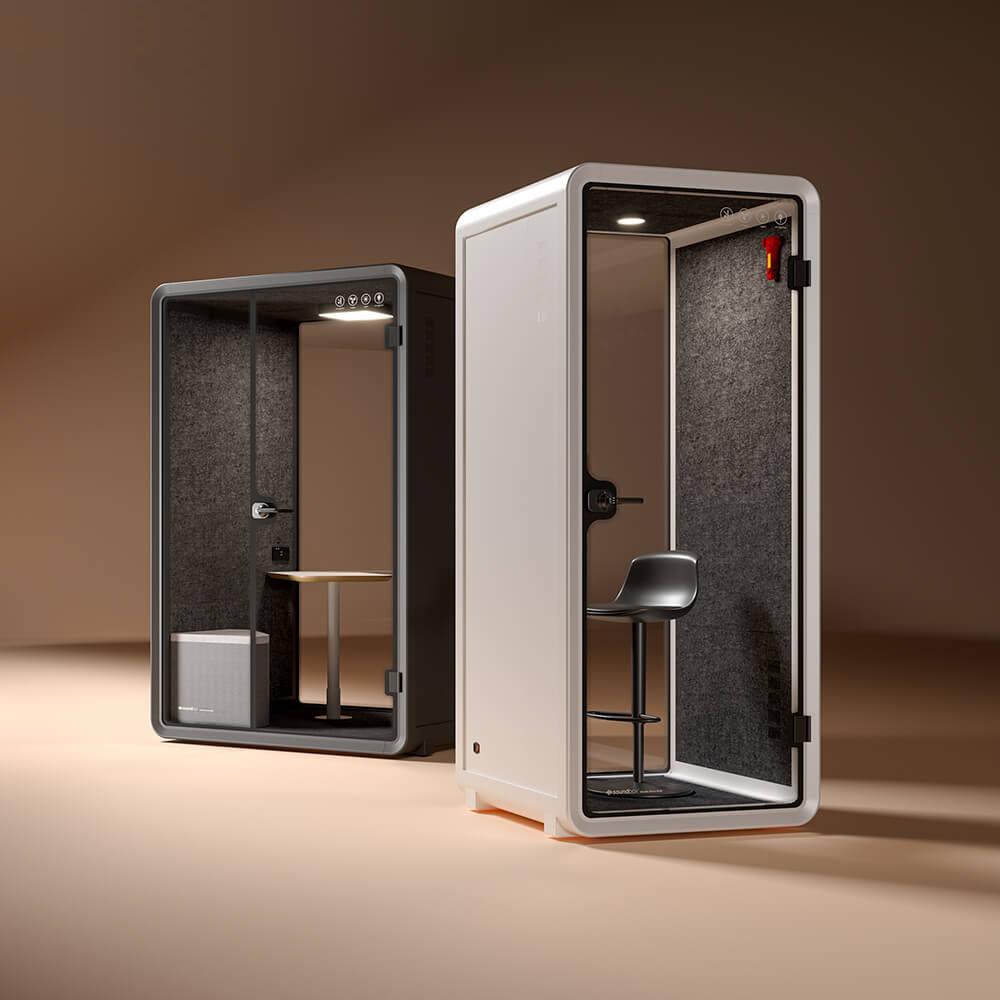
A useful quotation links each important claim to a document or test. Build a register before comparing price. Mark whether evidence is received, applicable to the offered model, current, understandable, and accepted. A certificate for one component does not prove the performance of the complete enclosure, and a photograph of another project does not confirm the dimensions or options in the buyer's order.
| Decision claim | Evidence to request | Site confirmation |
|---|---|---|
| Speech privacy | Complete-enclosure test information and offered build-up | Normal-speech intelligibility check at adjacent positions |
| Occupied comfort | Air path, controls, fan data, cleaning method | Longest-session heat and fan-sound trial |
| Electrical scope | Component schedule, connection diagram, responsibility boundary | Qualified site inspection and functional test |
| Maintainability | Parts list, access method, warranty and response process | Handover record and named service contact |
Include finishes, packing, lead time, installation, defects, spare parts, and exclusions in the same register. When evidence is missing, do not automatically reject the supplier; classify the uncertainty, identify who can close it, and make completion a release condition. This is more reliable than awarding points for unsupported features.
A weighted feature score can hide a fatal weakness. A pod may collect points for finishes, accessories, and price while failing the delivery route or occupied comfort test. Use mandatory gates first: the unit must fit the site, support the intended session, satisfy project approvals, have a clear electrical boundary, and provide acceptable evidence. Only configurations that pass those gates should move to value comparison.
For the remaining options, compare normalized installed cost, lead time, disruption, warranty response, spare availability, relocation needs, and the consequence of downtime. Record assumptions beside every score. The final approval should name the selected configuration, unresolved items, responsible owners, and acceptance tests. This short decision record is useful when procurement, facilities, IT, and end users remember the demonstration differently.
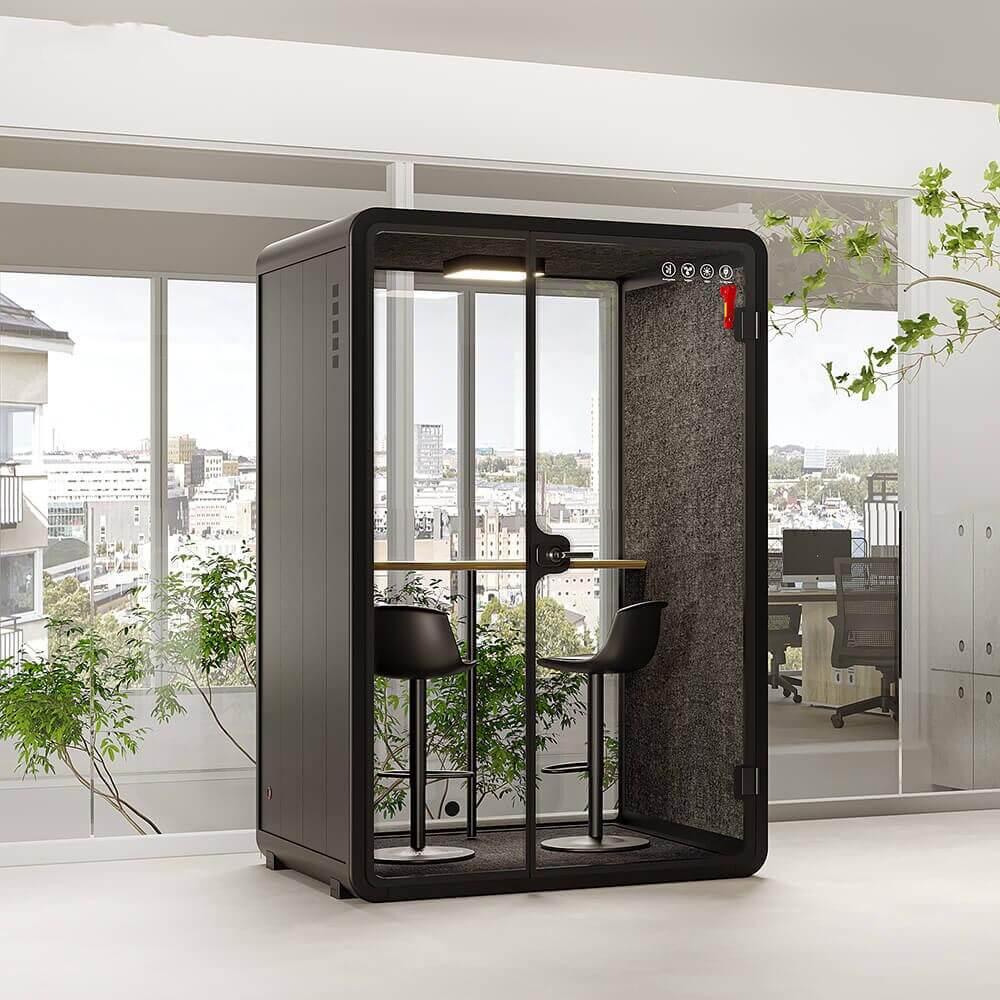
Is the highest acoustic number always the best choice?
No. First confirm that results use a relevant method and complete product configuration. Then consider door seals, ventilation noise, occupied comfort, location, and the actual privacy need. A credible but moderate result may be more useful than an unexplained larger number.
How long should an occupied trial last?
Use the longest common session, not a short showroom visit. Include the normal laptop, display, lighting, speaking pattern, and fan setting. Repeated sessions matter because heat recovery and availability affect shared-office use.
What should be fixed in the purchase contract?
Lock the model, dimensions, finishes, glass, door, ventilation, electrical configuration, furniture, packaging, delivery term, installation boundary, evidence list, acceptance method, warranty, and approved options. Attach drawings rather than relying on email descriptions.
Can the pod be moved later?
Possibly, but the answer depends on the construction, service connections, fasteners, replacement seals, route, and warranty rules. Request a documented relocation method and recommissioning checklist before purchase.
Who should approve the final specification?
Procurement should coordinate the commercial scope, while facilities, IT, electrical or building specialists, and representative users review their interfaces. Local authorities or qualified professionals may be needed where building, fire, accessibility, or electrical requirements apply.
A soundproof office pod becomes a defensible purchase when the buyer can connect a defined work problem to a verified configuration. Speech privacy, occupied airflow, usable space, services, delivery, installation, maintenance, and project approvals should be reviewed as one system. No single brochure claim can replace that work.
Begin with the use brief, reject locations and configurations that fail mandatory gates, and convert every important supplier claim into evidence or a release condition. The result is a clearer quotation, a more useful acceptance test, and a pod selected for the way people will actually use it.

 Tel: +8613538031763
 Email: info@sopworkpod.com
 MP/WhatsApp: +8613538031763
 Manufacturer Address:Liucheng Lujiang District,Meixi Road,Nanan City,Fujian,China