Author:SOP Work Pods Manufacturer TIME:2026-08-28
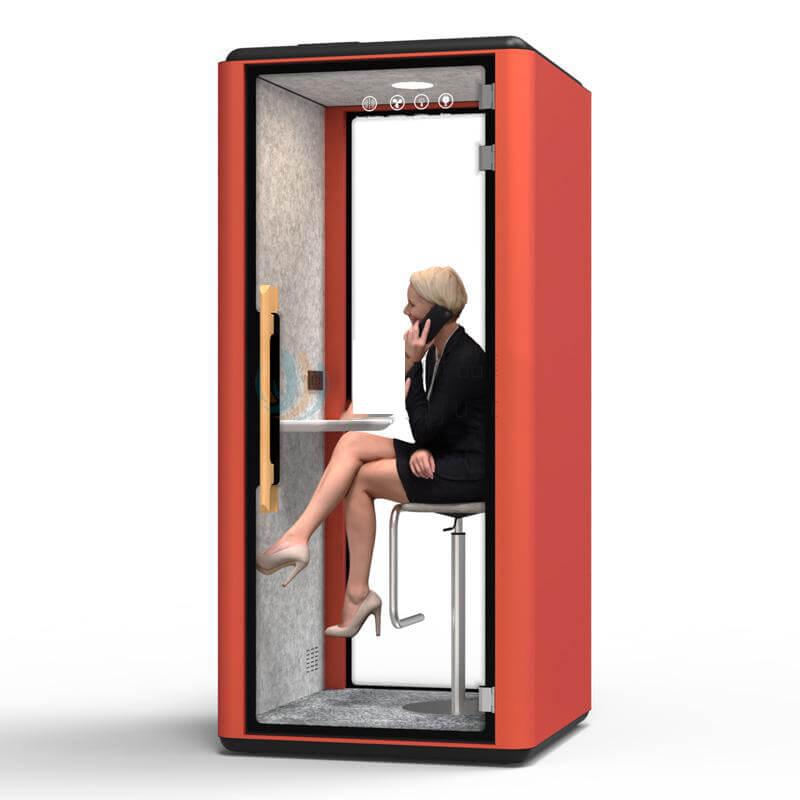
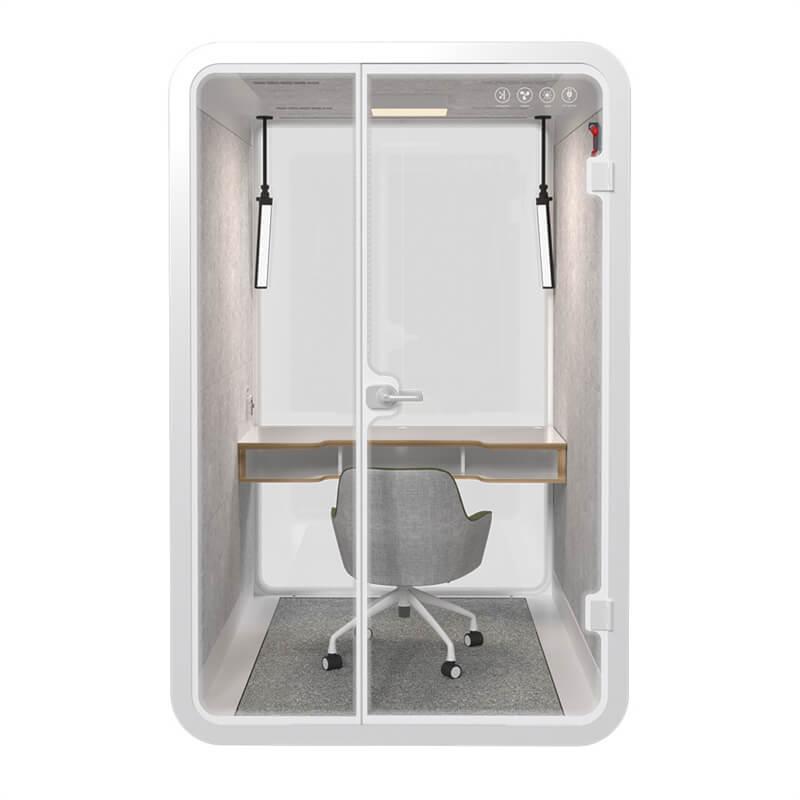
Maximizing office efficiency with Hush meeting pods is a claim that must be narrowed to a model, configuration, location, meeting population, and observation period. Brand familiarity cannot show that a particular offer will remove the room failures present in a particular office.
This pilot ledger establishes the offer first, records demand before installation, observes complete meetings and turnover, and keeps remote-participant experience separate from onsite impressions. It uses failed searches, unsuitable fallbacks, non-use, queues, faults, and context changes as evidence rather than inventing a percentage improvement.
Preserve a baseline before users know the pilot location. Record the meeting classes that fail, the zones where demand occurs, the alternatives selected, delay or interruption, and the reason a larger room or desk was unsuitable. The pilot can then be read against an actual problem rather than against enthusiasm created by a new installation.
Context belongs in every efficiency decision. A holiday period, team move, booking-policy change, new meeting room, network issue, or nearby construction can alter observations without saying anything universal about the pod. Note these changes, keep non-use and negative observations, and avoid scaling from a period that did not represent normal demand.
Where several locations are tested, preserve results by location rather than pooling them. Walking distance, surrounding activity, visibility, network condition, and nearby alternatives can explain different use patterns even when the pod configuration is unchanged.
Use the same observation fields at each location so differences remain comparable without erasing their context.
Separate adoption from suitability. Heavy early use may reflect novelty or a temporary shortage, while light use may reflect poor wayfinding, an unsuitable zone, unclear booking, or meetings that do not match the offered layout. Interview neither outcome into success. Reconcile the log with route observations, participant notes, remote experience, service history, and changes in the wider room portfolio before deciding whether another unit would solve the same problem.
Set a review date before the pilot closes. At that point, compare retained meeting classes, recurring faults, unavailable periods, booking behavior, user workarounds, remote-participant notes, and surrounding room changes with the original baseline. Scale only when the same bounded demand remains visible and the operating team can support another unit.
Use a counterfactual before scaling: identify which room or behavior would handle each retained meeting if the Hush pod were removed. If the answer is an available suitable room, a booking correction, or a technology fix, another pod may not address the real constraint. If repeated eligible meetings still fail and the pilot location remains operationally reliable, the scale argument is stronger and easier to audit.
Use Lock the Hush Offer Used in the Review to connect the documents with occupied behavior. Record exact model, size, occupancy, layout, door orientation, finishes, furniture, lighting, ventilation and controls, power, data, technology, accessories, delivery, installation, site work, warranty route, current document references, exclusions, and quotation validity. Retain the device, occupancy, and session condition used for the trial.
Use a meeting-service pilot before approval. Reconcile quotation, drawings, schedules, current supplier information, and clarifications so every later observation refers to the same offer. Preserve limitations and contrary observations because evidence from another model or option being transferred to the purchase would change the route.
The occupied trial should end with a decision about how to release a controlled offer baseline. Record the occupied condition and any change that could invalidate the trial.
Build a Demand Baseline Before the Pilot tests whether the proposed configuration survives its site context. Separate interviews, confidential consultations, hybrid reviews, small team meetings, client calls, project sessions, overflow, and meetings needing larger rooms by occupancy, duration, privacy, devices, urgency, concurrency, zone, and fallback. Record any site change that would require this decision to be revisited.
Use a meeting-service pilot before approval. Review local room evidence and observe failed searches, desk meetings, delays, unsuitable fallbacks, and periods when the intended meeting capacity is unavailable. Preserve limitations and contrary observations because a broad room-shortage claim hiding task or location mismatch would change the route.
Before moving forward, decide how to approve pod-eligible meeting classes. Attach the relevant site interface and responsible project party to the finding.
| Pilot signal | Observation method | Context retained | Decision use |
|---|---|---|---|
| Eligible demand | Log failed searches and unsuitable fallbacks | Team, zone, session type, time | Test whether the location addresses a repeated gap |
| Meeting completion | Observe representative agendas | Occupancy, devices, privacy need, duration | Approve or exclude meeting classes |
| Operational readiness | Track reset, cleaning, faults, and unavailable time | Owner, response route, nearby alternatives | Retain, correct, relocate, or consider scale |
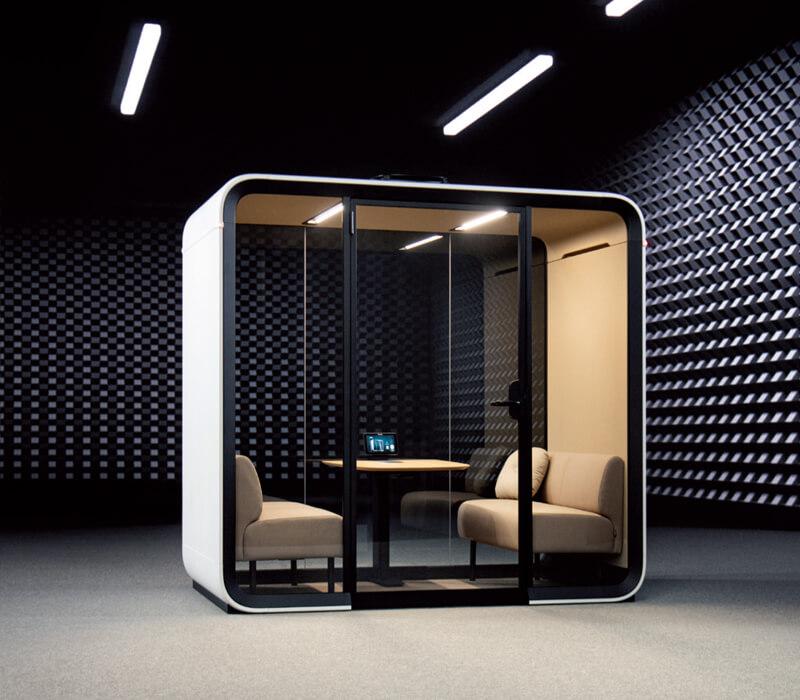
Operational ownership becomes visible under Observe Meetings Not Just Occupancy. Check seating, table, documents, shared screens, face-to-face distance, turn-taking, speaker orientation, nearby listeners, corridors, queues, glazing, screens, door and fan state, ventilation paths, entry and exit exposure, and surrounding activity. Name the service owner and fallback before treating the route as available.
Use a meeting-service pilot before approval. Run a representative agenda at intended occupancy while observers inspect listener and sightline positions in the proposed location. Preserve limitations and contrary observations because nominal capacity or enclosure appearance replacing real meeting behavior would change the route.
Assign the responsible owner, then decide how to state occupied layout and privacy boundaries. Link each operating fault to an escalation route, correction, and fallback.
Ask Remote Participants for Separate Evidence turns the preceding evidence into a controlled release question. Review camera framing, microphone pickup, loudspeaker, echo, display, content sharing, lighting, glare, data, cable routes, platform and device compatibility, controls, support, remote turn-taking, and recovery from connection failure. Carry the limitation and review trigger into the final release record.
Use a meeting-service pilot before approval. Run mixed-presence sessions with actual user devices and collect structured observations from onsite and remote participants. Preserve limitations and contrary observations because local participants accepting a poor remote meeting experience would change the route.
The release entry must state how to decide how to release a supported hybrid configuration. State the final disposition, remaining exception, and trigger for another review.
Measure Readiness Across a Full Turnover opens with the task evidence that the buyer can actually observe. Assess posture, personal space, table reach, airflow, temperature perception, fan sound, controls, device heat, full occupancy, longest normal duration, overrun, exit, reset, cleaning, recovery, queue, and readiness for the next group. Keep the finding attached to the named task, users, and observed condition.
Use a meeting-service pilot before approval. Run the maximum routine meeting followed by a realistic turnover and record coping behavior, delays, and unavailable time. Preserve limitations and contrary observations because a short demonstration overstating usable meeting capacity would change the route.
The output is a documented decision about how to approve duration and turnover limits. Preserve the source, observed condition, unresolved limit, and decision owner together.
Organize the next evidence around Assign the Operating Model Before Scale. Define booking labels, walk-up use, session length, no-shows, queues, etiquette, user instructions, IT support, cleaning, filters, door and seals, fan, controls, lighting, power, furniture, fault reporting, isolation, parts, warranty, downtime, and return-to-service checks. Compare alternatives under the same location, user, and operating-period assumptions.
Use a meeting-service pilot before approval. Rehearse normal use and a representative fault with the teams who will operate the pod. Preserve limitations and contrary observations because product delivery occurring without an efficient service owner would change the route.
Use the gathered record to decide how to release an operating and escalation route. Name the correction owner and the point at which another check is required.
The meeting-pod range can anchor model questions for the pilot, but only the controlled offer may be treated as the test item: review the relevant product configuration.
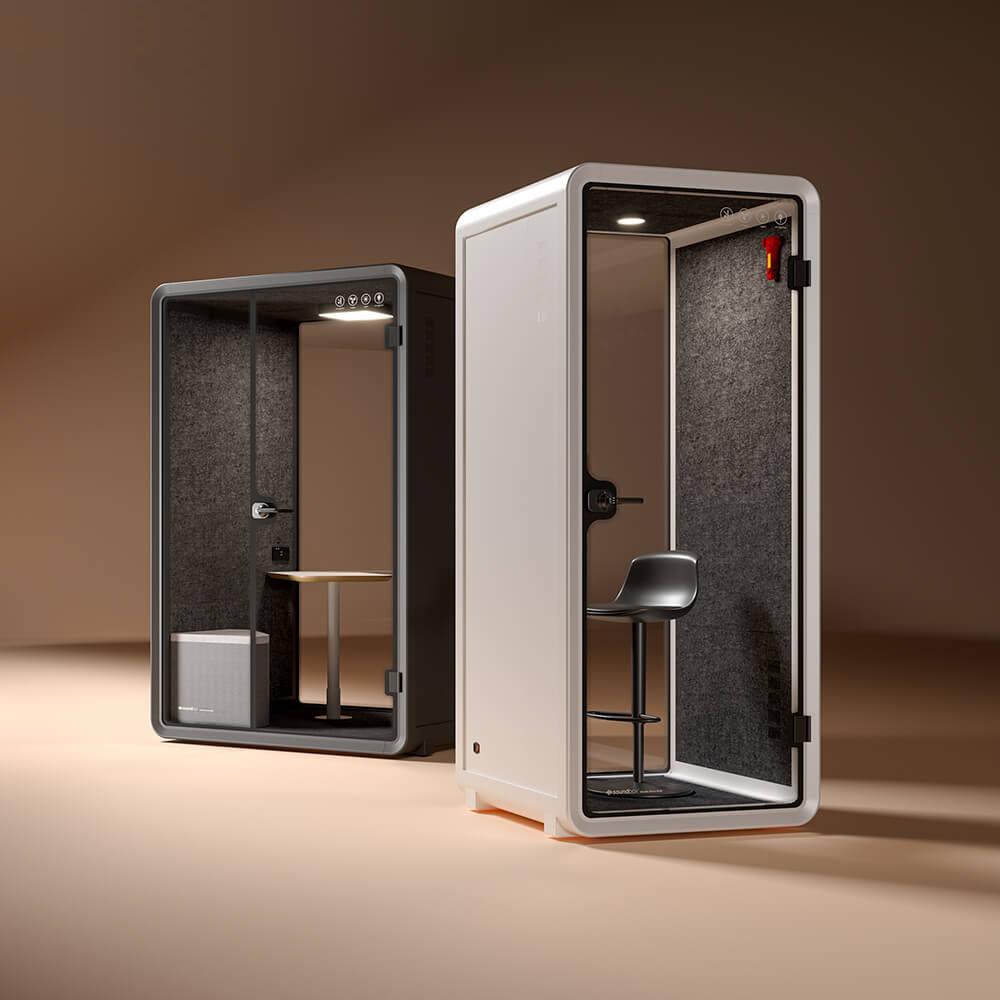
Decide With a Bounded Pilot Record narrows a broad product claim to a defined operating condition. Set model and options, units, locations, meeting classes, users, observation periods, room alternatives, failed attempts, non-use, privacy, hybrid experience, comfort, booking, turnover, cleaning, faults, support, contextual changes, and retain or stop conditions. State the boundary that prevents this observation from becoming a general product claim.
Use a meeting-service pilot before approval. Compare repeated observations with the original meeting-demand baseline and record adverse results and alternative explanations. Preserve limitations and contrary observations because novelty or selective feedback becoming an efficiency claim would change the route.
Resolve this part by deciding how to retain correct relocate observe or scale from evidence. Keep model identity, evidence scope, and accepted exception beside the disposition.
Final operating note. Run the maximum routine meeting followed by a realistic turnover and record coping behavior, delays, and unavailable time. Assess posture, personal space, table reach, airflow, temperature perception, fan sound, controls, device heat, full occupancy, longest normal duration, overrun, exit, reset, cleaning, recovery, queue, and readiness for the next group. Release should remain open while a short demonstration overstating usable meeting capacity remains possible.
Reconcile quotation, drawings, schedules, current supplier information, and clarifications so every later observation refers to the same offer. Record exact model, size, occupancy, layout, door orientation, finishes, furniture, lighting, ventilation and controls, power, data, technology, accessories, delivery, installation, site work, warranty route, current document references, exclusions, and quotation validity. Release should remain open while evidence from another model or option being transferred to the purchase remains possible.
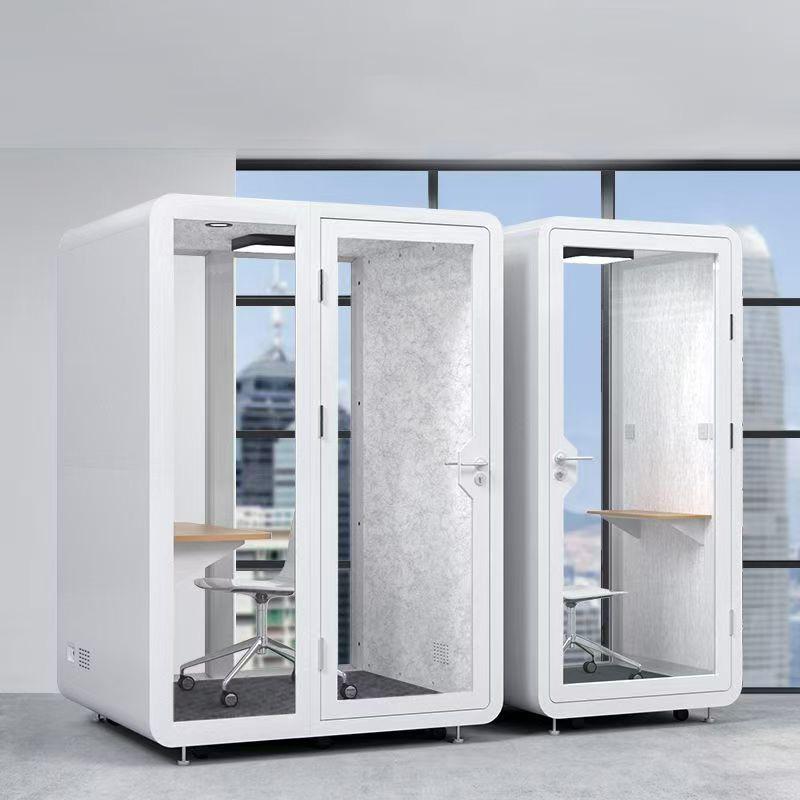
Review local room evidence and observe failed searches, desk meetings, delays, unsuitable fallbacks, and periods when the intended meeting capacity is unavailable. Separate interviews, confidential consultations, hybrid reviews, small team meetings, client calls, project sessions, overflow, and meetings needing larger rooms by occupancy, duration, privacy, devices, urgency, concurrency, zone, and fallback. Release should remain open while a broad room-shortage claim hiding task or location mismatch remains possible.
Run a representative agenda at intended occupancy while observers inspect listener and sightline positions in the proposed location. Check seating, table, documents, shared screens, face-to-face distance, turn-taking, speaker orientation, nearby listeners, corridors, queues, glazing, screens, door and fan state, ventilation paths, entry and exit exposure, and surrounding activity. Release should remain open while nominal capacity or enclosure appearance replacing real meeting behavior remains possible.
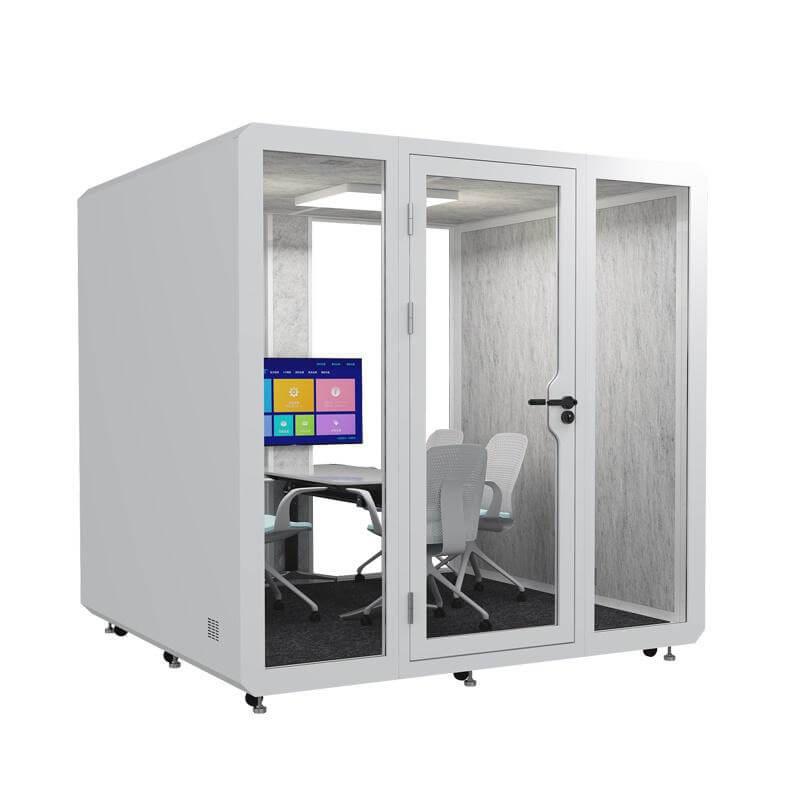
Run mixed-presence sessions with actual user devices and collect structured observations from onsite and remote participants. Review camera framing, microphone pickup, loudspeaker, echo, display, content sharing, lighting, glare, data, cable routes, platform and device compatibility, controls, support, remote turn-taking, and recovery from connection failure. Release should remain open while local participants accepting a poor remote meeting experience remains possible.
Hush meeting pods can support office efficiency only where the exact offered model serves repeated eligible meetings and remains ready through booking, use, turnover, cleaning, and support. A short demonstration or high occupancy count cannot establish that result on its own.
Close the pilot with a bounded decision: identify the retained configuration and meeting classes, list exclusions and unresolved issues, assign corrections, and state the observation context. Scale or relocation can then be considered from a record that another reviewer can understand and repeat.

 Tel: +8613538031763
 Email: info@sopworkpod.com
 MP/WhatsApp: +8613538031763
 Manufacturer Address:Liucheng Lujiang District,Meixi Road,Nanan City,Fujian,China