Author:SOP Work Pods Manufacturer TIME:2026-08-28
Enclosed meeting pods should be judged against a specific meeting shortage, privacy boundary, or collaboration problem. Their value is not established by repeating acoustic and functional benefits; each claimed benefit needs a condition, evidence source, and acceptance owner.
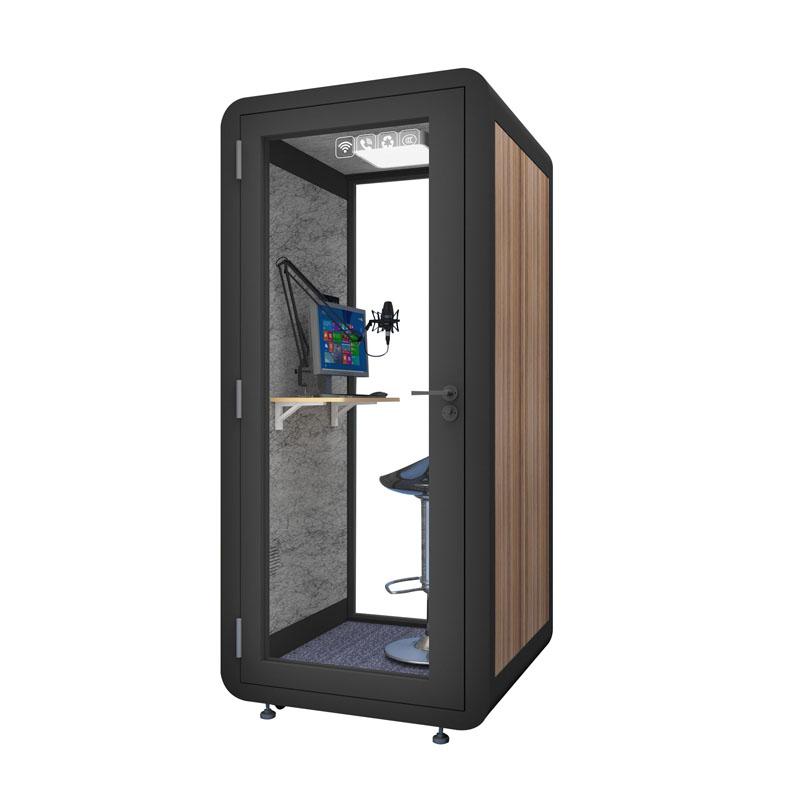
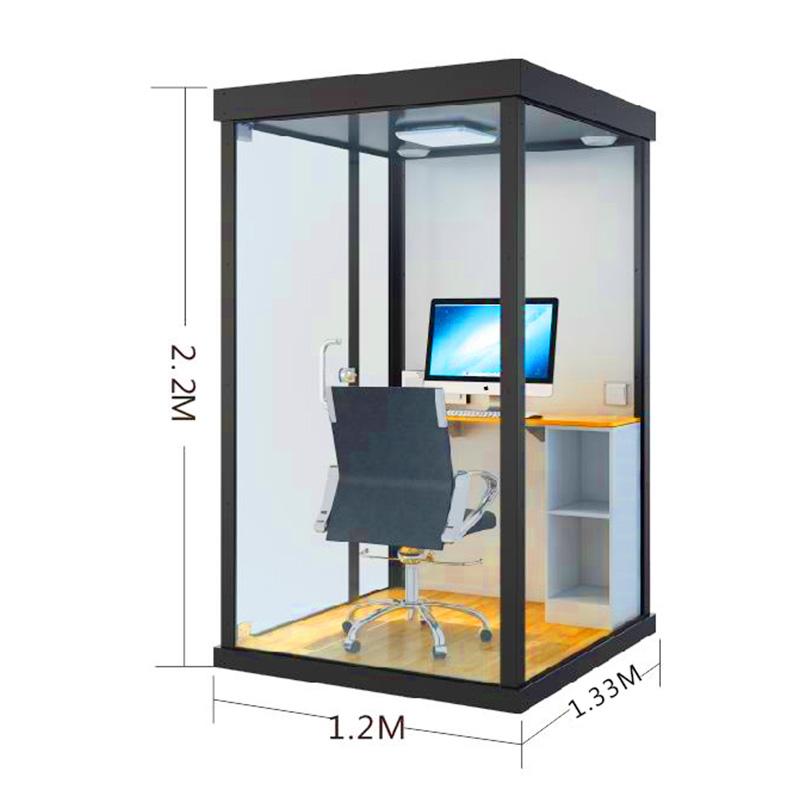
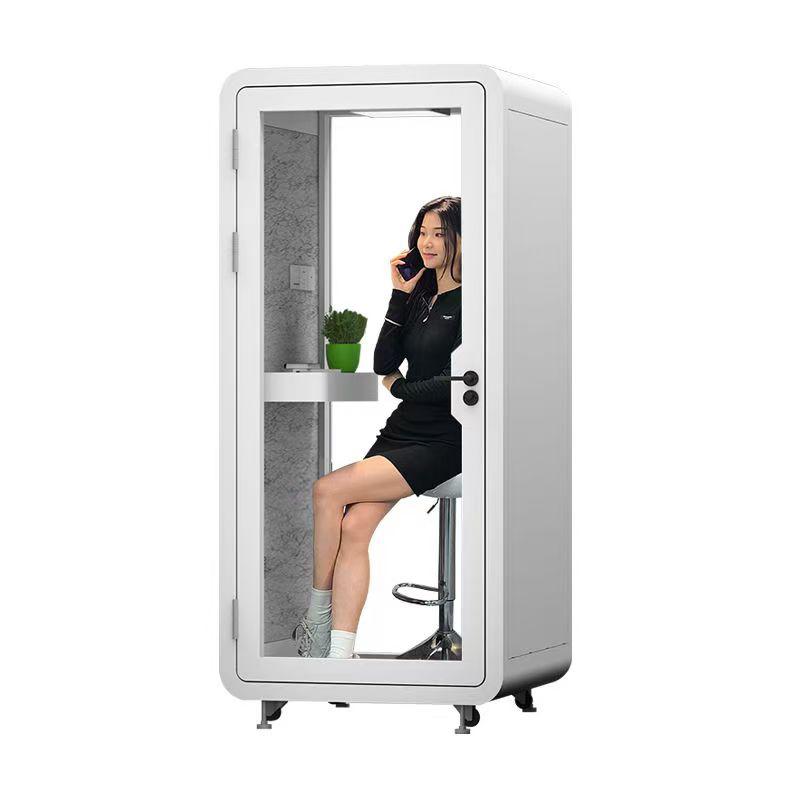
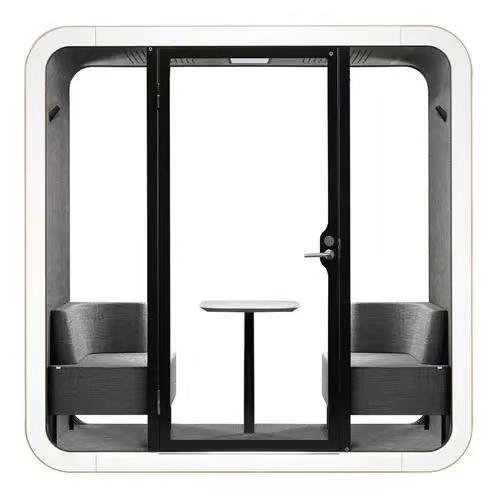
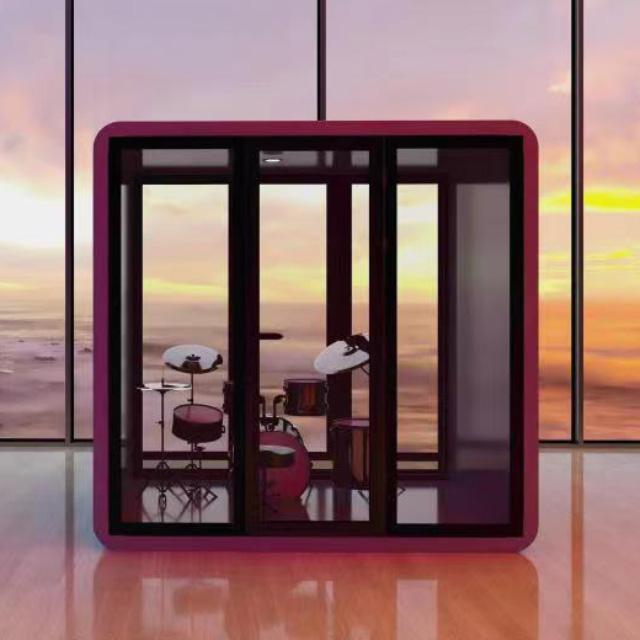
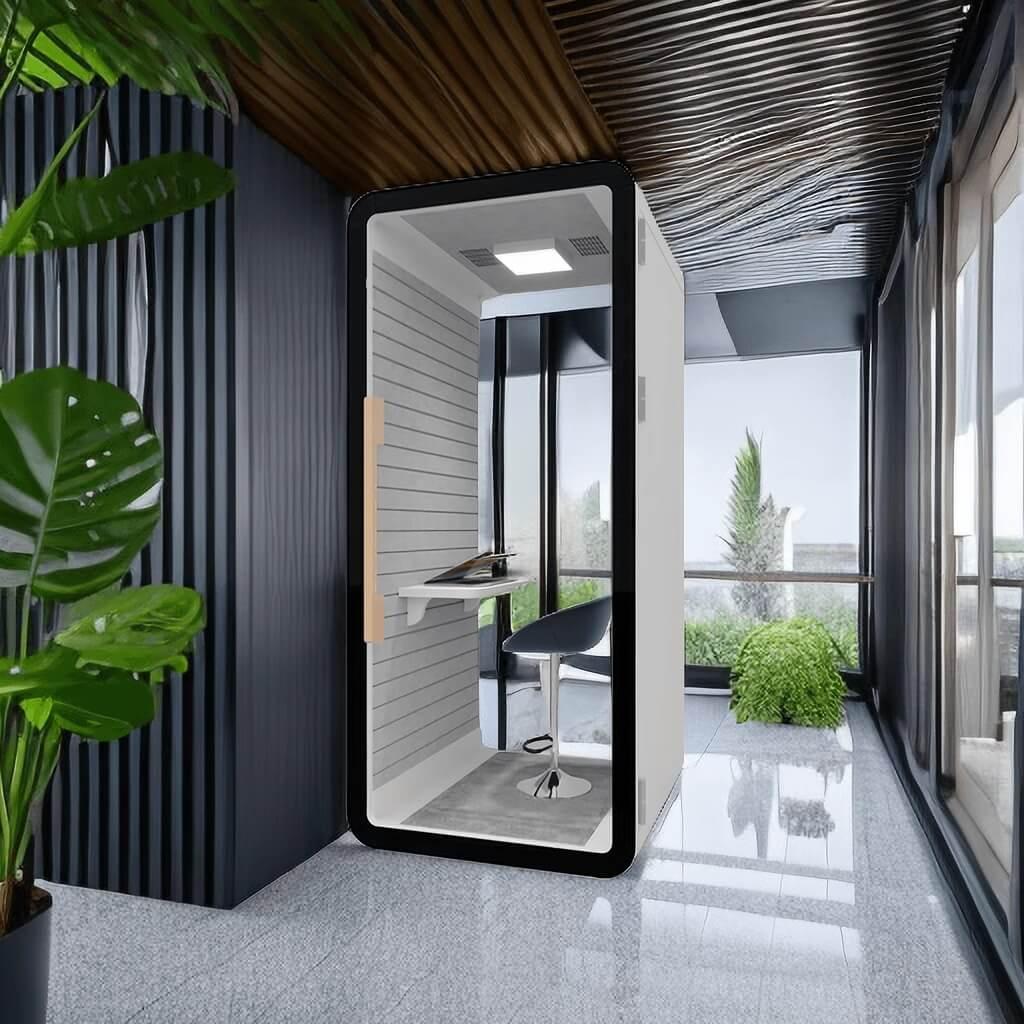
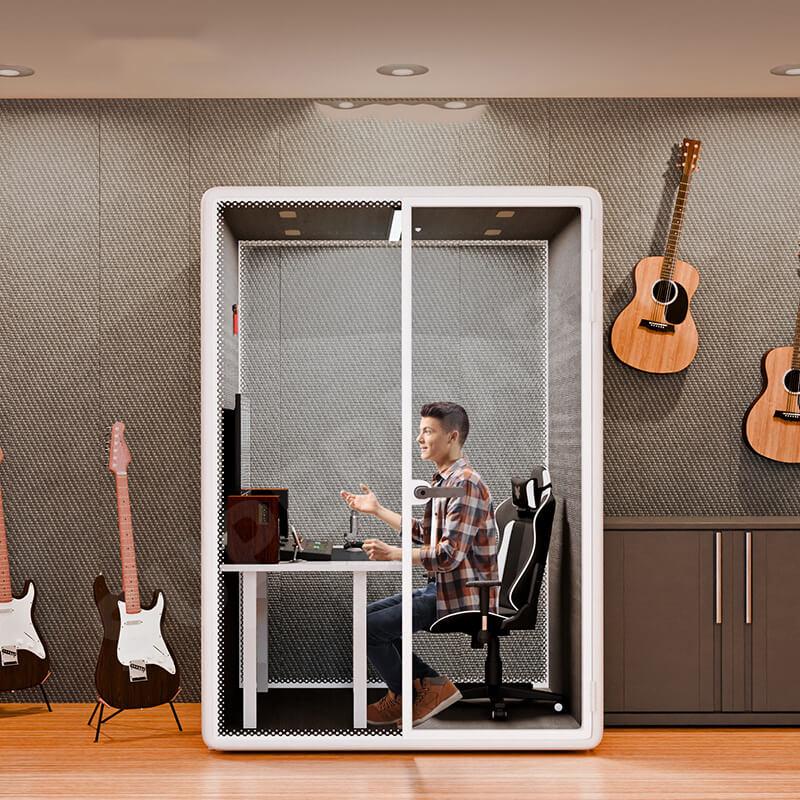
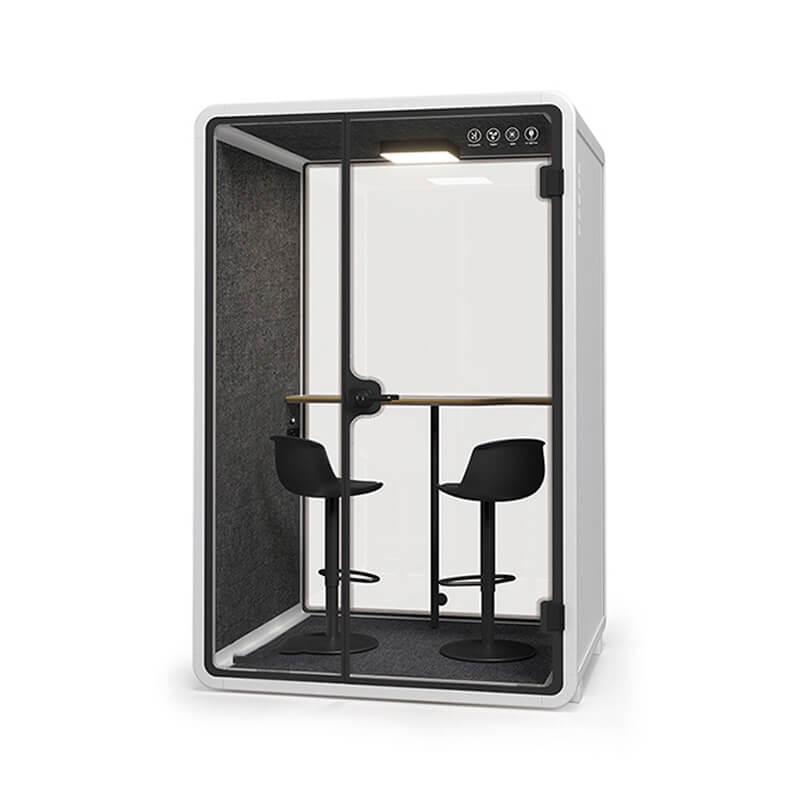
This register separates what the product image shows, what supplier information states, what the host room changes, what users observe, and what a project-specific check must verify.
Set the evaluation around the meeting behaviors the organization needs to protect. Confidential reviews, quick design huddles, candidate interviews, and hybrid project calls all create different risks. The pod is useful when it removes a specific friction: exposed speech, competition for rooms, interruptions near desks, or meetings that require equipment without a full conference room. If the problem remains vague, every attractive feature appears equally important and the purchase record becomes hard to defend.
The first local action is to map who uses the room, how often they meet, how many people attend, what devices they bring, and what nearby listeners could hear. Mark whether the desired benefit is privacy, faster room access, reduced disturbance, better video calls, or a repeatable setting for recurring project work. A clear boundary keeps an enclosed meeting pod from being judged as if it must replace every meeting room.
Translate each proposed benefit into a meeting condition the buyer can observe. Private discussion, reduced desk interruption, reliable hybrid participation, compact collaboration, and room-portfolio relief involve different users and evidence, so one success should not be used to claim every benefit.
Create the register before suppliers are shortlisted. For every benefit, write the meeting activity, affected people, proposed configuration, room condition, evidence needed, and consequence if the condition is not met. This forces the project to decide whether privacy, room availability, hybrid technology, comfort, or flexibility is the primary outcome.
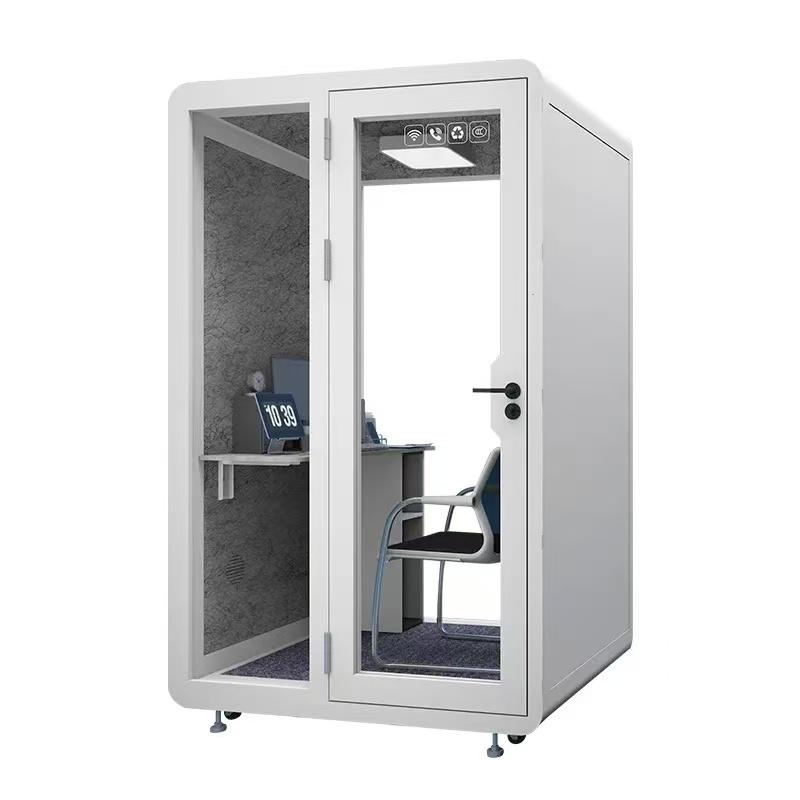
The acoustic benefit comes from the complete enclosure, door closure, glazing, panel joints, floor contact, ventilation path, and the background noise around the installed position. A general soundproof statement does not tell the buyer which speech remains intelligible outside or whether the fan becomes distracting inside. Request test context when it exists, then run a normal-speech check at nearby desks after the unit is placed.
For sensitive meetings, write the privacy expectation in operational terms. The buyer may need speech to be unintelligible to a person seated near the pod, or may only need the meeting to stop distracting an open-plan team. Those are different acceptance standards. The field test should use the same occupancy, fan setting, and door condition that users will choose on an ordinary day.
Follow speech from each participant toward nearby listeners through doors, seals, glazing, ventilation openings, joints, and the receiving office. Match any document to the offered configuration and keep the field observation bounded by source position, listener position, door and fan state, and surrounding activity.
An enclosed meeting pod should fit the type of collaboration it supports. A two-person review needs sightlines, surface space, camera angle, and a clear place for notes. A four-person stand-up may value fast entry, reliable ventilation, and quick turnover more than long-session furniture. A hybrid call adds microphone position, lighting, display support, and background control.
The buyer should not treat capacity as a simple number. Ask whether people bring laptops, whether one person presents, whether participants need privacy for documents, and whether the pod must support back-to-back use. The strongest benefit appears when the pod matches the actual workflow instead of copying a generic room label.
Test the actual collaboration pattern: participant count, agenda, documents, screen sharing, remote attendance, turn-taking, movement, and duration. An enclosure may support a short review yet constrain workshop-style interaction, so accepted meeting classes and exclusions belong beside the benefit statement.
Keep evidence types separate. A drawing can establish layout and interfaces; a product document can describe the proposed configuration; a site survey can record the host room; a witnessed test can record a stated condition; an operating log can show demand or faults. None of these automatically proves every other benefit.
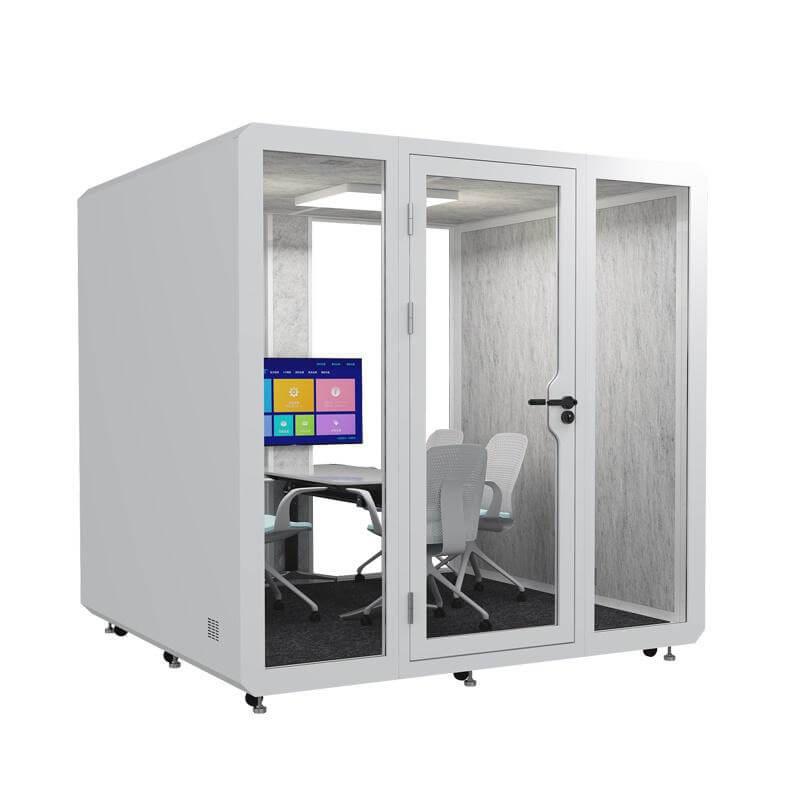
Meeting pods can improve room availability, but only when demand analysis shows a mismatch between meeting type and existing rooms. If one-person calls occupy six-person rooms, smaller enclosed spaces can release larger rooms. If teams already lack project rooms for long sessions, pods may help only part of the pressure. A booking export, reception observation, or short manual log can show which problem is real.
Separate peak periods from average use. A pod that is quiet at noon may still be valuable if it absorbs private calls during two daily peaks. Conversely, a busy pod may be misused if it becomes the only comfortable private space in the office. The release decision should explain what demand will move into the pod and what demand still needs another room strategy.
Study failed room searches, peak overlap, session type, duration, location, unsuitable fallbacks, queues, no-shows, and underused existing rooms before adding capacity. Demand evidence should show which meetings can move into enclosed meeting pods rather than treating every booking conflict as the same shortage.
Comfort determines whether acoustic and functional benefits survive daily use. Test heat, airflow, fan sound, lighting, seating, table depth, door operation, glare, and personal space during a realistic session. Ask users to hold the type of conversation they normally need, because quiet laptop work and animated discussion expose different comfort issues.
Ventilation and lighting should be described as operating conditions, not decorative features. Record fan setting, surrounding room temperature, session length, and the number of occupants during the review. If the pod becomes warm or visually tiring, users may shorten sessions or avoid the enclosure, which weakens the claimed benefit.
Hold the longest common agenda at intended occupancy with normal devices and door operation. Seating, table reach, personal space, lighting, glare, airflow, temperature perception, fan sound, controls, entry, exit, and turnover determine whether the pod remains usable beyond a brief showroom visit.
Confirm the installed location protects both users and the floor plan
An enclosed meeting pod can create new problems if it blocks circulation, interrupts sightlines, conflicts with sprinklers or detectors, or places private conversations beside an unsuitable listener position. Review door swing, clearances, access for cleaning, power routing, emergency paths, and visual impact on neighboring teams. The best location is not always the quietest corner if that corner is inconvenient or difficult to service.
Place the pod drawing on the current office plan and mark surrounding desks, doors, corridors, columns, and service points. If the unit may be relocated later, record the route and recommissioning assumptions now. Buyers can compare meeting pod configurations after the location constraints are visible, because size and layout decisions become easier to test.
Review the proposed footprint with approaches, waiting, sightlines, surrounding desks, circulation, accessibility, power, data, host-room air paths, cleaning, and maintenance access. The location should support the accepted meetings without creating a new privacy, congestion, or service problem outside the enclosure.
Build a benefit evidence register before commercial approval
Benefits become credible when each one has evidence, an owner, and an acceptance check. Avoid writing that the pod will increase productivity or guarantee privacy unless the buyer has a method to verify the change. A register keeps marketing language separate from observable results and prevents one strong claim from covering several unresolved risks.
The register should include the original problem, the proposed pod function, evidence received from the supplier, field confirmation required by the buyer, and the decision that follows. It can also name open items such as electrical review, facilities approval, booking rules, user guidance, or maintenance responsibility.
For each retained benefit, store the meeting class, offered configuration, applicable document, occupied observation, location condition, limitation, correction, and responsible owner. Keep commercial scope on the same line so an unpriced dependency cannot be mistaken for delivered capability.
| Claimed pod benefit | Meeting and location evidence | Retained limitation |
|---|---|---|
| 1. Define the benefit boundary before judging enclosed meeting pods | benefit evidence register | Document the specific meeting benefit, proof source, field check, responsible owner, and release condition. Set the evidence threshold before the response is accepted. |
| 2. Trace acoustic paths instead of accepting a broad soundproof claim | benefit evidence register | Document the specific meeting benefit, proof source, field check, responsible owner, and release condition. Assign the reviewer who can check this point in the real location. |
| 3. Match collaboration benefits to the meeting pattern | benefit evidence register | Document the specific meeting benefit, proof source, field check, responsible owner, and release condition. Flag any dependency that changes the quote, drawing, or work method. |
| 4. Use booking demand to decide whether pods solve a room shortage | benefit evidence register | Document the specific meeting benefit, proof source, field check, responsible owner, and release condition. Keep nonnegotiable gates distinct from optional preferences. |
| 5. Check comfort during an occupied meeting, not an empty viewing | benefit evidence register | Document the specific meeting benefit, proof source, field check, responsible owner, and release condition. Keep unresolved privacy, interaction, comfort, booking, or location evidence beside the affected meeting-pod benefit. |
Release the purchase only after benefits survive trade-offs
The purchase gate should ask whether the enclosed meeting pod solves the defined problem without creating a larger operational burden. A unit may offer strong acoustic separation but fail the route survey. Another may fit the route but provide too little workspace for hybrid calls. The buyer needs a conditional decision rather than a list of advantages.
Record which benefits are mandatory, which are preferences, and which must be confirmed during installation. The final approval should include the selected configuration, location, evidence gaps, acceptance checks, and the person responsible for closing each issue.
Approve the combination whose privacy, interaction, comfort, technology, placement, turnover, and complete cost support the priority meetings together. Record which attractive benefits were rejected, what trade-off caused the decision, and which future change would justify reconsideration.
Review benefits after the surrounding office changes. Team moves, new furniture, altered circulation, more video calls, and changes to booking policy can affect use without changing the pod. The owner should know which observations trigger a location, configuration, service, or policy review.
They can reduce pressure on conference rooms when smaller private meetings are the problem. They do not replace rooms that need large capacity, formal presentation equipment, or special building services.
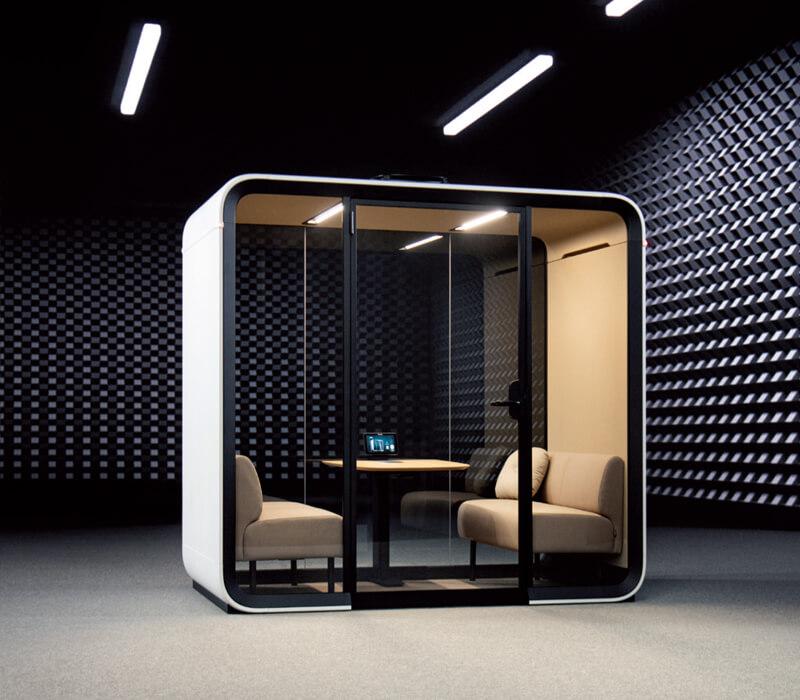
Yes, when available, but the data must match the offered configuration and be paired with a practical onsite speech check. A number without context should not drive the decision.
The common risk is a mismatch between capacity label and real meeting behavior. Furniture, devices, airflow, and session length can make a nominal capacity feel unsuitable.
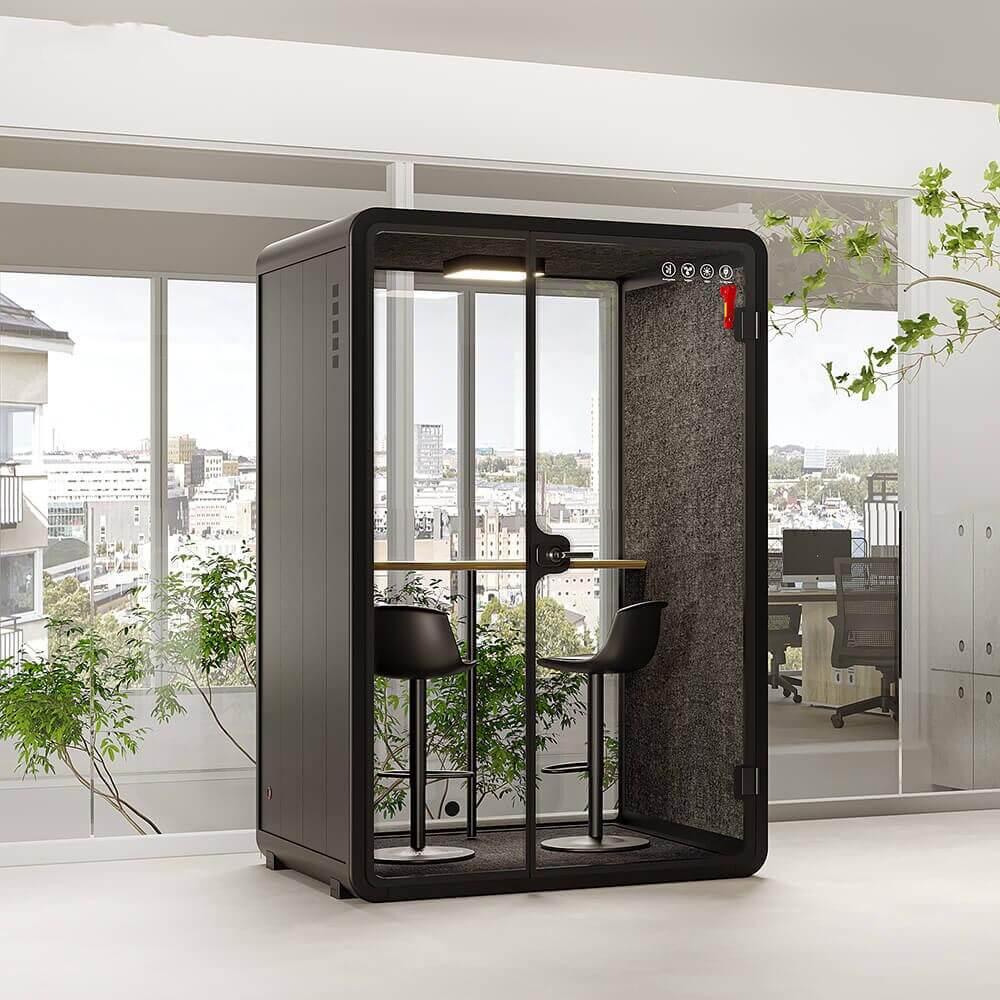
Repeat the use cases named in the brief, then record speech privacy, comfort, booking effect, user friction, and unresolved maintenance or service issues.
Record adverse effects beside benefits. A pod can add useful capacity while consuming circulation space, creating a queue, moving noise to another zone, adding cleaning work, or introducing technology support needs. These tradeoffs do not automatically reject the product, but they should remain visible in the approval and post-occupancy review.
Use a correction loop for benefits that do not appear. Check whether the cause is demand, location, booking, user guidance, configuration, room condition, fault, or an unrealistic requirement. Assign a corrective action and repeat the relevant observation. Avoid changing several variables at once and then attributing the result to the pod.
The strongest case for an enclosed meeting pod is a benefit register that links each promised use to the exact configuration, host room, responsible evidence, and acceptance decision. Unsupported advantages should remain open questions.
Close the purchase only when privacy, collaboration, availability, comfort, technology, location, and service claims have been converted into observable project conditions.

 Tel: +8613538031763
 Email: info@sopworkpod.com
 MP/WhatsApp: +8613538031763
 Manufacturer Address:Liucheng Lujiang District,Meixi Road,Nanan City,Fujian,China