Author:SOP Work Pods Manufacturer TIME:2026-08-28
Market demand for glass meeting pods is meaningful to a buyer only when it is translated into local applications. Interviews, confidential consultations, hybrid reviews, project meetings, visitor sessions, overflow, and visible collaboration have different occupancy, privacy, sightline, technology, duration, comfort, booking, and site requirements.
This memorandum does not invent market statistics. It segments applications, gathers workplace demand evidence, evaluates what glazing adds and exposes, tests occupied interaction and hybrid technology, maps location and visual impact, normalizes commercial scope, and pilots the proposed role under normal office conditions.
The result is a product-fit decision for the buyer's workplace, not a broad prediction about the entire market. Demand remains tied to observed sessions, periods, zones, alternatives, and limitations.
Separate interviews, consultations, small meetings, hybrid reviews, visitor sessions, project work, visible collaboration, overflow, and meetings that still require a conventional room. For each application, record occupancy, duration, privacy, devices, urgency, material shared, and acceptable fallback before attributing demand to glass meeting pods.
Use a segment pilot before approval. Observe existing room behavior and failed searches and assign each application a pod eligibility condition. Preserve contradictory observations and limitations because incompatible applications being combined into one demand claim would change the conclusion.
The application list is ready when every segment has an eligibility rule and an exclusion. A confidential consultation may fail on sightlines, while a project review may fail on table or display needs; keeping those reasons separate prevents one successful session from authorizing every meeting type.
Use the workplace's own room and task evidence: session occurrence, peak overlap, zones, duration, failed searches, delay, desk fallback, unsuitable rooms, abandonment, and nearby alternatives. Retain quiet periods and the observation window so local pressure is not presented as a wider market statistic.
Use a segment pilot before approval. Use booking evidence, bounded observation, and interviews to connect each candidate segment to a repeated local need. Preserve contradictory observations and limitations because general market interest replacing workplace evidence would change the conclusion.
State demand as a bounded finding, such as repeated eligible interviews in one zone during observed periods. Name the missing periods, organizational changes, and existing-room capacity that could alter the result before quantity enters the brief.
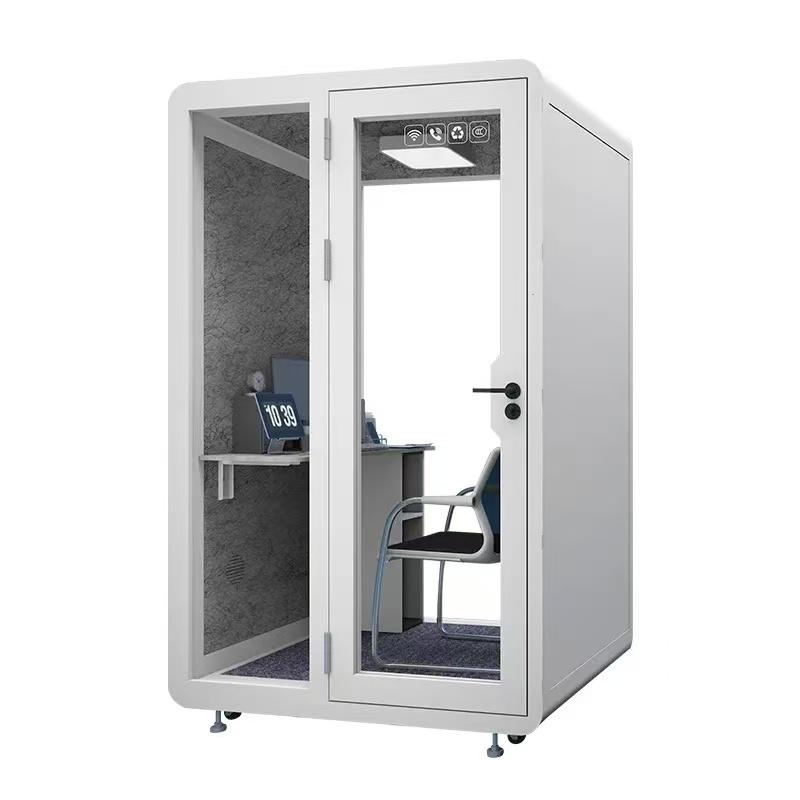
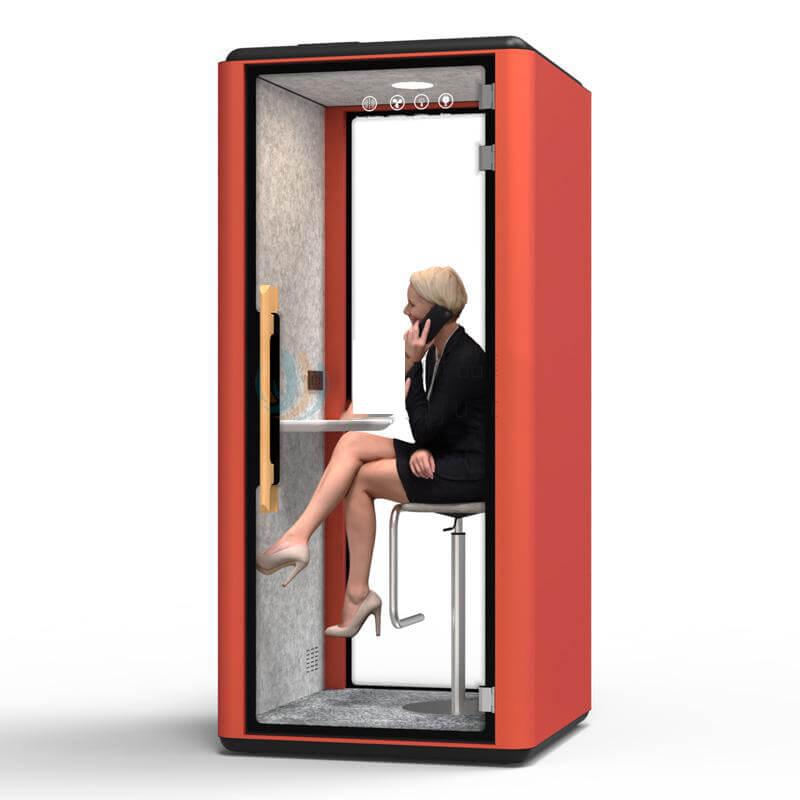
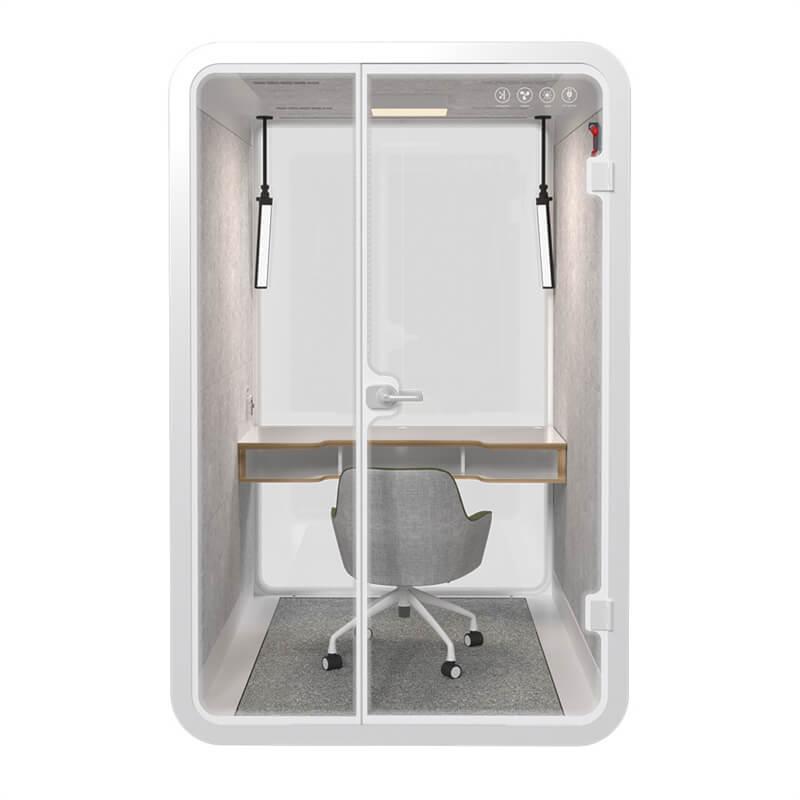
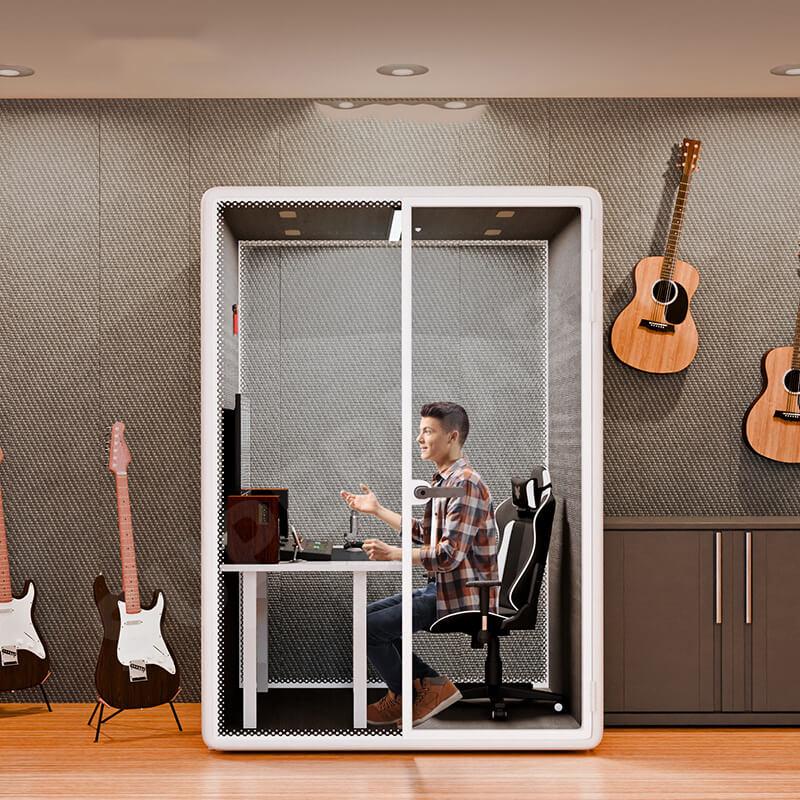
Walk every approach to the proposed glazing. Mark nearby desks, queues, corridors, doors, screens, documents, whiteboards, reflections, daylight, glare, and the views available before entry, during the meeting, and on exit. Repeat the walk with any offered screening in its normal operating position.
Use a segment pilot before approval. Conduct sightline and listening checks with representative content and meetings in candidate orientations. Preserve contradictory observations and limitations because transparent appearance exposing people or information unexpectedly would change the conclusion.
Release a visibility boundary only after the meeting owner accepts which material may remain visible and facilities confirms how orientation or screening will be maintained. Speech observations need their own speaker-listener path; clear glass should not be treated as either proof or failure of acoustic privacy.
Run one representative agenda for each priority segment with the intended seats, table, documents, screen, laptops, camera, microphone, loudspeaker, power, data, cables, and content-sharing route. Ask the remote participant to report framing, intelligibility, echo, turn-taking, and lost context separately from the people inside.
Use a segment pilot before approval. Run one representative agenda for each priority segment with intended users and devices. Preserve contradictory observations and limitations because nominal occupancy or installed technology failing the application would change the conclusion.
Accept configurations by application rather than as a universal meeting-ready package. A layout that supports a two-person interview may not support a four-person hybrid review, and each accepted combination should retain its device set, furniture, support route, and known limitation.
Keep the pod in the intended floor position for the longest normal eligible session. Observe posture, movement, lighting, reflections, solar or equipment heat, airflow, temperature perception, fan sound, controls, circulation, return-air interaction, waiting, cleaning, and maintenance access while ordinary office activity continues.
Use a segment pilot before approval. Mark locations and run occupied trials at representative times, preserving orientation and surrounding activity. Preserve contradictory observations and limitations because a showroom condition hiding site-specific comfort or visibility effects would change the conclusion.
Approve the location with explicit duration and operating limits. If glare appears only at a certain time, airflow depends on the host room, or queues obstruct the approach, record the correction and repeat the affected session before the footprint is fixed.
| Application segment | Local evidence route | Release boundary |
|---|---|---|
| 1. Segment applications before describing demand | Observe existing room behavior and failed searches and assign each application a pod eligibility condition. | Approve application segments and exclusions |
| 2. Gather local demand without inventing market figures | Use booking evidence, bounded observation, and interviews to connect each candidate segment to a repeated local need. | Release a bounded local demand statement |
| 3. Evaluate visibility sightlines glare and privacy together | Conduct sightline and listening checks with representative content and meetings in candidate orientations. | State visual and speech privacy boundaries |
| 4. Test occupied interaction and hybrid technology by segment | Run one representative agenda for each priority segment with intended users and devices. | Release supported application configurations |
| 5. Hold the normal session in the proposed floor position | Mark locations and run occupied trials at representative times, preserving orientation and surrounding activity. | Approve location and duration limits |
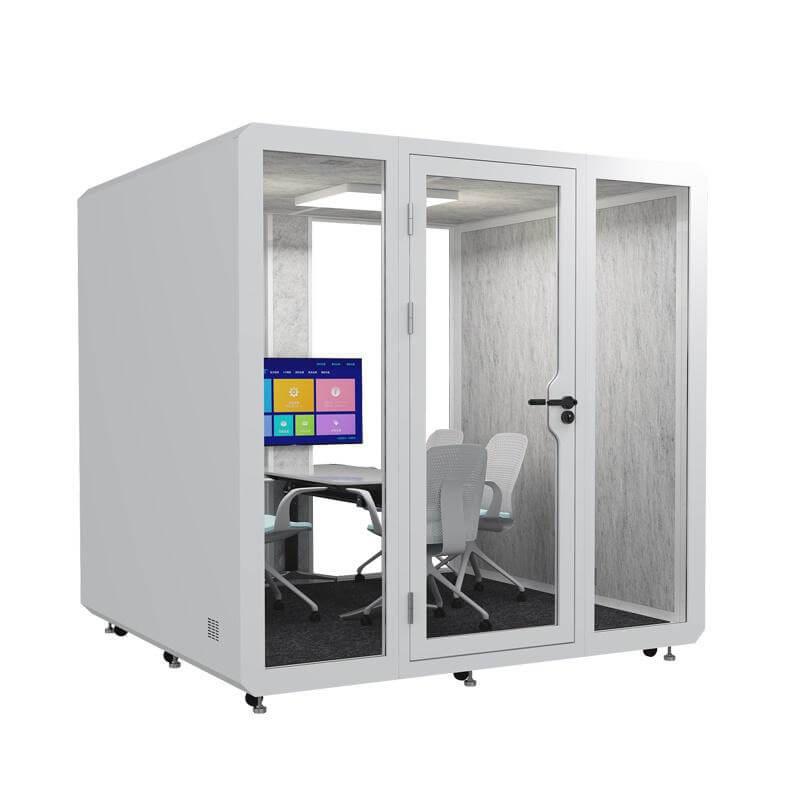
Compare the exact model, glazing and screening options, furniture, technology, power and data, freight, route, assembly, installation, site work, acceptance, booking, turnover, cleaning, finish care, faults, parts, warranty, maintenance, and exclusions on one scope schedule. Each line should identify whether it is supplied, buyer-provided, provisional, or absent.
Use a segment pilot before approval. Build a responsibility and price ledger and rehearse user turnover and a representative fault. Preserve contradictory observations and limitations because visual appeal hiding ongoing service and scope burden would change the conclusion.
Commercial release depends on named operating ownership as well as product scope. Procurement can close the price while facilities, IT, cleaning, and workplace teams confirm who keeps the selected glass pod usable after handover and who responds when a mandatory condition fails.
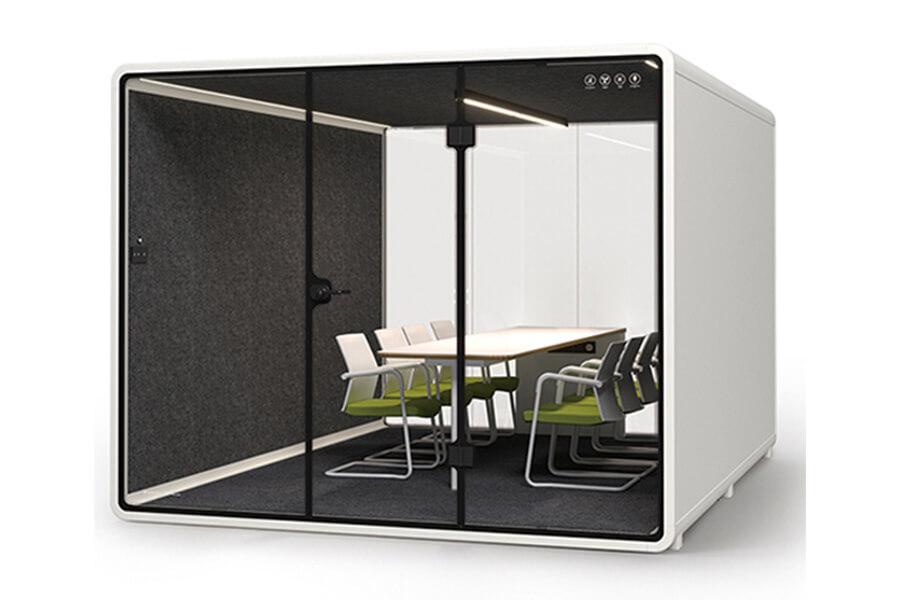
Once model scope and operating responsibilities are normalized, use the glass meeting pods configuration page to identify candidate glass pod configurations. The product information can frame supplier questions, while the local application and location evidence still decides fit.
Define the pilot units, application segments, users, locations, observation period, privacy and technology conditions, booking route, support plan, and alternatives before installation. Log completed sessions together with failed attempts, non-use, queues, discomfort, cleaning interventions, faults, and contextual changes.
Use a segment pilot before approval. Compare pilot evidence with the application segments and local demand statement, including adverse observations and users who choose alternatives. Preserve contradictory observations and limitations because initial curiosity becoming a market-demand conclusion would change the conclusion.
Scale only the segments and locations that repeatedly complete their assigned agenda without unresolved mandatory failures. The pilot decision should also state when relocation, a configuration change, another room type, or no additional unit is the more defensible response.
Compare pilot results by application and location instead of pooling all pod use. An interview pod beside reception, a project-review pod near delivery teams, and a visitor pod on a public route face different sightlines, surrounding speech, walking patterns, device needs, and fallback rooms. Keeping those contexts separate shows whether weak use comes from the glass pod configuration, the assigned meeting, or the chosen floor position.
Before recommending another unit, review the meetings that remained in conventional rooms and the reasons. Larger occupancy, confidential material, specialist equipment, long duration, or unpredictable visitors may be valid exclusions rather than lost demand. Scaling is justified only when the same eligible segment repeatedly fails for lack of available pod capacity and the operating team can support another location without diluting privacy, cleaning, or technology ownership.
Retain a short counterfactual record beside the pilot result: note which accepted meetings could still use an existing room, rescheduling, or another nearby setting. This prevents normal preference for a new glass enclosure from being counted as unmet demand and keeps procurement focused on recurring constraints that the tested configuration can actually resolve.
Test the application-demand assumption through this route: Observe existing room behavior and failed searches and assign each application a pod eligibility condition. Include this condition: Separate interviews, consultations, small meetings, hybrid reviews, visitor use, project work, visible collaboration, overflow, and sessions needing conventional rooms by occupancy, duration, privacy, devices, urgency, and fallback. Keep the decision open while incompatible applications being combined into one demand claim remains possible.
Test the application-demand assumption through this route: Use booking evidence, bounded observation, and interviews to connect each candidate segment to a repeated local need. Include this condition: Record session occurrence, concurrency, zones, duration, failed attempts, fallback, delay, nearby alternatives, user groups, attendance patterns, and the limits of the observation period. Keep the decision open while general market interest replacing workplace evidence remains possible.
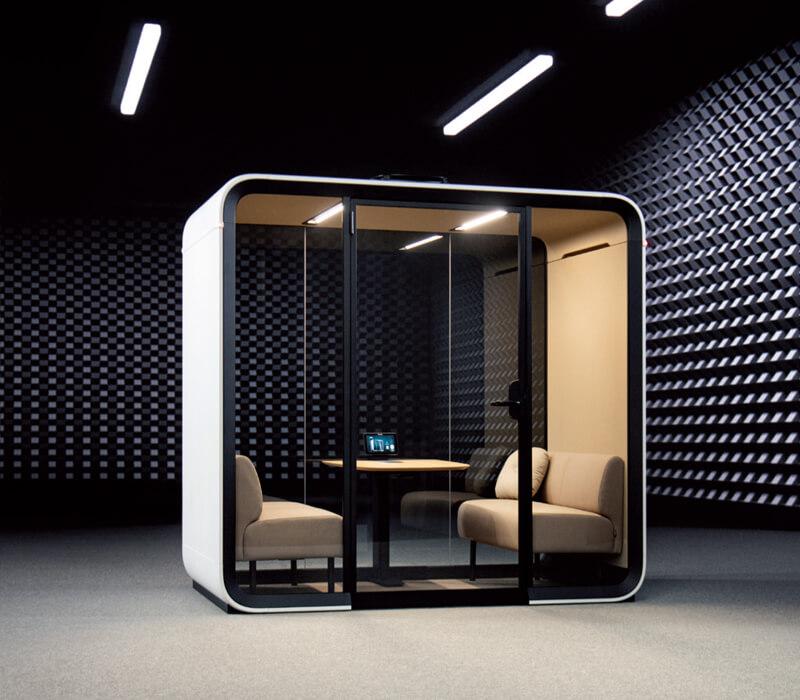
Test the application-demand assumption through this route: Conduct sightline and listening checks with representative content and meetings in candidate orientations. Include this condition: Map glazing area, orientation, approaches, corridors, queues, nearby desks, screens, documents, whiteboards, reflections, glare, daylight, blinds or screening where offered, speaker and listener positions, door and fan state, and surrounding activity. Keep the decision open while transparent appearance exposing people or information unexpectedly remains possible.
Test the application-demand assumption through this route: Run one representative agenda for each priority segment with intended users and devices. Include this condition: Check seating, table, face-to-face distance, personal space, shared documents, screen view, camera framing, microphone, loudspeaker, echo, content sharing, power, data, cables, remote turn-taking, and support. Keep the decision open while nominal occupancy or installed technology failing the application remains possible.
Additional review: how should a pilot support a scale decision without market statistics.
Test the application-demand assumption through this route: Mark locations and run occupied trials at representative times, preserving orientation and surrounding activity. Include this condition: Assess posture, movement, lighting, glare, solar or internal heat exposure, airflow, temperature perception, fan sound, controls, duration, circulation, accessibility review, return air, queue, cleaning, and maintenance access. Keep the decision open while a showroom condition hiding site-specific comfort or visibility effects remains possible.
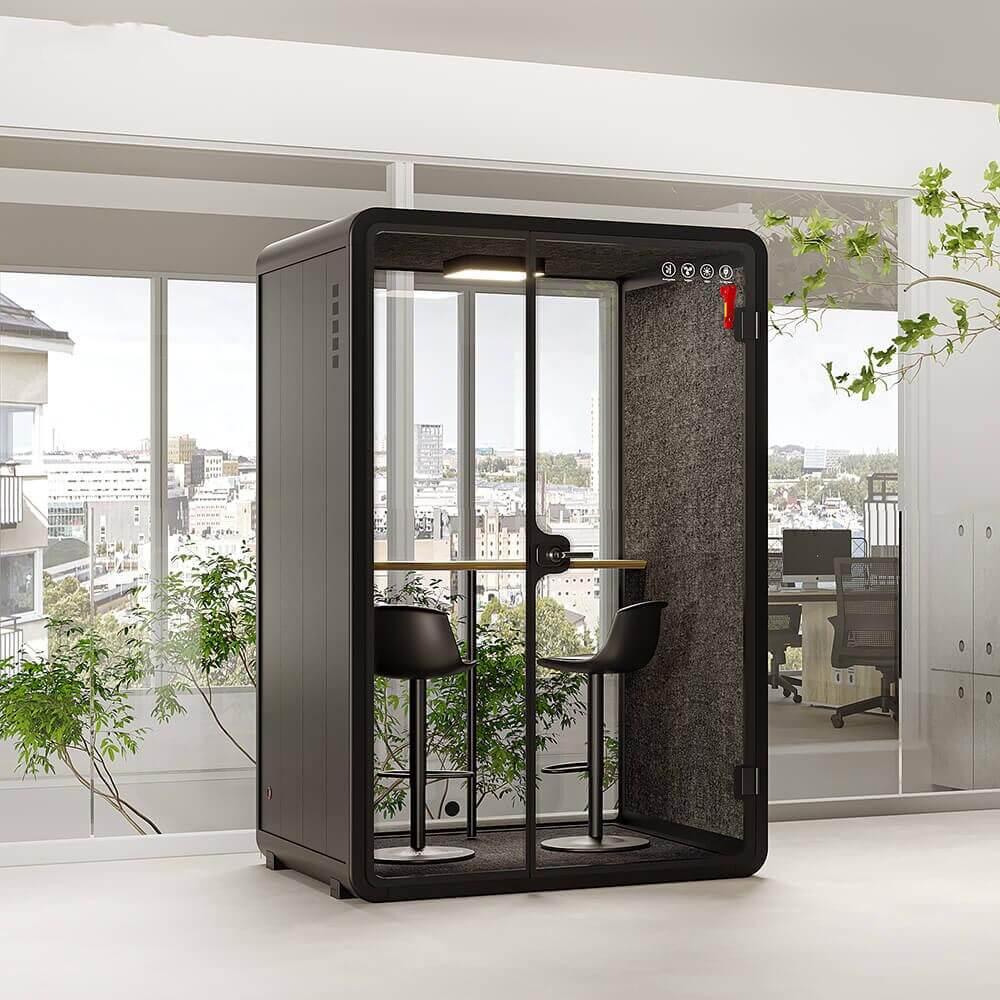
Glass meeting pods fit when a defined application needs enclosure and visibility together, users can interact and include remote participants, privacy boundaries are understood, comfort is sustained, and placement and operations work within the floor. Close the review with a segment-by-segment pilot record; only applications that pass their own visibility, interaction, and location checks should enter the deployment brief.
Select glass pods for application demand the pilot verifies. Preserve the segment, local evidence, offered configuration, sightline and speech limits, duration, location, quote scope, operating rules, corrections, and scale trigger.

 Tel: +8613538031763
 Email: info@sopworkpod.com
 MP/WhatsApp: +8613538031763
 Manufacturer Address:Liucheng Lujiang District,Meixi Road,Nanan City,Fujian,China