Author:SOP Work Pods Manufacturer TIME:2026-08-28
Breakthrough is a conclusion, yet product discussions often use it as the starting assumption. A new control, material, layout, technology option, modular detail, privacy treatment, or service feature may be interesting without improving the private meeting that the buyer needs to conduct. Novelty and decision value are different questions.
Private meeting pods innovation evidence should be framed as a delta: current condition, proposed change, affected work step, expected observation, required proof, dependency, adverse condition, and rejection rule. The alternative may be an existing room, another pod configuration, a policy change, or a technology correction. Keeping that comparator visible prevents an attractive feature from being credited for an unrelated improvement.
This protocol produces an accept, limit, reject, or observe-longer decision. It uses current supplier information and a bounded pilot without inventing test results, market history, customer stories, or performance figures.
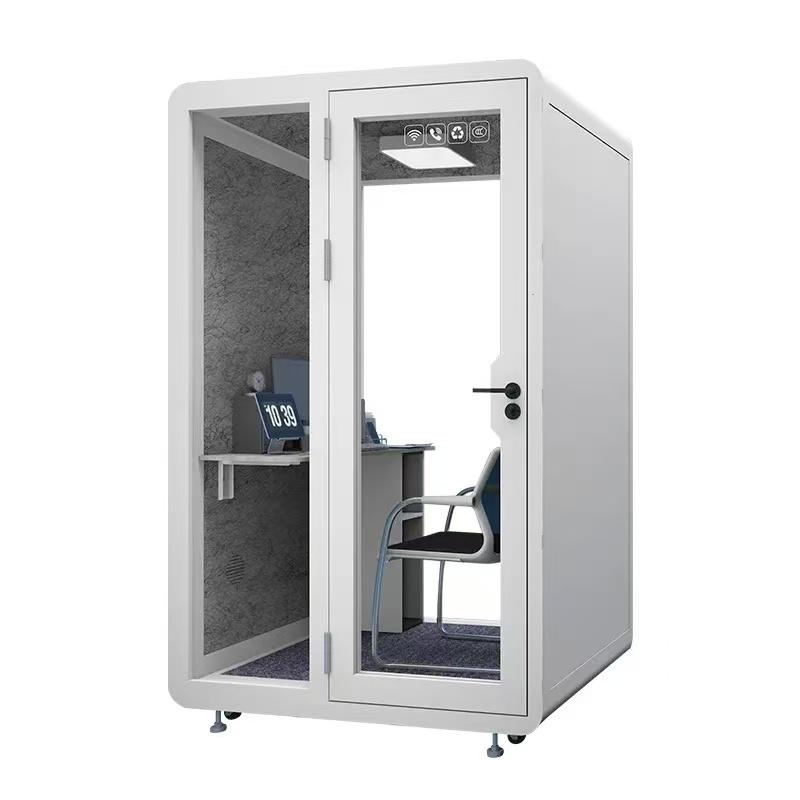
Write one sentence that states what the feature changes for a defined meeting. Identify participants, privacy need, duration, devices, location, operating routine, and current failure. Then state what would be observed if the claimed change works and what observation would disprove or materially limit it. A claim that cannot fail in a reasonable review is too vague for procurement.
Distinguish product change from context change. Better privacy may come from a quieter location; improved calls may follow a new headset or network; higher use may reflect booking policy; comfort may change with shorter sessions. Keep these competing explanations in the plan so the pilot does not automatically credit the pod feature.
Verify applicability before testing. Confirm the exact model, option, revision, software or hardware dependency where relevant, supplied documents, site conditions, maintenance needs, and exclusions. Evidence for another configuration cannot release the offered one without a reasoned bridge.
Create an evidence hierarchy for the claim. A general brochure can identify the intended benefit; a model drawing or manual can define the offered mechanism; a sample inspection can confirm that the option is present; and a field pilot can show whether the meeting route changes locally. Keep each source in its proper role. A polished demonstration should not outrank configuration documents when it depicts another model, and a document should not replace occupied observation when the claim depends on user behavior.
Agree the rejection rule before the trial. Examples include continued speech exposure at the approved listener point, failure to complete the hybrid agenda, a reset that exceeds the service window, or a maintenance dependency the operating team cannot own. Predefined rules reduce the temptation to reinterpret every adverse result as a reason to buy additional options.
| Claimed change | Current alternative | Proof to request | Pilot observation | Reject or limit when |
|---|---|---|---|---|
| Improved meeting privacy | Existing enclosed room or location change | Configuration and boundary information | Speech and sightline route during the full agenda | Exposure remains or depends on an unsuitable site |
| Better hybrid interaction | Current room plus corrected device setup | Exact technology scope and dependencies | Matched remote meeting and recovery route | The alternative solves the same failure with less burden |
| Faster reconfiguration | Furniture or booking policy change | Adjustment method, labor, parts and limits | Representative change between two tasks | Reset disrupts service or needs unavailable skills |
| Simpler operation | Existing support procedure | Owner, training, maintenance and fault path | Consecutive use including a normal fault | Operation depends on informal project support |
Use a representative agenda rather than an isolated feature demonstration. Set up the intended occupancy, seating, table, documents, screen, camera, microphone, loudspeaker, power, data, lighting, door, ventilation, and surrounding office activity. Observe entry, setup, conversation, remote participation where required, content handling, comfort, control use, exit, and reset.
Privacy has several boundaries. Review speech from plausible listener positions, visual access to screens and papers, glazing sightlines, door openings, participant behavior, and what happens during entry or interruption. Do not reduce the result to one unsupported acoustic number. State the content type and observation conditions so the conclusion remains bounded.
Include the operating consequence of the change. A control that improves one meeting may need training, updates, charging, cleaning, account administration, consumables, specialist support, or a longer reset. A material or modular detail may change service access or part replacement. Decision value includes this continuing work.
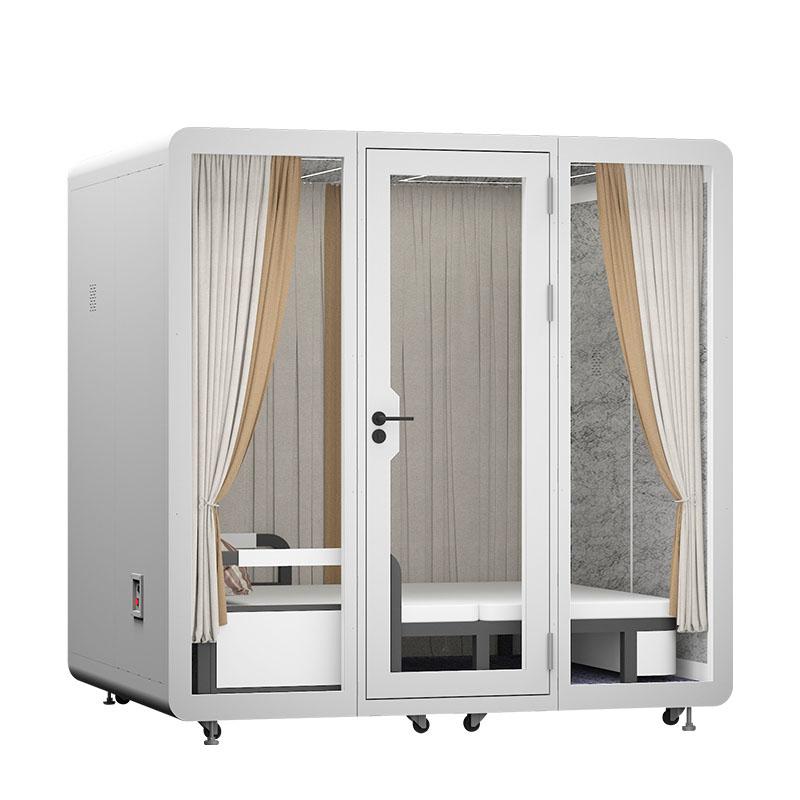
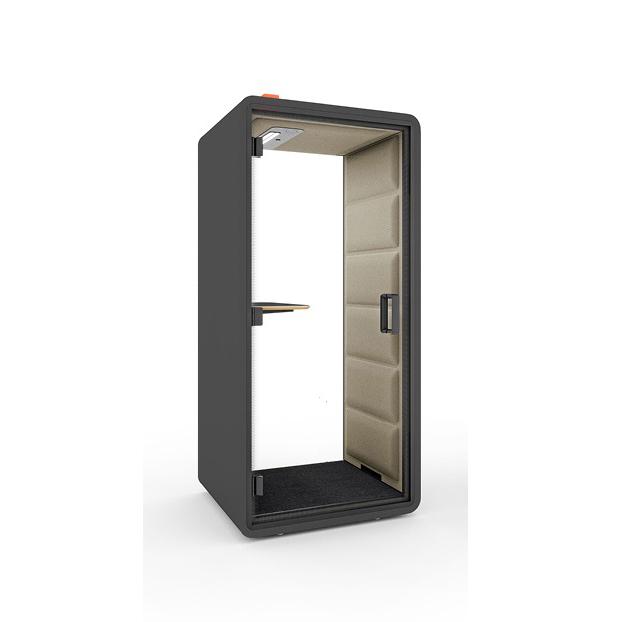
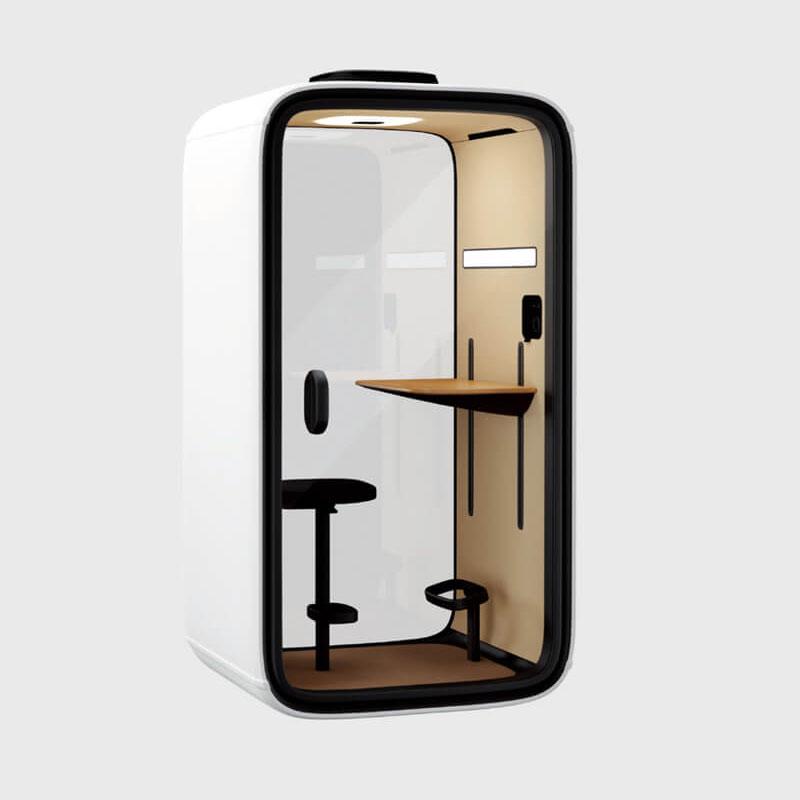
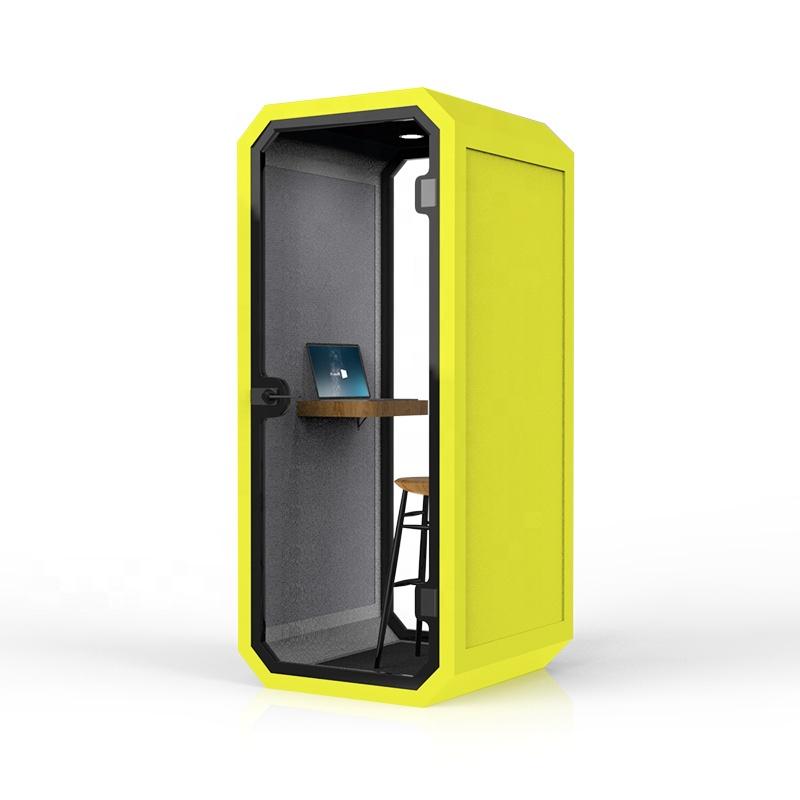
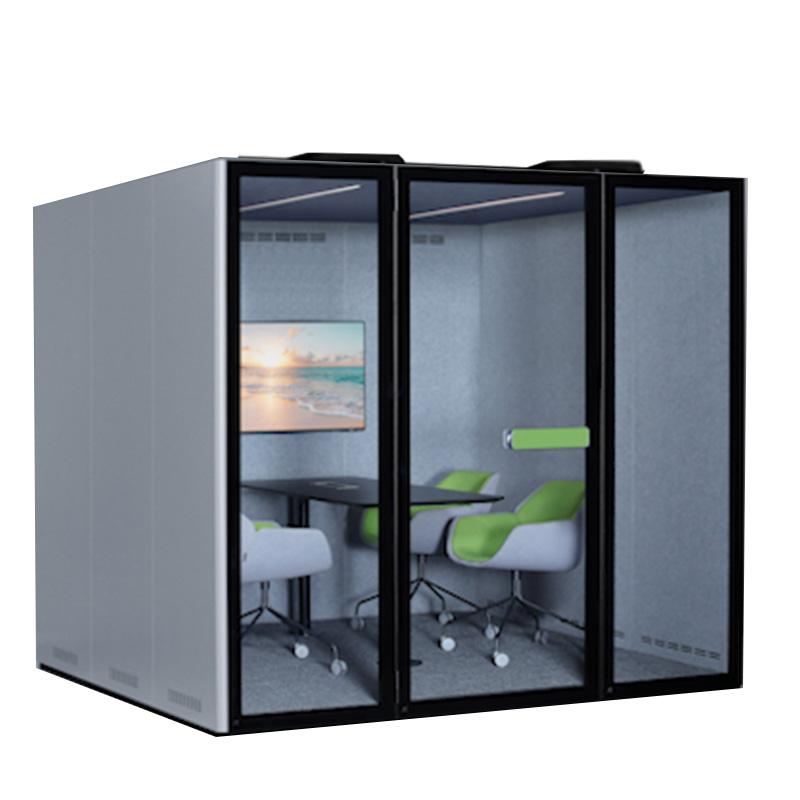
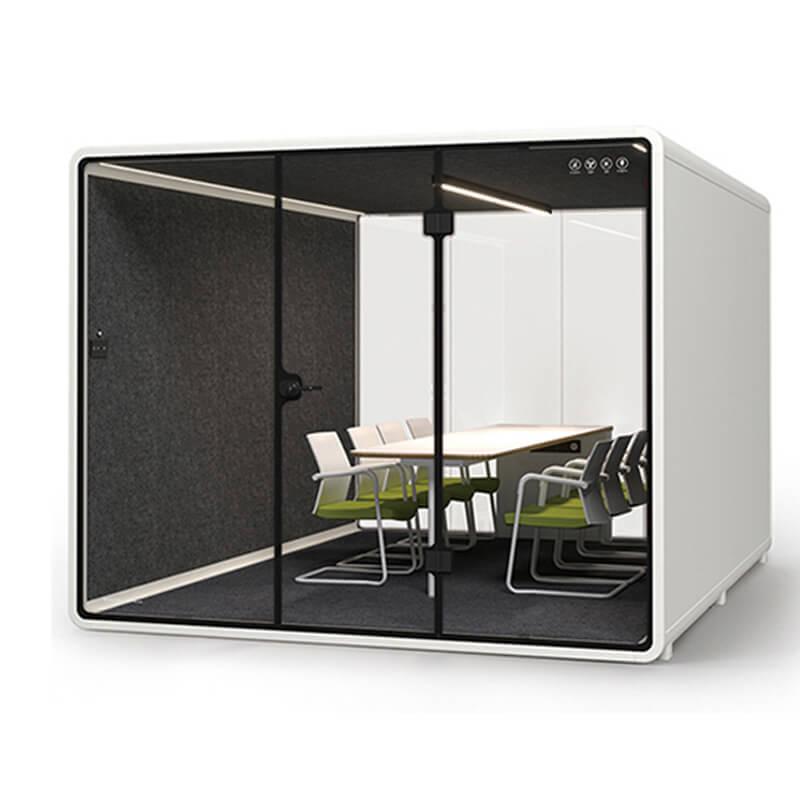
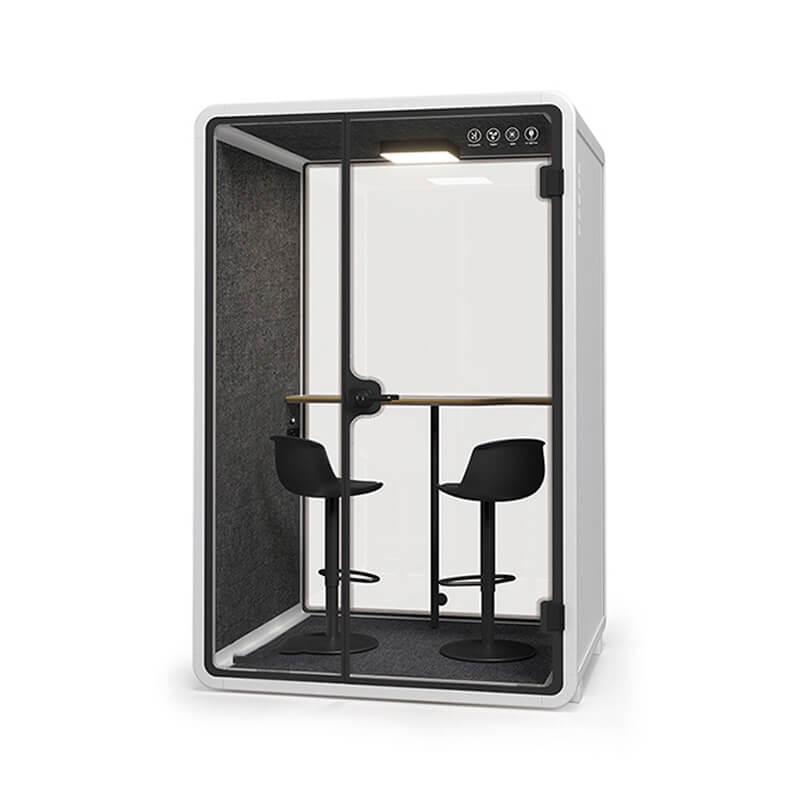
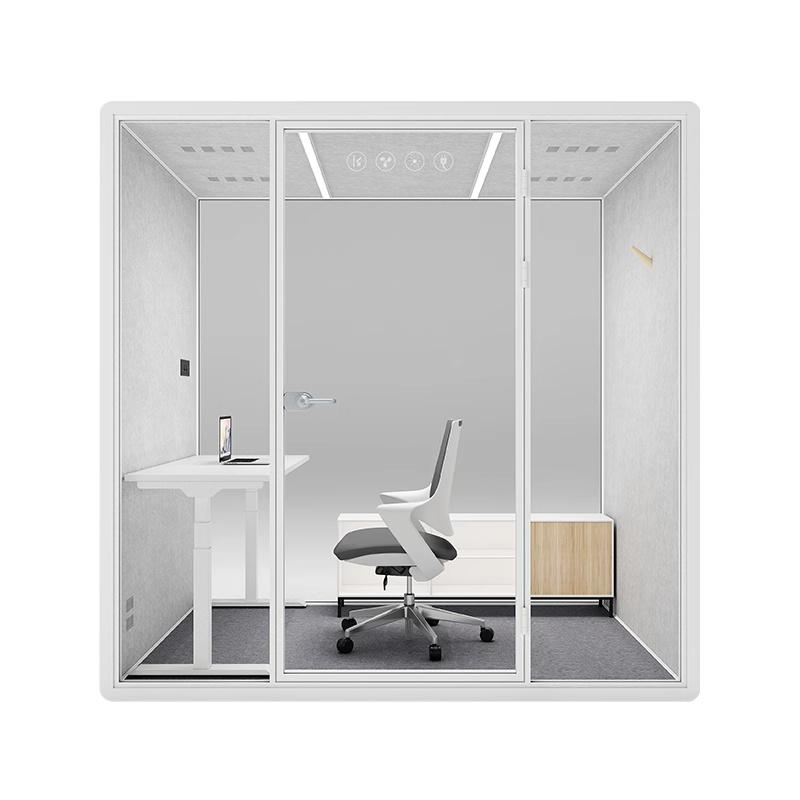
The meeting pod configuration reference identifies the product context for the delta, but the pilot record must retain the exact option and site. Do not allow the broad product page to replace configuration evidence.
Observe the surrounding workplace at the same time. A change can help people inside while creating a queue, visual distraction, support interruption, or new listener path outside. Record who is affected, when the effect appears, and whether placement or policy can control it. Innovation is not established by moving a problem across the pod boundary.
Repeat the key observation with another representative user where control learning is part of the claim. A feature that works only when a project specialist operates it may need training or a narrower accepted audience. Keep the first successful result, but add the learning requirement and show whether an ordinary handover can reproduce it.
Compare the proposed change with the current alternative under matched conditions. Keep the meeting task, participants, devices, duration, and observation route consistent. If a lower-cost correction such as location, furniture, booking, lighting, or equipment resolves the same failure, the feature may still be useful, but it no longer has the same procurement argument.
Select adverse conditions that are plausible rather than theatrical. Try a busier surrounding period, a longer eligible session, consecutive bookings, normal device heat, an unfamiliar user, a cleaning turnover, or the approved fault and recovery route. The aim is to reveal dependencies and limits, not to damage the product or simulate conditions outside its intended use.
Record contrary evidence. Early exit, confusing controls, exposed sightlines, support calls, queue effects, delayed reset, or inconsistent operation should remain beside successful observations. Assign a correction and retest only when the issue is reasonably controllable. Otherwise narrow the accepted use or reject the claim.
Test recovery, not only steady operation. Use an approved and non-destructive event such as a device reconnection, booking misunderstanding, normal cleaning turnover, or user setting change. Observe discovery, ownership, time away from the meeting, restoration, and the next user's condition. A feature can perform impressively while working and still weaken the service if routine recovery is unclear.
Compare consequences across stakeholders. Participants may value privacy, IT may inherit device support, facilities may gain a maintained component, and cleaning staff may face a new reset. The decision record should not average these into one vague benefit. State the gain, burden, owner, and unresolved dependency for each affected route.
The decision record should identify who owns configuration, booking, user guidance, cleaning, maintained items, faults, isolation, parts, supplier contact, and periodic review. A feature that relies on an enthusiastic project team but lacks an operating owner is not ready for wider deployment.
Define the four dispositions before reviewing the pilot. Accept when the delta is observed under required conditions and the burden is controlled. Limit when it works only for named users, sessions, locations, or settings. Reject when the alternative performs as well, a critical adverse observation persists, or applicability is unproven. Observe longer when the available period does not cover normal recurrence.
Wider adoption should repeat the applicability check for any changed model, option, site, technology, or user group. Innovation evidence ages when dependencies change. Preserve the original hypothesis and rejection rule so later enthusiasm cannot rewrite what the pilot actually established.
Set a review trigger after adoption. A software change, replacement part, relocated pod, altered booking method, new surrounding team, or repeated support issue may require a focused retest. The trigger protects the accepted boundary without forcing a full project review after every minor event.
Close procurement clarifications in the same vocabulary as the hypothesis. Ask the supplier which evidence supports the exact delta, which conditions are assumed, what upkeep preserves it, which failures fall inside support, and what alternatives exist when it is unavailable. This makes the commercial response comparable with the field record and exposes claims that cannot be tied to an offered deliverable.
Record what the buyer will communicate to users if the claim is accepted. Guidance should describe the eligible meeting, required setup, important controls, privacy limit, fault route, and alternative space without presenting the feature as an absolute guarantee. Clear operating language is part of the evidence chain because user behaviour can either preserve the tested condition or invalidate it during normal work.
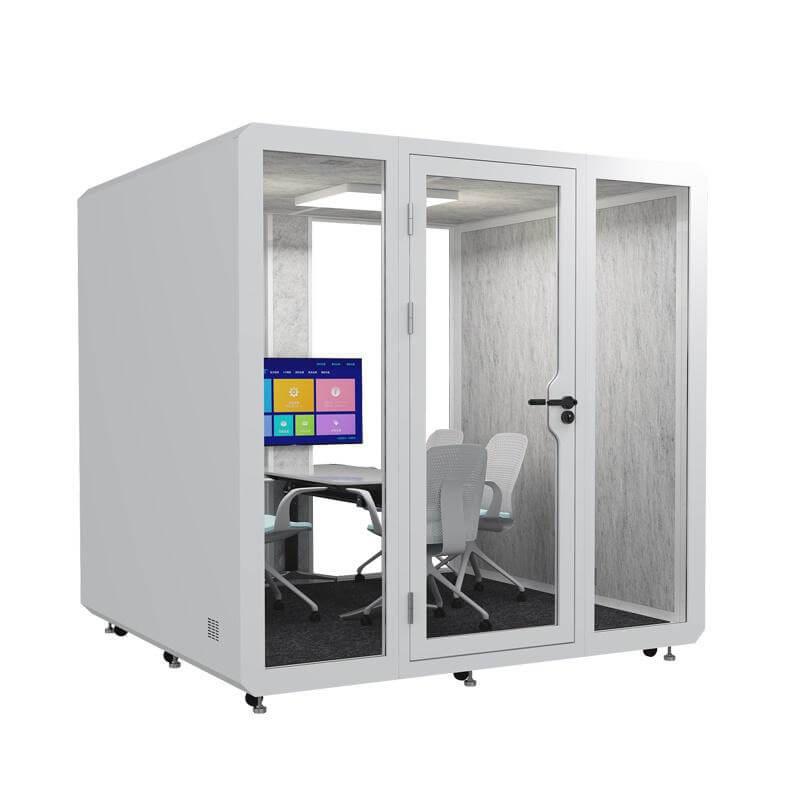
No. The buyer's decision can focus on a meaningful change from the current alternative. The record should avoid claiming market-wide novelty unless reliable evidence exists. What matters here is the defined meeting problem, exact offered configuration, observed delta, dependencies, burden, and limit.
They can show configuration details and suggest checks, but they rarely reproduce the buyer's location, devices, meeting content, duration, surrounding activity, operating routine, and adverse conditions. Use them as model evidence, then verify applicability and witness the representative task locally.
During video review, capture the exact model, visible options, setup, edited transitions, participants, device route, door and fan state where observable, and claims that still need documents. The purpose is not to distrust the material; it is to separate what can be inspected on screen from what must be confirmed for the offered configuration and workplace.
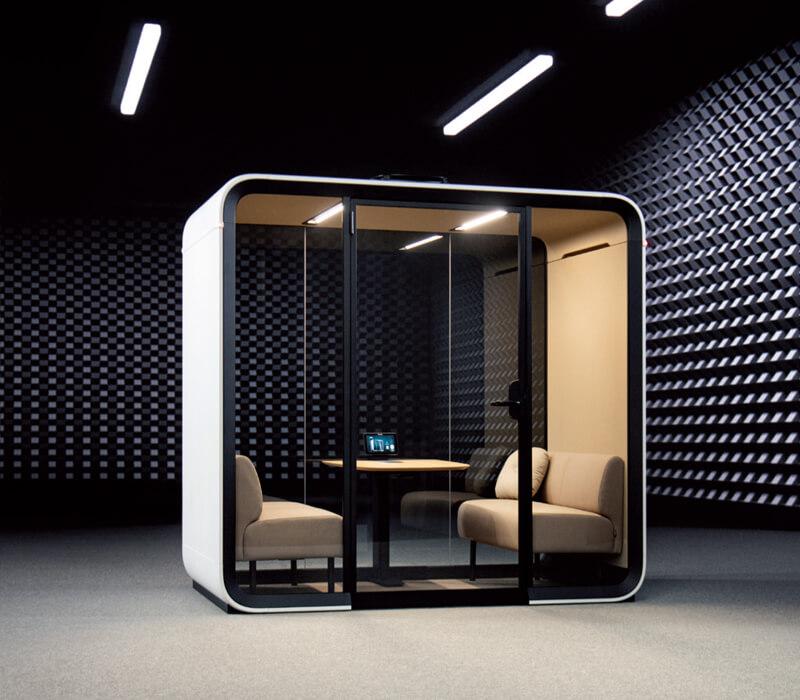
Choose a normal variation that the accepted use is likely to encounter, such as a busy adjacent period, the longest eligible meeting, consecutive bookings, ordinary device heat, an unfamiliar user, or a routine reset. Do not apply conditions outside the intended product or safe operating boundary.
Extend observation when the current period does not include normal recurrence, key user groups, scheduled operating cycles, or a credible fault and recovery event. Do not use more time to avoid a clear blocking result. State what missing evidence the extension is expected to provide and set a review date.
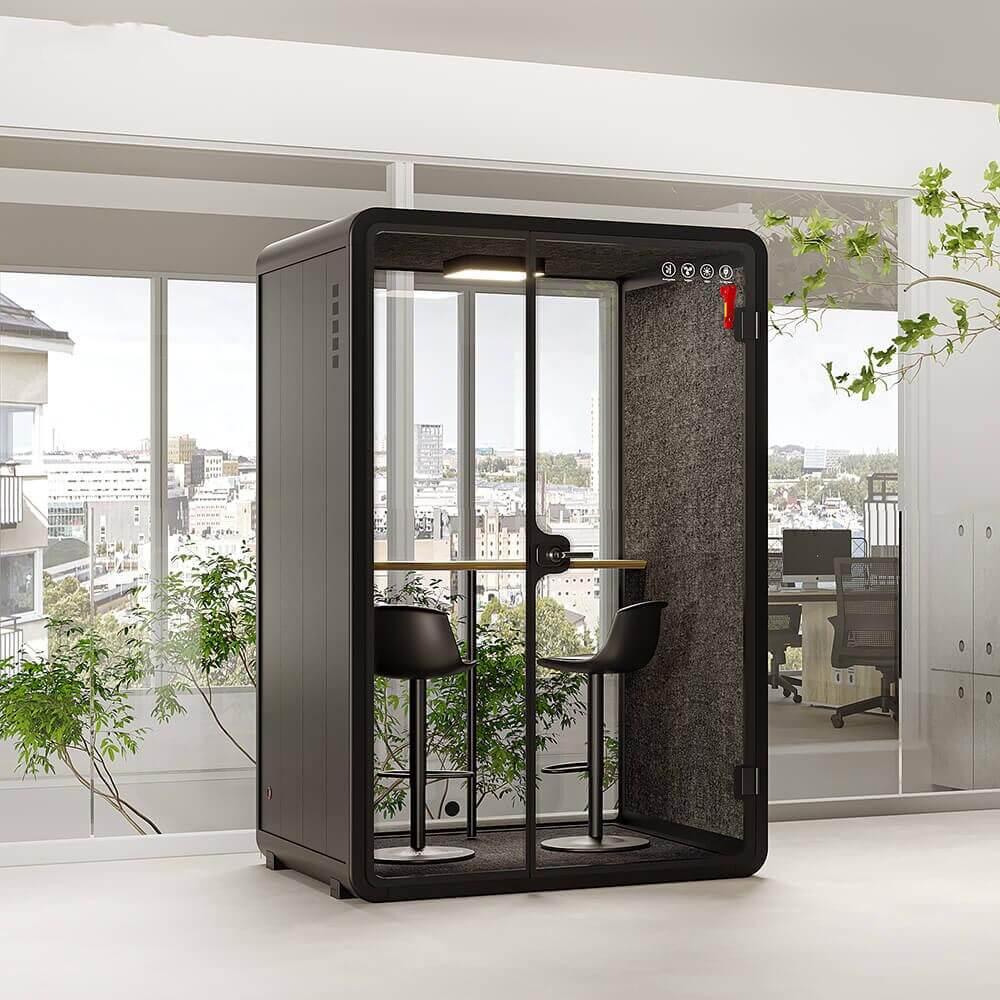
Innovation in private meeting pods should survive comparison, normal work, plausible adverse conditions, and operating ownership. A feature earns decision value when the exact configuration changes a defined meeting outcome and the buyer can explain its limits.
Keep only the change that survives the adverse-condition pilot. Preserve the hypothesis, alternative, proof, contrary observations, rejection rule, and owner so the word breakthrough is replaced by a decision that can be audited.

 Tel: +8613538031763
 Email: info@sopworkpod.com
 MP/WhatsApp: +8613538031763
 Manufacturer Address:Liucheng Lujiang District,Meixi Road,Nanan City,Fujian,China