Need Help?
Please leave your contact information to get our latest catalog
Get In Touch Now >


Author:SOP Work Pods Manufacturer TIME:2026-08-28
Privacy booths improve productivity only when they form part of a reliable work service. A user must recognize that a task belongs in the booth, find one at the right moment, enter with the necessary devices, obtain the required speech and visual boundary, remain comfortable, complete the work, and return the space in usable condition. Failure at any step can send the task back to the open office.
A protected-task service blueprint follows that route end to end. It identifies eligible calls and focus tasks, maps discovery and access, verifies listener and sightline conditions, checks occupied setup and duration, designs booking or walk-up behavior, and assigns cleaning, faults, maintenance, parts, and user guidance.
Productivity remains an observed workflow outcome, not an invented percentage. The post-launch review should compare the accepted task route with actual behavior, including failed attempts, non-use, open-door use, workarounds, queues, and changes in the surrounding office.
Separate confidential calls, interviews, sensitive review, routine calls, video meetings, concentrated individual work, decompression, and tasks that need larger rooms by privacy, duration, equipment, urgency, and fallback.
Use a workflow rehearsal to challenge the assumption. Observe current work and agree simple eligibility examples and exclusions with users, workplace, and facilities teams. Preserve context and contrary observations because booths being occupied by tasks that do not need the protected capacity would change the approval route.
Close this point by deciding how to release a task eligibility guide. The task eligibility evidence note should identify the observed condition, limitation, accountable owner, correction or confirmation due, and effect on the repeatable productivity route.
Review location, visibility, occupancy indicators, booking search, walk-up access, distance, queues, priority, door approach, accessibility, user belongings, power-up, and what happens when the booth is unavailable.
Use a workflow rehearsal to challenge the assumption. Ask users to respond to representative task triggers and find, enter, and establish the booth without facilitator direction. Preserve context and contrary observations because search and entry friction consuming the value of a short task would change the approval route.
Close this point by deciding how to simplify and publish the access route. The discovery access evidence note should identify the observed condition, limitation, accountable owner, correction or confirmation due, and effect on the repeatable productivity route.
Map desks, corridors, waiting points, approaches, glazing views, screens, documents, door and fan state, ventilation paths, speaker position, conversations before entry, and user behavior after exit.
Use a workflow rehearsal to challenge the assumption. Conduct listening and sightline observations with normal tasks and the final installed condition, preserving source and listener context. Preserve context and contrary observations because privacy inside the booth hiding exposure around entry or screens would change the approval route.
Close this point by deciding how to state the accepted protected-task boundary. The privacy boundary evidence note should identify the observed condition, limitation, accountable owner, correction or confirmation due, and effect on the repeatable productivity route.
Check posture, work surface, devices, camera framing, lighting, glare, airflow, temperature perception, fan sound, controls, cables, movement, duration, entry, exit, and the route back to the interrupted task.
Use a workflow rehearsal to challenge the assumption. Run representative assigned tasks to normal duration with intended users and record control changes, discomfort, open-door behavior, setup errors, and early exit. Preserve context and contrary observations because an enclosure passing empty checks but failing the work would change the approval route.
Close this point by deciding how to approve the occupied configuration and duration. The occupied work evidence note should identify the observed condition, limitation, accountable owner, correction or confirmation due, and effect on the repeatable productivity route.
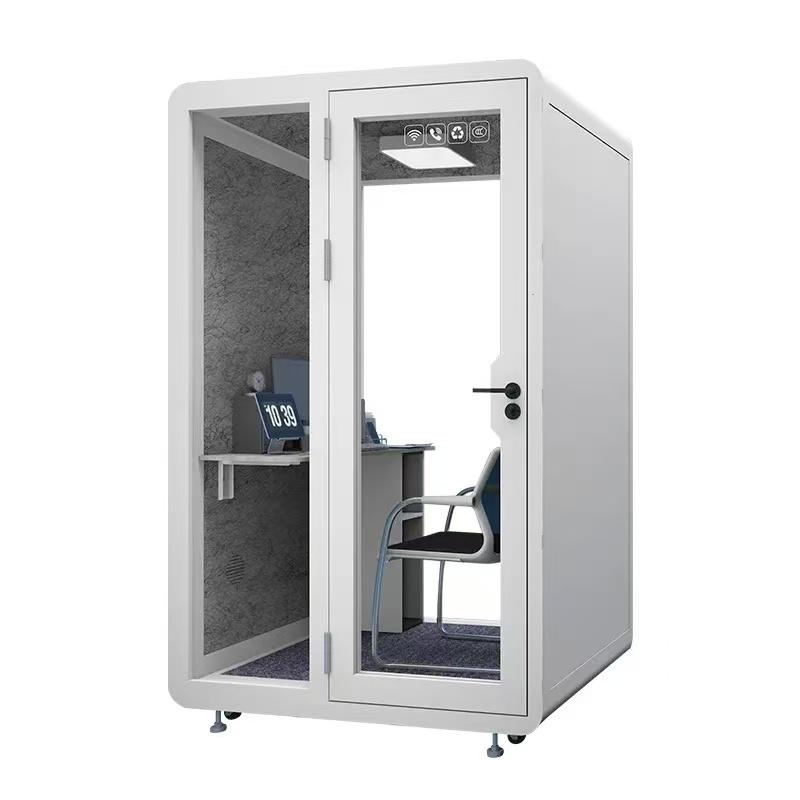
Set reservation length, walk-up rules, occupancy cues, overruns, no-shows, queues, calls outside booths, food or belongings, door operation, volume expectations, reset, cancellation, and alternatives.
Use a workflow rehearsal to challenge the assumption. Simulate consecutive users including an overrun, unavailable booth, and user needing a different space, then refine the rule from observed friction. Preserve context and contrary observations because formal booking reducing access or informal use creating conflict would change the approval route.
Close this point by deciding how to release a workable access and etiquette rule. The booking etiquette evidence note should identify the observed condition, limitation, accountable owner, correction or confirmation due, and effect on the repeatable productivity route.
| Service moment | Failure observation | Owner and correction |
|---|---|---|
| 1. Define which tasks enter the protected service | Observe current work and agree simple eligibility examples and exclusions with users, workplace, and facilities teams. | Release a task eligibility guide |
| 2. Design discovery availability and entry | Ask users to respond to representative task triggers and find, enter, and establish the booth without facilitator direction. | Simplify and publish the access route |
| 3. Verify speech and visual boundaries around the full route | Conduct listening and sightline observations with normal tasks and the final installed condition, preserving source and listener context. | State the accepted protected-task boundary |
| 4. Commission the complete occupied work setup | Run representative assigned tasks to normal duration with intended users and record control changes, discomfort, open-door behavior, setup errors, and early exit. | Approve the occupied configuration and duration |
| 5. Coordinate booking turnover and office etiquette | Simulate consecutive users including an overrun, unavailable booth, and user needing a different space, then refine the rule from observed friction. | Release a workable access and etiquette rule |
Define cleaning frequency, consumables, filters, door and seal inspection, controls, fan, lighting, power, furniture, fault reporting, isolation, signage, service contacts, parts, downtime, and return-to-service evidence.
Use a workflow rehearsal to challenge the assumption. Rehearse a representative fault from report through safe closure, diagnosis, correction, functional check, and user notification. Preserve context and contrary observations because a small failure leaving privacy capacity unavailable or unsafe would change the approval route.
Close this point by deciding how to accept a service and escalation route. The service ownership evidence note should identify the observed condition, limitation, accountable owner, correction or confirmation due, and effect on the repeatable productivity route.
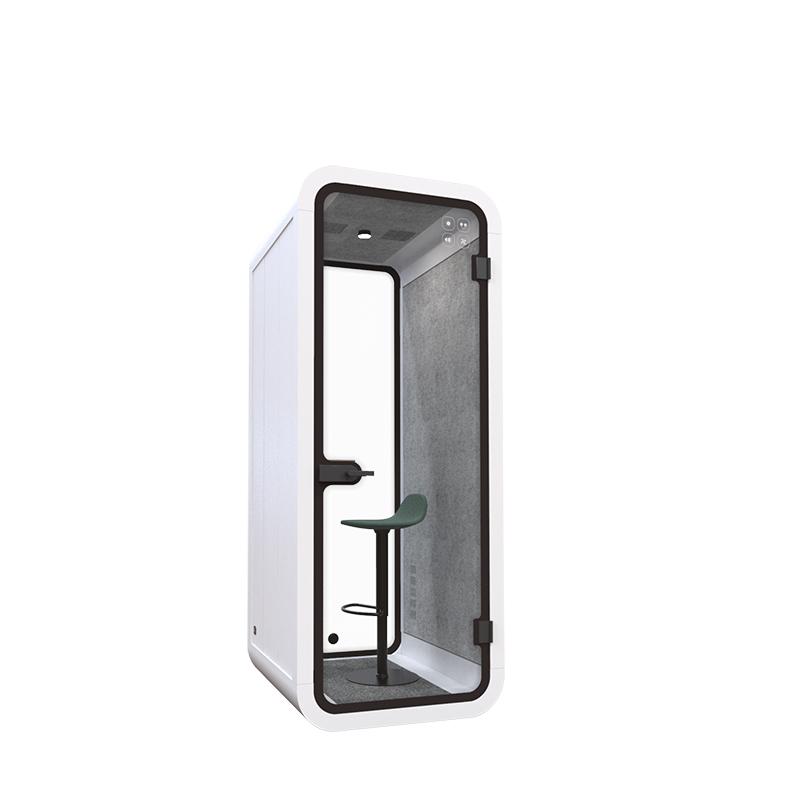
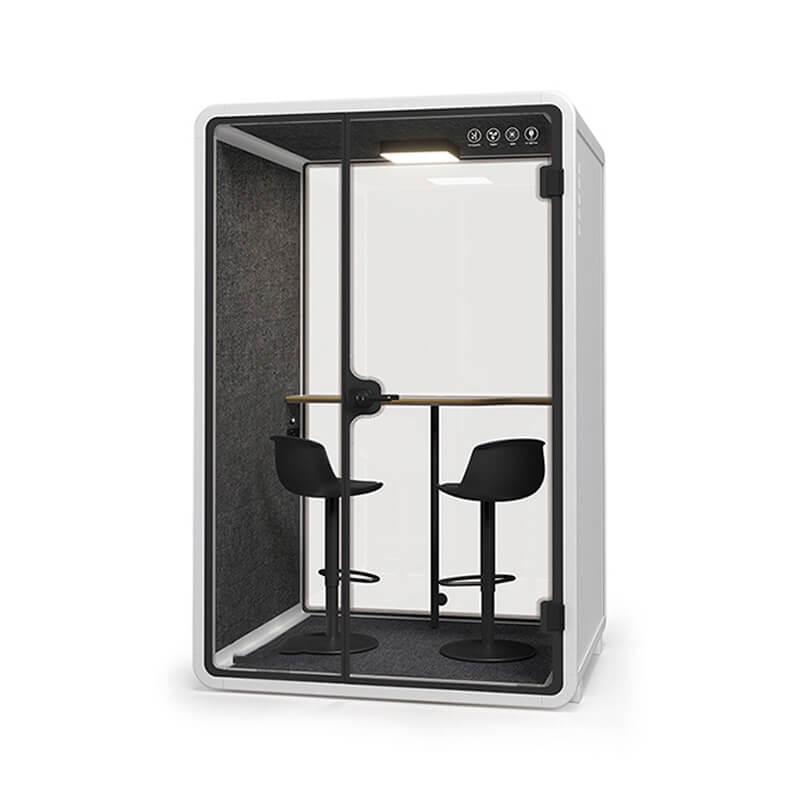
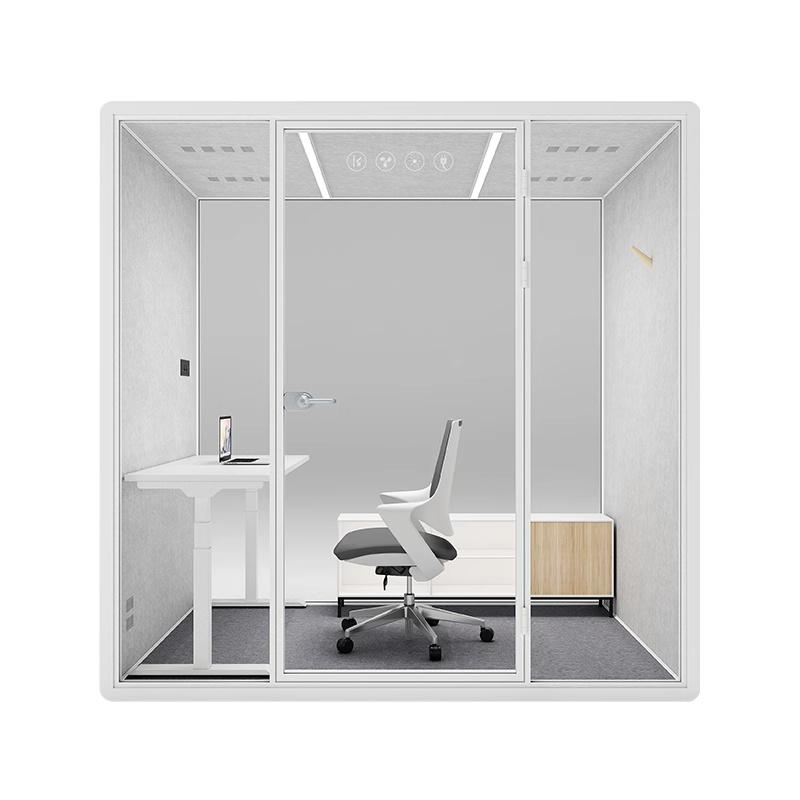
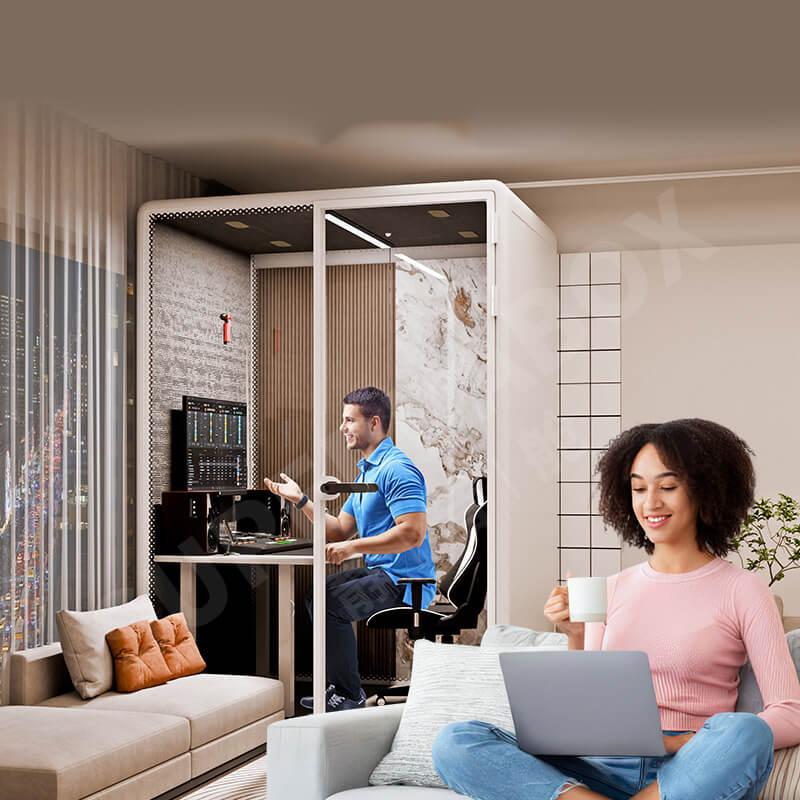
After protected tasks, access, privacy, and operating ownership are defined, use the privacy booths for office configuration page to review the offered configuration. Product information supports comparison but does not replace the occupied workflow or service evidence.
Observe eligible task migration, failed attempts, non-use, queues, open doors, comfort, privacy concerns, misuse, faults, support, surrounding office effects, and changes in attendance or policy.
Use a workflow rehearsal to challenge the assumption. Compare repeated post-launch observations with the accepted route while retaining context and alternative explanations. Preserve context and contrary observations because novelty or a quiet period becoming a productivity conclusion would change the approval route.
Close this point by deciding how to retain correct relocate or reassign the booth from workflow evidence. The workflow review evidence note should identify the observed condition, limitation, accountable owner, correction or confirmation due, and effect on the repeatable productivity route.
Measure service breaks from the user's point of view. Record when an eligible task cannot find the booth, entry is delayed, an occupancy cue is unclear, a prior user leaves materials behind, privacy depends on an open door, or a fault has no visible alternative route. These observations show whether the protected service works as a sequence rather than merely whether the enclosure is present.
Separate correction from expansion during the review. A queue caused by unclear booking rules, extended resets, unresolved faults, or unsuitable task assignment should be corrected before it is treated as evidence for another booth. Additional capacity becomes defensible only when eligible protected tasks continue to fail after access, turnover, support, and use boundaries operate as intended.
During a fault, make the alternative path visible before users begin a sensitive task. The service owner should state whether the booth is isolated, where confidential work moves, how long the interruption may last, and which inspection permits return to use. That record connects maintenance action to the protected workflow instead of treating repair completion alone as service recovery.
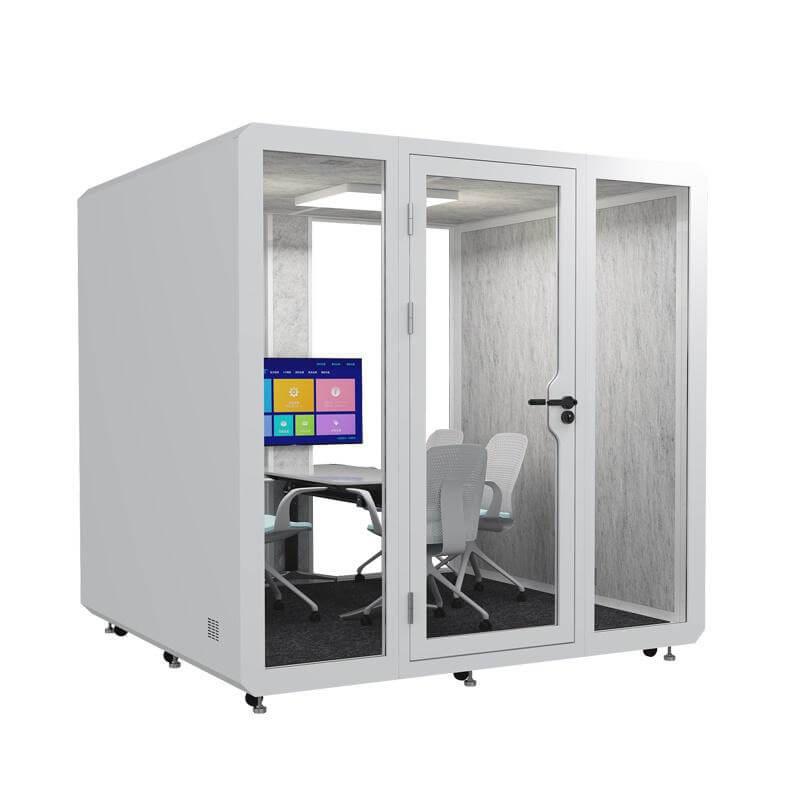
Follow the protected-task route using this rehearsal: Observe current work and agree simple eligibility examples and exclusions with users, workplace, and facilities teams. Preserve this service condition: Separate confidential calls, interviews, sensitive review, routine calls, video meetings, concentrated individual work, decompression, and tasks that need larger rooms by privacy, duration, equipment, urgency, and fallback. Correct the workflow while booths being occupied by tasks that do not need the protected capacity remains visible.
Additional review: how should users discover and access an available booth.
Follow the protected-task route using this rehearsal: Ask users to respond to representative task triggers and find, enter, and establish the booth without facilitator direction. Preserve this service condition: Review location, visibility, occupancy indicators, booking search, walk-up access, distance, queues, priority, door approach, accessibility, user belongings, power-up, and what happens when the booth is unavailable. Correct the workflow while search and entry friction consuming the value of a short task remains visible.
Follow the protected-task route using this rehearsal: Conduct listening and sightline observations with normal tasks and the final installed condition, preserving source and listener context. Preserve this service condition: Map desks, corridors, waiting points, approaches, glazing views, screens, documents, door and fan state, ventilation paths, speaker position, conversations before entry, and user behavior after exit. Correct the workflow while privacy inside the booth hiding exposure around entry or screens remains visible.
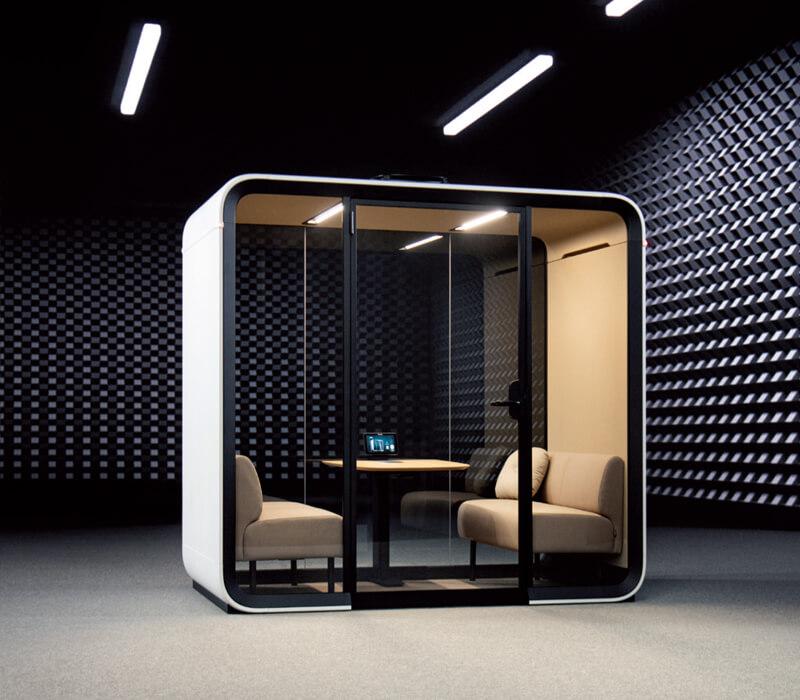
Follow the protected-task route using this rehearsal: Run representative assigned tasks to normal duration with intended users and record control changes, discomfort, open-door behavior, setup errors, and early exit. Preserve this service condition: Check posture, work surface, devices, camera framing, lighting, glare, airflow, temperature perception, fan sound, controls, cables, movement, duration, entry, exit, and the route back to the interrupted task. Correct the workflow while an enclosure passing empty checks but failing the work remains visible.
Follow the protected-task route using this rehearsal: Simulate consecutive users including an overrun, unavailable booth, and user needing a different space, then refine the rule from observed friction. Preserve this service condition: Set reservation length, walk-up rules, occupancy cues, overruns, no-shows, queues, calls outside booths, food or belongings, door operation, volume expectations, reset, cancellation, and alternatives. Correct the workflow while formal booking reducing access or informal use creating conflict remains visible.
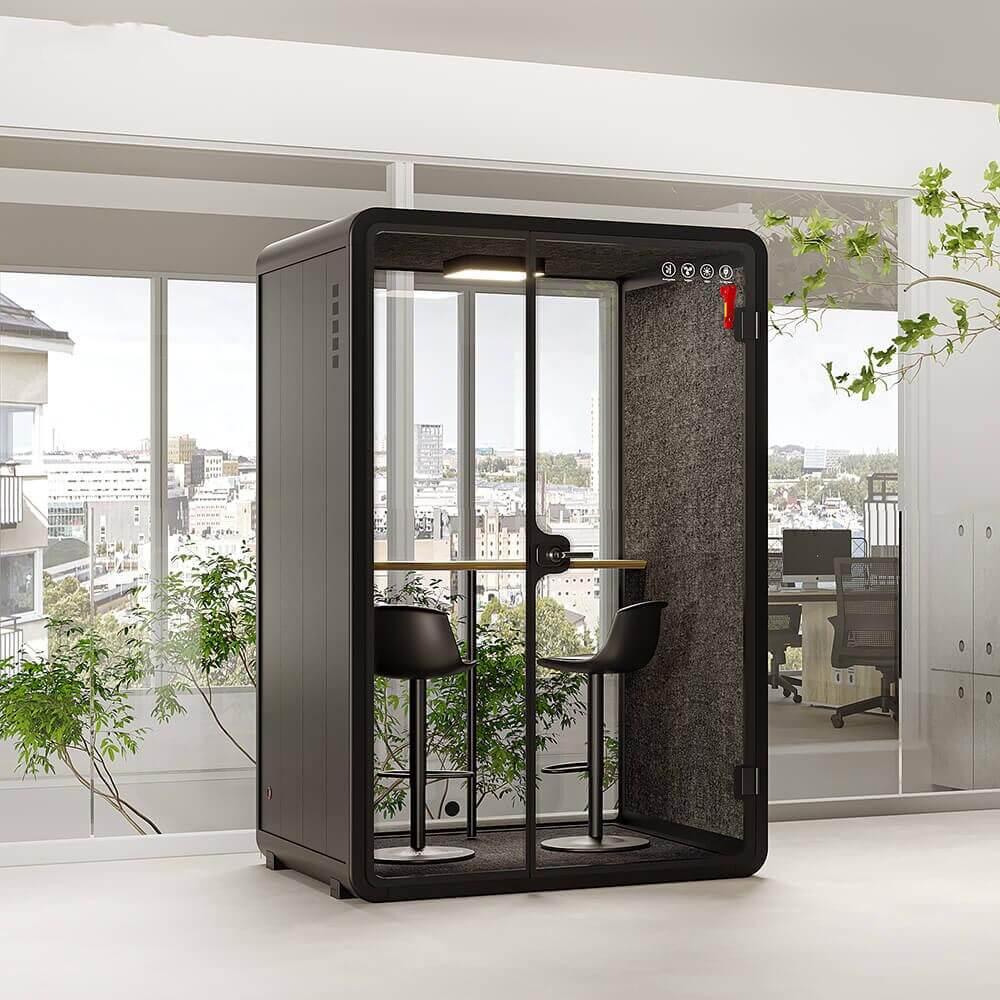
A privacy booth is useful when the complete protected-task route works repeatedly: users assign the right work, reach the booth, establish the intended boundary, finish in comfort, reset the space, and obtain support when something fails. The enclosure is one part of that service. Conclude with a live service review: follow one eligible task from trigger to completion, record every break in the route, and correct ownership before adding more booths.
Operate the booth as a protected-task service rather than isolated furniture. Keep eligibility, location, access, controls, etiquette, maintenance, fault response, limitations, and post-launch observations in one owned record and correct the route where productivity breaks down.

 Tel: +8613538031763
 Email: info@sopworkpod.com
 MP/WhatsApp: +8613538031763
 Manufacturer Address:Liucheng Lujiang District,Meixi Road,Nanan City,Fujian,China