
Need Help?
Please leave your contact information to get our latest catalog
Get In Touch Now >


Author:SOP Work Pods Manufacturer TIME:2026-10-18
Turning a page, looking back at a paragraph, and thinking without moving are ordinary parts of reading. A buyer should not have to replace those actions with a demonstration full of waving, standing, and touching controls. The purchasing question for single study pods is whether the offered operating arrangement supports the intended reader while the reader behaves naturally.
Begin with the specific configuration, not the word smart. Ask whether lighting, ventilation, or an occupancy indication is controlled automatically, manually, or by a combination. Ask which functions, if any, depend on occupancy detection. Sensor types and control features vary by product; another manufacturer's description cannot establish what an SOP configuration includes.
Request a plain-language account of arrival, occupied use, departure, and any user adjustment. Ask which settings are available to an ordinary reader and which belong to authorized staff. Keep light behavior, ventilation behavior, and any displayed status on separate lines. One answer about lights should not silently become an answer about every service inside the enclosure.
If no occupancy-controlled function is supplied, mark this purchasing question not applicable and describe the actual manual operation instead. If the answer remains unknown, retain it as a specification gap. Do not build a sensor trial around a function that nobody has confirmed. Photographs and a generic product video cannot close that gap.
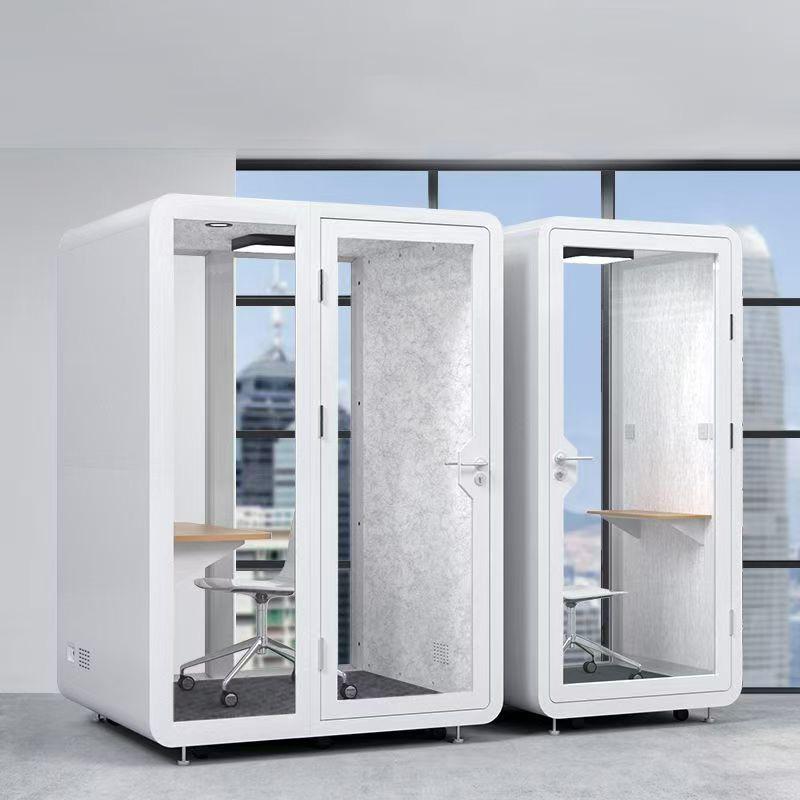
With the operating arrangement identified, invite a willing reader to use harmless material resembling their normal task. Explain which visible events will be noted and agree when questions may be asked. The exercise observes the enclosure's behavior, not reading ability, concentration, or comprehension. The reader can stop, change posture, or choose another setting without invalidating their account.
Choose the observation period around the intended reading session and the supplier's applicable operating explanation. There is no universal timeout to copy into the plan. If a described transition cannot be observed within the agreed session, mark it unobserved rather than prolonging the trial. Record the starting light setting, permitted control state, door condition, seat position, and normal materials so a later repeat has a known starting point.
Plan observation without repeatedly prompting the reader or entering the pod to check progress. Agree how an event can be noted with minimal disruption and review it afterward. Do not collect personal study content, video of the reader, health information, or unnecessary identity details for an equipment comparison.
Let the reader enter and settle using the documented ordinary procedure. Note what happens before any manual adjustment and what happens after an adjustment the reader actually chooses. If the reader presses a lighting control on arrival, that action belongs in the record; it should not be rewritten as an automatic response. Start the reading observation only when the agreed working state is established.
During reading, preserve natural pauses. Do not ask someone to hold an unnaturally still pose, and do not ask them to keep moving to maintain a favorable result. Note visible changes to the light or a confirmed status display alongside the activity taking place. An unchanged lamp is a useful observation, but it does not reveal what a hidden sensor detected.
When an unwanted light change occurs, ask afterward whether it interrupted the task and what action was needed to continue. Record the action before describing recovery. A reader who reached for a switch had a different experience from one whose lighting remained suitable without intervention. Keep that difference even when both sessions ended with the page readable.
Treat ventilation cautiously and separately. Never disable ventilation or sensors, cover detection areas, obstruct air openings, or use unauthorized settings. If ventilation operation is uncertain, the reader becomes uncomfortable, or a fault is suspected, stop the occupied trial and follow the site's support procedure. Do not keep someone inside to discover when a suspected fault becomes more noticeable.
After the uninterrupted reading period, review the ordinary movements that occurred: turning a page, shifting a notebook, reaching for a pencil, or returning to the back of the seat. Describe the actual action and any observed change after it. A lamp brightening after a movement establishes a sequence worth discussing, not proof of the sensor technology or its detection range.
Test a manual control only if the supplier confirms that it exists and that the proposed use is permitted. Ask the reader whether the documented adjustment is understandable and usable from the normal reading position. Keep this short control-use check separate from the untouched reading period. Do not manufacture a user override, promise a saved preference, or present repeated intervention as equivalent to uninterrupted reading.
If settings are changed through an authorized ordinary control, retain the before and after states. Ask how the approved starting condition should be restored and who owns that step. Leave protected configuration and sensor programming to authorized staff; this buyer observation does not include changing detection logic to obtain a pass.
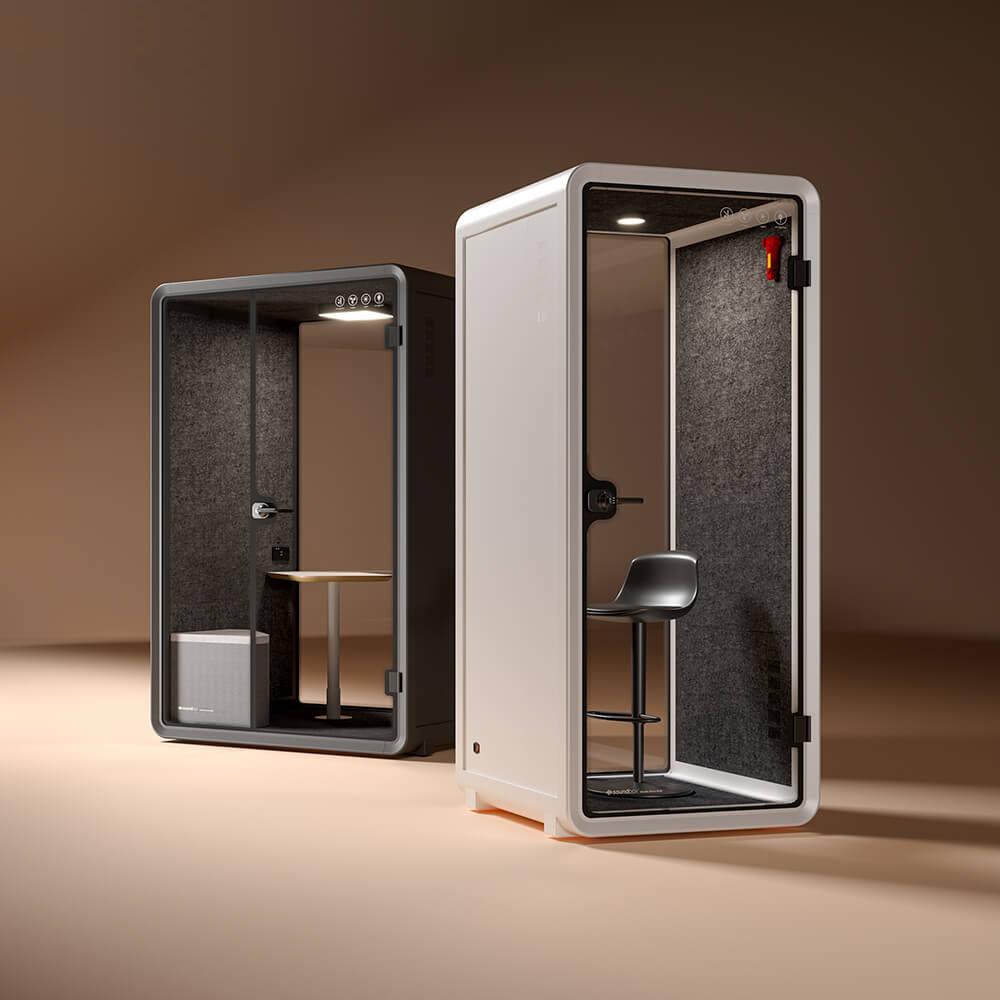
At the agreed stopping point, let the reader leave normally and note the departure time and door action. Observe only what can be seen or otherwise confirmed without entering, disturbing nearby users, or accessing a private control system. Record whether belongings remain only when that is part of the agreed ordinary-use check. A book left on the desk should not be treated as a person in the record.
Compare the visible sequence with the supplier's description, not an invented delay. A service continuing after departure is not automatically a fault, and a light changing does not establish the state of ventilation. Where the supplier describes different behavior for different functions, review each function against its own explanation. Mark internal operation unconfirmed when it cannot be observed.
Let the reader return through the normal entrance and resume the task using documented actions. Record the first usable reading state and any manual step needed to reach it. Do not prop the door, repeatedly trigger sensors, or cycle power to force a response. Keep any unexplained return behavior open for support instead of improvising a reset method.
The table is an empty observation guide, not a set of expected product responses. Use actual event times and the reader's account when completing it. If no transition occurs during the agreed window, write that explicitly; do not fill the gap with a supplier claim or a result from another enclosure.
| Event to record | Reading or control action | Observation to enter after the trial |
|---|---|---|
| Arrival and settling | Documented entry; any actual user adjustment | Starting light state and how it was reached |
| Quiet reading pause | Natural reading or thinking without prompted movement | Visible change or no change within the observed period |
| Ordinary desk movement | Actual page turn, note taking, or posture change | Sequence noticed; no inferred detection mechanism |
| Permitted manual adjustment | Identified control used under supplied instructions | Before and after states; effect on reading |
| Departure | Normal exit with recorded door action | Visible sequence, time, and functions not observable |
| Return | Normal reentry and any documented user action | First usable reading state and unresolved interruption |
Review the event sequence with the reader first. Ask which change mattered, whether it interrupted their work, and whether recovery required an unwanted action. Then compare the record with the supplier's account of the particular configuration. Separate three questions: what was promised, what was actually visible, and what the reader found usable. They may have different answers.
Send a discrepancy as an event, not a diagnosis. State the current configuration, ordinary activity, light or status observation, elapsed time where relevant, and intervention. Ask the supplier or authorized facilities contact whether this matches the documented operation and what approved next check is appropriate. Do not label an unobserved internal state as a sensor failure or infer ventilation performance from sound alone.
A repeat should address the unresolved event with the same reading arrangement unless an authorized change is the reason for the repeat. Retain the original result and the reader's view. A later satisfactory session informs the decision but does not justify erasing an earlier interruption or promising that every still reader will be detected.
State whether the intended quiet-reading session was observed without unwanted intervention, was interrupted by a recorded control event, or remains unverified. Name the supplied functions and keep unknown features out of the accepted specification. Include the ordinary control instructions the reader needs, the staff contact for a mismatch, and the outstanding observation that would change the decision.
Where a supplier proposes a supported adjustment, ask for its scope and arrange a new observation before relying on it. Do not prescribe a universal sensitivity, delay, or control feature. If suitable quiet reading depends on repeated gestures or undocumented intervention, leave that requirement unresolved or consider another confirmed arrangement. A purchase brief should preserve the reader's normal activity rather than redefine it to match an attractive demonstration.
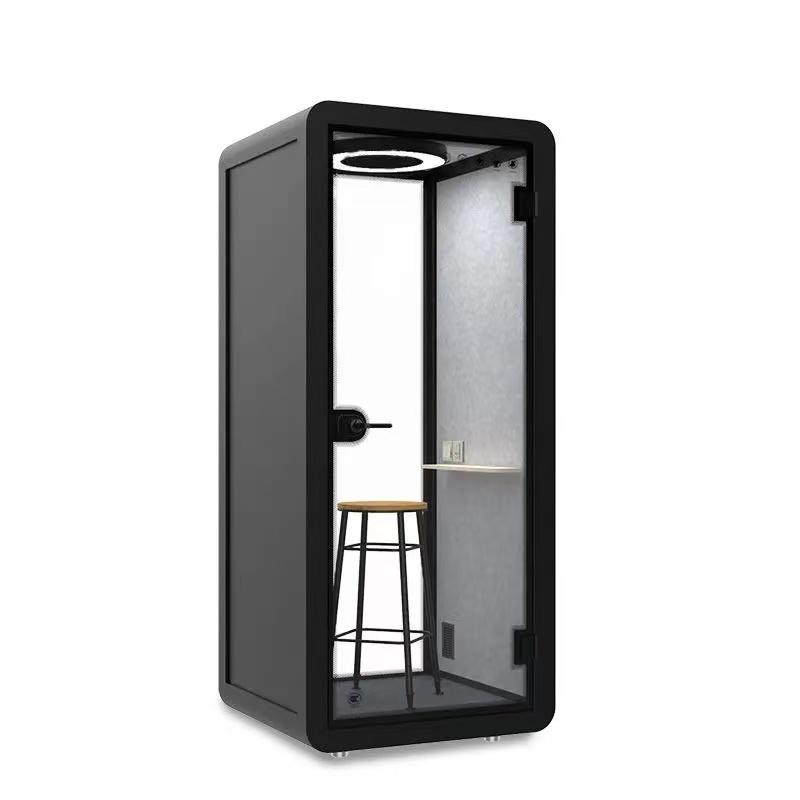
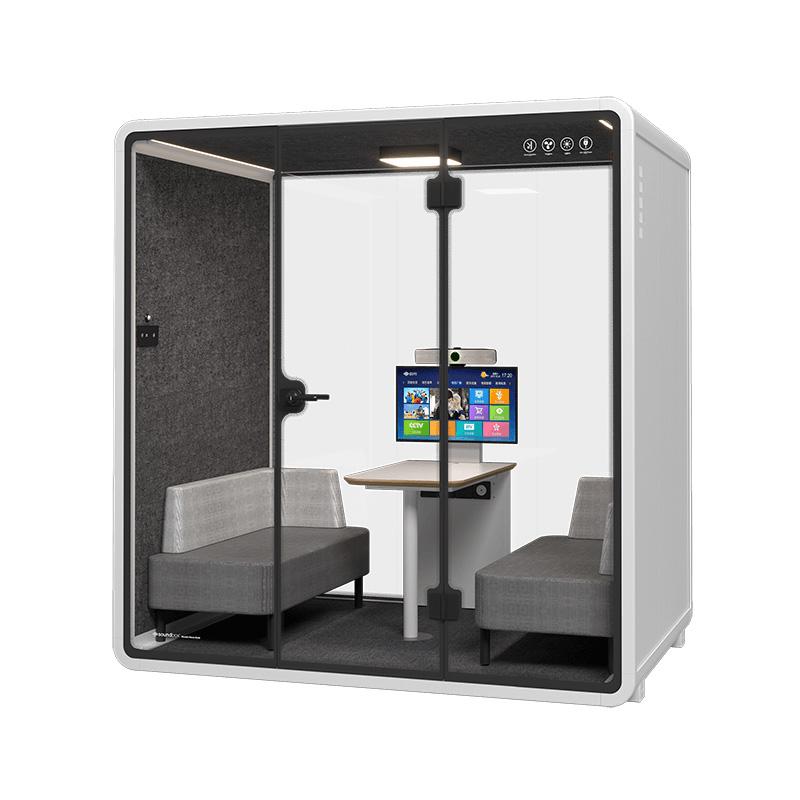
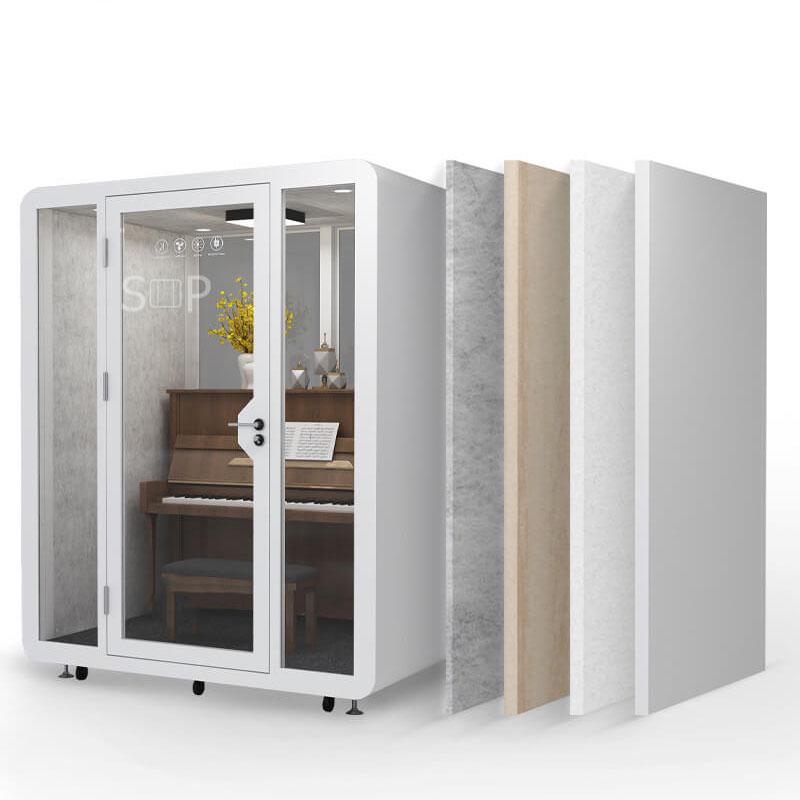
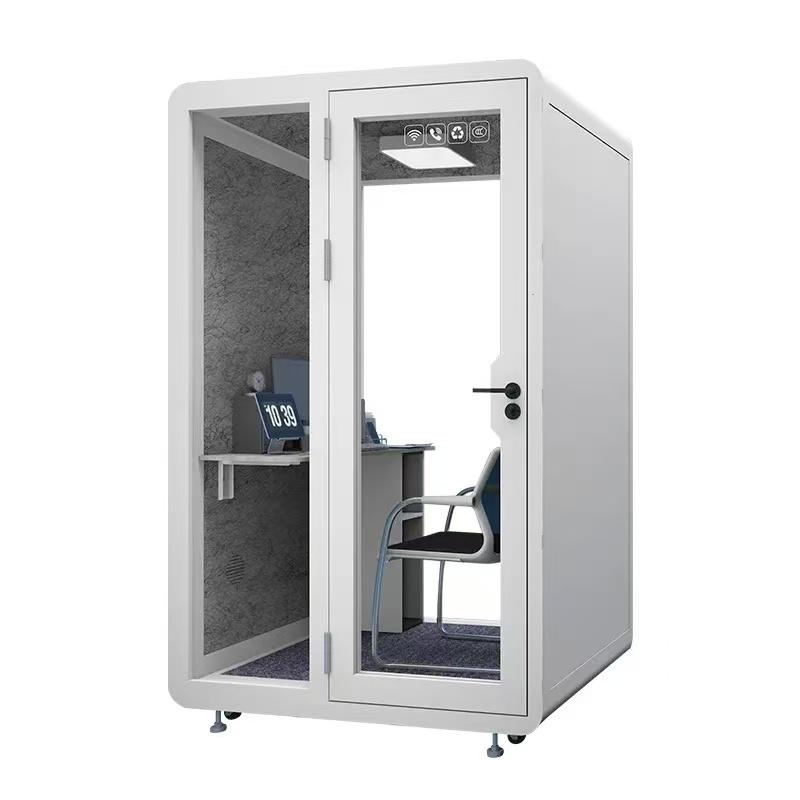
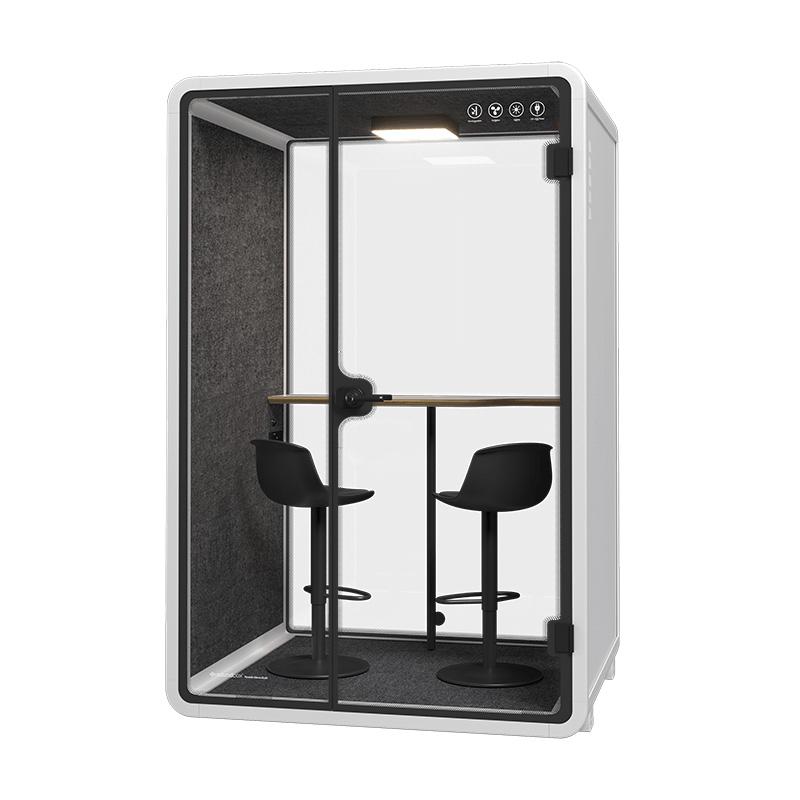
Use the control-state brief when discussing SOP office pods considered for individual study; confirm the offered control arrangement separately rather than treating the category images as a sensor specification.
Does a light staying on prove the sensor recognizes a still reader?
No. It establishes the visible light state during that observation, not the sensor's internal conclusion. Compare the recorded sequence with the supplier's explanation of the actual configuration, and leave any unobservable control state unknown.
How long should the reader remain inside for this check?
Agree a period that represents the intended task and is consistent with the supplied operating guidance. There is no universal test duration or timeout. Stop when the reader wishes to stop or when a concern arises, and mark longer behavior unobserved.
What if the lights change while ventilation appears unchanged?
Record the functions separately. Ask which relationship, if any, the supplier documents. A lighting event does not establish ventilation operation, and perceived airflow is not a performance measurement. Seek support for uncertainty instead of adjusting or disabling either system.
Should the reader wave periodically to keep the session working?
Do not build that extra action into the baseline. Observe ordinary reading and note any intervention actually needed. Discuss an interrupted session with the supplier rather than hiding it behind repeated gestures or treating a still reader as the problem.
Can a manual override be required in the purchase brief?
It can be a buyer requirement to discuss, but first establish whether a supported function exists and how it operates. Do not describe it as already supplied. A proposed adjustment still needs a reader-led check and an agreed restoration method.
A useful comparison of single study pods allows quiet reading to remain quiet reading. Identify the supplied controls, observe natural activity, and keep visible behavior separate from assumptions about detection. Departure, return, and permitted manual actions belong in the same event record but should not be mistaken for proof of a universal sensor capability.
Give procurement a control-state brief that states what the reader experienced and what remains unresolved. Request a supported explanation or adjustment for a specific interruption, then observe again before accepting the revised arrangement. Never trade active ventilation, working sensors, or the reader's normal behavior for a cleaner demonstration.

 Tel: +8613538031763
 Email: info@sopworkpod.com
 MP/WhatsApp: +8613538031763
 Manufacturer Address:Liucheng Lujiang District,Meixi Road,Nanan City,Fujian,China