Author:SOP Work Pods Manufacturer TIME:2026-10-11
Imagine a supplier notice reaching the email address of someone who left procurement months ago. The buyer still owns the booth, but the message has no clear recipient, the asset has changed rooms, and nobody knows who should ask whether it is included. This is a fictional purchasing exercise, not a report of a SOP recall or defect.
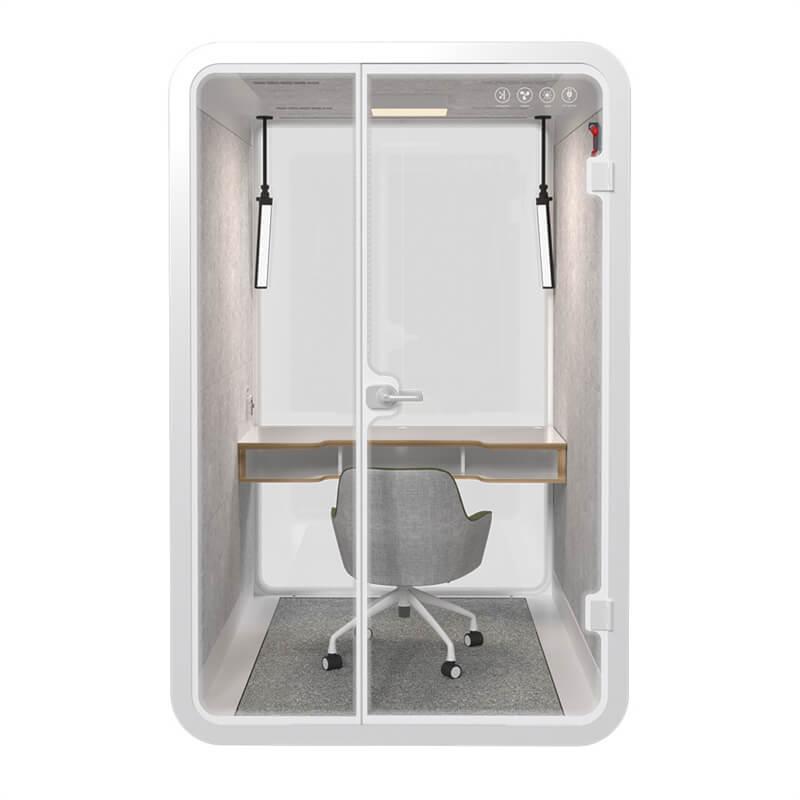
For a portable office phone booth, recall support is worth discussing before an order because a promise to provide support says little about communication continuity. Ask how an official notice would reach current owners, how an uncertain unit identity would be resolved, and what would demonstrate completion. Any actual response must follow the applicable official notice and supplier-authorized remedy, not this hypothetical exercise.
Ask the supplier to describe its proposed notice contact and escalation route for the offered product. Keep the question prospective: who would communicate, what references would accompany a notice, and how could the buyer seek clarification? Do not request an invented incident example or treat a supplier's willingness to discuss the process as evidence that a problem has occurred.
Notice routing, unit identification and response tracking are separate buyer-support questions. A useful proposal addresses each without suggesting that a routine warranty process necessarily covers every future campaign. Ask which parts of the response would be managed by the seller and which would require another named party. Record limitations in that proposed support arrangement, including any contact or responsibility that has not yet been confirmed.
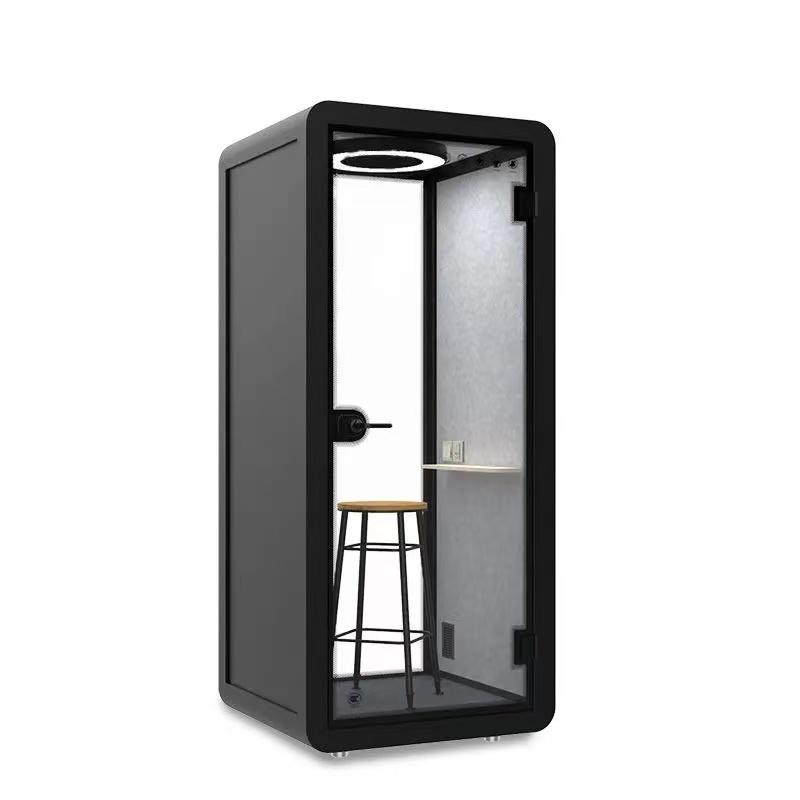
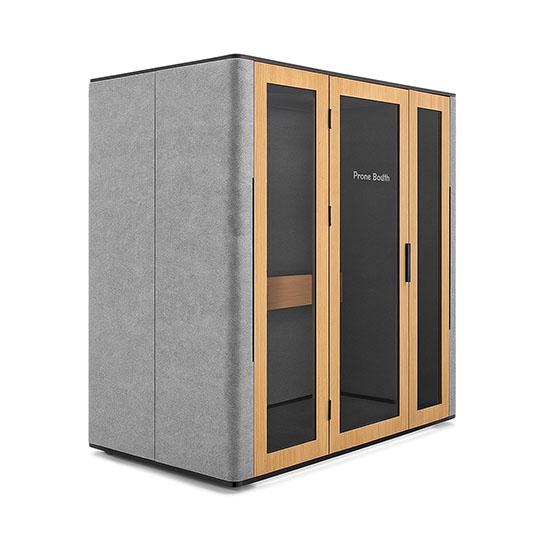
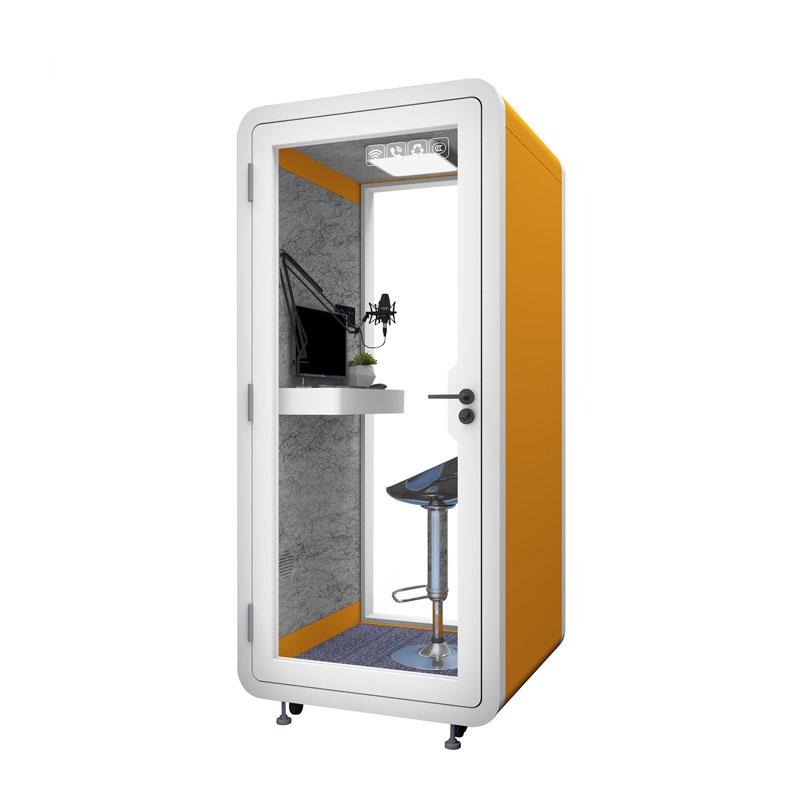
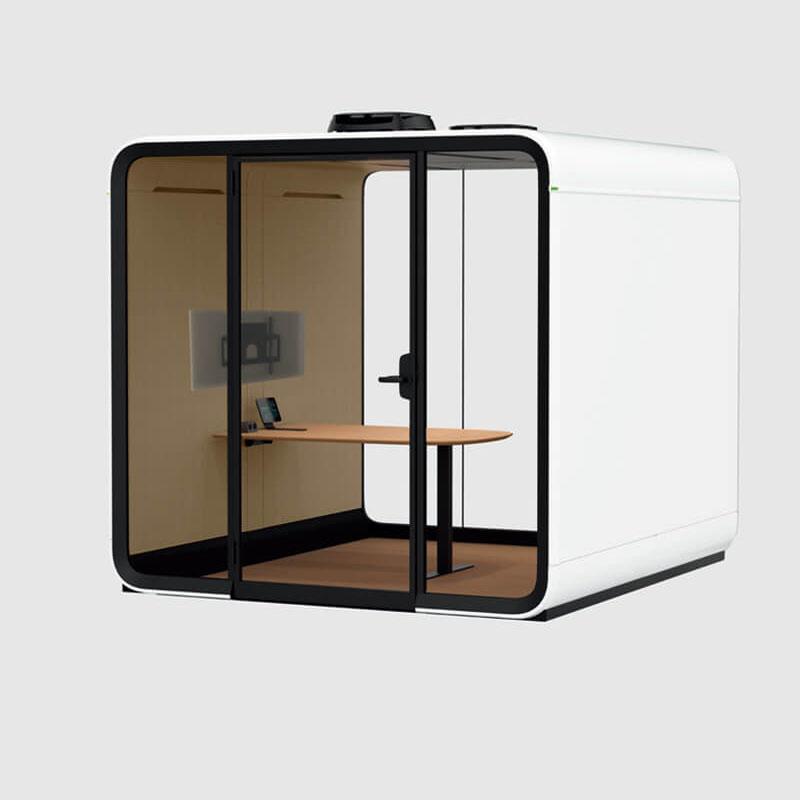
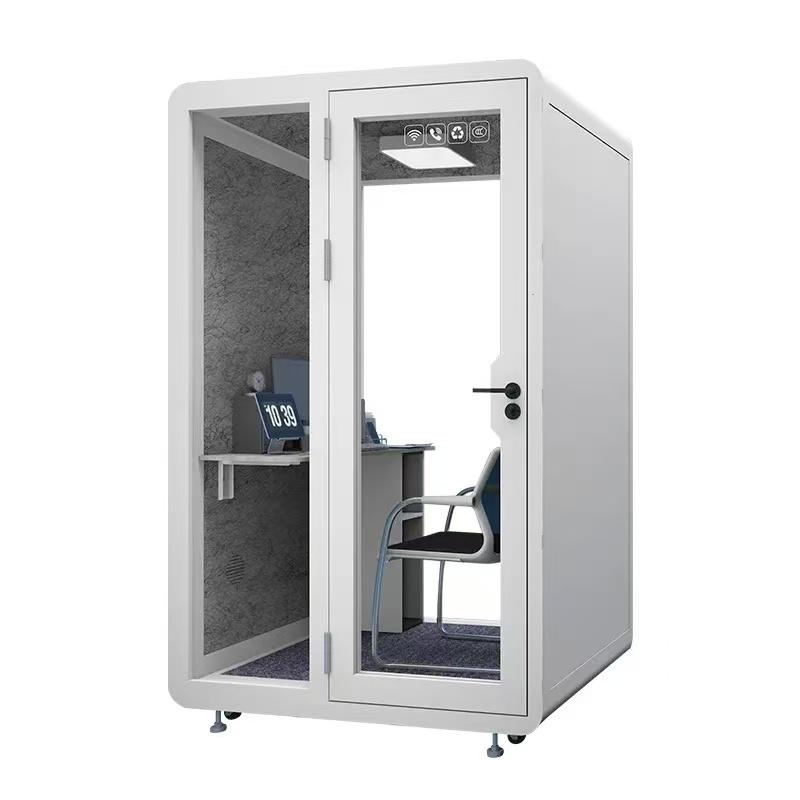
When requesting a support proposal for a SOP phone booth, ask which identified configuration and buyer contact the proposed notice process would cover. This product reference makes no claim about an actual recall or an existing supplier campaign.
Nominate a maintained organizational contact rather than relying solely on the person who placed the order. Ask who monitors it, who provides cover, and how notices are transferred when responsibilities change. The supplier should know how the buyer intends to receive product-support communications; the buyer should know how to update that information.
Define a way to confirm that a notice is genuine through an established supplier channel. A forwarded message or unfamiliar attachment should not become an instruction merely because it uses the product name. Ask the supplier what reference would let the buyer reconcile a message with the official communication and obtain clarification without relying on contact details supplied only in the unverified message.
Trace the internal route beyond the first inbox. Procurement may hold the purchase file while a facilities team maintains the asset and a local manager knows its current location. Ask each intended recipient to identify the next person who needs the notice. Specify an acknowledgement that shows the handoff reached an accountable person, rather than treating an email sent as an email acted upon.
Discuss what happens when no acknowledgement arrives. Agree an escalation contact and a way to record the unresolved handoff; do not invent a legally required response period. Any actual notice may contain its own instructions. The procurement exercise should demonstrate that the organization can find and follow those instructions, not substitute a general schedule for them.
In the fictional exercise, have the outgoing coordinator introduce the replacement to the established supplier contact. The replacement should retrieve the current notice reference, locate an unanswered unit enquiry and confirm which site contact is awaiting a reply. Ask the supplier contact to acknowledge the changed recipient. Keep that acknowledgement with the handoff so future messages do not depend on an unattended personal inbox.
Ask which identifiers the supplier expects the buyer to retain for each delivered unit. These might include a supplied unit reference, model description or other order-linked identity, depending on what actually exists. Confirm how the supplier would help when a label is unclear or the order file uses a different name. Do not invent identifiers or ask occupants to investigate concealed components.
In a fictional campaign, give the coordinator a notice reference and a small set of existing asset records. The task is to connect the notice's stated scope to those records through the designated supplier contact. Keep a distinct unresolved category when the match cannot be established. Neither resemblance to a photograph nor absence from an incomplete list demonstrates that a unit is affected or unaffected.
Retain the current location and responsible team alongside the original purchase reference. A unit that has changed rooms still needs a traceable communication route. If a record indicates a transfer outside the organization, ask the responsible owner how the relevant information can be passed through appropriate channels. Do not infer the current recipient or circulate unnecessary personal details simply to make the tracking sheet look complete.

Design status labels that answer different questions: whether the notice was authenticated, whether the unit's inclusion was resolved, whether the responsible site acknowledged it, and whether the authorized response has supporting completion evidence. These are administrative labels for a proposed tracking process. They do not describe the use status of a real booth or authorize a technical action.
Ask the supplier how its updates would connect to the buyer's unit records. An appointment arranged, an item dispatched or a message acknowledged may document progress without demonstrating completion. Preserve the reference and meaning of each update. In an actual campaign, instructions on continued use and remedy come from the official notice and authorized parties; procurement should carry them accurately rather than interpret them into a repair plan.
Also ask how a revised notice would be distinguished from the earlier version. The coordinator needs to know which reference is current and whether previous recipients need another communication. Retain the earlier record as history, but do not let two versions circulate without an explanation of their relationship. Ask the authorized sender to clarify an apparent conflict rather than combining instructions from different messages.
| Handoff | Sender | Accountable recipient | Receipt evidence to request |
|---|---|---|---|
| Official notice into the buyer organization | Designated supplier channel | Buyer support coordinator | Notice reference and confirmed receipt |
| Uncertain unit identity back to support | Asset-record owner | Supplier identity contact | Reply connecting the unit to the stated scope |
| Relevant notice to the current location | Buyer coordinator | Responsible site contact | Acknowledgement tied to the correct asset |
| Authorized completion into the record | Designated response owner | Buyer closeout owner | Completion reference naming the unit and its scope |
Run a tabletop exercise using a clearly marked fictional notice, with no allegation about the product and no live instruction to users. One participant represents the receiving organization; another represents the support contact for the exercise. Use dummy campaign references and ordinary asset-record fields, not fabricated defect descriptions or technical correction steps.
Introduce one communication complication at a time. Perhaps the original buyer has left, a unit's location record is outdated, or the person receiving the update cannot tell which asset it concerns. Ask participants to show whom they would contact and what information they would need. The exercise succeeds when it exposes a missing handoff clearly enough to revise the support proposal.
Try a second complication in which the supplier update says an action is complete but does not identify the unit. Ask what evidence the coordinator would request before changing the record. Do not invent the technical evidence itself. The point is to discover whether the supplier can explain its completion record and connect it to the correct asset.
Document the unanswered questions as procurement clarifications. A successful rehearsal shows only that the proposed communication route worked in the scenario used. It cannot demonstrate the supplier's response to a future event, establish product safety, or prove that every unit in a real campaign has been resolved. Keep those limits visible when comparing support proposals.
Ask the supplier to identify who would provide authoritative completion information and what it would reference. Agree how the buyer would retain that information beside the notice, relevant unit record and earlier clarifications. Avoid a batch-level closed label while individual identities, acknowledgements or completion references remain unresolved.
Preserve exceptions as exceptions. If the buyer cannot locate a unit or cannot reconcile a response, assign the next enquiry to a named contact and keep the administrative record open. Do not turn a missing reply into a favourable status. Equally, do not invent an adverse technical conclusion from a communications gap; ask the authorized party to determine what the situation means.
Finally, establish who maintains the support contacts after procurement hands over the asset. A role change should transfer notice responsibility together with the purchase record. Review the proposed process when that ownership changes, retaining the earlier history rather than overwriting it. The deliverable is a durable support route, not a replacement for the instructions that would govern an actual recall.
For a multi-location purchase, ask the coordinator to distinguish confirmed unit records from locations that have not replied. A summary should preserve the unresolved list rather than imply that progress at one site represents every site. Before closing the fictional exercise, have another participant locate one outstanding enquiry and identify its next recipient from the record alone. A missing answer then becomes a specific support requirement to settle before the order.

Does this article indicate that SOP has issued a recall?
No. The campaign and communication failures discussed here are hypothetical procurement exercises. No actual SOP incident, affected product or remedy is asserted. Check an actual communication through the appropriate official channel rather than inferring an event from this guide.
Is a warranty email address a complete recall-support plan?
It is a contact, not a demonstrated handoff process. Ask who monitors it, how an official notice would be confirmed, how identities would be reconciled and who supplies completion information. Record any support boundaries the supplier has not confirmed.
Can the buyer decide inclusion from a matching photograph?
No. Use the scope and identifiers in the actual official notice and seek clarification through its authorized route. Similar-looking units may leave identity unresolved; a photograph does not establish inclusion or exclusion.
What should happen when an update only says completed?
Ask the designated response owner which unit and action the update covers, and retain the supporting reference. Do not equate an unspecified completion message with closure of every asset record or with permission for continued use.
Does the tabletop exercise require a repair demonstration?
No. Rehearse communication and record ownership only. Technical work, use instructions and remedy decisions belong to the actual official notice and supplier-authorized process, not to a fictional procurement test.
A portable office phone booth support proposal should explain how a future official notice would be authenticated, routed to current owners, connected to identified units and followed through authoritative completion records. Ask for those commitments separately instead of accepting an undefined promise of after-sales help.
Before ordering, run one explicitly fictional handoff exercise and return its unresolved questions to the supplier. Keep the resulting responsibility map with the asset information. It prepares the communication route while leaving every real use decision and remedy under the official notice and authorized response.

 Tel: +8613538031763
 Email: info@sopworkpod.com
 MP/WhatsApp: +8613538031763
 Manufacturer Address:Liucheng Lujiang District,Meixi Road,Nanan City,Fujian,China