Author:SOP Work Pods Manufacturer TIME:2026-10-10
The supplier sends a material-emissions document, but the quotation names an acoustic booth while the document names a panel. Both records may be genuine. What remains unresolved is the connection between them: does the identified panel appear in the offered booth, and what part of the assembly does the document actually address? More attachments will not answer that question unless their identities and boundaries can be reconciled.
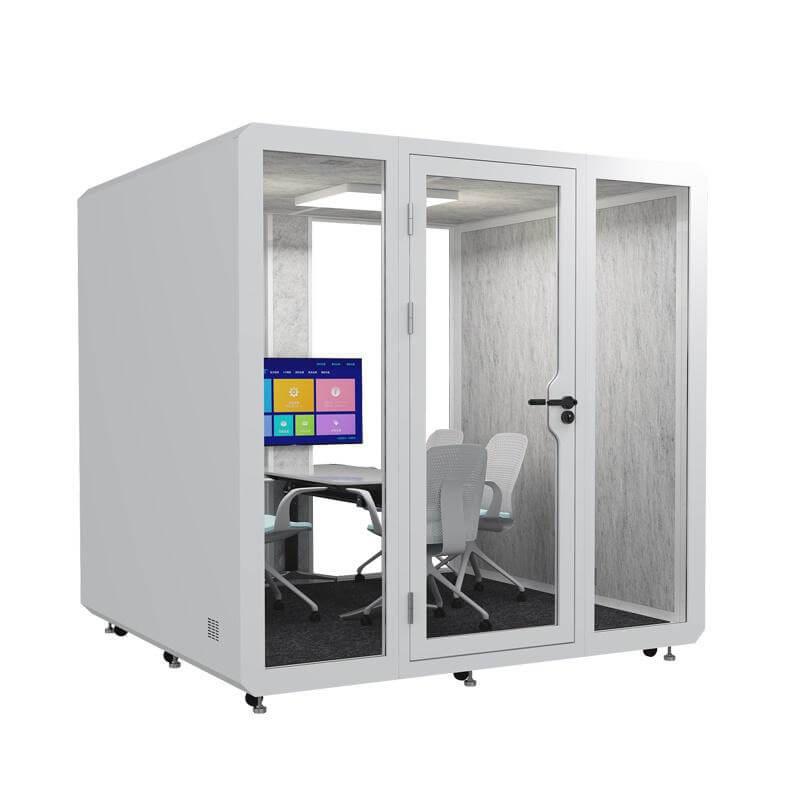
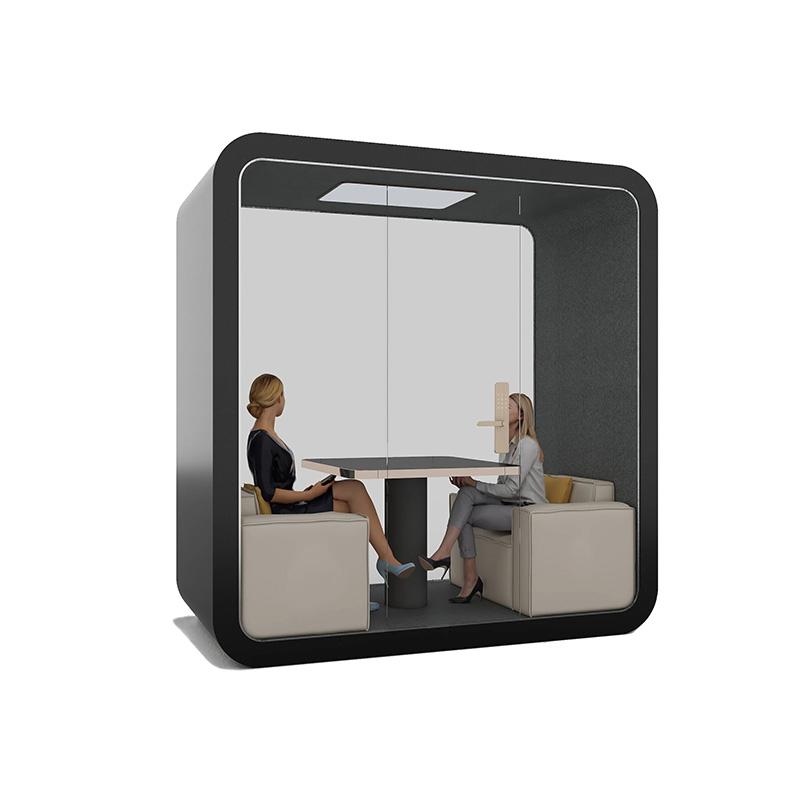
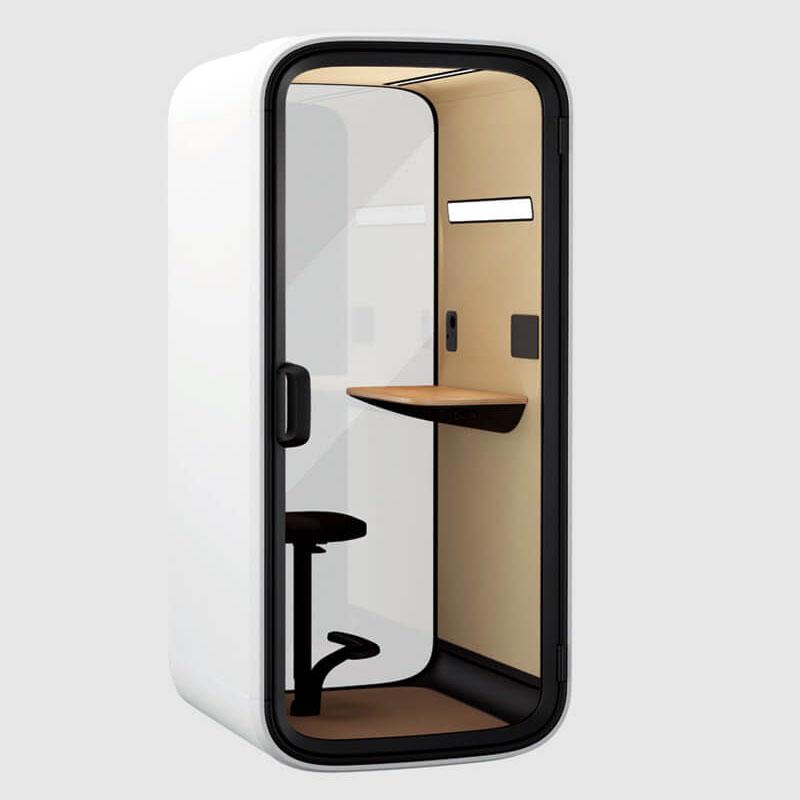
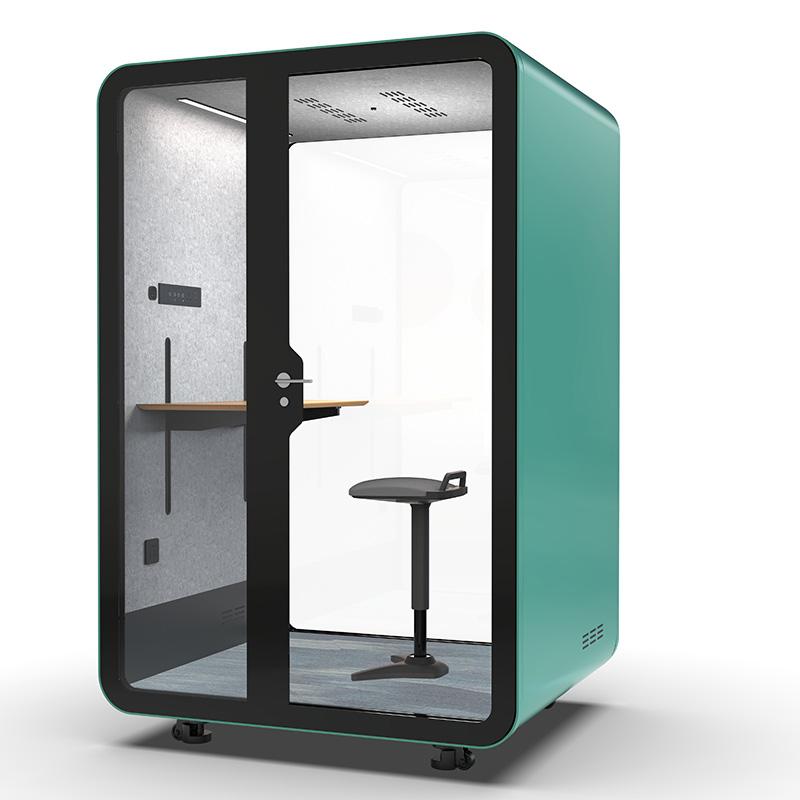
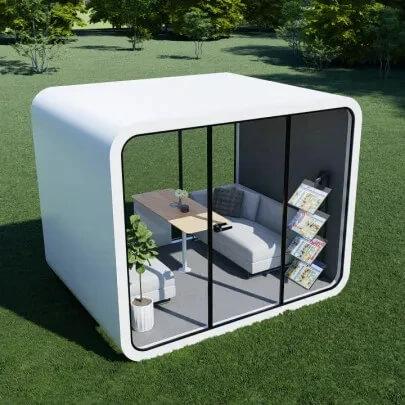
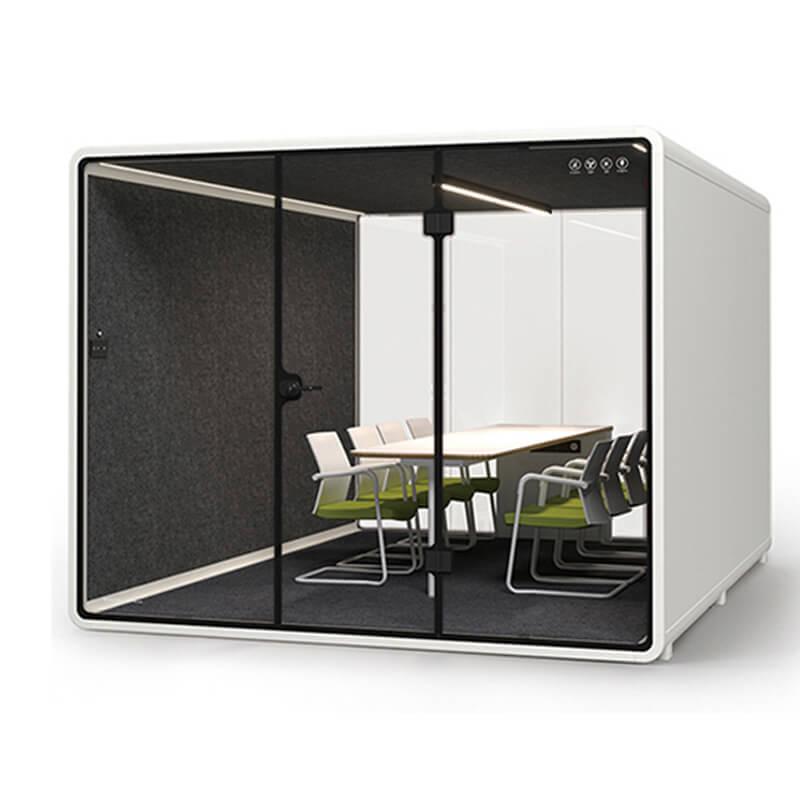
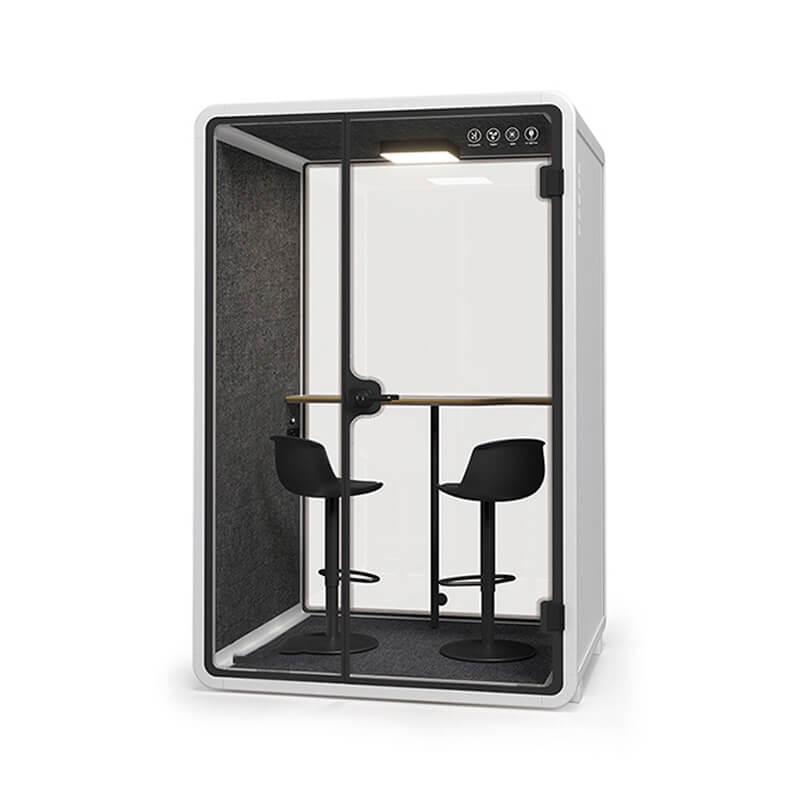
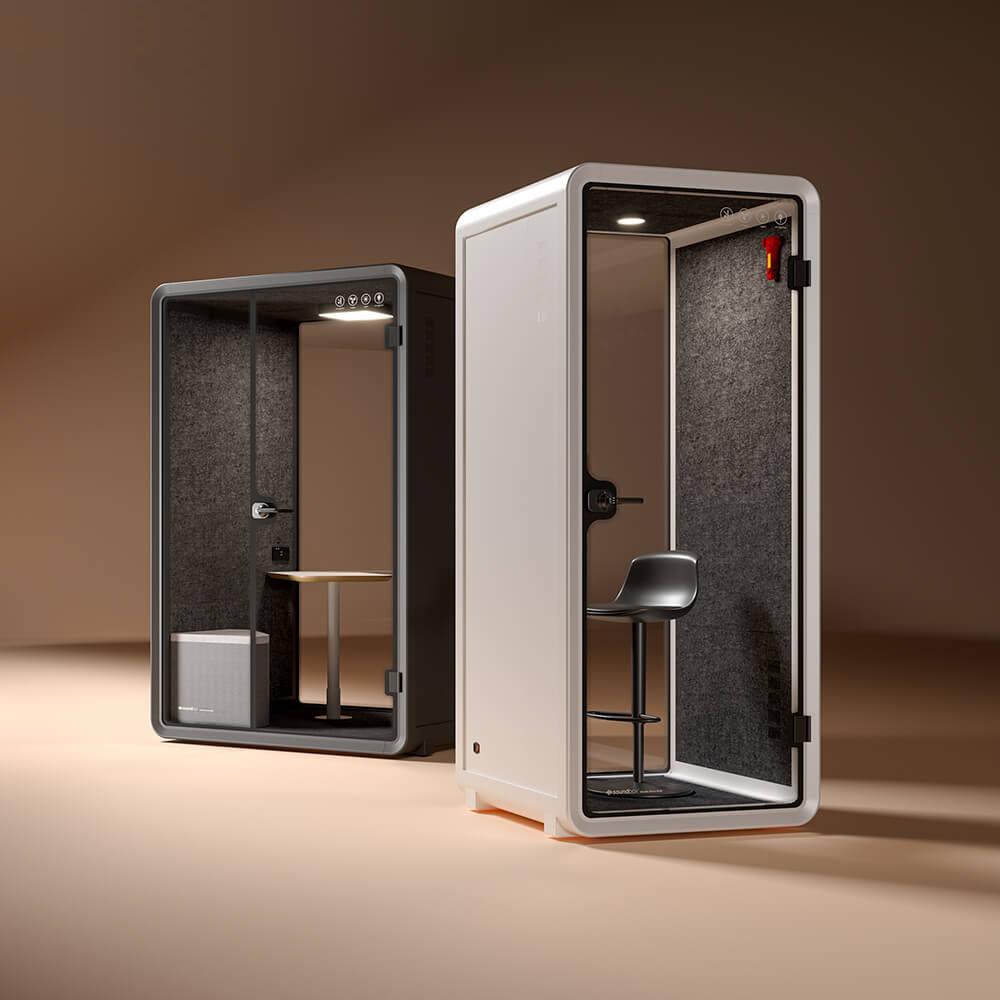
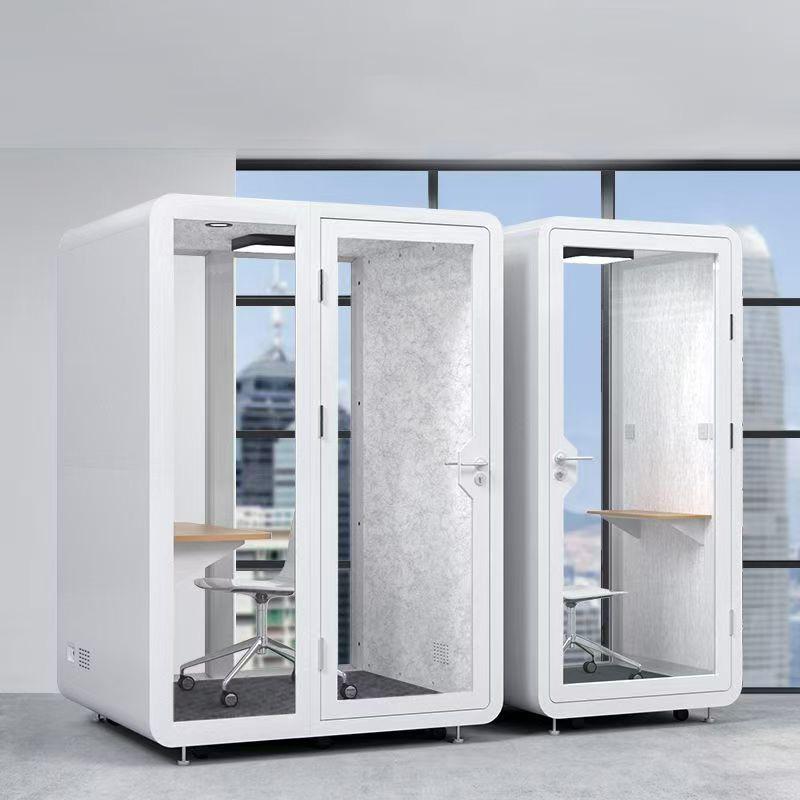
For buyers comparing acoustic booths, the immediate task is document applicability. Establish what each record supports for the proposed supply, who can explain its scope, and what remains undocumented. This is a procurement evidence exercise, not a judgment about indoor air quality or a broad environmental rating. The images show enclosure surfaces and furniture, not emissions results or verified material identities.
Begin with the complete record supplied for review, including referenced schedules or appendices. Identify its owner or issuer, reference, date and revision, then locate the product or sample description. Ask the document owner which passages define the scope. A cover page that appears relevant is not enough when the identification or exclusions sit elsewhere in the same record.
Material evidence applies to identified products within its documented scope; it should not be transferred automatically to a different product or complete enclosure. Apply that narrow principle before interpreting any headline. Distinguish a document about an identified component from one explicitly addressing an identified assembly, and preserve the distinction in the comparison file.
Do not infer invalidity simply because the record is old, or currency simply because it was forwarded today. Ask the owner whether the version remains applicable to the offered item and whether a replacement record exists. The reply should explain the connection to the proposal, not merely repeat that the supplier uses this document frequently.
Request an order-specific configuration schedule detailed enough to map the evidence. Ask the supplier to identify relevant surfaces and components, their references and selected options. Wall lining, floor finish, work surface, seating or assembly materials can be enquiry categories where they are part of the offer; the list does not assert that every booth contains the same materials. Mark an unconfirmed item as a question instead of filling it from a photograph.
Where a commercial product name differs from the name in a document, ask the supplier and document owner to explain the relationship in writing. Record the references they use to establish that match. Similar colour, texture or marketing terminology cannot complete it. If the necessary detail is confidential, ask for a review route that preserves confidentiality while allowing the responsible buyer to understand the scope. An unexplained redaction remains a limitation, not an implied match.
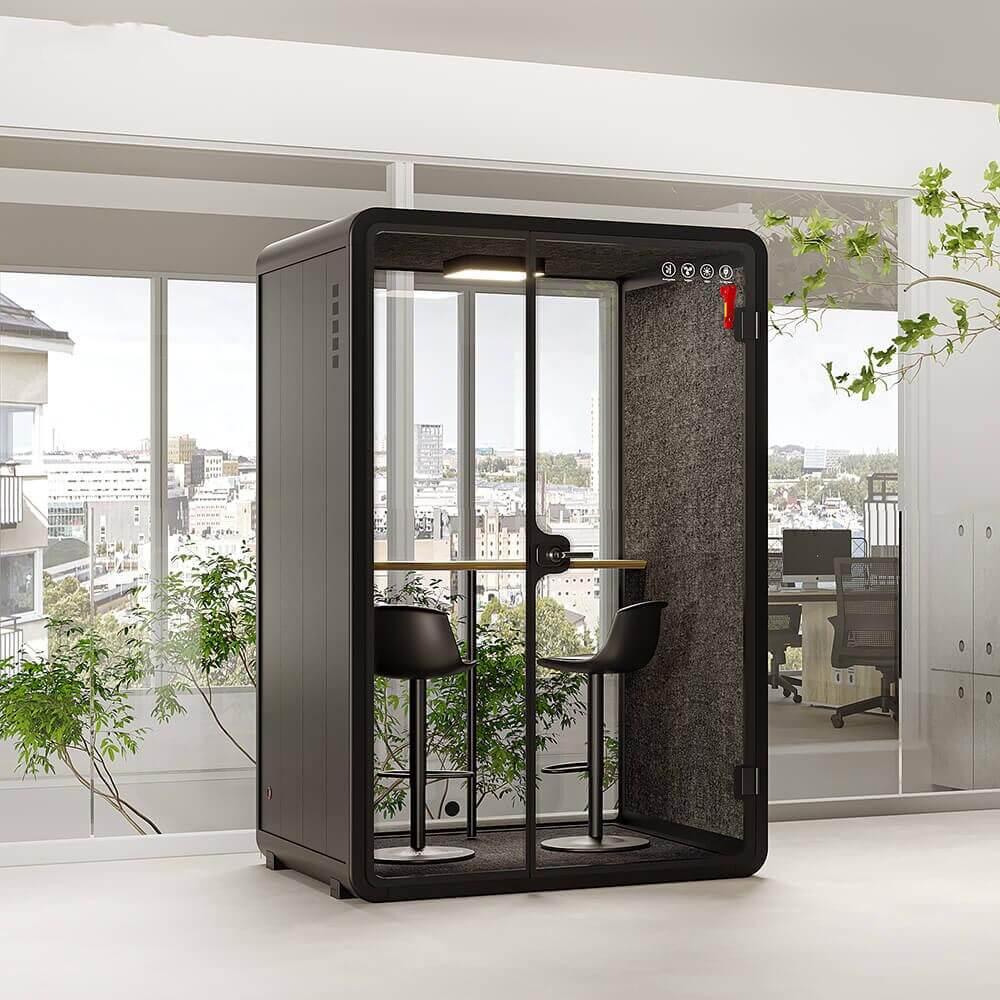
Use the SOP office pod as an enclosure reference when requesting the offered configuration schedule; the listing itself does not establish material-emissions evidence for that assembly.
Build the map from the supply schedule toward the documents, not from the longest attachment list toward a favourable conclusion. Assign each offered item its applicable document reference, the passage establishing coverage, and any unanswered identity question. Where a record explicitly addresses an assembly, ask how its named configuration corresponds to the offer. Do not add component results together or treat several unrelated records as an assembly result.
| Supply-side entry | Documentary connection needed | Question for the responsible owner |
|---|---|---|
| Named lining or surface | Matching material reference and stated scope | Which passage identifies the offered material? |
| Selected finish option | Explicit inclusion or a bounded explanation of coverage | Does this option fall within the record, and on what basis? |
| Assembly presented as covered | Named assembly configuration and its exclusions | How does the offered configuration match the documented assembly? |
| Item added by another supplier | Its own applicable evidence or explicit inclusion | Who owns the missing record for this addition? |
| Proposed substitution | Revised mapping to the changed supply reference | Which existing conclusions remain supported after this change? |
A matching family name may leave the selected finish unresolved. Ask the document owner whether the exact option is included, where that inclusion is stated, and whether any conditions limit the match. Keep the selected option visible beside the reply. Do not decide that an unlisted colour or surface is equivalent because it looks similar to the documented version.
Check the boundary between a material as described in its record and that material as supplied within the proposed booth. Ask which backing, facing, bonding or finishing details, if any, the document covers. These are questions for the supplier and document owner, not a claim that the article knows the construction. If the relationship cannot be explained, record the precise missing connection rather than speculating about the consequences.
Separate items supplied with the enclosure from furniture or accessories added by another party. Ask who owns the evidence for each addition and whether it is included in any assembly-level documentation being presented. A scope that excludes an added item may still support a useful limited statement. Preserve the exclusion instead of making the entire dossier sound more complete than it is.
Procurement should identify the gap; the appropriate document owner should explain the technical scope. Send a bounded question that quotes the relevant product references in the correspondence and identifies the point of uncertainty. For example, ask whether the selected surface reference is included in the named record and which passage establishes that coverage. Avoid asking only whether the product is acceptable, because that invitation can produce another broad assurance.
When a document contains technical conditions or results, ask its owner to explain what can and cannot be concluded for the offered configuration. Request a qualified interpretation through the project's normal review route where needed. This guide supplies no chemical thresholds, pass criteria or health conclusions. Preserve the owner's explanation with the original record so the next reviewer can distinguish source content, supplier mapping and subsequent interpretation.
If two attachments give conflicting product references, send the conflict back rather than selecting the more favourable wording. Ask which record governs the proposed supply and why the other reference differs. Keep the clarification linked to both versions. Replacing an attachment without recording that explanation can leave a later reviewer relying on a superseded scope, even when the current buyer understands the intended match.
Consider a hypothetical quotation with two lining options and an attachment naming only one material reference. Start by asking which option is actually offered. If the quotation has not settled that choice, the mapping cannot be completed by selecting whichever option makes the evidence look stronger.
Suppose the supplier then identifies the selected option and provides a written cross-reference to the material in the document. That closes an identity question only to the extent explained. Ask whether the record covers the material alone or its use in the supplied assembly. Keep any limitations attached to the mapping rather than deleting them once the names align.
If another added finish remains outside the supplied records, list it separately and ask its owner for applicable information. A narrow, well-explained match for the lining does not resolve the finish. Equally, the missing finish information does not demonstrate a failed result; it establishes an evidence gap requiring a decision about what further documentation the project needs.
The resulting note might identify one documented material connection, one unresolved addition and no established whole-assembly conclusion. That is a hypothetical way to report scope, not a description of a tested SOP product. Its value lies in giving the next reviewer a precise question instead of a binary green label or an unexplained stack of documents.
Before final selection, return the completed map to the supplier for confirmation against the intended order. Identify unresolved rows, the person expected to answer each and the evidence needed to close it. Let the buyer's designated reviewer decide whether those gaps prevent selection under the project's own requirements. Do not invent a universal documentation package or declare an undocumented item satisfactory by default.
Agree how proposed substitutions will be brought back for review. A change in material reference, selected finish or added component should prompt a check of the affected mapping rather than automatic reuse of the previous note. Retain superseded schedules alongside the decision trail so a later reviewer can see why a statement was limited. At receipt, ask the supplier to reconcile the supplied references with the accepted schedule; appearance alone cannot verify that the documentary identity survived the change.
What if the document uses a name absent from the quotation?
Ask the supplier and document owner for a written connection between the references. Keep the explanation with both records. Similar appearance or an informal assurance does not establish that the supplied item is the documented item.
Does missing evidence mean a material has failed?
No. It means the proposed conclusion is not established by the records available to the reviewer. Identify the missing connection and request applicable documentation. Do not replace the gap with either a favourable claim or an unsupported adverse conclusion.
Can several component records establish an assembly result?
Not simply by collecting or combining them. Ask the relevant document owners what each record covers and whether there is evidence addressing the offered assembly. Preserve component-level scope when an assembly-level conclusion has not been established.
Should a favourable showroom impression close the review?
No. Appearance and a personal impression are not a documentary match between the quotation and an emissions record. Keep the requested identity, scope and option questions open until the responsible owners address them.
What can the buyer say while a scope question is unresolved?
State which documents were received, which supplied references have been matched, and which questions remain open. Do not convert that partial record into a statement about the complete booth or the air in an occupied enclosure.
Useful material-emissions evidence for acoustic booths is evidence whose documented scope can be traced to the proposed supply. Begin with identity, map components and options, ask the document owners to explain uncertain boundaries, and preserve exclusions. A larger file is not necessarily a more complete answer.
Return a short applicability note with the configuration schedule: identify the supported connections, the unresolved questions and the owner of each reply. Carry that note forward only while the supplied revision still matches it. This gives procurement a bounded evidence decision without claiming an environmental rating, whole-assembly result or air-quality outcome that the records do not establish.

 Tel: +8613538031763
 Email: info@sopworkpod.com
 MP/WhatsApp: +8613538031763
 Manufacturer Address:Liucheng Lujiang District,Meixi Road,Nanan City,Fujian,China