Author:SOP Work Pods Manufacturer TIME:2026-10-09
A clear face in a video preview is not the same as a clear signed conversation. Hands, facial expression, movement, and body position carry meaning, so a person considering a soundproof phone booth for home needs more than ordinary portrait framing. The person who signs should lead the comparison and decide what their conversation requires.
This is a way to examine a proposed view, not a claim that an SOP booth includes signing equipment or meets a universal access requirement. Keep product fit conditional on the actual caller, enclosure, equipment, and received image.
Begin with the caller's own description of a representative conversation. Ask which movements, body positions, and changes of attention they want included in the review. Do not assume that everyone signs in the same way or prefers the same seated or standing arrangement. The caller can choose harmless content and decline any recording.
Agree who will comment on the received view. A conversation partner who understands the signing being used can describe what is clear or obscured; a buyer watching a face preview cannot make that judgment alone. Keep the signer in control of the exercise and distinguish their preferences from observations made at the other end. This establishes the communication to support before anyone proposes a camera position.
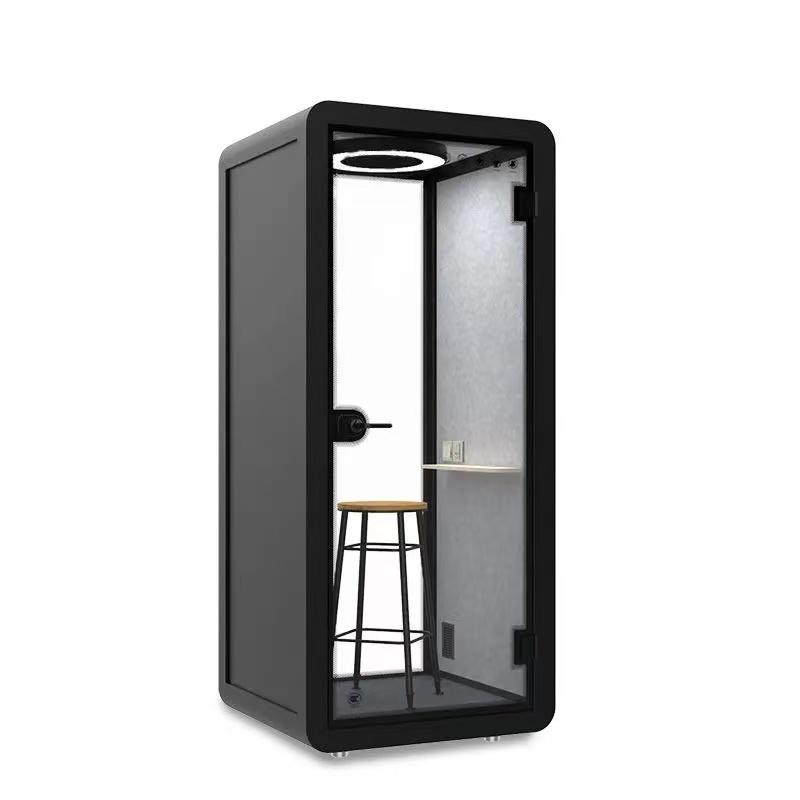
Ask the caller to communicate naturally within the proposed arrangement rather than hold a pose selected by the buyer. Watch for moments the caller or partner identifies as incomplete: hands leaving the image, movement hidden by furniture, or an expression that becomes difficult to distinguish. These are questions for the actual exchange, not a universal checklist of prescribed gestures.
A view should not be judged successful because the caller manages to keep unusually still. Ask whether the arrangement changes how they would normally sign and whether they accept that change. Do not coach smaller movements simply to make a candidate enclosure appear suitable. Where the view remains limiting, retain another setting while supported alternatives are considered.
The local camera view addresses only the outgoing part of the exchange. Ask how the caller follows the other person's signing on the actual display and platform arrangement. A camera location that includes the local movement may still leave the incoming signer difficult to follow. Do not assume the caller can alternate attention in a way that suits the demonstration.
Let the caller explain how they move between watching and signing. If the conversation includes a document or another participant, ask which view needs to remain available and when. Do not infer that every platform can arrange those views as requested.
Keep the resulting question tied to the actual call layout. Buying a larger enclosure does not establish that the platform can present the incoming conversation as the caller needs. Separate a viewing-layout issue from a physical obstruction before choosing what to change.
Use the intended devices and call arrangement for an agreed comparison, with the partner reporting what arrives. A local preview is a setup aid, not conclusive evidence of the image at the other end. Ask about complete movements and changes of expression during an exchange rather than asking only whether the picture looks sharp.
When the views differ, record the difference without guessing its cause. Identify the device, selected view, and available platform settings involved, then seek the appropriate equipment or platform support. Do not promise a particular setting exists. Distinguish movement leaving the edge of the image from movement hidden behind a surface within it. The former raises a framing question; the latter raises an obstruction question. Let the signer identify what was intended and the partner identify what was missing, so a proposed change responds to the same part of the exchange.
Any proposed automatic framing or visual effect belongs in this review only if it is actually present. Ask whether the received image preserves what the signer intends to communicate. A feature name is not evidence that hands, face, and relevant movement remain visible together.
Invite the signer and partner to describe where light or shadow makes the exchange harder to follow. A stationary face check can miss a hand moving across a differently lit part of the view. Consider the actual installed lighting and room conditions without prescribing brightness, camera exposure, or a lighting angle for everyone.
Use the same chosen exchange when comparing an available adjustment, and change only what the actual equipment or enclosure supports. Do not add a lamp, attach a fitting, cover an opening, or alter glazing to rescue an unconfirmed configuration. Ask the responsible supplier about any proposed equipment or finish change.
Record the condition being compared: the room's available light, the identified lighting state, and the caller's position. The observation belongs to that arrangement. It is neither a lighting performance claim for the booth nor proof that the same view persists under unexamined household conditions.
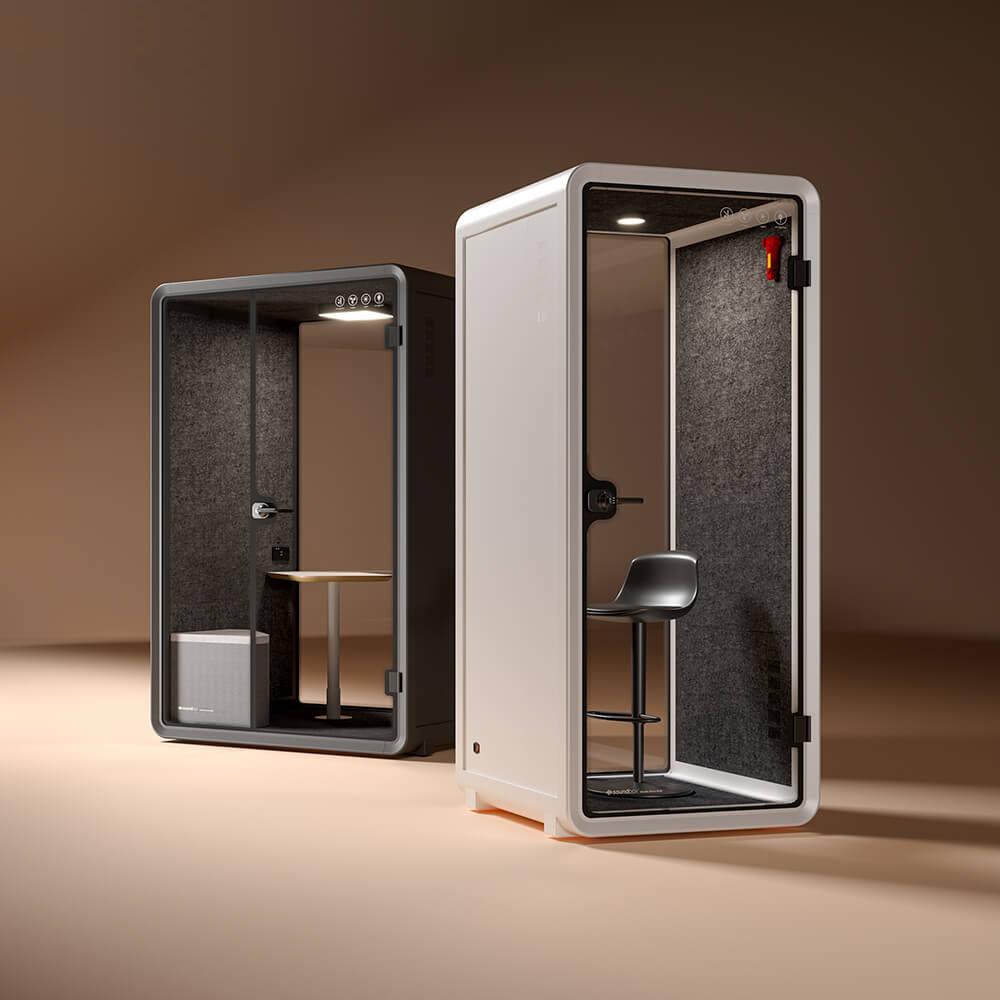
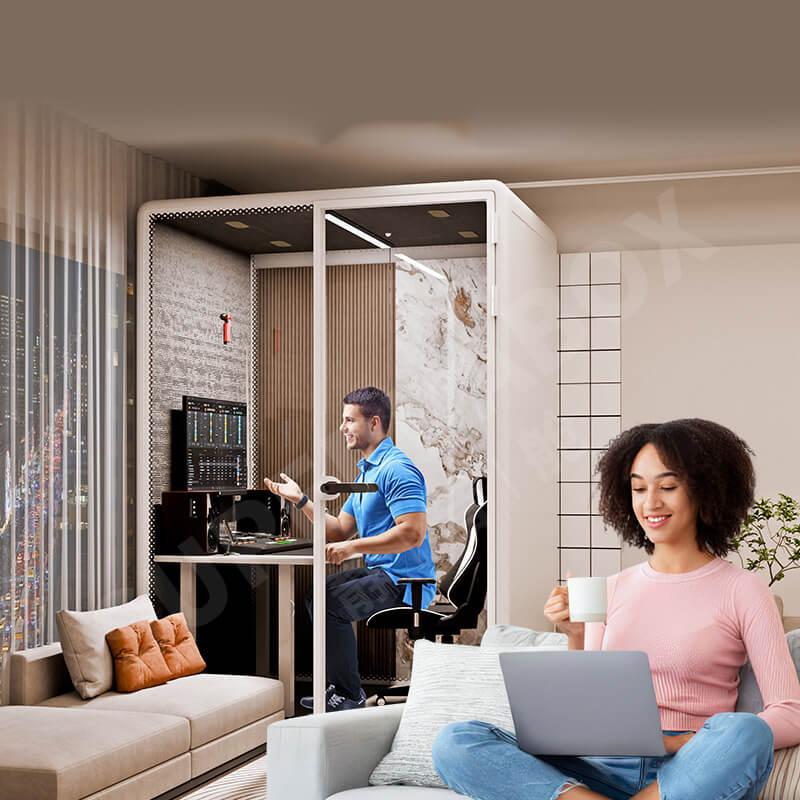
A view wide enough for the caller's chosen signing may also include parts of the home they do not want to show. Ask what matters to them: visible documents, household movement, or the view through glazing. Do not assume a narrow crop solves this without affecting the conversation. Likewise, an acoustic product label does not establish a visual privacy boundary.
Use the table to compare proposals by the communication detail they preserve and the tradeoff still unresolved. Each is a question, not an available product feature or proven remedy. The caller may reject a proposal even when the buyer prefers its appearance. Keep the choice focused on the signed exchange and the caller's own background preferences.
| View proposal | Communication to preserve | Tradeoff to ask about |
|---|---|---|
| Include more of the signing area | The caller's chosen movement stays visible | More home background may enter the image |
| Reconsider the camera position | Hands and expression remain visible together | Incoming-view attention or supported placement may change |
| Compare an available lighting state | Movement stays distinguishable during the exchange | Another part of the view may become less clear |
| Use another supported setting | The caller retains their preferred communication | The enclosure is not selected for this particular call |
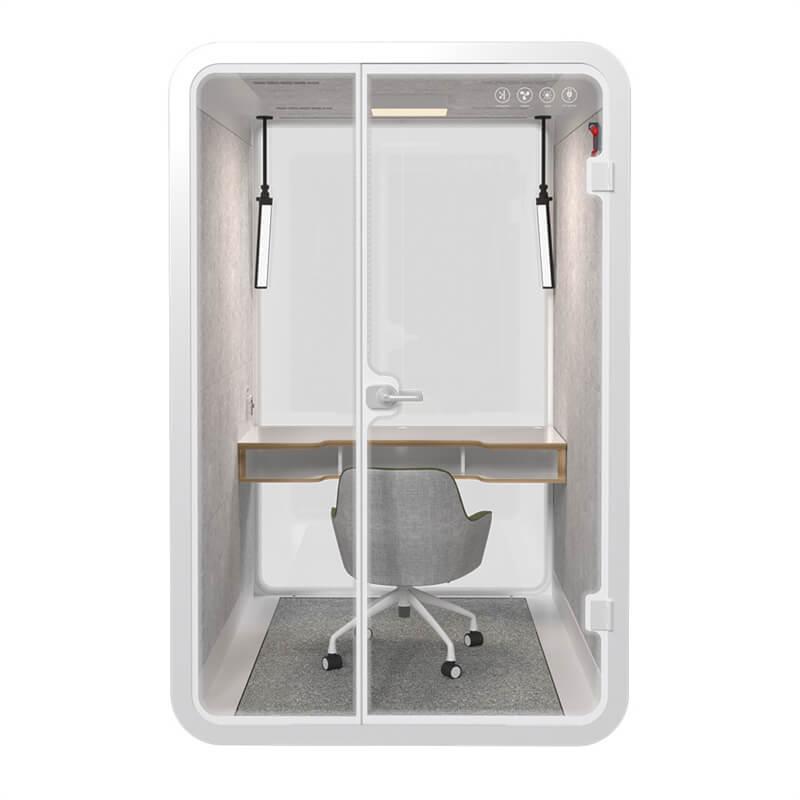
Only after identifying the desired view should the buyer ask how the proposed enclosure and equipment can support it. Name the camera, display, furniture arrangement, and any equipment support being considered. Ask which items are included, separately supplied, or still only requests. No camera attachment, stand, or adjustable furniture should be inferred from a booth photograph.
Ask the supplier to review the complete proposed arrangement without giving installation instructions yourself. Keep the door, ordinary entry, and enclosure controls usable under the supported setup. A camera position that exists only when furniture is moved outside its permitted arrangement is not a resolved candidate.
If the desired view cannot be supported, request a different confirmed configuration or retain another room. The decision should not depend on the signer accepting less visible communication to accommodate an unsupported fitting.
Take the caller's unresolved signing-view question to SOP soundproof phone booth configurations, while keeping the camera, call platform, and any proposed fittings separate from the confirmed enclosure supply.
Ask the caller which ordinary interruptions should be considered, such as checking a reference, looking toward the incoming signer, or returning after a pause. Use only relevant actions they choose. The question is whether the conversation can continue in their intended way, not whether the caller can complete a staged movement exercise.
Have the partner identify any point where the meaning becomes difficult to follow, then let the signer comment on what they intended. Keep those observations together without treating every interruption as a booth fault.
If a view changes after a supported device or platform action, establish what changed before repeating the affected exchange. Do not treat a recovered still image as proof that the full signing sequence is restored.
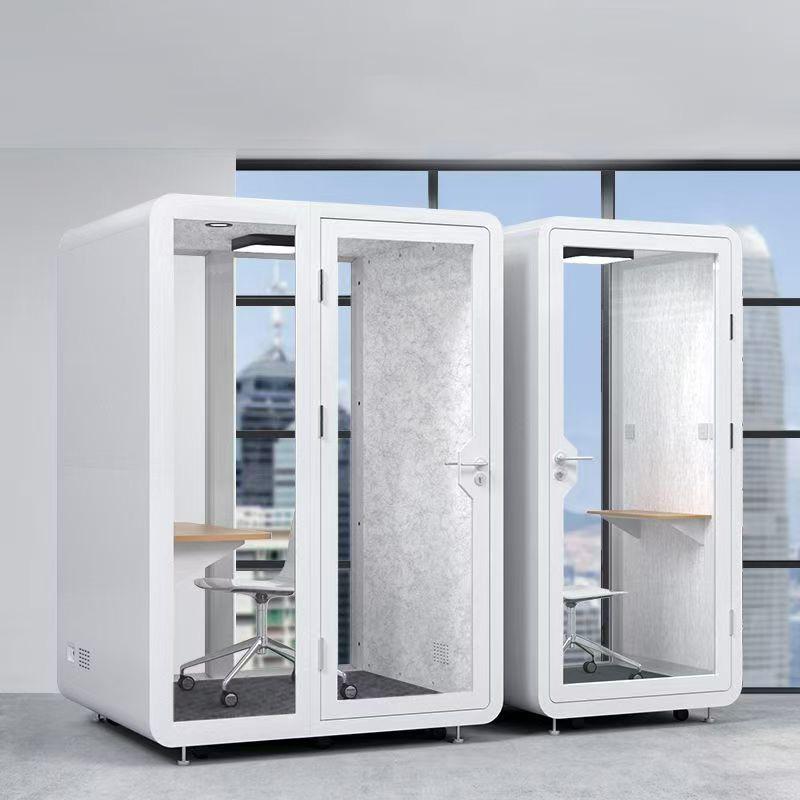
Summarize the candidate in terms the caller can confirm: the outgoing signing view, the incoming partner view, the household background, and the unresolved limitation. Avoid a general accessible label. A caller may accept one arrangement for a familiar exchange while declining it for another purpose; retain that distinction without assigning a universal communication standard.
Record which conditions would reopen the decision, such as a changed camera, furniture proposal, platform view, or home location. Keep the preferred alternative available when the setup is unavailable or the caller does not want to use it. The final choice belongs to a person communicating, not to the most flattering product image.
Is a clear face enough to approve the call setup?
No. Ask the signer and partner whether the hands, expression, movement, and body position relevant to their exchange remain visible. A portrait-style preview can omit part of what the person is communicating.
Should the buyer choose one standard signing position?
No. Begin with the actual caller's chosen way of communicating. Do not assume every signer wants the same posture, camera view, or furniture arrangement. A proposal remains conditional on the caller and supported equipment.
Does a wider image always make signing clearer?
Not necessarily. Review the actual received exchange with the participants. More background can enter the view, and the caller still needs to follow the incoming signer. Compare what the changed view preserves and what it makes harder.
Can soundproofing establish privacy for a signed call?
An acoustic description does not establish what people outside or remote participants can see. Review household sightlines and the transmitted background separately, without inferring acoustic or visual performance from a product name.
What if the signer dislikes an otherwise workable proposal?
Keep their objection in the decision and consider another supported arrangement or setting. The purpose is to support their communication, not obtain agreement to a demonstration that the buyer finds visually acceptable.
Compare a soundproof phone booth for home by the signed conversation it can be considered for, not by a centered face in a still image. The caller and partner need to judge the relevant movement and expression while the caller retains a usable incoming view and a household background they accept.
End with the caller's decision about the tradeoff: an accepted conditional arrangement, a specific view needing revision, or another setting. Take unresolved equipment and enclosure questions to their respective providers without asking the signer to make an unsupported configuration work.

 Tel: +8613538031763
 Email: info@sopworkpod.com
 MP/WhatsApp: +8613538031763
 Manufacturer Address:Liucheng Lujiang District,Meixi Road,Nanan City,Fujian,China