Author:SOP Work Pods Manufacturer TIME:2026-10-04
A coverage map can help a buyer decide what to investigate, but it cannot settle whether a particular handset will complete an ordinary cellular call inside the proposed phone call pods. Reception depends on the network, device, and location. The useful purchasing evidence is a local comparison with those conditions recorded, including whether the call actually used cellular service rather than Wi-Fi calling.
Design the trial around a decision: may this location be described as suitable for the intended cellular calling route, does it need more evidence, or must that use remain excluded? Keep the test small enough to repeat and specific enough to interpret. It is not an acoustic certification, a radio engineering survey, or a promise that every visitor's phone will behave alike.
List the workplace calling tasks that depend on the mobile network. An employee making an ordinary voice call, a visitor receiving a callback, and a laptop meeting over office Wi-Fi are not the same trial. Choose consenting participants and harmless conversation material. Do not use emergency numbers, critical services, or customer calls as test traffic.
Define observable outcomes before visiting the candidate location: whether an outgoing call connects, whether an incoming call rings, whether each person can follow the exchange, and whether the connection ends unexpectedly. Include the kind of call length the workplace actually needs without inventing a universal duration. Agree what would make the buyer request another trial or decline the location for that calling task.
Mark the proposed booth position on a floor plan and describe the nearby comparison point. Record whether the enclosure is already installed there or whether the exercise uses a demonstrator somewhere else. A showroom result can inform a question about that demonstrator; it does not establish the result at the buyer's planned indoor spot. Keep the destination question open when no local trial is possible.
Use the same inside position for paired observations and an outside point that can be found again. Describe both in plain language or on the plan. Keep furniture, ordinary operating services, and handset handling consistent unless one is the deliberately changed condition. The door should only be used in its permitted normal states; no test requires altering seals, panels, ventilation, or other enclosure components.
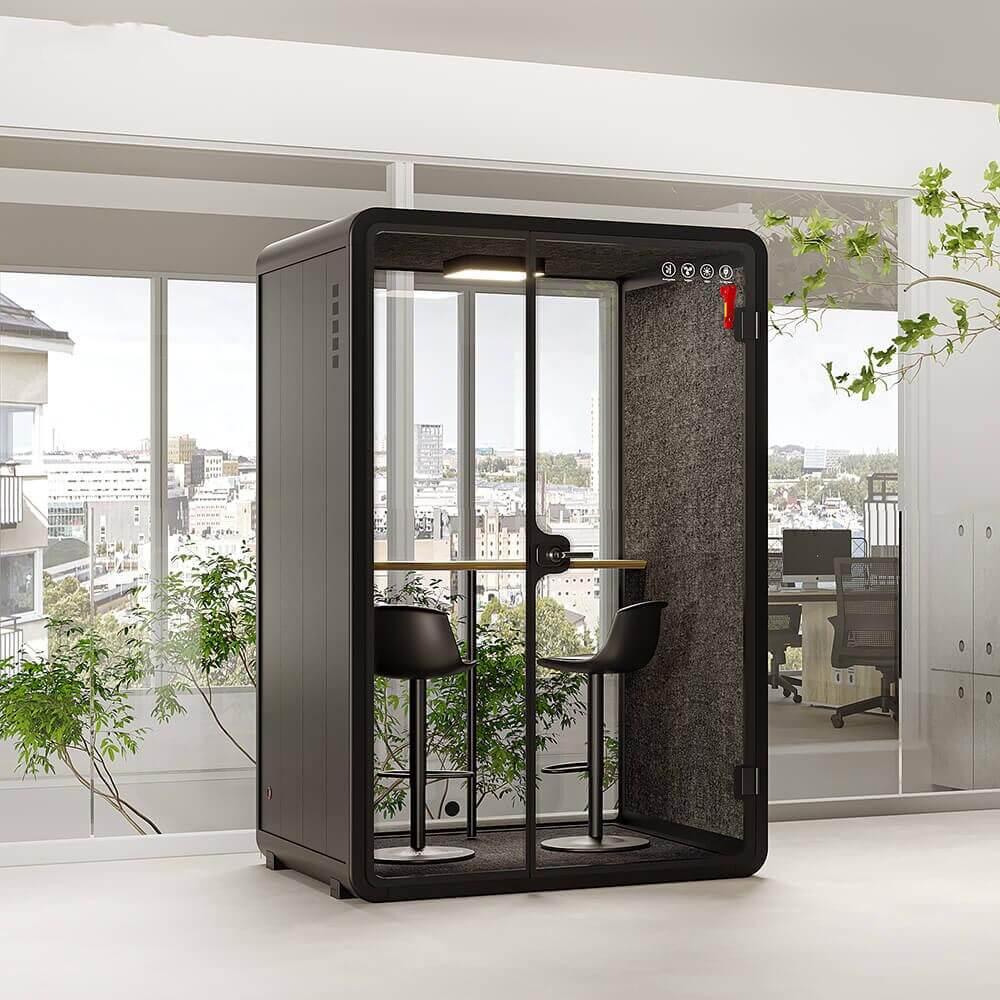
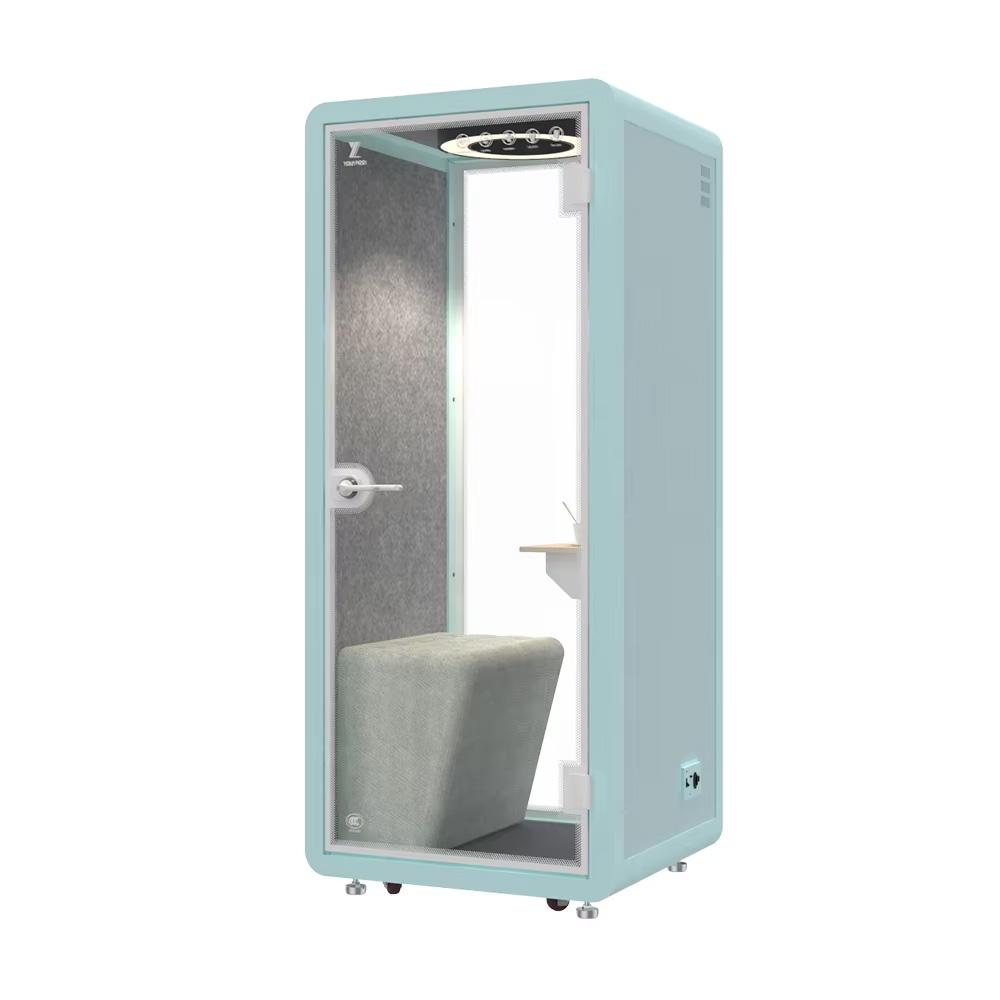
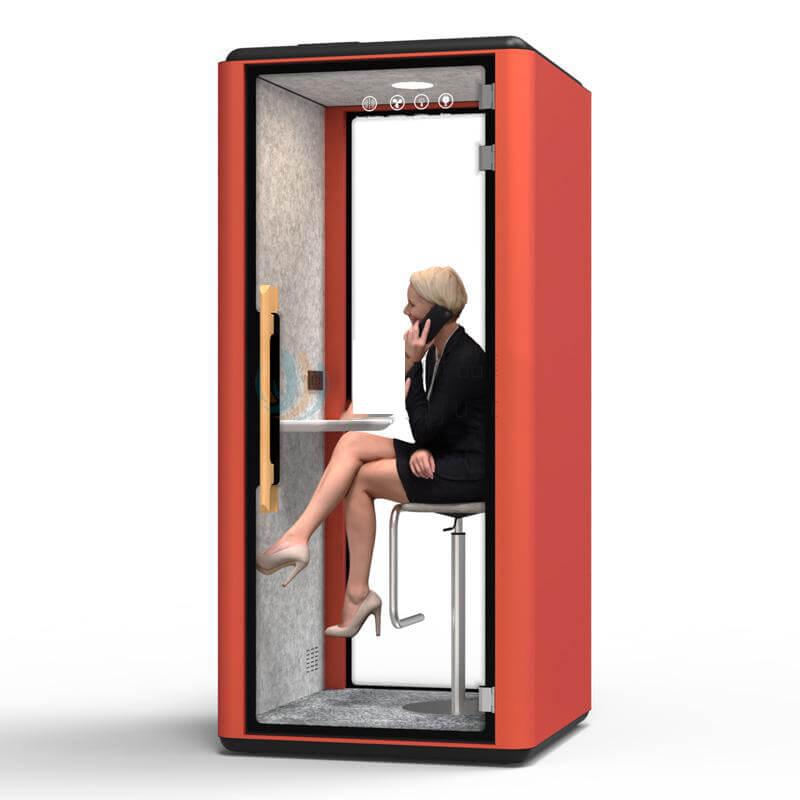
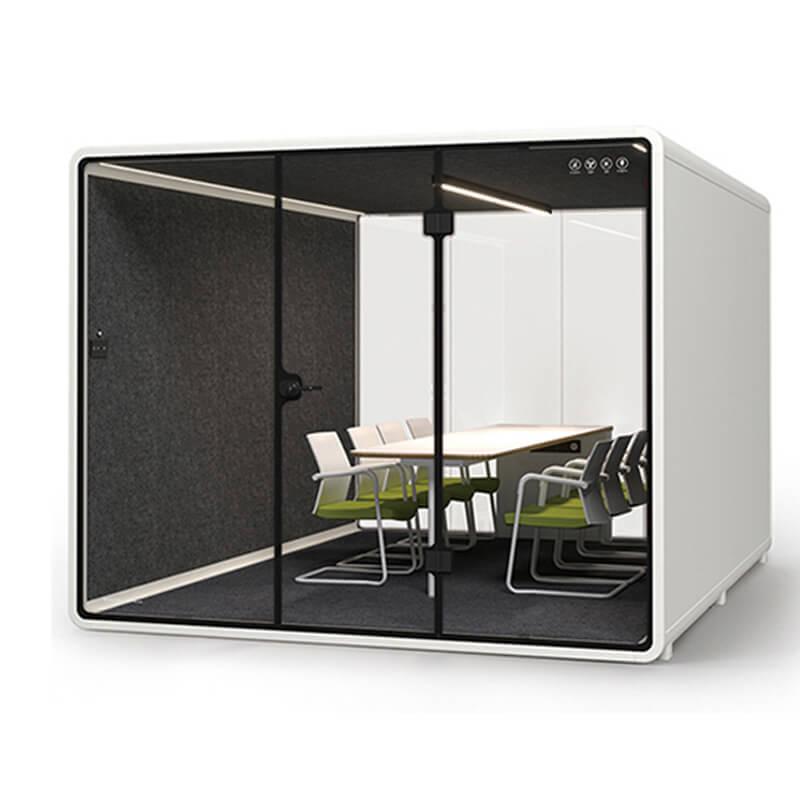
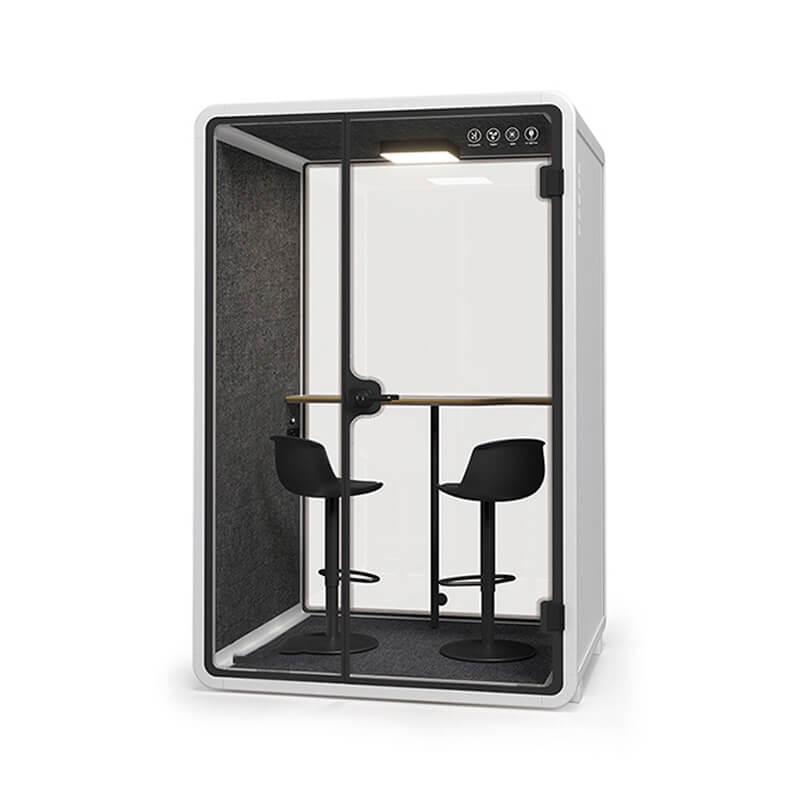
When arranging a candidate trial for SOP phone call pods, identify the proposed location and enclosure configuration so the observations remain tied to the intended purchase.
Before treating a result as cellular evidence, ask the device or IT owner how the active calling route can be identified on the intended handset. A connected call inside the booth is not sufficient evidence if Wi-Fi calling may have carried it. Record the relevant setting and visible route information using the device's supported controls and the organization's permissions.
Do not make unauthorized changes to a managed phone or network merely to complete the comparison. If the route cannot be established, label the observation as route unconfirmed. The call may still be useful workplace evidence, but it cannot support a cellular-reception conclusion. A separately authorized Wi-Fi calling exercise needs its own record and should not replace a failed or uncertain cellular result.
Keep a handset's original approved settings available for restoration after the exercise. Record any permitted setting change with the trial condition it creates. Avoid recording account details, full phone numbers, or screenshots containing private notifications. The buyer needs the route and observation, not a collection of personal device data.
Use a paired sequence instead of collecting unrelated anecdotes. With one handset and mobile service identified, observe the outside reference, then the inside position with the door in the agreed state, then return to the reference. Keep the remote participant and call task consistent. The return observation helps reveal when a changing background condition complicates a simple inside-versus-outside interpretation.
The comparison table defines separate questions rather than a single score. Change the door state in its own comparison, then investigate another handset or mobile service separately where those are relevant to the workplace. Changing the phone, carrier, position, and route together produces a different demonstration, not evidence about which condition accompanied the change.
| Comparison question | Keep consistent | Change deliberately | Result belongs to |
|---|---|---|---|
| Outside versus inside | Handset, service, route, call task | Recorded handset position | This location pair |
| Open versus closed door | Inside position and device route | Permitted door state | This enclosure and trial condition |
| Different workplace handset | Location, service where comparable, task | Identified handset | The separately recorded device combination |
| Cellular versus Wi-Fi calling | Intended call task and location | Authorized, confirmed calling route | Separate route results, never one combined pass |
Ask each participant to describe events in the exchange. Useful notes identify an outgoing attempt that did not connect, an incoming call that was not observed, a passage that had to be repeated, or an unexpected disconnect. Preserve which end noticed the event and what the other participant experienced. A brief description is more interpretable than a general label such as poor reception.
Keep connection observations distinct from listening conditions. Trouble understanding speech could involve the selected audio equipment, surrounding sound, the far-end environment, or the connection. This exercise does not diagnose the radio cause. Record the symptom and condition without attributing it to the pod material or claiming an attenuation value.
Signal indicators can be noted as context if visible, but do not use a chosen number of bars as the acceptance rule. Do not infer a required radio threshold or convert a handset display into a performance specification. The practical decision rests on the intended call outcomes and the limits of the comparison.
The event record below is deliberately short. Complete it during the trial while the conditions are still known. Avoid audio recording unless there is a separate, authorized reason; written observations from consenting participants can describe the purchasing issue without retaining conversation content.
If a poor result appears inside and outside during the same sequence, do not isolate the enclosure as the cause. If the inside result differs while the references remain usable, repeat that paired condition before interpreting it. Describe the result as an observation at the recorded place and time, not proof of why it occurred. Several plausible explanations may remain beyond this buyer exercise.
Where repeated sequences disagree, retain both rather than selecting the more convenient outcome. Ask whether the route, handset settings, remote end, or other recorded conditions changed. Repeat a relevant ordinary-use period when practical, and name periods not observed. An inconclusive trial is a reason to keep cellular suitability unconfirmed, not a reason to average away the interruptions.
Choose additional handset and mobile-service combinations from the intended user population, not from whichever devices happen to be available at the demonstration. Record the exact service being used rather than transferring a result to another provider with a similar coverage description. Keep identifiers proportionate: a device model and an internal trial label can distinguish records without exposing a participant's personal number.
For a workplace with visitors or uncontrolled devices, acknowledge that the tested set cannot establish every future combination. Decide whether an explicit alternative calling space is needed. If Wi-Fi calling is part of that alternative, evaluate it separately with the responsible owner and permitted access. Do not recommend signal boosters, enclosure modifications, or other technical remedies from a buyer trial that has not established a cause.
Group results by location, device, mobile service, route, and door state. State which intended tasks were observed and which were not. Use a narrow conclusion such as observed usable for the tested combination, inconclusive under changing conditions, or unsuitable for the required trial task. Do not turn one favorable result into a general mobile-reception claim for all phone booths or all installed positions.
Attach the unresolved questions to the purchasing decision. If routine cellular calls are essential and evidence is inconclusive, keep that requirement open or consider a different trial location. A supplier's enclosure description cannot supply missing network evidence. A separately accepted alternative may support the workplace's calls, but it should be named as an alternative rather than used to disguise the cellular limitation.
Identify what would reopen the trial: relocation, a materially different device group, a changed mobile service, or recurring reports inconsistent with the saved observations. Keep the original record so the next reviewer can repeat the relevant comparison. Restore approved device settings and close the test activity without changing the booth or workplace network.
A call connected once; is that enough to describe the location as suitable?
Keep that result, but compare it with the intended incoming and outgoing tasks and repeat the relevant paired condition. A single connection does not describe untested devices, other times, or a calling route that was never identified.
What should the buyer do when company settings prevent a cellular-only check?
Ask the authorized device owner for an approved way to identify or test the route. Until then, retain the result as route unconfirmed. Do not bypass device controls or describe an uncertain route as cellular evidence.
Can an outside failure be removed from the record?
No. It provides context for interpreting the inside observation. Preserve the paired sequence and investigate changed conditions before blaming the enclosure or declaring the test successful.
Does a trial at the supplier's showroom answer the office-location question?
It answers only the recorded showroom question. The buyer's indoor position, handset, service, and intended tasks still need relevant evidence. State the destination trial gap explicitly when a local check has not occurred.
Finish with a location decision, not a signal-rating headline. A useful reception trial for phone call pods preserves the handset, mobile service, confirmed route, door state, and paired observations behind the decision. Where those records do not support the required cellular task, leave suitability unresolved or exclude that use. Give the workplace an explicitly reviewed alternative and keep the next trial tied to the missing evidence rather than repeating an uncontrolled demonstration.

 Tel: +8613538031763
 Email: info@sopworkpod.com
 MP/WhatsApp: +8613538031763
 Manufacturer Address:Liucheng Lujiang District,Meixi Road,Nanan City,Fujian,China