Author:SOP Work Pods Manufacturer TIME:2026-10-02
The delivery booking still appears in the calendar, but the receiving room is occupied and the lift reservation has disappeared. For a buyer awaiting a prefabricated office pod, the immediate question is where the goods can wait under agreed care, not how quickly the crew can assemble them. Avoid substituting a new arrival date for a decision about the failed arrangement.
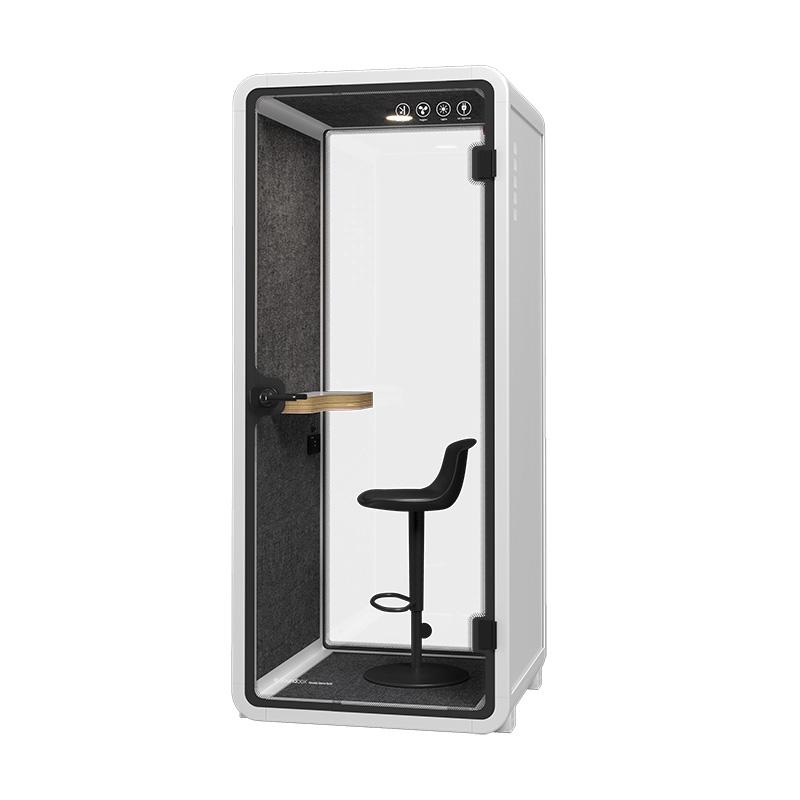
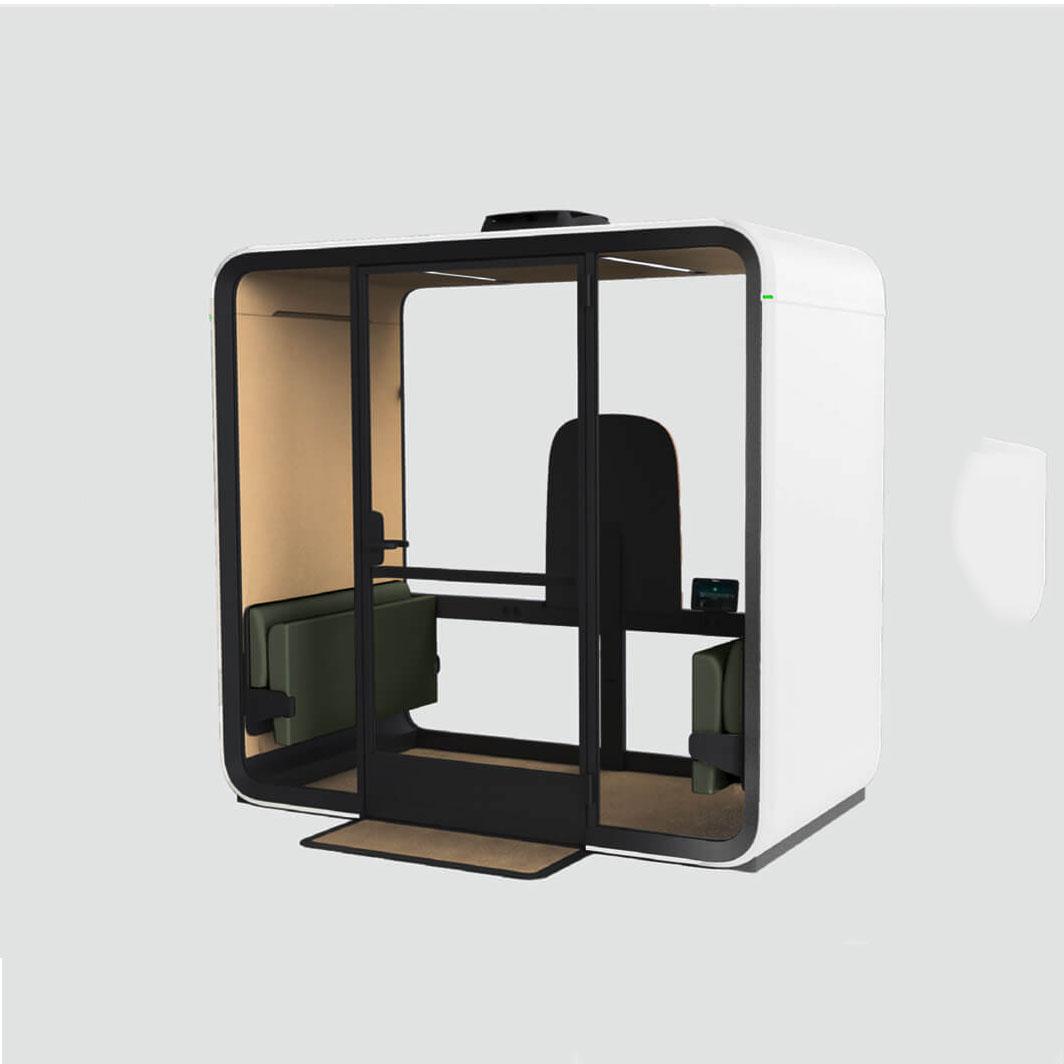
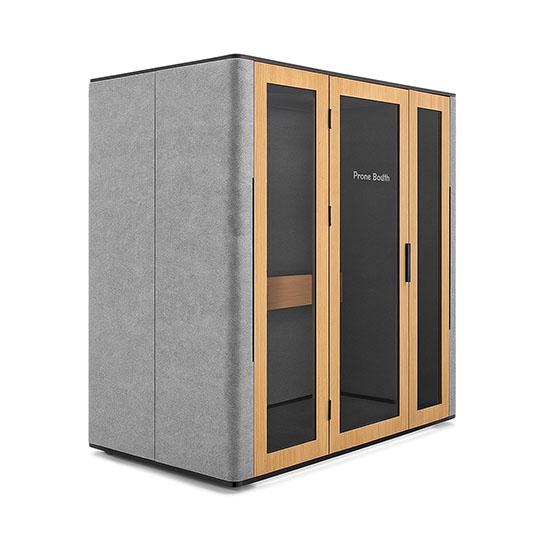
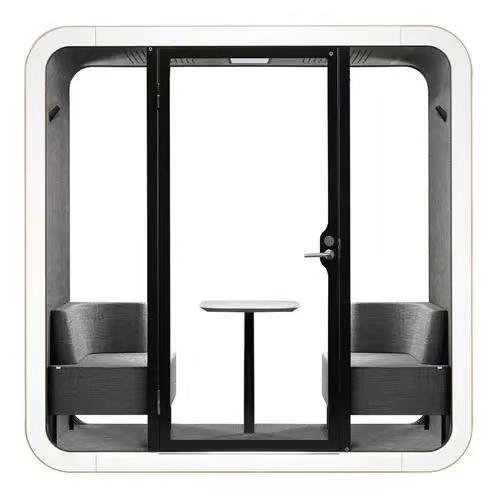
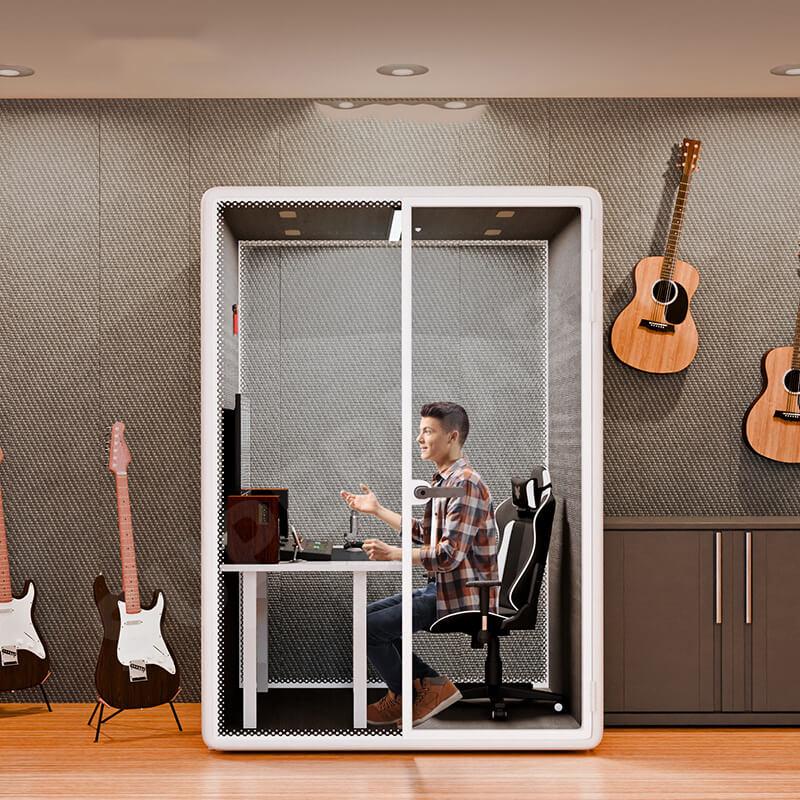
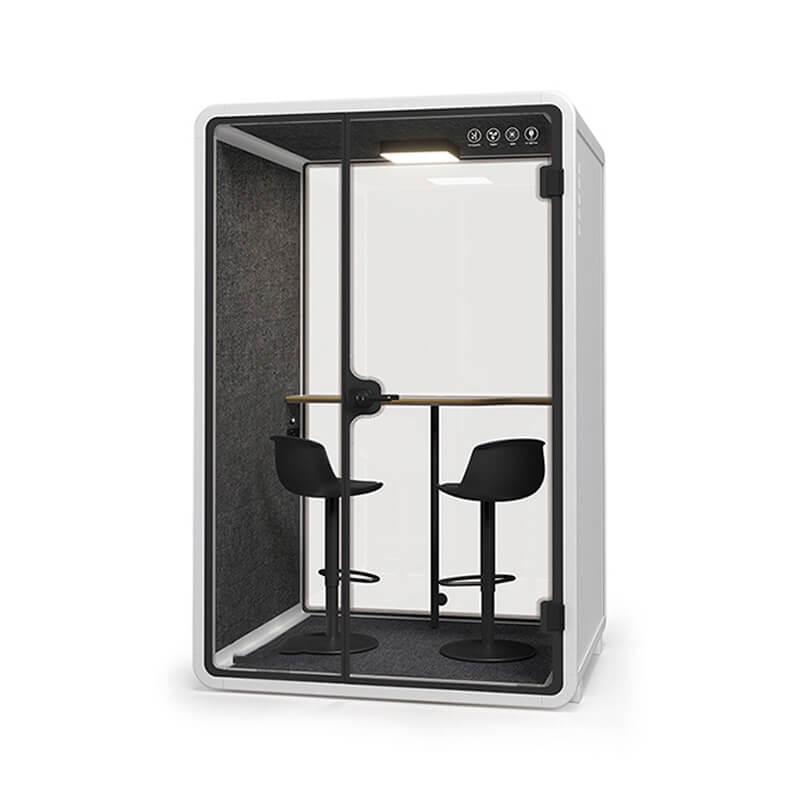
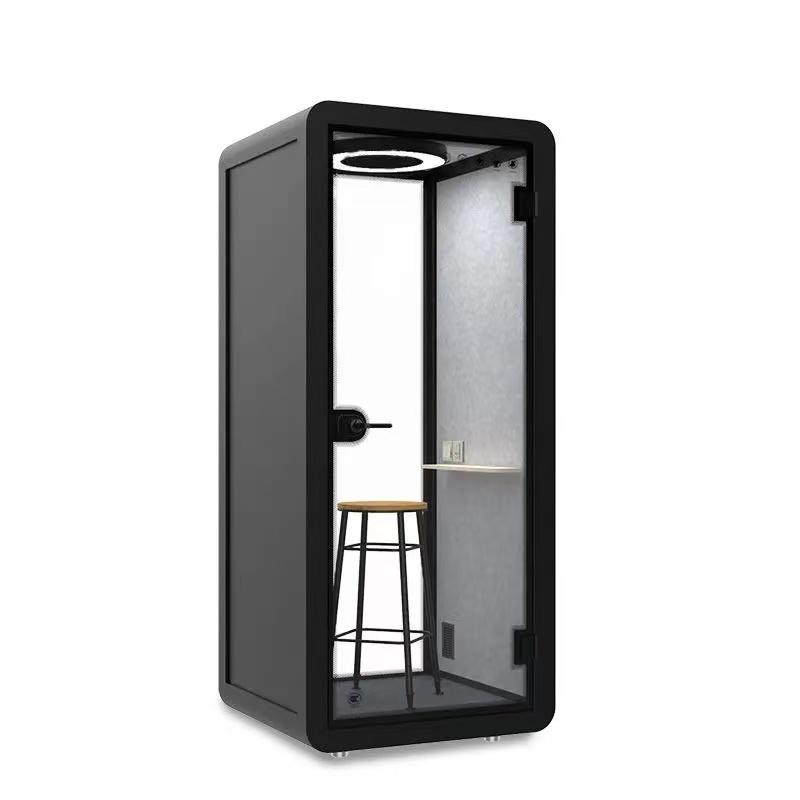
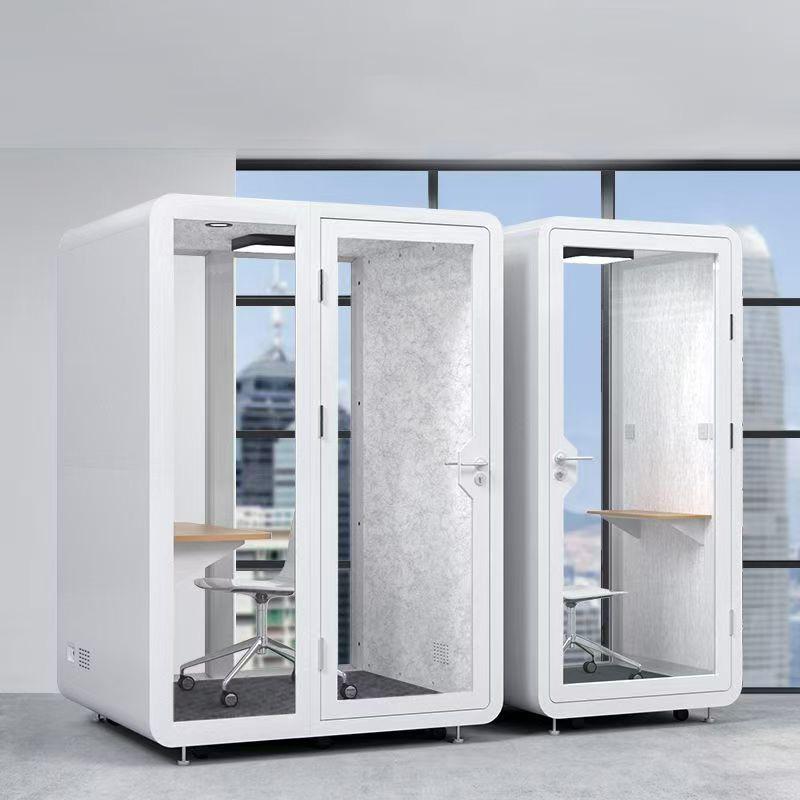
This guide considers hypothetical disruptions to an order intended for Croatia. It is not a Croatian installation report or a statement of local requirements. The product images illustrate configurations, not freight condition or a completed delivery. Use the scenarios to choose a recovery option, identify the party holding the goods, and state what evidence is needed before changing instructions.
Goods awaiting collection present different choices from goods already travelling or standing at the building. A supplier might still be able to discuss retaining an uncollected order; a vehicle at the destination needs a response based on its present circumstances. Neither a purchase order amendment nor a message sent by procurement proves that physical movement has stopped.
Create one exception record for this event and give the affected parties its reference. Separate observed facts from assumptions: a cancelled reservation is known; the availability of another lift is not. Use the checklist below for the first conversation. Keep physical handling decisions with the responsible specialists, and do not send facilities staff to improvise unloading while a commercial answer is pending.
Suppose the booked lift becomes unavailable after collection. Ask the building contact whether the restriction is a booking conflict, a fault, or a change in permitted use. These are different problems: finding another time may solve a conflict but does not resolve a fault. Keep the affected movement paused while the carrier and building team establish an acceptable waiting or redelivery arrangement.
If another entrance is suggested, ask the appointed handling team to review it against the actual packages and method. Do not translate an informal comment that the stairs look wide enough into an instruction. The useful recovery evidence is an accepted alternative, including permission and available personnel, rather than a photograph of an apparently empty corridor. Clarify whether the alternative solves only arrival at the building or movement to the agreed receiving point as well. Moving the problem from a loading area to an unattended lobby is not a completed recovery.
A replacement slot should identify who will receive the goods and who will confirm availability before another vehicle journey is committed. Ask the carrier what waiting or redelivery choices it can offer and request the associated terms. Neither free waiting nor an immediate return visit should be assumed. Record a rejection of an option as clearly as its acceptance.
A room that is reachable may still be unavailable for receiving goods. Imagine that the floor contractor needs the same area or that furniture has not been removed. Ask the site coordinator to identify the conflict and its expected resolution. Do not accept a general assurance that the team will make space once the truck arrives; identify a specific location and the person controlling it.
If temporary onsite storage is proposed, compare the offered space with the supplier's package storage instructions and the building team's restrictions. Confirm permitted access, protection and how the packages would leave again. A storage location is not suitable simply because it is vacant. If nobody accepts care of the goods there, ask about a hold before collection or an agreed offsite location instead.
A late drawing might move the pod, reverse its approach, or change nearby furniture. First establish whether the change affects the product already ordered, its handling, or only surrounding site work. Send the existing accepted drawing and the proposed revision together, with the difference marked. A newly dated file does not establish that the supplier can implement it.
Ask the supplier to relate its response to the specific order and current production or packing status. Request a clear distinction between work still possible, work requiring a separate proposal, and matters awaiting review. Do not describe a requested alteration as included or available until it has been confirmed.
Keep the affected instruction on hold without assuming every package has changed. If part of the order appears unaffected, ask whether it can remain identifiable and useful as a separate delivery. A split should solve a real receiving problem, not leave an incomplete set occupying the site.
Retain the earlier drawing as a labelled record, but remove it from the active receiving instructions when a replacement is accepted. Match the agreed revision to package identities and any revised parts list. The recovery decision should say which version will arrive, not simply that the drawing issue has been discussed.
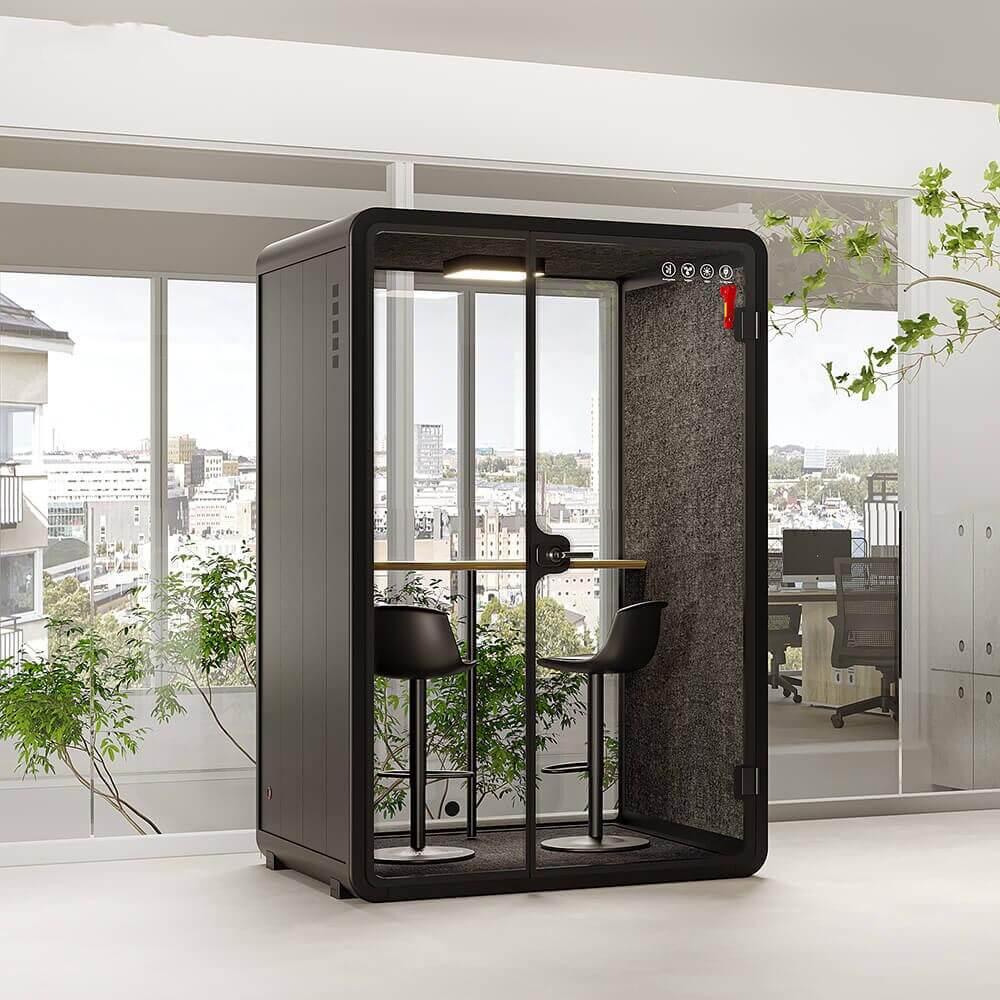
Discuss the affected delivery and storage arrangements for SOP office pod configurations covered by the delivery arrangement; resolve the changed conditions before confirming a replacement delivery slot.
Compare recovery options from the shipment's present location. Ask whether the supplier can retain goods not yet collected, whether the carrier offers suitable storage, and whether the site has an agreed receiving space. Each is a question, not an included service. Exclude an option when the responsible party cannot confirm the proposed care or onward movement.
Use the table to expose the drawback of each remaining option. Ask for written terms covering extra movements, storage, inspections and another delivery attempt. Keep quoted charges separate from unresolved estimates. The buyer needs a comparison of the complete recovery arrangement, not just a low storage rate that leaves handling and redelivery unanswered.
For the chosen location, name who holds the packages, checks their condition, controls access and reports a problem. Establish who can approve opening or moving them and when the arrangement will be reviewed. If a proposed stay extends, request renewed confirmation instead of assuming that the original storage permission continues indefinitely. Ask what event would end the arrangement, such as the space being needed for another order, and who must receive that warning. Knowing when an option becomes unavailable helps the buyer reassess it before another urgent move is required.
| Recovery option | Question to resolve | Main trade-off | Evidence to request |
|---|---|---|---|
| Hold before collection | Will the supplier agree to retain the identified goods? | Avoids onward movement now; collection must be rearranged | Holding terms and package location |
| Agreed offsite storage | Who accepts care and arranges onward delivery? | Keeps goods away from unfinished work; adds a handoff | Storage suitability, condition record and redelivery proposal |
| Temporary site storage | Can the site protect and later retrieve the packages? | Retains goods nearby; uses space needed by other work | Approved location and named receiving custodian |
| Split the delivery | Can a useful, identifiable subset be received? | May use available space; creates separate receiving events | Revised package allocation and supplier agreement |
When goods enter temporary storage, record package identifiers, the receiving location, date, named recipient and visible condition. Pair an overall photograph with a closer image of any exception, keeping labels identifiable. Record whether wrapping remained closed. A note saying the exterior looked intact must not imply that concealed components or the finished pod were inspected. If only part of a consignment is present, list the expected packages separately from those actually received. This keeps an acknowledged partial delivery from becoming an unexplained shortage at the next handoff.
If a problem appears during storage or unpacking, describe the observation without guessing its cause. Link it to earlier condition records, preserve relevant packaging, and contact the parties named in the agreed reporting procedure. Establish who will inspect the affected item and what remains paused. The record should distinguish receipt for safekeeping, inspection performed and product acceptance; do not ask a receiving person to confirm checks they could not make.
Return to the specific failure before rebooking. For lost access, obtain the replacement receiving agreement. For an unfinished room, obtain confirmation of the accepted destination. For a drawing conflict, identify the accepted revision and matching goods. Where several problems coexist, do not let resolution of the easiest one obscure the remaining block.
Send one replacement instruction to the supplier, carrier, receiving contact and installer where affected. Include the goods' current location, destination, package references, responsible contacts and the condition record they should receive. Explicitly withdraw the superseded instruction and ask the action owners to acknowledge the replacement. Keep unresolved matters visible rather than scattering qualifications through separate messages.
Protect the underlying workplace need while this is arranged. The office team can assess existing suitable rooms or reschedule affected activities instead of assuming the pod will be usable on the old date. Communicate a confirmed next update when a delivery commitment is still unavailable. The event is resolved when the chosen recovery has been carried out and its receipt evidence reconciled, not when another date appears in the calendar.
What if a hold request receives no acknowledgement?
Do not report the shipment as stopped. Contact the party controlling the goods through the agreed escalation route and establish its actual status. Keep the receiving contact informed while an acknowledged instruction is sought.
Can an unavailable installer receive the pod later while someone else signs now?
Ask whether another named person is authorized and able to receive the packages for the defined purpose. Record that person's limited inspection scope and arrange the later inspection separately. Do not assume reception staff can accept product condition.
Can a changed furniture layout leave the original pod order intact?
Possibly, but compare the revised layout with the ordered configuration and obtain the relevant reviewers' response. A surrounding furniture change need not mean a product alteration; equally, its effect on access or door use must not be dismissed.
Who should decide whether delayed-delivery charges are accepted?
Route the written proposal and the relevant order terms to the buyer's authorized commercial contact. Operational staff should record the event accurately without assigning blame or accepting an unreviewed charge on the buyer's behalf.
How should damage discovered only after storage be described?
Record when and where it was first observed, the package identity, photographs and the earlier inspection limits. Notify the agreed contacts. Discovery after storage does not establish when the damage occurred or which party caused it.
When delivery of a prefabricated office pod intended for Croatia is disrupted, start with the goods' actual location and the failed arrangement. Choose between a confirmed hold, suitable storage, revised receiving or an agreed split using the responsibilities and evidence available for that order.
Issue the replacement instruction only after the relevant parties accept it. Keep package condition, drawing changes and inspection limits attached to the recovery record, so the next recipient understands what is known and what still needs a decision.

 Tel: +8613538031763
 Email: info@sopworkpod.com
 MP/WhatsApp: +8613538031763
 Manufacturer Address:Liucheng Lujiang District,Meixi Road,Nanan City,Fujian,China