Author:SOP Work Pods Manufacturer TIME:2026-09-27
A meeting room booth in Albania should be selected from the work the room must support, not from a seat number printed in a catalogue. A small office may need short team reviews, interviews, remote discussions, or quiet conversations, and those activities place different demands on the enclosure. The useful starting point is a brief that names the participants, duration, equipment, privacy consequence, and route into the space.
This article is an application reference, not a report of a named Albanian customer installation. It gives a buyer a way to compare a proposed meeting-room booth while keeping local building, fire, electrical, accessibility, landlord, delivery, and workplace questions with the responsible project parties. It does not assume a local law, delivery time, price level, or completed result.
Use the method as a decision file. First define the meetings, then test the layout, privacy boundary, comfort, services, delivery route, and handover evidence. A compact booth becomes useful when its limits are visible and the operating team knows which sessions belong inside, which need another room, and who closes each open site item.
List the recurring meeting types before comparing products. A two-person feedback conversation, a remote client call, a short project review, and a sensitive interview may all be called a meeting while requiring different seating, screen visibility, speech privacy, and turnover. Record the expected local participants, remote participants, normal duration, maximum duration, documents or devices, and what would make the session unsuitable.
Separate routine demand from exceptional demand. The largest group that appears once should not automatically determine the daily enclosure. At the same time, a repeated queue for two-person conversations should not be hidden by an average. Use an anonymous diary or facilities observation that records time band, group size, task type, room found, waiting, and rejection reason without recording conversation content.
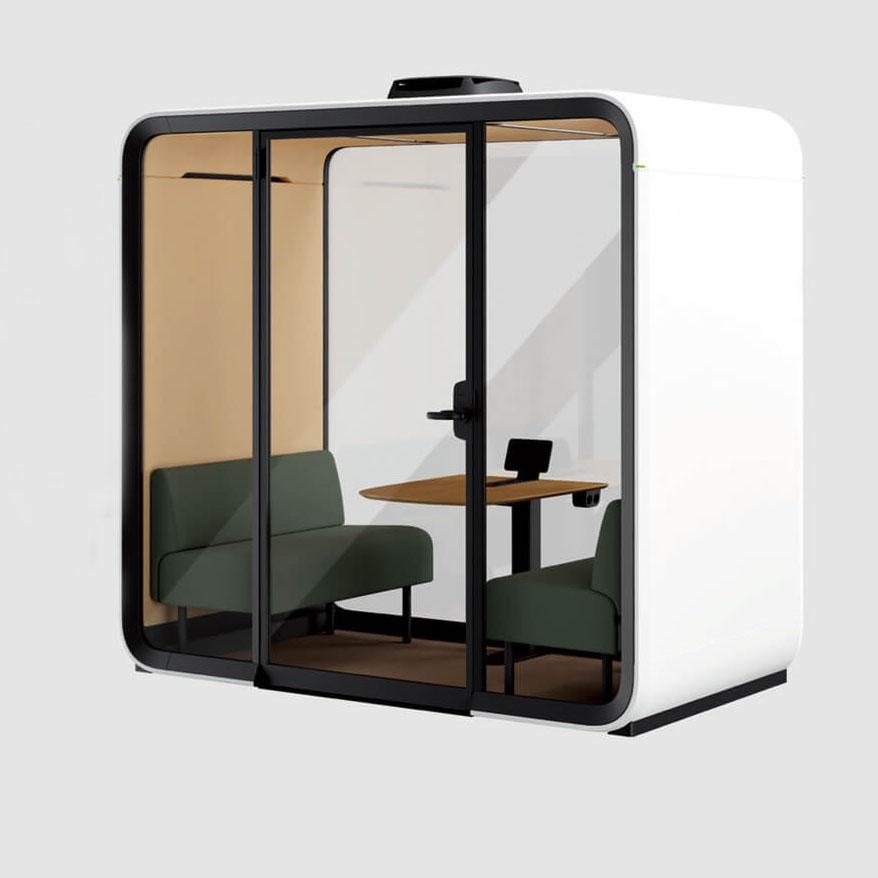
A nominal capacity becomes meaningful only when the furniture and meeting task fit together. Mark the seats, table edge, screen or laptop position, door swing, circulation space, and the points where users need to stand or turn. A four-person arrangement may work for a short discussion but feel restrictive when everyone must see a shared document or when one participant joins late.
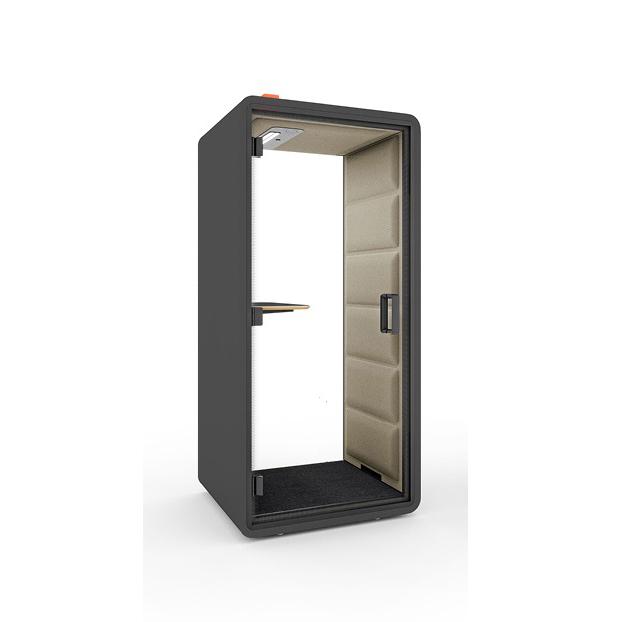
Compare the smallest format that supports the recurring meeting with the exceptions that create real value. A one-person phone booth may protect a call but cannot replace a meeting room when two people need eye contact and a shared display. A larger pod may support a group but be inefficient for solo calls. Keep the rejected alternatives in the brief so the final choice has a reason beyond a product label.
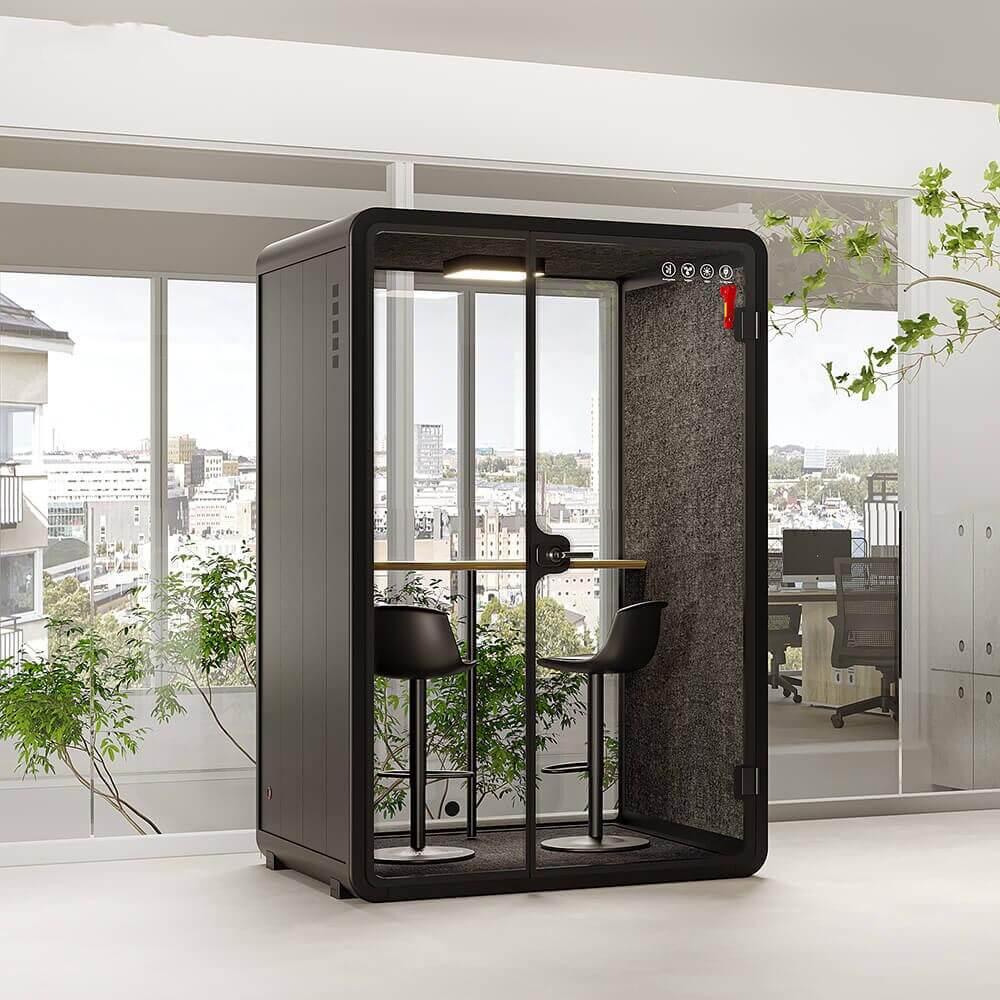
Write the privacy question in listener terms. Decide whether the concern is intelligible speech outside the booth, background noise entering the conversation, visual exposure through glazing, or uncontrolled access to a sensitive discussion. Then map likely listeners, nearby desks, circulation, doors, printers, hard surfaces, and the distance between the booth and the people who may hear or see activity.
Ask for evidence that applies to the offered enclosure and configuration. Keep a component rating, a complete-product document, a practical site observation, and a formal contractual test as separate evidence layers. A product image or one short conversation cannot prove a universal privacy result. Record the operating state, location, speaker position, listener position, and limitations of any observation.
| Decision area | Question for the buyer | Evidence to retain | Open responsibility |
|---|---|---|---|
| Meeting fit | Can the intended participants complete the task naturally? | Scenario brief, layout sketch, trial notes | Buyer and user representatives |
| Privacy | Who may hear or see the meeting from the proposed position? | Configuration evidence and site observation | Supplier plus local project reviewers |
| Delivery | Can the offered packages reach and be assembled at the final location? | Route survey, dimensions, access approvals | Supplier and site owner |
| Operation | Who controls booking, cleaning, service, and fallback space? | Operating guide, service route, review date | Facilities or workplace owner |
| Acceptance | What proves the delivered scope is ready for use? | Signed record, documents, defects, closure evidence | Named signatories |
Walk the proposed position from the arrival point to the final location. Record doors, turns, lift or stair conditions, floor changes, ceiling height, temporary protection, staging space, and the route for packaging and waste. The installed footprint is only one part of delivery. The largest package, assembly method, tools, and working clearance may control feasibility.
Review the occupied room as well as the drawing. Note queues, sightlines, glare, nearby work, cleaning access, service-panel access, air clearances, and the direction in which the booth door opens. The buyer should assign local reviewers for building, fire, electrical, accessibility, property, and workplace interfaces. Those checks should be completed before the position is frozen or a delivery date is treated as certain.
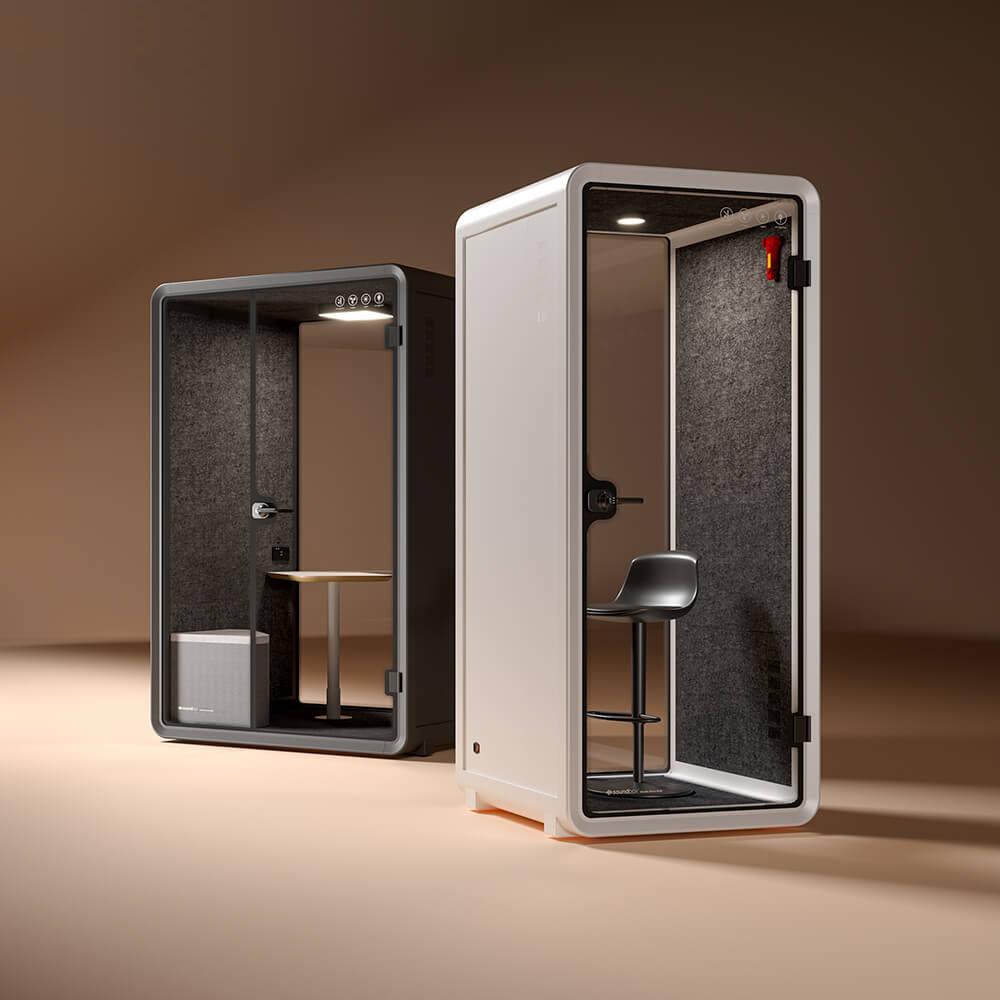
Run a representative meeting sequence from entry to reset. The user should sit, connect a device, use the lighting and ventilation in their normal state, join the call, share a document if required, speak for the expected duration, and leave the booth ready for another person. Record heat, air movement, glare, posture, reach to power, sound levels used by participants, and whether controls are understood.
Technology should be tested in the proposed furniture arrangement rather than on an empty floor. Check camera framing, microphone position, screen visibility, cable routing, charging access, and the effect of people moving outside the glazing. One demonstration is useful for finding questions, but it is not a universal guarantee. If equipment is supplied by the buyer, name that boundary in the quotation and handover record.
A practical technology note should also identify what happens when one element is not ready. If a display, adapter, data point, power outlet, lighting control, or user device is outside the supplier scope, record who supplies it and when it is checked. This prevents a booth from being accepted as complete while the first real meeting still depends on an unresolved accessory or local service.
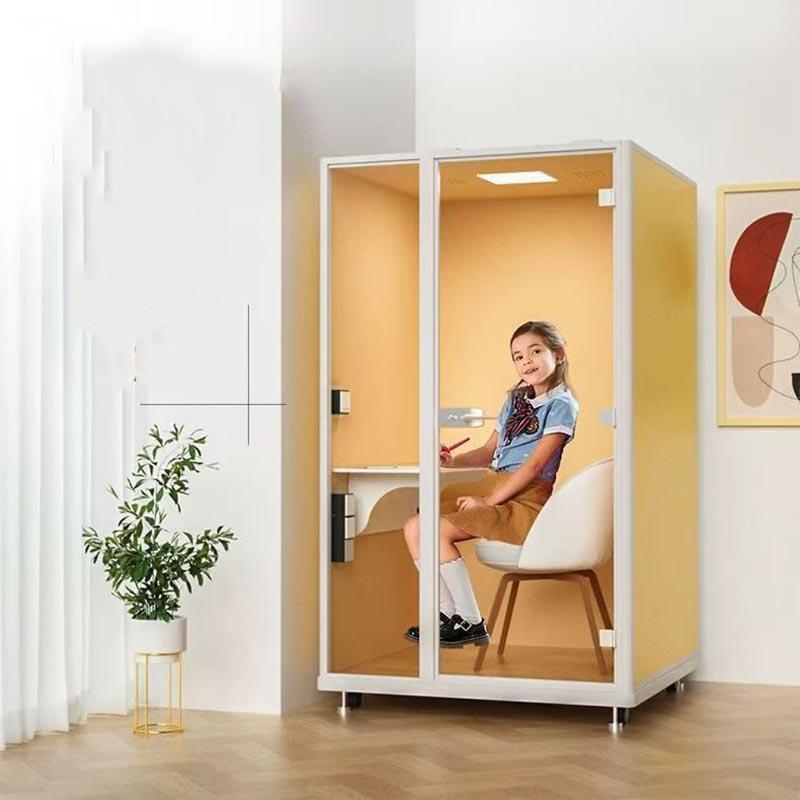
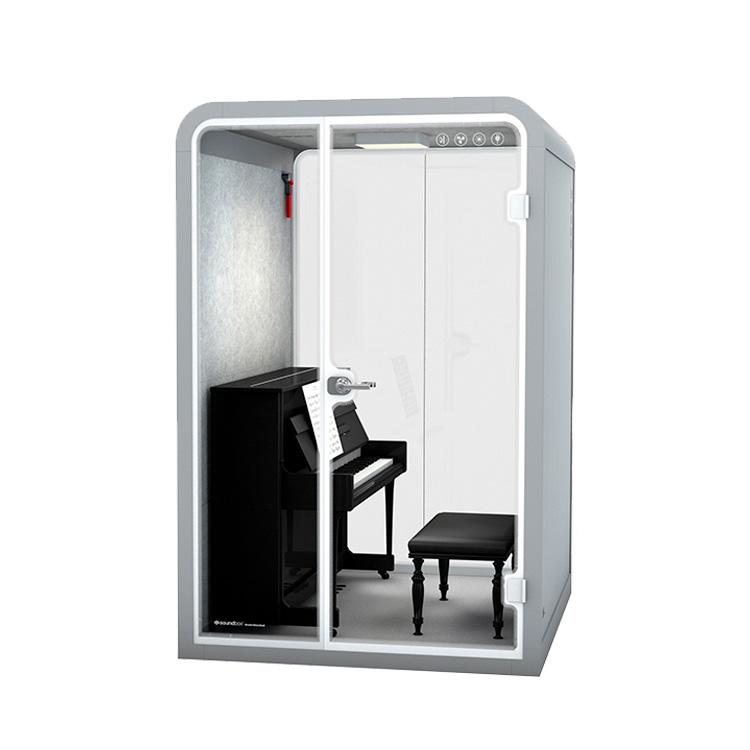
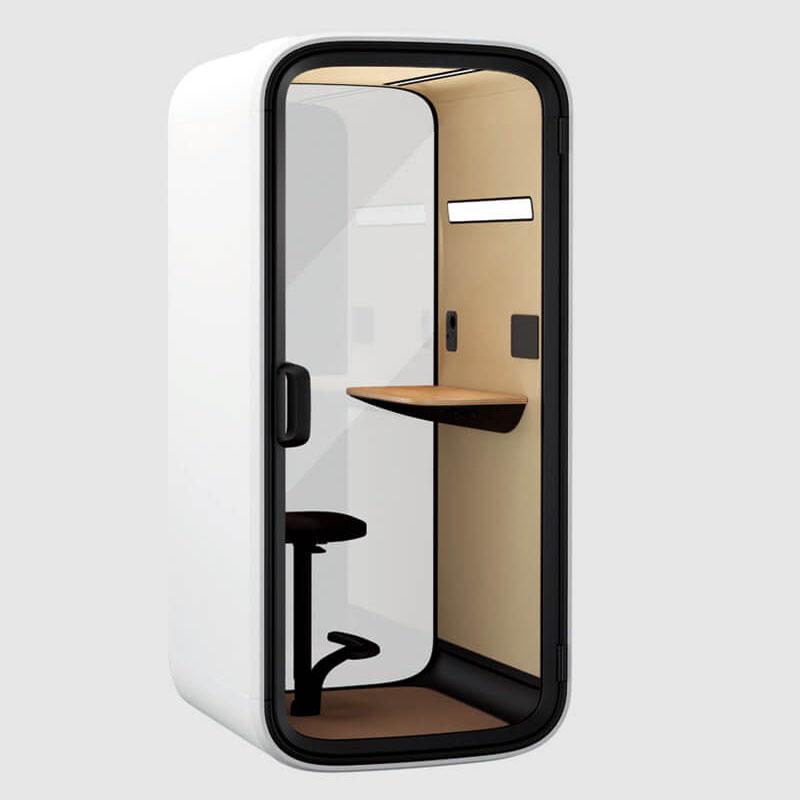
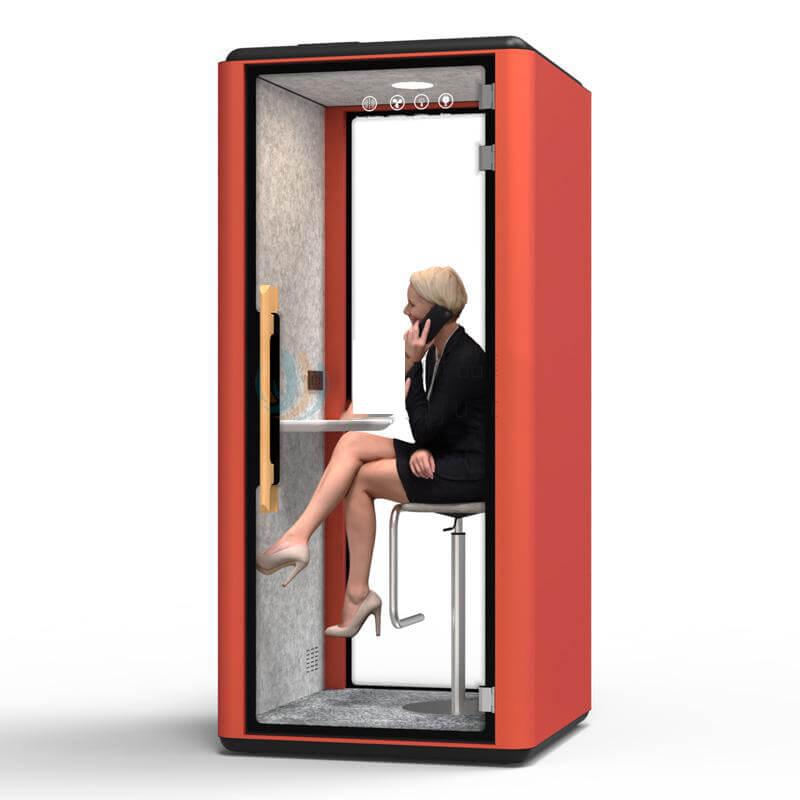
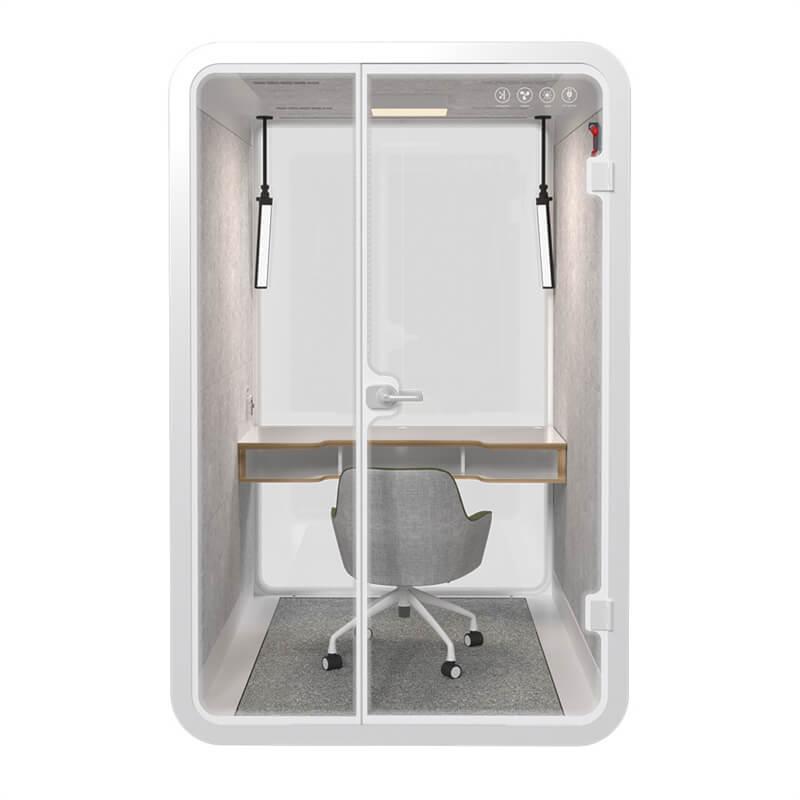
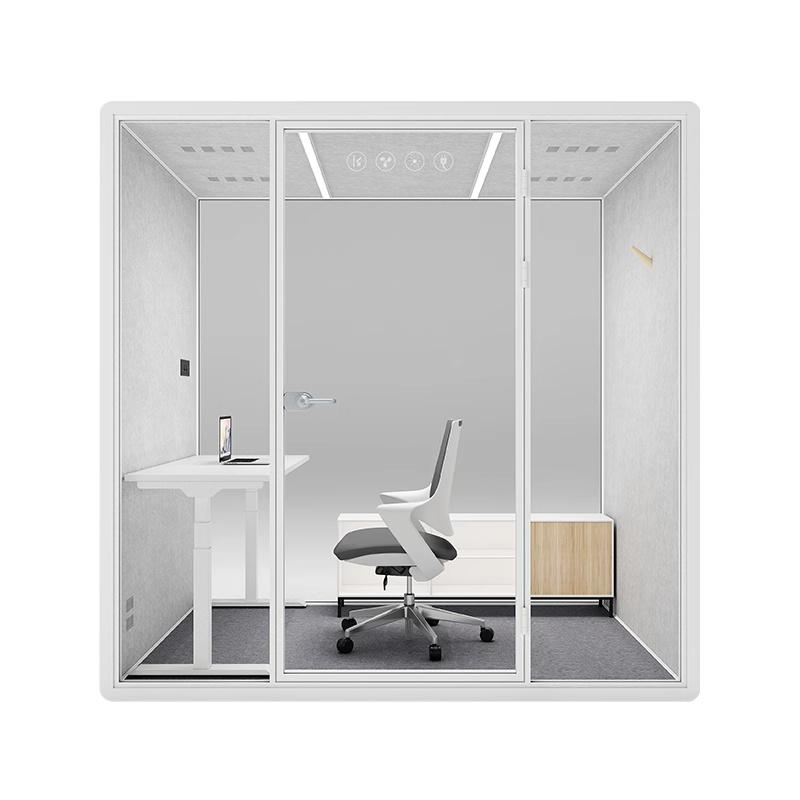
For configuration context, review meeting pod options, then match the selected enclosure to the room brief, site route, and operating record.
Ask each supplier to separate product, options, delivery, unloading, access equipment, assembly, packaging removal, local enabling work, utilities, technology, training, service, and future relocation. A low unit price may omit the route or the work needed to make the room usable. Keep uncertain items as explicit assumptions with an owner and a decision date instead of burying them in a single allowance.
The commercial file should also state what happens when site conditions change. Clarify route survey responsibility, delay treatment, storage, access restrictions, damage evidence, warranty boundaries, response times, and the difference between a completed installation and an accepted handover. When a local party must approve an interface, list the document or inspection needed before production or delivery proceeds.
Keep the comparison readable for a decision meeting. Procurement may focus on price, facilities may focus on access and service, users may focus on comfort, and management may focus on whether the booth reduces pressure on meeting rooms. A short responsibility column for each open item helps those groups approve the same purchase without assuming that another party has already checked the detail.
Ask for a line-by-line answer to the practical question of what the quoted amount enables. If the booth needs a separate floor preparation, a dedicated electrical connection, a data point, a lift booking, a protected staging area, or a local installer, those items should not remain implied. Compare quotations on the same scope and mark each line as included, optional, excluded, or awaiting site confirmation. This makes the commercial conversation easier for finance, facilities, and procurement to review together.
A handover record should identify the exact booth, approved configuration, final location, delivered accessories, visible condition, functional checks, documents, defects, and responsible signatories. Include a wide context photograph, an interior view, and close-ups of recorded exceptions. Photographs can show visible condition and arrangement; they cannot independently prove acoustic performance, regulatory compliance, or a customer result.
After handover, review real use for a defined period. Compare the planned meeting pattern with bookings, abandoned sessions, queue locations, comfort reports, service calls, cleaning effort, and cases where the booth was the wrong format. If a problem appears, repeat the same observation method before changing several variables. This creates a useful record for relocation, configuration changes, service, or a later purchase decision.
Make the record useful to someone who was not present at delivery. Add the asset or location identifier, the approved drawing revision, the operating guide location, the service contact, the date for the first review, and the temporary control for each unresolved item. If a cable, screen, chair, or access arrangement is supplied by another party, identify that boundary. A clear handover prevents the common failure in which the product is accepted visually but the operating team does not know how to report a fault, reset the room, or decide whether a meeting belongs in the booth.
Include a short fallback plan for the first weeks of use. State where a team can move when the booth is booked, when a device cannot connect, when a service issue is open, or when a meeting exceeds the intended capacity. This is not a weakness in the product brief; it is part of responsible room planning. A fallback keeps users from forcing an unsuitable session into the enclosure and gives facilities staff a practical way to protect the room while a correction is being reviewed.
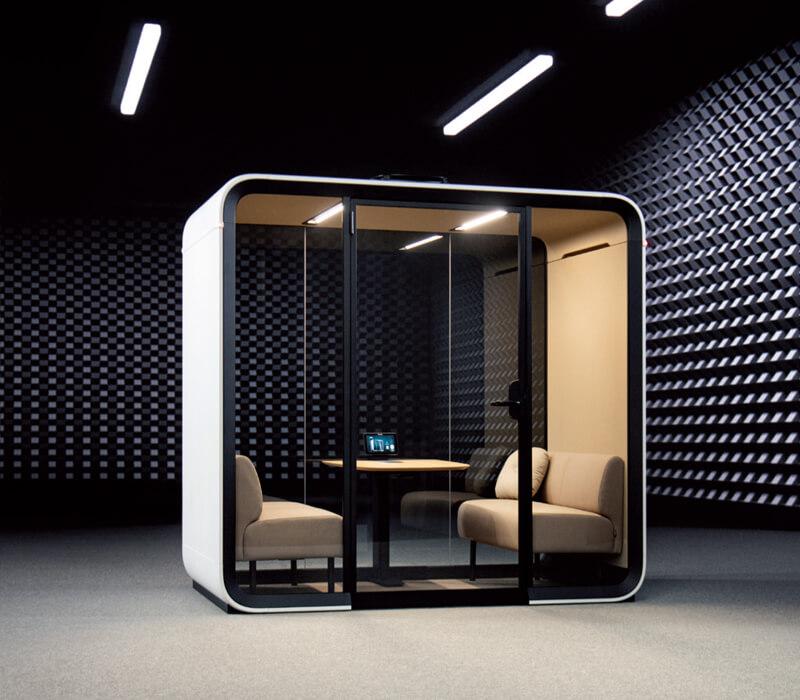
Is a meeting room booth the same as a conventional meeting room?
No. It may support a defined set of small meetings, but capacity, movement, equipment, privacy, comfort, and site conditions determine which sessions are suitable.
How should a buyer choose the booth size?
Start with recurring participant patterns and meeting tasks, then test furniture, technology, door movement, comfort, and peak demand. Do not choose only from the maximum group size.
Can a product image prove an Albanian customer installation?
No. It can illustrate visible product features. Customer identity, delivery country, project outcome, and performance need matching records or project evidence.
Who confirms local requirements in Albania?
The buyer should appoint the responsible local parties for building, fire, electrical, accessibility, property, delivery, and workplace matters. The supplier provides product and installation information for review.
What should be checked at handover?
Check identity, configuration, location, furniture, door, lighting, ventilation, power, technology interfaces, documents, visible condition, defects, and the agreed acceptance decision.
A meeting room booth in Albania should enter a shortlist only after the buyer has written the actual meetings, participant pattern, privacy objective, site route, comfort needs, services, commercial scope, and handover checks. This keeps the decision tied to a usable room rather than a generic capacity claim.
The next practical step is a site-specific brief with one owner for each unresolved item. Treat the article as an application reference, confirm local interfaces with qualified project parties, and preserve the evidence that explains why the chosen booth is suitable for its intended meetings.

 Tel: +8613538031763
 Email: info@sopworkpod.com
 MP/WhatsApp: +8613538031763
 Manufacturer Address:Liucheng Lujiang District,Meixi Road,Nanan City,Fujian,China