Need Help?
Please leave your contact information to get our latest catalog
Get In Touch Now >


Author:SOP Work Pods Manufacturer TIME:2026-09-07
Modular phone booth assembly in an operating office is a logistics and handover exercise as well as a product task. Components must reach the work zone, remain identifiable and protected, and be assembled without blocking critical routes or leaving services and waste unmanaged.
The buyer should require a method that follows the actual building and workday. Access, staging, protection, sequence, tools, power, data, room controls, cleaning, inspection, and return to normal use should all have owners and hold points.
Build survey Access Before Finalizing the Assembly Method into an occupied-office method statement; Package sizes, lifts, doors, corridors, corners, loading rules, security, and permitted delivery periods shape the method; The method allows a project manager installing booths while the surrounding office remains in use to decide whether the proposed assembly method can be executed safely, cleanly, and with controlled disruption; A modular product can still require substantial staging, protection, tools, service work, waste handling, restricted access, and coordination with occupied areas when reviewing survey Access Before Finalizing the Assembly Method.
Sequence delivery, component staging, work-zone protection, assembly, services, inspections, cleaning, and release using a measured route survey matched to component and package information; Check the sequence against working hours and shared routes, then change the delivery or assembly plan before materials arrive if any controlling constraint fails; Define hold points where the next activity cannot begin until access or quality evidence is accepted.
Walk through survey Access Before Finalizing the Assembly Method with the installer, facilities contact, and workplace representative before work starts; Record noise, dust, waste, security, emergency-route, and reinstatement controls that belong to the site; Modularity changes the assembly method, but it does not remove coordination with an operating workplace.
Build allocate Staging and Component Identification into an occupied-office method statement; Panels, glazing, doors, hardware, furniture, services, packaging, and tools need enough space and a traceable sequence; The method allows a project manager installing booths while the surrounding office remains in use to decide whether the proposed assembly method can be executed safely, cleanly, and with controlled disruption; A modular product can still require substantial staging, protection, tools, service work, waste handling, restricted access, and coordination with occupied areas when reviewing allocate Staging and Component Identification.
Sequence delivery, component staging, work-zone protection, assembly, services, inspections, cleaning, and release using a staging plan and labelled component inventory; Check the sequence against working hours and shared routes, then prevent mixed parts or concealed damage from entering assembly; Define hold points where the next activity cannot begin until access or quality evidence is accepted.
Walk through allocate Staging and Component Identification with the installer, facilities contact, and workplace representative before work starts; Record noise, dust, waste, security, emergency-route, and reinstatement controls that belong to the site; Modularity changes the assembly method, but it does not remove coordination with an operating workplace.
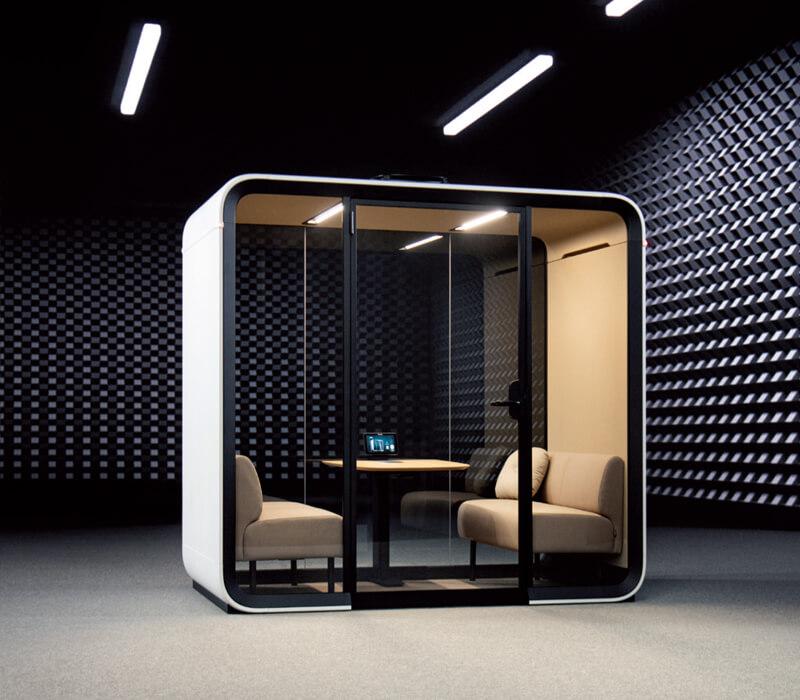
Build protect Occupied Routes and Nearby Work into an occupied-office method statement; Floor finishes, walls, furniture, air paths, fire routes, security zones, and employee circulation need protection and continued access; The method allows a project manager installing booths while the surrounding office remains in use to decide whether the proposed assembly method can be executed safely, cleanly, and with controlled disruption; A modular product can still require substantial staging, protection, tools, service work, waste handling, restricted access, and coordination with occupied areas when reviewing protect Occupied Routes and Nearby Work.
Sequence delivery, component staging, work-zone protection, assembly, services, inspections, cleaning, and release using a marked work zone with agreed temporary controls; Check the sequence against working hours and shared routes, then coordinate noisy or obstructive activities with office operations; Define hold points where the next activity cannot begin until access or quality evidence is accepted.
Walk through protect Occupied Routes and Nearby Work with the installer, facilities contact, and workplace representative before work starts; Record noise, dust, waste, security, emergency-route, and reinstatement controls that belong to the site; Modularity changes the assembly method, but it does not remove coordination with an operating workplace.
Build sequence Structure Doors Services and Furniture into an occupied-office method statement; Assembly order affects alignment, access to fixings, cable routes, seals, controls, furniture installation, and later inspection; The method allows a project manager installing booths while the surrounding office remains in use to decide whether the proposed assembly method can be executed safely, cleanly, and with controlled disruption; A modular product can still require substantial staging, protection, tools, service work, waste handling, restricted access, and coordination with occupied areas when reviewing sequence Structure Doors Services and Furniture.
Sequence delivery, component staging, work-zone protection, assembly, services, inspections, cleaning, and release using the supplier's product-specific method and an interface sequence; Check the sequence against working hours and shared routes, then avoid improvising a generic order that conflicts with the offered design; Define hold points where the next activity cannot begin until access or quality evidence is accepted.
Walk through sequence Structure Doors Services and Furniture with the installer, facilities contact, and workplace representative before work starts; Record noise, dust, waste, security, emergency-route, and reinstatement controls that belong to the site; Modularity changes the assembly method, but it does not remove coordination with an operating workplace.
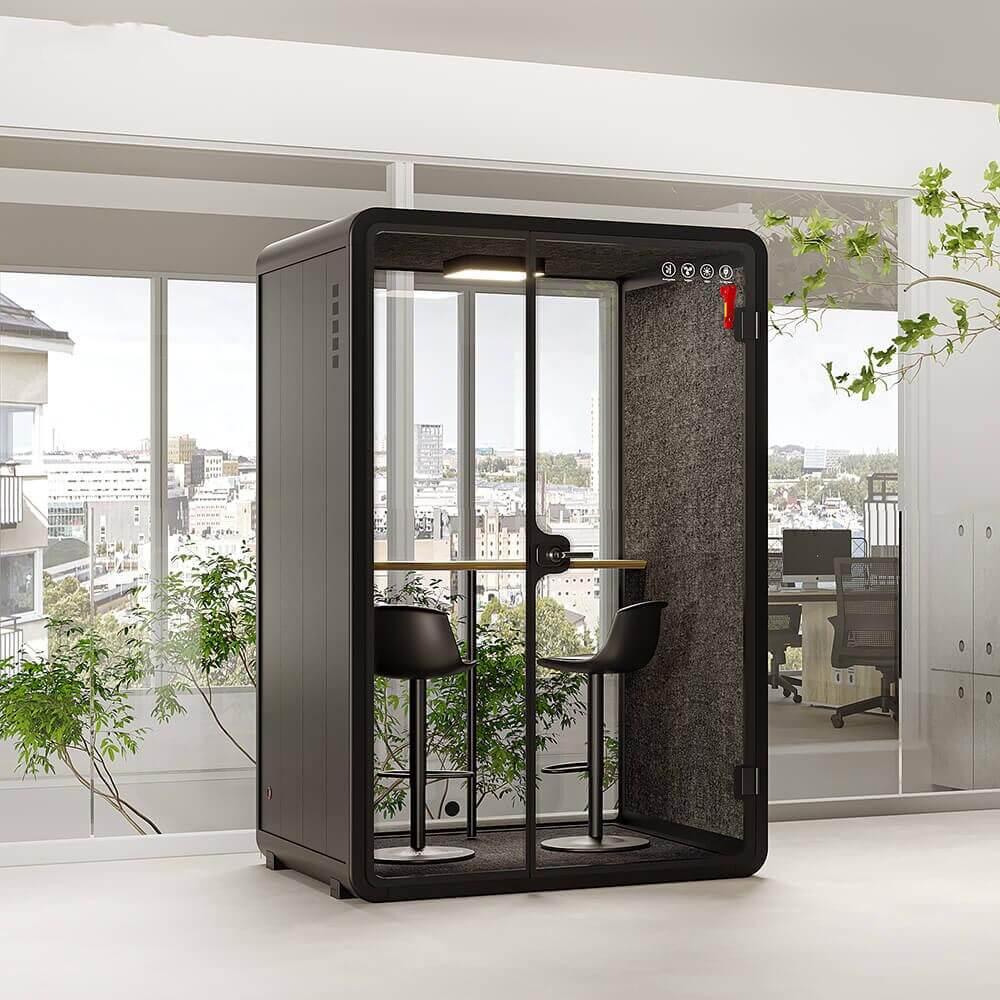
Build use Installation Hold Points into an occupied-office method statement; Hold points make component condition, base position, frame alignment, door operation, services, enclosure, and final finish visible before concealment; The method allows a project manager installing booths while the surrounding office remains in use to decide whether the proposed assembly method can be executed safely, cleanly, and with controlled disruption; A modular product can still require substantial staging, protection, tools, service work, waste handling, restricted access, and coordination with occupied areas when reviewing use Installation Hold Points.
Sequence delivery, component staging, work-zone protection, assembly, services, inspections, cleaning, and release using dated inspection records at agreed stages; Check the sequence against working hours and shared routes, then stop and correct material deviations before the next stage reduces access; Define hold points where the next activity cannot begin until access or quality evidence is accepted.
Walk through use Installation Hold Points with the installer, facilities contact, and workplace representative before work starts; Record noise, dust, waste, security, emergency-route, and reinstatement controls that belong to the site; Modularity changes the assembly method, but it does not remove coordination with an operating workplace.
| Assembly phase | Coordination need | Hold-point record |
|---|---|---|
| Delivery and staging | Route, security, space, inventory | Package and component condition |
| Primary assembly | Position, frame, joints, glazing, door | Alignment and concealed-item check |
| Services and interior | Power, data, controls, furniture | Connection and operation record |
| Closeout | Cleaning, waste, documents, reopening | Handover and action list |
Build coordinate Electrical Data and Room Interfaces into an occupied-office method statement; Power isolation, connection, data, controls, nearby vents, alarms, and other building interfaces require responsible qualified parties; The method allows a project manager installing booths while the surrounding office remains in use to decide whether the proposed assembly method can be executed safely, cleanly, and with controlled disruption; A modular product can still require substantial staging, protection, tools, service work, waste handling, restricted access, and coordination with occupied areas when reviewing coordinate Electrical Data and Room Interfaces.
Sequence delivery, component staging, work-zone protection, assembly, services, inspections, cleaning, and release using an interface drawing and named connection responsibilities; Check the sequence against working hours and shared routes, then record completion and testing without extending work beyond assigned competence; Define hold points where the next activity cannot begin until access or quality evidence is accepted.
Walk through coordinate Electrical Data and Room Interfaces with the installer, facilities contact, and workplace representative before work starts; Record noise, dust, waste, security, emergency-route, and reinstatement controls that belong to the site; Modularity changes the assembly method, but it does not remove coordination with an operating workplace.
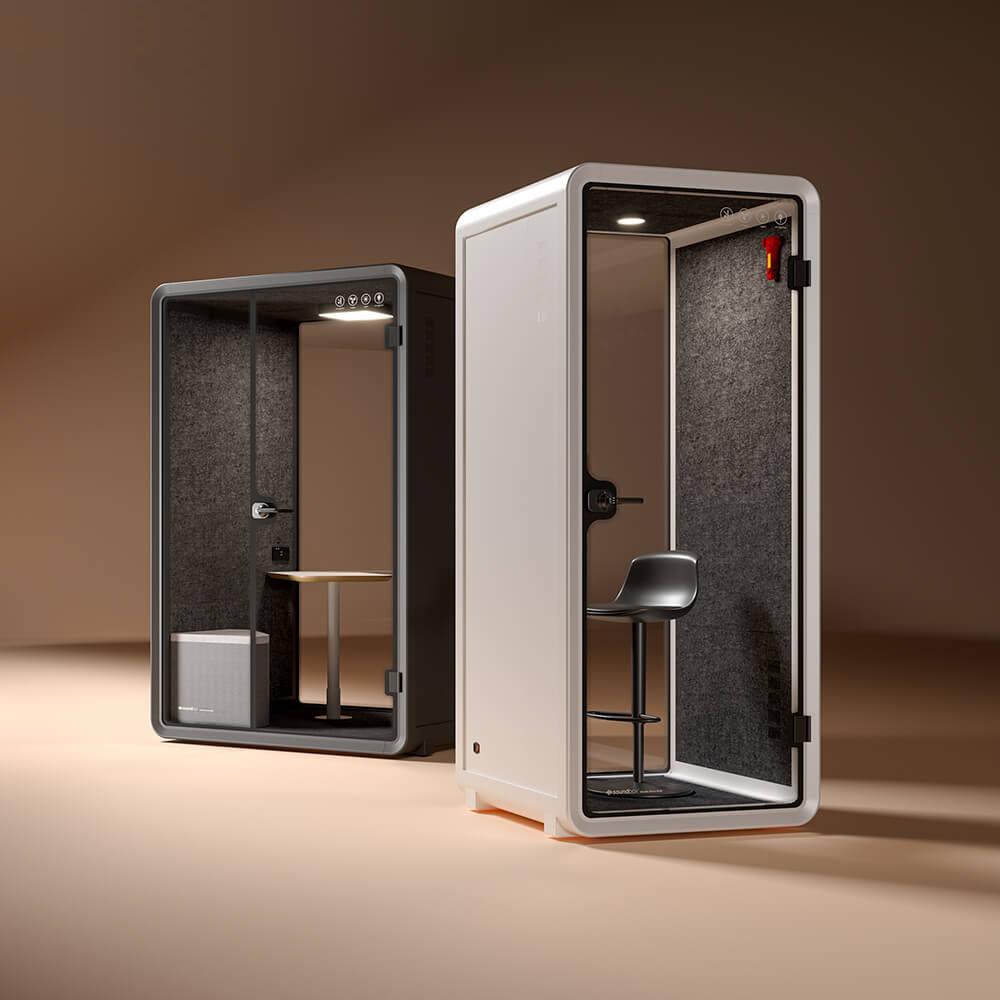
Build manage Packaging Waste Cleaning and Reopening into an occupied-office method statement; The work area is not ready when assembly ends if packaging, dust, protection, tools, or blocked routes remain; The method allows a project manager installing booths while the surrounding office remains in use to decide whether the proposed assembly method can be executed safely, cleanly, and with controlled disruption; A modular product can still require substantial staging, protection, tools, service work, waste handling, restricted access, and coordination with occupied areas when reviewing manage Packaging Waste Cleaning and Reopening.
Sequence delivery, component staging, work-zone protection, assembly, services, inspections, cleaning, and release using a closeout sequence for waste, cleaning, inspection, and area release; Check the sequence against working hours and shared routes, then agree when surrounding teams can safely resume normal use; Define hold points where the next activity cannot begin until access or quality evidence is accepted.
Walk through manage Packaging Waste Cleaning and Reopening with the installer, facilities contact, and workplace representative before work starts; Record noise, dust, waste, security, emergency-route, and reinstatement controls that belong to the site; Modularity changes the assembly method, but it does not remove coordination with an operating workplace.
For product context, buyers can compare the relevant product family and then return to the project-specific evidence and responsibility checks in this guide.
Build complete Functional Handover and Records into an occupied-office method statement; Product identity, condition, door, controls, services, furniture, operating guidance, documents, and open actions should be reviewed together; The method allows a project manager installing booths while the surrounding office remains in use to decide whether the proposed assembly method can be executed safely, cleanly, and with controlled disruption; A modular product can still require substantial staging, protection, tools, service work, waste handling, restricted access, and coordination with occupied areas when reviewing complete Functional Handover and Records.
Sequence delivery, component staging, work-zone protection, assembly, services, inspections, cleaning, and release using a witnessed handover checklist and document index; Check the sequence against working hours and shared routes, then transfer unresolved items with owners and dates rather than informal promises; Define hold points where the next activity cannot begin until access or quality evidence is accepted.
Walk through complete Functional Handover and Records with the installer, facilities contact, and workplace representative before work starts; Record noise, dust, waste, security, emergency-route, and reinstatement controls that belong to the site; Modularity changes the assembly method, but it does not remove coordination with an operating workplace.
Does modular mean the booth is quick to assemble in every office?
No. Access, staging, protection, building rules, interfaces, component sequence, and occupied-area constraints can change the project method.
Why should components be inventoried before assembly?
An inventory identifies damage, shortages, mixed hardware, and configuration errors while access and corrective options are still available.
Which work should be scheduled outside busy periods?
Coordinate activities that obstruct routes, create noise or dust, require isolation, affect security, or need larger staging with the office operator.
What are useful installation hold points?
Typical stages include receipt, base position, primary frame, concealed interfaces, door operation, services, finish, cleaning, and final handover.
When can the office area reopen?
Reopen after tools, waste, packaging, protection, dust, route restrictions, service issues, and material defects have been cleared or formally controlled.
Modular phone booth assembly succeeds when the building route, occupied workplace, component sequence, interfaces, inspections, and closeout are planned as one method. Modularity does not remove the need for staging and coordination.
Release the installation only after the route and work zone are agreed, then use hold points to protect quality. Complete the job with functional checks, clean reopening, documents, and owned actions.

 Tel: +8613538031763
 Email: info@sopworkpod.com
 MP/WhatsApp: +8613538031763
 Manufacturer Address:Liucheng Lujiang District,Meixi Road,Nanan City,Fujian,China