


Need Help?
Please leave your contact information to get our latest catalog
Get In Touch Now >


Author:SOP Work Pods Manufacturer TIME:2026-09-06
A portable office pod price is not fully comparable until the buyer defines what will happen after the first installation. A pod that may move between teams, floors, buildings, or leased premises creates a different ownership scope from one that will remain in a fixed location.
The useful question is not whether a brochure calls the unit portable. It is which parts can be reused, who may disconnect and move them, what site work must be repeated, and which records are needed before the pod returns to service. This guide turns those questions into a relocation lifecycle worksheet that purchasing, facilities, IT, and the supplier can review against the same assumptions.
Begin with plausible operating scenarios rather than an assumed number of moves. One scenario may keep the pod in its original room for the expected lease period. Another may transfer it to a different floor after a departmental change. A third may place it in storage before a new location is ready. Describe the trigger, origin, destination, timing constraint, access condition, and responsible teams for each scenario. If no credible relocation can be named, the buyer should not assign an automatic financial benefit to portability.
For every scenario, ask the supplier to state the permitted movement method for the exact quoted configuration. The answer may depend on size, glazing, furniture, connected services, lifting points, panel construction, or the handling equipment available at the site. Record whether the pod moves assembled, partially dismantled, or as a full component set. Also record who is authorized to perform the work and whether the warranty or service terms impose conditions. A general product-family statement is not a substitute for model-specific instructions.
This first step creates the denominator for price comparison. Purchasing can see which offers support the same movement route and which depend on unpriced assumptions. Facilities can identify surveys or approvals that remain open. The resulting worksheet does not predict a future event; it shows how the commercial answer changes if a defined event occurs.
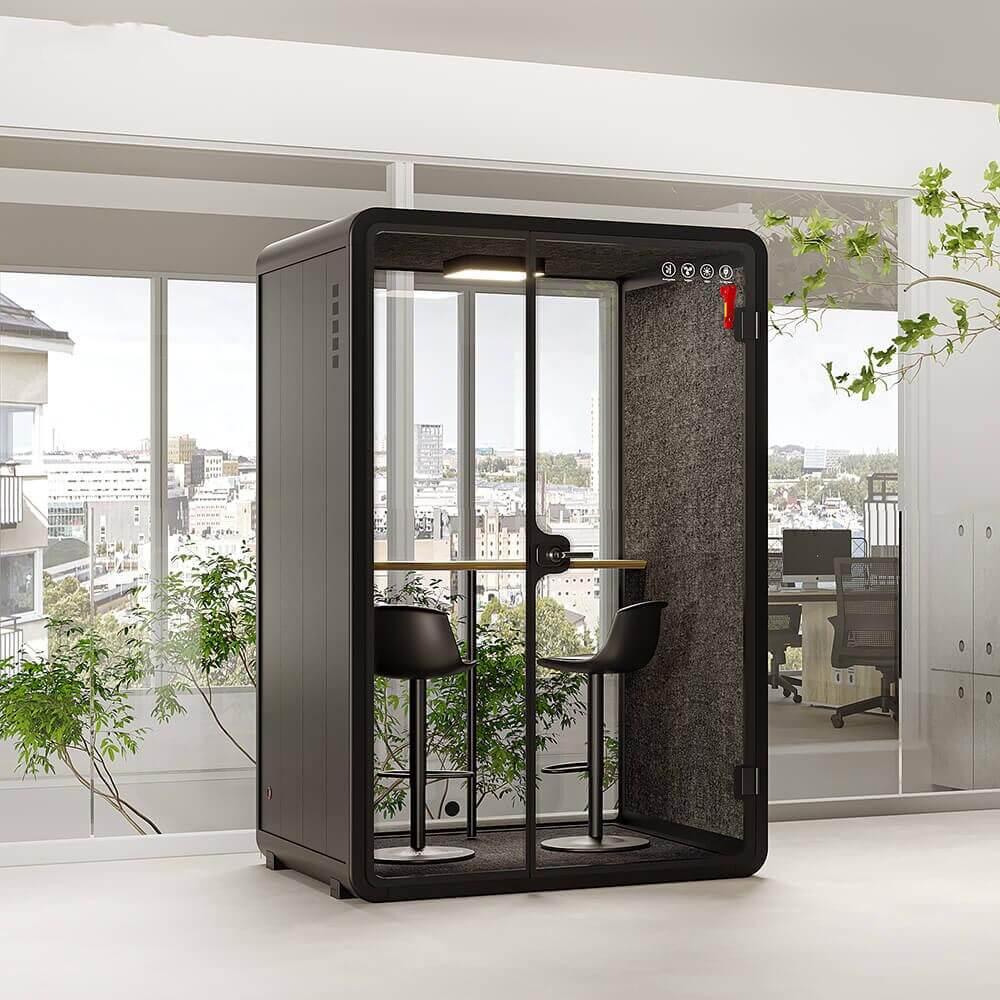
A relocation estimate is unreliable when the quoted configuration is still changing. Freeze the model, dimensions, panels, door, glazing, internal furniture, electrical arrangement, data provision, controls, finishes, and accessories used in the comparison. Then divide the scope into reusable pod components, replacement items, consumables, handling materials, and site-owned interfaces. The boundary should be visible in both the quotation and the relocation worksheet.
Reusable does not mean maintenance-free. Fasteners, seals, trim, protection materials, filters, cable components, or finish repairs may need inspection or replacement after dismantling and transport. Ask which items are intended for repeated assembly, which require condition-based replacement, and which are supplied only for the first installation. Where the supplier cannot confirm a future requirement, leave it as an open commercial line rather than treating it as included or negligible.
Ownership also matters. Identify who keeps specialist tools, packaging frames, lifting accessories, component labels, spare hardware, and the latest assembly instructions. A low first price can become difficult to use if the buyer later discovers that critical relocation equipment was temporary supplier property. Conversely, buying every possible handling item may be unnecessary when an approved service route is available. Compare the ownership model, not merely the object list.
The original delivery survey should become a repeatable method, not a permanent approval. For each candidate location, map loading access, doors, corridors, lifts, turns, floor loading questions, overhead restrictions, working hours, security rules, protection requirements, and temporary storage points. Note which dimensions are measured, which are taken from drawings, and which still require confirmation. A route that worked once does not prove that a later building can accept the same assembled unit or component package.
Next, separate services from the pod itself. Power isolation and reconnection, data cabling, local distribution, floor or wall interfaces, ventilation coordination, controls integration, testing, and making good may sit with different parties. The quotation should identify the connection point and the limit of supplier responsibility. Facilities and IT should confirm that the proposed destination can support the same arrangement without unsafe adapters, obstructed access, or unapproved changes.
Site work often explains why two portable office pod price offers with similar equipment totals can have different delivered outcomes. Put surveys, permits or building approvals where applicable, access management, protection, local labor, service work, reinstatement, and waste handling beside the equipment line. Keep supplier-confirmed amounts separate from buyer estimates. This makes uncertainty visible without inventing a universal relocation cost.

Treat a move as a sequence with owners and release points. The sequence normally starts with a current-condition record and service isolation, then proceeds through labeling, dismantling where required, protection, internal handling, transport or storage, route control, reassembly, service reconnection, inspection, cleaning, and release for use. The supplier should identify which steps are included, optional, excluded, or assigned to a named third party.
Ask how the commercial basis changes with distance, access hours, stair or lift use, storage duration, packaging condition, local labor, and the number of pods moved together. Do not convert those variables into a false average. Instead, request a rate structure, a defined sample scenario, or a quotation process with required inputs. The buyer can then compare how each supplier would price the same move and what evidence is needed before the figure becomes firm.
Include disruption ownership. Who coordinates users, closes the area, protects adjacent finishes, stores loose items, controls keys, and confirms that the destination is ready? Who carries the risk when access information supplied by the buyer is wrong? These questions may not change the pod specification, but they can change labor, delay exposure, and responsibility. A complete comparison makes the boundary explicit before contract award.
Use scenarios rather than a single total-cost claim. Compare at least a fixed-location case, a planned relocation case, and a storage-then-reinstall case when those routes are credible. For each case, list the first delivered scope, recurring site work, supplier services, buyer-managed work, replaceable items, storage provisions, acceptance activities, and unresolved allowances. Keep quantities and frequencies editable so the worksheet can be updated when an actual move is approved.
| Lifecycle line | Supplier evidence to request | Buyer input | Commercial treatment |
|---|---|---|---|
| First installation | Configuration, inclusions, interfaces, acceptance scope | Site readiness and access record | Firm quoted line where scope is closed |
| Disconnection and protection | Approved sequence, tools, reusable packaging, replacement items | Shutdown window and local responsibilities | Rate, option, or scenario allowance |
| Transport or storage | Handling limits and protection requirements | Distance, route, duration, security, environment | Keep confirmed and estimated inputs separate |
| Reassembly and services | Assembly boundary, inspection steps, service responsibility | Destination interfaces and contractor availability | Price against the defined destination scenario |
| Release and records | Acceptance checklist, open-item process, updated asset file | Approvers and operating handover | Include required evidence in the work package |
The table supports comparison without pretending that every future move will be identical. It also exposes offers that include only the reusable enclosure while leaving disassembly, route management, interfaces, or recommissioning undefined. Where one offer includes an approved service package and another provides instructions only, record that difference as a service-model choice rather than hiding it inside a headline price.
Apply time value, lease assumptions, tax treatment, or internal labor rates only through the buyer's approved financial method. The technical worksheet should preserve source and date for each input so finance can see which values are contractual, estimated, or still open. This separation prevents a rough relocation scenario from being mistaken for a guaranteed ownership saving.
Every relocation should end with a controlled release, not simply a completed assembly. Before the first purchase, agree what will be checked after a move: component identity, visible condition, assembly completion, doors and moving parts, electrical and data connections, controls, lighting, ventilation operation where fitted, housekeeping, labels, and unresolved damage. The responsible competent parties should define the applicable electrical, building, and workplace checks for the actual site.
Create one asset file for each pod. Retain the approved configuration, serial or asset identity, drawings and manuals, photographs, component inventory, service notes, move dates, locations, condition records, replacement parts, open items, and acceptance sign-off. Version control matters because instructions and configurations can change. The file should let a future team understand what it owns and what must be verified without relying on the memory of the original project group.
Turn the final commercial questions into an answerable inquiry. State the configuration, first site, candidate move scenario, route information, service interfaces, expected storage condition, and required acceptance evidence. Ask the supplier to return inclusions, exclusions, assumptions, responsible parties, validity, and the information needed for a firm relocation quotation. To compare this scope with an available configuration, review the Office Pod options and send the recorded relocation requirements with your inquiry.
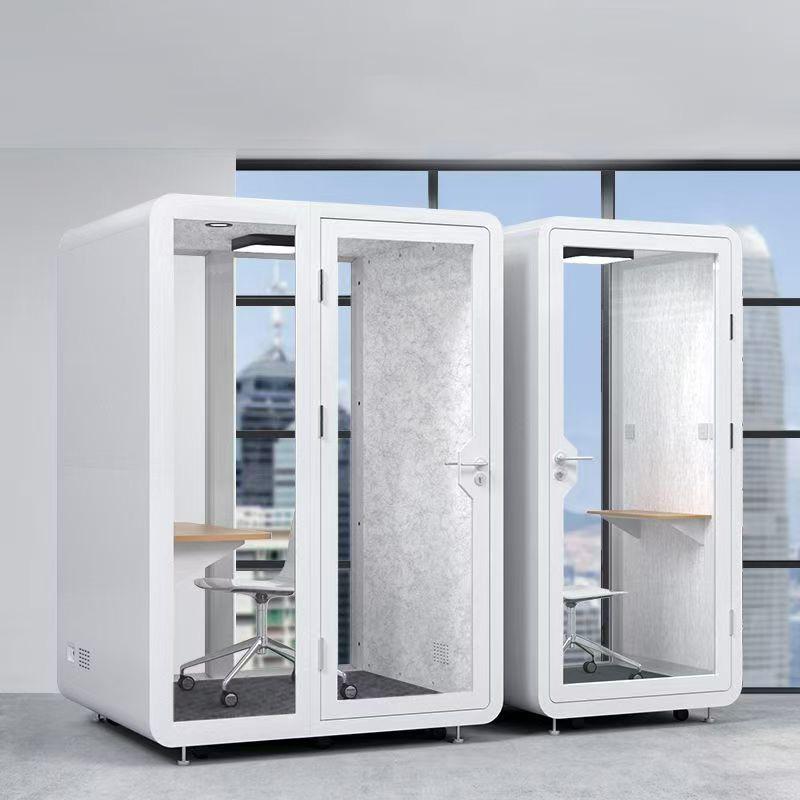
No. Portable can describe several movement methods, and the permitted method may change with the selected dimensions, glazing, furniture, services, route, or handling equipment. Request model-specific instructions that state whether the unit moves assembled, partly dismantled, or fully broken down. Confirm lifting and support points, protection requirements, authorized personnel, and any condition that affects warranty or later acceptance. Do not plan a one-piece move from a marketing label alone.
Recurring lines can include surveys, service isolation, access management, protection, dismantling, handling, transport, storage, replacement consumables, site interfaces, reassembly, connection work, inspection, cleaning, repair, making good, and record updates. The actual list depends on the pod and destination. Use the supplier's scope and the buyer's site plan to classify each line as included, optional, buyer-owned, estimated, or unresolved.
Price a small set of named scenarios and keep frequency as an editable assumption. Require every supplier to answer the same configuration, route, service, storage, and acceptance questions. Compare included scope, exclusions, responsibility, and the method used to make a future price firm. This reveals commercial differences while avoiding a fabricated average number of moves or an unsupported lifetime saving.
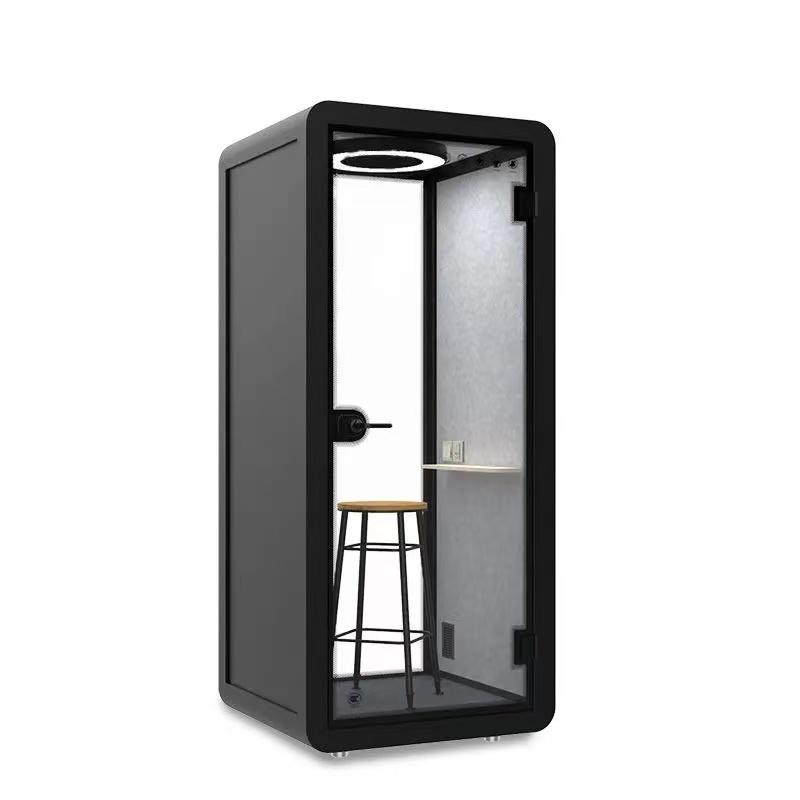
Keep the approved configuration, identity details, manuals and drawings, component list, photographs, service information, move and storage history, condition findings, replacement records, location interfaces, acceptance results, and unresolved actions. Add the source, date, revision, and responsible owner for each important record. The file should travel with the asset so later facilities and service teams can plan from evidence rather than reconstructing the original order.
A useful portable office pod price comparison connects the first order to a controlled relocation route. Define credible scenarios, freeze the quoted configuration, separate reusable parts from site work, assign every handling and service responsibility, and request a commercial method for turning future route information into a firm price.
The decision is ready when the buyer can see what is owned, what may recur, what remains uncertain, and what evidence releases the pod after a move. Portability then becomes a documented operating option rather than an assumed saving. Keep the worksheet and asset file current so each later decision starts from the actual configuration and location, not from the original brochure description.

 Tel: +8613538031763
 Email: info@sopworkpod.com
 MP/WhatsApp: +8613538031763
 Manufacturer Address:Liucheng Lujiang District,Meixi Road,Nanan City,Fujian,China