Author:SOP Work Pods Manufacturer TIME:2026-08-28
A Polish project expecting organizational or lease change may value modular meeting pods, but the label alone does not show what can change, who performs the work, or whether the next building can receive the same configuration. A useful plan names the future event instead of treating flexibility as a general benefit.
The first location still carries the immediate decision. Participants need a workable room, services need maintainable interfaces, and installation needs a controlled route. Only after that baseline is accepted can the team describe disassembly, protection, transport, reassembly, reconnection, and recommissioning as a credible future option.
The output is a change-control file rather than a prediction. It preserves component identity, interface ownership, disruption scope, acceptance conditions, and assumptions that must be checked again when a real destination is known.
Start with a specific future event. The pod may need to move when a lease changes, divide a large office into teams, support a temporary project, follow a department to another floor, or remain in place while furniture is rearranged around it. These situations do not require the same modular features. A buyer who cannot name the likely change should describe it as an assumption instead of paying for an undefined benefit.
Write the first use and the possible next use separately. Record occupants, meeting duration, display and laptop needs, privacy objective, access route, floor condition, power, data, ventilation, cleaning, and surrounding activity for each location. The first arrangement may need a larger table, while the next may need a different door orientation. Separate records reveal which elements are stable and which elements may become constraints.
Consider timing. A change expected next month affects the initial design differently from a move that may occur in five years. Frequent changes justify documentation, labels, packaging, and repeatable assembly. A remote possibility may be better handled through a robust first installation and a clear supplier question rather than a costly option that has no defined use.
Reconfiguration can mean changing a door, furniture arrangement, panel sequence, or internal equipment while the pod remains in one building. Relocation adds disassembly, packaging, transport, a new route, new building connections, and a repeat acceptance check. Do not allow the word modular to blur these scopes. Ask the supplier to state which actions are supported, which parts are reusable, and which tasks require trained installers.
Request a change method, not only a finished photograph. The method should identify component labels, tools, sequence, protection, temporary storage, packing, lifting, floor condition, and the inspection points after reassembly. If a part is single-use or must be replaced after removal, that should appear in the ownership cost. Future movement is not free simply because the product arrived in pieces.
Compare the risk of an improvised change with the value of a controlled one. A pod may be technically movable but difficult to move through a narrow lift, busy office, or finished corridor. The planning file should state who decides whether a future route is suitable and who approves damage correction before the pod returns to use.
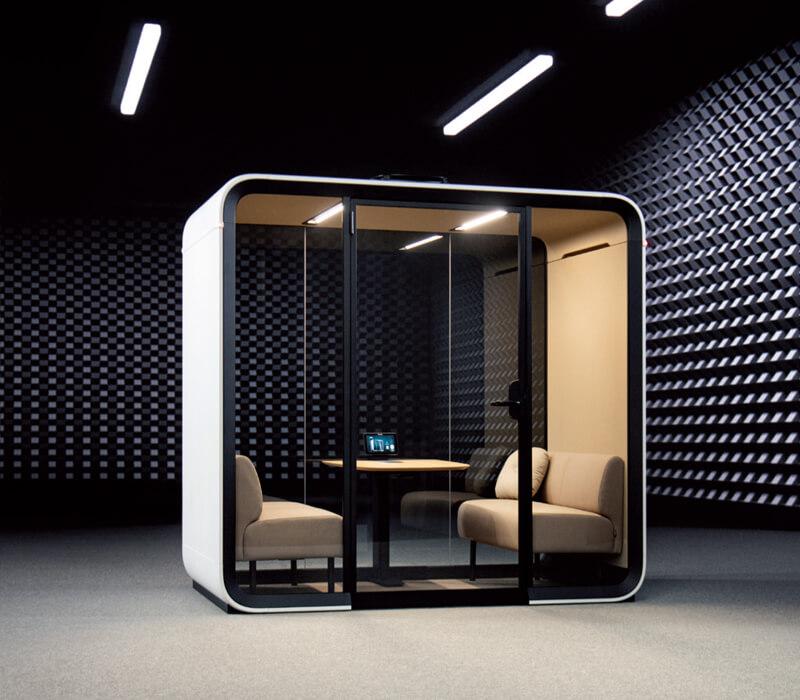
A module schedule turns a general promise into a controlled inventory. List panels, glazing, doors, frames, roof or ceiling pieces, floor elements, furniture, lights, ventilation components, controls, outlets, data points, fixings, finishes, labels, packaging, and spare parts. State the quantity, identity, revision, and owner for each line. The schedule should match the quotation and the approved drawing.
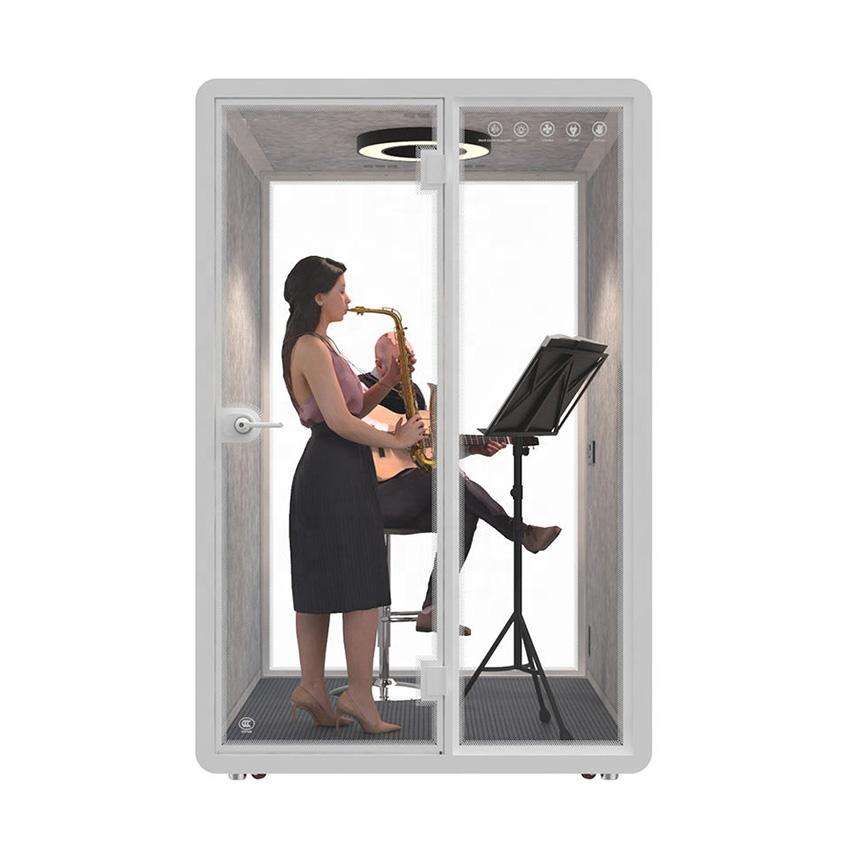
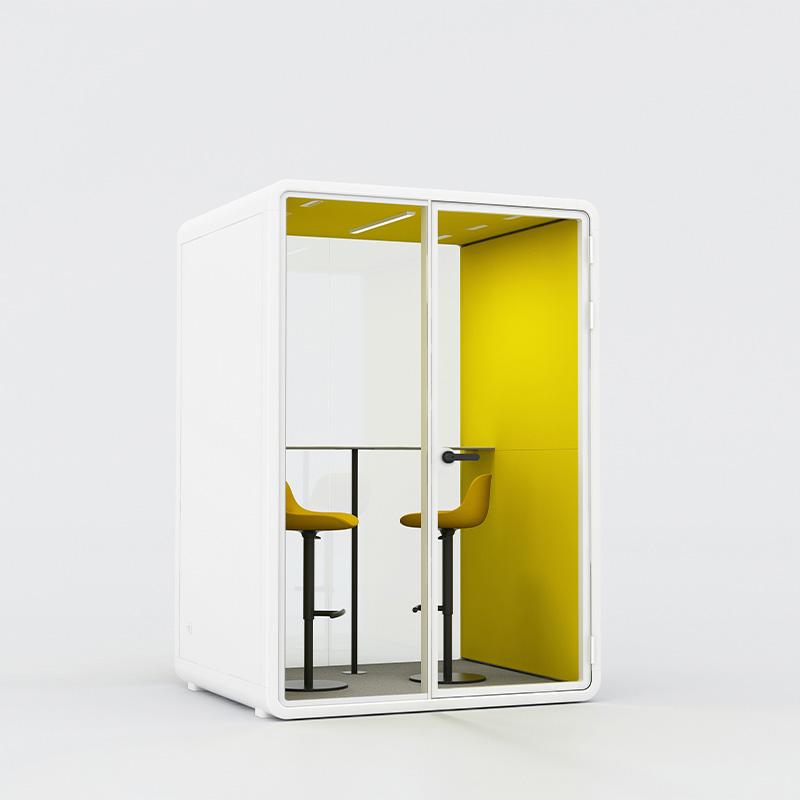
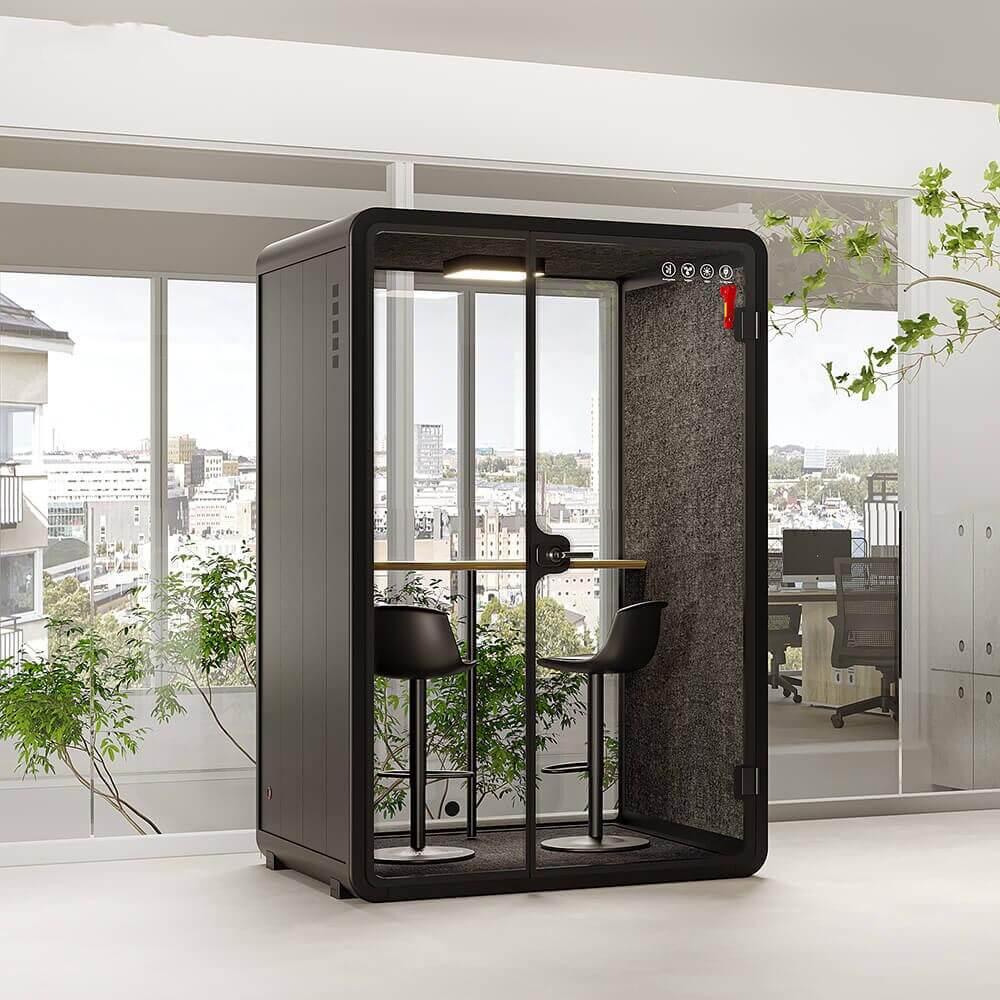
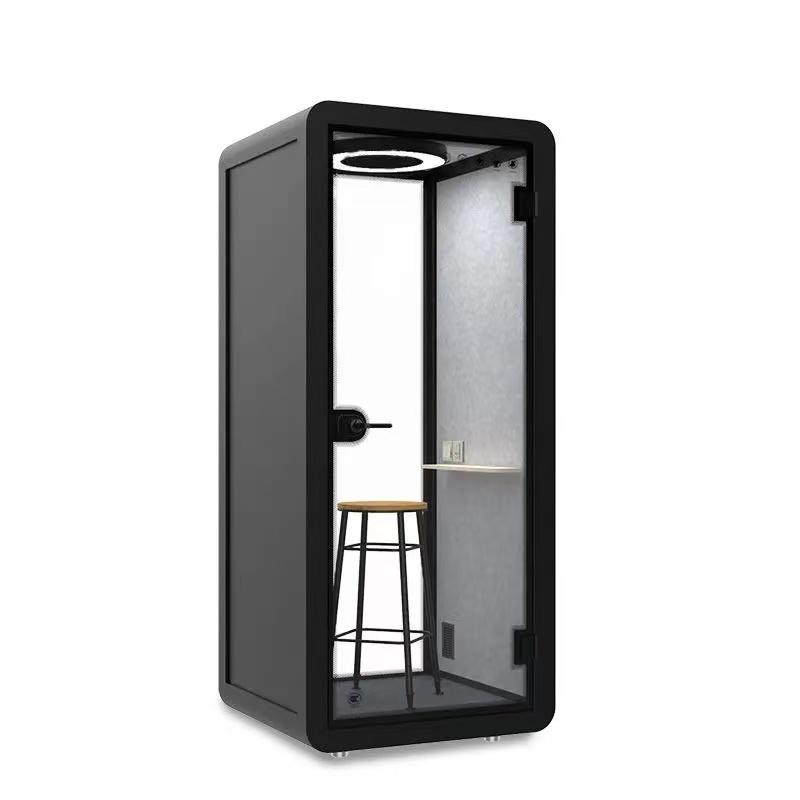
Use the modular meeting pod range to identify the candidate family, then request the project-specific module schedule, interface drawing, assembly method, and option revision. Future change must remain tied to the exact configuration purchased. product reference
Interfaces deserve special attention. The pod meets the floor, surrounding ceiling, final electrical circuit, network point, cleaning route, and service access. Ask which interface remains with the supplier and which moves to the building team. A modular enclosure can be reassembled successfully while a missing data point, unsafe cable route, or inaccessible fan leaves the new location unusable.
Use the modular meeting pod range to identify a suitable product family, then request a project-specific option list and interface drawing. Do not assume that a category page proves interchangeability between models. The buyer should preserve the exact model and revision for every module that may be ordered later.
Modularity is useful only when the first layout works. Draw participants, table, display, camera, door swing, clear approach, nearby desks, listeners, storage, exits, windows, printers, and cleaning paths. Test the longest ordinary meeting and the busiest surrounding period. A pod positioned for future flexibility may be a poor first choice if the current door blocks circulation or people cannot see the screen.
Define the desired meeting behaviour. A quick project stand-up may need fast entry and reset. A workshop may need documents, a display, and changing positions. A hybrid call may need camera framing, face lighting, and power at the table. The module arrangement should support the common work, not only the easiest arrangement to draw.
Review privacy as an observable condition. Identify whether people outside should avoid understanding words, whether participants need visual separation, and where listeners may stand. Do not promise a universal acoustic outcome based on a modular label. Configuration, assembly, door state, ventilation, and surrounding office activity all belong in the record.
Plan services for both the initial and possible future locations. Identify internal outlets, lighting, controls, ventilation, external connection points, final circuits, protection, network routes, maintenance access, and testing. Ask whether a cable, grille, or control changes position when modules change. If the answer depends on the site, record the local professional review needed before the change.
Comfort can be lost during a modular change. A new location may have different windows, ceiling fittings, ambient activity, temperature, or service access. The same pod can feel different when the camera faces glare or the fan sits beside a quiet desk. Repeat the relevant user test after reconfiguration rather than treating the first handover as permanent proof.
Include cleaning and replacement parts. A future change may expose surfaces, labels, seals, or finishes that were protected in the first layout. The facilities record should explain which parts can be cleaned, which parts are replaceable, and who can approve a substitute when a finish is discontinued.
Compare the first purchase with the likely total project scope. Include product, options, packaging, delivery, internal movement, assembly, building connections, technology, protection, waste removal, future disassembly, storage, transport, reassembly, new services, and repeat acceptance. A low initial price can become expensive if future changes require unusual labor or replacement parts.
Disruption is also a cost. Record how many working hours the first installation needs, which routes close, where components are stored, how noise and dust are managed, and how the team returns the office to use. Future reconfiguration should have a similar outline. Occupied offices may need evening work or staged assembly, but the decision belongs to the site plan rather than a generic promise.
The matrix is not a price promise. It is a way to make hidden scope visible before comparing suppliers. Ask each supplier to identify what is included and what remains an assumption. Keep different responsibility boundaries separate instead of forcing every offer into one misleading number.
| Change scenario | Cost and work to include | Decision evidence |
|---|---|---|
| Stay in the first location | Initial configuration, installation, services, handover, routine care | Daily meeting script and approved site plan |
| Rearrange inside the same floor | Disassembly, protection, new layout, service adjustment, retest | Change method and component schedule |
| Move to another building | Packaging, transport, route approval, reassembly, new connections | Package data, route survey, ownership plan |
| Expand the system later | Compatible modules, finish continuity, supplier availability, new site checks | Model revision and future ordering assumptions |
Use hold points to stop an error from travelling into the finished room. Before delivery, confirm packages, route, floor protection, storage, working hours, and the approved revision. Before assembly, check the component labels, tools, sequence, and service locations. Before closing the enclosure, inspect joints, door alignment, seals, glazing, floor contact, ventilation, and cable paths. Before handover, run the intended meeting.
Give each hold point an owner and record. A supplier may own assembly quality, the building team may own the final circuit, IT may own data, and facilities may own access and maintenance. The exact boundary depends on the project. Written ownership is more reliable than assuming the person who delivered the product also controls every building interface.
When a change occurs, update the drawing, module schedule, service plan, and acceptance record. A verbal instruction can be forgotten when the pod moves between teams or contractors. Version control protects the next facilities manager from rebuilding an incorrect configuration.
If future movement is a real purchase requirement, keep a relocation file with the first handover. Include packed dimensions, component weight information, lifting or handling needs, assembly sequence, photographs, labels, service contacts, cleaning instructions, warranty boundaries, damage reporting, and the conditions that require a new site review. This file should be usable by a team that did not perform the first installation.
Do not pre-approve an unknown future building. Record the assumptions that must be checked again: doors, lifts, stairs, corridors, thresholds, ceiling height, floor condition, power, data, ventilation, working hours, property permission, and local professional requirements. A reusable method is valuable, but it is not a substitute for a new route and service check.
At the first handover, also confirm that users can work as intended. Four participants should be able to enter, connect, meet, and leave without awkward movement. The room should remain comfortable, maintainable, and understandable. Modularity only creates commercial value when the everyday product experience survives the project change.
No. The exact disassembly, packaging, handling, reassembly, service reconnection, and acceptance requirements should be confirmed for the offered model.
It should be described enough to identify likely constraints, but every future building still needs its own route, floor, service, access, and local review.
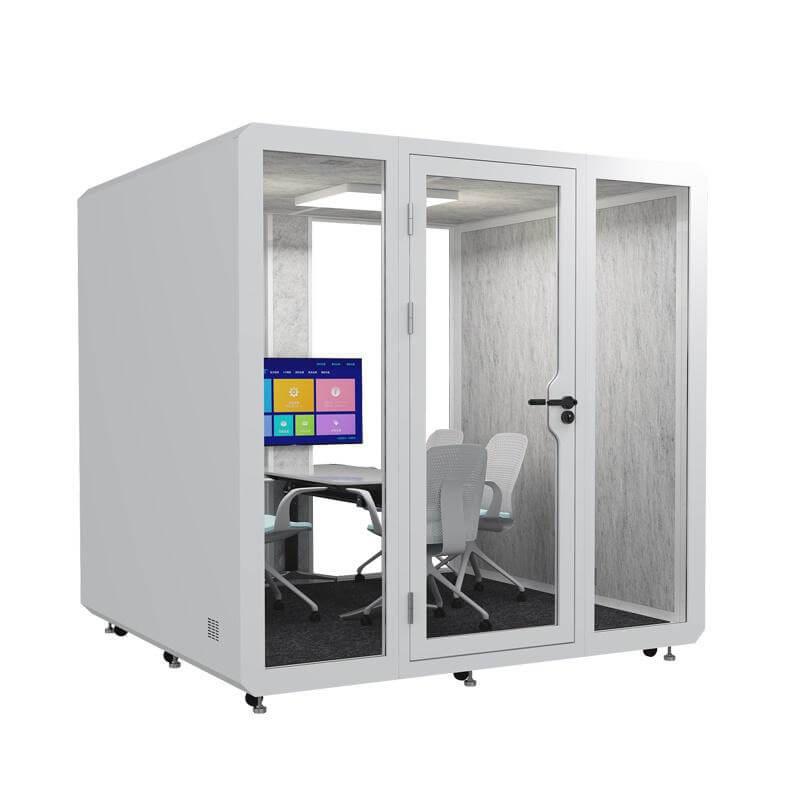
A controlled module and interface schedule linked to the drawing, quotation, assembly method, service plan, and revision history is a useful foundation.
No. Assembly condition, door alignment, floor contact, ventilation, room activity, and listener positions can change the observed experience.
Modular meeting pods create useful flexibility when the first room works, the component and interface records match the delivered configuration, and a future change has a defined route through protection, transport, services, reassembly, and occupied acceptance.
Keep the change-control file with the handover record. It allows a later project to reuse verified product information while forcing a fresh decision on route, floor, services, surrounding activity, and local conditions that can alter the result.
How should a Polish project compare future-change costs: Include disassembly, protection, transport, storage, new building connections, reassembly, testing, downtime, and responsibility for damage or corrections.

 Tel: +8613538031763
 Email: info@sopworkpod.com
 MP/WhatsApp: +8613538031763
 Manufacturer Address:Liucheng Lujiang District,Meixi Road,Nanan City,Fujian,China