Author:SOP Work Pods Manufacturer TIME:2026-08-28
A cost comparison for a Greek workplace may place three meeting pod prices side by side even though the offers stop at different points. Furniture, glass, ventilation, technology, freight, unloading, internal movement, assembly, electrical work, warranty, and support can move between supplier and buyer without changing the product label.
The review must therefore reconstruct a project cost. Start with the meeting activity and controlled configuration, expose every interface between factory and accepted use, and keep unresolved allowances beside the confirmed amount rather than hiding them beneath a subtotal.
This method is not a quotation or a claim about a completed Greek installation. The responsible project team still confirms the actual route, site services, professional requirements, taxes, and contract terms. Its purpose is to make supplier responses comparable before the lowest headline price controls the decision.
Write what the pod must support. A two-person discussion, a four-person hybrid meeting, an interview, a training review, and a project workshop can require different internal dimensions, table arrangements, technology, and occupancy. If every supplier prices a different use case, the buyer may select the cheapest quote simply because it includes less room or less equipment.
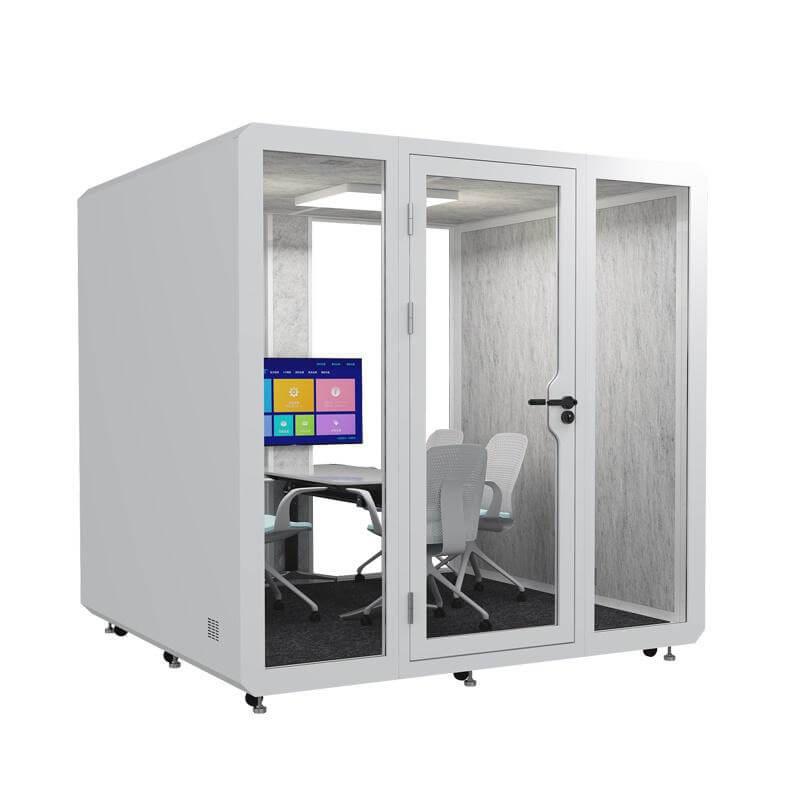
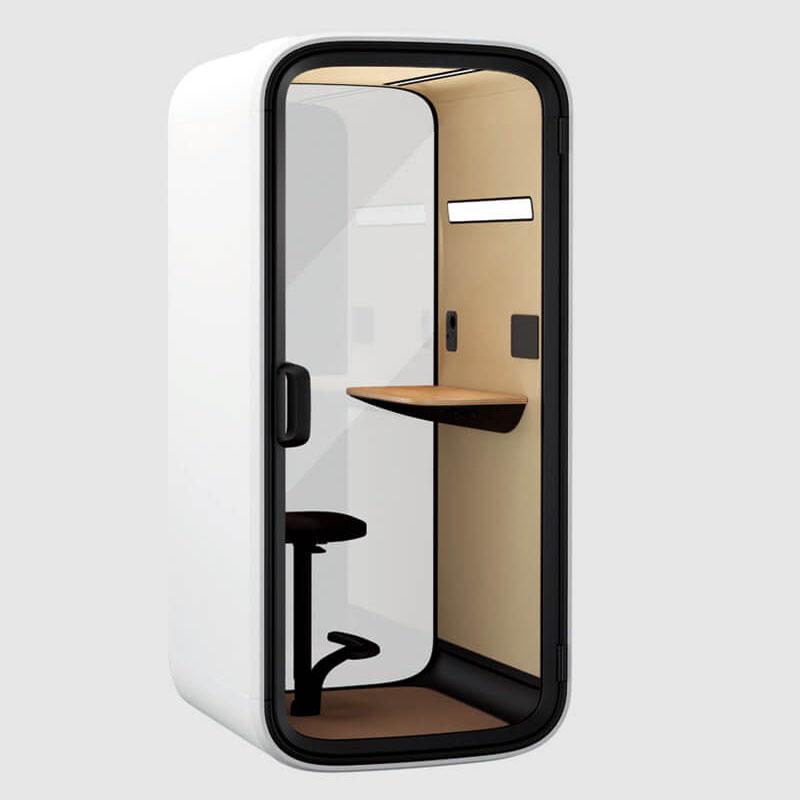
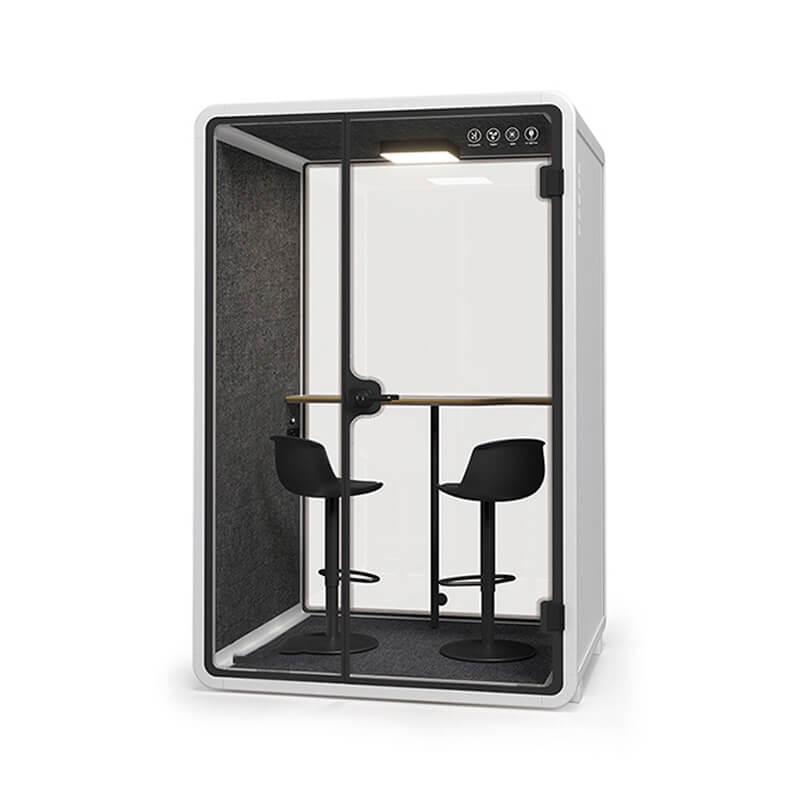
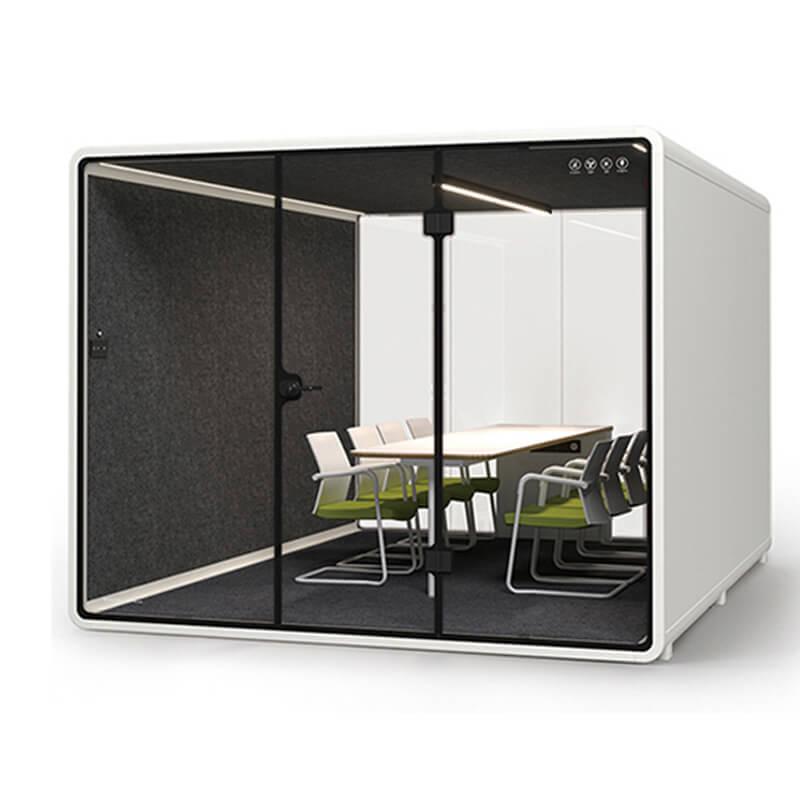
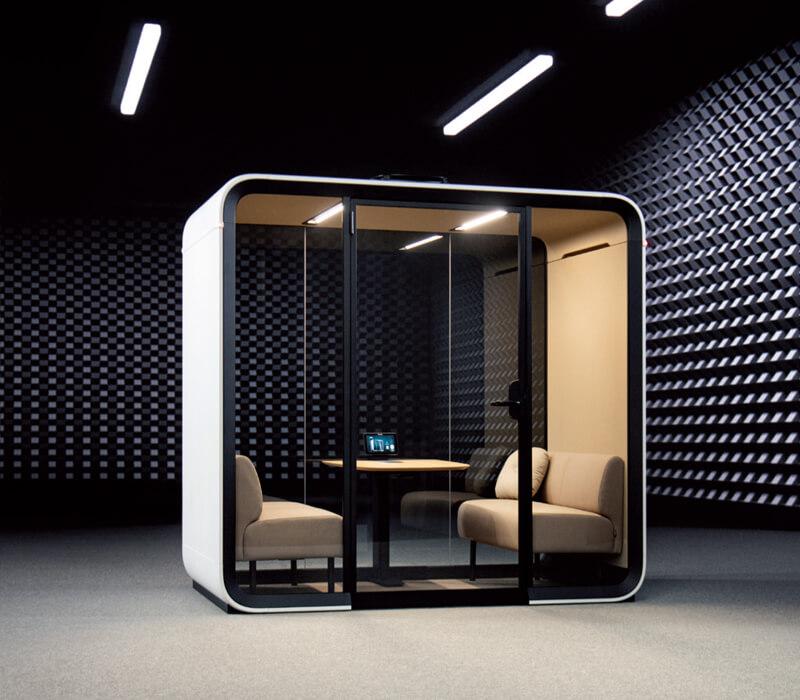
Use the meeting pod range to establish the capacity and option vocabulary for the request, then attach the exact drawing and selected configuration to the commercial comparison. The category reference is not a substitute for itemized project scope. product reference
Record quantity, users, meeting duration, busiest period, privacy objective, devices, display use, power, data, preferred location, delivery address, floor level, lift information, and expected installation window. The more clearly the use is described, the easier it becomes to compare a price with the work it is intended to support.
Separate mandatory conditions from preferences. A clear door route, enough work surface, ventilation, lighting, required outlets, and a defined privacy objective may be mandatory. A fabric, colour, shelf, or decorative finish may be optional. This distinction prevents a low price from winning by quietly excluding an item that users need.
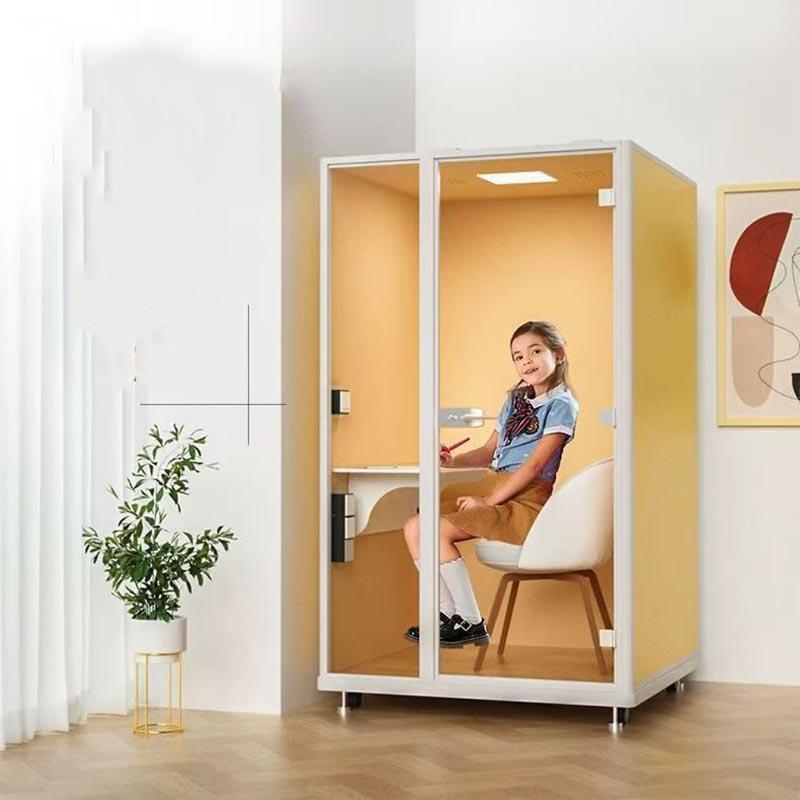
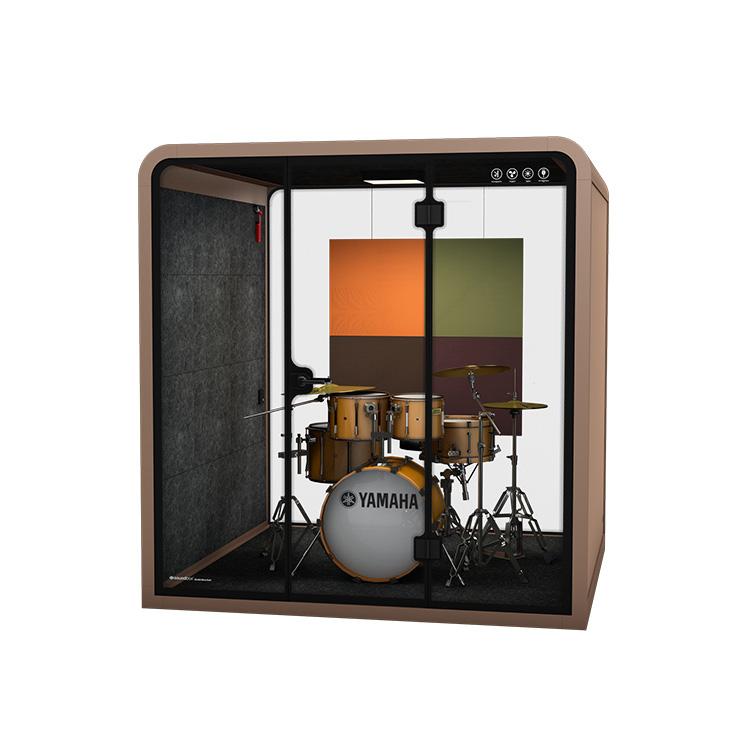
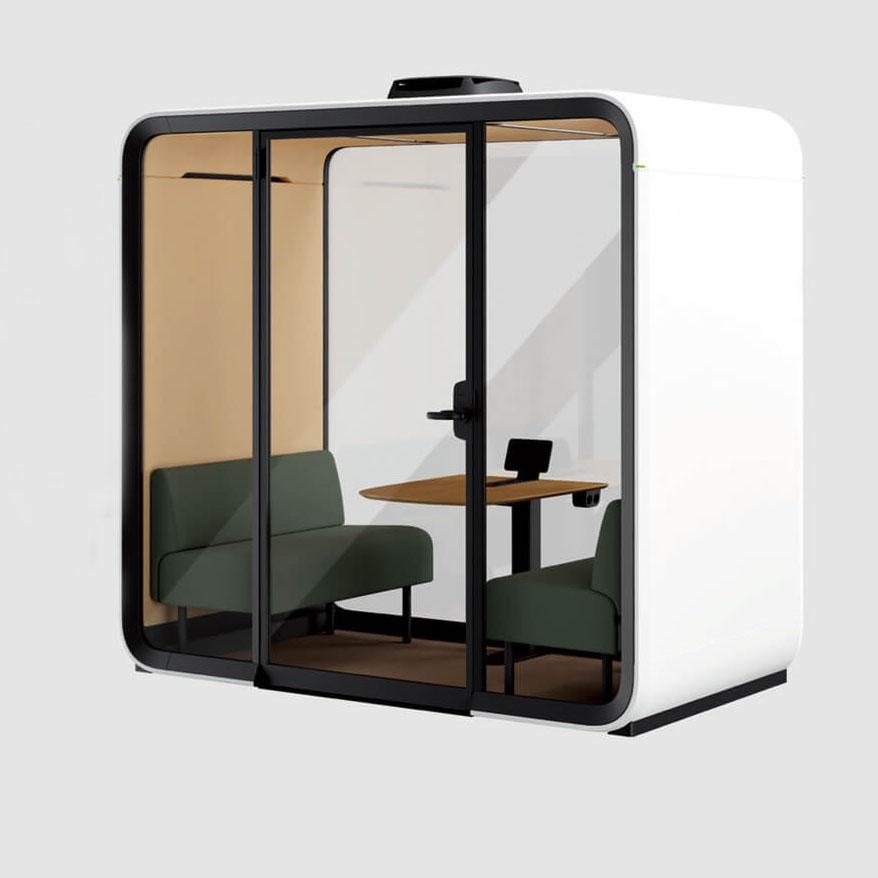
Ask every supplier to identify the base enclosure and each option. Useful lines include panels, glass, door and frame, seals, floor, ceiling, furniture, table, seating, lighting, ventilation, controls, outlets, data point, finish, packaging, and service access. Ask whether the shown configuration is standard or assembled from options. A product image is a visual reference, not a price schedule.
Check that the technical drawing and the price describe the same revision. A larger pod, different door, screen, chair, or lighting arrangement may appear in a photograph but be excluded from the quote. Keep superseded versions out of the active comparison so a later conversation does not accidentally restore an old scope.
The meeting pod range can help identify the product family for price discussion, but the final comparison should use the exact model, dimensions, options, and responsibilities. Request a revised response when a supplier uses a different boundary. Do not force unlike scopes into one unit price.
Price is affected by how the product reaches the final room. Ask for package count, packed dimensions, weight information, unloading method, delivery point, internal movement, lift or stair requirements, temporary storage, floor protection, opening method, assembly area, packaging removal, and working hours. Measure the real route before approving the commercial offer.
Clarify who performs unloading, internal movement, assembly, leveling, furniture installation, electrical connection, data connection, testing, cleaning, and damage correction. A factory price may not include every local site task. The project team should confirm Greek building and property conditions with the responsible professionals rather than assume that a standard installation scope fits every site.
Consider disruption. A pod installed in an occupied office may require protected routes, staged deliveries, restricted working hours, or temporary relocation of desks. These actions have a cost even when they do not appear on the product line. Ask for a method statement or responsibility description appropriate to the project.
List what the building must provide: final circuit, protection, connection point, network route, floor condition, ceiling clearance, service access, and any required inspection. Ask what is included inside the pod and what is outside it. A quote that includes internal outlets may still exclude the final circuit and building connection.
Technology can create a large scope difference. Compare whether the price includes a display, camera, microphone, speakers, mounting, cable management, account setup, network testing, and support. If the buyer supplies devices, record who installs and tests them. A room that is physically finished but cannot start a meeting creates a cost after purchase.
Ventilation and lighting should be included in the operating review. Ask how controls work, where maintenance access is located, what model-specific information exists, and whether service parts are included in the warranty route. Do not add unsupported airflow or noise numbers to make one quote appear more complete.
A cheaper pod may cost more if users avoid it. Evaluate seat support, table reach, device setup, face lighting, glare, air movement, heat, fan sound, door movement, privacy, cleaning, and reset time during the longest ordinary meeting. Use the same scenario for each supplier when possible. The objective is not to reward a staged photograph but to compare the product’s ability to support daily work.
Define what would trigger a correction. A vague concern that the pod feels small is less useful than a record that four people could not enter and exit without moving the table. A general statement that the pod is quiet is less useful than a defined listener observation. Convert the project’s important conditions into acceptance checks before the quote is approved.
Consider maintenance risk. Ask how the door, seals, ventilation, controls, lighting, furniture, and surfaces are inspected and repaired. Record response route, spare-part assumptions, cleaning method, and downtime. An apparently low price with unclear support may be poor value for a heavily booked office.
Also check the location of the pod's service points against the final room. A connection that is technically available but blocked by furniture, a skirting board, or a restricted access panel can become a recurring labour cost. Record the access assumption in the comparison so the selected offer remains understandable after the installation team arrives.
Put every offer into the same cost structure. Keep tax, currency, freight assumptions, exchange exposure, and validity period visible. The table is a comparison aid, not a promise of final price. It helps the buyer see where a supplier has included a task and where another has left it open.
Use the same table at negotiation and contract award. If an option is removed, show its effect on the intended use. If a responsibility moves to the buyer, price the labour and coordination rather than leaving the change invisible.
Create an exclusion register beside the table. For every blank or 'by buyer' line, name the responsible party, estimated allowance, confirmation deadline, and effect if the assumption fails. This record prevents a low subtotal from hiding unresolved work and gives procurement a clear reason to reject, conditionally accept, or reprice an offer.
| Cost area | Question to ask | Approval evidence |
|---|---|---|
| Product and options | Which enclosure, furniture, finish, lighting, ventilation, and controls are included? | Configuration drawing and itemized offer |
| Delivery and access | Who handles freight, unloading, internal movement, route protection, and storage? | Measured route and delivery scope |
| Installation and services | Who assembles, levels, connects, tests, and removes packaging? | Responsibility schedule and site readiness record |
| Operation and support | What cleaning, warranty, service, parts, and downtime assumptions apply? | Handover pack and support route |
Ask how long the offer remains valid, which assumptions may change, how currency or freight changes are handled, and what happens if the site is not ready. Confirm the production trigger, drawing approval, delivery notice, installation scope, warranty start, and correction process. These terms matter when a project is coordinated across procurement, facilities, IT, and building teams.
Use version control. The price should identify the drawing revision, option list, finish, furniture, services, and delivery scope. A late change to door orientation, display, table, or ventilation can affect both price and fit. Do not rely on an email phrase that does not update the controlled offer.
Commercial protection does not mean promising that every cost is fixed before the site is known. It means separating confirmed scope from conditions that still require a route survey, local review, or final service decision. Buyers can approve uncertainty when it is named, owned, and priced as far as possible.
Before approval, compare the selected offer with the floor plan, route, use script, technology list, service boundaries, and acceptance checks. Inspect the exact product or representative configuration when possible. Ask how users enter, connect, meet, leave, clean, and report a problem. A commercial decision is stronger when the team understands the working result rather than only the invoice value.
Handover should verify product identity, physical condition, door, panels, glass, seals, furniture, lighting, ventilation, outlets, controls, cable route, and service access. Then run the intended meeting with the actual participants and devices. Record observations and correction owners. A product that looks correct but cannot support the use should remain open until the cause is understood.
After normal use begins, review booking pressure, comfort, maintenance, recurring faults, and whether the pod is solving the original problem. This follow-up is useful for future purchases because it replaces an assumed value with workplace evidence. It also helps the buyer distinguish an equipment issue from a placement or operating-policy issue.
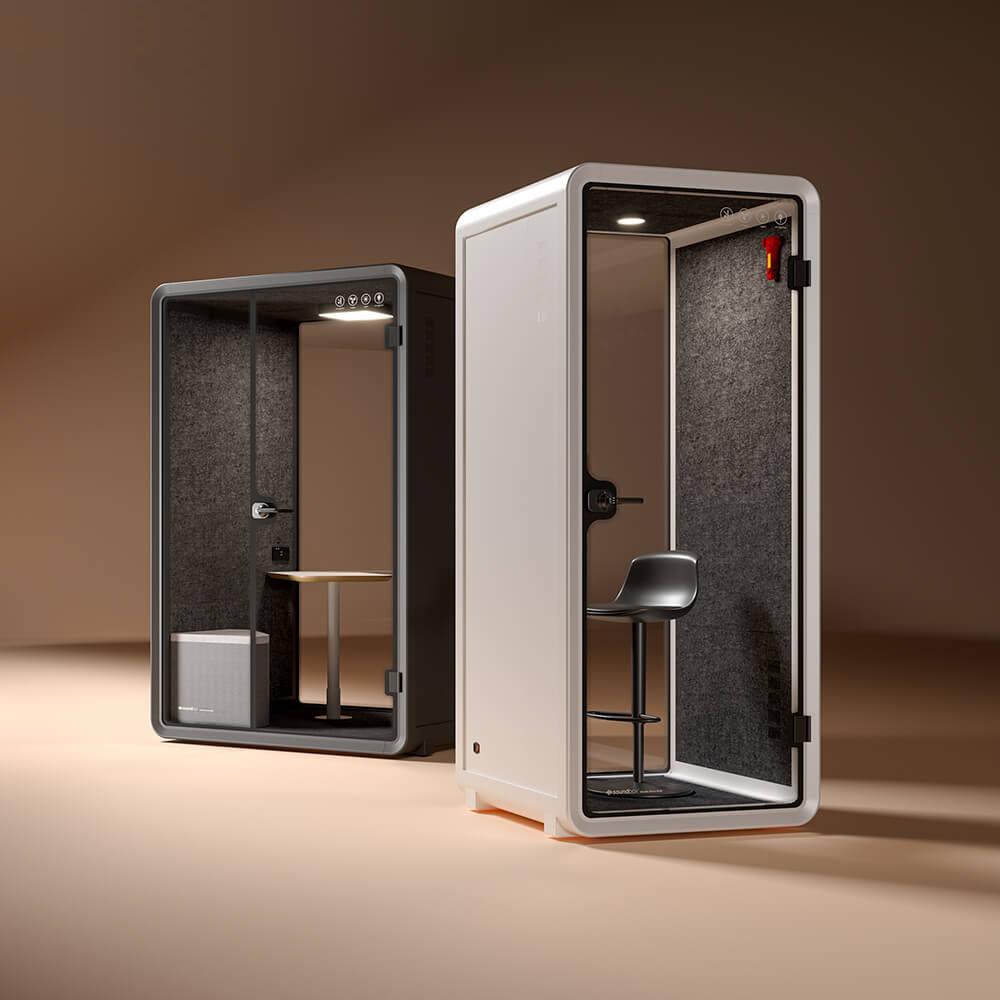
It depends on the supplier and configuration. Ask for itemized product, options, delivery, assembly, services, technology, warranty, and support scope rather than relying on a headline number.
They may include different dimensions, furniture, ventilation, lighting, technology, freight, installation, building connections, or responsibility boundaries.
Yes. Separating them makes route assumptions, internal movement, working hours, and local installation tasks easier to compare.
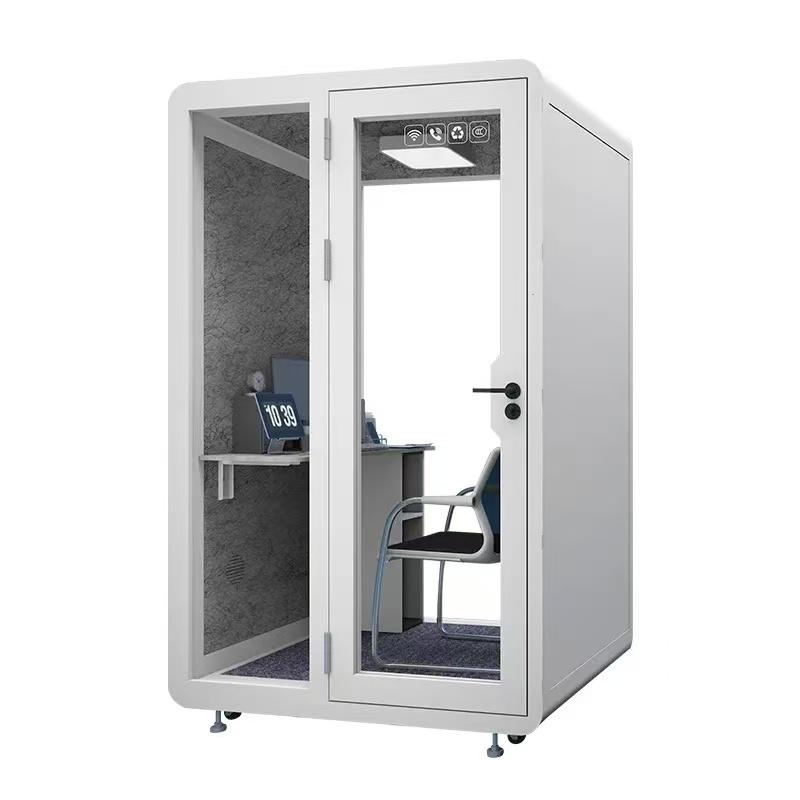
Only when the unknown items are listed, assigned, and priced or bounded as conditions. Unnamed scope is not the same as zero cost.
Meeting pod price becomes decision evidence only after the buyer can distinguish confirmed product scope from options, logistics, site work, technology, operating burden, warranty, and unresolved commercial exposure.
Issue one use brief and cost structure to the bidders, keep each response tied to its drawing revision, and release the award only after the route, services, responsibilities, and acceptance test are visible in the same record.
What should happen before contract award: Approve a controlled model, drawing, options, delivery route, service boundary, commercial validity, and acceptance method that match the intended meeting use.

 Tel: +8613538031763
 Email: info@sopworkpod.com
 MP/WhatsApp: +8613538031763
 Manufacturer Address:Liucheng Lujiang District,Meixi Road,Nanan City,Fujian,China