Author:SOP Work Pods Manufacturer TIME:2026-08-28
A used office privacy pod can look inexpensive until the receiving team discovers mixed revisions, missing connectors, damaged seals, undocumented wiring, incomplete fasteners, unsuitable cleaning history, or a delivery route that requires another disassembly. The purchase price describes only the transfer. Reuse value depends on the condition and work needed to create a complete, supportable installation.
Inspection begins with identity, not cosmetic grade. Each unit needs a model and configuration record, component reconciliation, condition findings, handling history, cleaning and technical work, new-site fit, reassembly plan, acceptance route, cost owner, and visible unknowns. Pods from the same seller may reach different dispositions.
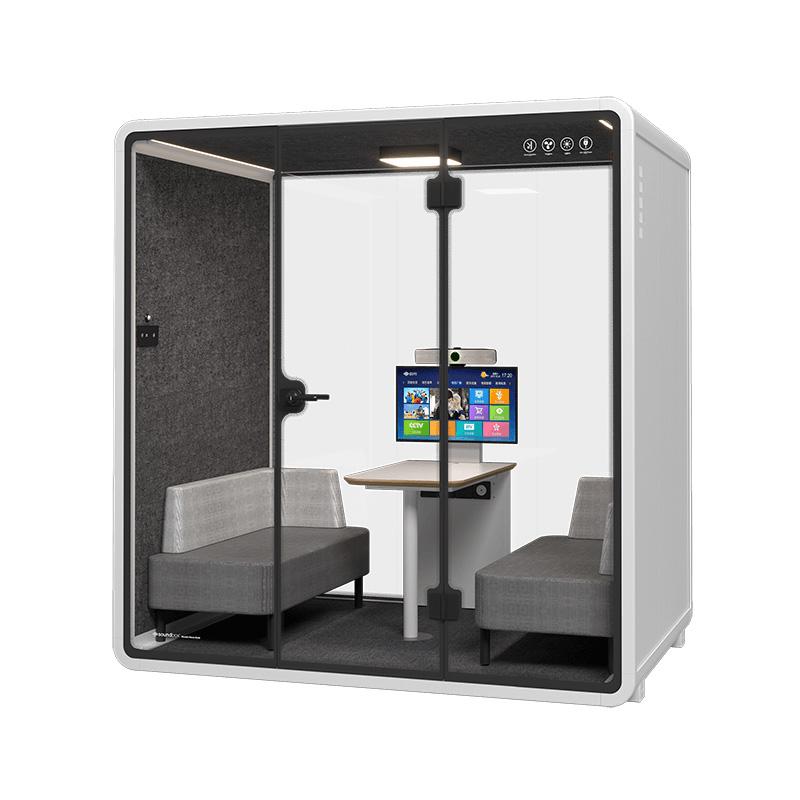
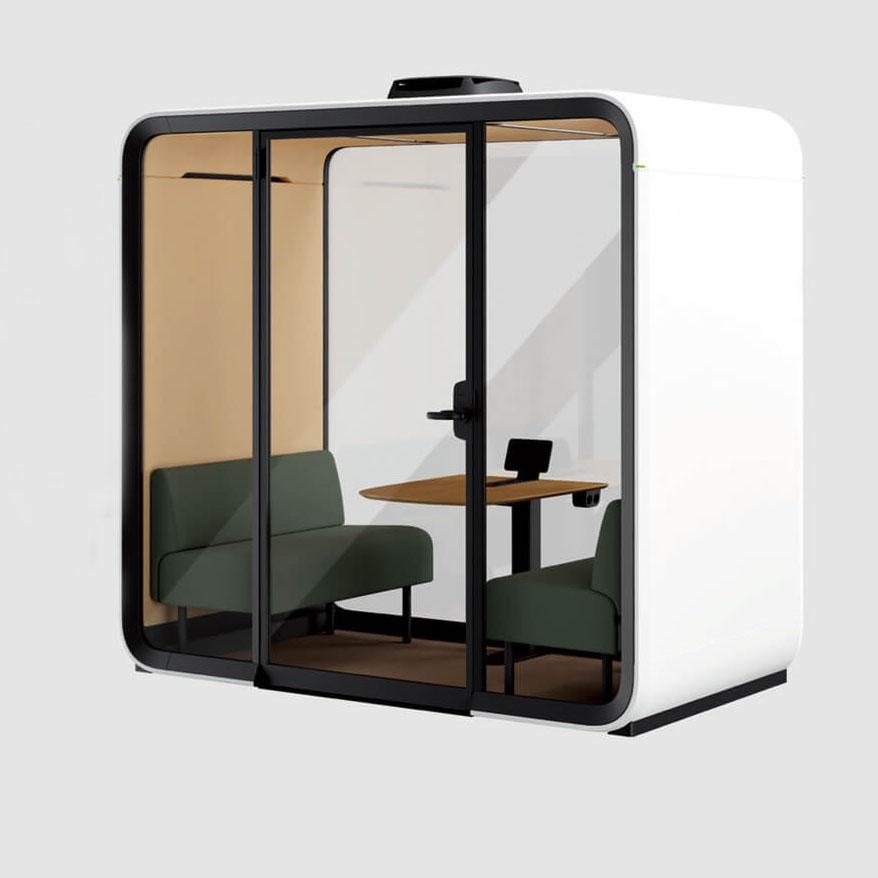
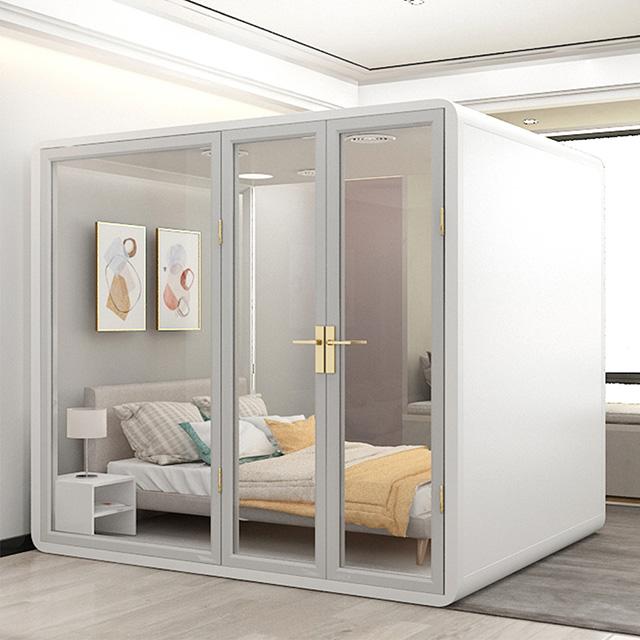
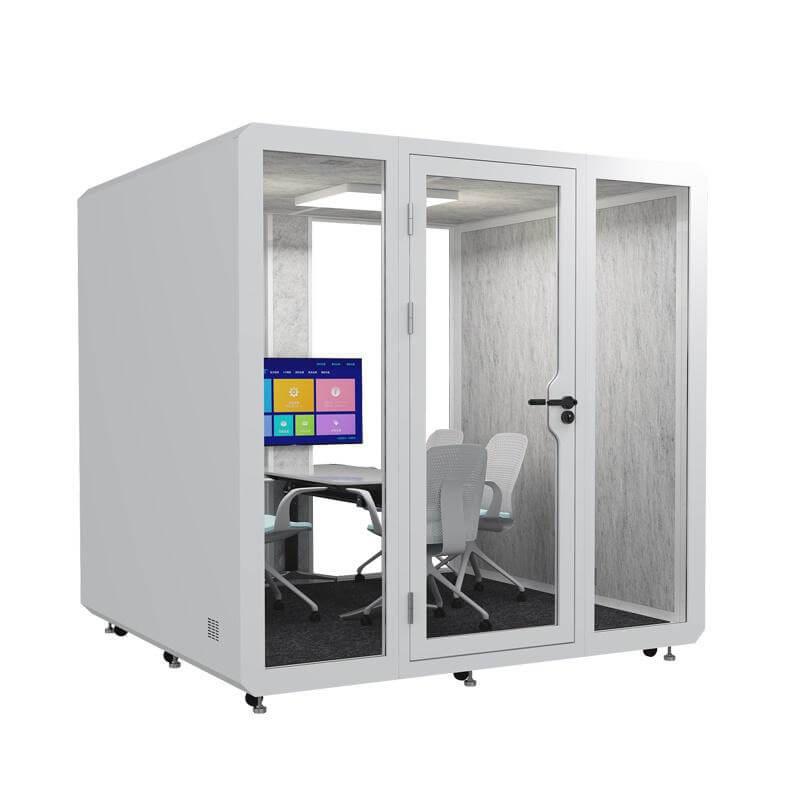
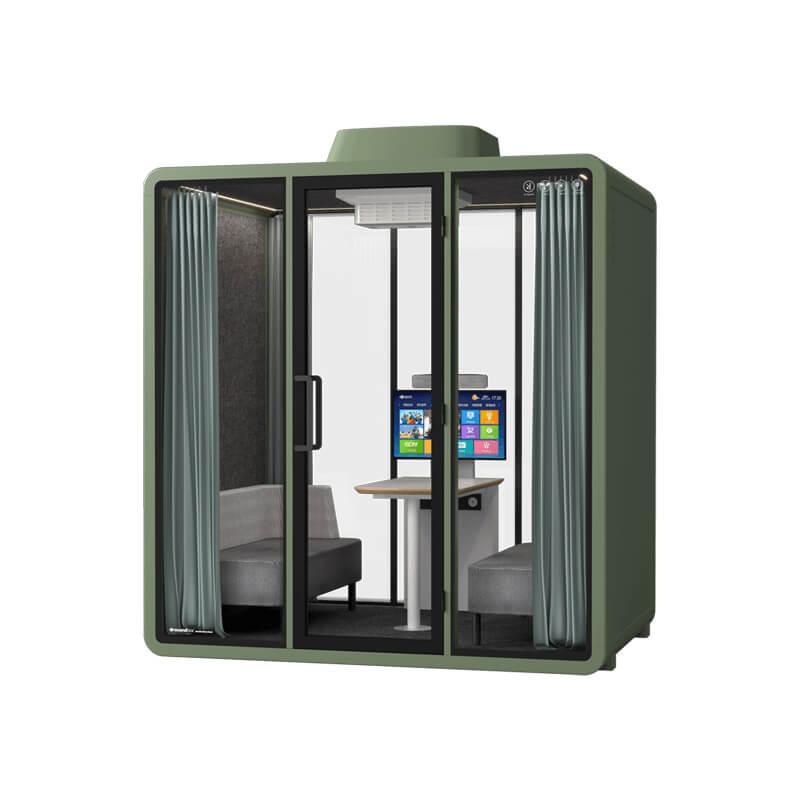
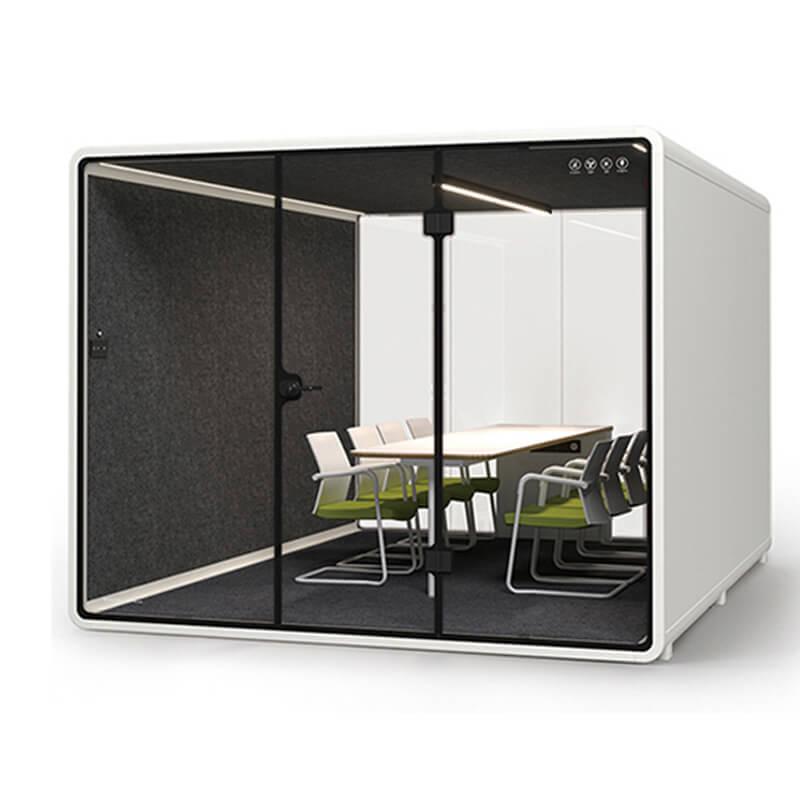
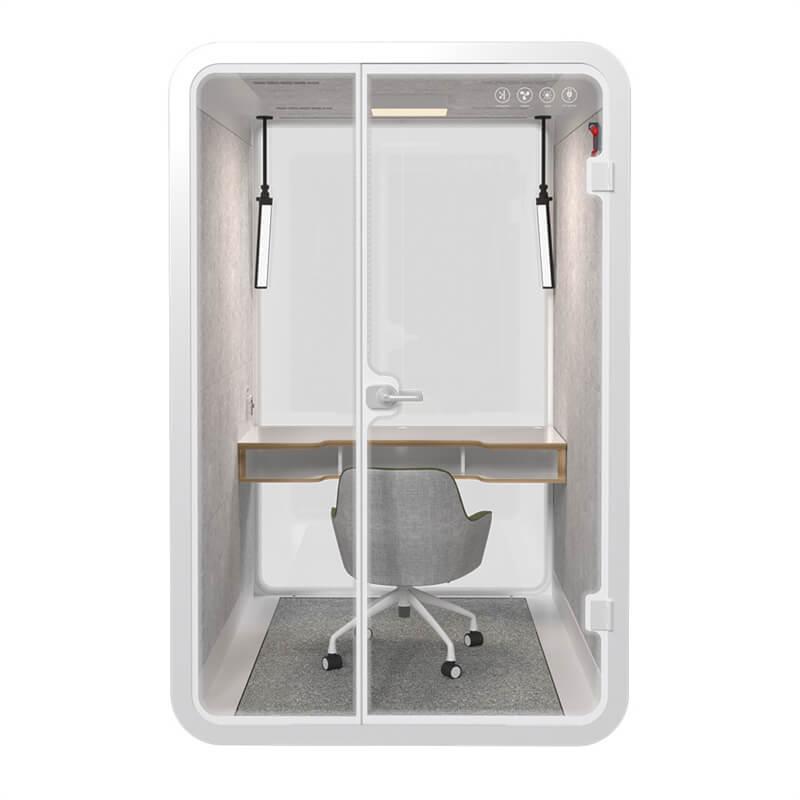
The office privacy pod reference provides a product context, but the decision remains unit-specific. This ledger separates retain, repair, replace, investigate, and reject findings so a favorable appearance cannot hide missing evidence or work that has merely been deferred to the buyer.
Inspect establish Pod Identity and Configuration History as part of a used-asset condition survey; A model label, serial reference, drawing, component schedule, and previous location history help the team understand what is actually being offered; The survey helps a facility manager deciding whether previously installed privacy pods can be reused safely and practically determine whether each used pod has enough identity, condition, completeness, and relocation evidence for a controlled reuse project; A used pod can appear complete while missing hardware, documents, serviceable components, configuration identity, or evidence of damage during disassembly and storage when reviewing establish Pod Identity and Configuration History.
Identify the exact unit before collecting identification photographs and available original records; Note observed condition, missing information, previous repair, disassembly status, storage exposure, and any limit on inspection; On that basis, quarantine units whose identity cannot be reconciled with required parts; Photographs support the record but do not replace component identity or a documented functional check.
Classify the establish Pod Identity and Configuration History outcome as retain, service, replace, investigate, or exclude from the offer; Link the classification to relocation and recommissioning work so the buyer can see where used condition affects later responsibility; Keep cosmetic observations distinct from issues that could change use or acceptance.
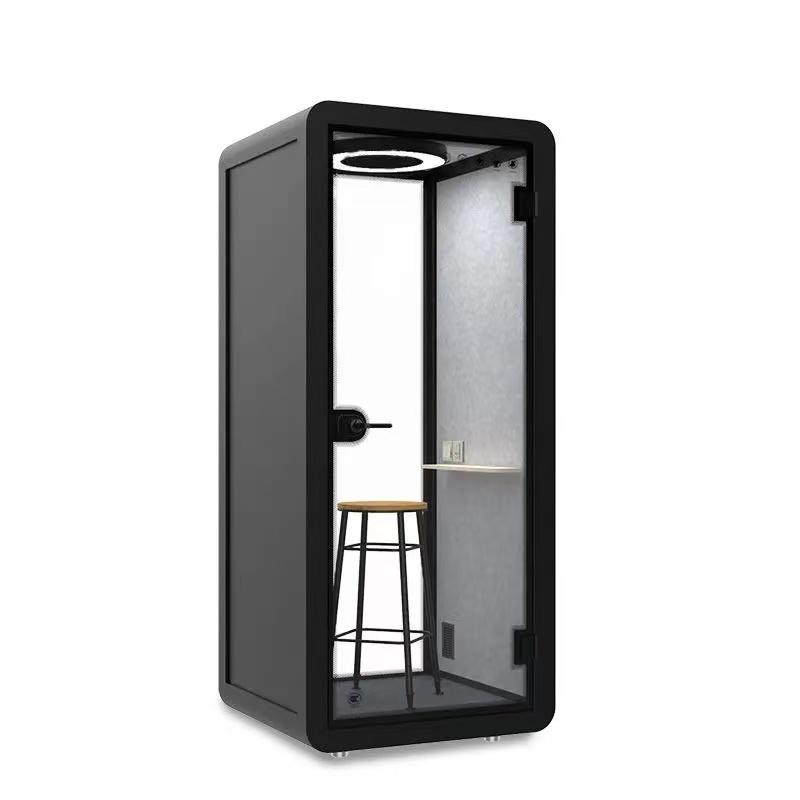
Inspect inspect Panels Frames Glazing and Door Operation as part of a used-asset condition survey; Distortion, cracks, loose joints, damaged edges, worn seals, alignment problems, and finish damage can affect reassembly and daily use; The survey helps a facility manager deciding whether previously installed privacy pods can be reused safely and practically determine whether each used pod has enough identity, condition, completeness, and relocation evidence for a controlled reuse project; A used pod can appear complete while missing hardware, documents, serviceable components, configuration identity, or evidence of damage during disassembly and storage when reviewing inspect Panels Frames Glazing and Door Operation.
Identify the exact unit before collecting a systematic condition record covering every face and moving element; Note observed condition, missing information, previous repair, disassembly status, storage exposure, and any limit on inspection; On that basis, classify findings by cleaning, repair, replacement, or rejection; Photographs support the record but do not replace component identity or a documented functional check.
Classify the inspect Panels Frames Glazing and Door Operation outcome as retain, service, replace, investigate, or exclude from the offer; Link the classification to relocation and recommissioning work so the buyer can see where used condition affects later responsibility; Keep cosmetic observations distinct from issues that could change use or acceptance.
Inspect reconcile Hardware Furniture and Service Components as part of a used-asset condition survey; Fasteners, brackets, covers, furniture, controls, cables, grilles, and documentation can be lost or mixed during removal and storage; The survey helps a facility manager deciding whether previously installed privacy pods can be reused safely and practically determine whether each used pod has enough identity, condition, completeness, and relocation evidence for a controlled reuse project; A used pod can appear complete while missing hardware, documents, serviceable components, configuration identity, or evidence of damage during disassembly and storage when reviewing reconcile Hardware Furniture and Service Components.
Identify the exact unit before collecting a component inventory matched to the identified configuration; Note observed condition, missing information, previous repair, disassembly status, storage exposure, and any limit on inspection; On that basis, confirm replacement availability before approving an incomplete set; Photographs support the record but do not replace component identity or a documented functional check.
Classify the reconcile Hardware Furniture and Service Components outcome as retain, service, replace, investigate, or exclude from the offer; Link the classification to relocation and recommissioning work so the buyer can see where used condition affects later responsibility; Keep cosmetic observations distinct from issues that could change use or acceptance.
Inspect review Disassembly Transport and Storage Evidence as part of a used-asset condition survey; The removal method, package protection, handling orientation, moisture exposure, impacts, and storage conditions influence hidden reuse risk; The survey helps a facility manager deciding whether previously installed privacy pods can be reused safely and practically determine whether each used pod has enough identity, condition, completeness, and relocation evidence for a controlled reuse project; A used pod can appear complete while missing hardware, documents, serviceable components, configuration identity, or evidence of damage during disassembly and storage when reviewing review Disassembly Transport and Storage Evidence.
Identify the exact unit before collecting dated removal and storage records with package photographs when available; Note observed condition, missing information, previous repair, disassembly status, storage exposure, and any limit on inspection; On that basis, increase inspection depth where the history is incomplete; Photographs support the record but do not replace component identity or a documented functional check.
Classify the review Disassembly Transport and Storage Evidence outcome as retain, service, replace, investigate, or exclude from the offer; Link the classification to relocation and recommissioning work so the buyer can see where used condition affects later responsibility; Keep cosmetic observations distinct from issues that could change use or acceptance.
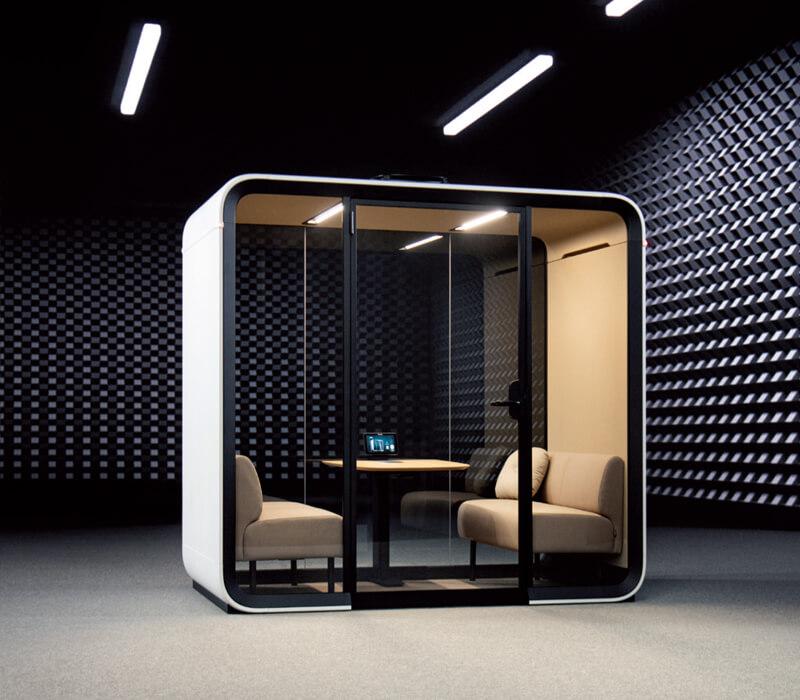
Inspect use a Reuse Condition Classification as part of a used-asset condition survey; A classification should connect observed condition with required work, evidence gaps, decision ownership, and acceptance status; The survey helps a facility manager deciding whether previously installed privacy pods can be reused safely and practically determine whether each used pod has enough identity, condition, completeness, and relocation evidence for a controlled reuse project; A used pod can appear complete while missing hardware, documents, serviceable components, configuration identity, or evidence of damage during disassembly and storage when reviewing use a Reuse Condition Classification.
Identify the exact unit before collecting an itemized register rather than one overall cosmetic grade; Note observed condition, missing information, previous repair, disassembly status, storage exposure, and any limit on inspection; On that basis, prevent units with unresolved functional issues from moving into installation; Photographs support the record but do not replace component identity or a documented functional check.
Classify the use a Reuse Condition Classification outcome as retain, service, replace, investigate, or exclude from the offer; Link the classification to relocation and recommissioning work so the buyer can see where used condition affects later responsibility; Keep cosmetic observations distinct from issues that could change use or acceptance.
| Condition class | Evidence required | Disposition | Cost or risk owner |
|---|---|---|---|
| Serviceable as found | Identity, completeness and accepted checks | Protect and carry into reassembly baseline | Buyer receiving lead |
| Repair before move | Defect, method, part identity and release check | Close before packing where access is better | Seller or agreed repair owner |
| Replace at reassembly | Missing or worn item and compatible reference | Pack location and installation requirement | Project cost owner |
| Investigate | Unknown history, hidden interface or conflicting record | Hold affected decision until evidence is obtained | Named technical reviewer |
| Reject unit or component | Damage, incompleteness or unsupported risk | Exclude and update package and price | Commercial approver |
Inspect plan Cleaning Electrical and Ventilation Checks as part of a used-asset condition survey; Hygiene work, electrical inspection, controls, airflow openings, fans, and replaceable items need attention appropriate to the product and its history; The survey helps a facility manager deciding whether previously installed privacy pods can be reused safely and practically determine whether each used pod has enough identity, condition, completeness, and relocation evidence for a controlled reuse project; A used pod can appear complete while missing hardware, documents, serviceable components, configuration identity, or evidence of damage during disassembly and storage when reviewing plan Cleaning Electrical and Ventilation Checks.
Identify the exact unit before collecting manufacturer information and checks performed by competent responsible parties; Note observed condition, missing information, previous repair, disassembly status, storage exposure, and any limit on inspection; On that basis, avoid inventing service procedures when product-specific guidance is unavailable; Photographs support the record but do not replace component identity or a documented functional check.
Classify the plan Cleaning Electrical and Ventilation Checks outcome as retain, service, replace, investigate, or exclude from the offer; Link the classification to relocation and recommissioning work so the buyer can see where used condition affects later responsibility; Keep cosmetic observations distinct from issues that could change use or acceptance.
Inspect confirm New Site Access and Interface Fit as part of a used-asset condition survey; A pod that worked elsewhere may face different delivery routes, floor conditions, power points, room airflow, clearances, and user needs; The survey helps a facility manager deciding whether previously installed privacy pods can be reused safely and practically determine whether each used pod has enough identity, condition, completeness, and relocation evidence for a controlled reuse project; A used pod can appear complete while missing hardware, documents, serviceable components, configuration identity, or evidence of damage during disassembly and storage when reviewing confirm New Site Access and Interface Fit.
Identify the exact unit before collecting a new route survey and placement drawing; Note observed condition, missing information, previous repair, disassembly status, storage exposure, and any limit on inspection; On that basis, treat reuse as a new site project rather than a furniture move; Photographs support the record but do not replace component identity or a documented functional check.
Classify the confirm New Site Access and Interface Fit outcome as retain, service, replace, investigate, or exclude from the offer; Link the classification to relocation and recommissioning work so the buyer can see where used condition affects later responsibility; Keep cosmetic observations distinct from issues that could change use or acceptance.
For product context, buyers can review the related product configurations and then return to the project-specific evidence and responsibility checks in this guide.
Inspect set Reinstallation and Acceptance Hold Points as part of a used-asset condition survey; Assembly sequence, missing-part closure, condition repairs, connections, operation, documents, and user readiness should be checked before release; The survey helps a facility manager deciding whether previously installed privacy pods can be reused safely and practically determine whether each used pod has enough identity, condition, completeness, and relocation evidence for a controlled reuse project; A used pod can appear complete while missing hardware, documents, serviceable components, configuration identity, or evidence of damage during disassembly and storage when reviewing set Reinstallation and Acceptance Hold Points.
Identify the exact unit before collecting a witnessed reinstallation checklist linked to each pod identity; Note observed condition, missing information, previous repair, disassembly status, storage exposure, and any limit on inspection; On that basis, hold acceptance until material findings are closed or explicitly accepted; Photographs support the record but do not replace component identity or a documented functional check.
Classify the set Reinstallation and Acceptance Hold Points outcome as retain, service, replace, investigate, or exclude from the offer; Link the classification to relocation and recommissioning work so the buyer can see where used condition affects later responsibility; Keep cosmetic observations distinct from issues that could change use or acceptance.
No. Identity, completeness, frame and panel interfaces, glazing, door operation, seals, fasteners, services, ventilation, electrical condition, cleaning history, disassembly, storage, and documents can matter more. Cosmetic findings still belong in the record, but they should not substitute for a functional and assembly review.
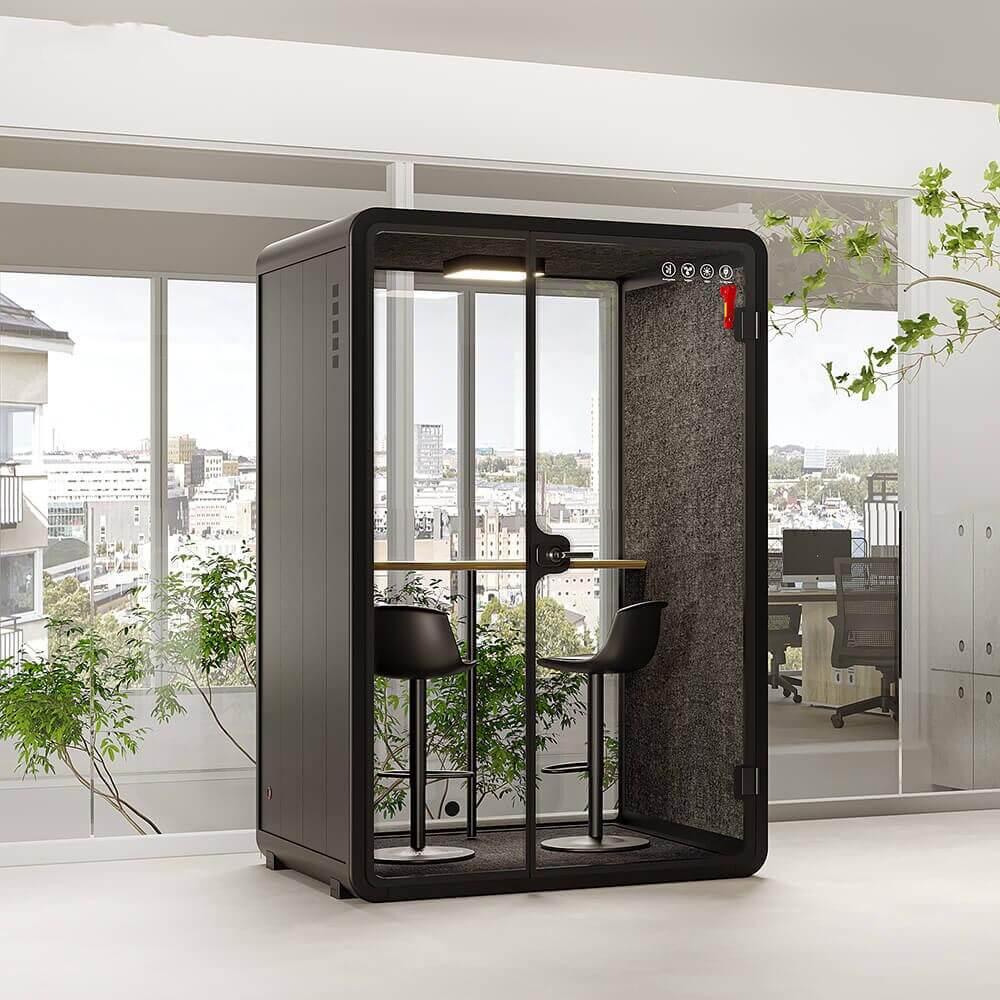
Use common documents where they genuinely apply, but identify and inspect each unit or controlled unit group. Wear, revisions, missing items, handling events, repairs, and storage conditions may differ. The package list and condition ledger should make exceptions visible instead of averaging them into one grade.
Try to recover model-specific information and identify the components before planning work. Route electrical, structural, glazing, lifting, cleaning, and other specialist questions to competent reviewers. Do not invent procedures. Keep the evidence gap in the cost and acceptance decision until a supportable method is approved.
Acceptance follows reconciled identity and parts, completed repairs, correct assembly, site interfaces, authorized electrical and ventilation checks, door and control operation, cleaning, documents, and closure or explicit acceptance of remaining limits. A unit is not ready merely because it stands upright and powers on.
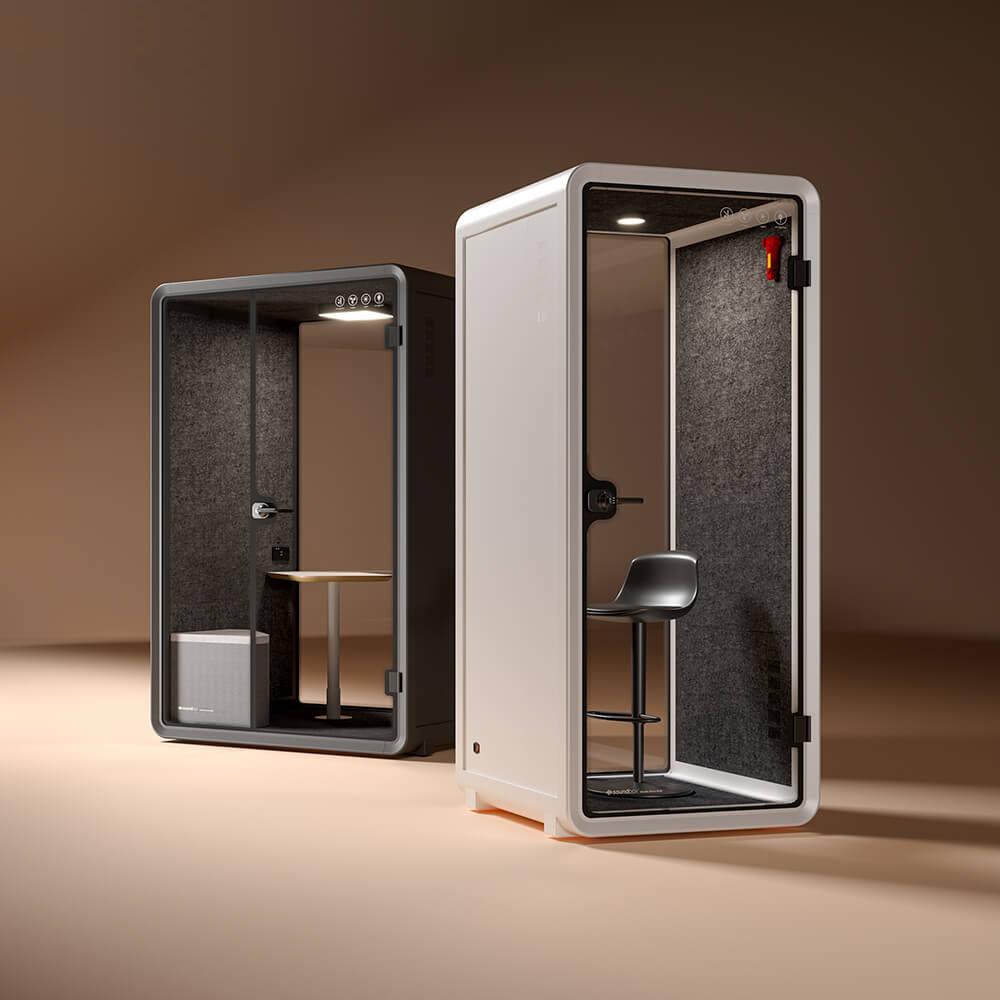
Inspect used office privacy pods as assets with residual condition, not as discounted new products. Identity, completeness, assembly interfaces, handling history, technical work, cleaning, access, reinstallation, support, and unresolved evidence all change the reuse decision.
Buy only after every unit has a disposition ledger and the full second-installation baseline is costed. Reject apparent savings that depend on unidentified parts, improvised work, or risks with no acceptance owner.

 Tel: +8613538031763
 Email: info@sopworkpod.com
 MP/WhatsApp: +8613538031763
 Manufacturer Address:Liucheng Lujiang District,Meixi Road,Nanan City,Fujian,China