Need Help?
Please leave your contact information to get our latest catalog
Get In Touch Now >


Author:SOP Work Pods Manufacturer TIME:2026-07-24
Table of Contents
1. Convert engineering work into a design basis
2. Survey the garage as a technical environment
3. Control temperature and moisture risk
4. Build resilient power and data services
5. Separate calls from tools and vibration
6. Protect prototypes, screens, and records
7. Test the engineer's complete workstation
8. Use a garage failure-mode register
9. Commission with an authentic remote shift
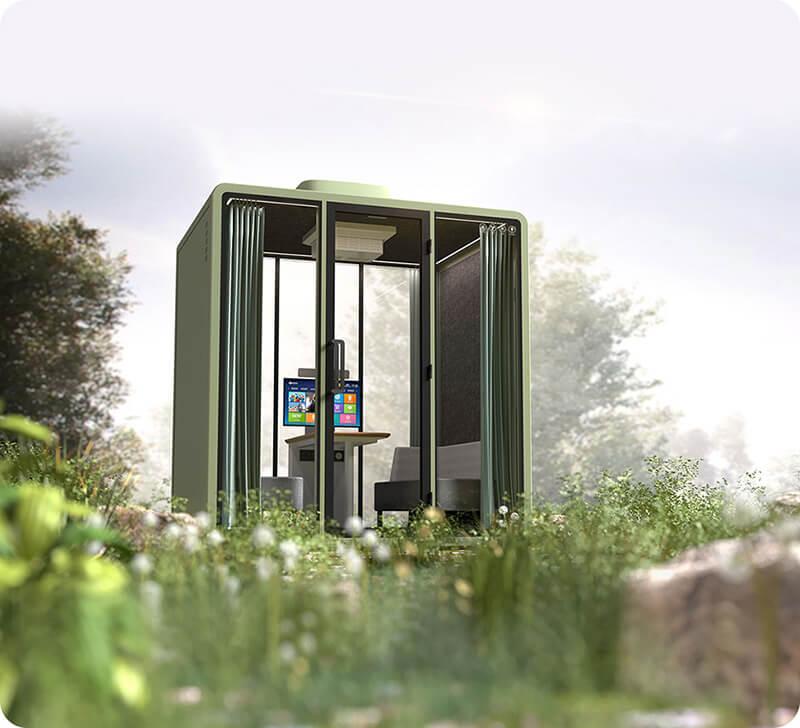
A garage office pod for remote engineering teams must perform as a small technical workplace inside a room that was rarely designed for office use. Garages can experience temperature swings, dust, stored chemicals, tool noise, vehicle movement, weak wireless coverage, uneven floors, and shared household access. A product photograph cannot show how those conditions will affect a design review, diagnostic call, model download, or six-hour documentation block.
The planning method should resemble an engineering design basis. Define the workload, record the garage environment, allocate power and network services, identify failure modes, and agree acceptance tests. This approach helps a remote engineer distinguish a dependable workspace from an enclosure that merely fits between storage shelves.
List recurring tasks by duration, equipment, information sensitivity, and interaction. A mechanical engineer reviewing drawings may need two displays and room for marked-up documents. A software or controls engineer may need stable wired data, a test device, and long video calls. A field engineer may bring dusty cases into the garage but should not bring them into the clean work area without a transition process.
Record the highest simultaneous electrical load, the largest normal file transfer, the longest occupied session, the loudest speaking pattern, and the equipment that must remain within reach. Include camera distance, headset storage, reference books, charging, and any secure prototype. Separate essential requirements from preferences so that thermal control and connectivity cannot be traded away for a finish option.
Define what the pod will not support. Soldering, battery charging outside manufacturer instructions, chemical handling, machining, hot work, and storage of flammable material require controls that a standard office enclosure may not provide. Keep workshop activities within an appropriately managed zone and establish a clean boundary around the office pod.
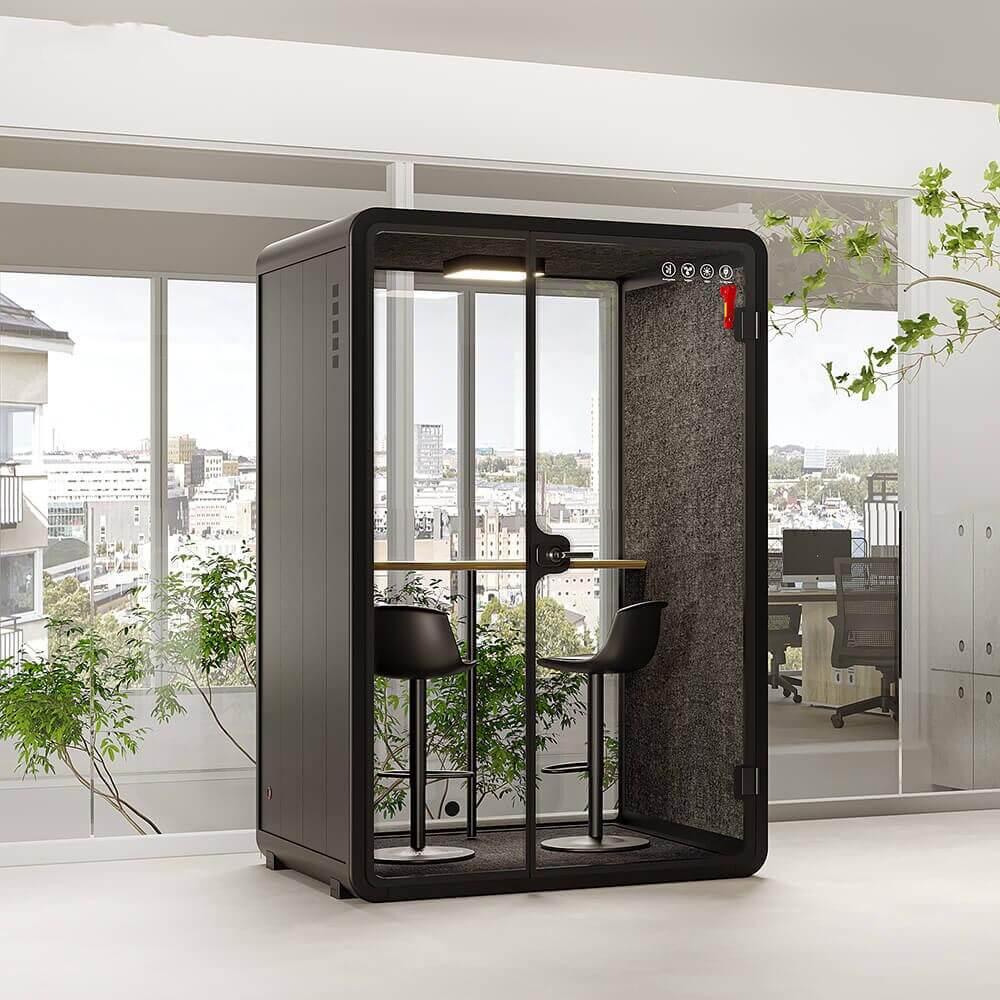
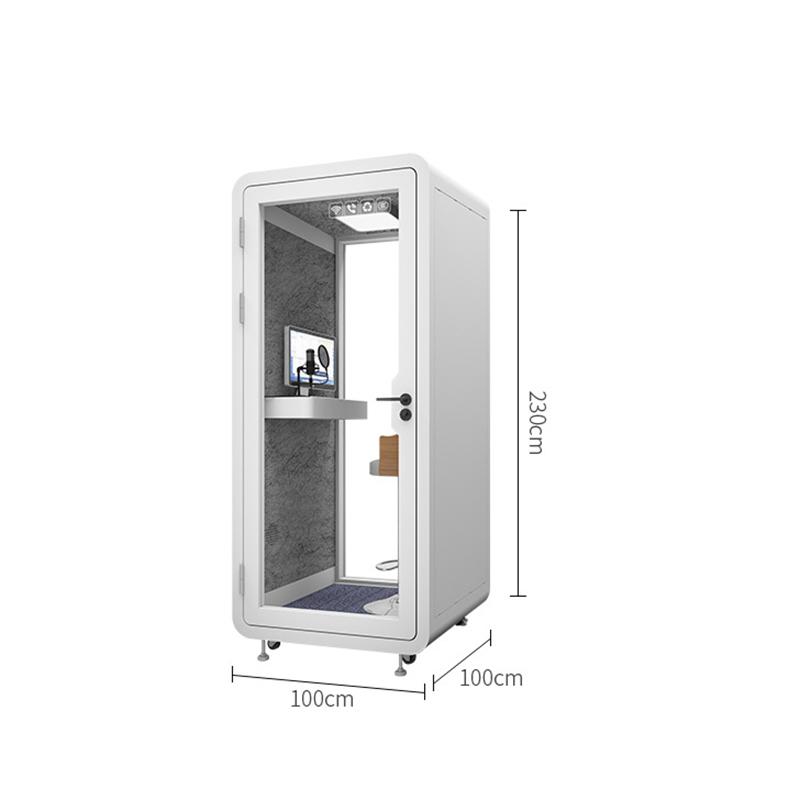
Measure the garage, delivery route, door tracks, ceiling equipment, floor slope, drains, sockets, windows, ventilation openings, storage, and vehicle clearance. Mark the pod footprint plus installation and service space. Open the main garage door and every cabinet at the proposed location. A model can fit the static drawing and still block a normal household or workshop movement.
Observe conditions at several times and in different weather. Note direct sun, cold surfaces, condensation, wind-driven dust, rain entry, exhaust odors, insects, and noise from compressors or doors. Check whether the garage is legally and practically permitted to serve as a regular workplace; property, lease, insurance, planning, building, electrical, fire, and workplace requirements vary by location and project.
Inspect the floor rather than assuming it is level and dry. A sloped slab may require an approved leveling solution. Moisture can affect finishes, electrical safety, air quality, and stored equipment. Qualified local professionals should evaluate any uncertainty about structure, damp, drainage, hazardous materials, or conversion requirements before purchase.
A small occupied enclosure gains heat from the user, displays, laptop, lighting, and network devices. Its internal fans exchange air with the surrounding garage; they do not turn an unconditioned garage into a stable office climate. Record seasonal garage temperature and humidity, then ask how the proposed pod performs within the supplier's stated operating conditions.
Test the full work block with equipment operating and the door closed. Observe warm-up rate, air movement at the seated position, surface condensation, fan noise, and recovery before the next session. Avoid directing portable heaters or coolers into ventilation openings unless the complete arrangement is approved. Any fixed environmental work should be designed and installed by competent local specialists.
Manage moisture at the building level first. Repair leaks, control rain entry, maintain drainage, and avoid trapping the pod against damp surfaces. Leave the required clearances around air paths and panels. Keep a temperature and humidity log during the first seasonal cycle so that early warning signs are addressed before they damage electronics or finishes.
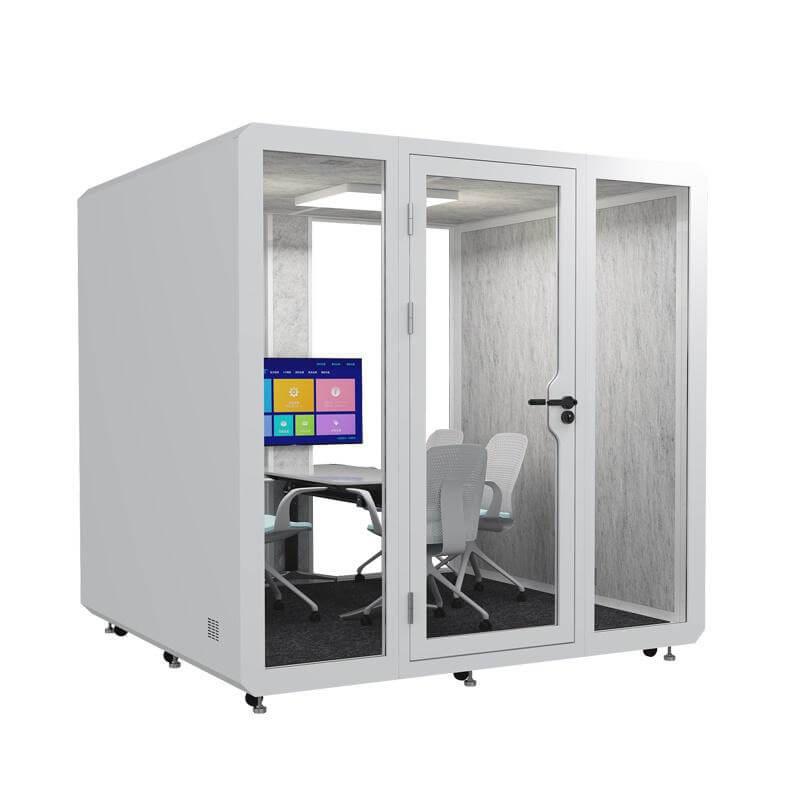
Create a load and connection schedule for displays, workstation, dock, chargers, light, fans, test hardware, and any approved auxiliary device. Confirm circuit capacity, earthing, protection, outlet position, and final connection with a qualified electrician. Temporary extension leads across a garage floor are vulnerable to vehicles, moisture, tools, and trips; they should not become the permanent design.
Test network performance from the marked location during the busiest household period. Engineering work may involve source repositories, remote desktops, simulation results, secure calls, and large drawings. Measure sustained call behavior and file transfer, not only a single speed result. A wired route is often easier to make predictable, provided cable entry is coordinated without damaging seals or circulation.
Define failure response. A small uninterruptible power supply may protect selected network or computer equipment when properly specified, but it introduces load, heat, battery, maintenance, and shutdown considerations. Decide which tasks can continue on a tested mobile connection and which require a planned fallback workplace. Remote engineering continuity should not depend on one untested household router.
Map airborne and structure-borne noise. Conversation, radios, and general workshop sound behave differently from door impact, compressor vibration, vehicle movement, or machinery coupled to the slab. Ask for complete-pod acoustic evidence and understand its test conditions. A wall-panel rating does not predict low-frequency vibration through the base or sound entering through ventilation paths.
Position the pod away from high-impact equipment and avoid sharing supports with vibrating machinery. Run a normal design-review call while representative garage activity occurs. Listen inside, outside, and through the remote participant's microphone feed. Record whether sound is merely audible, distracting, intelligible, or disruptive enough to stop the task.
Operational separation may be the most effective control. Schedule noisy tool use outside critical calls, maintain door hardware, isolate portable equipment appropriately, and prevent storage from blocking pod seals or air paths. Buyers can compare a suitable garage and home office pod range, but the chosen location and workshop rules remain part of the acoustic result.
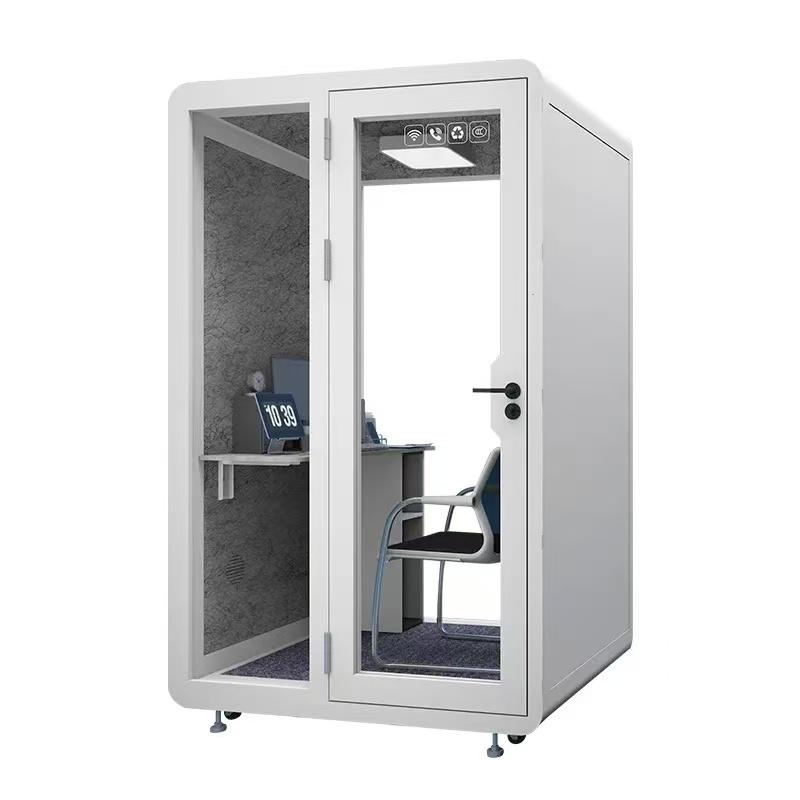
Remote engineering can involve customer drawings, credentials, source code, test results, export-controlled information, or unreleased product details. The pod may limit casual views and household sound, but it does not replace organizational security controls. Review screen sightlines through glazing, device locking, network policy, paper handling, camera background, and secure storage outside the pod.
Separate household, visitor, and workshop access. A garage door left open can expose the workstation to the street. Define when the computer is removed, which files may be printed, how prototypes are stored, and how waste is destroyed. Disable unapproved voice assistants or consumer casting features near confidential calls.
Plan physical security without compromising emergency exit. Locks, occupancy indicators, and authorized access should follow workplace and building policy. Keep serial numbers, asset records, photographs, and insurance information. If the garage remains shared with vehicles or contractors, use a clear clean-desk and end-of-shift checklist.
Arrange actual displays, keyboard, pointing device, notebook, reference document, headset, camera, and dock before accepting the configuration. Check work-surface depth, monitor distance, eye height, knee clearance, chair movement, cable reach, lighting, glare, and the ability to stand without striking equipment. A narrow shelf can be adequate for calls but unsuitable for detailed drawing review.
Run the longest normal concentration block. Observe seat pressure, shoulder position, screen visibility, temperature, fan sound, and attention fatigue. Engineering errors can be expensive; a workspace that encourages awkward posture or repeated interruptions undermines the reason for buying the pod. Plan breaks and provide another surface outside for activities that need more space.
Check accessibility as a complete route through the garage and into the enclosure. Thresholds, stored items, floor slope, door force, control reach, turning area, and emergency egress all matter. Where the pod cannot provide an equivalent experience, establish another accessible workspace rather than describing the configuration as universal.
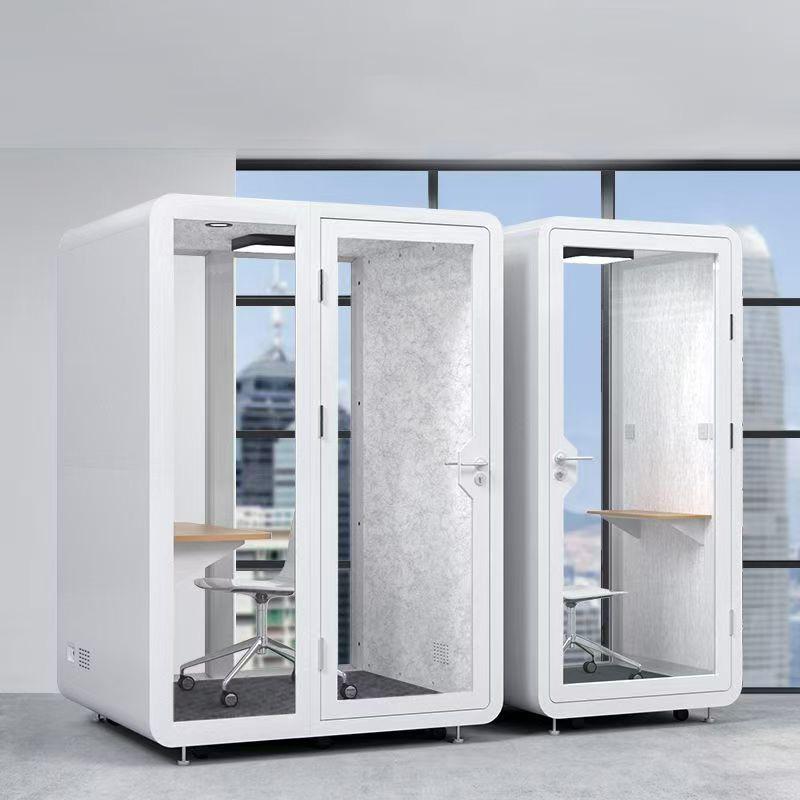
A simple register links each credible failure to a prevention, an acceptance test, and a response owner. High-severity safety or compliance items remain stop conditions even if the overall product score is strong.
| Failure mode | Early evidence | Preventive control | Response |
|---|---|---|---|
| Overheating during design work | Temperature rise in occupied trial | Garage climate plan and clear pod air paths | Stop use, diagnose environment and ventilation |
| Unstable remote connection | Call drop or variable latency at peak time | Managed wired or verified wireless route | Use tested fallback and repair primary service |
| Tool noise enters calls | Remote listener identifies workshop events | Location separation and activity schedule | Pause noisy work or relocate the session |
| Moisture affects equipment | Condensation, odor, damp surface, corrosion | Building repair and seasonal monitoring | Isolate power and obtain qualified inspection |
| Garage circulation conflict | Blocked door, vehicle path, or service area | Full movement survey and marked clearance | Remove conflict before reopening the route |
| Confidential material exposed | Visible screen, paper, or open garage access | Clean-desk, sightline, device, and access controls | Follow organizational incident procedure |
Do not accept the pod after a five-minute demonstration. Run a representative shift segment containing a design review, sustained file transfer, focused drawing task, normal call, equipment charging, and a period of typical garage activity. Use the intended number of displays and keep the door in its normal operating position.
Record temperature, connectivity, fan setting, external events, remote-call quality, workstation comfort, door behavior, and any action that forced the user to leave. Verify lighting and camera in daytime and after dark. Check that the garage and pod can return to a secure condition at the end of work.
The handover file should include approved location, dimensions, service routes, electrical records, network settings, environmental limits, cleaning products, filter and seal access, warranty, maintenance, disassembly information, and unresolved restrictions. Repeat affected tests after seasonal changes, relocation, major repair, or new engineering equipment.
Can a standard garage automatically become a full-time office?
No. Property, building, electrical, fire, insurance, workplace, and environmental requirements vary. The garage and proposed use should be reviewed locally before installation.
Does the pod solve winter cold or summer heat?
Its fans normally exchange air with the surrounding room. The garage climate, pod operating limits, equipment heat, and occupied-duration test must be considered together.
Is Wi-Fi enough for remote engineering?
It may be, but the marked location should pass real calls and file transfers during peak household use. Critical workflows benefit from a planned primary and fallback connection.
Can tools be stored inside the office pod?
Keep the enclosure aligned with its approved office purpose. Dusty, sharp, hot, chemical, or battery-related workshop items require separate risk controls and storage.
What should trigger a reassessment?
Seasonal discomfort, moisture, electrical or network changes, new workshop equipment, a pod move, repeated door or fan faults, and a change in business security requirements should all trigger review.
A garage office pod plan for remote engineering teams should connect the real workload to the garage's environmental, electrical, network, acoustic, security, and access conditions. The strongest purchase decision is supported by a measured site survey, defined exclusions, a failure-mode register, and a full-workflow trial rather than a claim that any enclosure can convert any garage.
When the pod, building services, workshop rules, and remote-work continuity plan are commissioned as one system, the garage can become a dependable technical workspace. Keep the evidence and revisit it after seasonal change or modification so reliability does not depend on the conditions of installation day.

 Tel: +8613538031763
 Email: info@sopworkpod.com
 MP/WhatsApp: +8613538031763
 Manufacturer Address:Liucheng Lujiang District,Meixi Road,Nanan City,Fujian,China