

Need Help?
Please leave your contact information to get our latest catalog
Get In Touch Now >


Author:SOP Work Pods Manufacturer TIME:2026-08-28
A pod can be assembled quickly and still open late. The unit may reach a site where the lift was not booked, floor protection is missing, power work is incomplete, access hours changed, or required reviewers cannot attend. In that condition, a short assembly estimate says little about how long the workplace remains unavailable.
Office pod installation time planning should therefore start with dependencies, not a single duration. The schedule separates information release, approvals, manufacturing, transport, route readiness, site readiness, delivery, assembly, services, inspections, defect correction, occupied commissioning, and handover. Each activity receives a predecessor, evidence, owner, time basis, and stop condition.
The result is not a universal promise. It is a defensible range for a named model, quantity, building, scope, and review process. Buyers can see which assumptions are stable, which activities may run together, and which unresolved item would move the opening date.
Ask what the requested date is meant to describe. Order release may occur after commercial approval and drawing confirmation. Delivery arrival only means the goods have reached an agreed point. Physical assembly ends when the structure and supplied components are put together. Occupied readiness requires services, functional checks, defect closure, cleaning, documents, user controls, and an accepted workplace trial. Put all four finish lines on the schedule.
Establish the measured scope for each line. Identify model, options, quantity, packed form, assembly method, furniture, lighting, ventilation, power and data boundary, delivery terms, unloading, storage, site protection, permits, inspections, training, waste, and handover documents. A supplier may give a sound estimate for work within its scope while another party controls a decisive interface.
Use ranges where evidence remains variable. Building access windows, transport conditions, inspection availability, or defect work may justify an allowance rather than a fixed promise. State the basis of each allowance so it can be revised when the condition becomes known. An unexplained contingency at the end of the program hides more than it protects.
Put the schedule on the building's real calendar. Weekends, examinations, office occupancy, loading restrictions, security coverage, quiet hours, landlord notice, and specialist attendance can make two nominal working days non-consecutive. State whether durations mean elapsed days, supplier working days, onsite shifts, or unavailable workplace periods. This distinction is essential when the buyer communicates disruption to users.
Schedule information in the same way as physical work. The team may need approved dimensions, finishes, door orientation, electrical requirements, data provisions, component sizes, handling points, weights where supplied, installation clearances, maintenance access, and interface drawings. Record issue, review, correction, approval, and final release dates instead of treating drawings as a single invisible activity.
Identify who can approve what. Procurement can release commercial scope but may not approve building interfaces. Facilities may accept the footprint while IT still needs a data decision. A landlord or building manager may control work hours, loading, lift use, or permits. Local reviewers retain responsibility for applicable building and safety matters. The schedule should expose these decision paths without assuming that one signature covers all disciplines.
Long-lead components and substitutions need a rule. If an option changes after drawings are accepted, determine which dimensions, services, finish approvals, manufacturing steps, and route assumptions must be reopened. The cost of a late change is not only production time; it may invalidate completed coordination.
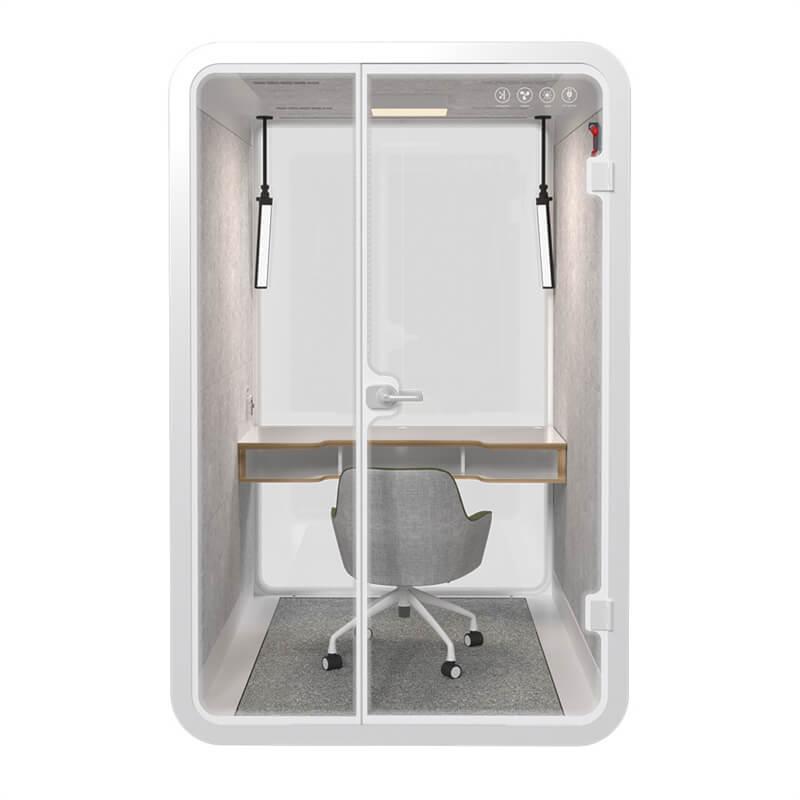
The office pod model reference can define the candidate under review. Freeze its revision and options at the relevant schedule gate so procurement, route planning, and site coordination are working from the same configuration.
Manage float at the dependency that creates it. If a drawing review can move without affecting manufacturing, record that margin there; if delivery access has only one weekly window, protect that constraint directly. A schedule that stores all float after assembly encourages earlier activities to consume it without visibility and leaves no recovery space for commissioning or defects.
| Milestone | Required predecessor | Dated readiness evidence | Stop condition |
|---|---|---|---|
| Order release | Configuration, scope, commercial approval | Signed revision and option record | Do not manufacture against an unresolved model |
| Dispatch | Approved information, route and receiving plan | Route survey and site-release status | Hold if a blocking path or storage issue remains |
| Assembly start | Protected work area, packages, site interfaces | Receiving check and marked footprint | Stop for damage, mismatch, or unsafe workspace |
| Functional inspection | Structure, supplied systems, building services | Check sheets and responsible attendance | Do not proceed on a failed critical function |
| Occupied opening | Defect disposition, cleaning, trial, handover | Signed closeout and operating owner | Keep closed while a use-blocking item is open |
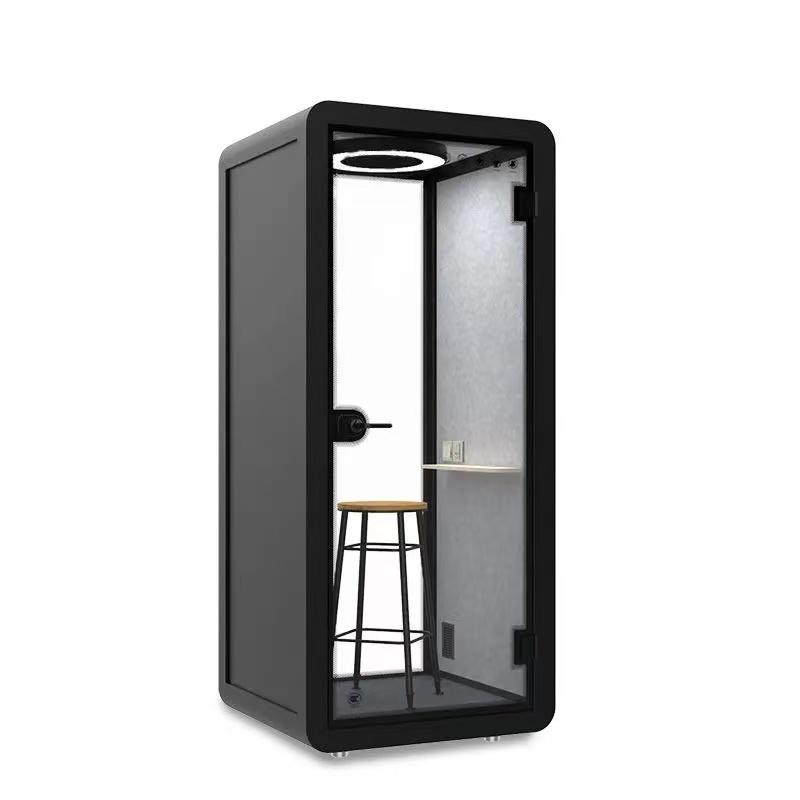
Walk the route with the packed dimensions or largest component dimensions. Check loading position, vehicle access, unloading method, doors, corridors, turns, lifts, stairs, thresholds, ceiling restrictions, floor capacity information where relevant, working space, storage, weather protection, security, occupied-area separation, and waste movement. Add the booking and permit dates that turn a feasible route into an available route.
Mark the installation footprint and inspect the surrounding condition. Confirm floor suitability and level, circulation, door operation, accessibility review, building-system interactions, return air, power isolation, outlet or hardwire responsibility, data route, lighting context, cleaning access, and maintenance clearance. A readiness photograph without a checklist can miss a service that is concealed or scheduled for later work.
Use a dated readiness release before dispatch. Open items should show owner, planned correction, evidence, and whether they block shipment, delivery, assembly, or only final opening. This avoids two extremes: sending equipment into an unready building, or delaying the whole route for a minor item that can safely close later.
For several units, treat the first footprint as a learning gate. Confirm package flow, assembly space, service interfaces, inspection method, and defect recording before releasing the repeated sequence. The team may then update crew allocation and parallel work from observed conditions. Repetition can improve the program, but only after the first unit demonstrates which activities truly repeat.
Onsite activities should follow the physical flow. Reserve and protect the route, receive and inspect packages, reconcile identities, move items to the work area, unpack without losing labels or parts, assemble in the approved sequence, manage waste, and maintain safe separation from normal office users. Record any damage at the point it is observed so responsibility does not become ambiguous.
Services can run in parallel only when the interface is genuinely available. Electrical or data work may depend on a completed panel, an accessible connection point, or an approved isolation. Functional checks may need building power and the final location. Inspection may require documents and the attendance of several parties. Draw these links rather than compressing every trade under one bar marked installation.
Protect time for quality review before teams leave the site. Check alignment, doors, seals, hardware, finishes, furniture, lighting, ventilation controls, fan response, power, data provisions, and cleaning. A defect list issued after specialist labor has demobilized can extend the closeout far beyond the assembly period.
Assign attendance deliberately. The installation supervisor can confirm assembly scope, but facilities, electrical, IT, workplace, or other approved reviewers may need to witness their own interfaces. List who must attend, what they inspect, and whether remote evidence is acceptable. Waiting for an unnamed approver after work is complete is a preventable schedule activity.
Classify findings by their effect. A cosmetic mark may not prevent a controlled trial, while an unstable component, failed electrical function, obstructed door, missing document, or unresolved ventilation issue can block use. Each defect needs a location, evidence, owner, due date, correction, and retest. Do not count an item as closed merely because work was attempted.
Commission the pod with its intended task and setting. Use representative occupants, furniture, devices, door state, fan and light controls, surrounding office activity, and the longest expected session that the pilot can reasonably cover. Observe entry, posture, call or meeting function, speech exposure, airflow perception, heat, control access, and reset. The observation remains a workplace acceptance check, not an unsupported performance certification.
Handover is the final schedule activity. Transfer the accepted configuration, operating limits, defect record, cleaning and maintenance information, service contacts, warranty material, user guidance, and future change controls. Assign the facilities or workplace owner who decides when the pod opens and how faults are routed.
Only now can the project compare the forecast with actual dates. Record which predecessor controlled the opening, which allowance was used, and which activity could be improved on the next installation. This feedback is more useful than replacing the result with a new universal duration.
Publish the final date narrative beside the schedule: what started the clock, what ended it, which time belonged to manufacturing or transport, how long the workplace was affected, and why any variance occurred. That account lets stakeholders compare future proposals without confusing a supplier's assembly productivity with the complete delivery experience.
Keep planned and actual evidence at milestone level. A date can move because a buyer decision was late, a route window changed, a package arrived damaged, an interface needed correction, or a retest found an issue. Recording the mechanism supports a better next schedule and avoids attributing every variance to the assembly crew or the product.
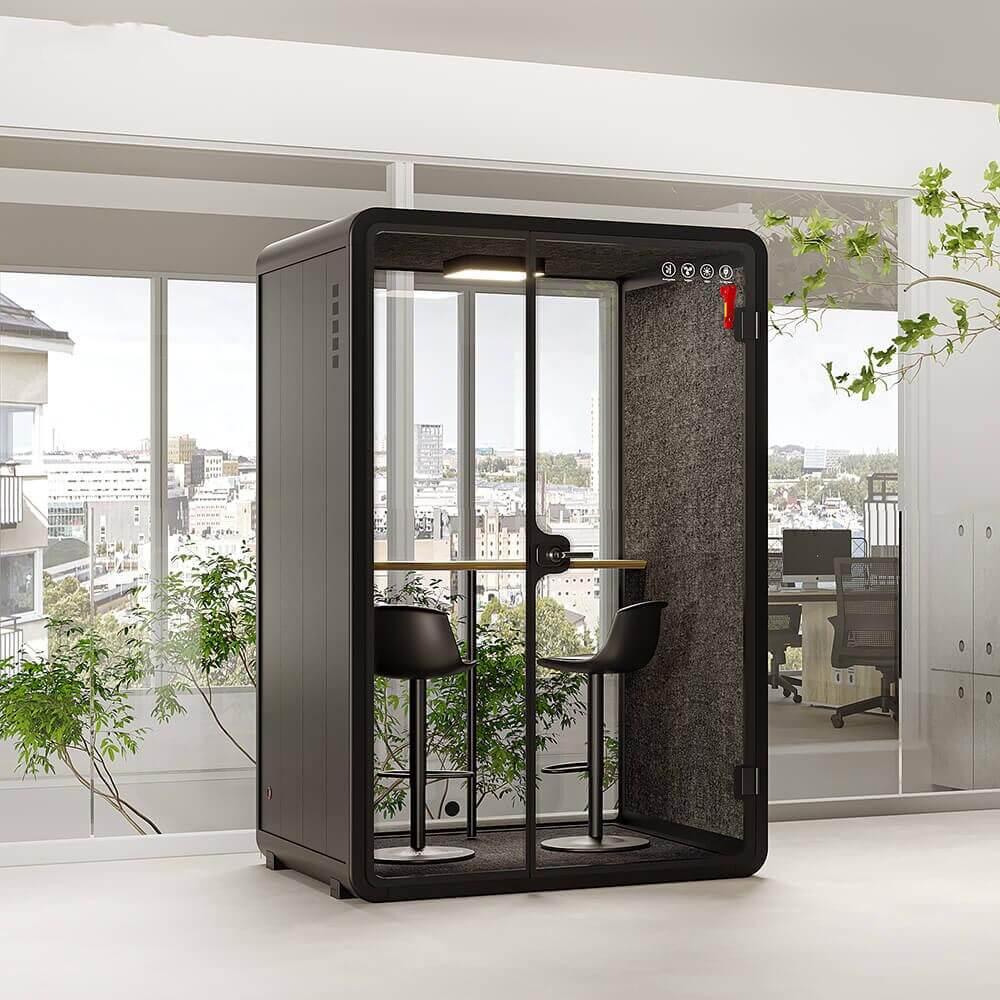
Assembly covers the physical joining of supplied components. Installation may include delivery, route protection, unpacking, site interfaces, power or data work, inspection, defects, cleaning, commissioning, and handover. The workplace opening may also depend on approvals and readiness activities completed before the unit arrives.
Some work can overlap when the team has separated the areas and confirmed the interfaces. However, a delivery should not be used to pressure an unfinished site into acceptance. Show the exact predecessor for each onsite task and protect a stop decision when access, services, or the work area is not ready.
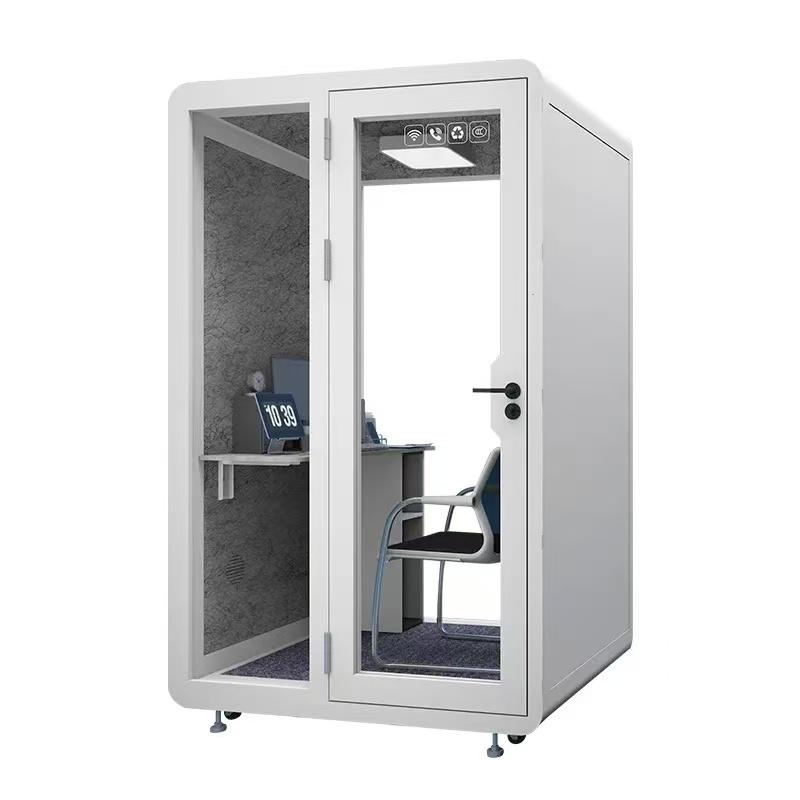
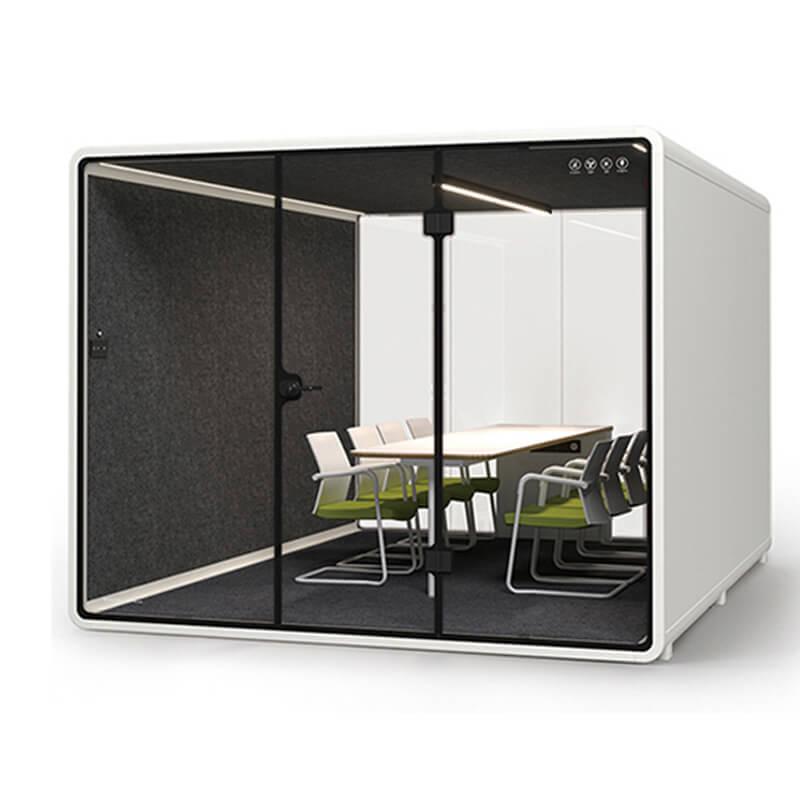
Quantity can enable a repeated assembly sequence, but it also increases freight, storage, route traffic, inspection, defects, service connections, and coordination with occupied areas. Use a first-unit review before assuming the same duration for every unit, then update crew sequence and allowances from observed conditions.
It is ready when the accepted configuration is installed, critical defects are closed or formally controlled, supplied and site services function, cleaning is complete, a representative occupied check has passed, operating limits are recorded, and an owner has accepted support and maintenance responsibilities.

No single installation duration is reliable without a defined start, finish, scope, and dependency set. The buyer should distinguish commercial release, arrival, assembly, and occupied readiness, then attach each milestone to evidence from the exact model and building.
Issue a time range only after the readiness evidence is dated. Keep the critical predecessor, allowance basis, stop conditions, defect route, and opening owner in the schedule so an attractive assembly estimate cannot replace a complete plan.

 Tel: +8613538031763
 Email: info@sopworkpod.com
 MP/WhatsApp: +8613538031763
 Manufacturer Address:Liucheng Lujiang District,Meixi Road,Nanan City,Fujian,China