Author:SOP Work Pods Manufacturer TIME:2026-08-28
The cheapest soundproof pod can win a spreadsheet before anyone follows the offer into the real office. After delivery, the missing requirement, unmatched evidence, assembly defect, weak sound path, site exclusion, or unavailable part becomes the buyer's problem.
Low price is not itself a failure. Failure occurs when unlike scope is compared as if it were equal, or when the selected offer cannot support the assigned task through installation, occupied use, and service.
This analysis uses seven failure branches and a complete-value register. It turns each branch into a verification action and commercial treatment without inventing acoustic ratings, prices, service times, or measured outcomes.
A low number looks complete when the required work is vague. Define the assigned calls or meetings, privacy boundary, occupancy, duration, devices, comfort, placement, operation, and acceptance before comparing products.
Failure route one an incomplete workplace requirement.
Define assigned calls or meetings, occupancy, duration, speech and visual privacy, devices, interaction, posture, comfort, location, access, booking, cleaning, maintenance, future change, and mandatory acceptance before requesting quotes.
Observe local work and reject comparisons that do not solve the same repeated task.
Reopen the failure tree if Preserve limits and contrary observations because a low offer appearing suitable because the task is vague becomes plausible.
Finish the failure tree entry with a decision to approve a mandatory requirement baseline. Name its correction owner and next trial condition.
A document can be genuine and still be irrelevant to the quoted model. Match the specimen, size, wall, ceiling, floor, door, seals, glazing, ventilation, options, method, date, and stated limitations.
Failure route two evidence does not match the offer.
Compare model, size, wall and ceiling, floor, door, seals, glazing, ventilation, fan, openings, furniture, options, test specimen, document issuer, date, method, boundary, limitations, and differences between current quote and product summary.
Obtain complete relevant evidence and supplier clarification and mark every applicability gap.
Reopen the failure tree if Preserve limits and contrary observations because a component or stronger specimen result being generalized to the delivered pod becomes plausible.
The failure tree should state how to release an evidence-applicability statement. Place each open limitation beside the responsible owner and review trigger.
A buyer can use the accepted requirement to review office pod configurations, but the comparison must still match the exact offered model, site scope, and service route.
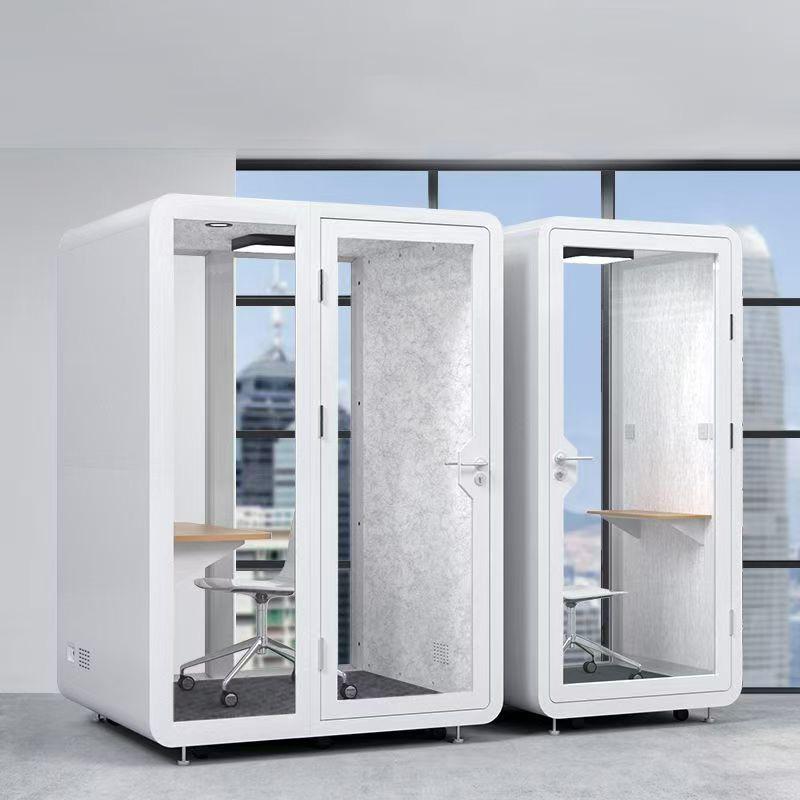
The office receives packages, parts, labor, adjustments, and corrections rather than a brochure image. Damage, substitutions, panel joints, door alignment, seals, penetrations, missing parts, and finish quality shape the delivered result.
Failure route three joints doors and finishes are poorly delivered.
Inspect packages, damage, panels, joints, fasteners, glazing, door alignment, hinge, latch, seals, threshold, ceiling and floor interfaces, trims, ventilation, lighting, controls, power, furniture, missing parts, substitutions, finish, cleanliness, and changes from approved records.
Use photographs and a defect register from delivery through correction and retest.
Reopen the failure tree if Preserve limits and contrary observations because small defects combining into privacy comfort durability or appearance failure becomes plausible.
Release this failure tree step only when the team can close assembly defects before acceptance. Its retained evidence shows unresolved conditions and next actions.
Installed performance depends on source, path, listener, surrounding activity, reflective surfaces, nearby desks, corridors, ventilation routes, floor and ceiling interfaces, and normal door and fan behavior.
Failure route four the office creates weak sound paths.
Map speaker and listener positions, nearby desks, corridors, queues, reflective surfaces, glazing views, door and fan state, ventilation paths, floor and ceiling interfaces, site penetrations, surrounding activity, device audio, and whether intelligibility or audibility matters.
Conduct source-path-listener observations in the final position with normal calls.
Reopen the failure tree if Preserve limits and contrary observations because showroom or document evidence ignoring the installed room becomes plausible.
Turn the failure tree finding into an instruction to state the actual field boundary. Record the invalidating condition and person who must respond.
| Low-price gap | Possible office consequence | Verification action | Commercial treatment |
|---|---|---|---|
| Requirement omitted | The pod does not fit the assigned task | Approve a task and acceptance profile | Add requirement or reject offer |
| Evidence mismatch | Expected performance is inferred from another configuration | Map every document to the quoted model | Request applicable evidence or retain uncertainty |
| Site or installation exclusion | Buyer absorbs enabling work, delay, or compromised placement | Walk route and assign complete scope | Price and own each interface |
| Parts and service unclear | A minor fault removes capacity without a recovery route | Rehearse fault, part retrieval, and return to service | Set support condition or choose another offer |
Freight, access, assembly clearance, power, data, floor protection, circulation, occupied posture, lighting, airflow, cleaning, maintenance access, and removal can consume an apparent saving or undermine use.
Failure route five occupied comfort or site fit is excluded.
Review delivery route, footprint, circulation, accessibility review, power, data, ventilation interaction, placement, entry, posture, devices, lighting, glare, airflow, temperature perception, fan sound, controls, duration, full occupancy, breaks, cleaning, maintenance access, and removal.
Walk the route and run the longest assigned task with intended users before final release.
Reopen the failure tree if Preserve limits and contrary observations because purchase savings being consumed by site work or poor adoption becomes plausible.
Close the failure tree route by agreeing how to approve site and occupied conditions. Preserve its accepted boundary, correction, and reason for retest.
Use the failure tree during quote clarification
Work from the requirement outward. For each branch, ask the supplier to identify the included configuration, applicable evidence, delivery and installation scope, buyer inputs, acceptance route, warranty boundary, service contact, and exclusions. Keep the response attached to the same quote revision.
A clarification can improve an offer, expose a cost, or leave an uncertainty. Record which result occurred instead of assuming every question was resolved. The procurement decision should show how unresolved risk was treated and why the selected route remains acceptable for the assigned office task.
When the preferred offer changes, rerun the affected branches rather than carrying answers across suppliers. Models, options, documents, installation methods, exclusions, parts routes, and service ownership can differ even when the product descriptions sound similar.
Keep the quote revision and clarification date visible in every comparison.
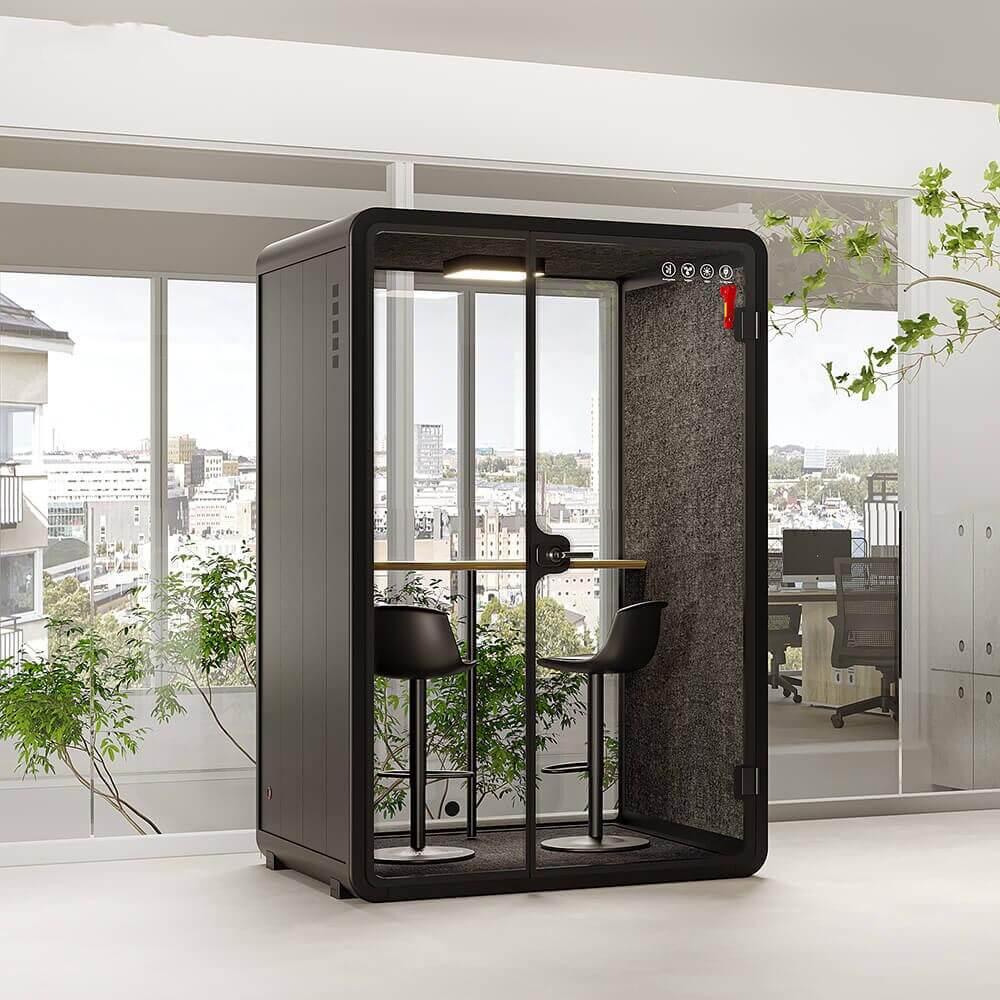
Base model, options, freight, installation, site preparation, testing, training, warranties, taxes or project treatment, provisional items, and buyer-supplied work must be aligned line by line.
Failure route six quotes hide scope responsibility and risk.
Normalize base model, options, freight, access, assembly, installation, site preparation, power and data, protection, waste, defects, testing, acceptance, training, booking setup, cleaning, support, warranties, taxes or project treatment as applicable, exclusions, provisional items, schedule, and validity.
Create a line-by-line ledger and assign every gap a price, evidence need, or responsible owner.
Reopen the failure tree if Preserve limits and contrary observations because an incomplete quote winning a false comparison becomes plausible.
This failure tree output explains how to release complete commercial boundaries. It identifies the owner, remaining uncertainty, and change that reopens review.
Value continues after acceptance. Cleaning, filters, seals, hinges, fans, controls, parts, service contacts, isolation, fallback space, repair skill, and return-to-service checks determine whether capacity remains available.
Failure route seven maintenance parts and downtime are unmanaged.
Define cleaning, filters, door and seal inspection, hinges and latch, fan, lighting, controls, power, furniture, faults, isolation, signage, service contacts, replacement-part evidence, warranty route, repair skill, alternative space, downtime, return-to-service checks, relocation, and records.
Ask operating teams to retrieve a priority part route and rehearse a representative fault.
Reopen the failure tree if Preserve limits and contrary observations because a minor failure making low-cost capacity unavailable for an extended period becomes plausible.
End the failure tree step with an explicit route to accept lifecycle serviceability and response. Attach context, limitation, and operating ownership.
An undefined task is often the first failure. If the buyer has not stated occupancy, duration, speech and visual boundary, devices, posture, comfort, location, access, booking, cleaning, maintenance, future change, and acceptance, a low offer can appear suitable by omitting the hard parts.
Write the requirement before requesting clarification. Reject comparisons that solve different tasks, and keep optional or buyer-provided work visible rather than treating it as included value.
Map every acoustic document to the quoted model, size, wall and ceiling construction, floor, door, seals, glazing, ventilation path, fan, openings, furniture, and options. Check the specimen, method, issuer, date, boundary, and stated limitations.
Differences do not automatically make the offer unacceptable, but they create an applicability question. Ask for relevant evidence or preserve the uncertainty in the decision; never generalize a component result or stronger configuration to the delivered pod.
Inspect transport damage, panel joints, fasteners, glazing, door alignment, hinges, latch, seals, threshold, floor and ceiling interfaces, trims, ventilation parts, controls, power, furniture, missing items, substitutions, finish, and cleanliness against the approved record.
Use a defect register from delivery through correction and retest. Small issues can combine into privacy, comfort, durability, appearance, or service problems, so acceptance should reflect the installed assembly rather than the number of boxes delivered.
Value should include the ability to inspect, clean, isolate, diagnose, obtain parts, repair, provide fallback space, and confirm return to service. A cheap asset that stays unavailable after a minor fault may provide less usable capacity than its purchase price suggests.
Ask the operating team to retrieve the service route for a priority component and rehearse a representative fault. Treat unclear parts, skills, contacts, warranty boundaries, and downtime ownership as commercial risk before selection.
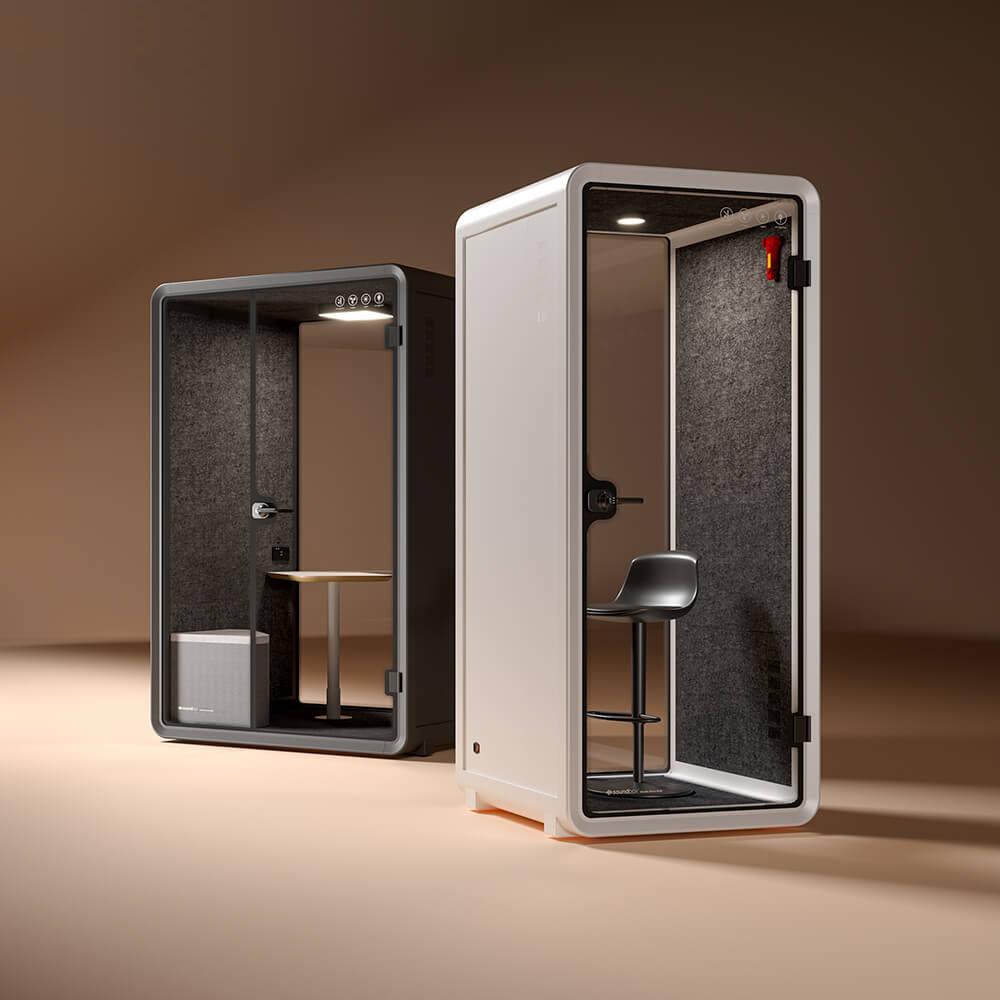
Cheap soundproof pods often fail when the low price excludes part of the real office problem. Requirement, applicable evidence, delivery quality, installed sound paths, site fit, occupied comfort, commercial scope, and lifecycle service all contribute to complete value.
Do not add invented allowances to make offers look equal. Convert each gap into an included requirement, a priced buyer responsibility, an evidence request, or an accepted exclusion with a visible consequence.
The next action is to close the failure register against the exact model and site. Select the offer whose verified complete scope and recovery route fit the task, even when the nominal unit-price ranking changes after those boundaries are made comparable.

 Tel: +8613538031763
 Email: info@sopworkpod.com
 MP/WhatsApp: +8613538031763
 Manufacturer Address:Liucheng Lujiang District,Meixi Road,Nanan City,Fujian,China