Author:SOP Work Pods Manufacturer TIME:2026-08-28
Draw the route from a desk to the nearest suitable enclosed space and a different office appears. In a small office, one poorly oriented door can affect most of the team. In a medium office, the same walking distance may cross another department's zone. In a large office, a central fleet can look efficient on plan while leaving remote teams with no practical access.
Small office pod placement by office size should therefore be planned as demand topology. The map connects task origins, concurrency, available alternatives, speaker and listener positions, walking paths, queues, circulation, visibility, services, and operating ownership. Small, medium, and large describe the context in which those relationships repeat; they do not dictate a unit count or a standard corner.
Candidate footprints are marked and tested before expansion. A move during the pilot is useful evidence, not a planning failure, because it distinguishes true capacity shortage from poor adjacency, awareness, booking, privacy, or comfort.
Start with work events that need enclosure: private calls, remote meetings, interviews, focused tasks with spoken content, two-person consultations, and short meetings that do not require a larger room. Record where each event begins, how often several happen together, typical duration, devices, privacy boundary, current alternative, and what users do when no suitable space is available.
Plot listeners as well as users. Nearby desks, reception seats, waiting areas, quiet zones, collaboration areas, and circulation can receive speech or visual exposure from a poorly placed unit. Note approaches, queues, and the direction of glazing or doors. The demand point and the acceptable footprint may not be the same place.
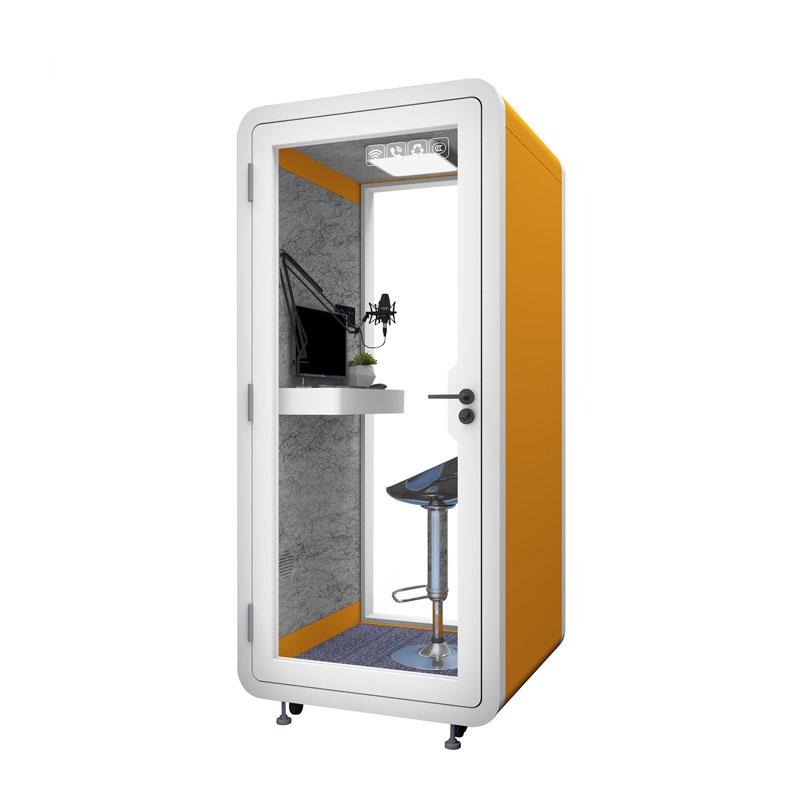
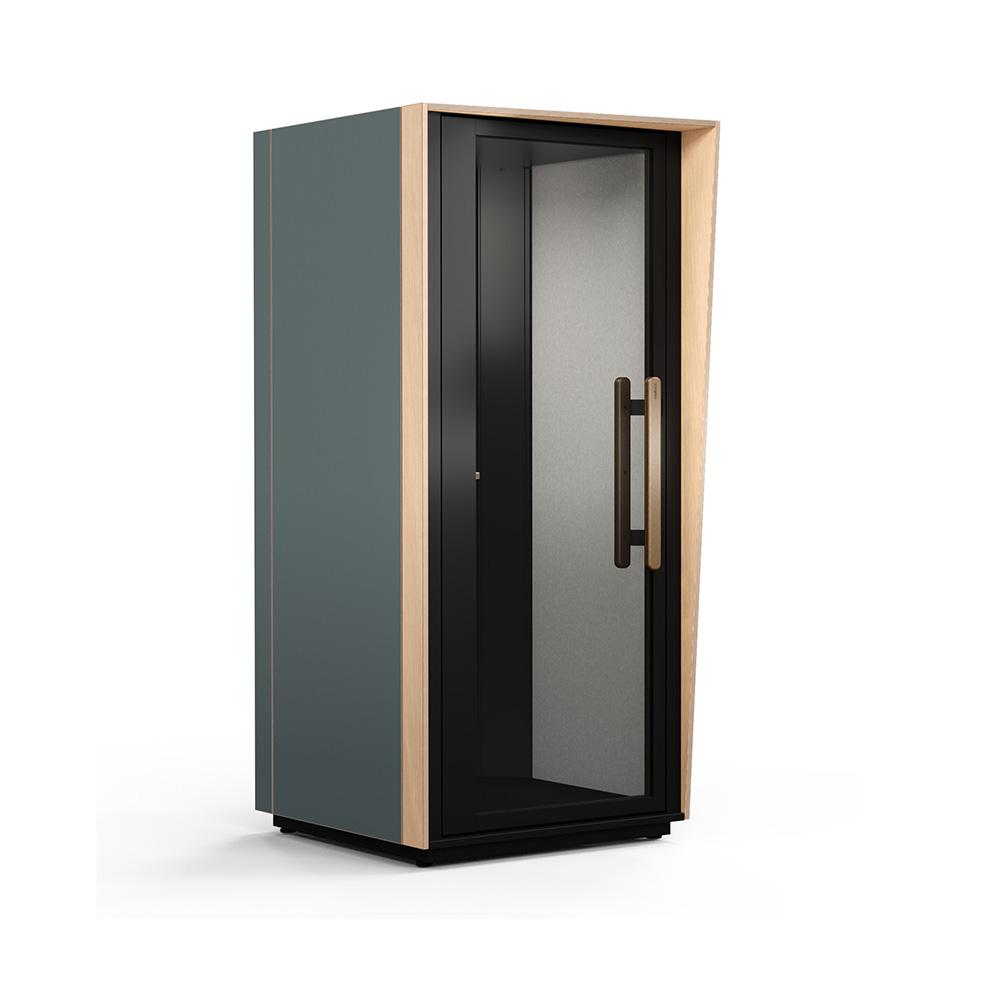
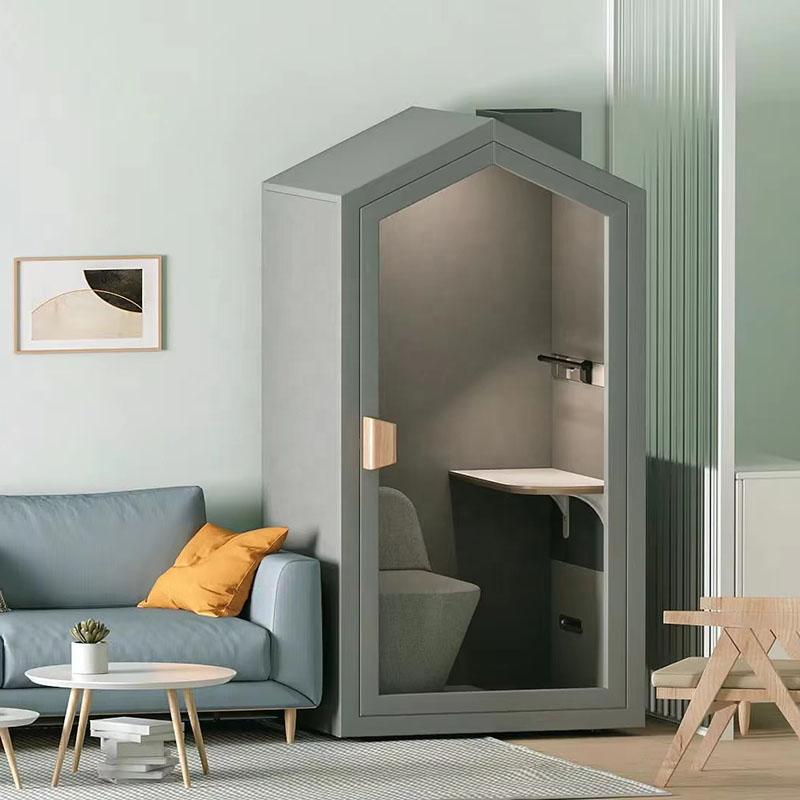
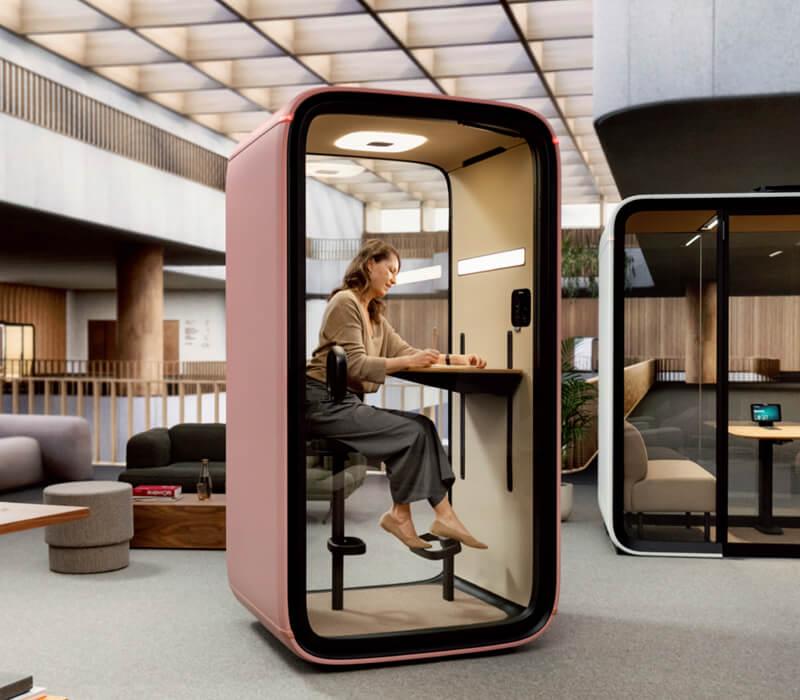
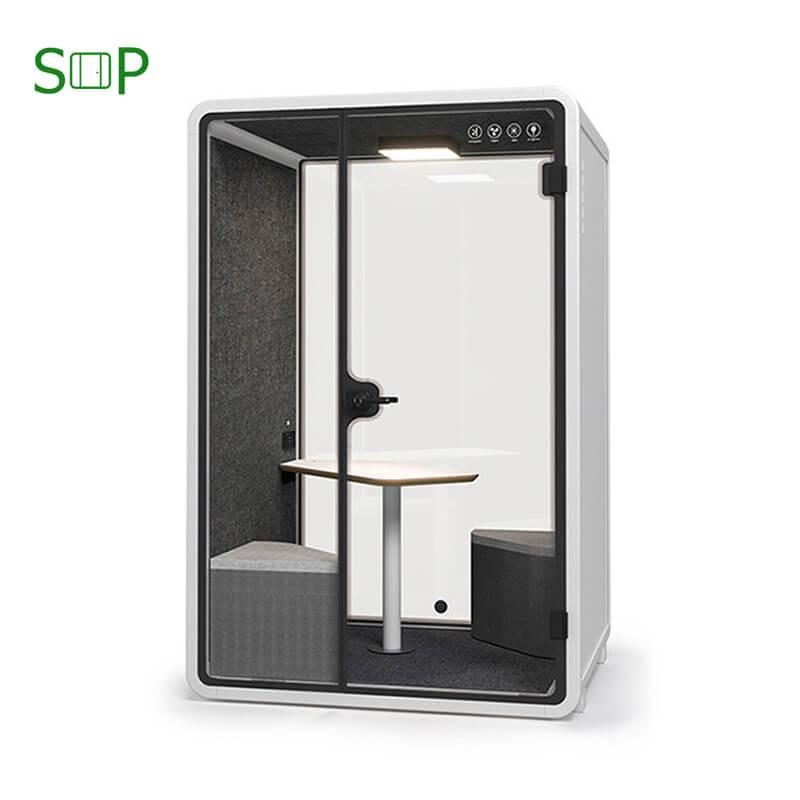
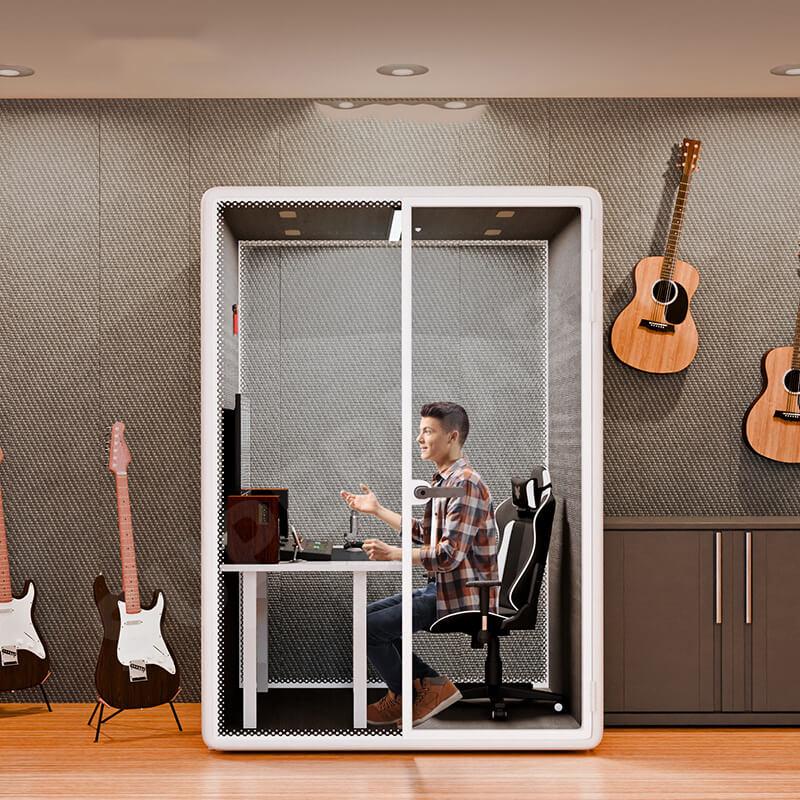
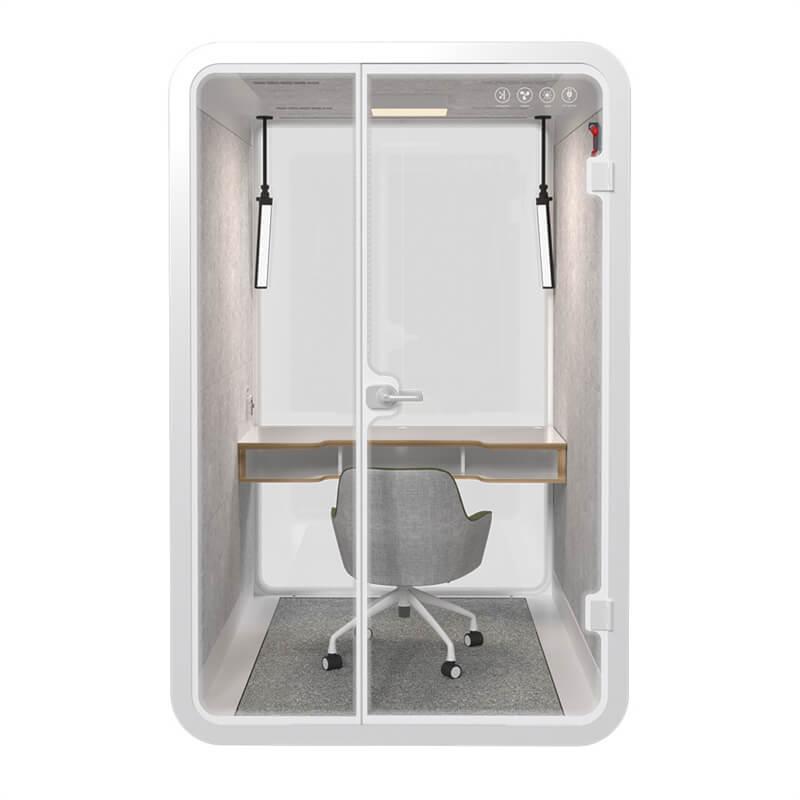
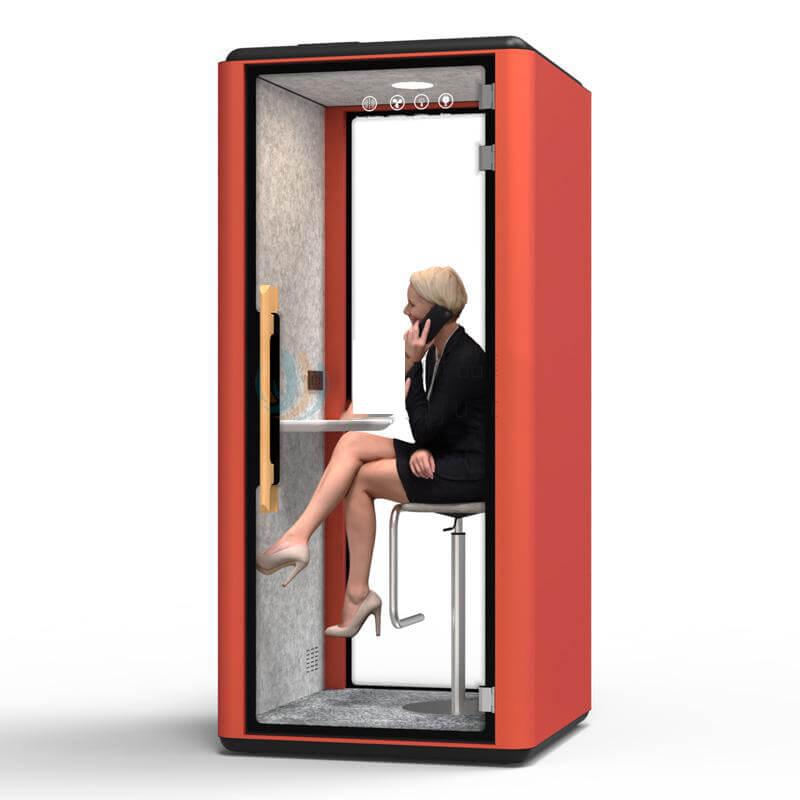
Use the office pod range only after the eligible tasks are separated. Occupancy, furniture, door orientation, technology, and footprint should follow the task and location rather than a generic office-size category.
Add time to the topology. Morning call clusters, scheduled interviews, shift changes, visitor periods, and team ceremonies can place demand in different zones at different hours. A static heat map may exaggerate a location that is busy only briefly or hide a recurring collision. Record representative time bands and the alternatives available during each one.
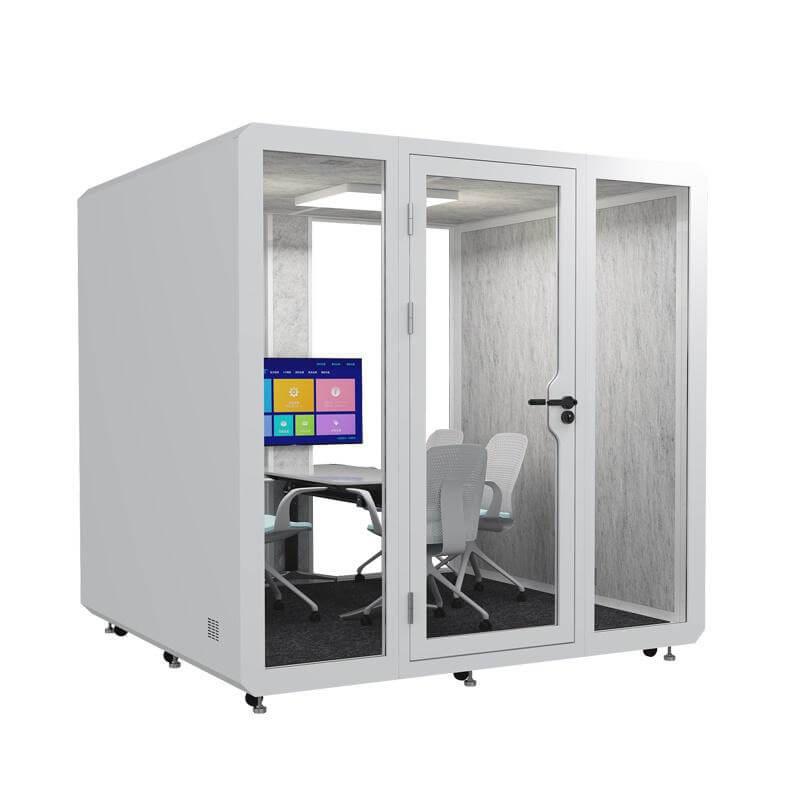
A small office has few alternative routes and little spare circulation. Mark the full operating envelope: external footprint, door movement, entry pause, queue position, approach, chair movement, maintenance access, cleaning access, and any working clearance required by the offered configuration. Test whether the unit blocks a common path or transfers speech toward most desks.
One pod may serve several task origins if walking is short and the eligibility rule is clear. It may also consume too much flexible floor area or remove a better meeting point. Compare the marked footprint with policy or layout corrections, use of an existing room, and the cost of leaving the problem unresolved. In a small office, the opportunity cost of the location belongs in the decision.
Run the pilot through normal interruptions. Observe whether users wait in circulation, take calls outside when occupied, disturb neighbours while entering, or abandon the pod because it feels socially exposed. Moving the footprint a short distance or changing door orientation can matter more than adding another unit.
Review the small office as a whole after marking the pod. The footprint may displace shared storage, flexible seating, a visitor chair, or a future circulation need that is absent from the current plan. State that opportunity cost and identify how the office works when the pod is closed. A single asset should not become the only safe route for every private task.
Medium offices often contain several demand clusters with a manageable shared core. Compare a central placement with distributed units near teams. A central pod may improve common access and simplify service, while distribution may shorten walking and protect department-specific work. The choice depends on concurrency, cross-team use, privacy, booking, and available alternatives.
Check boundaries between quiet, collaborative, visitor, and support zones. A pod next to a printer or pantry may be easy to find but exposed to traffic and conversation. A unit inside a team neighbourhood may reduce travel while making other teams reluctant to use it. Record these behavioural effects during the pilot instead of inferring them from the plan.
The placement sheet should hold demand, walking, listener paths, circulation, power, data, return air, glare, cleaning, maintenance, and delivery route together. A candidate that scores well on proximity but fails an access or service condition should remain blocked.
Use temporary markings to test social ownership. Observe whether a unit beside one department is treated as private even when policy says shared, whether visitors can find it without crossing restricted work, and whether queues expose confidential purpose. Signage can help discovery, but placement should not depend on constant explanation by nearby staff.
| Office context | Demand topology question | Placement evidence | Relocation trigger |
|---|---|---|---|
| Small office | Can one footprint serve priority tasks without consuming critical circulation? | Marked envelope, listener path, alternatives, interruption trial | Queue blocks a path or most users avoid the exposed site |
| Medium office | Should access be central or distributed between team zones? | Walking map, concurrency, cross-team behaviour, service route | One cluster is overloaded while another stays unused |
| Large office | Which local zones need distinct roles and resilient alternatives? | Zone demand, room portfolio, fleet support, downtime route | Reorganization or repeated zone-level failure |
| Any scale | Does the candidate pass access, services, privacy, comfort, and route checks? | Site release and representative occupied pilot | A blocking interface or repeat adverse observation |
A large floor benefits from common rules and local evidence. Divide the workplace into practical service zones based on walking, team activity, meeting-room alternatives, security or visitor boundaries, and facilities coverage. For each zone, estimate eligible task demand and concurrency from observation rather than applying one pod-to-headcount ratio across the building.
Fleet consistency should support maintenance and user recognition without forcing identical configurations into different roles. A reception zone, engineering area, sales floor, and quiet library-like area may need different occupancy, visibility, device support, or booking rules. Keep the accepted use and limits visible in the asset record.
Plan resilience. When one unit is faulty or closed for maintenance, determine whether a reasonable alternative remains within the zone. Review spare parts, isolation, fault communication, cleaning routes, and service travel. High quantity magnifies a weak operating model.
Keep zone records comparable without making them identical. Use the same definitions for eligible task, failed attempt, queue, closure, and alternative, then allow local notes for security, technology, visitor access, or team practice. Facilities can aggregate reliable fleet signals while still seeing why one zone needs a different pod role or placement rule.
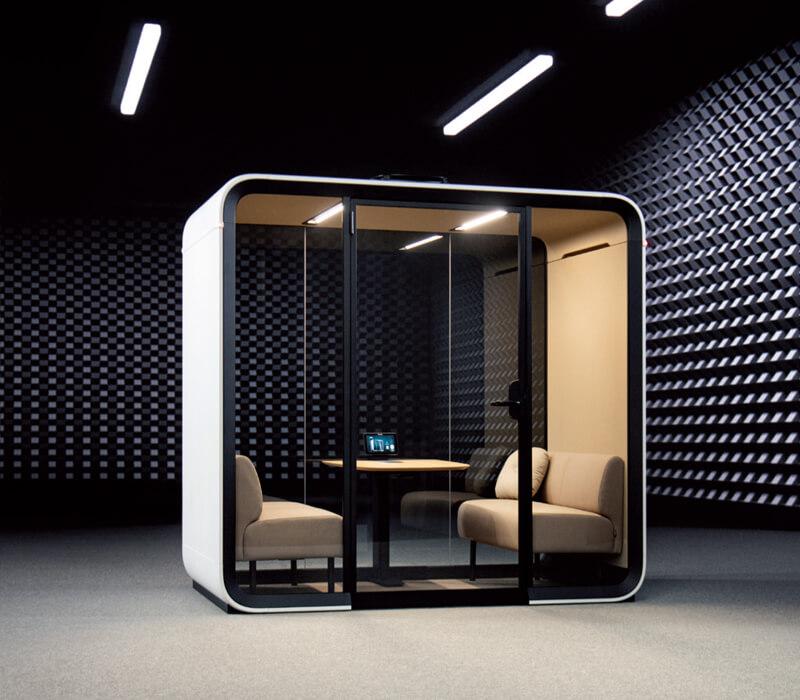
Mark footprints with realistic boundaries and test candidate positions during representative periods. Record eligible task completion, walking, queue, failed attempts, early exits, nearby listener observations, visual exposure, comfort, technology, cleaning effort, and use of alternative rooms. Include non-use and the reason for it.
Diagnose before expanding. A queue can indicate real concurrency, but it can also result from one pod serving the wrong zone, excessively long booking, no-show behaviour, poor awareness of another unit, or a fault. Low use may point to an exposed door, distant location, confusing rule, heat, glare, or an adequate alternative. Correct the mechanism and repeat the observation.
Placement remains a change-managed decision. Preserve route, service, floor, and recommissioning information so units can move when team distribution changes. Review the map after a reorganization, lease change, room conversion, or sustained shift in task demand rather than keeping the original layout by default.
Approve added capacity only when eligible unmet demand persists after a reasonable relocation or operating correction. This gives procurement evidence for quantity and gives facilities a clear reason for every footprint.
Record the rejected locations as well as the selected one. A footprint may fail because of route, circulation, listener exposure, glare, return air, building services, maintenance access, or social ownership. Keeping the reason prevents the same unsuitable position from returning during a later layout change and gives future planners a starting point for new evidence.
Complete a post-placement walk with users who approach from different zones and with the teams that clean, maintain, and support the unit. Their routes may reveal a queue that blocks circulation, a service panel that cannot open, a cable path that crosses access space, or a location that feels private from one direction but exposed from another. Add those observations to the topology before final acceptance.
The final map should distinguish fixed constraints from changeable ones. Columns, doors, building services, and approved egress routes may be fixed; team seating, booking rules, awareness, furniture, and some technology can change. When a pilot struggles, correct the least disruptive controllable variable first, then retest under the same task conditions before changing quantity.
Proximity is useful only when the site also protects circulation, listener paths, visibility, access review, services, cleaning, and maintenance. A slightly longer walk may produce a better shared location. Compare task origin with the complete operating envelope and the effect on nearby workers.
A universal ratio ignores task mix, concurrency, room alternatives, team zones, booking, session length, and operating failures. Estimate eligible demand by zone, pilot representative locations, and observe failed attempts. Quantity follows unresolved suitable demand rather than total headcount alone.
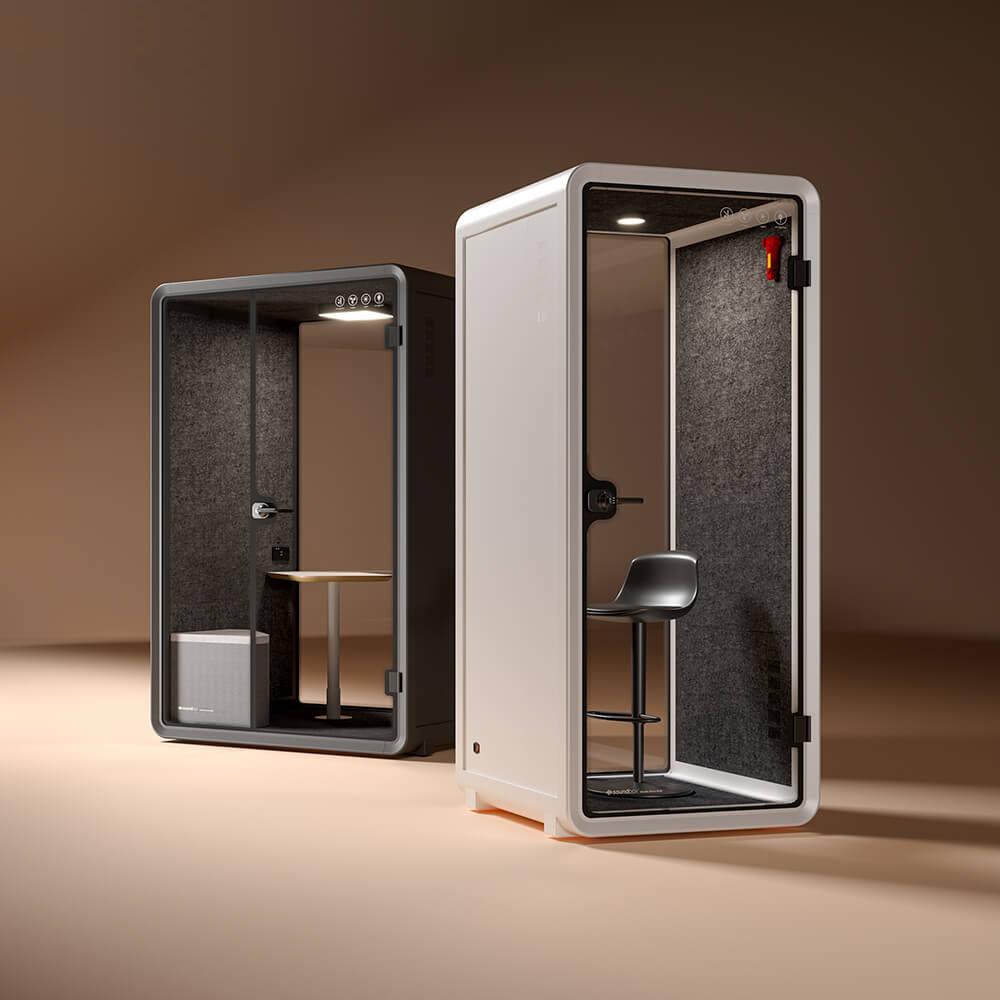
Low use can mean low demand, but it may also reflect poor awareness, an exposed approach, difficult booking, distant walking, comfort, technology trouble, or a good nearby alternative. Record why users choose another route before removing the unit or moving it.
Compare stated reasons with observable conditions. Users may report distance when the real barrier is entering beside another team's desks, or blame booking when a recurring fault makes the unit unreliable. A short route walk, booking check, occupied observation, and alternative-space review can identify the mechanism more accurately than an unstructured satisfaction question.
Add capacity when eligible tasks remain unmet during representative periods after location, booking, awareness, faults, and role allocation have been corrected. If one zone is overloaded while another unit is underused, test relocation or reassignment first and compare the combined result.
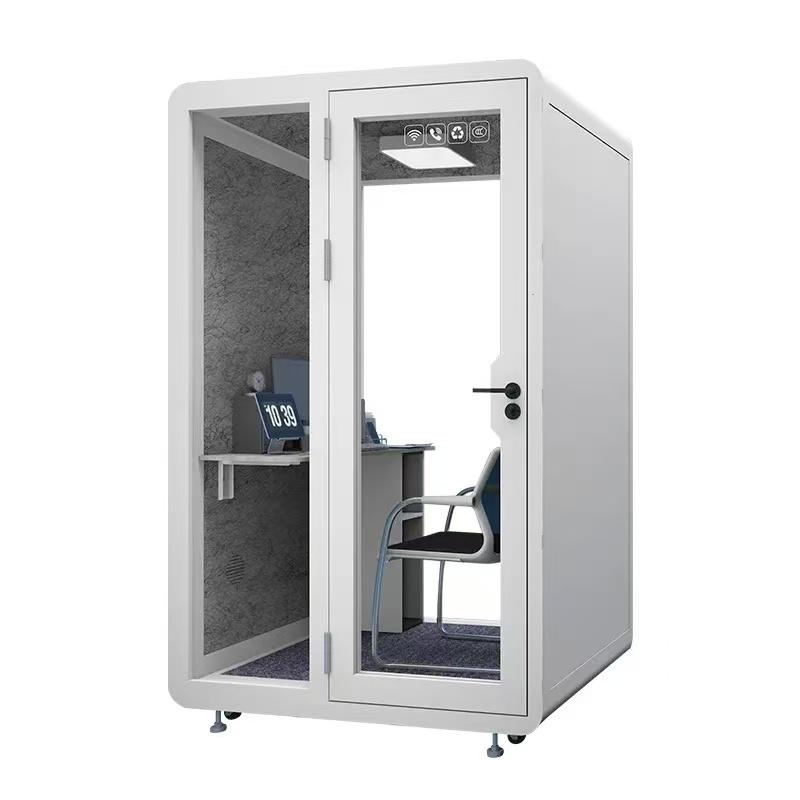
Pod placement is a map of work, people, paths, and services. Office scale changes how often the pattern repeats, but every footprint still needs local evidence for task demand, listener exposure, circulation, access, utilities, comfort, operation, and alternatives.
Move the pilot before buying additional units. Approve expansion only after demand remains unmet in the corrected topology, and preserve the placement evidence so the fleet can change with the workplace.

 Tel: +8613538031763
 Email: info@sopworkpod.com
 MP/WhatsApp: +8613538031763
 Manufacturer Address:Liucheng Lujiang District,Meixi Road,Nanan City,Fujian,China