Author:SOP Work Pods Manufacturer TIME:2026-08-28
Tape the proposed footprint on the floor before asking whether Soundproof Booths are worth it for a Small Office Pod decision. In a compact workplace, the rectangle immediately reveals the real trade: circulation narrows, furniture moves, a workstation may disappear, the door needs an approach and cleaning or maintenance still requires access. The product cannot be judged separately from the space it consumes.
That cost may be justified when exposed calls, room shortages or sensitive conversations recur and realistic alternatives do not solve them. It may not be justified when the problem is occasional, the location is remote from users, the booth is uncomfortable for the normal task, or the displaced area creates a larger operating problem. A universal answer would ignore the constraint that makes a small office different.
The review below treats the purchase as a reversible space experiment. It compares the booth with alternatives, charges floor area and access to the decision, verifies the privacy task, tests normal occupied use and records what would support retention, relocation, a different configuration or removal.
This point opens the square-metre decision map by isolating "Name the repeated small-office problem" from the rest of the purchase decision. Separate exposed calls, nearby speech, confidential conversations, room shortages, video-call conflict, concentrated work, visitor discussions, and the people or tasks affected by frequency, duration, urgency, and fallback. Within the scarce-space trade-off experiment: keep the finding attached to the quoted configuration and the stated use; it is not authority for another model or floor.
The scarce-space trade-off experiment uses a distinct method here: begin with a bounded observation and keep the original context attached to the result. Observe representative incidents and preserve what triggered them, who was affected, which workaround was attempted, and what remained unresolved. Pause the decision if a general desire for privacy replacing a specific business need; the observation changes the route rather than becoming an exception hidden in the notes.
The release output for name the repeated small-office problem is a written decision to approve a problem statement and evidence boundary. In the square-metre decision map: the file should show context, source, date, limitation and the person who can close the next action.
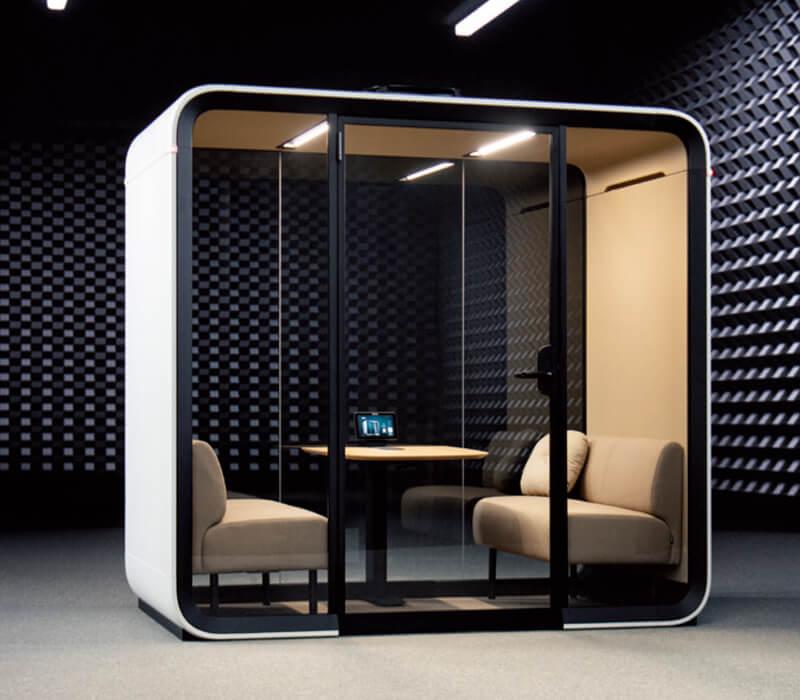
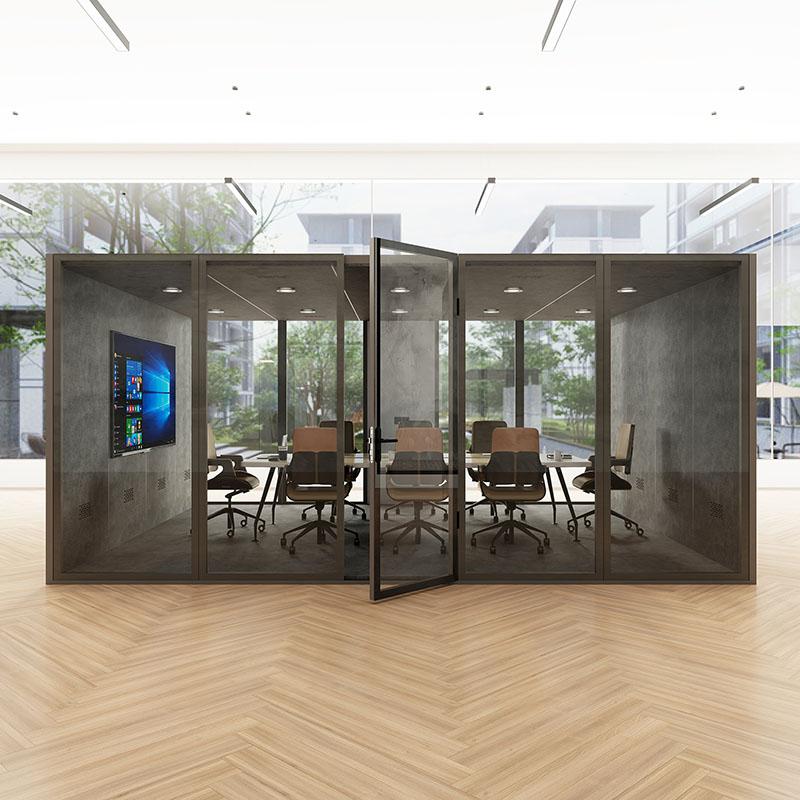
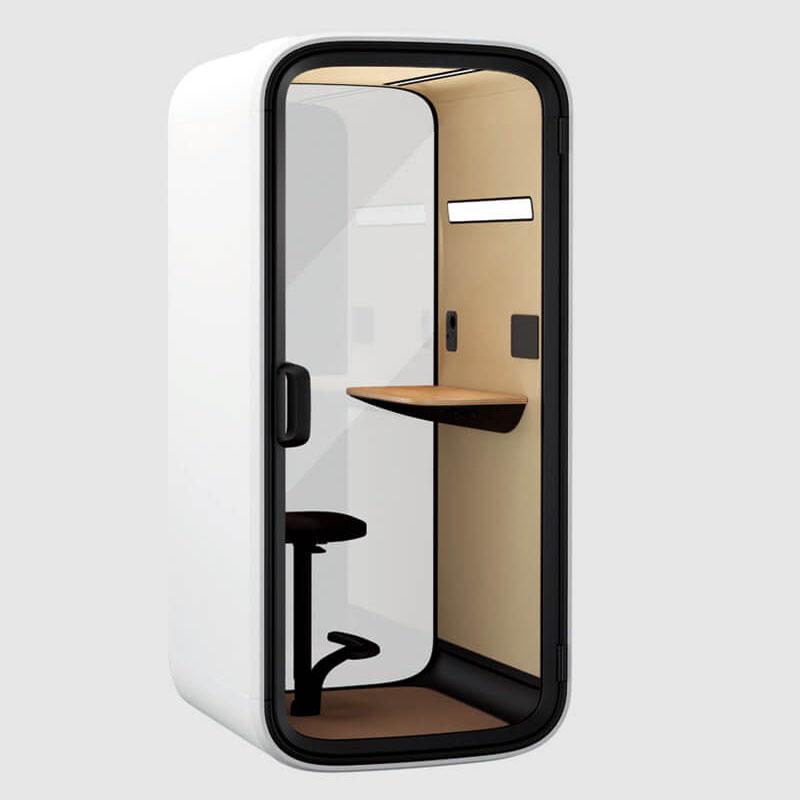
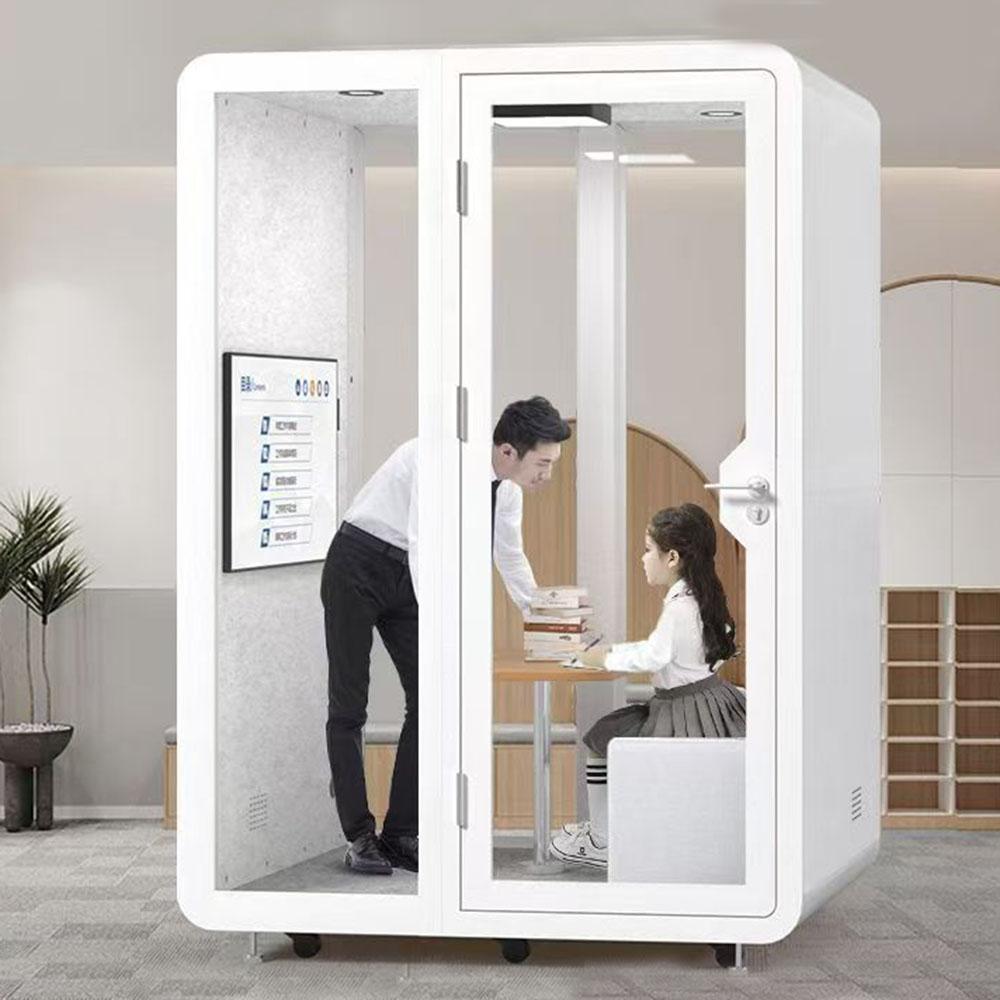
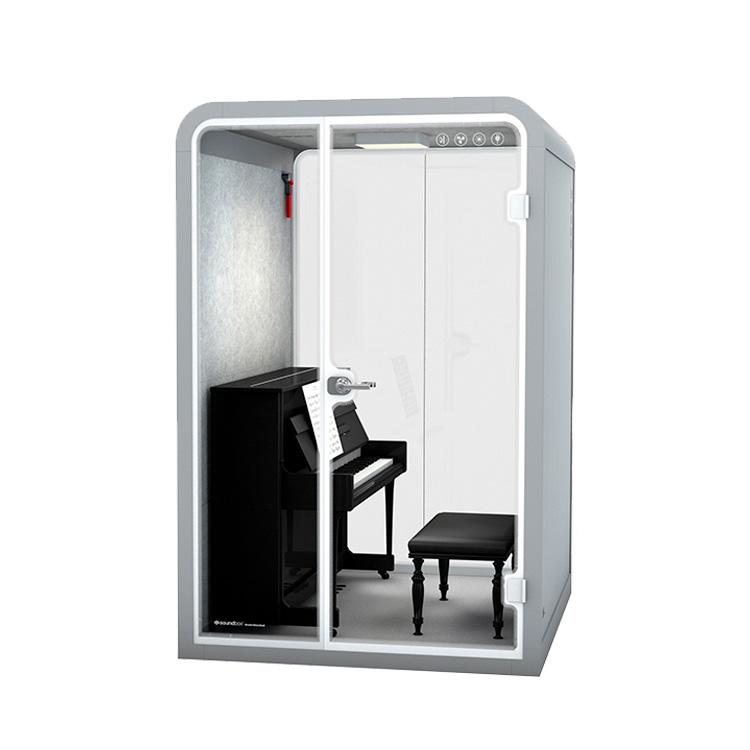
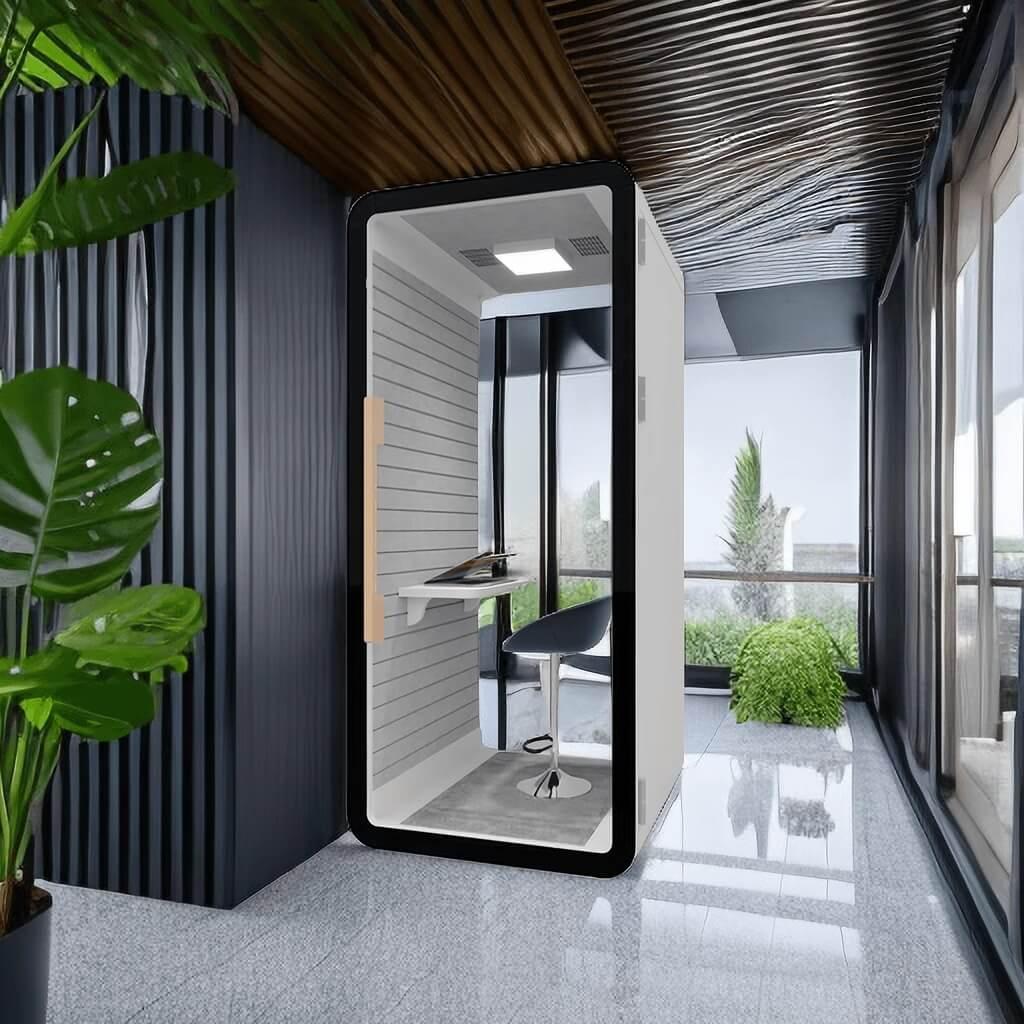
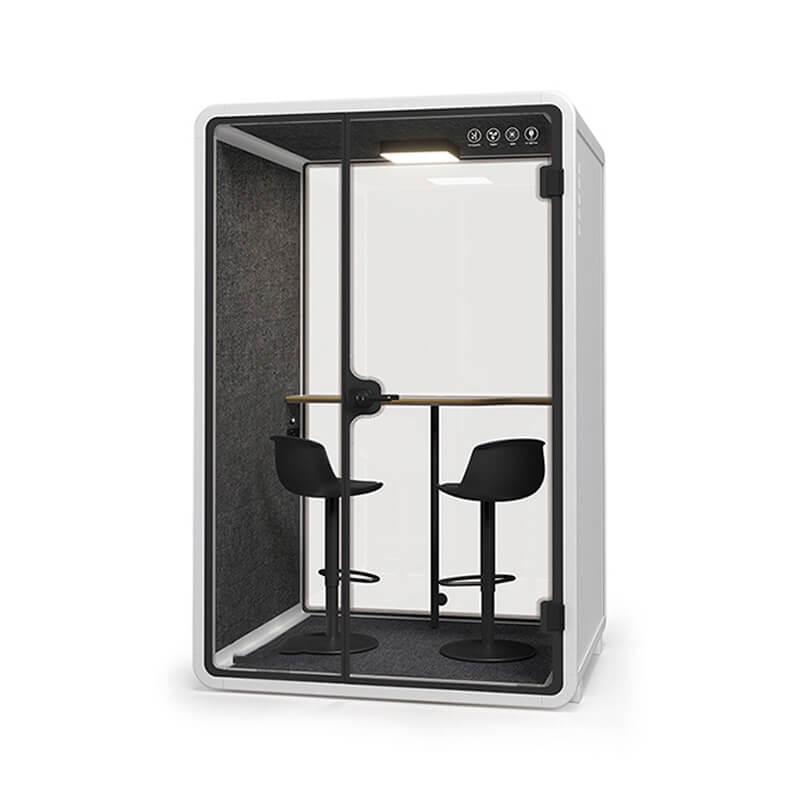
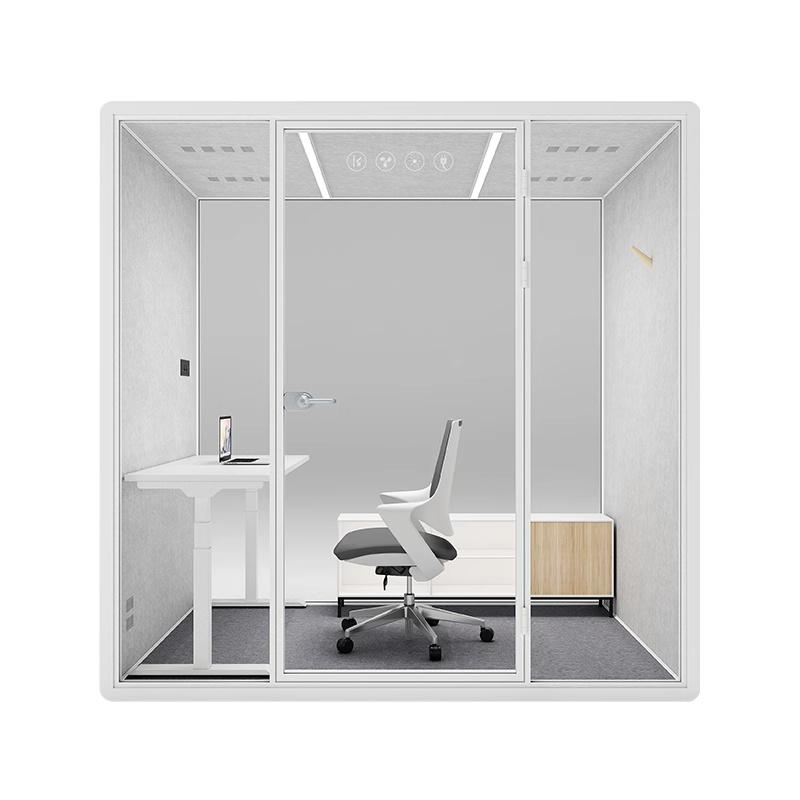
After marking the footprint and task route, review the small office booth range for configuration context.
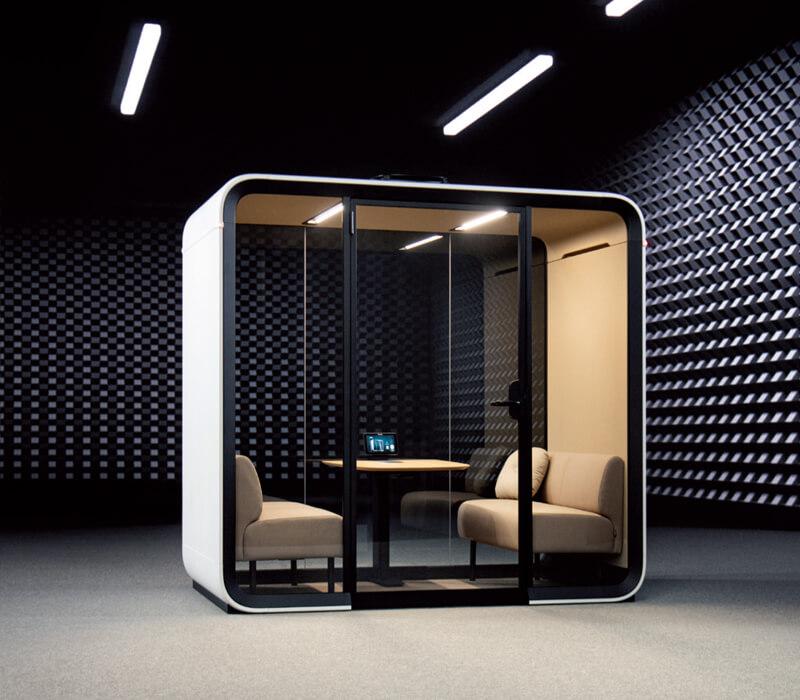
The next entry asks a narrower question: what does "Compare the booth with realistic alternatives" mean in this workplace? Review scheduling, team attendance patterns, available rooms, zoning, furniture, etiquette, headsets, acoustic treatment, screens, remote days, minor construction, leased space, and accepting the current constraint. Within the scarce-space trade-off experiment: record the exclusion beside the accepted use so later readers do not expand the conclusion by shorthand.
The scarce-space trade-off experiment uses a distinct method here: use a representative task rather than a demonstration arranged around the product. Test or cost credible alternatives against the same privacy, task, disruption, operating, and timing requirements used for the booth. Pause the decision if the pod appearing worthwhile only because alternatives were dismissed; the observation changes the route rather than becoming an exception hidden in the notes.
The release output for compare the booth with realistic alternatives is a written decision to retain an option appraisal with rejection reasons. In the square-metre decision map: write the observation, the failed alternative and the release condition on the same record line.
Here the reviewer leaves the brochure and follows "Charge scarce floor area and access to the decision" through the proposed site condition. Measure footprint, door swing, approach, circulation, accessibility, delivery route, assembly clearance, services, sightlines, glare, return air, cleaning, maintenance, evacuation context, and displaced furniture or workstations. Within the scarce-space trade-off experiment: a site-dependent result remains conditional until the final position and enabling work match the reviewed condition.
The scarce-space trade-off experiment uses a distinct method here: walk the route with the people who own the site, technology and daily operation. Mark the proposed position and walk delivery, daily use, queue, cleaning, service, and future removal routes with responsible reviewers. Pause the decision if a compact product causing a disproportionate office-layout burden; the observation changes the route rather than becoming an exception hidden in the notes.
The release output for charge scarce floor area and access to the decision is a written decision to release a location and displaced-space decision. In the square-metre decision map: attach the route owner, applicable document, open dependency and consequence of leaving it unresolved.
| Trade under review | Observation or measurement | Decision consequence |
|---|---|---|
| Repeated privacy or call problem | Incident pattern, task, urgency, fallback and who is affected | Sets the maximum problem the booth needs to solve |
| Displaced floor use | Footprint, door approach, circulation, furniture and lost workstation or storage | Treats space as a real cost rather than free capacity |
| Access and availability | Walking path, queue, booking, visibility and unavailable-booth fallback | Shows whether users can reach the solution when needed |
| Occupied suitability | Desk, device, posture, airflow, lighting, privacy and normal duration | Defines eligible use and any duration limit |
| Reversibility | Relocation route, services, reinstatement, maintenance and removal responsibility | Keeps the first commitment from becoming permanent by default |
At this stage, "Verify the privacy task in the intended location" becomes an occupied-use question rather than a product label. Identify conversation type, speaker, nearby listeners, corridors, queues, glazing views, screen exposure, door and fan state, surrounding activity, ventilation paths, and the limits of available acoustic evidence. Within the scarce-space trade-off experiment: the occupied result applies only to the tested duration, devices, user pattern and surrounding activity.
The scarce-space trade-off experiment uses a distinct method here: rehearse the normal condition long enough for setup and comfort limits to appear. Run normal calls and inside-outside listening or sightline observations at the proposed position with the offered configuration. Pause the decision if enclosure appearance being treated as proof of confidentiality; the observation changes the route rather than becoming an exception hidden in the notes.
The release output for verify the privacy task in the intended location is a written decision to state the accepted privacy boundary. In the square-metre decision map: keep normal and adverse observations together, including setup friction and early exit where they occur.
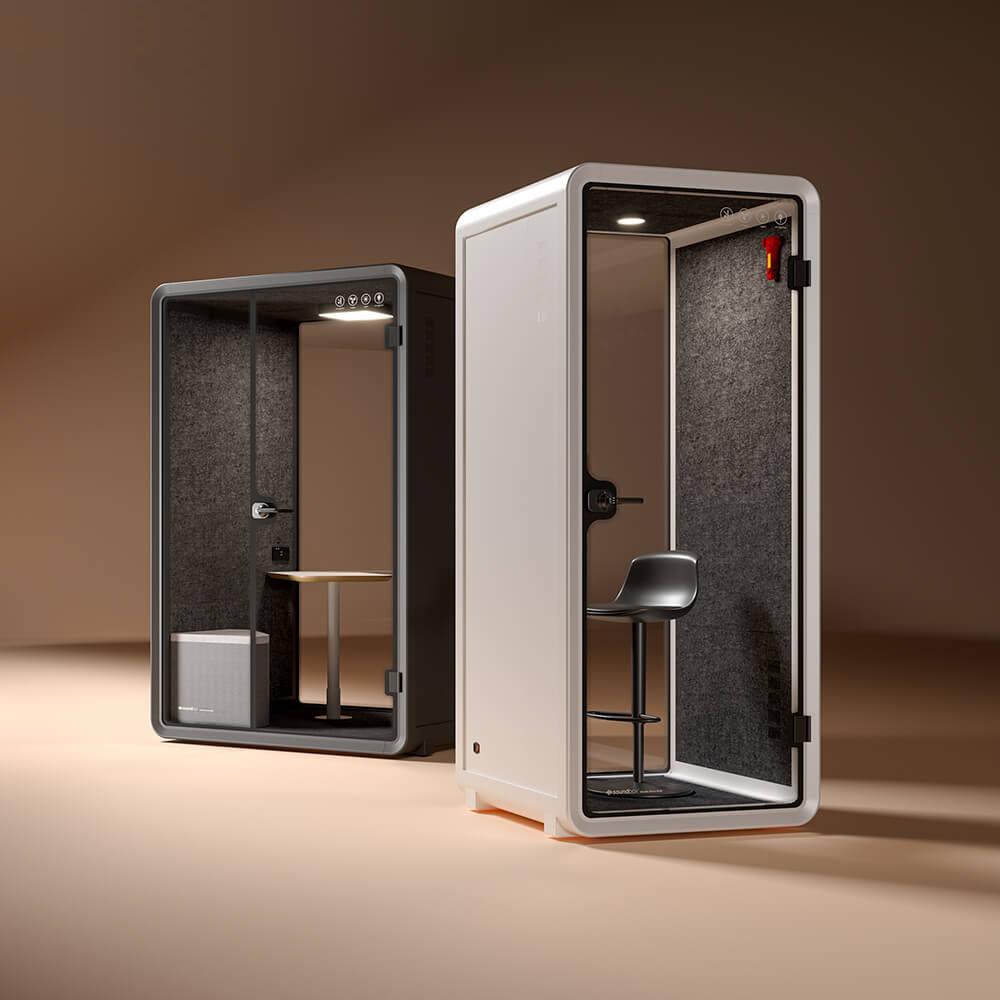
The file then tests "Test the longest assigned use in the small footprint" against responsibility, constraints and contrary observations. Assess entry, posture, desk or shelf, seat movement, devices, camera view, lighting, glare, airflow, temperature perception, fan sound, controls, personal items, movement, and exit. Within the scarce-space trade-off experiment: any supplier exclusion, provisional item or buyer-provided service remains part of the decision, not a footnote.
The scarce-space trade-off experiment uses a distinct method here: compare the offered scope with the buyer's requirement line by line. Ask representative users to complete the normal task duration without coaching and record setup friction, discomfort, open-door behavior, and early exit. Pause the decision if users avoiding the booth after a short demonstration; the observation changes the route rather than becoming an exception hidden in the notes.
The release output for test the longest assigned use in the small footprint is a written decision to approve an occupied use and duration limit. In the square-metre decision map: state what is included, excluded, provisional and buyer-supplied before a price comparison is released.
Commercial approval reaches "Compare complete cost and operating responsibility" only after the earlier use and site questions are stable. Include offered product, options, freight, access, installation, site work, power and data, protection, defects, acceptance, training, cleaning, maintenance, parts, warranties, downtime, relocation, and disposal assumptions. Within the scarce-space trade-off experiment: name the owner and fallback before describing this part of the offer as an operational advantage.
The scarce-space trade-off experiment uses a distinct method here: ask the responsible team to show how the service works when the preferred condition is unavailable. Normalize quotes and alternatives against the same scope, assigning every exclusion and provisional item an owner and evidence need. Pause the decision if a low unit price hiding work the small office must absorb; the observation changes the route rather than becoming an exception hidden in the notes.
The release output for compare complete cost and operating responsibility is a written decision to release a complete commercial boundary. In the square-metre decision map: add the service owner, response route, available fallback and evidence needed after correction.
The final operating entry turns "Use a pilot to close uncertain value assumptions" into a condition that can be accepted, corrected or rejected. Define location, task, user group, duration, privacy check, comfort, booking or walk-up rule, failed-attempt capture, support, observation period, relocation option, and go or stop conditions. Within the scarce-space trade-off experiment: preserve the correction and retest trigger because acceptance can change when a material condition changes.
The scarce-space trade-off experiment uses a distinct method here: close the record in a cross-functional review, leaving every unresolved dependency visible. Compare pilot observations with the original problem and alternatives, including users who did not use the booth and reasons for non-use. Pause the decision if novelty being mistaken for durable small-office value; the observation changes the route rather than becoming an exception hidden in the notes.
The release output for use a pilot to close uncertain value assumptions is a written decision to approve retain relocate change or stop from pilot evidence. In the square-metre decision map: finish with an explicit accept, correct, retest or reject state and a trigger for later review.
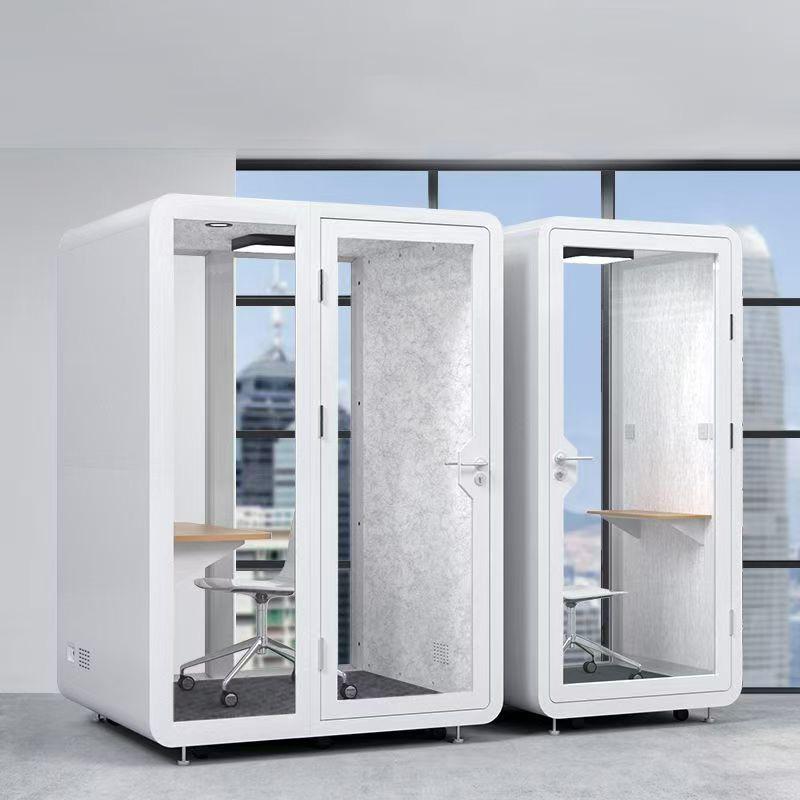
Start with the boundary that the decision must preserve. Observe representative incidents and preserve what triggered them, who was affected, which workaround was attempted, and what remained unresolved. Compare it with this small-office constraint: Separate exposed calls, nearby speech, confidential conversations, room shortages, video-call conflict, concentrated work, visitor discussions, and the people or tasks affected by frequency, duration, urgency, and fallback. Keep the appraisal open if a general desire for privacy replacing a specific business need has not been resolved.
Use the evidence route that matches this question, not a general product benefit. Test or cost credible alternatives against the same privacy, task, disruption, operating, and timing requirements used for the booth. Compare it with this small-office constraint: Review scheduling, team attendance patterns, available rooms, zoning, furniture, etiquette, headsets, acoustic treatment, screens, remote days, minor construction, leased space, and accepting the current constraint. Keep the appraisal open if the pod appearing worthwhile only because alternatives were dismissed has not been resolved.
Treat this as a release condition for the stated task and location. Mark the proposed position and walk delivery, daily use, queue, cleaning, service, and future removal routes with responsible reviewers. Compare it with this small-office constraint: Measure footprint, door swing, approach, circulation, accessibility, delivery route, assembly clearance, services, sightlines, glare, return air, cleaning, maintenance, evacuation context, and displaced furniture or workstations. Keep the appraisal open if a compact product causing a disproportionate office-layout burden has not been resolved.
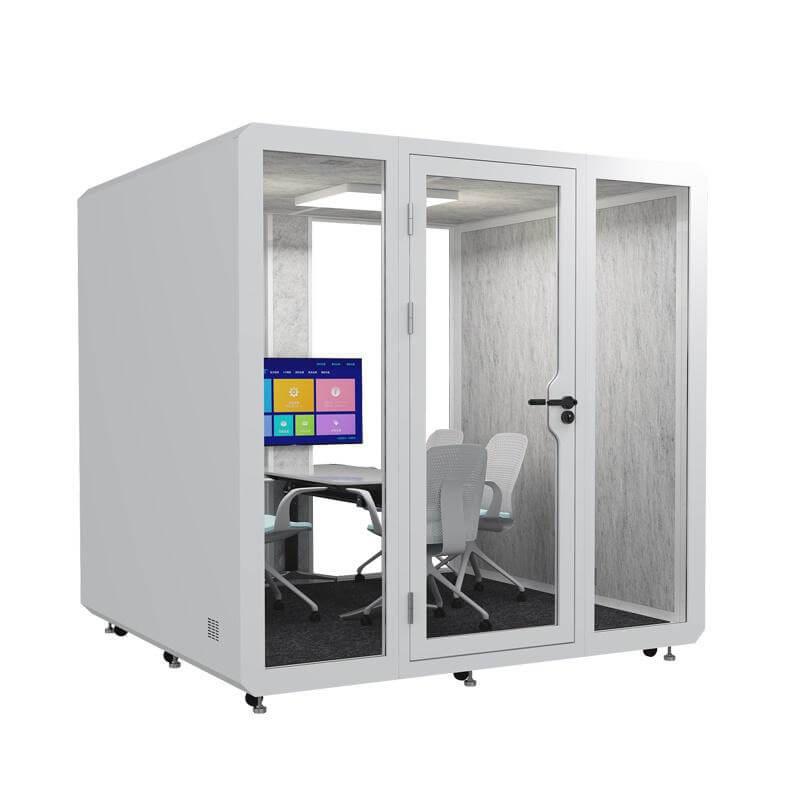
Keep the answer provisional until the relevant owner can show the required record. Run normal calls and inside-outside listening or sightline observations at the proposed position with the offered configuration. Compare it with this small-office constraint: Identify conversation type, speaker, nearby listeners, corridors, queues, glazing views, screen exposure, door and fan state, surrounding activity, ventilation paths, and the limits of available acoustic evidence. Keep the appraisal open if enclosure appearance being treated as proof of confidentiality has not been resolved.
Soundproof Booths can be worth it in a small office when they solve a repeated, eligible problem without imposing a larger penalty on circulation, displaced work, access or daily operation. The answer depends on the actual footprint and task, not on a general claim that privacy is valuable.
Use a bounded pilot to choose retain, relocate, reconfigure or remove. That decision path respects scarce floor area and gives the team a practical exit when the observed use does not support the original assumption.

 Tel: +8613538031763
 Email: info@sopworkpod.com
 MP/WhatsApp: +8613538031763
 Manufacturer Address:Liucheng Lujiang District,Meixi Road,Nanan City,Fujian,China